JAZZ NA SERRA
Santo Antônio do Pinhal, Brasil
Festival

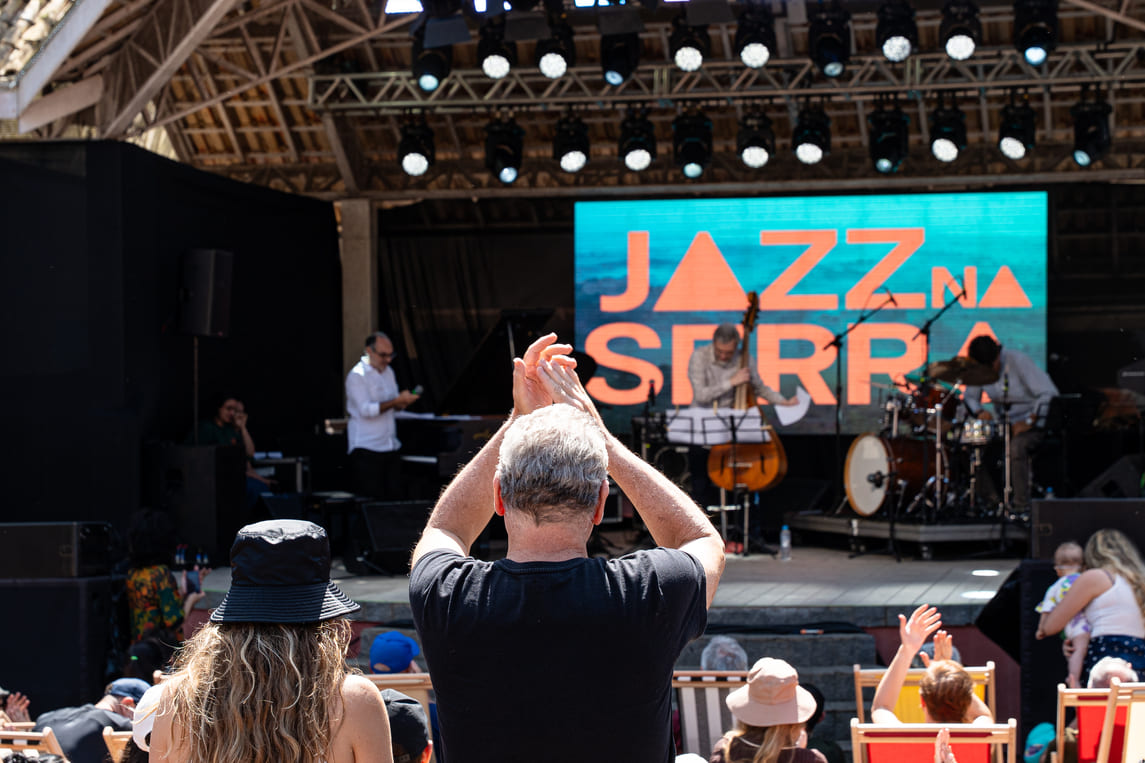
Brazilian jazz has its own unique characteristics. Its main differences lie in the rhythmic elements of the different regions and cultures of a country with continental dimensions. This became even more evident—for those who were unaware—during Jazz na Serra, held between August 22 and 24 in Santo Antônio do Pinhal. The festival was named after this small and charming city located in the Serra da Mantiqueira, a region known for its natural beauty with mountains, wildlife, forests, and waterfalls. With approximately 7,000 inhabitants, the population almost doubled during the three days when it was possible to observe the diversity, richness, and beauty of jazz and Brazilian popular and instrumental music.
With winter coming to an end, the mild weather was perfect for lovers of good music to enjoy it in complete comfort. The cold appeared for a few moments, especially at night, but the sun made everyone happy in the morning and afternoon. Thus, wines, soups, broths, pizza, and beers served as accompaniments for both moments and temperatures. Everything blended perfectly with the atmosphere generated by the refined musicality and sense of community experienced by 80% of the spectators who were not residents of the locality.
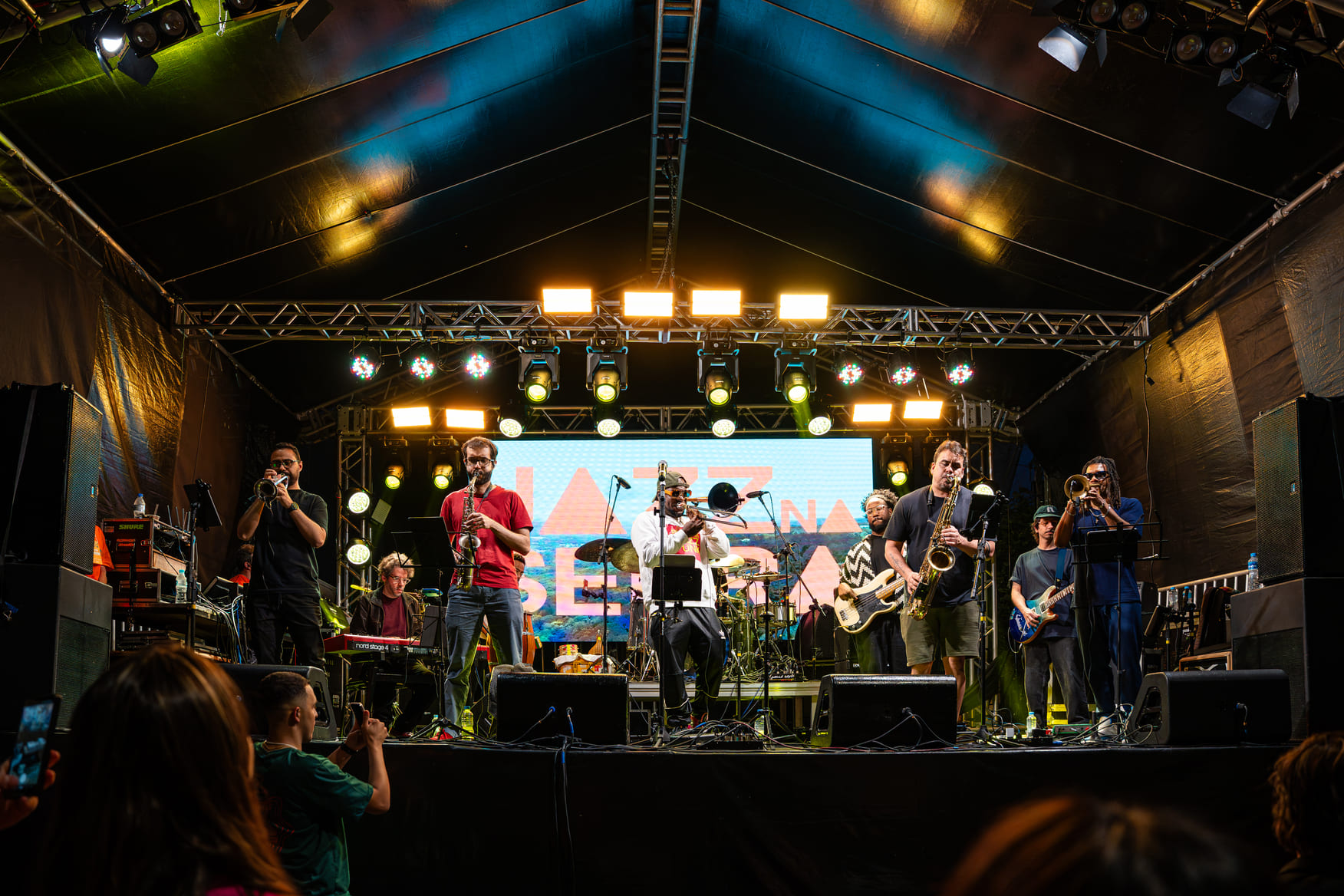
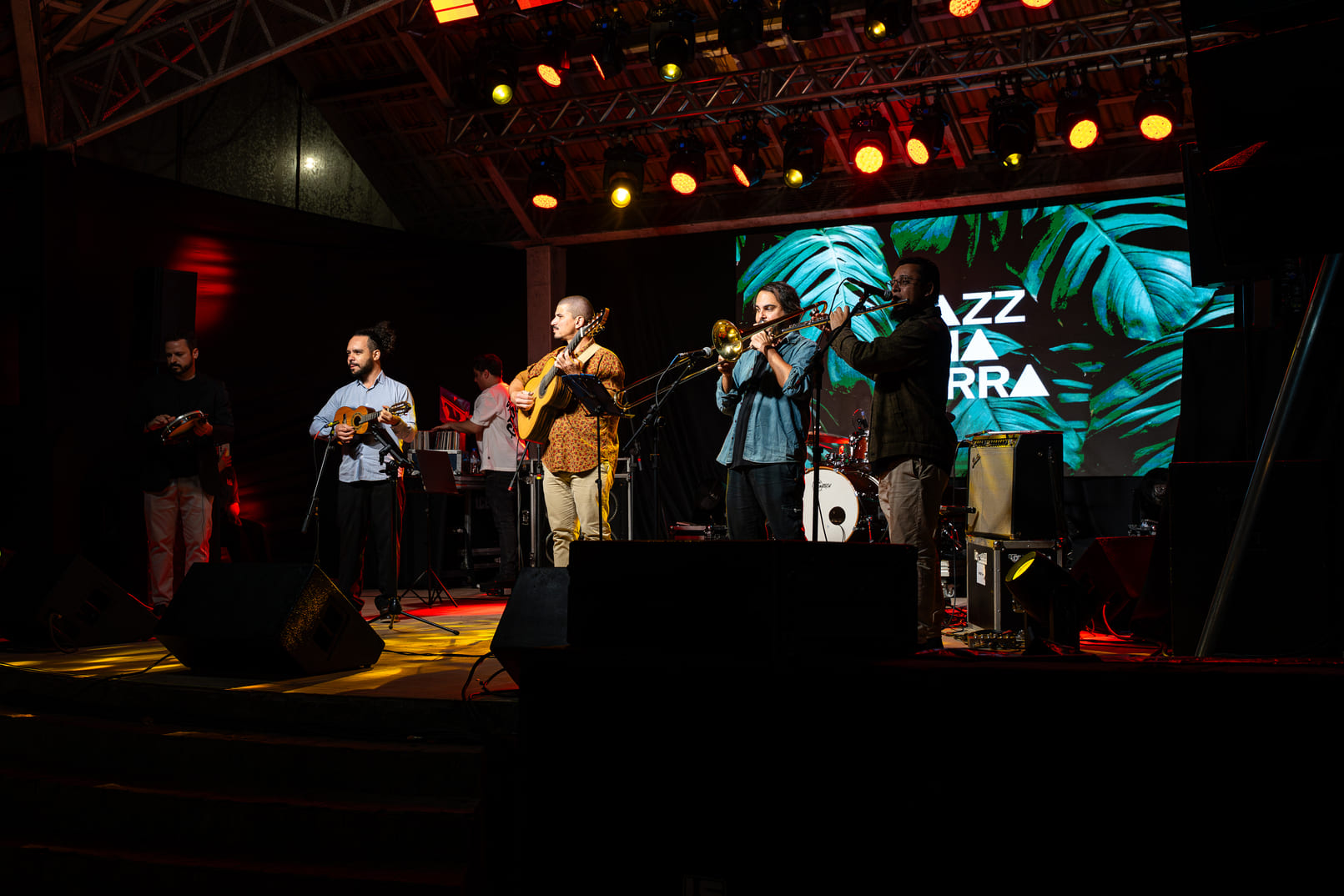
All this care began with the choice of guests. The curator was trombonist and producer Joabe Reis, who took care to bring together different styles. He himself was one of the protagonists on Saturday evening with the Dejavu Session. Alongside 10 musicians, he got the crowd dancing with a fusion of jazz, funk, and samba-jazz. It was impossible to stand still with the energy and pulse transmitted through instrumental versions of famous songs by Gilberto Gil and João Donato to Roy Hargroove, with improvisations by some of the most acclaimed Brazilian musicians. It is no coincidence that this jam has been acclaimed wherever it goes. It transforms the traditional and elevates the modern.
“This mix of American funk with Brazilian music and so many other styles such as jazz, added to improvisation, gives us this freedom,” says Joabe. “From the moment we open a solo chorus, everything becomes jazz, so Dejavu is exactly that. It’s also very interesting because during the solos, sometimes I combine them: look, you’re going to solo. There will be a drum solo, a guitar solo, a solo, I don’t know, on the trombone… but sometimes not, sometimes the song starts and whoever feels it goes solo first. I think Dejavu’s energy is a cool vibe because of that too, so I think everyone is there willing to throw themselves into it and see what happens.”
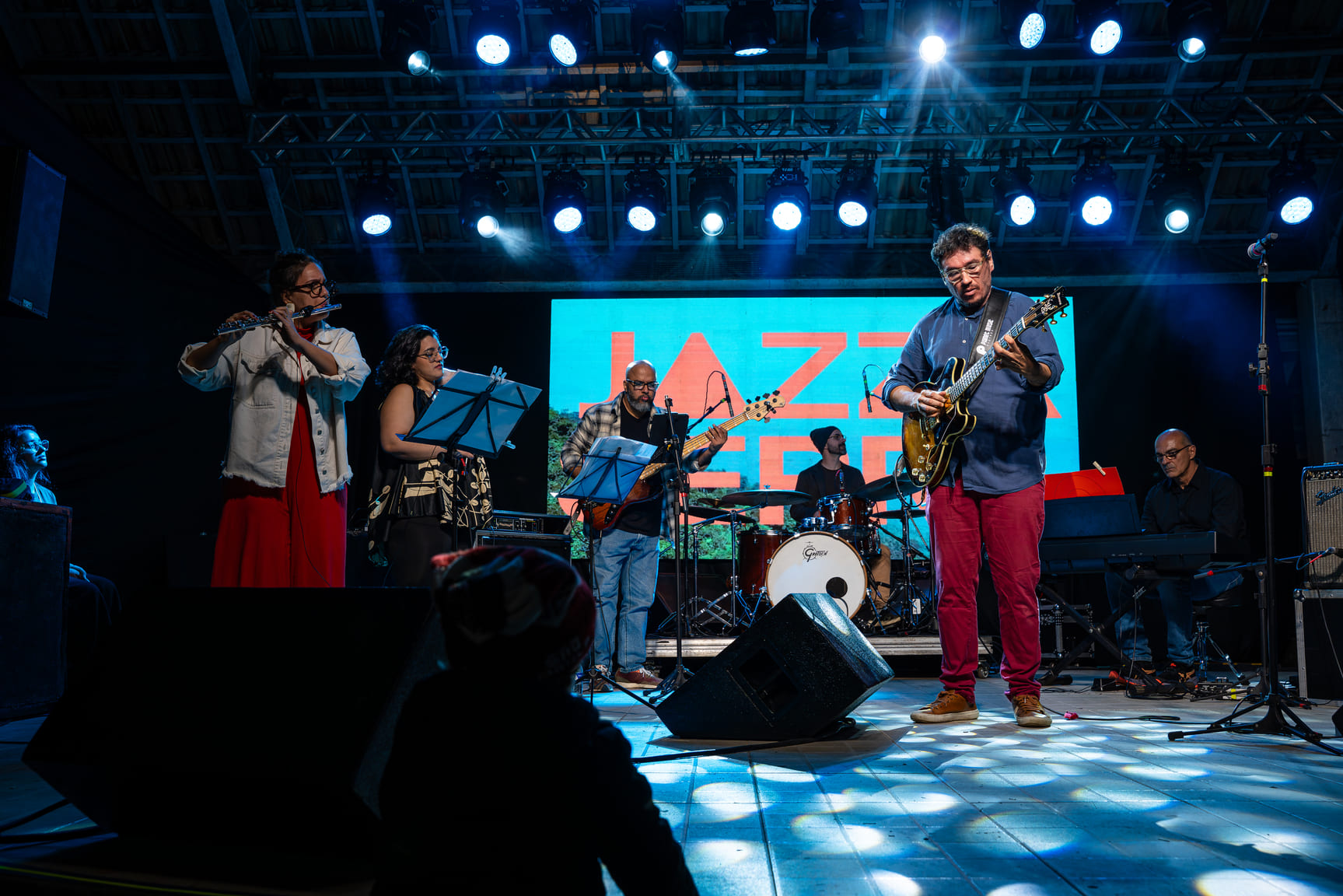
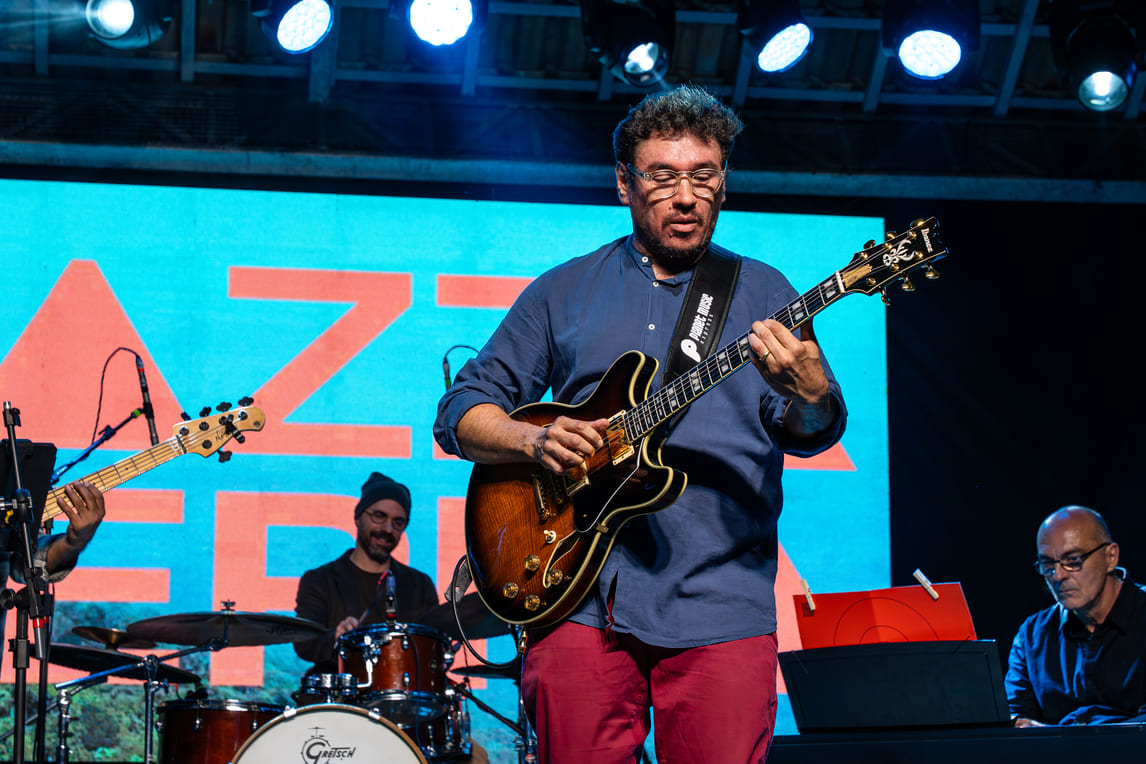
Almost 24 hours earlier, Regional Ginga Ligeira opened the proceedings on a cold Friday night with the lament and tranquil swing of choro, one of the most authentic styles of Brazilian popular music (MPB), accompanied by guitar, mandolin, cavaquinho, flute, and tambourine. Starting in this way reinforces the commitment to promoting national musicality. The emphasis on this direction was made by Thiago Espírito Santo and Grupo. The bassist, son of another genius, Arismar Espírito Santo, who has accompanied big names, including Hermeto Pascoal, used his guitar to make it sound like an accordion and, from time to time, during flutist Morgana’s solo, picked up a triangle
It is satisfying to watch Thiago play because he transmits his passion to those who watch him. Whether they were sitting on deck chairs in front of the stage or standing in the square, drinking bottle after bottle of wine, they felt the same enthusiasm as the musician. It is as if Espírito Santo is playing with something very pleasurable. She captivates, as does the quartet that accompanies her, being a singer who, instead of vocalizing lyrics, makes her voice another instrument.
Loaded with influences from baião, frevo, and forró, the concert named “Folha de Corda” (String Leaf), Thiago praises northeastern Brazil. “The idea was to see what it would be like if the guitar had the power to be an accordion,” he says. “I put myself in the place of an accordionist playing in a forró trio, but it had to be the guitar playing the role of the accordion.” In his view, it is this rhythmic plurality that differentiates Brazilian jazz from world jazz, especially traditional jazz.
“Jazz is considered a universal language. It ceased to be a rhythm and became a language of expression, where you can put your creativity on top of a theme,” he points out. “So, there’s the melody, the harmony, and from there on, we create together. “Brazil is very rich, but the thing is the language, the exchange. It’s a music of exchange, a music that brings people together. Where dialogue is worth the notes and rhythms. The difference lies in the richness of our culture. Brazil has this craziness, where in the South you have milonga, chamamé, vanerão. Then you come up, and you find the samba of São Paulo, which is different from the samba of Rio. The flavor of Minas Gerais, the beauty of harmony and composition of Milton Nascimento, Lô Borges, Beto Guedes… and in the Northeast, each place has its own characteristic identity.”
SENSITIVITY, GROOVE, AND RESISTANCE
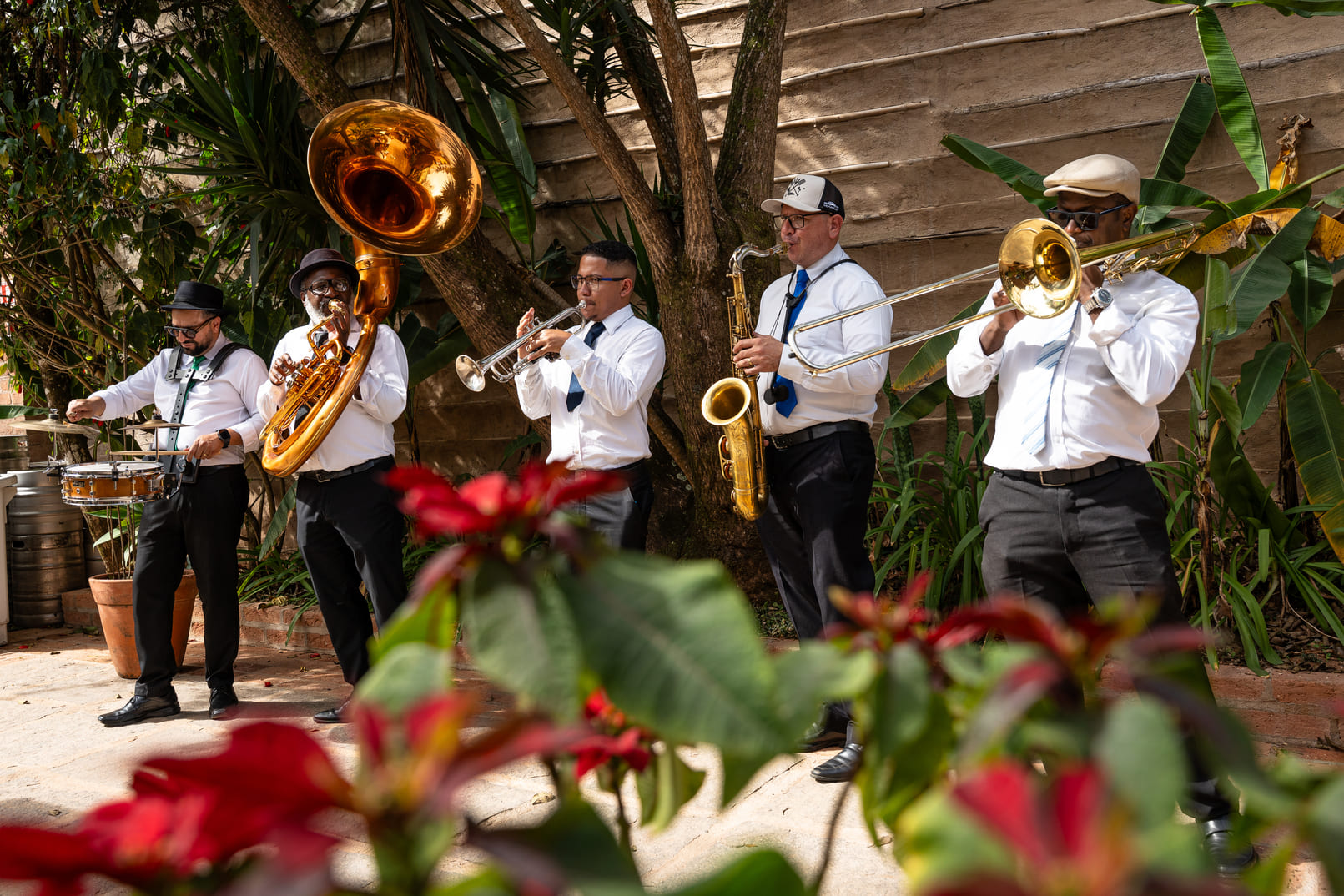
The previous night (Friday) created anticipation for what was to come on Saturday. With the sun shining over the mountains, warming everyone’s heads, the Orleans Jazz Street Band brought a little of the joy of New Orleans to the center of Santo Antônio Do Pinhal, parading through the streets, squares, and avenues to cheer up and get people dancing to the sound of ragtime and swing, whether they were walking or waiting for lunch in restaurants. The atmosphere was festive, almost like carnival. The movement in the streets paused briefly in the early afternoon, at exactly 2:30 p.m., for the impressive performance by Sintia Piccin Sexteto.
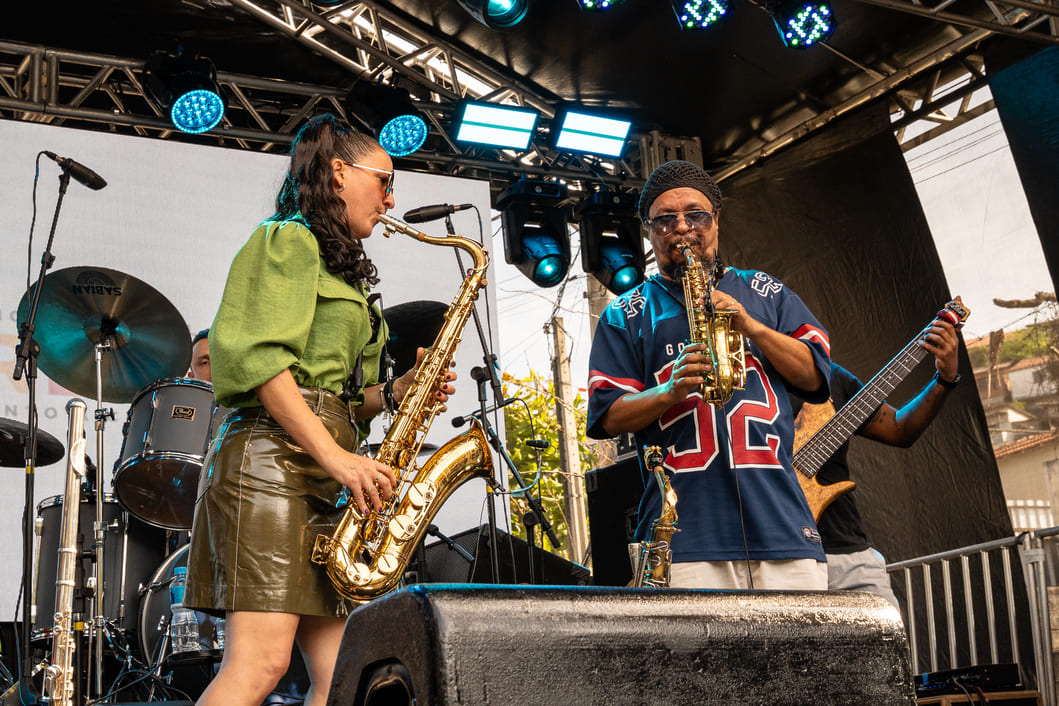
Wielding her saxophone, and sometimes her flute, Sintia performed songs from the EP “Freedom of Mind” and some unreleased tracks that will be part of a future project. Alongside Richard Fermino, Nichollas Maia, Jackson Silva, Igor Bollos, and Fernando Amaro, she captured the eyes and ears of the audience. Her calm and smiling manner makes it seem simple and easy to master the keys. But the ease is only for those who see it. Piccin has a theory that it is necessary to do something complex while making it look easy. This is also how she influences other girls and women who are already involved in or intend to pursue improvised music.
“For a long time, I kept thinking: gee, people don’t really like improvisation, do they? Because it gets boring and the soloist just stands there playing,” she observes. “Then we started playing on the street and people started calling instrumental music groups to play. It became a regular thing. It was a Sunday kind of thing, getting a bunch of people together, and we would do endless solos, and everyone would listen and clap, and young people enjoy instrumental music, so that gave me a start to try to get my work out there too, you know, because I thought jazz was in the theater or in a bar with those old guys, something more elitist, something more for the upper middle class. And that’s not what we want, we just want to play, you know?”
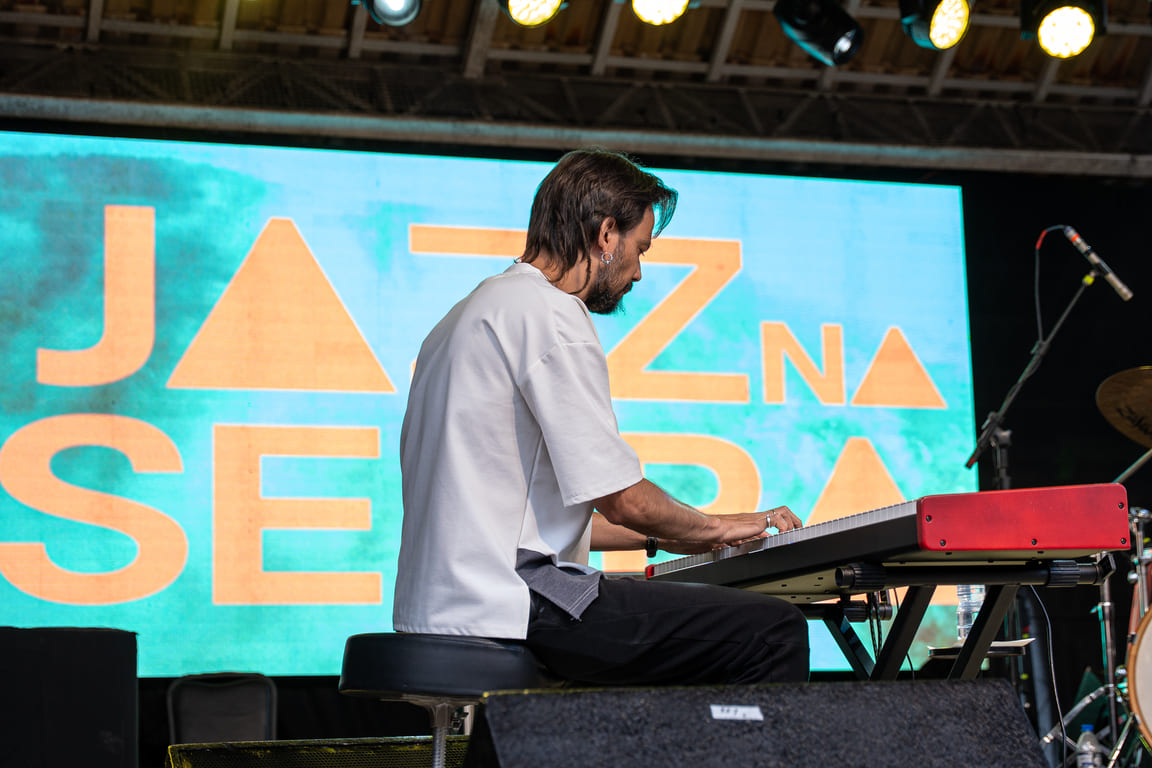
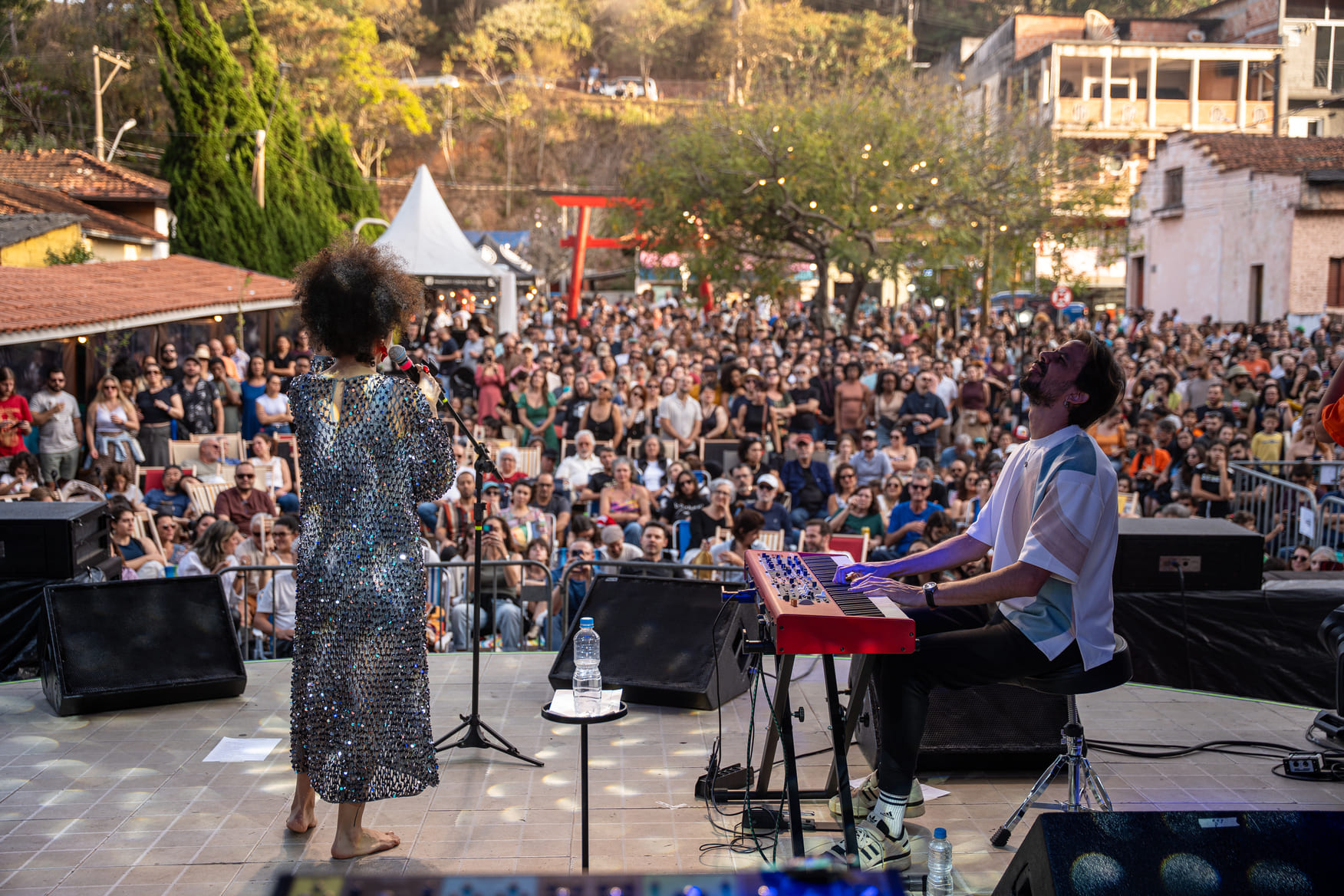
The experience at Jazz na Serra confirmed how much people are interested in the 5-minute walks between Boulevard Araucária and Praça do Artesão, and vice versa. At the latter, Salomão Soares and Vanessa Moreno enchanted the audience. The sensitivity of the singer’s soft, high-pitched, and striking voice was further emphasized by the light sound of the skilled pianist. The duo performed songs from the album “Outros Ventos,” which features vocal and piano reinterpretations of classics by Gilberto Gil, Roupa Nova, Baden Powell, João Bosco, and Aldir Blanc. When she sang “O Bêbado e a Equilibrista” (by Bosco and Blanc), Vanessa moved the audience with the delicacy of her interpretation—she herself was also moved. It gave those with greater sensitivity goosebumps, due to its close interpretation of the original by Elis Regina and its representation of resistance against one of the darkest periods in Brazilian history, the Military Dictatorship (1964-1985). This ghost returned to haunt us years ago through coup attempts against the state. Thus, the passion with which Soares and Morena shared it shows how relevant the composition still is and represents, in a way, resistance. They gave a reflective and inspirational performance. It’s one of those that you need to put on your priority list.
After wiping the tears from their eyes, those present moved their bodies to the sound of (the aforementioned) Dejavu Sessions, but not before stopping to admire the orange sunset embellishing the mountain sky. Almost 30 minutes after they finished, Hamilton de Holanda, accompanied by Salomão Soares and Thiago Rabello, kept the temperature high, despite the cold wind. He had already made some people happy during the sound check. That moment was just an appetizer for the main course he prepared for everyone to enjoy with the sound of the mandolin, which seems to speak through Hamilton’s fingers. The type of sound he makes is considered choro by some and jazz by others. However, he does not like labels because he is able to perform in different places, including the Jazz at Lincoln Center complex in New York (USA), where he recorded “Hamilton de Holanda Trio, Live in NY.” When I ask him if he considers himself a jazz musician, his answer comes with the same intensity as the question.
“Look, I can answer you in a few ways… so it’s hard to answer yes or no, because jazz is in my music, for sure, but I’m from choro, I was born in choro, since I was a child. The first 200-300 songs of my life were by Pixinguinha, Jacob Almeida, and Ernesto Nazareth, but at the same time there’s Hermeto Pascoal, Egberto Gismonti, Baden (Powell), Milton Nascimento, Chico Buarque, Djavan,” he says. “So, it’s something that, I even came yesterday on the way saying: ‘man, our music is hard to classify, because if you say it’s jazz, jazz musicians will say it’s something else. And on the other hand, my choro friends think I’m a jazz musician. Jazz is very broad, you can’t just define it and say: only this is jazz. It has its foundations, obviously, but it has a family tree that branches out in many directions.”
The countless possibilities of this art form, mentioned by Hamilton, were reflected in the final act of the second day of the festival, with Ellen Oléria showing off all her groove and swing. But she also moved the audience with the power of her voice and songs that portrayed the struggle and resistance of the black community in Brazil. With her charisma, she captivated the audience and made the night even more refreshing, fascinating, and inspiring.


BUILDING A LEGACY
Far from the circuit of major festivals, Jazz na Serra proved to be a giant success. Due to its success, including the boost to the local economy, Pedro Pimenta (the creator) confirms that the 2026 edition is guaranteed. “It’s almost inevitable that it will happen again, and we’ve already started thinking about ways to do that. The idea is not to hold a festival that could take place anywhere, just putting the Jazz na Serra brand on it, but it could be done in São Paulo”, he says. “The idea is to keep it here. Occupy the city center and privilege the businesses that are here.” Curator Joabe Reis also says he is fulfilled and already has names in mind for the next edition. “I’m happy with the positive feedback, because it’s very difficult to be a curator at a music festival. As an instrumentalist, I’ve worked and been alongside so many names in music that I love and would like to have here on these stages. But we have to curate in a way that also fits with the script we want to write here at this festival.”
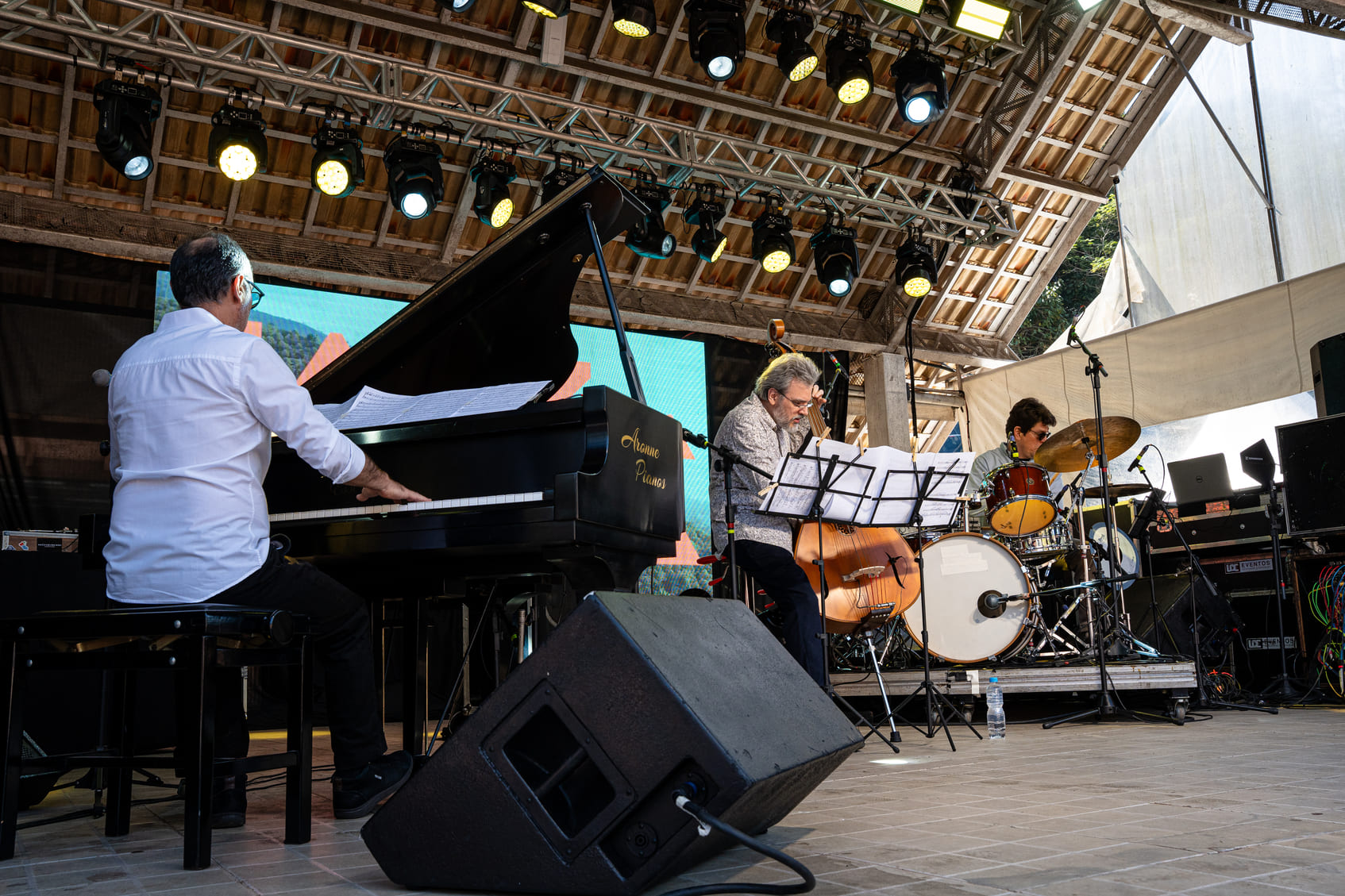
To end on the same mood as the beginning and the middle, the sun came out again on Sunday morning to activate the vitamin D of those who chose to “bathe” in the sun’s rays. In the shade, drummer Edu Ribeiro, pianist Fabio Torres, and bassist Paulo Paulelli brightened up the start of the day with a diverse and cheerful sound, ranging from samba-jazz to choro, passing through other elements of Brazilian music. Formed in 2001, Trio Corrente is one of the most inventive contemporary groups, winning a Grammy Award in 2014 for best Latin jazz album for “Song For Maura,” which also won a Latin Grammy, shared with pianist Chick Corea.
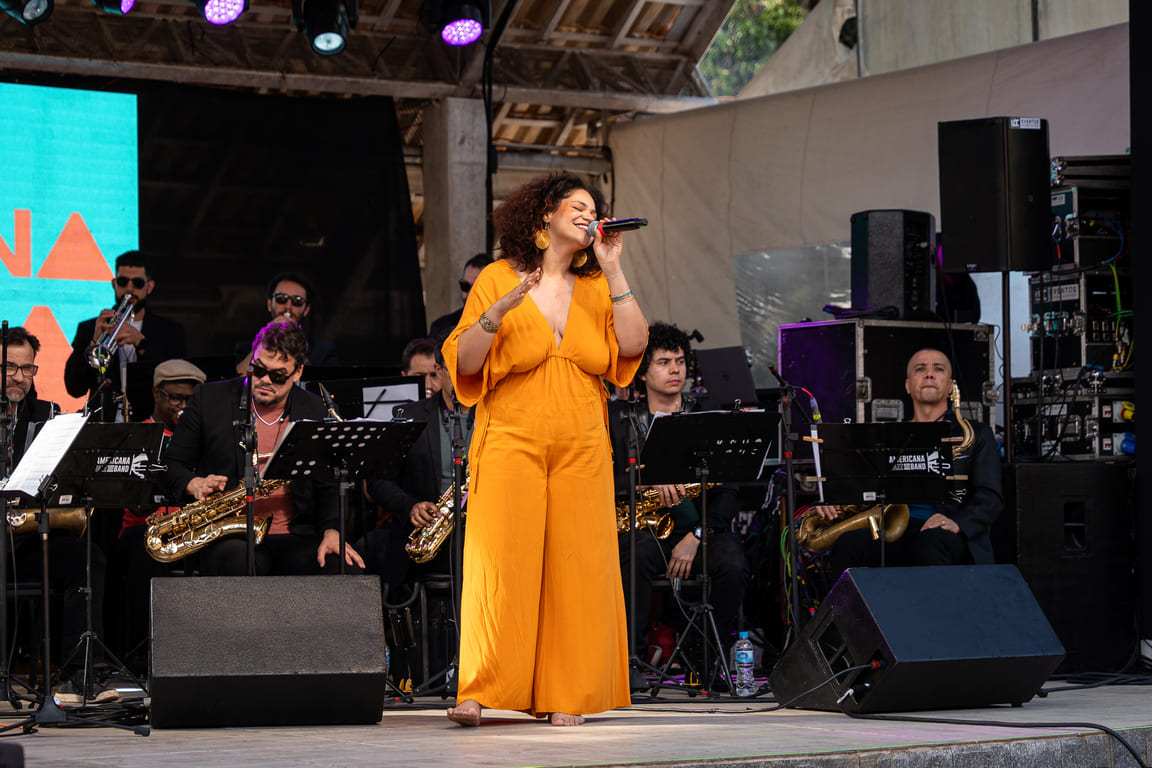
Joabe’s assertive selection demonstrated his knowledge and care in choosing each of the participants in Jazz na Serra. It is a legacy that is beginning to be written, and one that will also place Santo Antônio Do Pinhal on the world stage of great musical events, especially jazz. The exploration of different jazz styles also opened up possibilities for those who are not so familiar with the genre and believe, especially in Brazil, that this is a type of music appreciated by intellectuals. At the closing, the Americana Jazz Big Band recalled the golden age of the great swing bands with classic movie soundtracks and compositions by geniuses such as Quincy Jones and Gordon Goodwin. The power of Raquel Odara’s voice stood out. In both performances, she mesmerized with her vocal power. It ended the way it should: with refinement and excellence.