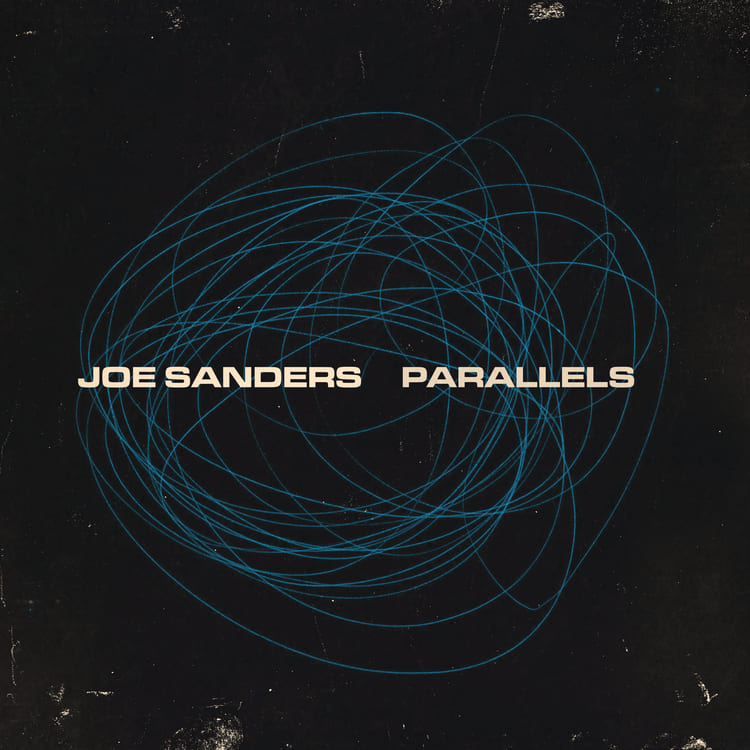
JOE SANDERS PARALLELS
Interview
Jimmy Glass Contemporary Jazz Festival
13
January, 2026

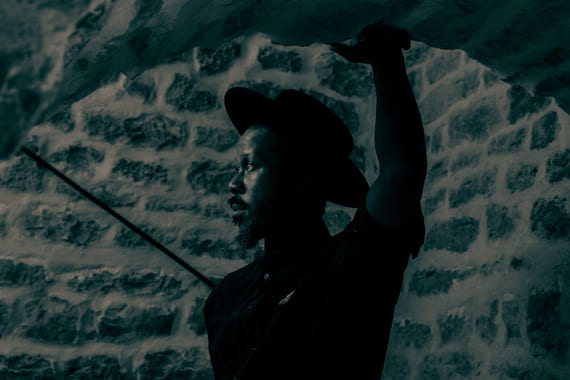
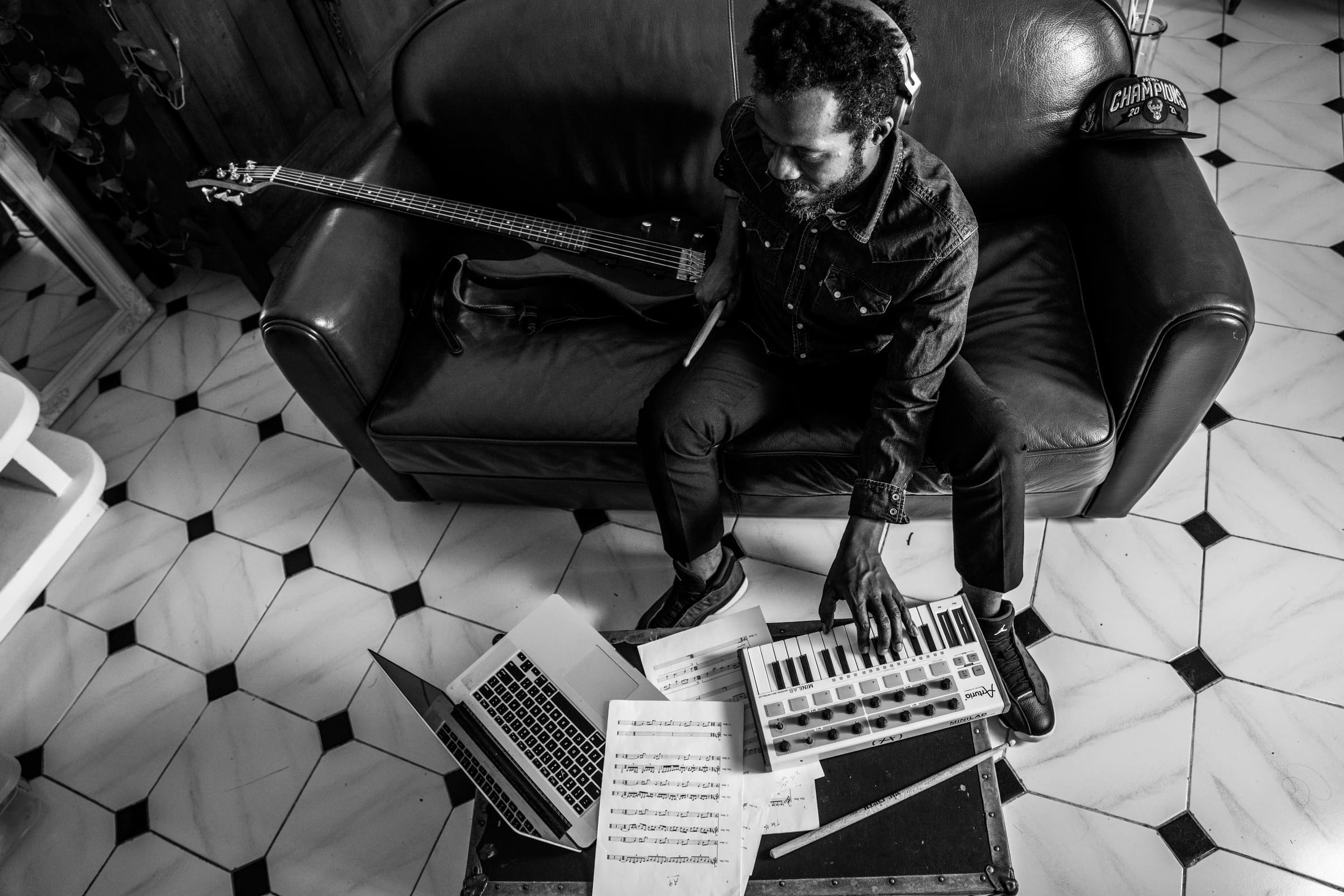
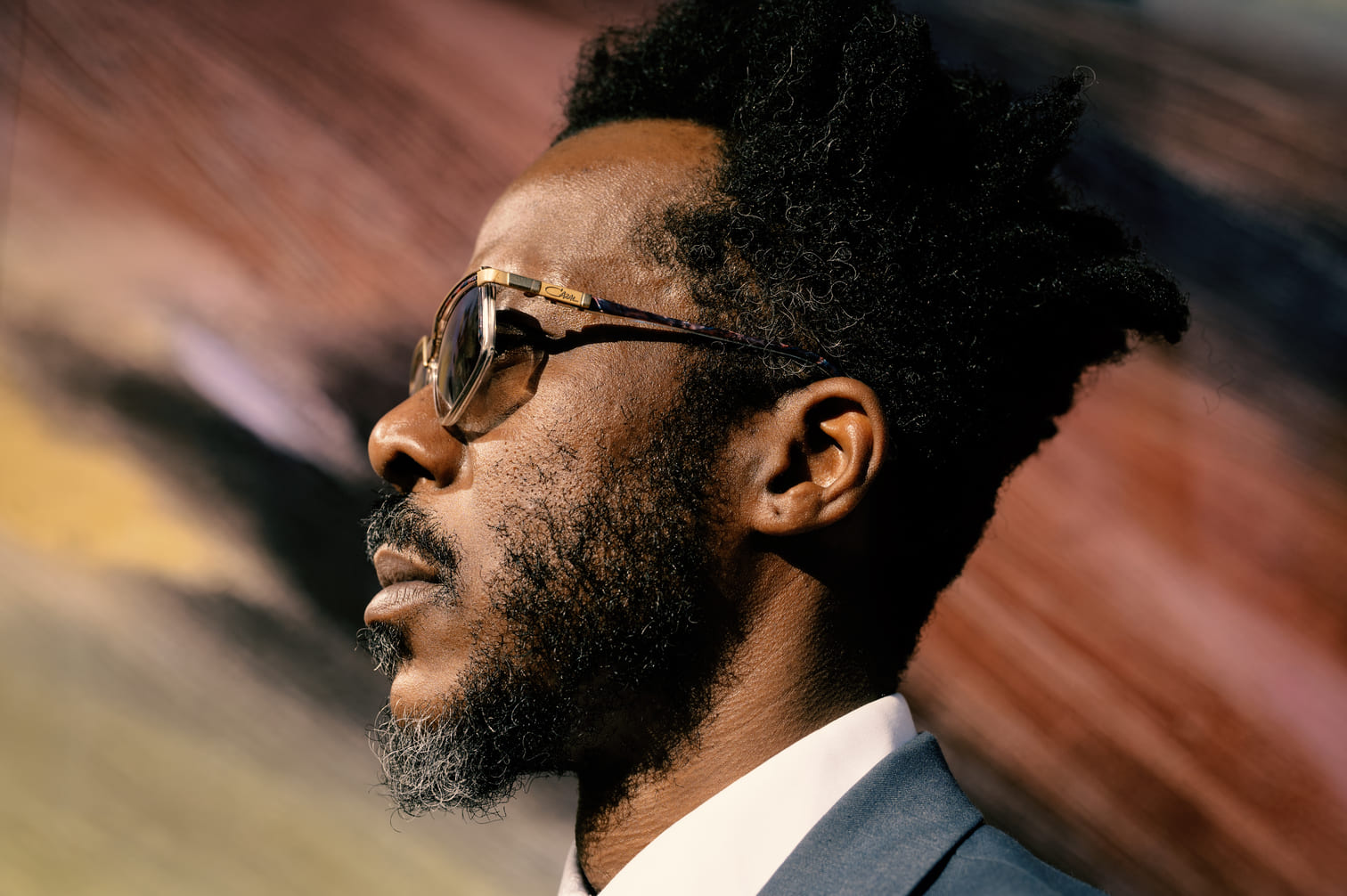
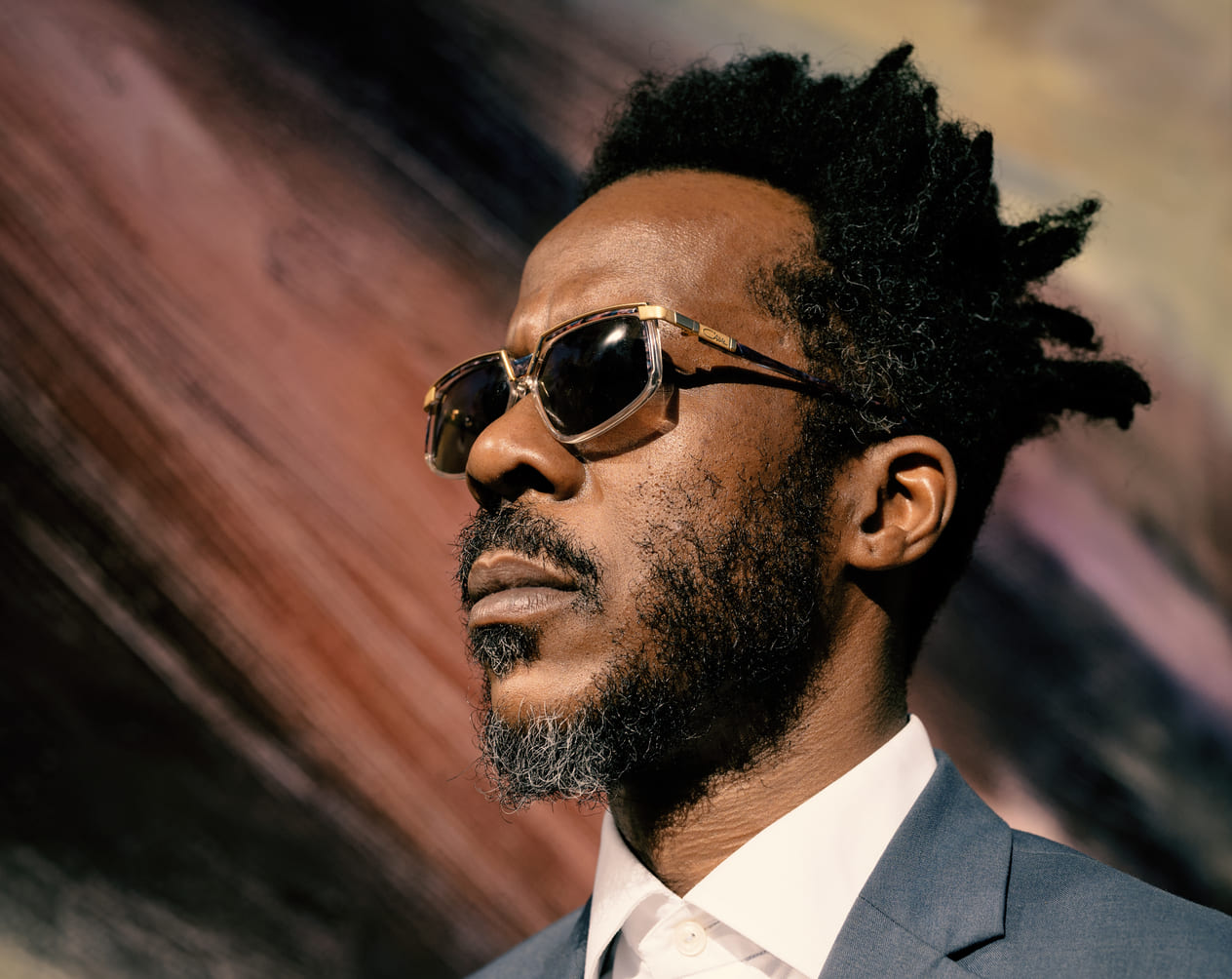
After his concerts and masterclasses around Spain during the month of November, Joe Sanders gave us a very pleasant moment to sit down and talk with him. He tells us about his latest album, his composition process, his relationship with the rest of the band, his connection to music, and his deeper reflections on sound. In the interview, in a very friendly way, Joe shares many keys to his sound and his artistry.
We hope you enjoy both the podcast and the written interview below!


In&OutJazz Magazine: Welcome, Joe Sanders, tuning in for In&OutJazz. We’re an independent journal that works with a lot of effort to highlight all the cool music that is going on nowadays. And of course, your name stands out significantly. You’ve been a great musician for a long time now. And the last album you put out, Parallels, has drawn all of us crazy in the best way, in the best sense. It’s amazing. We’ve been following you throughout your tour here in Spain. We were there in the Jimmy Glass Club, and that was amazing. You’ve also spent time doing lectures and seminars here in Madrid. So yeah, I wanted to ask you, how did that go? Did you enjoy your time in Spain? How was it?
Joe Sanders: Man, I always have a great time in Spain. The crowds are very lively. And it was the first three gigs with this particular ensemble, this cast of characters. So, it took us, it was a little bit like rehearsing while on the road. But it was a time to get together and a time to find each other and understand how to be cohesive. But yeah, we played it in Valencia. And then the next two days, the rain was following us. It was like a big, big storm. So, it was raining the whole time we were there, basically, except for Valencia. So that was kind of a drag because we couldn’t go out and see Sevilla and Málaga. So unfortunately, that was a drag, but we still had a good time, nonetheless.
That’s fine. You guys were totally unlucky because usually we get the nicest weather here in Spain during the Autumn season. Too bad, but not to think a lot about that. And I guess you guys had a ball playing in the gigs and stuff. For us, it was amazing to witness you guys getting together musically speaking. And that’s, that’s awesome always.
Man, tell us, how was the composition and the writing process for Parallels? How did you think about it? How was it? How did it come to your mind?
I think it was more of an idea for a new ensemble that had no chords because there was a time in the recent history of jazz where there are so many bands without bass, like with guitar and piano and drums or guitar, saxophone and drums or piano and drums. And, you know, so I was like, yeah, let’s break that trend sort of. So, it was kind of my like “get out of here chords, instruments, we don’t need you”. But this was like during, during the pandemic, right before the pandemic. And I kind of always had this idea in my mind, to try and compose for an outfit without chords. So, the impetus of it was just to find a way to actually make it work. And then finding an ensemble of instruments. So, it was like “should I do trumpet? Should I do three horns in the front or two?” So, it was picking from who was around and who was in my head at the moment. And all four of us had been teaching in Siena Jazz during the pandemic. So, it was kind of an easy choice. But while teaching there we never really played together. So, it was kind of one of those like “hey, guys, we should play together, us four would be great together”. So, it was always like this “guys, we should play”. And there was always like, we would go eat dinner, we talked and be like “man, this would be a great band”.
But you never did it until…
We never did it until I was like “okay, let’s do it”. And then write some music for it, especially featuring the musicians on the on the album. So, it’s very personal to me, because I was just not writing for drums, bass, and two saxophones. I was writing for me, Hutch and Logan and Seamus, you know. So, has a different energy there when it’s purposely written for the people that play the music. And so yeah, it was just kind of that and try to figure out what would work, what doesn’t sound full, what sounds full. So, the compositions were that thought process. But I think the most effective thing in that process was the orchestration and trying to find the right voices and the right timbres and the right notes to fit the ensemble to make it work. So, it’s kind of one of those things where it’s just trial and error, trying to figure out how to orchestrate for this particular group to make it sound like a full ensemble and not just a band without core.
Yeah, that’s so nice, man. I mean, you mentioned your band colleagues, your band members. We’re talking about Gregory Hutchinson in the drums, Logan Richardson, and well, we have two saxophones, as you said, because we also have Seamus Blake. What a quartet, what an amazing quartet!!! Once we all got conscious about the band you were putting together, we were pretty excited to hear the music that would come out of your meeting. And that’s so nice, but tell me, how did the process of putting the music together go? Did you guys meet directly in the studio or did you guys have a little time to rehearse and to go through the music? How was it thought about?
The idea to actually play as a band came with an offer for a jazz festival in the south of France, in Jazz en Tête, called in Clermont-Ferrand. And one of our friends and colleagues who runs the festival, Xavier, said “do you have any ideas about what you want to bring to the festival?” And I was like “oh, I’ve been working on this music, so maybe this could be a great opportunity to put it together”. So, I wrote the music. And in this particular program, it was like we would tour around the region of Clermont-Ferrand in the Rome region and play three to four or five gigs. And the last gig would be the main concert at the festival on the weekend.
Nice.
So, yeah, we toured, we rehearsed this music for basically four gigs and then presented the main concert on, I forget what day it was, but at the main stage. And so, yeah, it was kind of like a workshop type of thing and then presented to a big audience. And we didn’t go into the studio, I just used that.
Yeah, that’s a live recording. That’s awesome, man. Yeah, that’s the best scenario to take the music out of the bloom. That’s nice. Getting together with your friends, playing the music live and after a few gigs, just press the recording button and you got it, it’s awesome. Could you tell us one or two things that you’ve learned from each and one of the musicians you gathered for the record?
Well, I think it’s all of them are older than me. So that’s a funny thing. I’ve known them for over 20 years. And it’s hard to say like one thing or multiple things about each person, but they’re all like kind of my mentors. And we’re all students of the music. So, it’s always great to have people who are still students of the music, because at some point, some people get into this “I am professional musician, therefore, I don’t need to learn anything more”, you know. I mean, to each his own, but I think the more hungry people and artists, the artists that continue to produce groundbreaking music are the ones who are hungry to learn and hungry to know more of a thing.
Always learning. Yeah, always.
So yeah, I feel like me being the young apprentice, calling them and being like “hey, man, just if you want to roll with me, I’d be honored to have you”. Because I’ve played in all of the their ensembles before and I’m on their records and, and we’ve toured together before. So, it’s kind of like the trust of them with me saying “oh, okay, I’m rocking with you, I’m going out with you, even though you’re younger”, quote unquote-younger. But yeah, I think it was just the maturity to step up my maturity to be able to have these cats on the road and be able to be the leader but still the youngest one in the band, that’s awesome.
Yeah, that’s so cool! In fact, I bet these guys also learned from you as a leader, in that kind of relationship you’re describing. Life is really worth it when we stay learning each day, each and every moment.
Right.

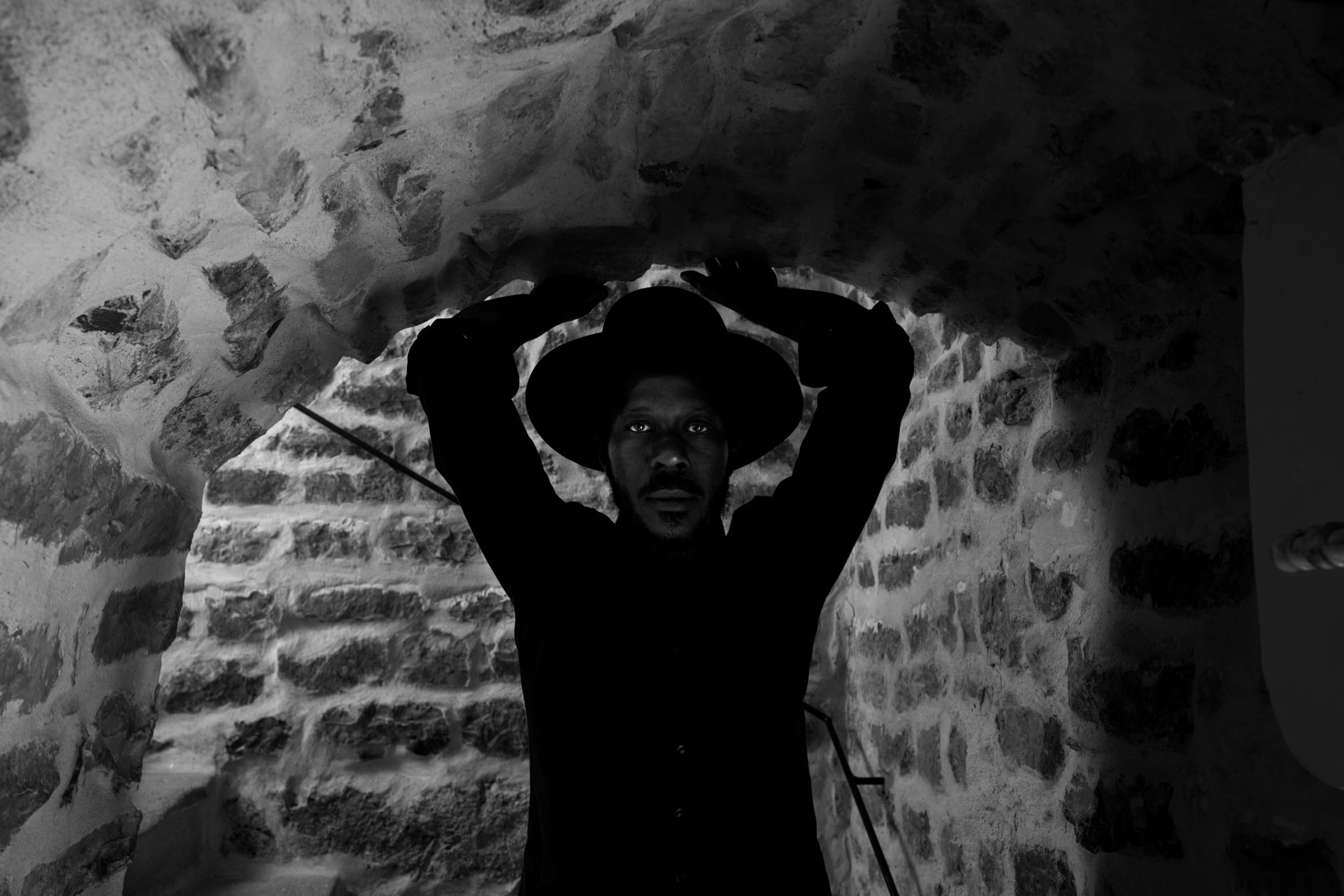
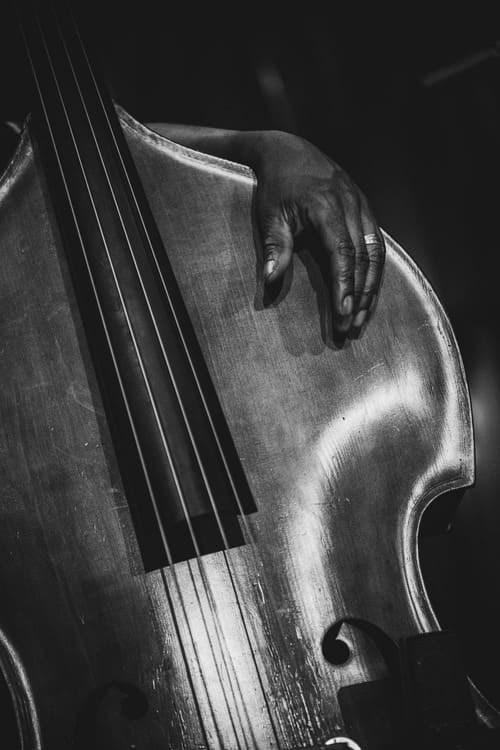
Man, I’m curious to know what the engine or the core of the engine is for you as a musician and as a composer nowadays. What is the research or the spirituality or the idea or the concepts beyond making your art and your artistry?
Oh, wow, that’s a big question hahahaha. I believe strongly in vibrations really. It’s more of how do we get information that is learned from an early age about music, and use that a way of communication to deliver vibrations that heal.
Wow, nice.
Vibrations that actually mean something. Because there are so many musics in the world that actually mean something. I feel like, at some point throughout the history of whatever we’re playing, jazz or classical or whatever, hip-hop, blah, blah, blah, there was a moment where it just became modernized and just became something to do, you know, like “okay, well, I’m just going to play jazz because I like the way it sounds”. But what happened to the depth? That feeling of depth of life, life or death? Or like, the feeling of “if we don’t play this music, we feel like we’re going to die”? Where is the spirituality as you’re saying in music? And then, in African music, there’s music for the daytime, in the morning, in the evening, in the afternoon, as well as in Indian music, there’s a raga for the morning, evening, afternoon. So you get to the question: where is that in the music that I play, that I represent, that I bring? So how can I find that spirituality within what I’m doing and what’s the purpose? Like, why am I playing this music? So, being a stringed instrument player where I do feel the vibrations, like, how do I transfer the notes into vibrations? And how can I make those vibrations mean something? So, it’s very esoteric, but I do believe strongly that the vibrations with the right purpose and the right feeling and the right intent can do more than just something for your ears. It can do something for your heart, it can do something for your body. If you’re feeling it, you’re just like “oh, wow, okay, let me just relax into that feel”. And, it’s not just me, but the orchestration of everybody. So, how can we put it together as a group and have that same energy and intent and creating those good vibrations? You know what I mean?
Totally. I mean, it’s hard to embrace that whole concept or consciousness, but at the same time, it totally feels like that’s closest to the truth, if there is one. In a sense that, we sometimes take music or whatever experience in life from an emotional point of view, but that gets to an end…, usually in a short period of time. Whereas, taking experiences in a more realistic way, and what I mean by realistic is all the explanation you gave around the vibrations, and real physics and real stuff that actually changes us because they’re real. They’re not your interpretation, you can also do your interpretations on things in life, but it’s so nice that you’re aiming for something that is real, not an idea in your mind, or not even an idea in you guys’ mind, in the band members’ mind, but a real thing. And that is awesome that you guys are pursuing something real that hopefully can change life and the world in the best ways possible.
Now, we’re getting to the end. I would be delighted if you gave us a description on your sound, because it’s so nice, man. It’s so overwhelming. We all hear your bass sound and we get, in a way, hugged by a new experience, you know? So how would you would you describe your sound? What are your influences and the bass players, or whatever music that have been influential for you? Let us know a little bit about your sound and we’ll be off.
Um, well, I appreciate it because I spent a lot of time thinking about my sound and how to prevent my sound. So, I appreciate the love, but I think it kind of started off with my classical upbringing and just trying to really learn the instrument. Uh, I mean, I wasn’t thinking this then, but my teachers put me in a direction to learn the instrument in a proper way. Not saying that, learning from a jazz point is improper, but it was the most, I feel like classical, the way that they teach…
It’s very accurate.
Yeah, it’s very accurate and very precise and there’s no room for interpretation to a certain extent. So, I feel like just having that foundation of the classical way of learning, like learning how to read music, learning how to play in an orchestra, learning how to play the instrument itself, and going all over the instrument and being able to get a good sound from that… that was the foundation. And then building off of that, it was kind of like, at some point I’d have to choose throughout my musical career or musical life, what I wanted to focus on. So, there’s some point when I first started playing jazz that I couldn’t really focus on my sound because I had to focus on the nomenclature of what jazz was. Like, “what is this language? What is, what, what is all of this?” So, and then I had to go back and assess my sound because I was playing out of tune. It was really bad because I was trying things that I wasn’t really sure of. So, I had to then go back and say “okay, now that I know…, or now that I have an idea, a very, very, very, very minute idea of what jazz is, how do I present that in my bass playing?” So, I thought “okay, well, now that you know that the bass player is the foundation of the group, how can you make all of your notes in tune so that the foundation is solid and not very wobbly with out of tune notes and all of those things?” Go back to the intonation. After that intonation thing “okay, now how do I come back to the nomenclature and figure out what are the best notes to play? When you’re playing in an ensemble, how do you choose these notes? How do these notes affect people around you? How can you play the best note for the situation or the best non-note for the situation also?” So, dealing with space and time and intonation. And, so, that was the next level of how I got to this sound. And then the final step was, which I’m still working on, I mean, they’re all being worked on in tandem, but the final step was “how do I present the sound to a bigger audience?” Because I could play acoustic, but you wouldn’t hear that in the back of the room if it’s a thousand feet tall. How do I use the sound technicians and the sound systems to my advantage without sacrificing…?
It’s essence, yeah, it’s depth.
Exactly, that’s what I’m talking about, yeah. So how do I get to that point of saying “okay, well, I need this sound to get directly there and how do I do that?” So, I have to go back and understand how sound actually works in the sense of the technology.
Yeah, the acoustics.
Yeah, and acoustics and how that works. So it’s always learning something new to get better at something else. So, and that was the final step of saying “okay, I understand my instrument has certain frequencies, how can I tell the sound person to accentuate these frequencies to allow my sound to get out and to cut the frequencies that I don’t like to hear? How do I admit that or tell the sound person that?” So that’s a whole different ball game of playing music and playing and vibration and all this is a whole another study in how to generate sound, basically. That was a whole another two or three years of trying to, not perfectly, but to easily transmit my sound to a person who has never heard me before, but who has the technical skills to make me sound the way that I want. So all of those things kind of coming together and, okay, I know what I would tell students like “you have to know what you want to sound like”. And I had a pretty clear idea of what I wanted to sound like from an early age. But also, as you mentioned before in the question, like the influences go a long, long, long way into my development of what I want to sound like. So, like Charles Mingus was a big influence with this big, big, big sound and the way that he coached the instrument with such fervor and such intensity. But also, I had the band leader thing with the Charles Mingus workshop and, you know, trying out new music with different ensembles like that. And then Ray Brown, who was really pivotal in my upbringing for like just straight ahead swing and like big monstrous bass lines and tone and the music. And then of course Ron Carter for his consistency and sound and how he was one of those big proponents of choosing the right notes to influence the band. So, diving deeper to how he thought about harmony and melody.
Yeah, exactly.
So, all of those influences, I think I can go on and on and on, but those three are pretty, pretty big. In my ability to study with with Ron and like Charlie Hayden and Christian McBride, just coming from the lineage of the bass and approaching it from their perspective and seeing how they got to where they are and knowing what I want or thinking I knew what I want. How could I approach my sound and my concept of their thing? So it was and still is a long journey, but I think I’m always constantly thinking about firstly, the sound of my instrument and how I can directly get that sound across to everybody, you know, front row, back row, middle, on the album. How do I make the bass sound like the bass even on the phone? That was a big thing for Paralells, when we were mixing. A couple of days of mixing and the first day of mixing I put my phone cause he sent me the files on the phone and I was like “bruh, I can’t hear the bass”.
That’s nice. And you guys achieved it for sure. I mean, you play it on the phone, man, and it’s sounding as deep as you would like it to sound on a phone after all. Amazing!
Yeah, that was another thing where I was like, “man, we got to make this album sound like a bass album”. So, you got to be able to hear all the notes on the phones. So, if you can hear them on the phone, wait till you get into the car.
There you go.
So that was kind of it. It was just kind of like another level of me in that journey of, “okay, I know how to get my sound out to the people in the stage, on the stage, but how do I now get my sound out to people on an album, a sound that represents my true thought process of the place that I think that I’m going”. And maybe, you know, it’ll get better… or easier, not better, but easier, to project that in the future. But I think that was a good outing to just be like “okay, let’s get this bass sound out there first and foremost on the album, on the album”.
Man, thanks for sharing your thoughts on this particular topic, because it’s really inspiring. I think people are going to remain thankful for the testimony you’re giving on hard work, on a never-ending process, on the will of finding the best sound always, having all the factors from reality in your mind or trying to, at least, to pin them down in a sense. Because, after all, it’s not only the sound, is not only on your fingers, it’s not only on your ears, but it’s also on the phone, on the sound system, as you were saying. So, it’s a whole thing and a whole thing you have to think about and you have to reflect about. So it’s, it’s beautiful. I think it’s pretty inspiring after all. We’re talking about Joe Sanders, a great musician, a great bass player, and a great person. And, I’m sure people will be thankful for everything you shared today with us and yeah, we’ll keep supporting you, man. We’ll keep following you as always, as we’ve always done. And now we know we have a friend. We have a new friend. We’re eager to keep learning from you and that’s awesome. So, man, good luck with all your projects. Good luck with life. Get out there and keep playing as you’re playing. Keep doing the things you’re doing because you’re so great for everyone. Thanks for tuning in, man.
Thank you, I really appreciate it. We’ll keep in touch, yeah?
Yeah, man. Have a great day. Bye-bye.