International Jazz Festival
Münster “Shortcut” 2026
08
Enero, 2024
Text: José Cabello Llano
Photos: Ansgar Bolle
3rd January 2026, Theater Münster
4th January 2026, Dominican church
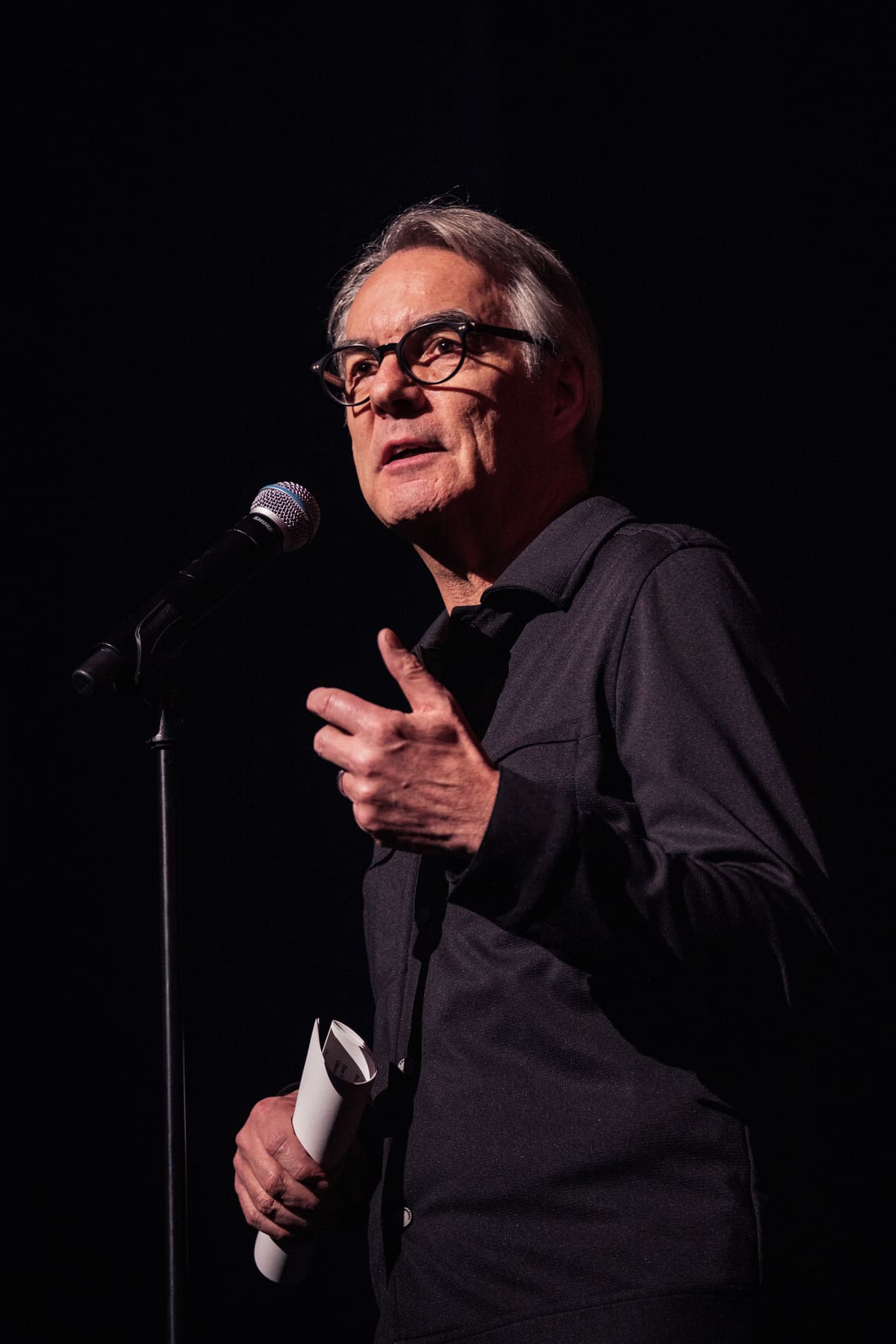
Münster Resonates Again: Wonder, Risk and Presence at Jazzfestival Shortcut
After a couple of years, returning to Münster felt like much more than revisiting a familiar city — it was a reconnection with a way of understanding jazz as a living, open and deeply human experience. Fritz and his entire team welcomed us once again with extraordinary warmth during Jazzfestival Shortcut, a compact yet intense version of the full festival held in odd-numbered years. After this edition, one thing is clear: we hope to return every single year.
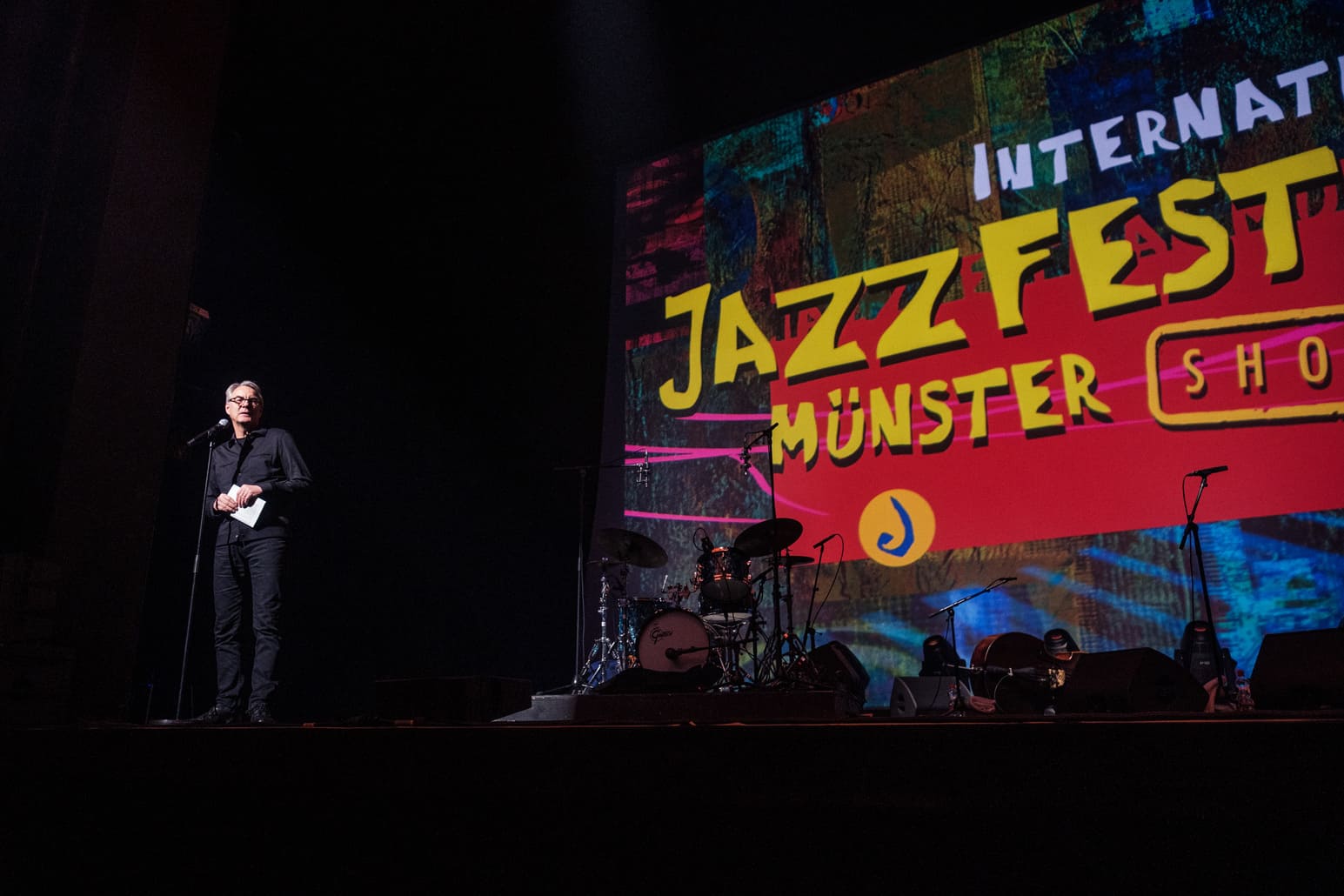
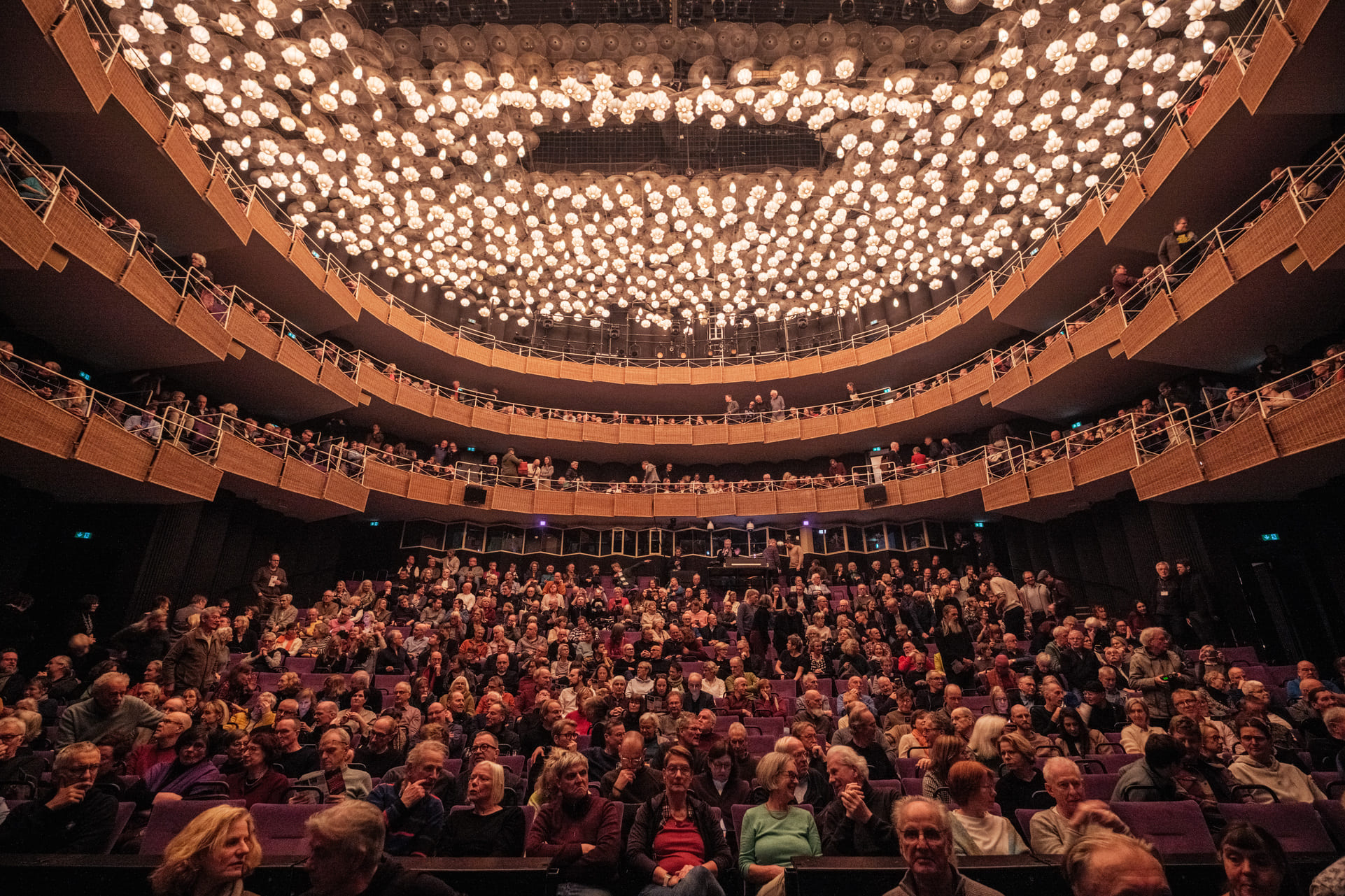
The Shortcut program featured four bands on the afternoon of January 3rd at the stunning Theater Münster, followed by a free improvisation session on Sunday morning, January 4th, at the Dominikanerkirche. Two very different spaces, united by a shared commitment to attentive listening, artistic risk and beauty.
Robinson Khoury – Quatuor Demi-Lune
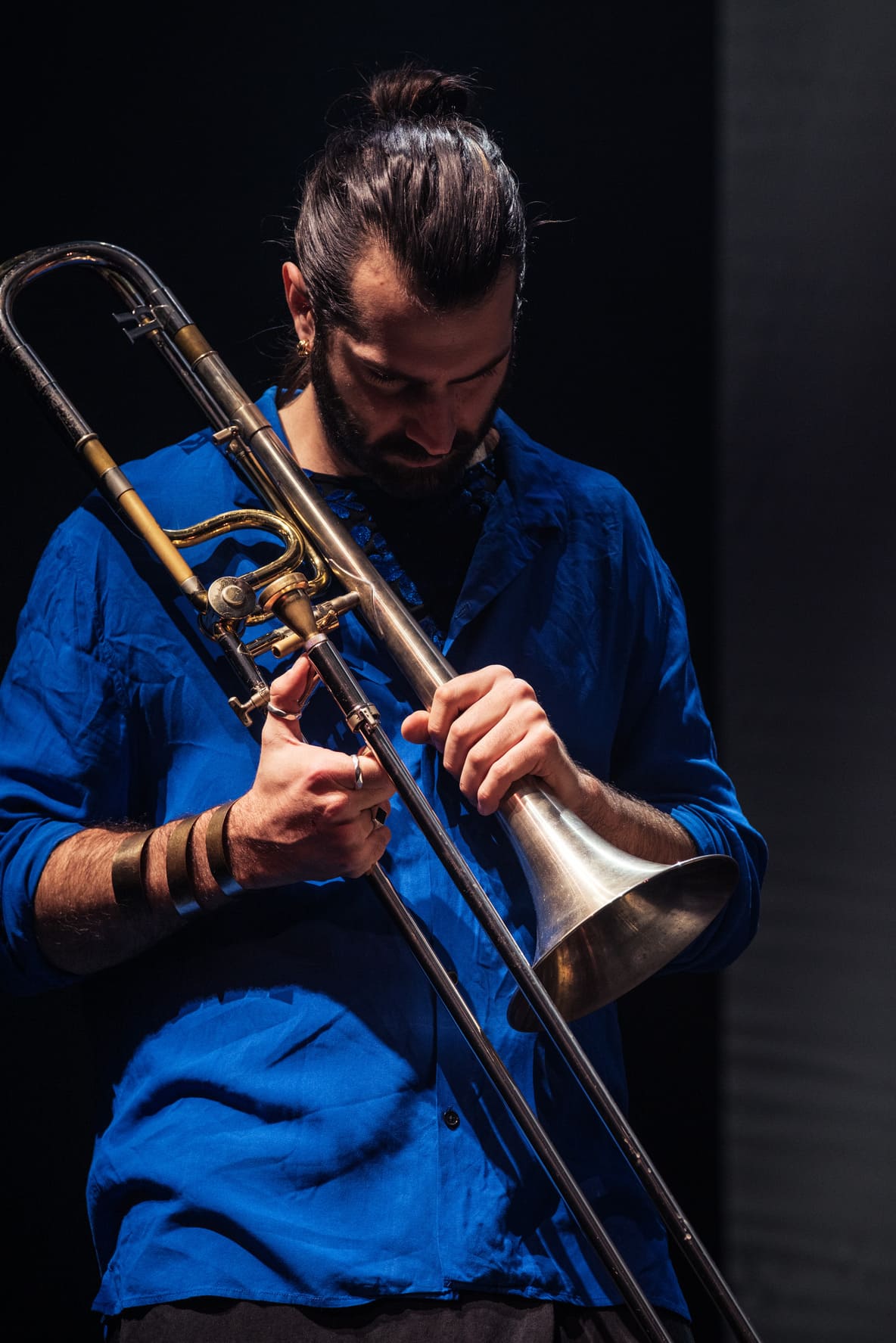
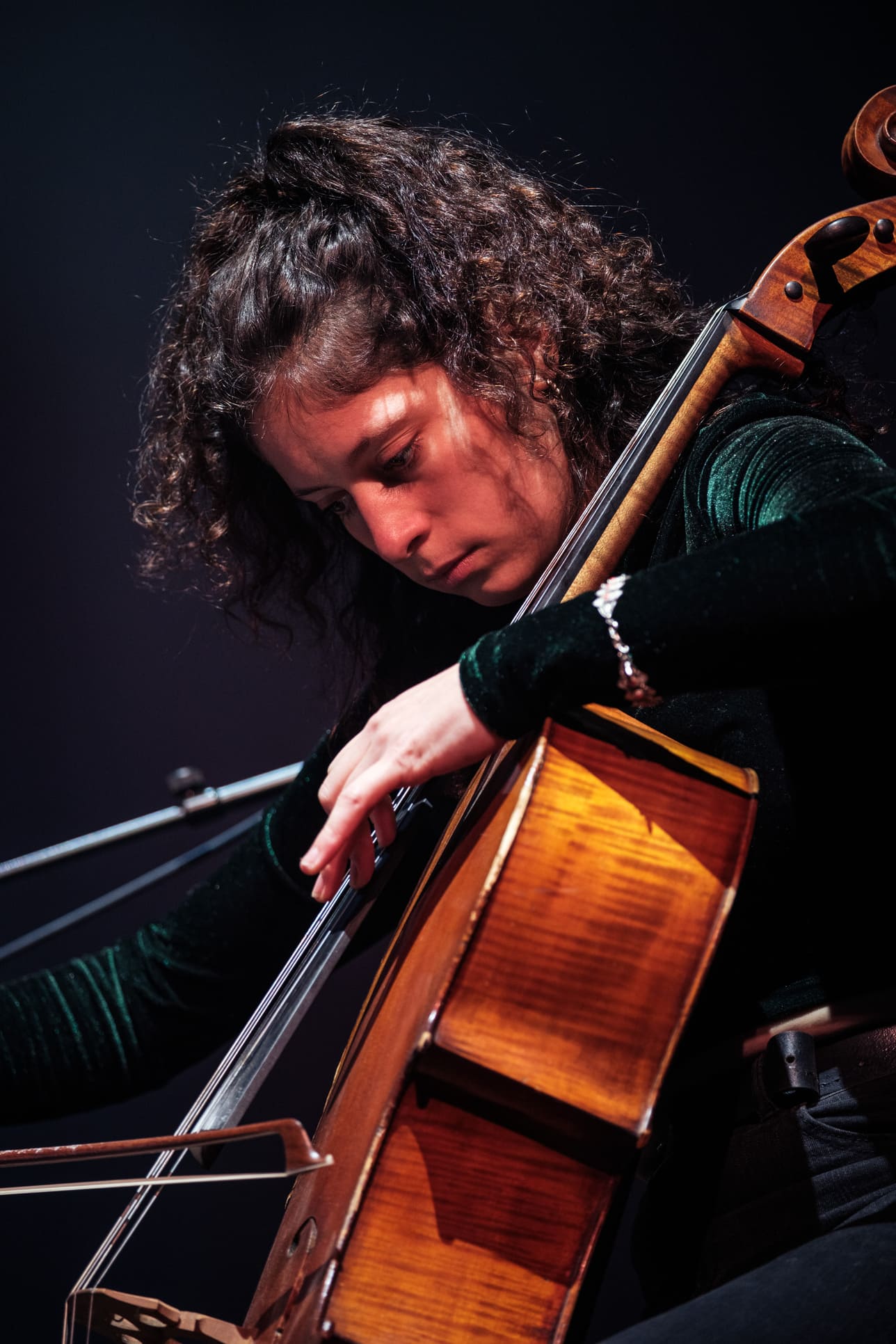
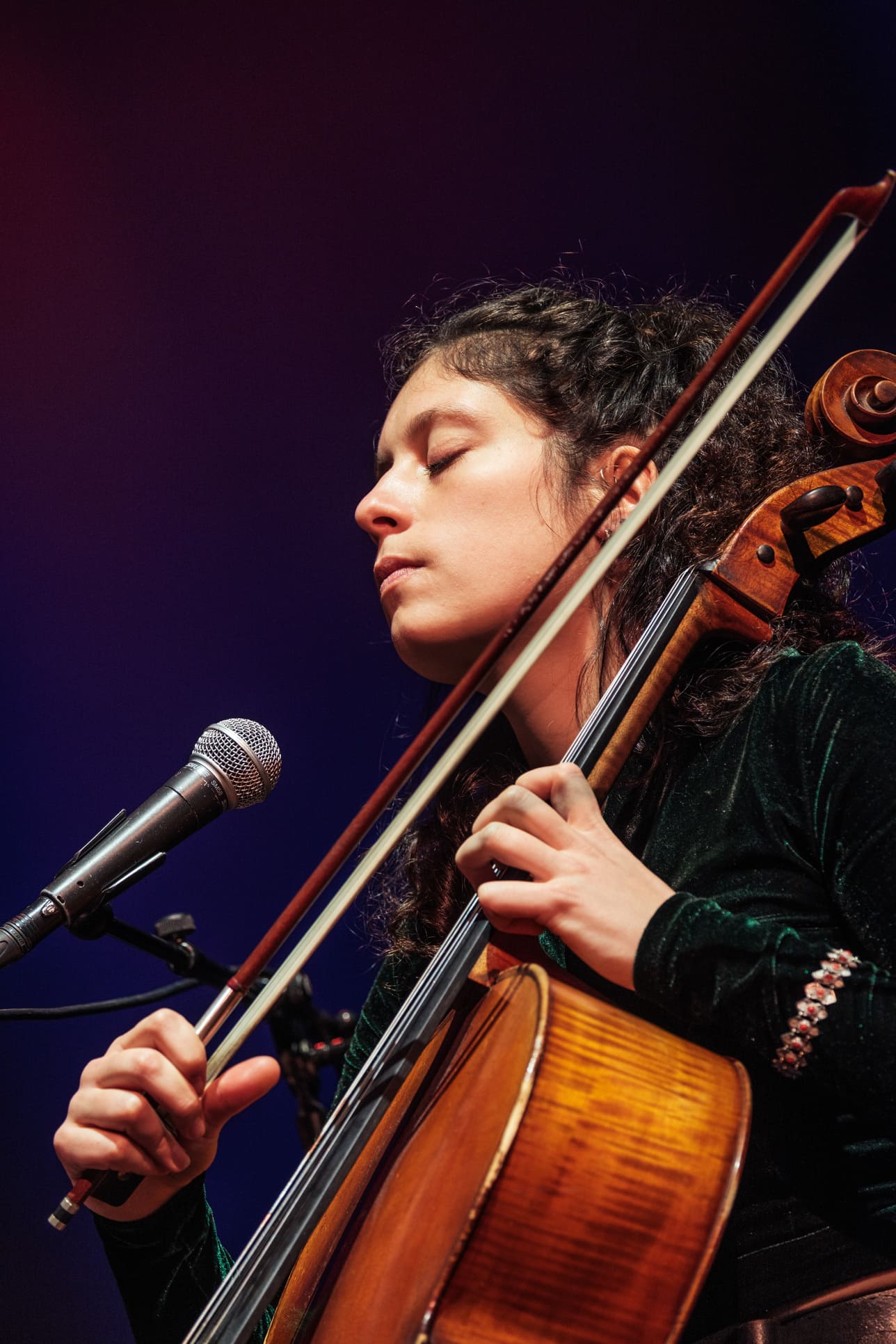
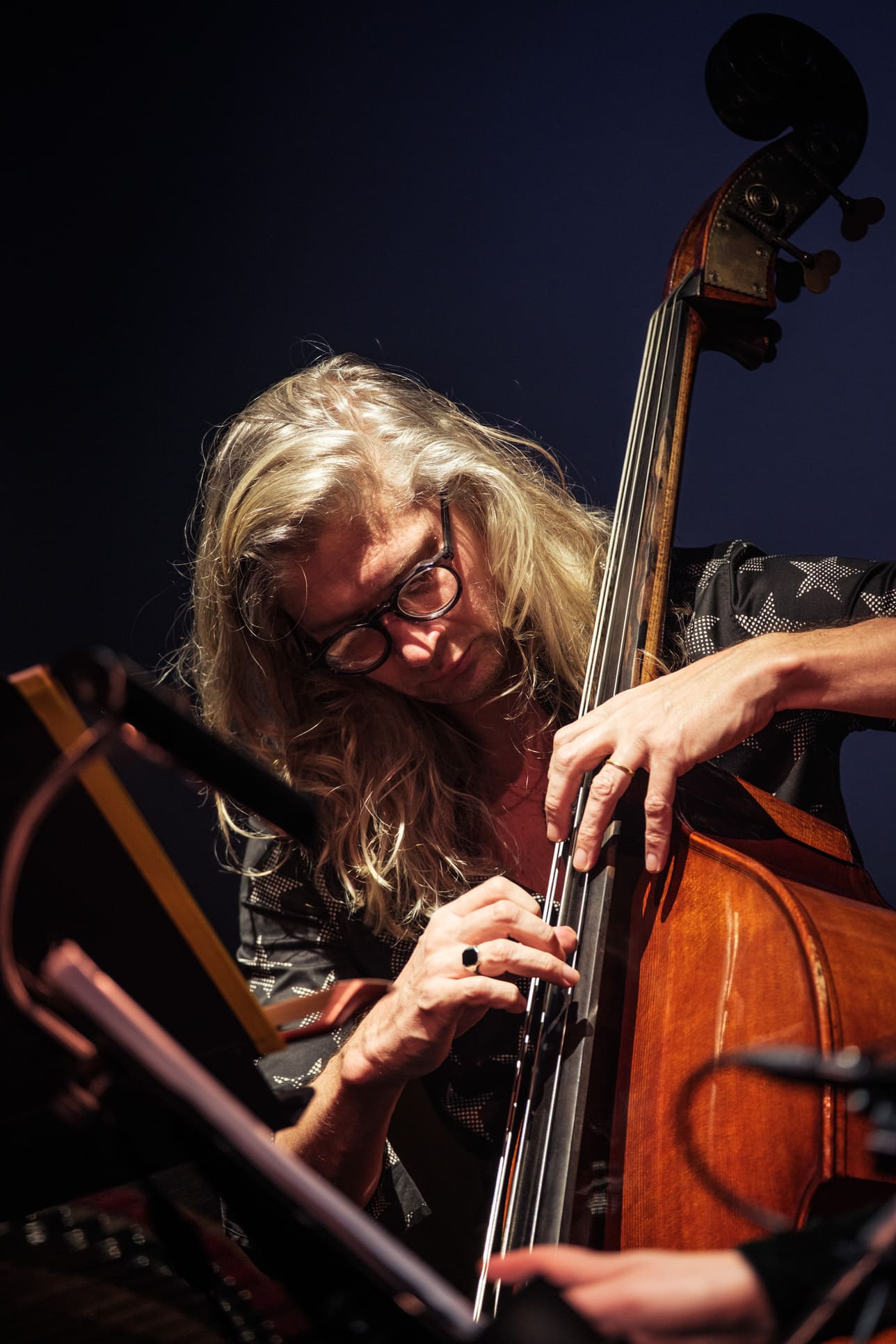
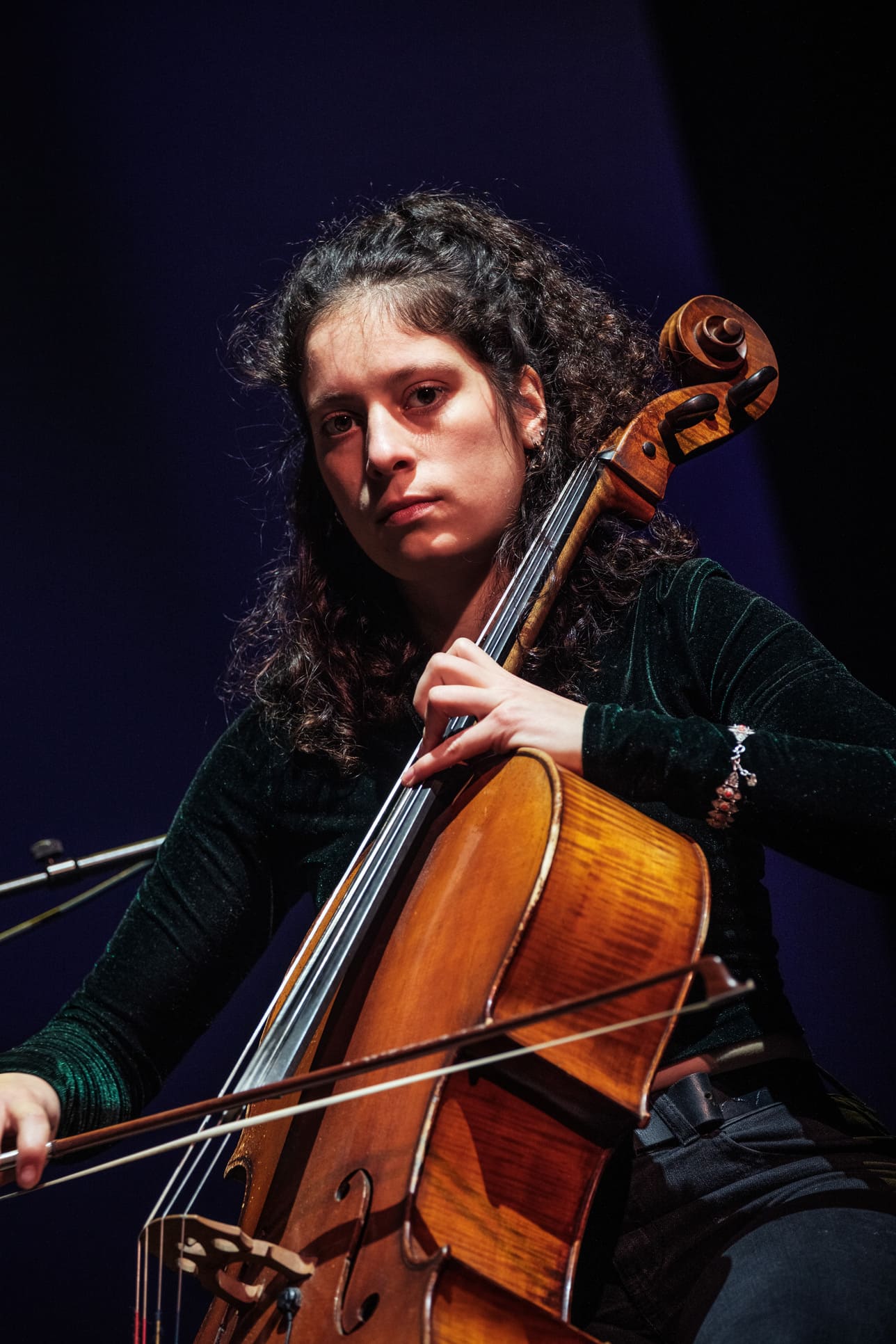
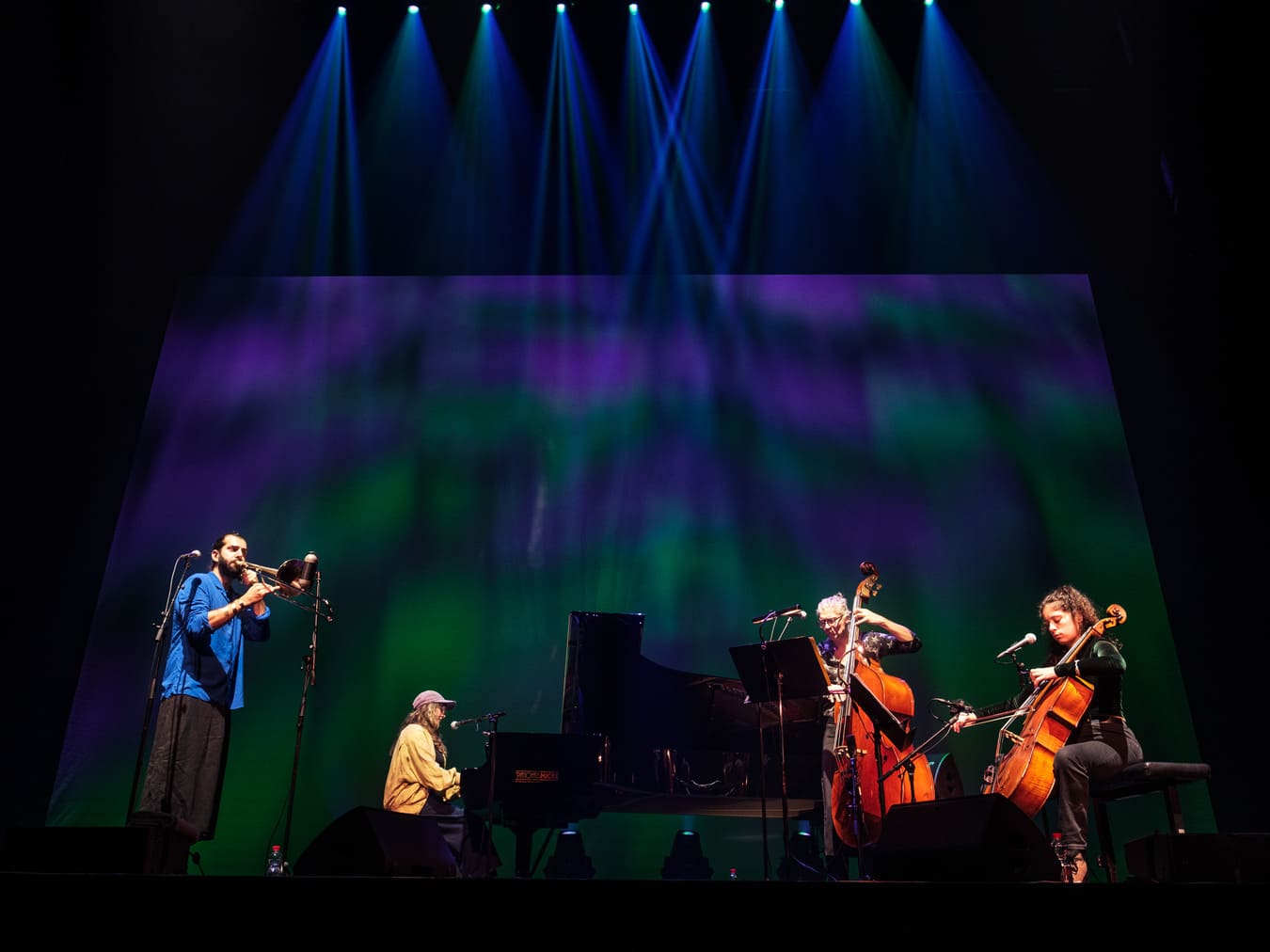
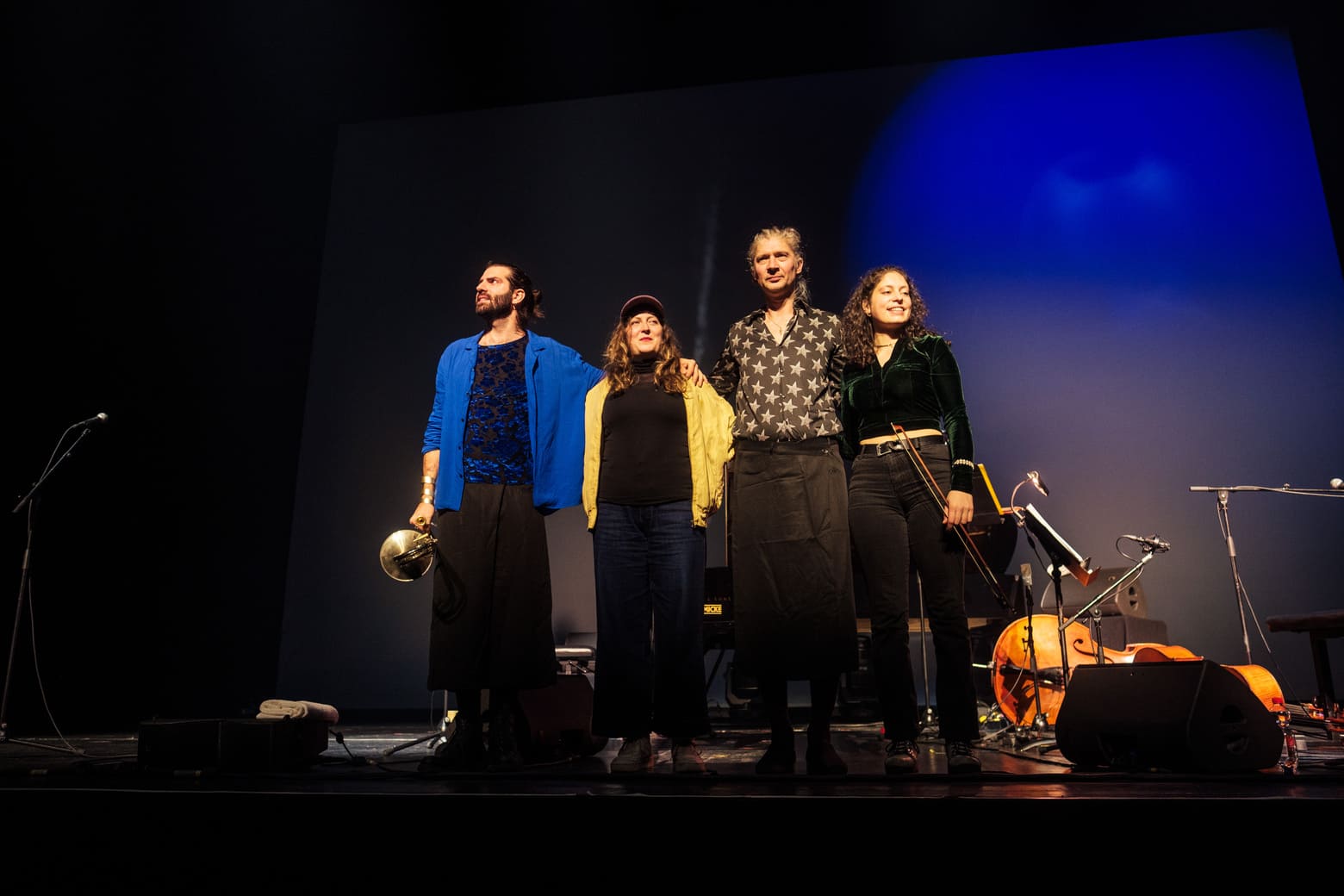
The festival opened with Robinson Khoury’s Quatuor Demi-Lune, a project marked by subtlety and depth. The French ensemble — trombone (Robinson himself), cello (Lina Belaïd), double bass (Simon Drappier) and piano (Eve Risser) — moves effortlessly between classical-inspired arrangements, Arab-French sonorities and refined extended techniques. Unisons, rubato passages, long pedals over Phrygianish modes, and a hypnotic, trance-like atmosphere permeate the music.
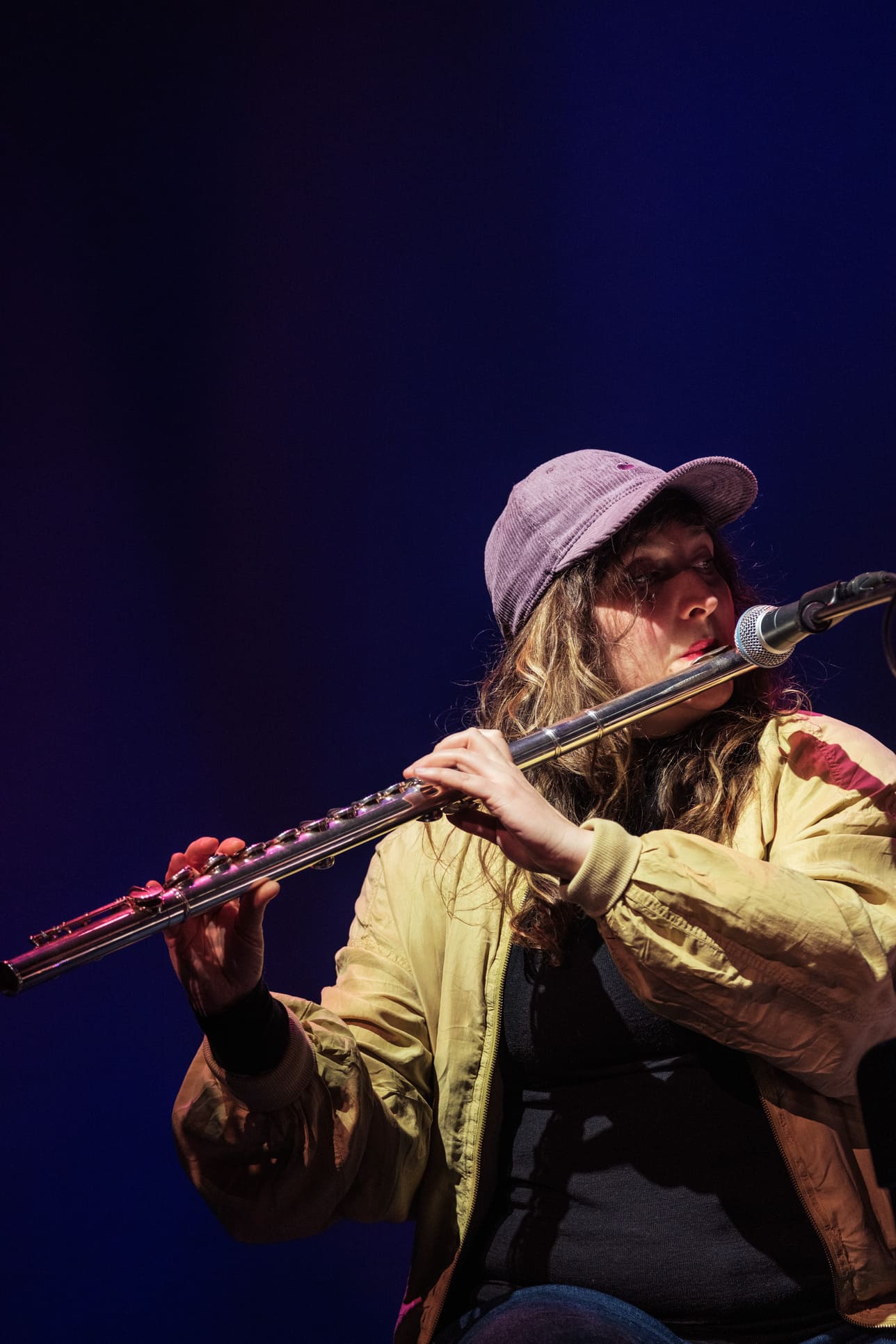
Khoury revealed himself not only as a virtuosic performer but as an artist with a strong voice and message. One of the most moving moments came with a piece dedicated to young people killed in Gaza and victims of the Israeli government, a deeply human and political gesture. In this piece, Dust, all four musicians sing wordlessly, creating a delicate, almost analog delay between voices. Khoury’s opening vocal line — tender and fragile — floats over a simple modal riff, proving that percussion is unnecessary when the pulse is embedded in the music itself. Special mention goes to the pianist, who also performs on alto flute, further expanding the ensemble’s sonic palette.
Ruf der Heimat
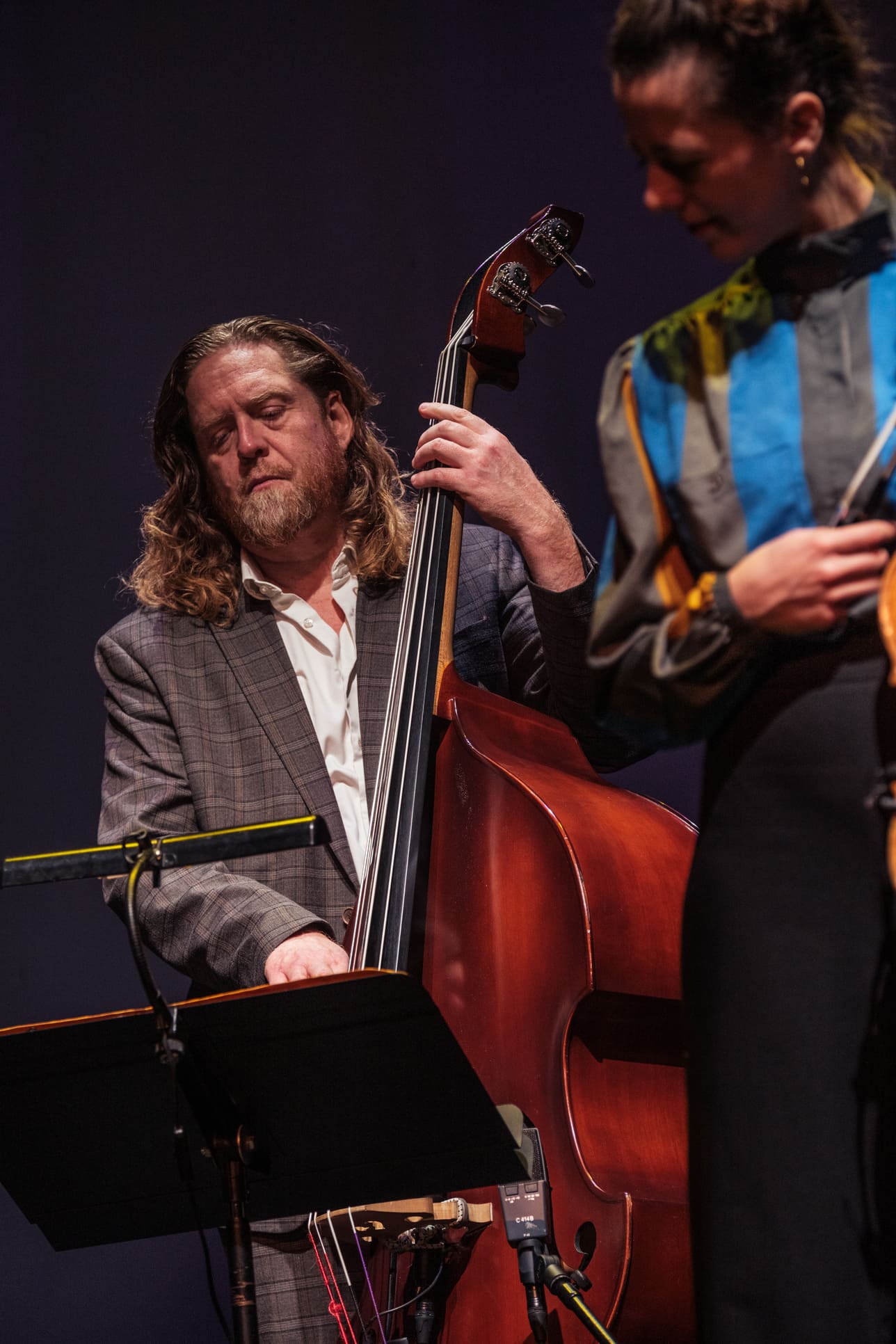
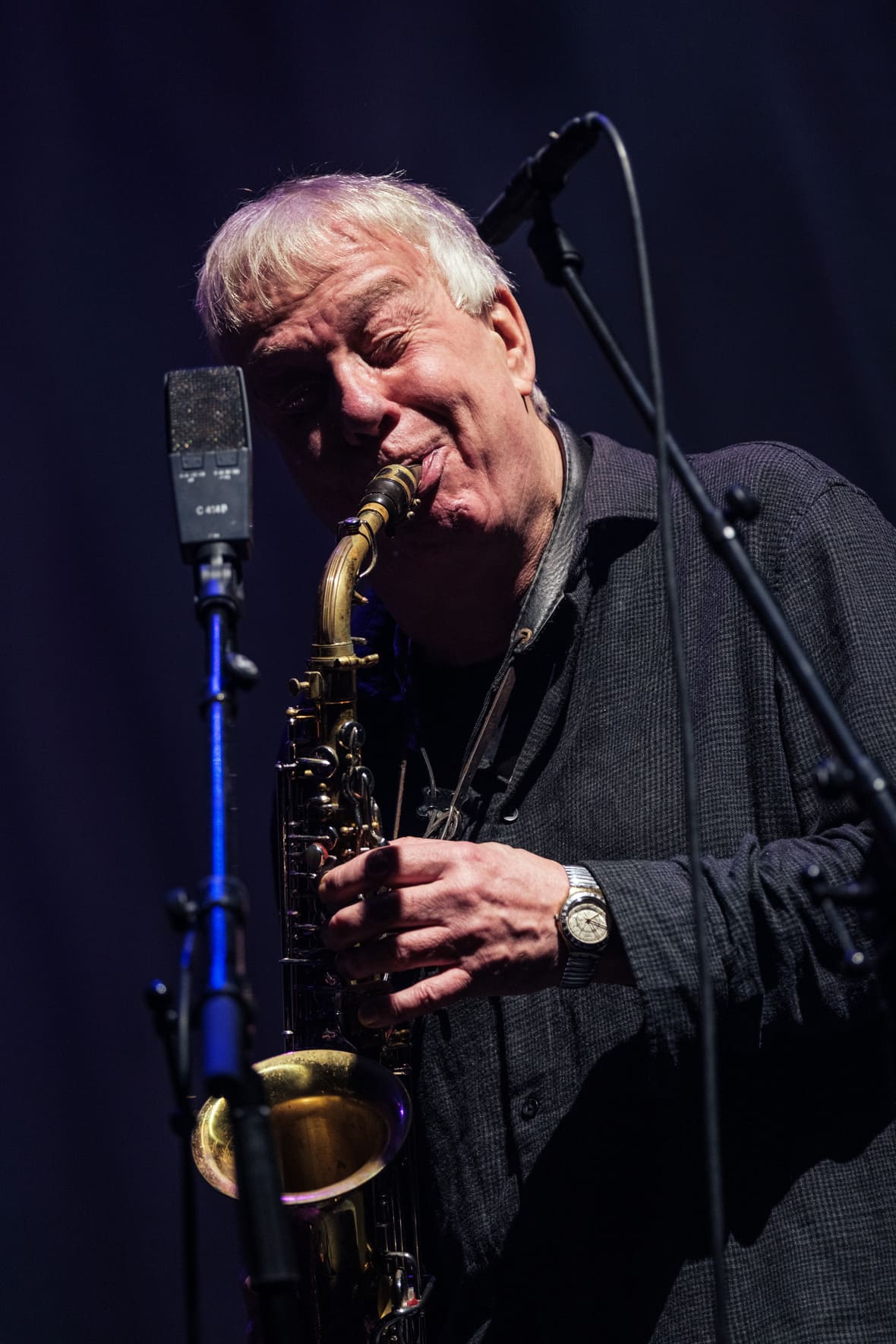
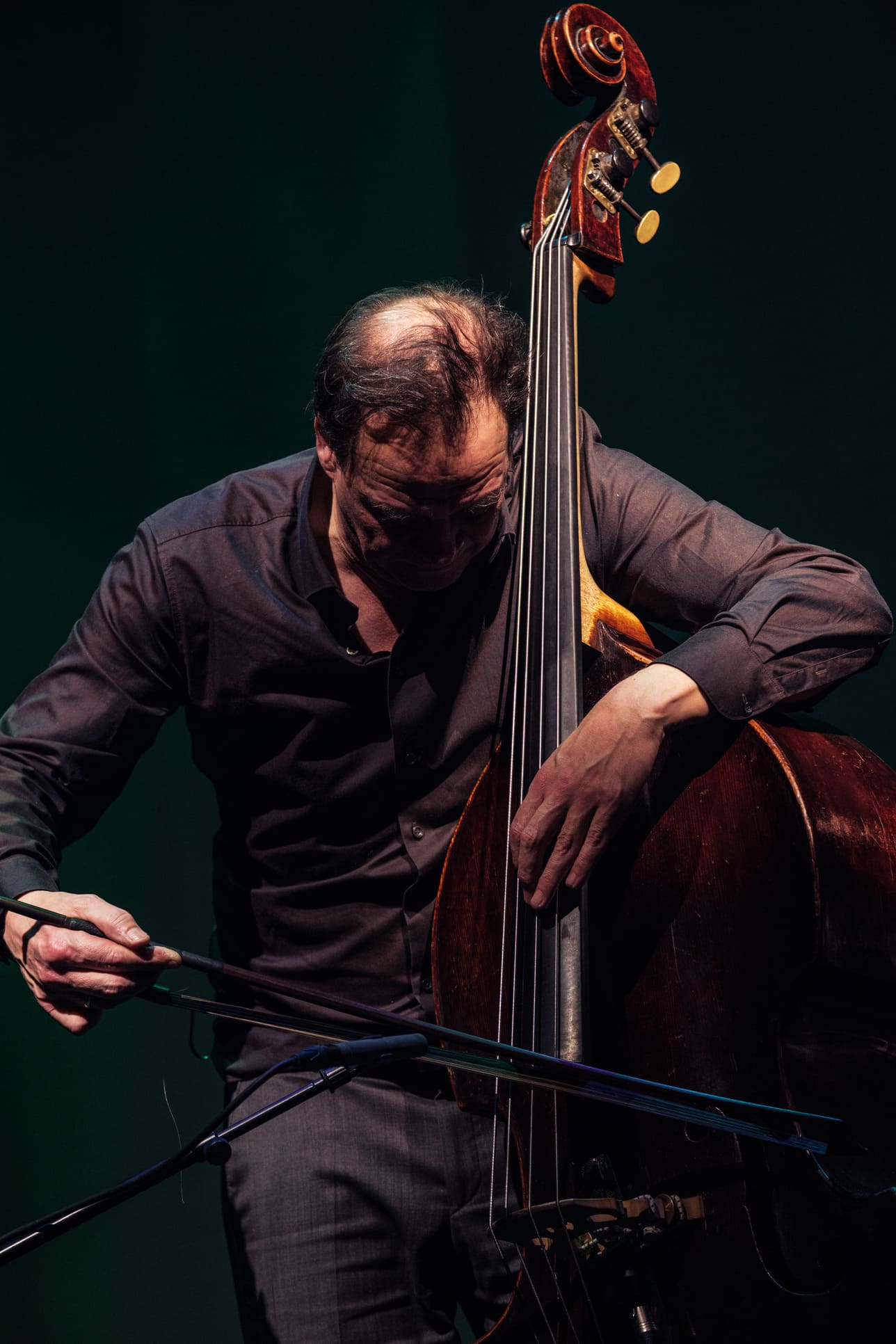
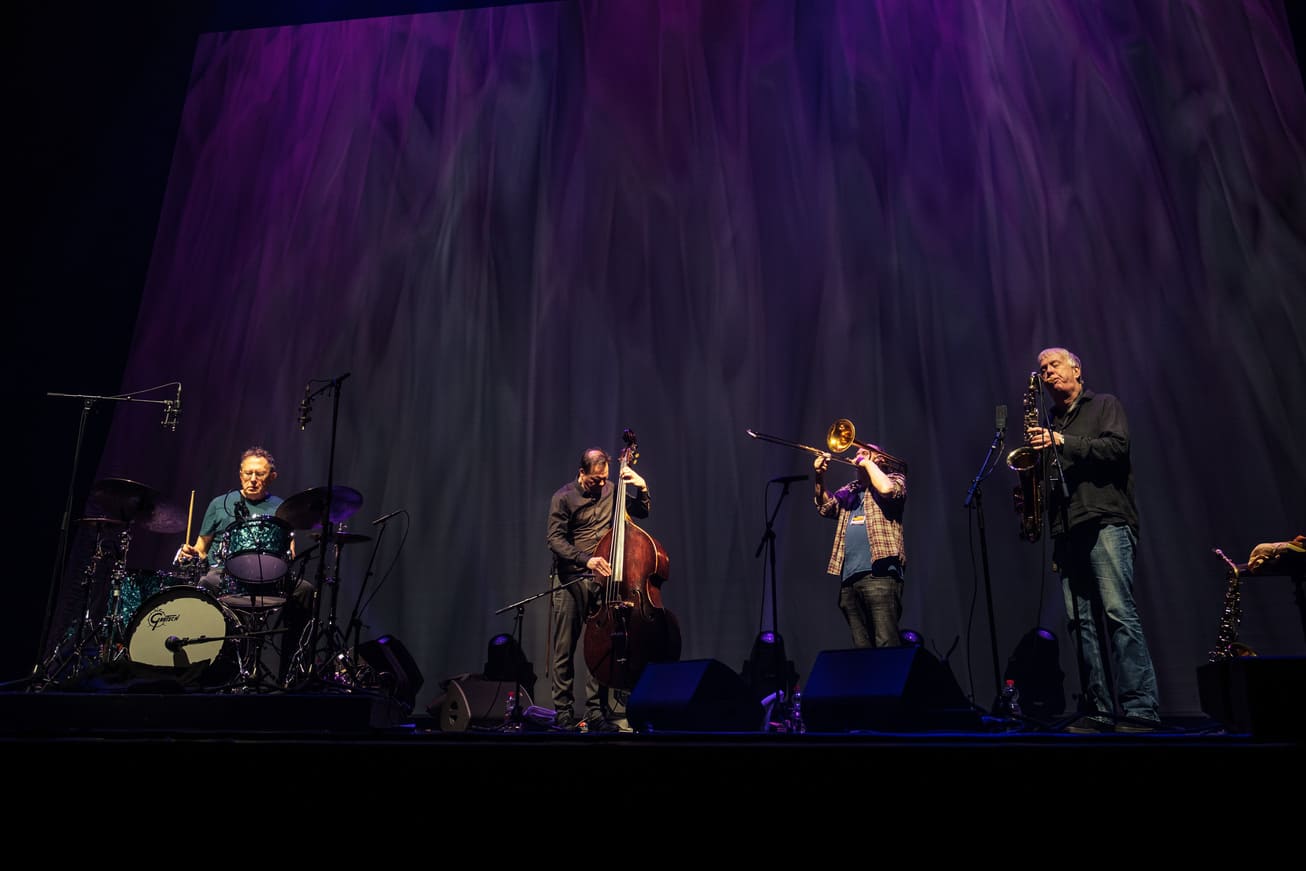
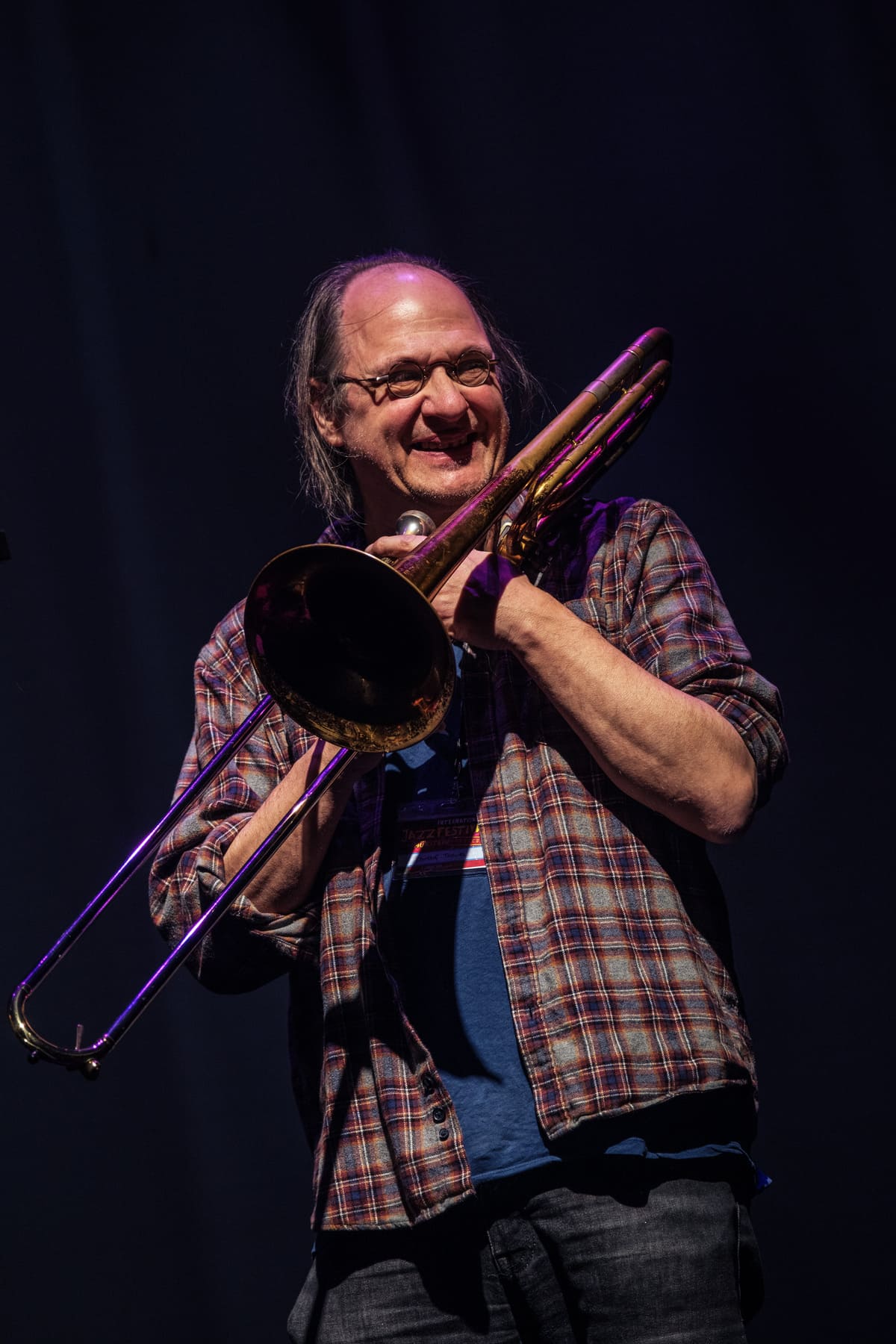
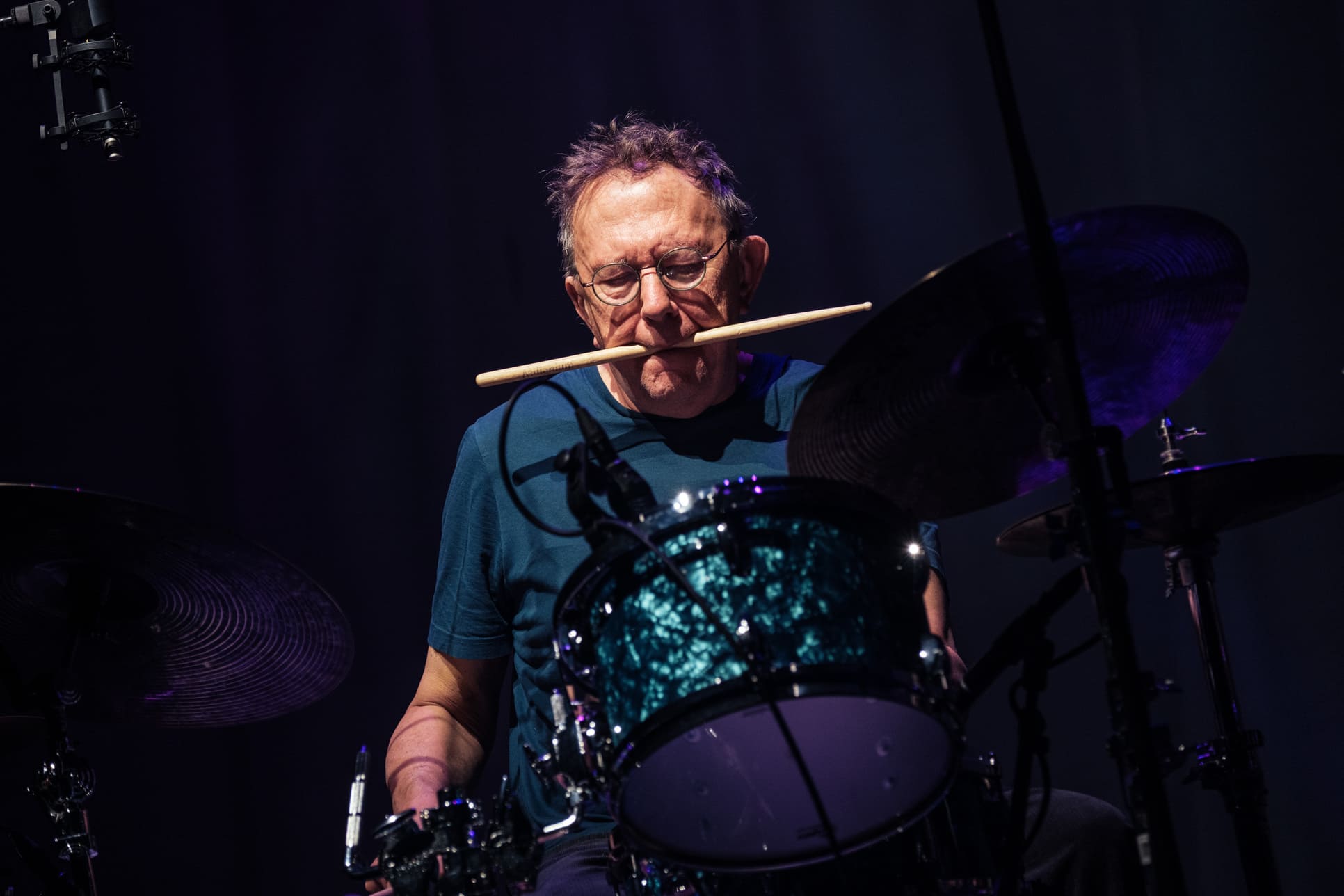
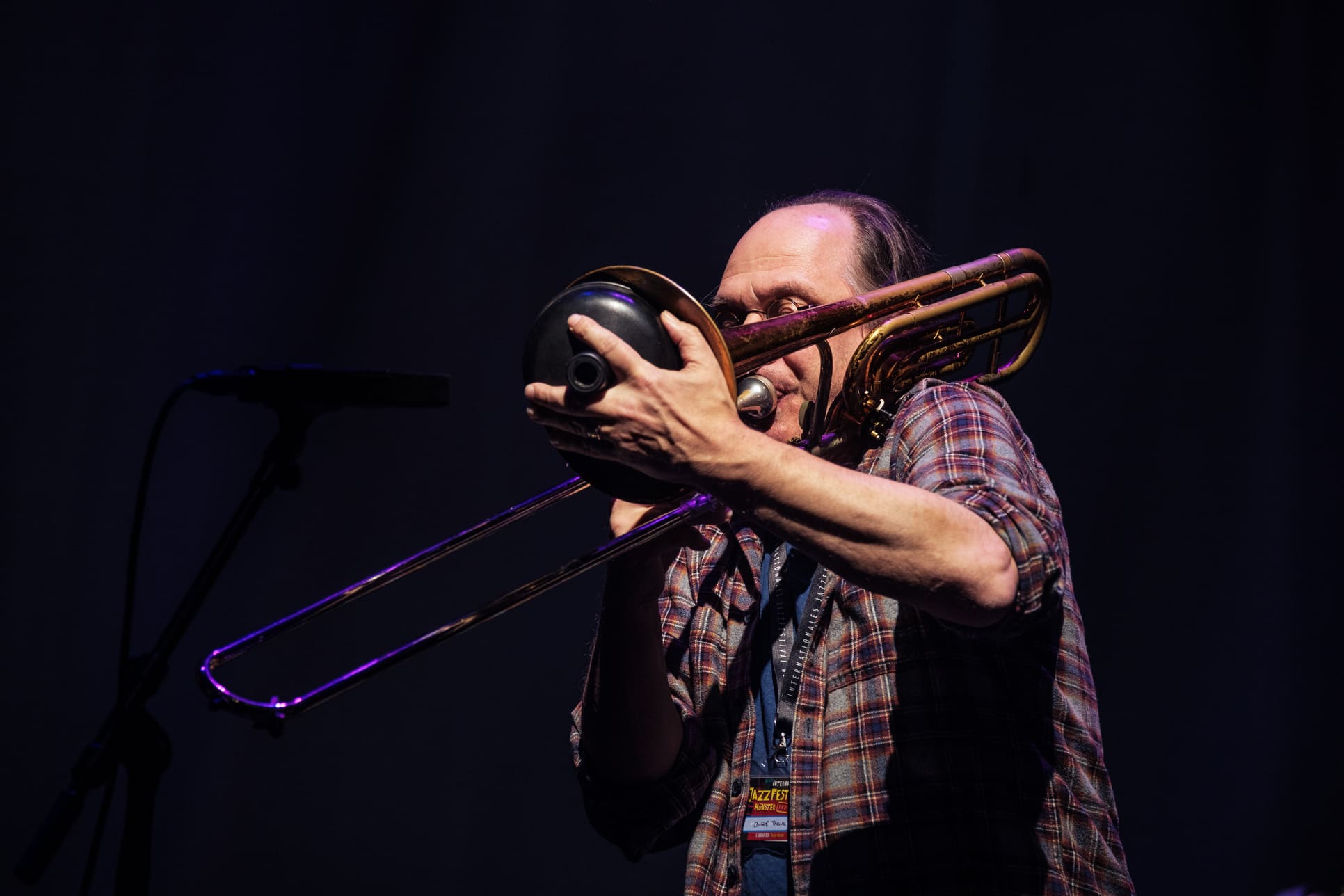
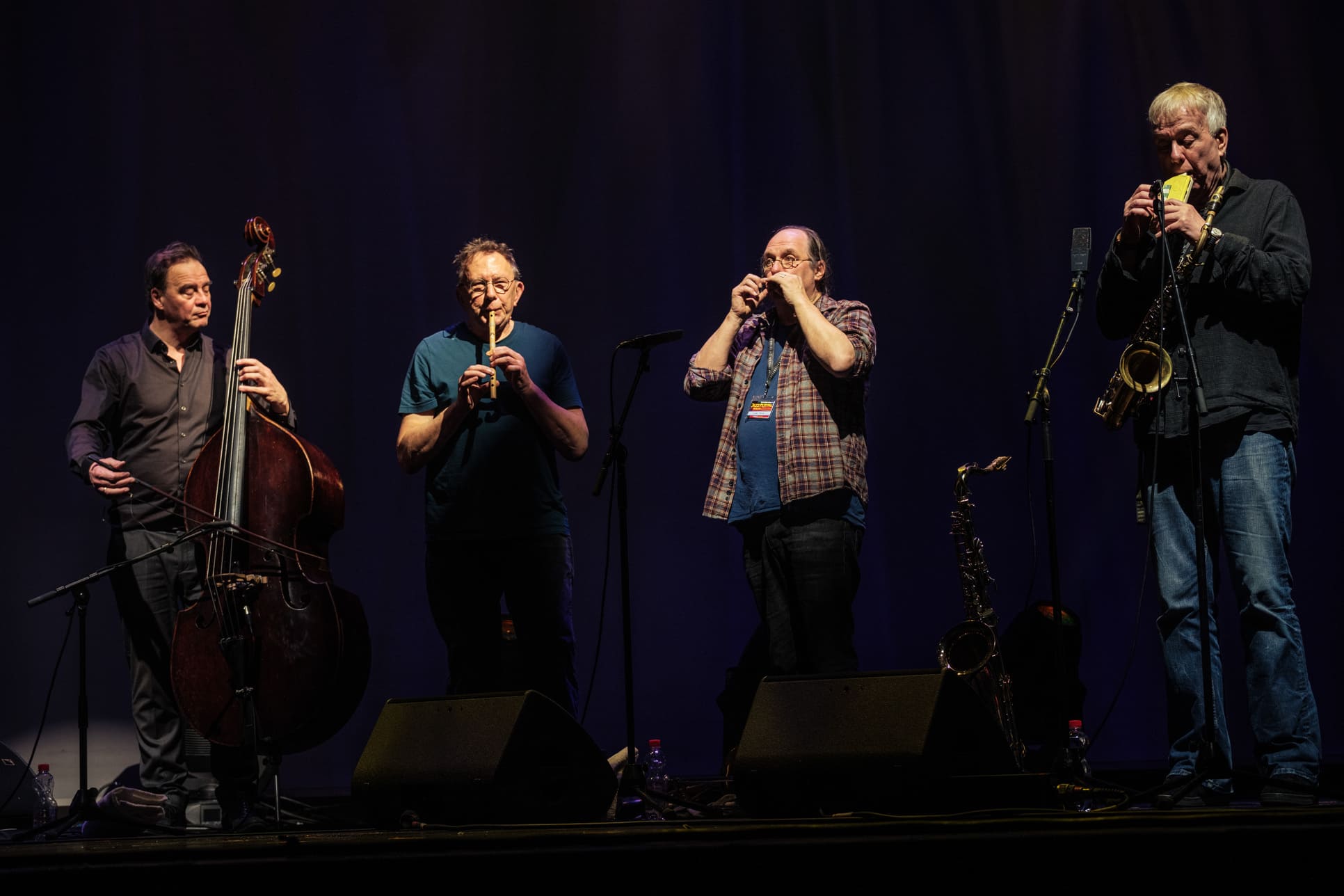
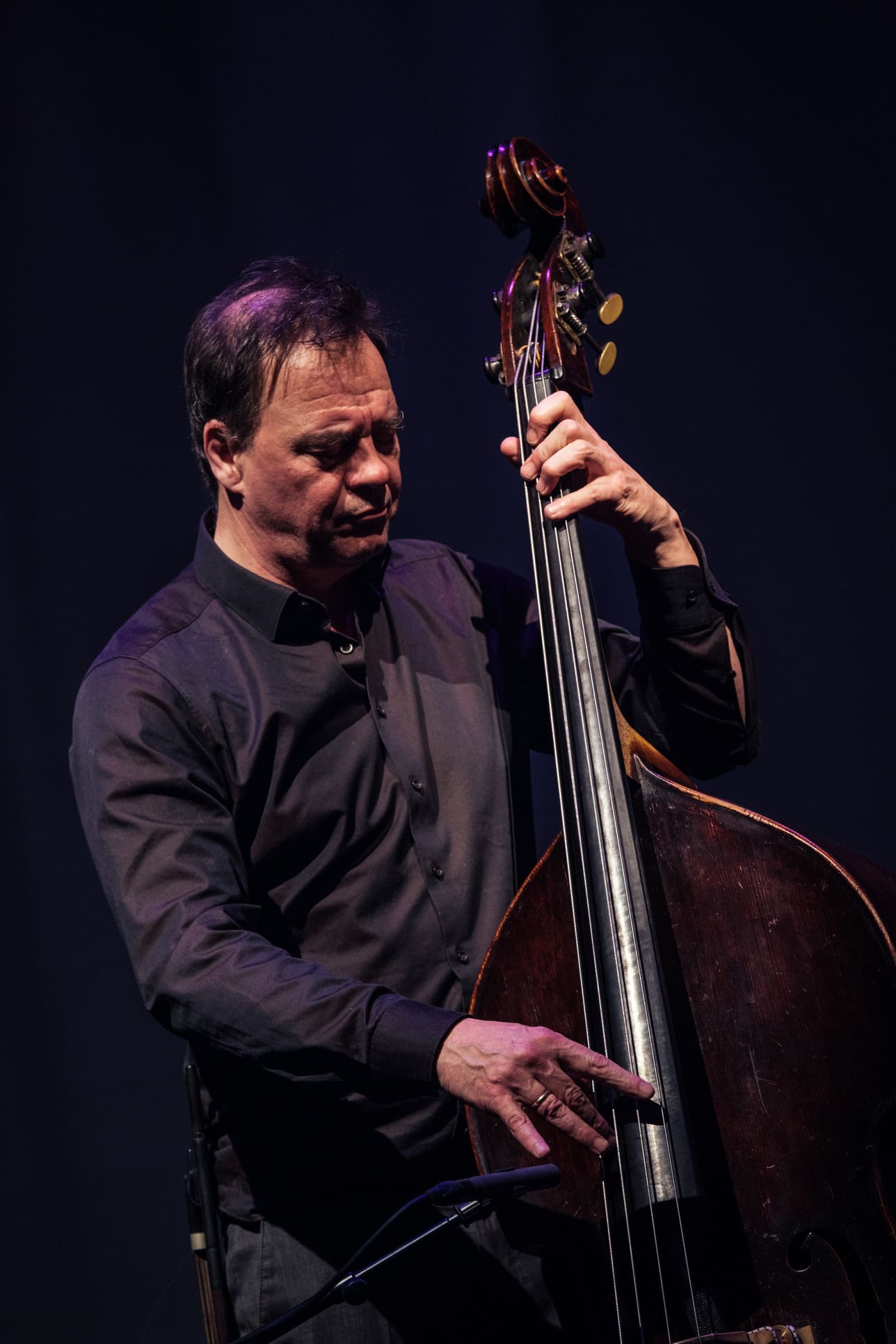
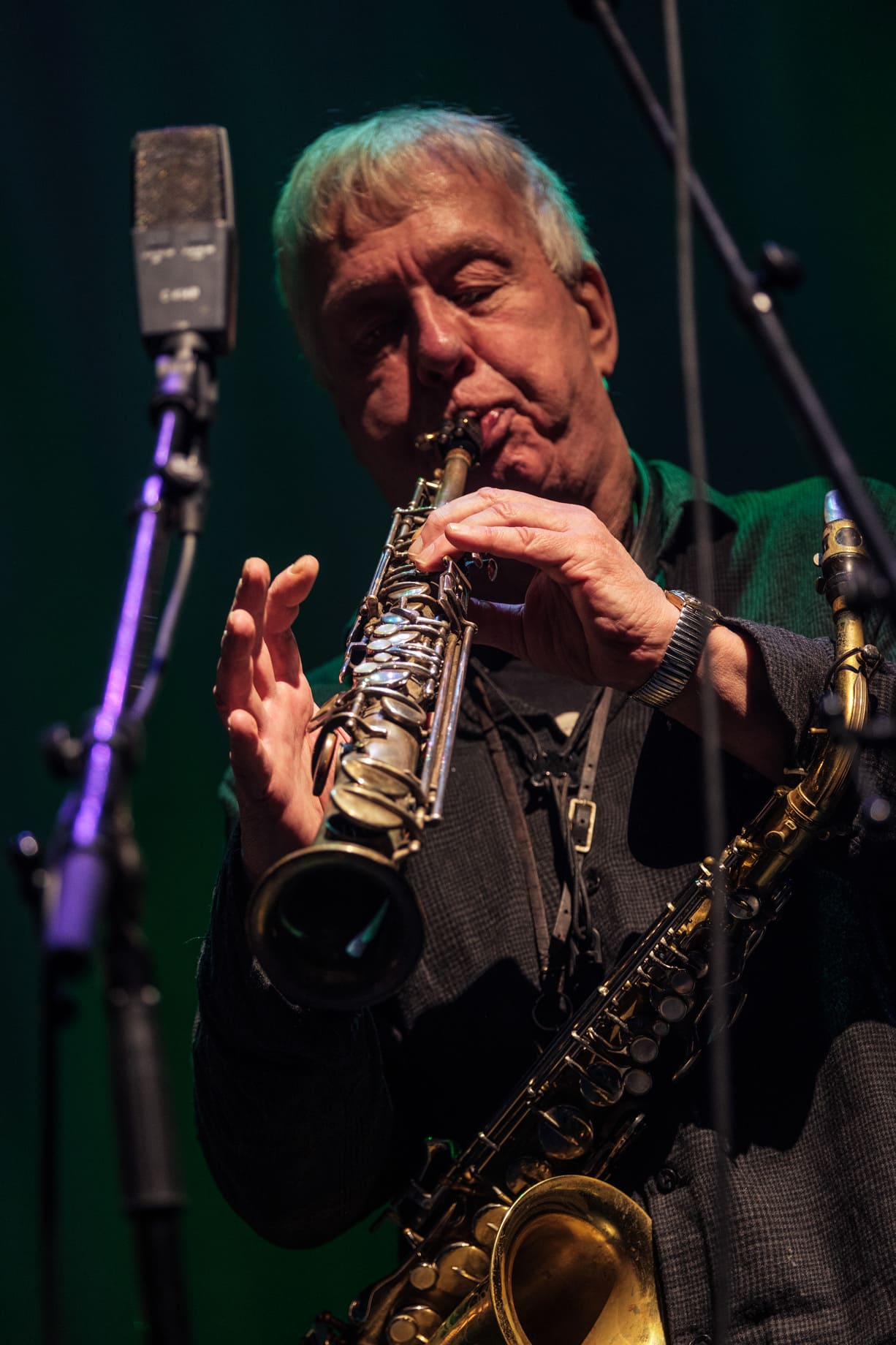
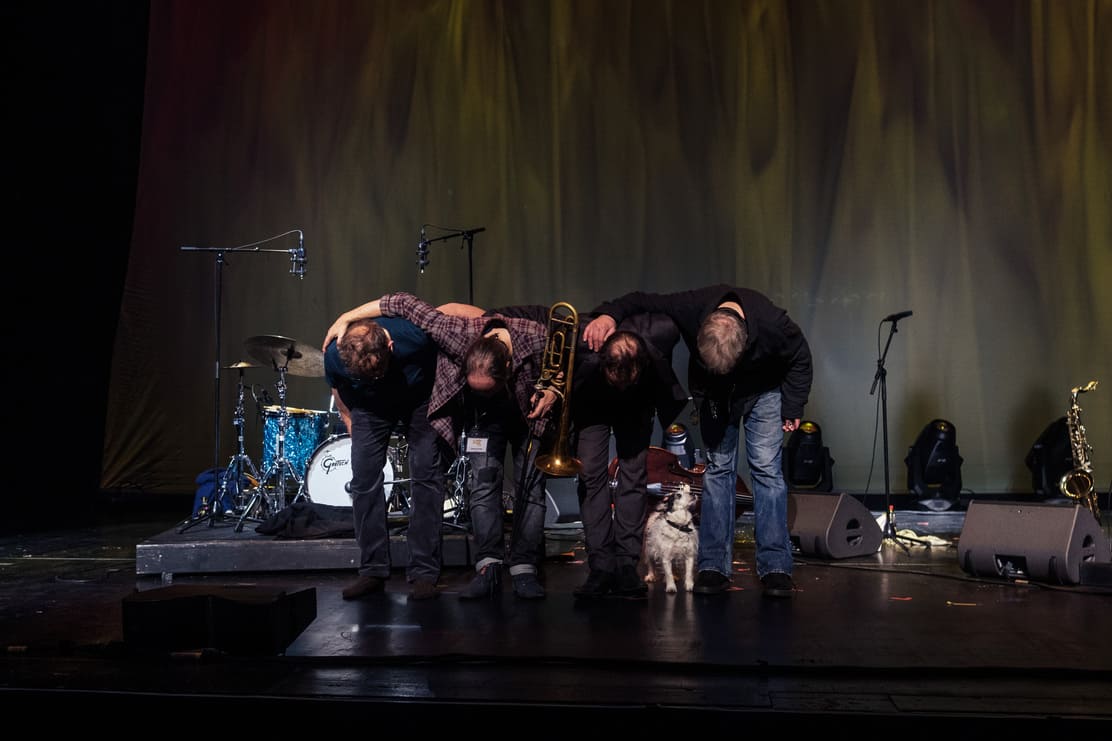
The second set, Ruf der Heimat, ventured into the realm of radical free improvisation. Saxophone (Thomas Borgmann), trombone (Christof Thewes), double bass (Jan Roder) and drums (Willi Kellers) constructed a continuous, tempo-less flow clearly rooted in the legacy of free jazz. The music unfolded in waves: intense collective passages alternating with quieter moments, partial dialogues or solo explorations.
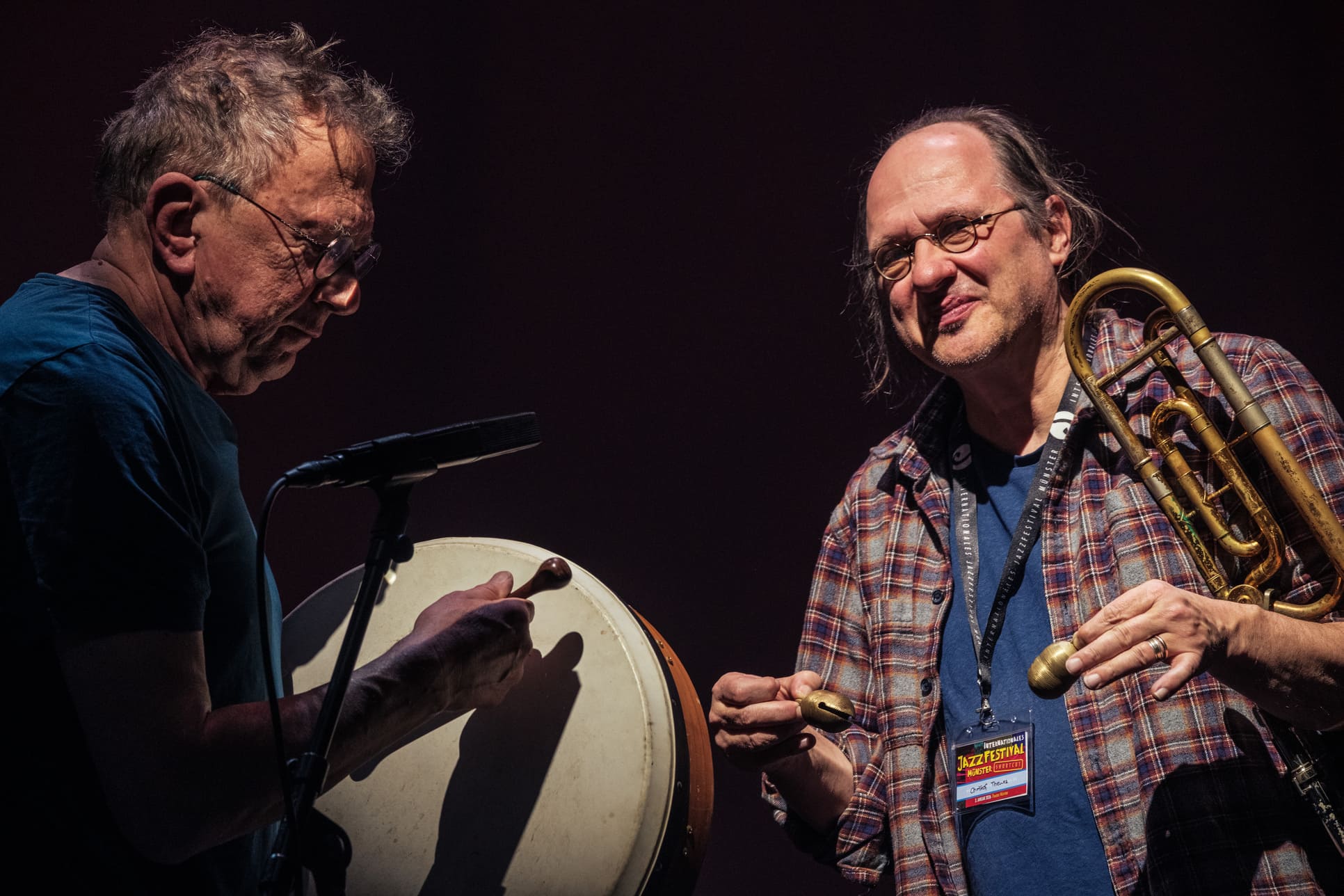
In their second piece, the musicians introduced additional instruments — frame drum, bells, harmonica — creating a sense of constant delirium, bordering on performance art. However, despite the commitment and energy, the lack of a clear narrative arc made the set feel repetitive and conceptually limited.
ANW BE YONBOLO – Eve Risser & Naïny Diabaté
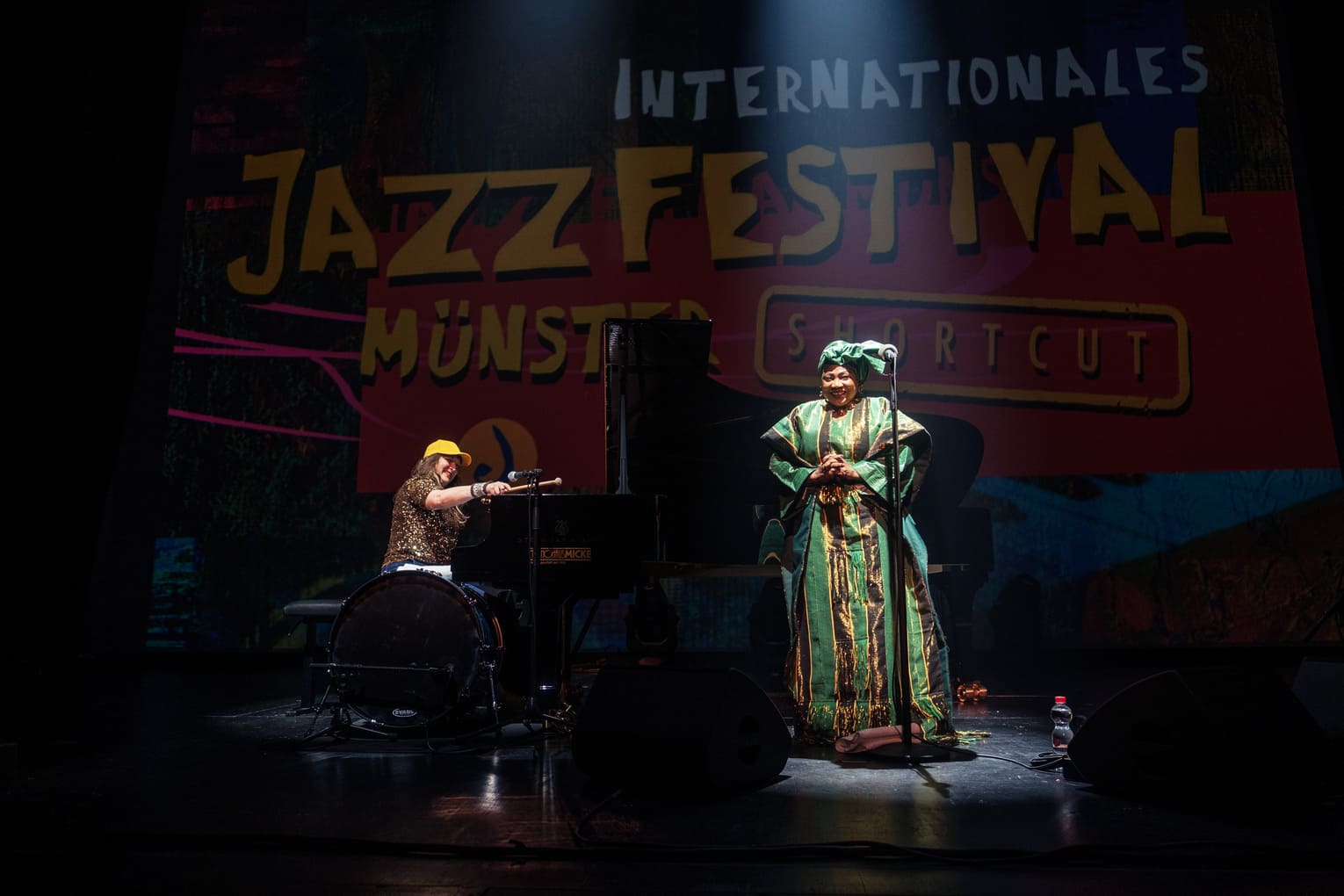
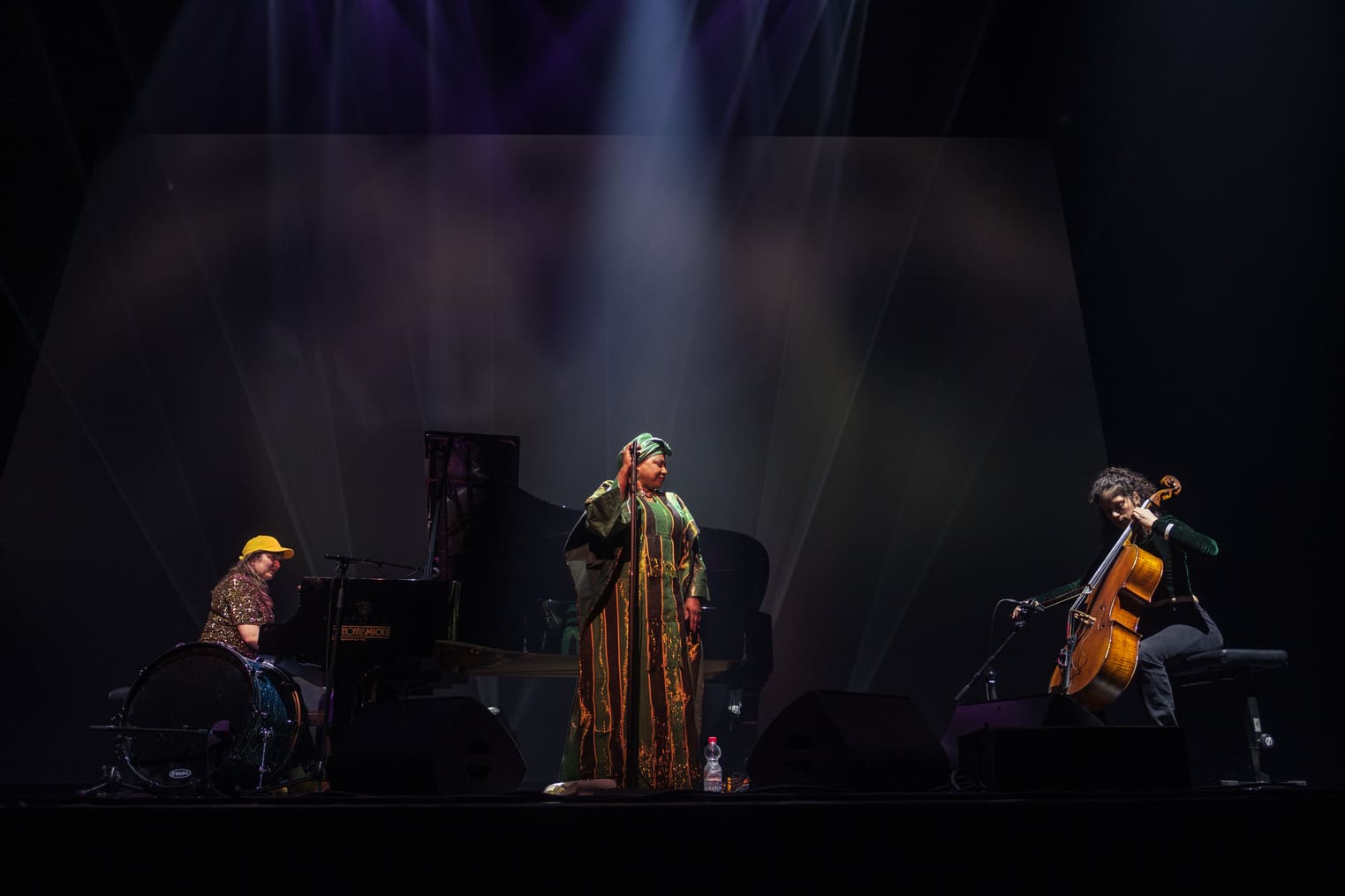
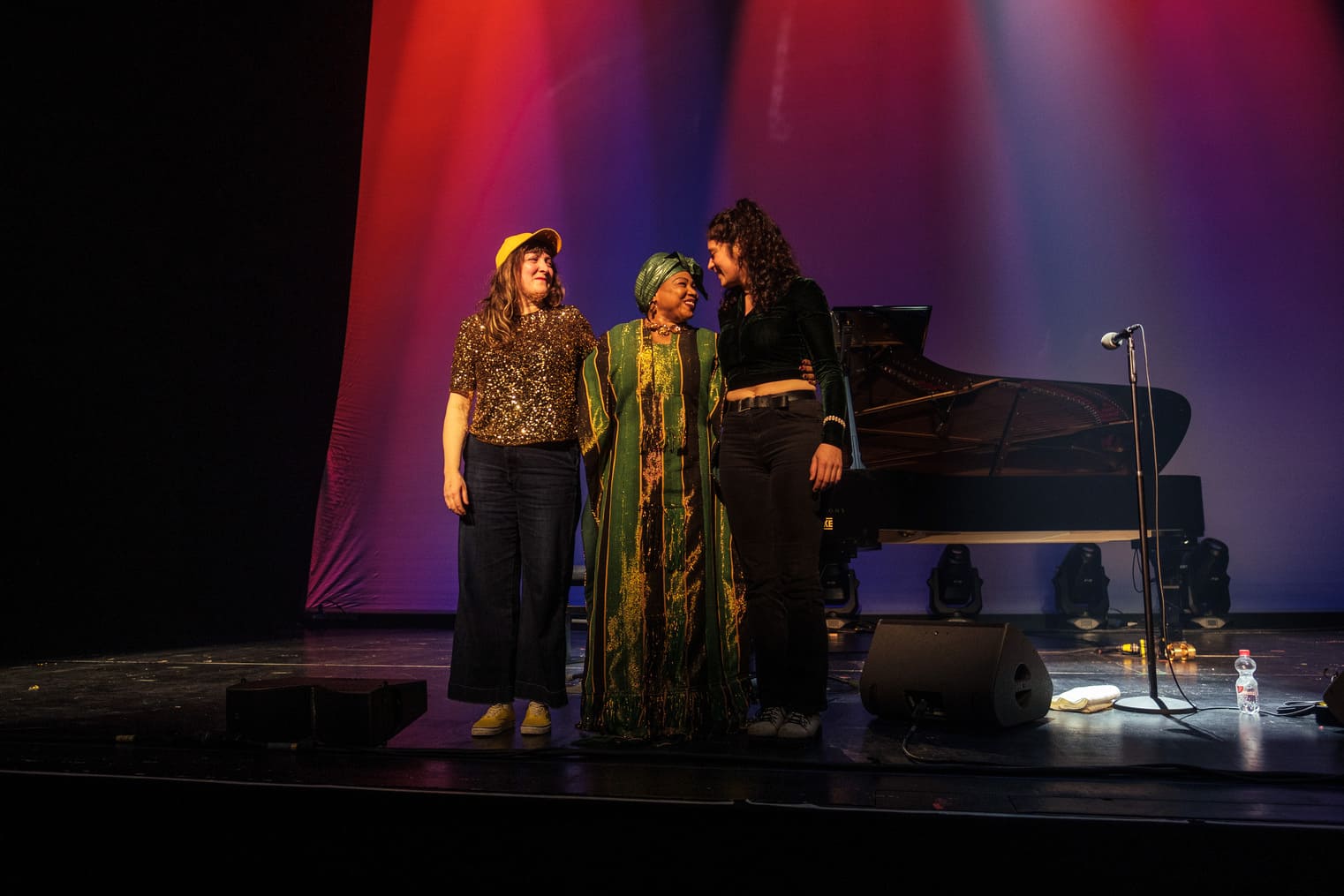
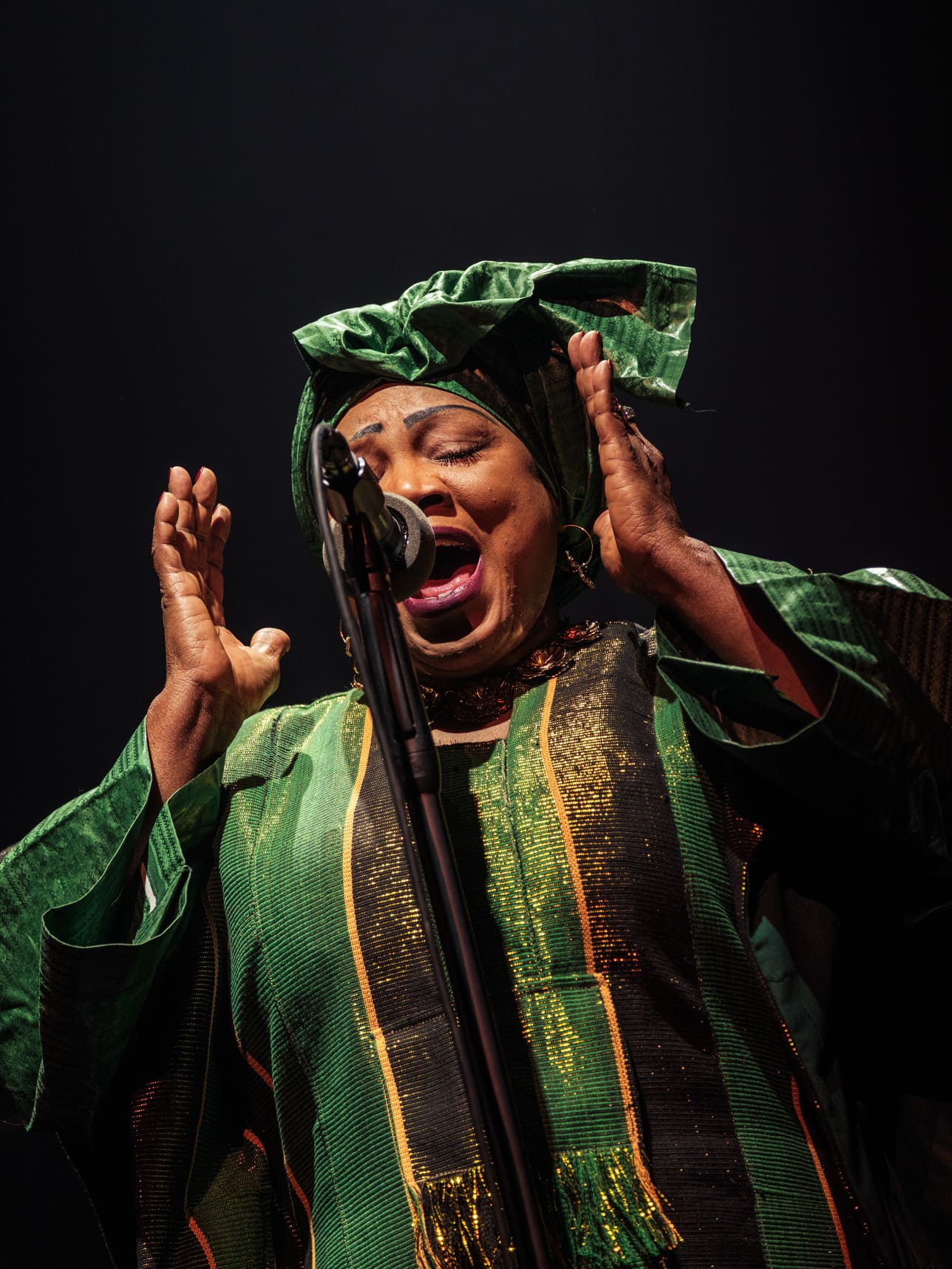
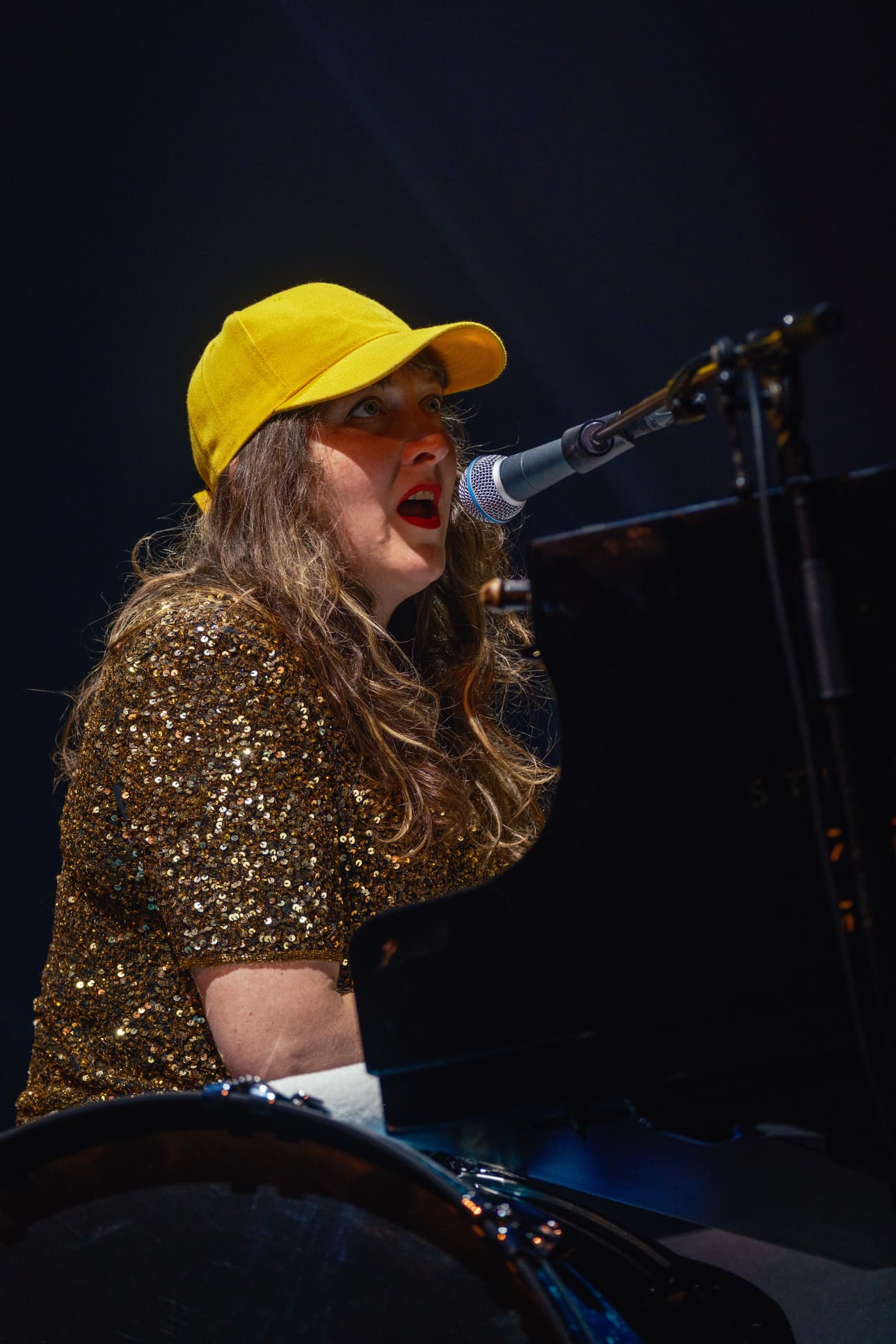
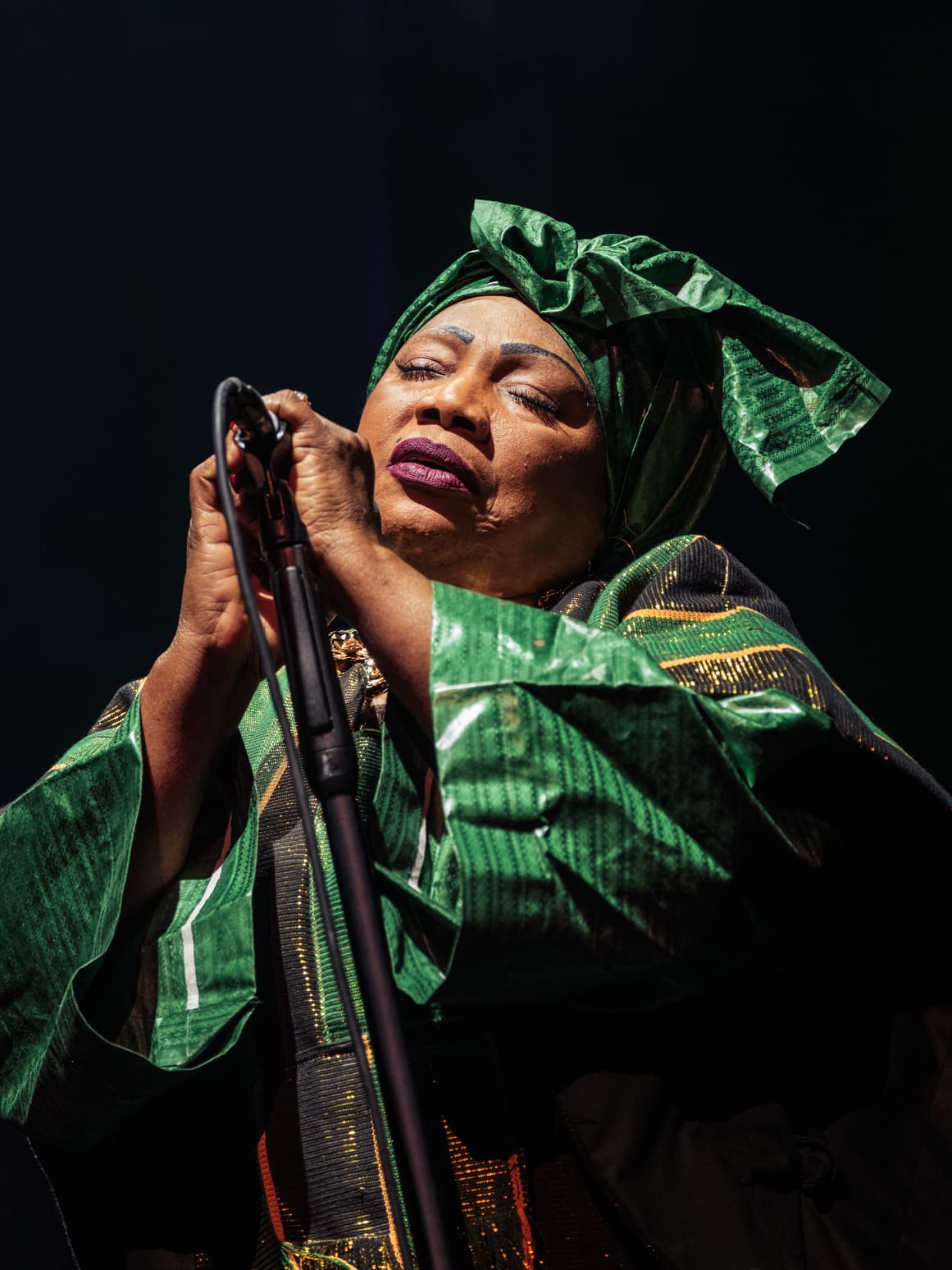
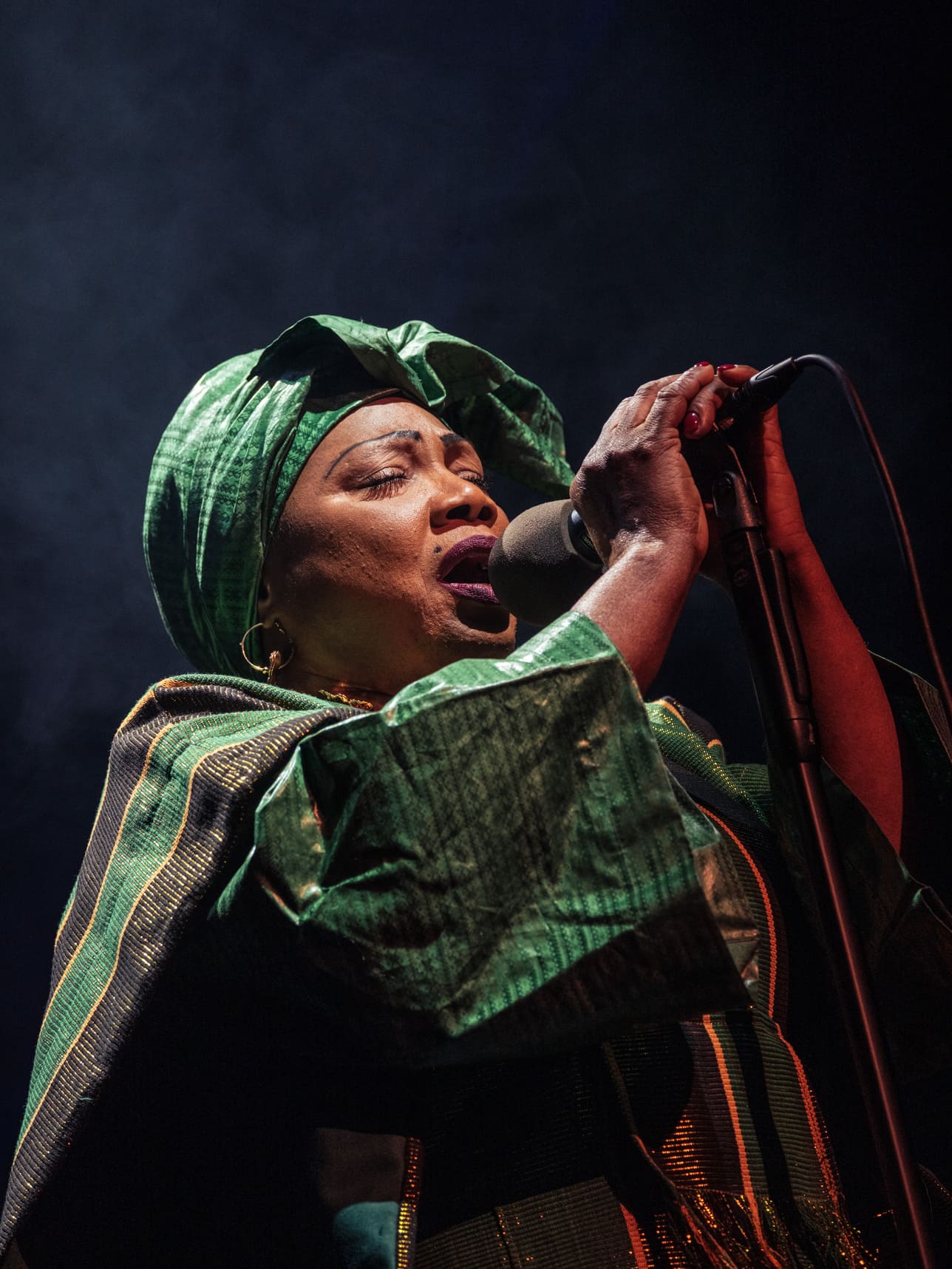
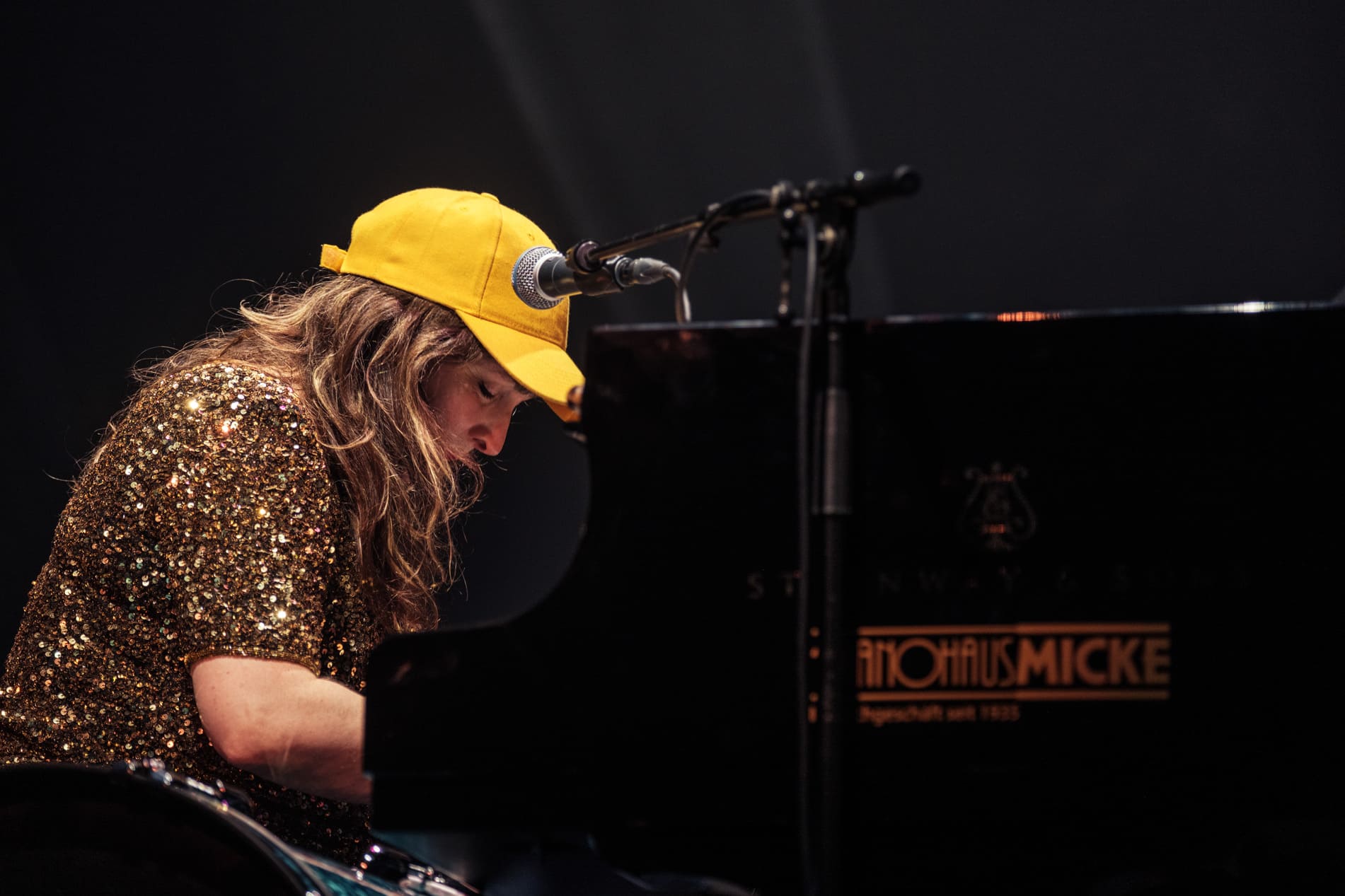
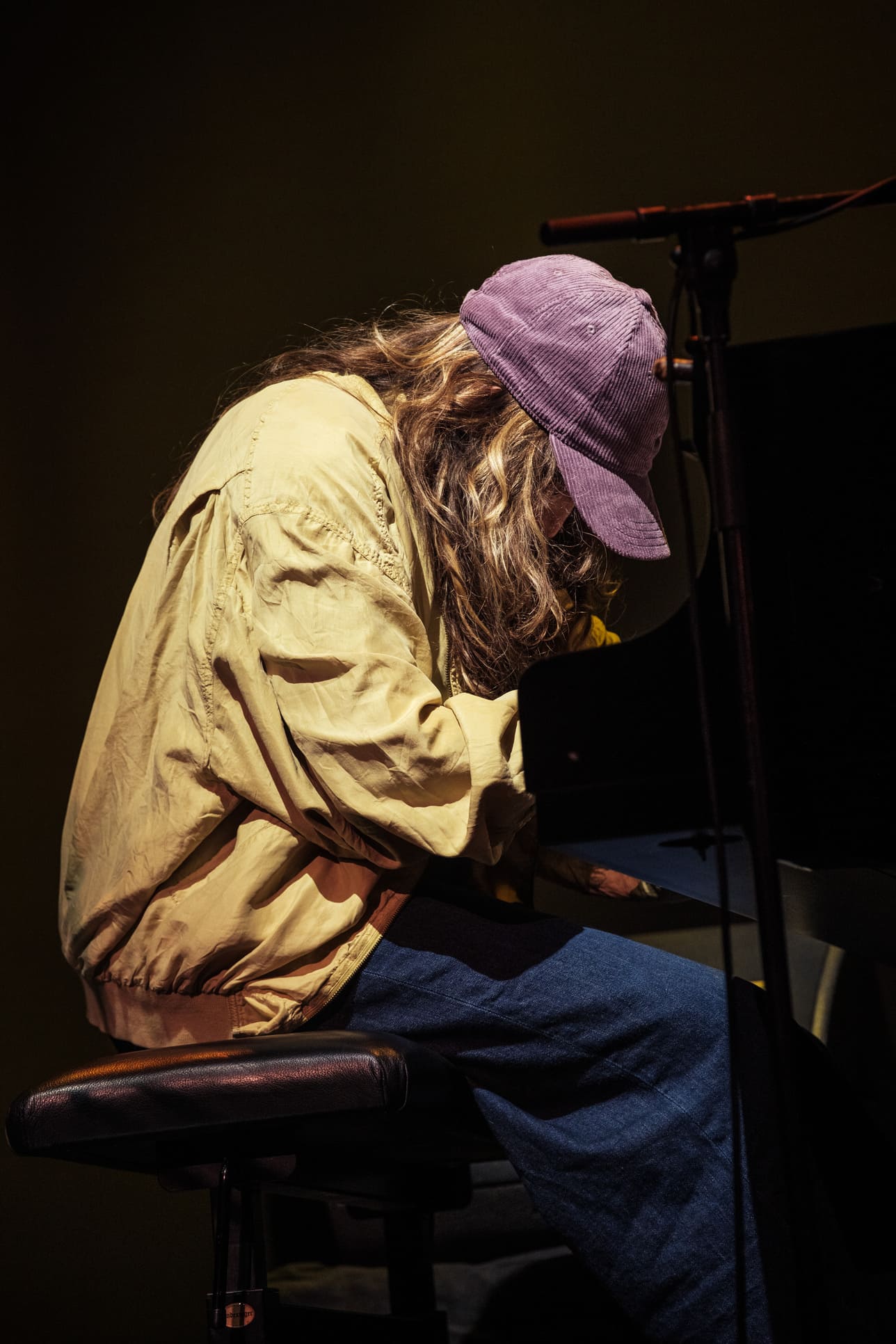
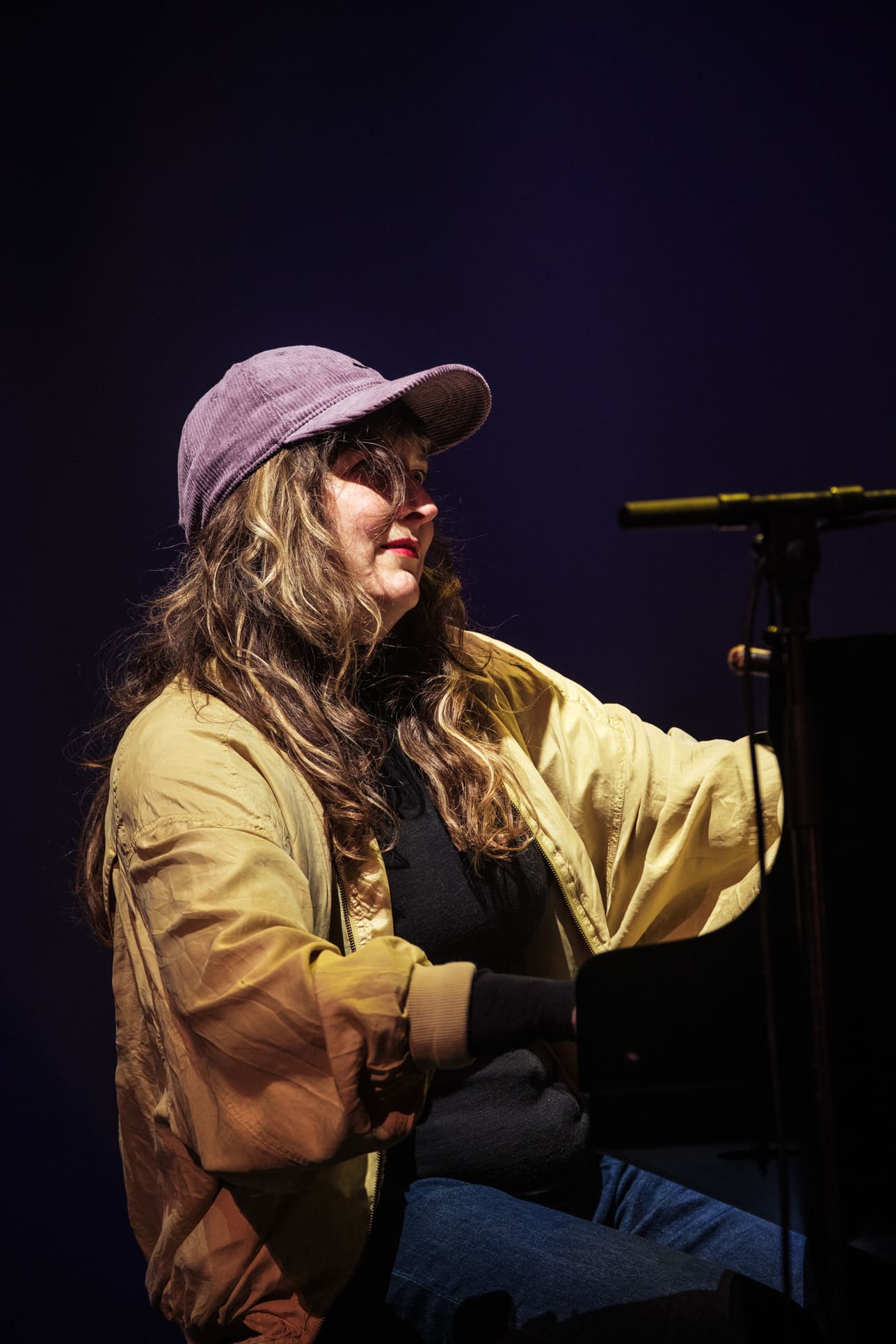
The third concert was undoubtedly one of the festival’s highlights. ANW BE YONBOLO, the duo of Eve Risser (who, even going through a flu, was truly demonstrating her abilities) and Naïny Diabaté, delivered an electrifying performance that immediately connected with the audience. Risser is, quite literally, an orchestra at the piano: she plays, sings, operates a bass drum and manipulates a prepared piano with astonishing rhythmic control, creating dense and powerful polyrhythmic layers.
The texts, rooted in griot traditions and African shamanism, speak of healing, memory and transmission. Diabaté, a singer from Bamako (Mali), brings a voice of immense power and ancestral depth. Despite being ill, Risser gave everything, using frying pans and everyday objects to turn the piano into a full orchestral instrument.
The music, deeply rhythmic and physical, draws from Afro-based patterns, bembé and other clave structures that had the audience dancing. In the final piece, they invited Lina, the cellist from Khoury’s quartet, forming a trio and offering a moving tribute to their ancestors, especially those of Diabaté. Long pedals, suspended melodies and collective trance made this moment unforgettable.
Richard Koch Quintet – Rays of Light
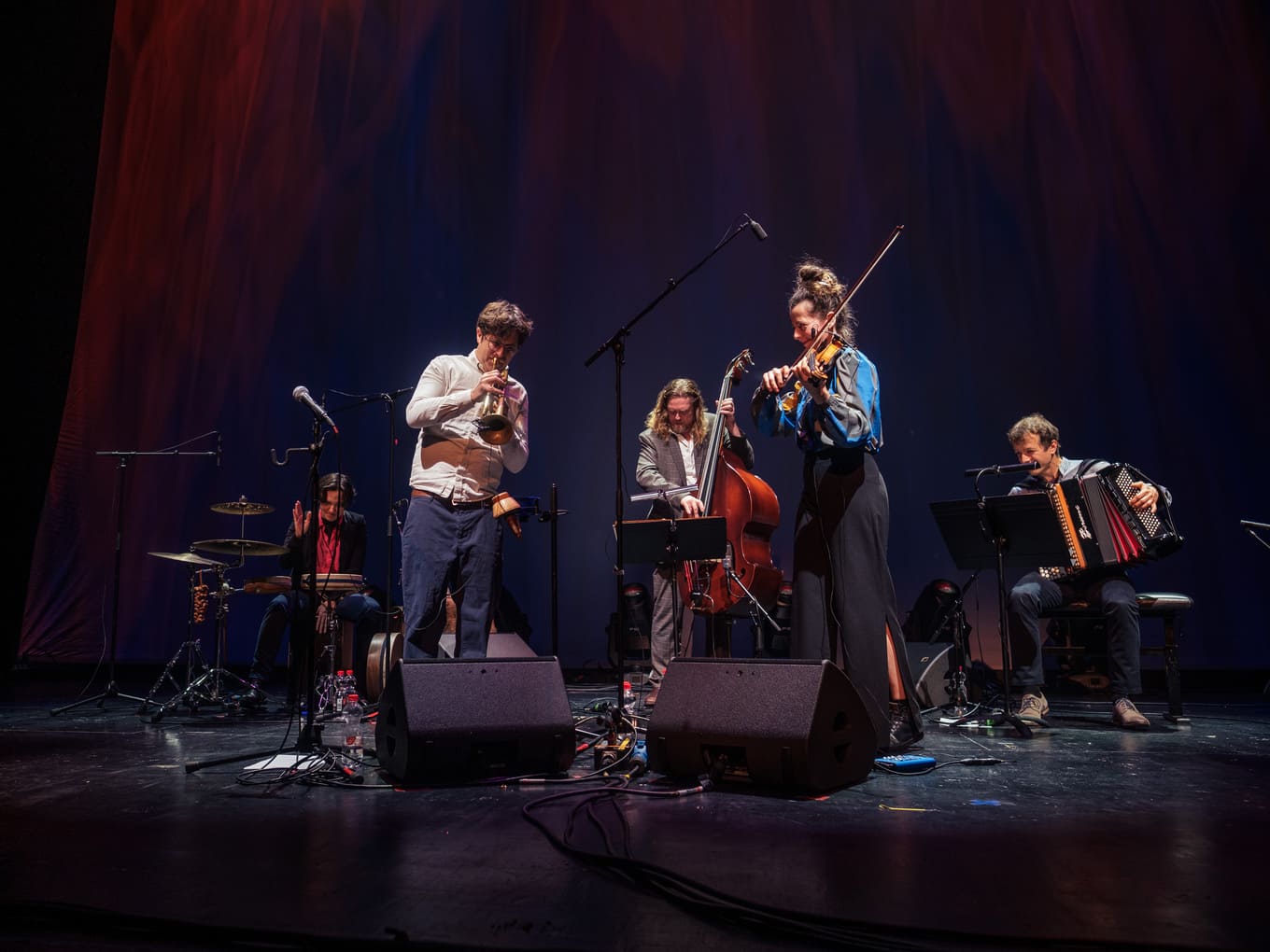
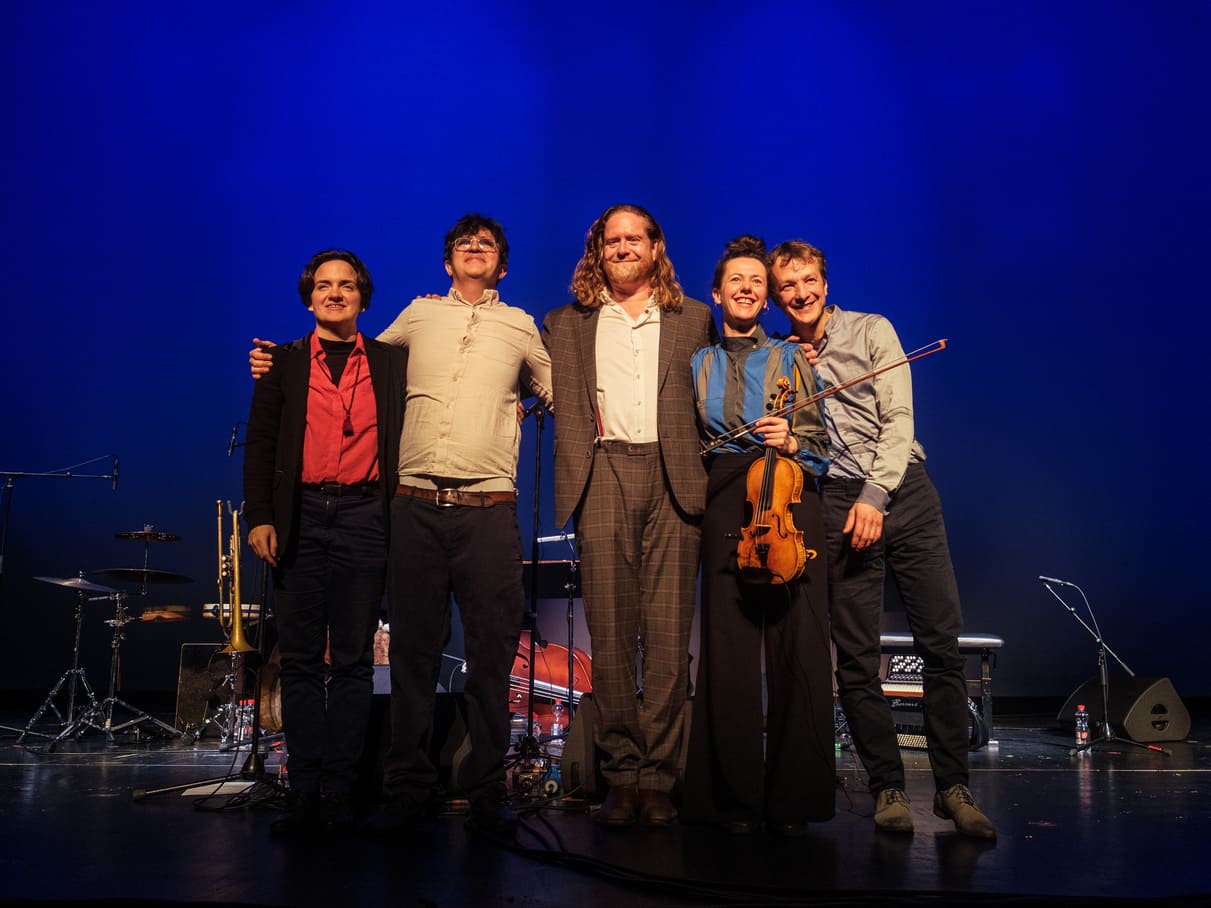
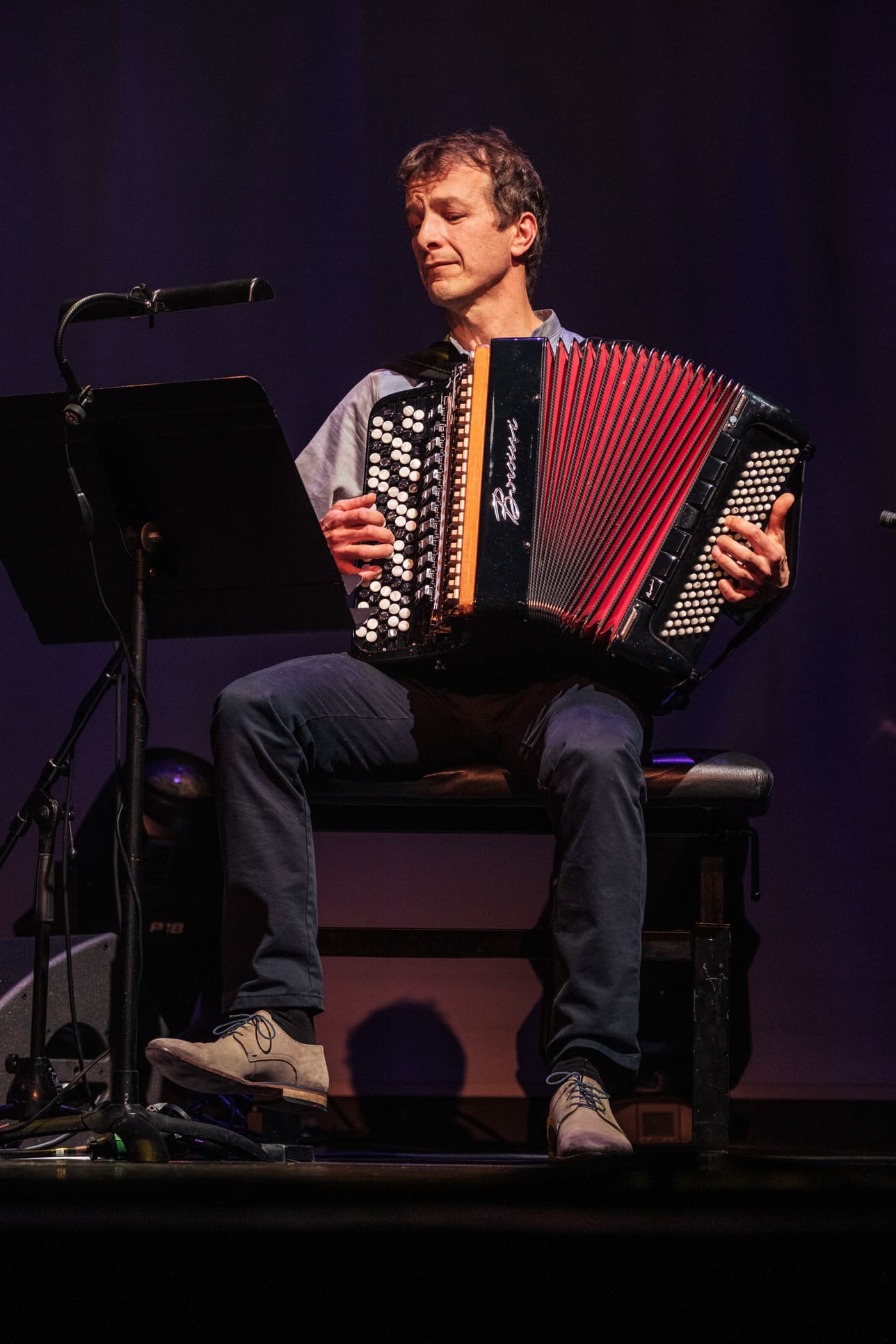
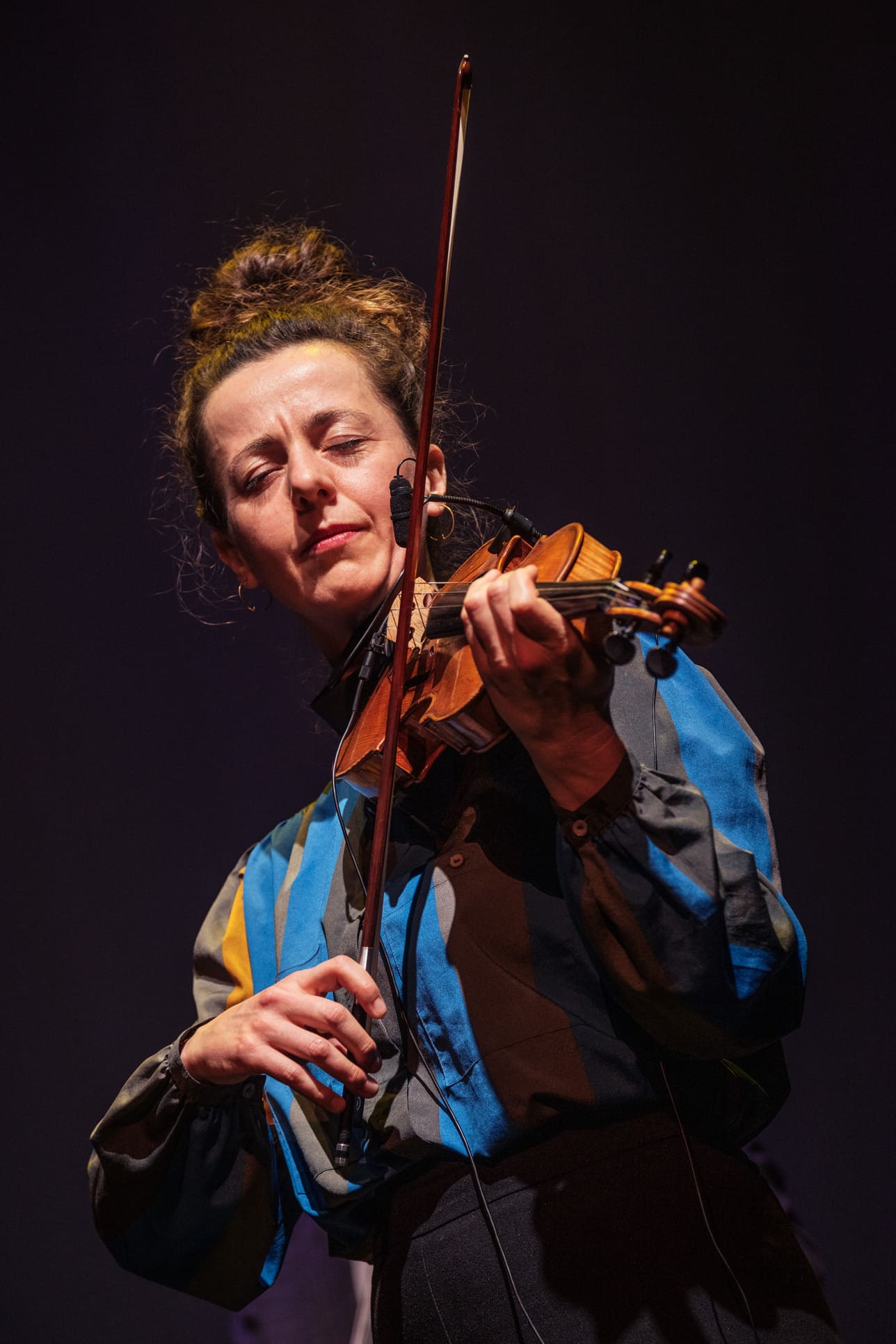
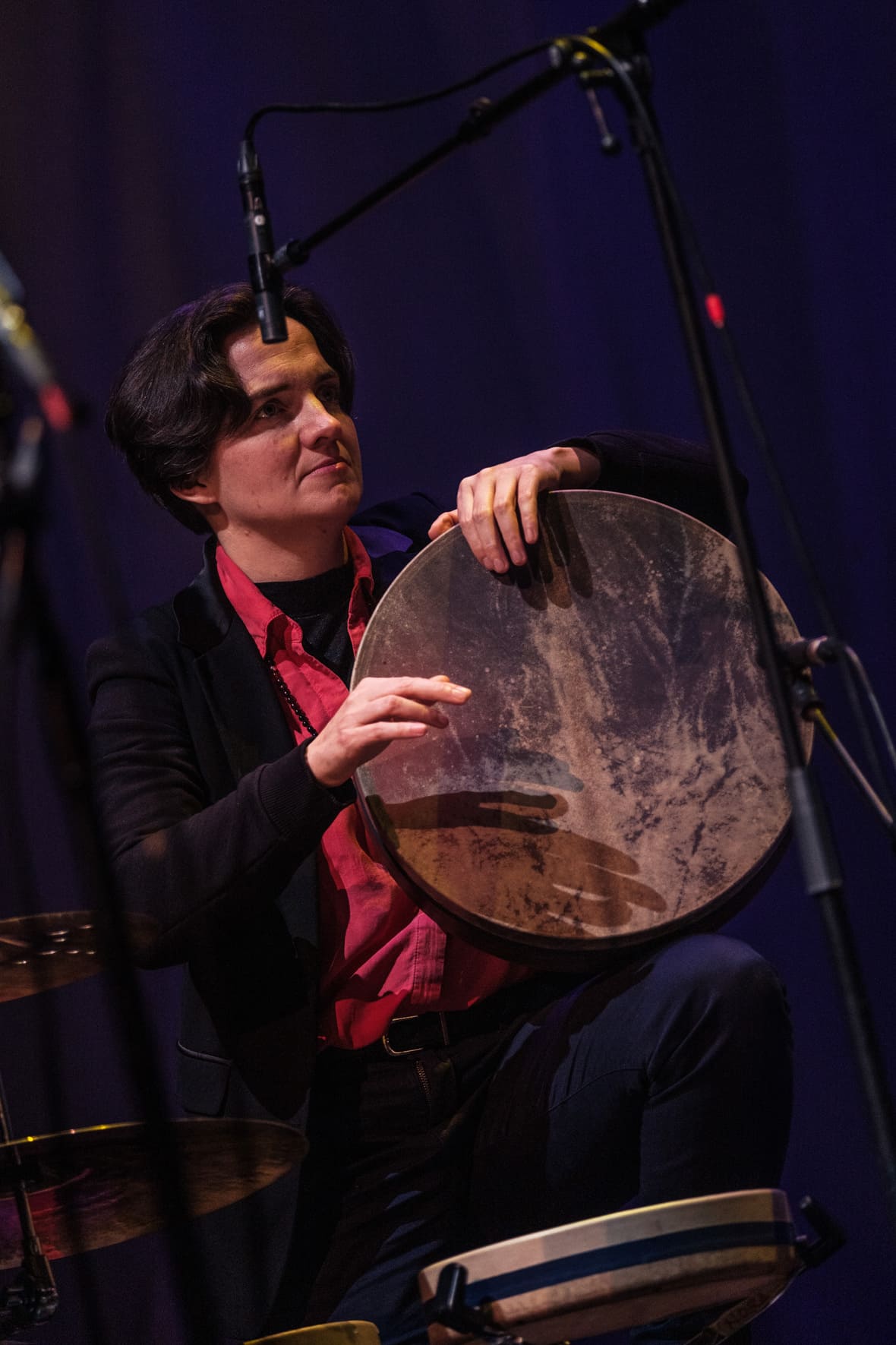
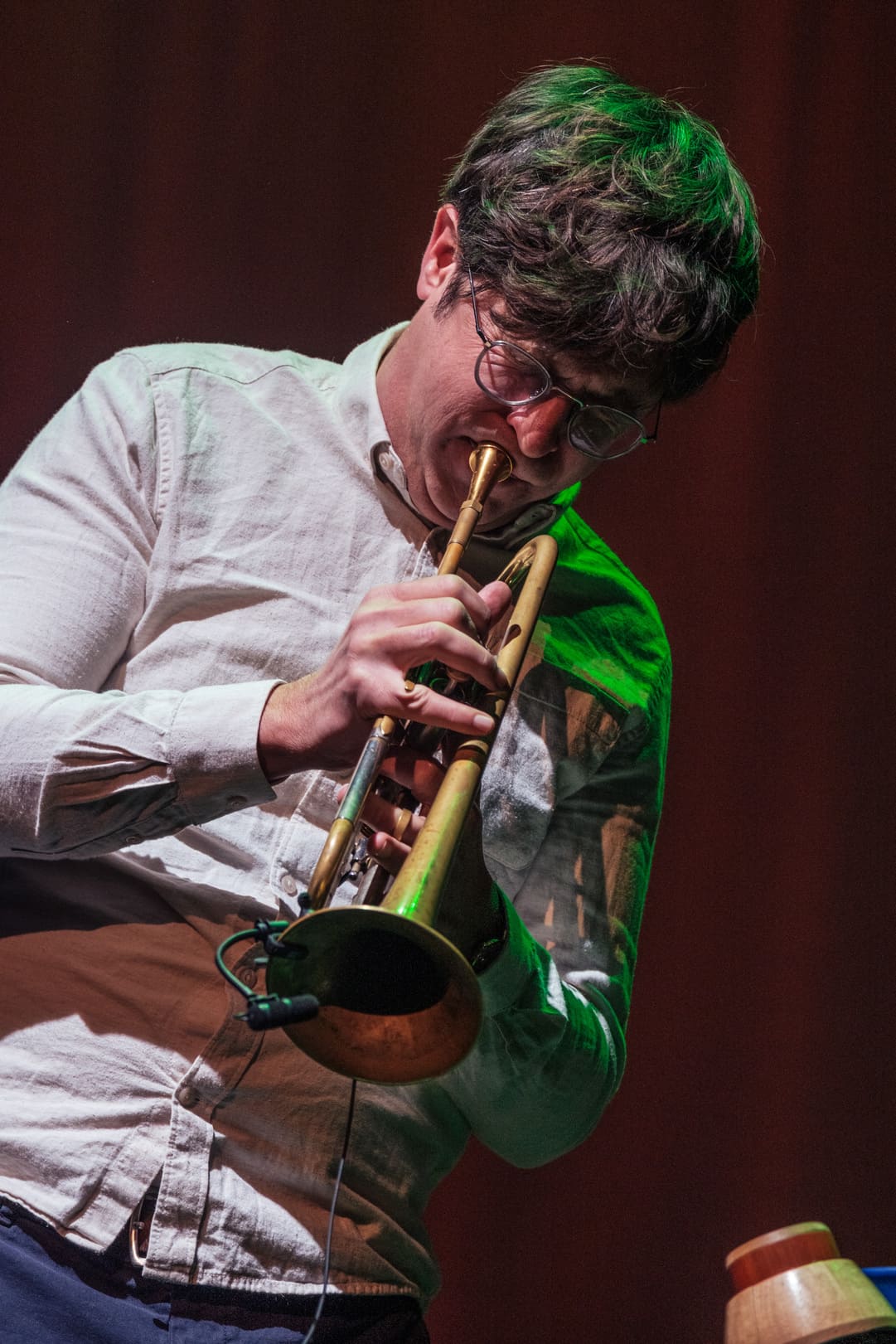
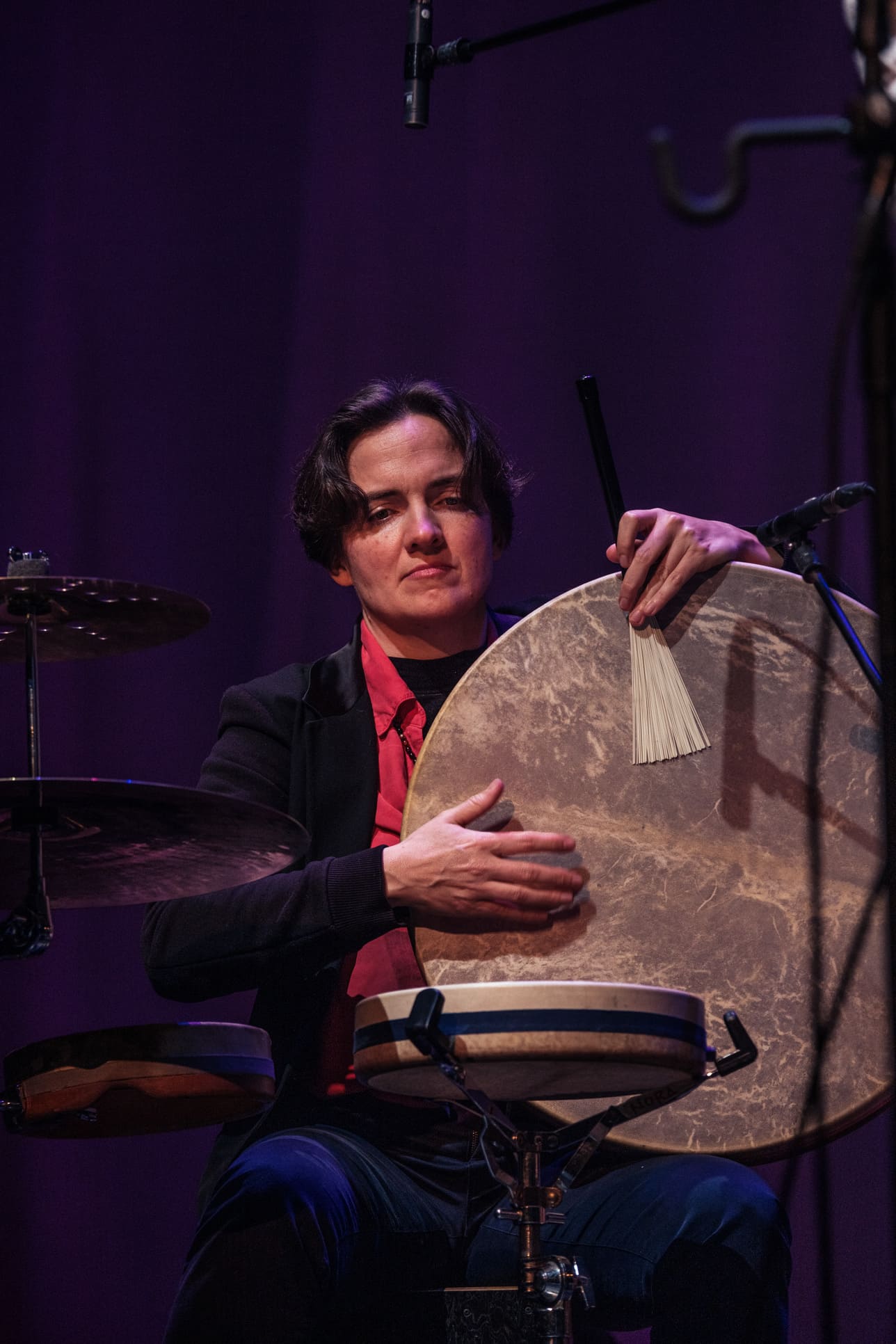
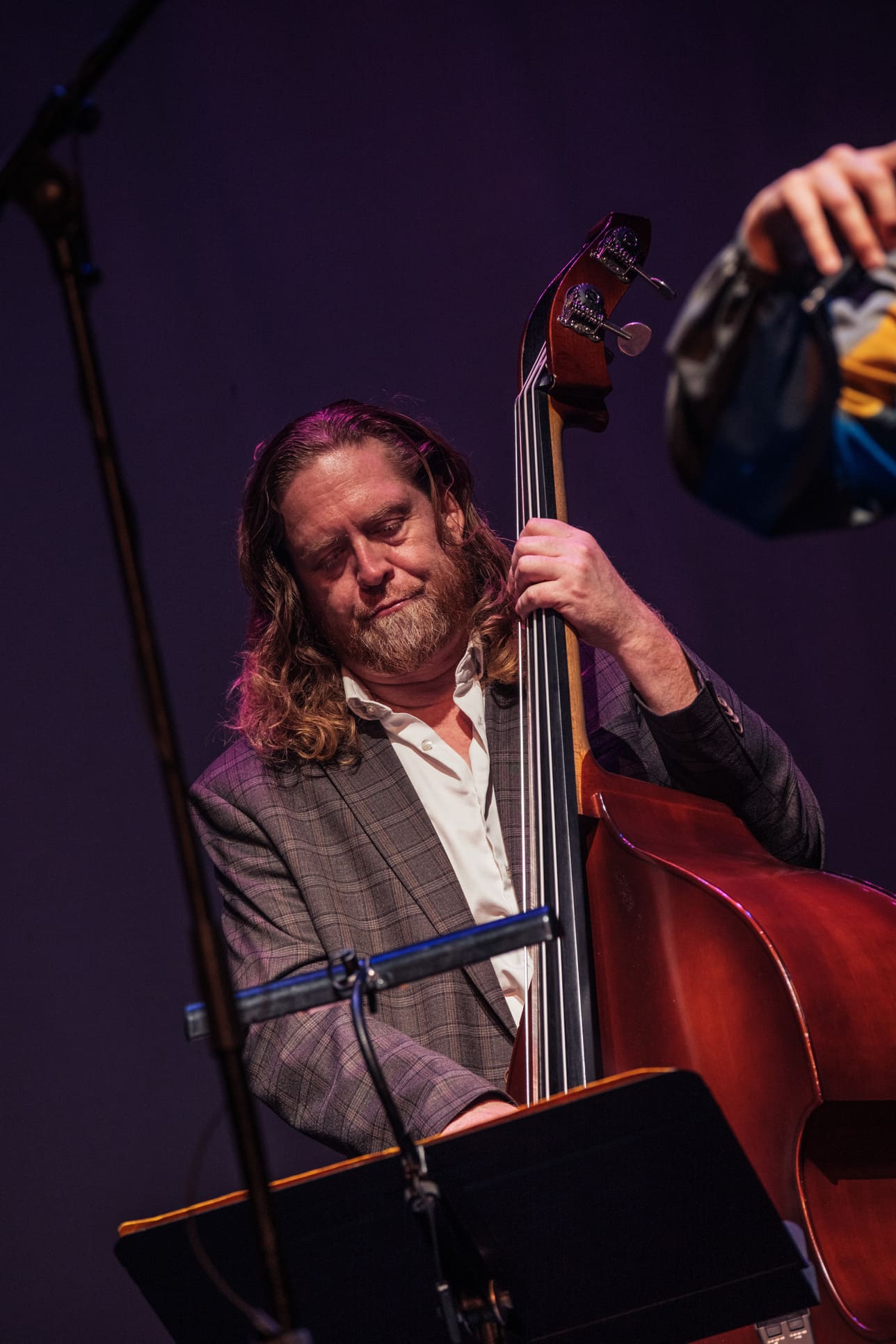
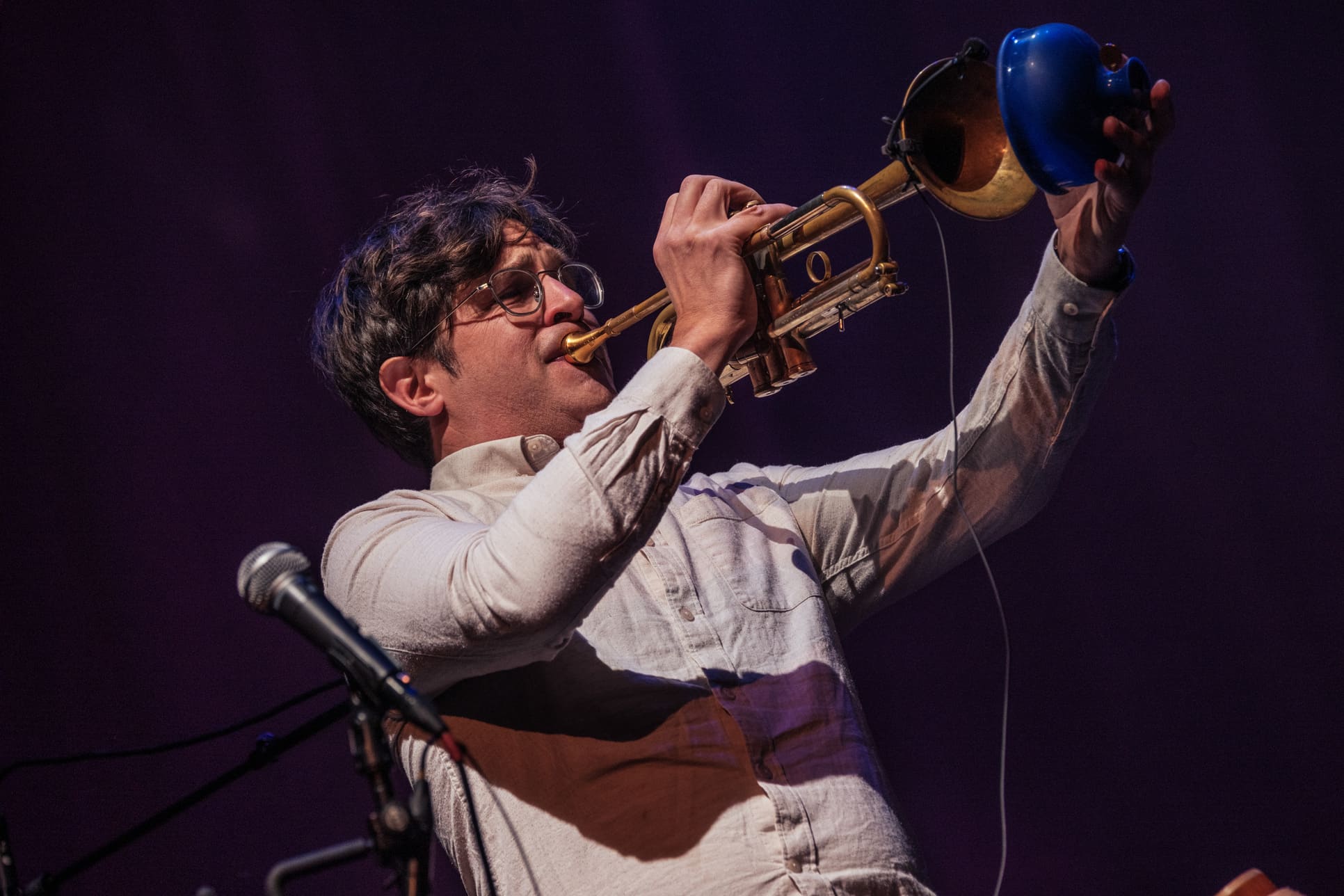
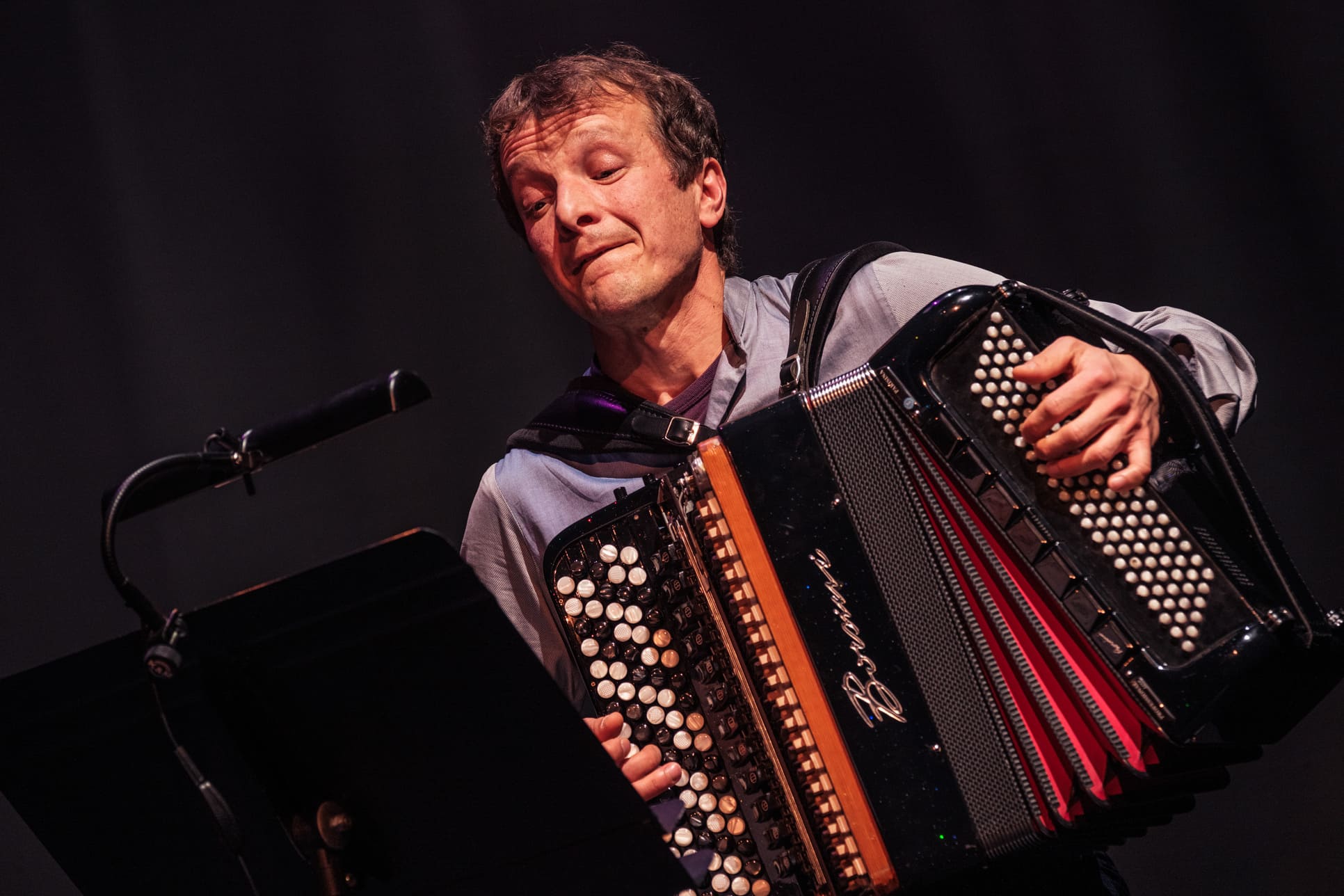
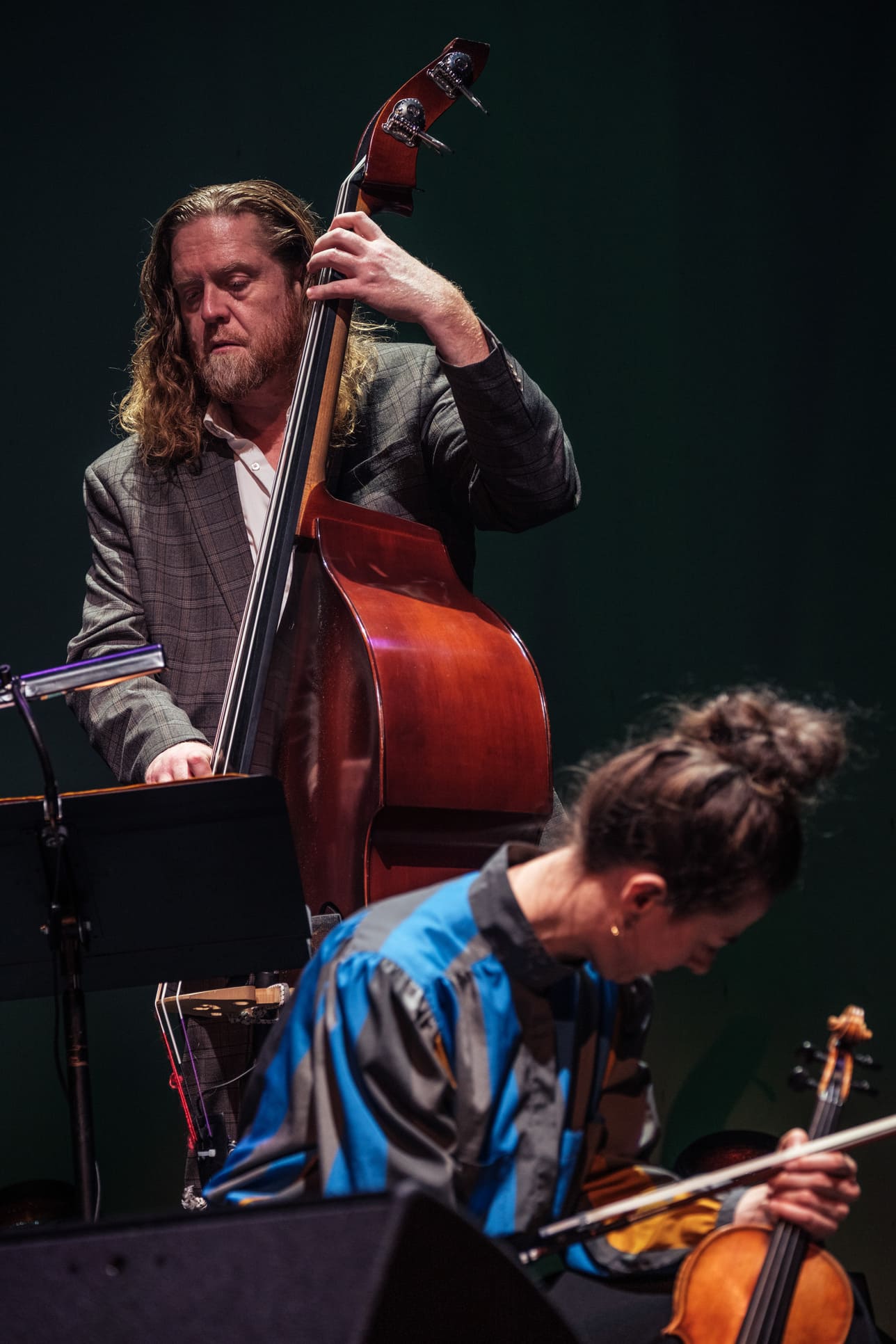
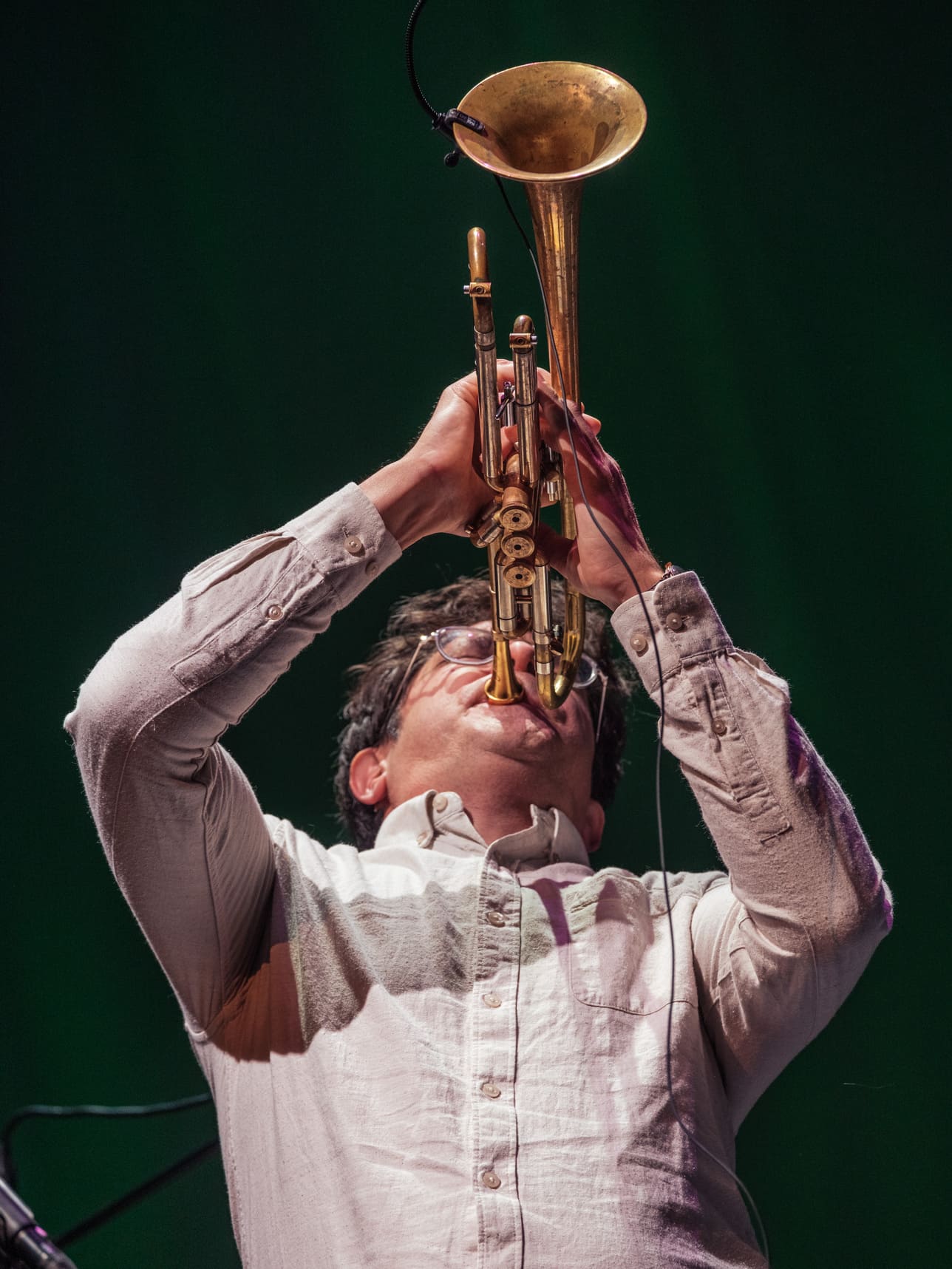
The evening at Theater Münster closed with the Richard Koch Quintet and their project Rays of Light. A young and daring formation: trumpet (Koch, leader and composer), violin (Fabiana Striffler), accordion (Valentin Butt), double bass (Andreas Lang) and percussion (Nora Thiele). From the opening piece — a flowing 3/4 with subtle rubato — the freshness of the group was evident.
The musicians constantly dialogue with their instruments and bodies; they move, breathe and surrender to the music. This physicality naturally leads them into freer territories: analog-style fade-out codas, atmospheric intros with extended techniques, and open improvisational sections. While some arrangements feel predictable and certain cues are overly explicit, the band delivers a strong, engaging show with an original and risky instrumentation. A quintet with significant potential ahead.
Morning Improvisation at the Dominikirche
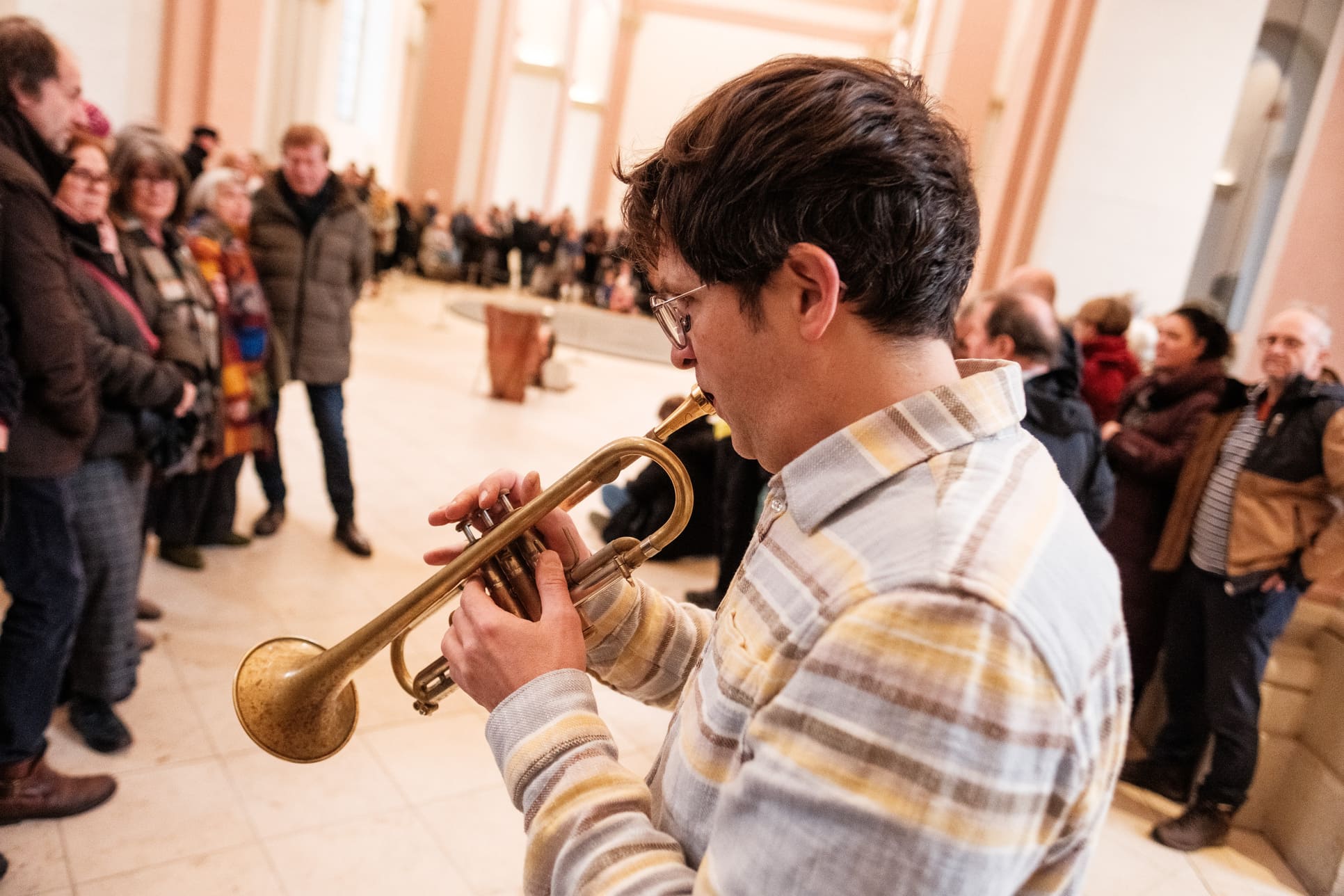
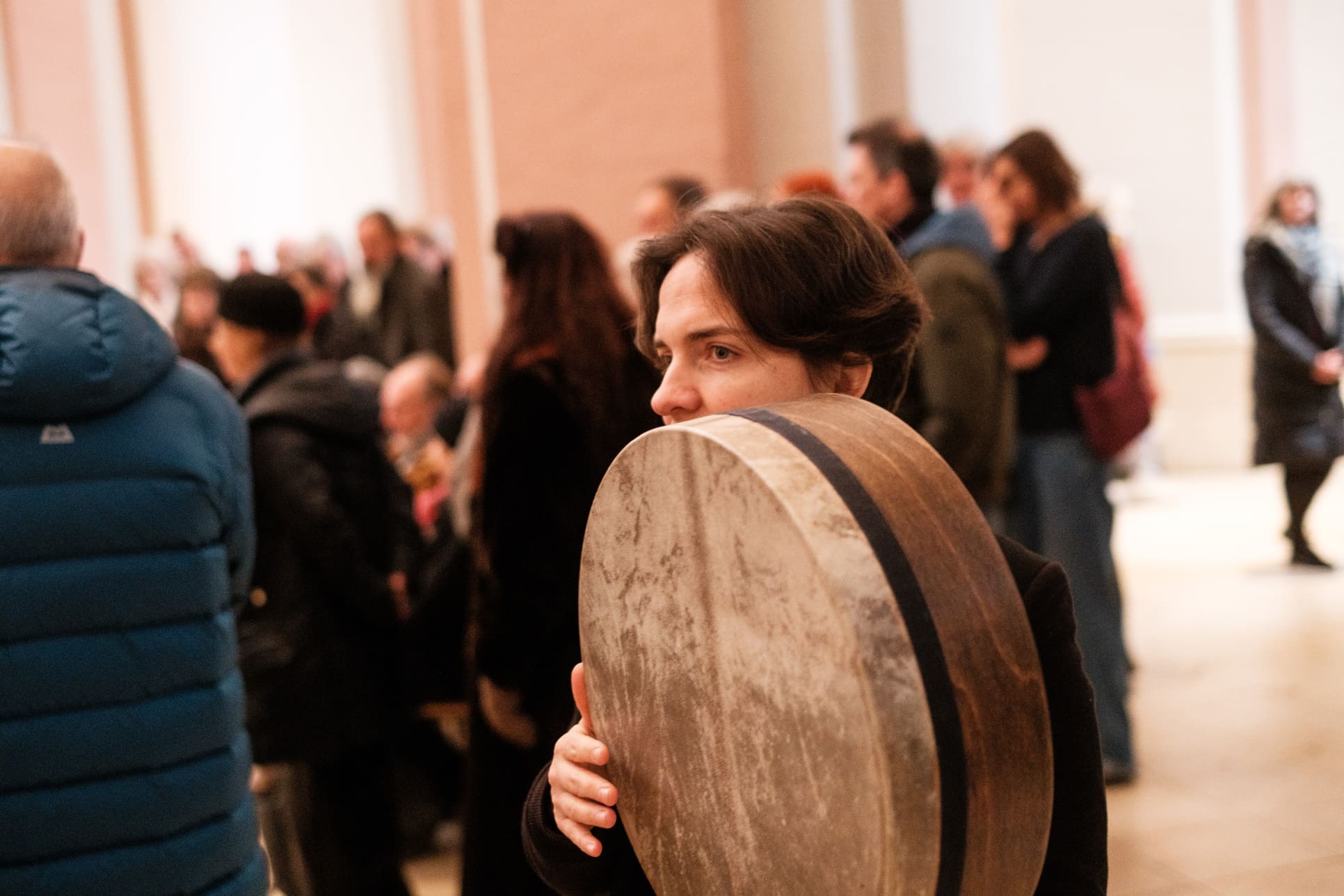
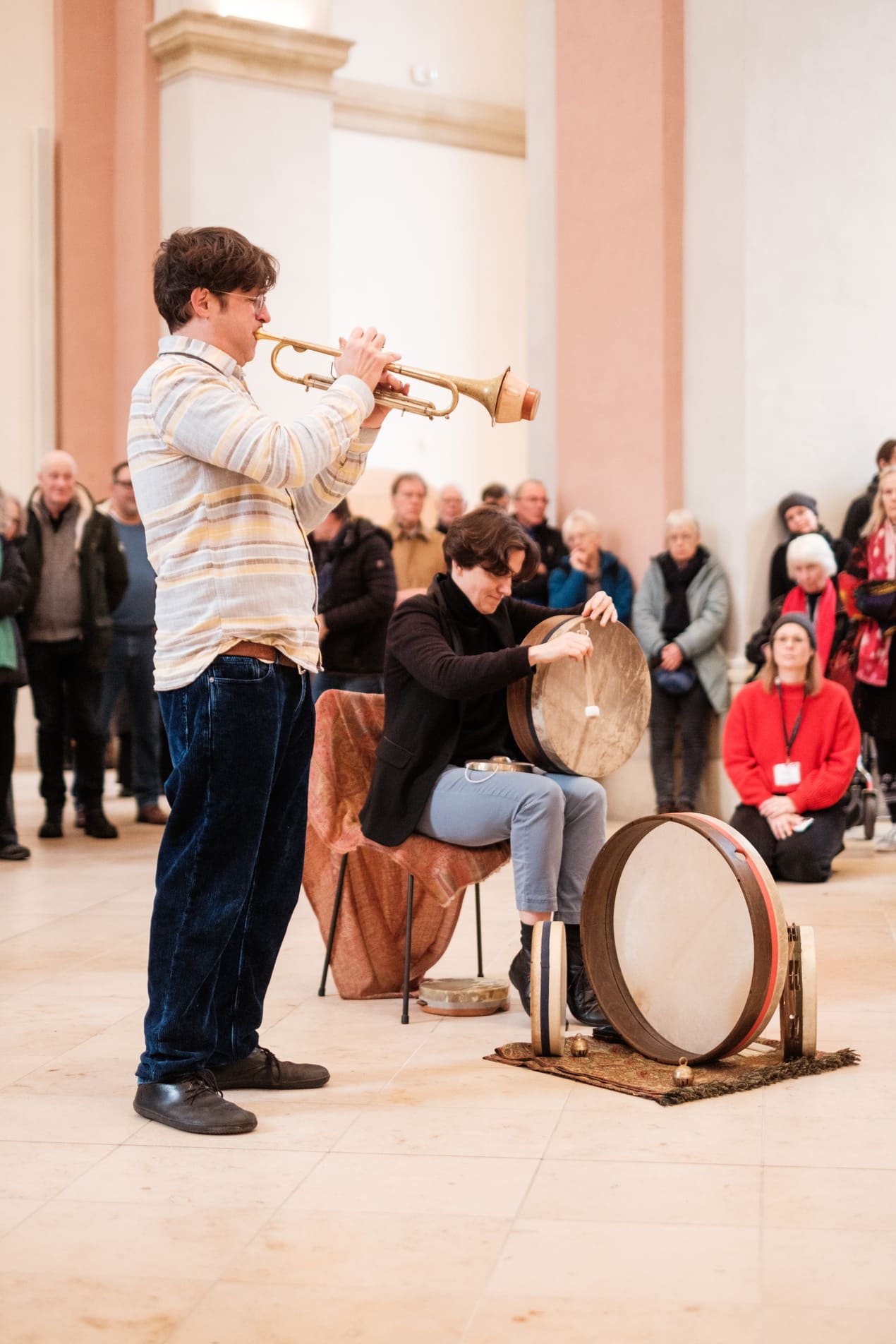
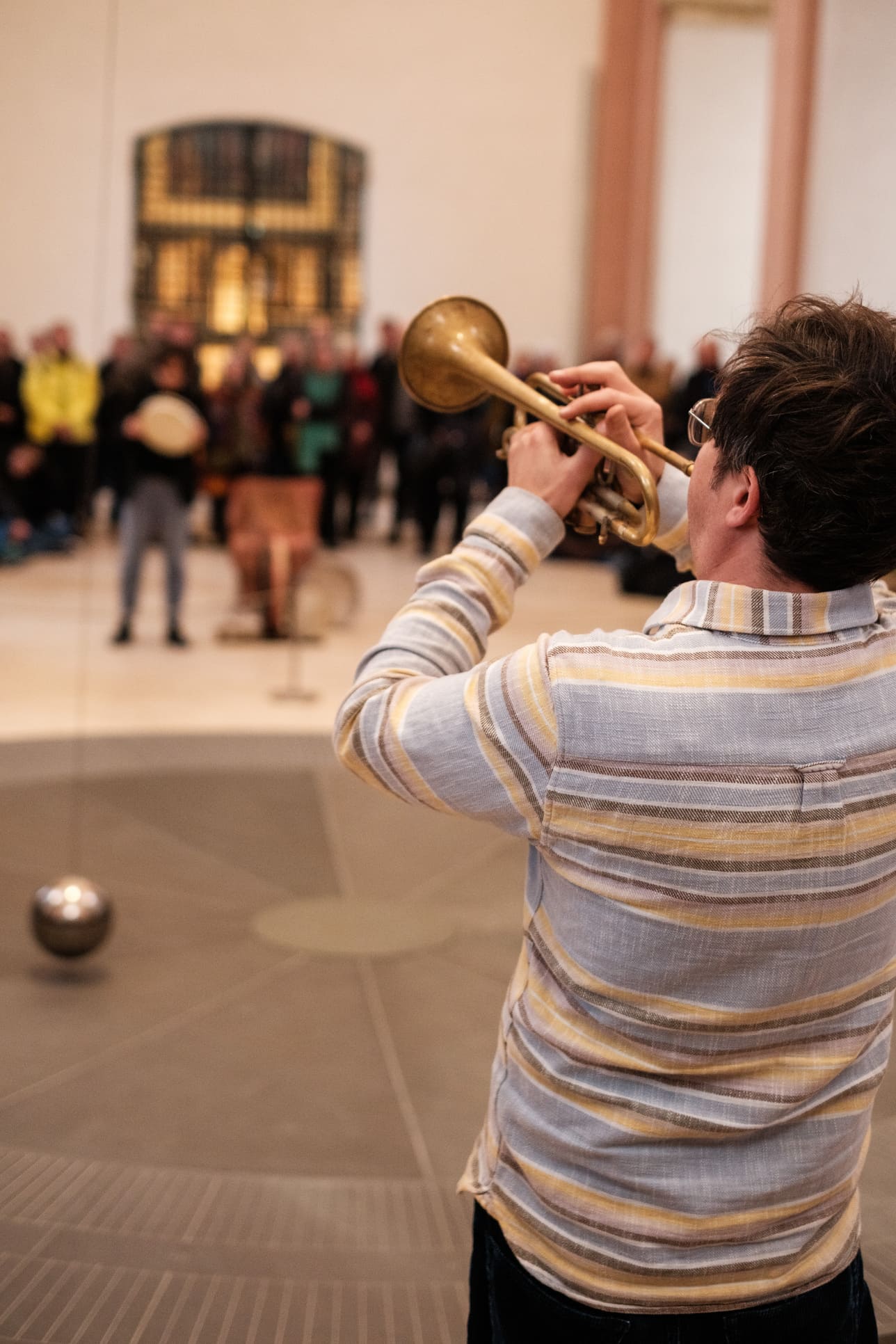
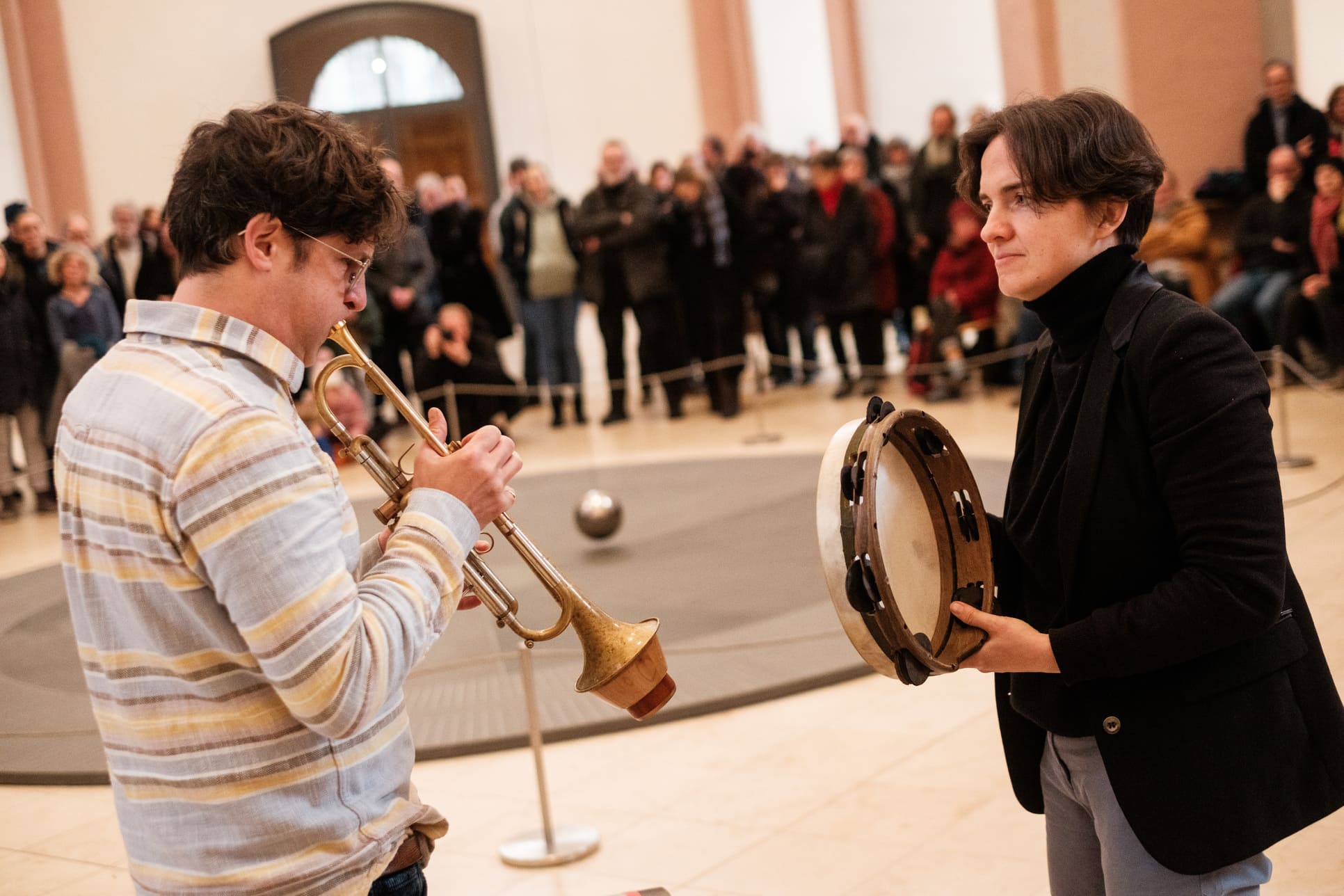
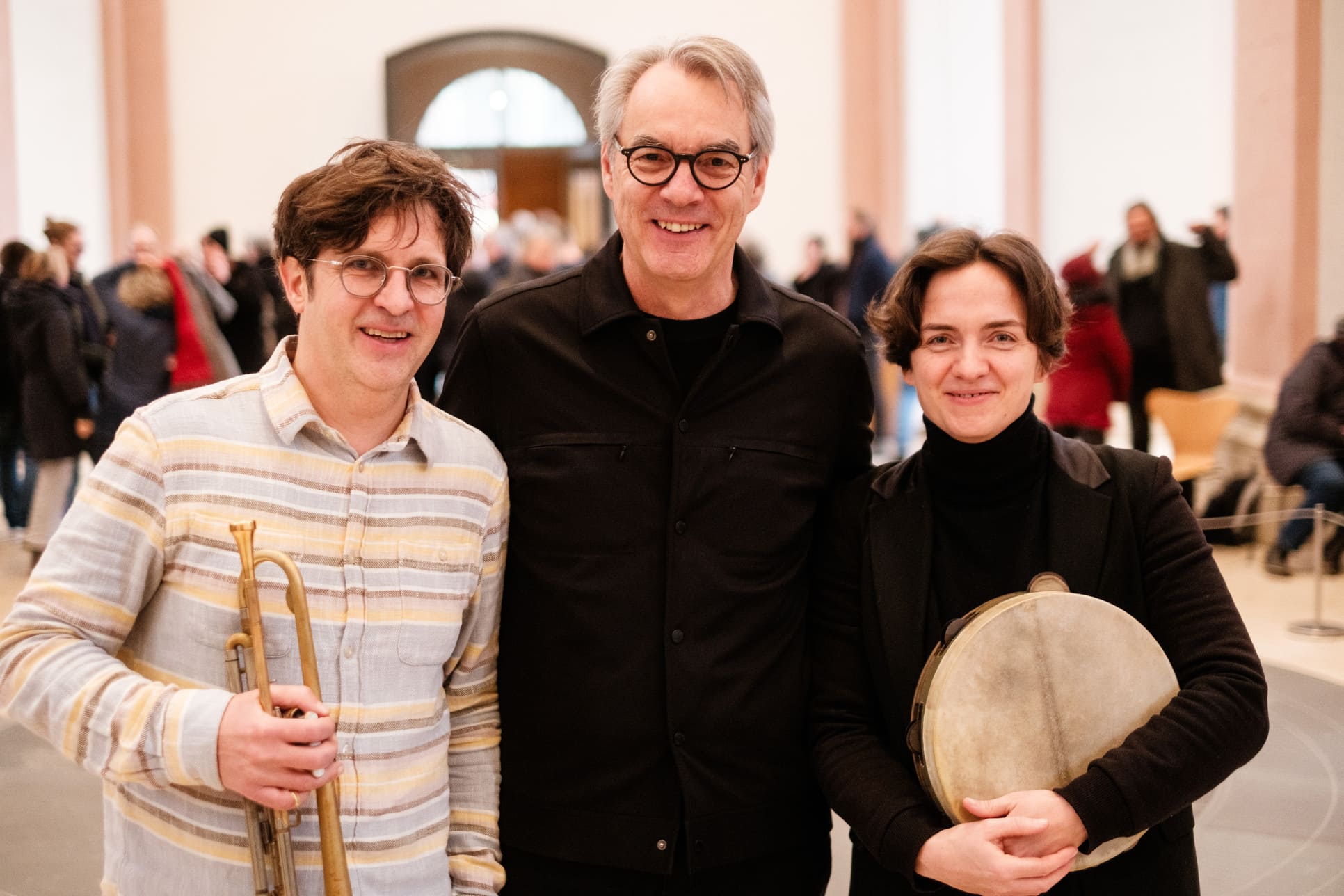
Sunday morning offered a simple yet beautiful epilogue. Richard Koch and his percussionist performed an improvised set around an artistic pendulum placed in the center of the Dominikanerkirche. The audience stood around the musicians, experiencing a free improvisation in which sound, movement and space became one. Walking through the nave, the musicians fully embraced the church’s natural acoustics and reverberation. Minimal, open and resonant music — a perfect closing to a festival that reminded us why jazz still matters when it truly happens.