Select Page
Causa I Efeito Festival, Lisboa 2025 – O Novo Jazz na Nova

Causa I Efeito Festival, Lisboa 2025 – O Novo Jazz na Nova

Causa I Efeito Festival,

Lisboa 2025

O Novo Jazz na Nova

27

MAYO, 2025

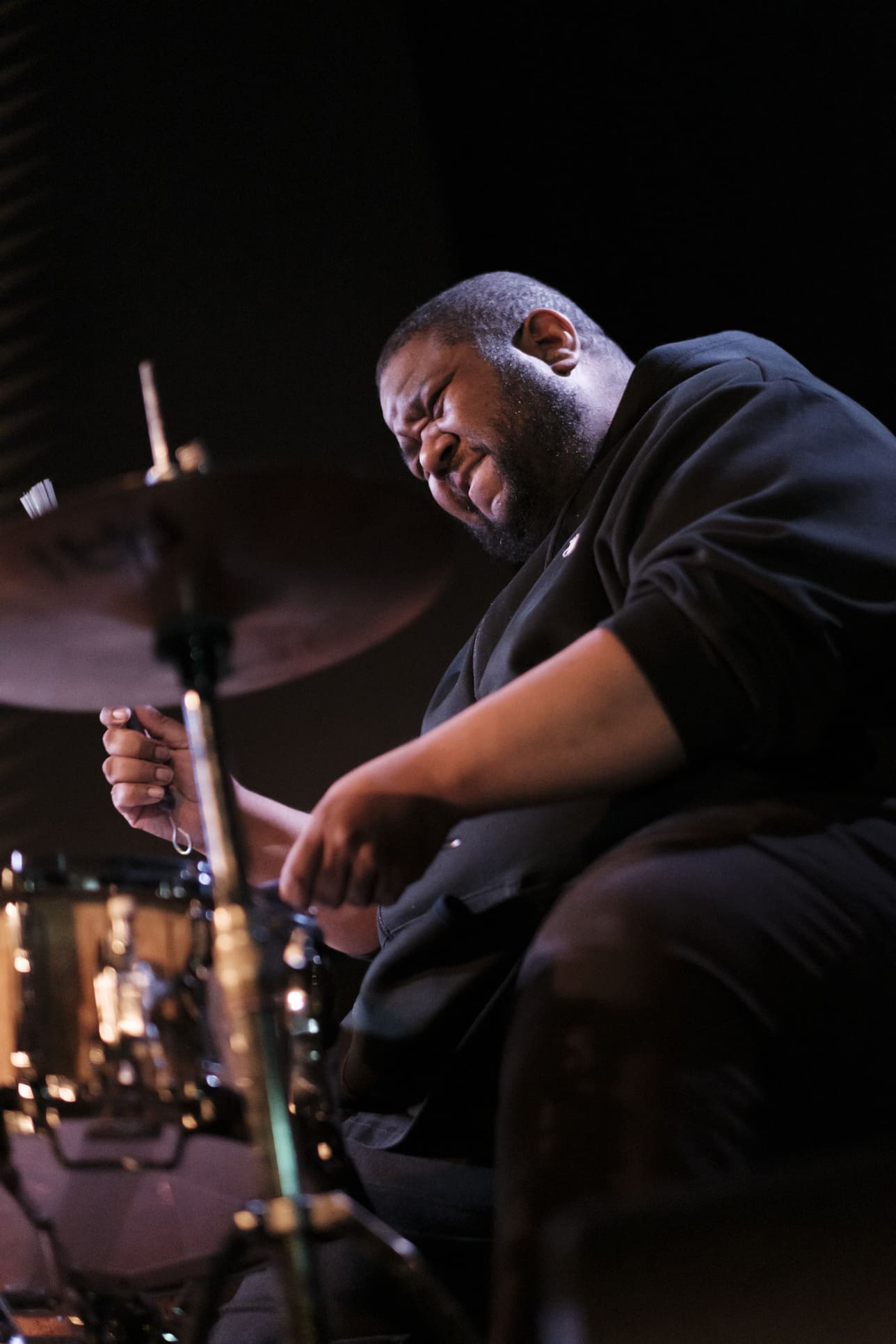
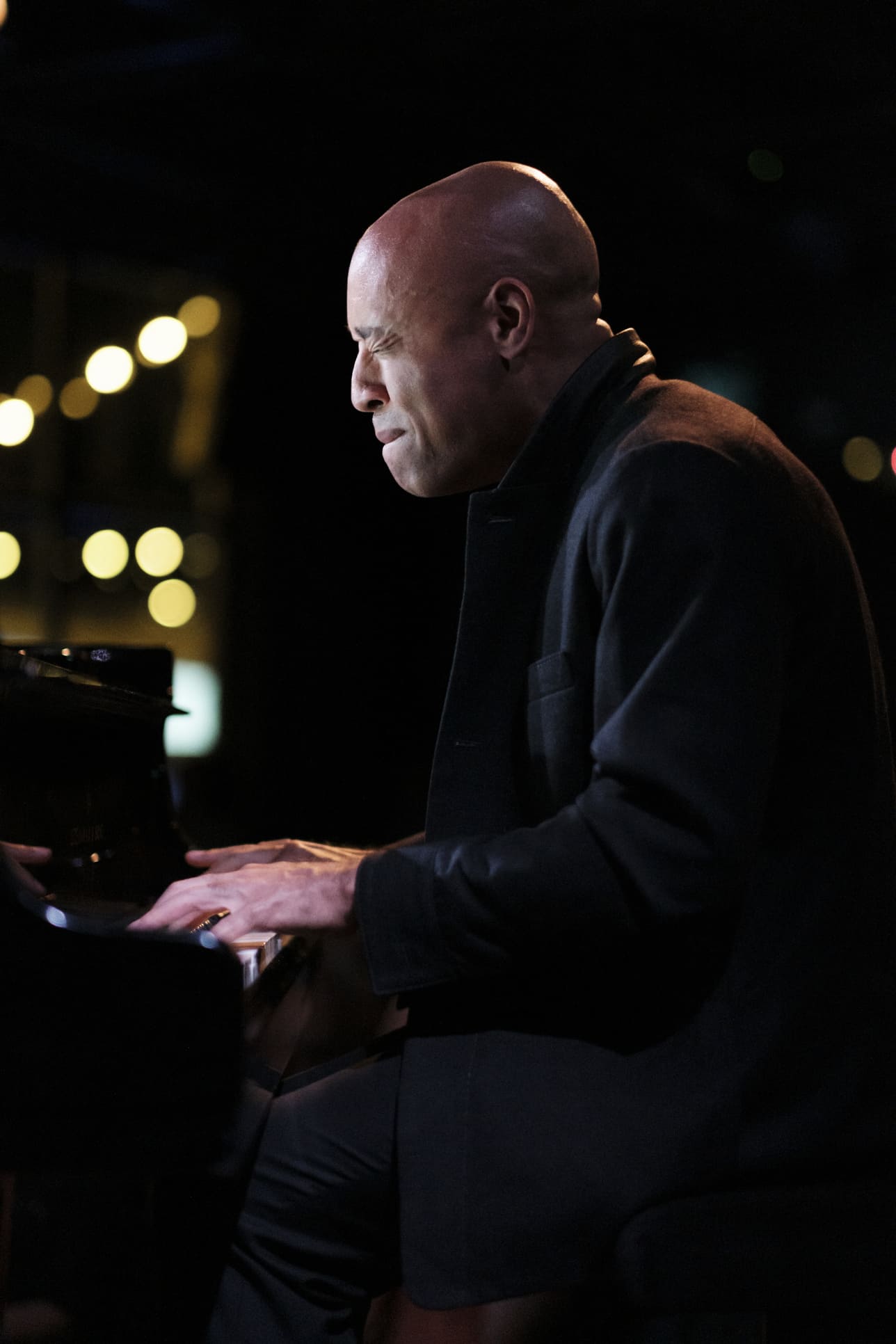
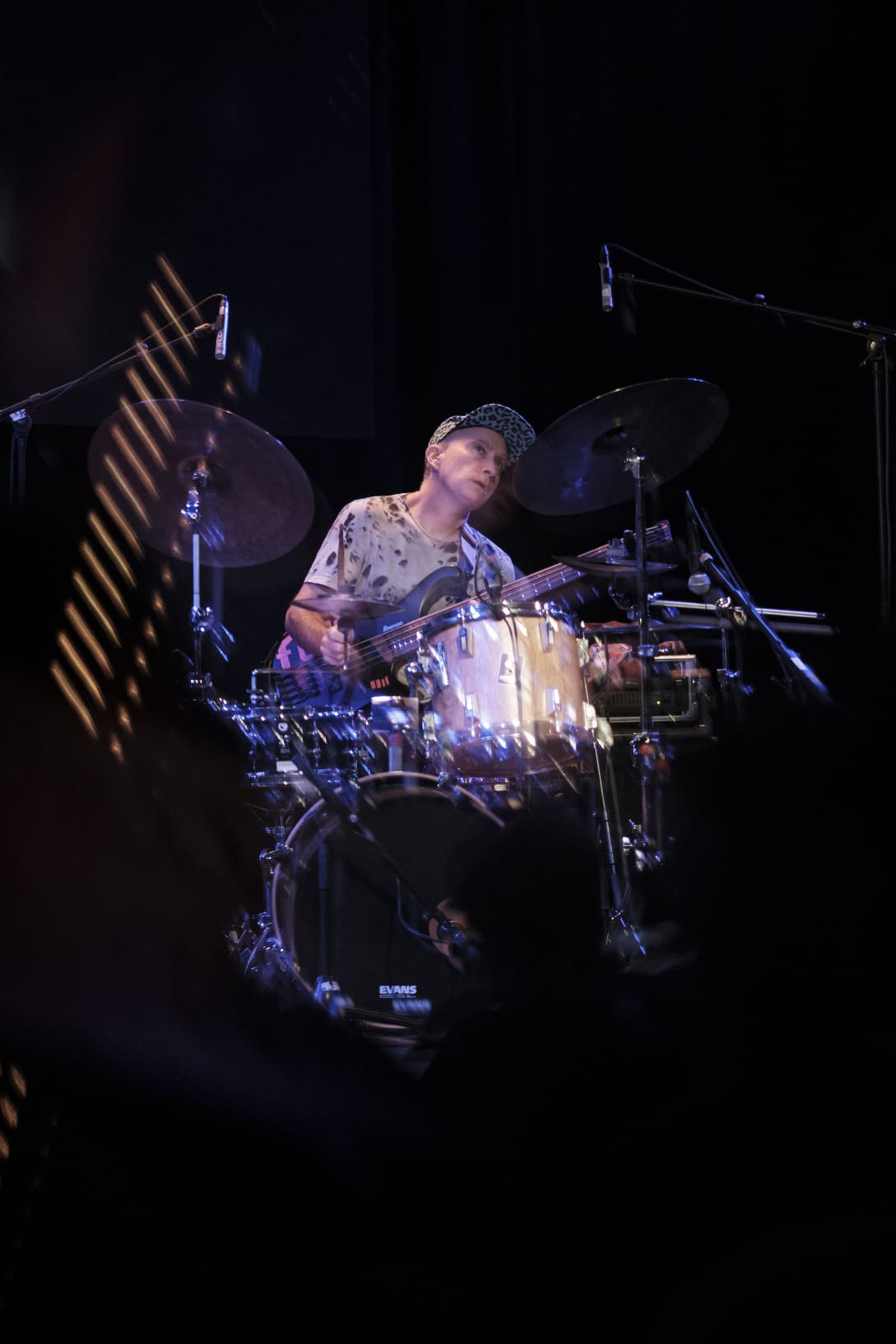
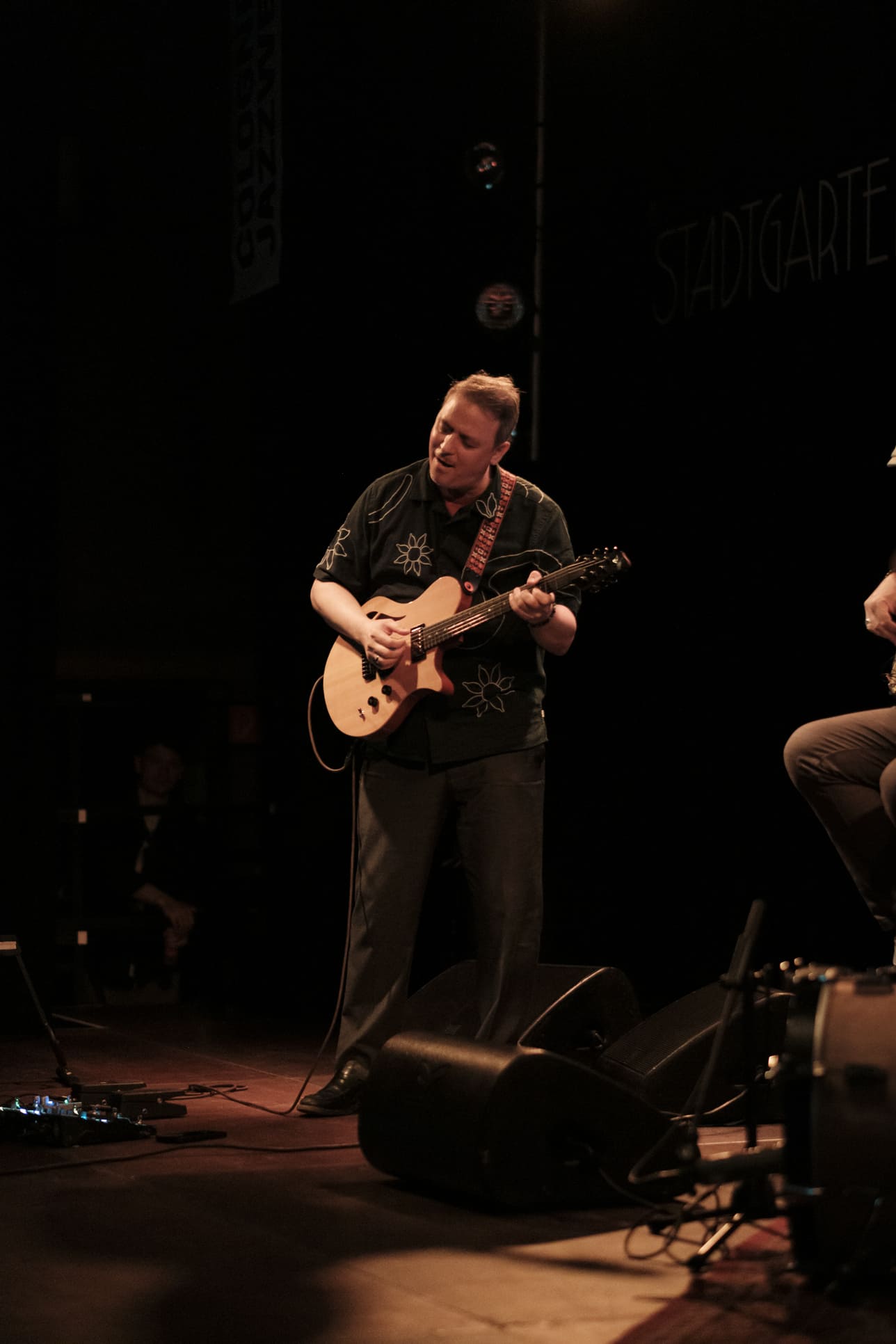
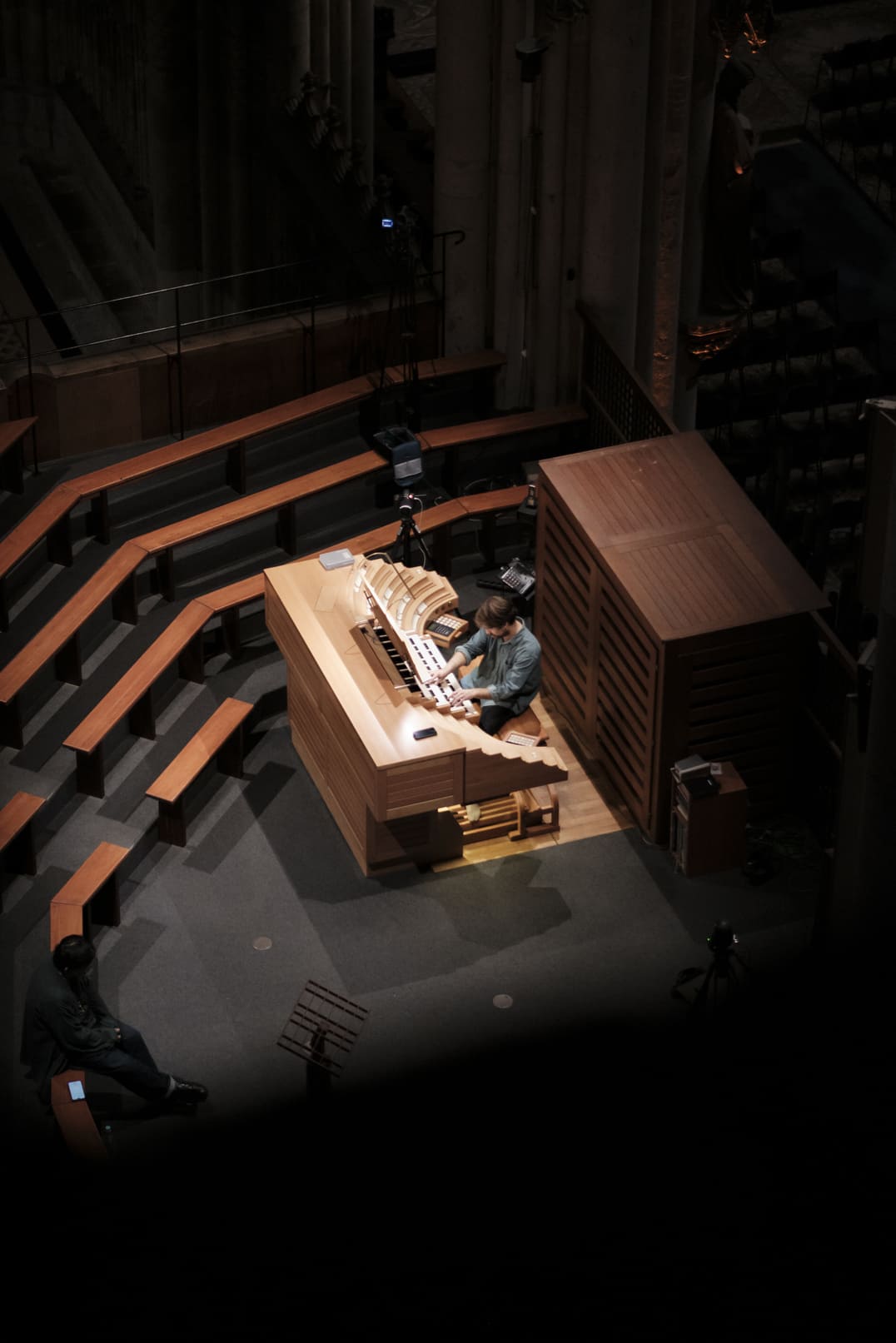
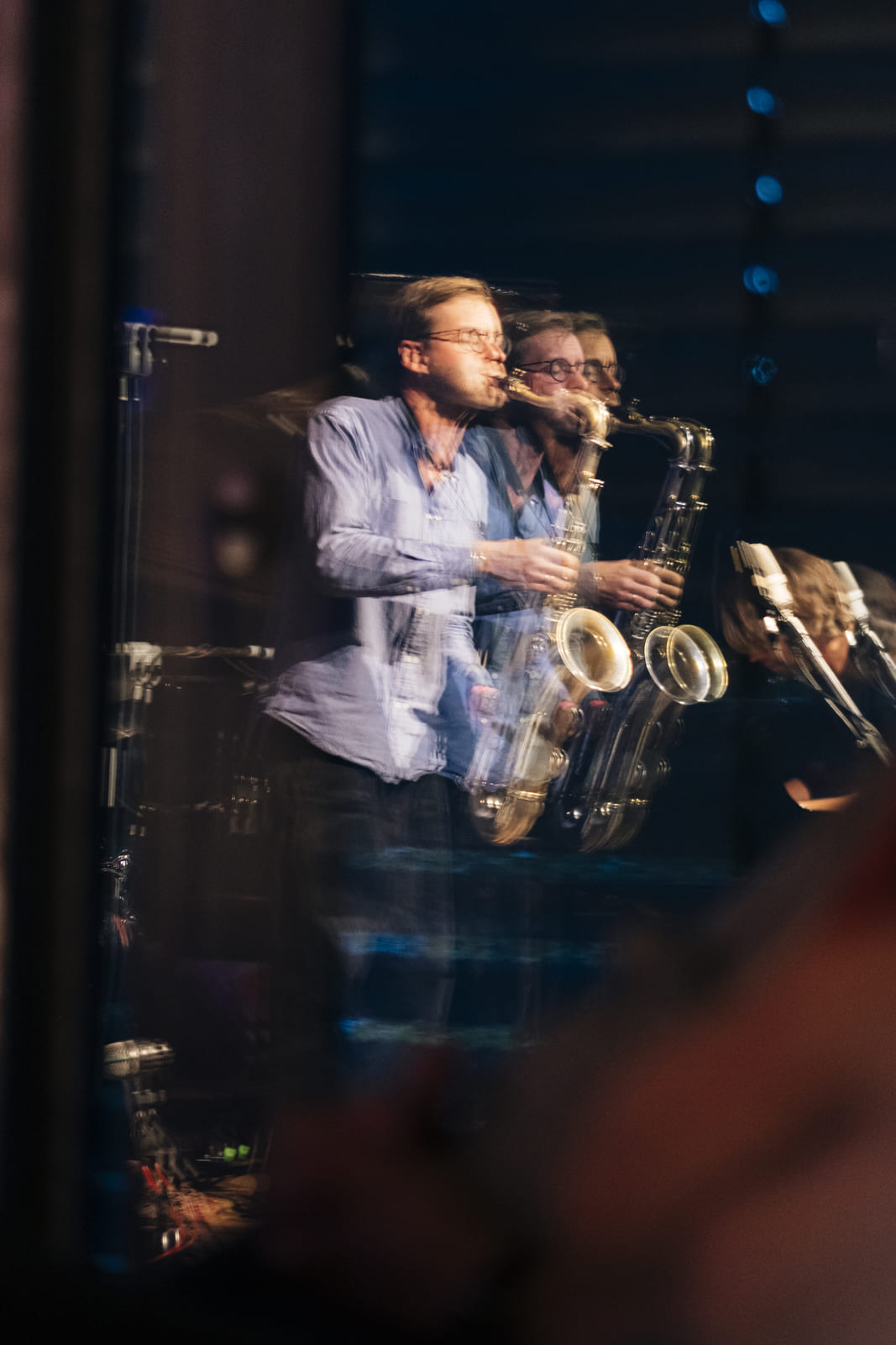
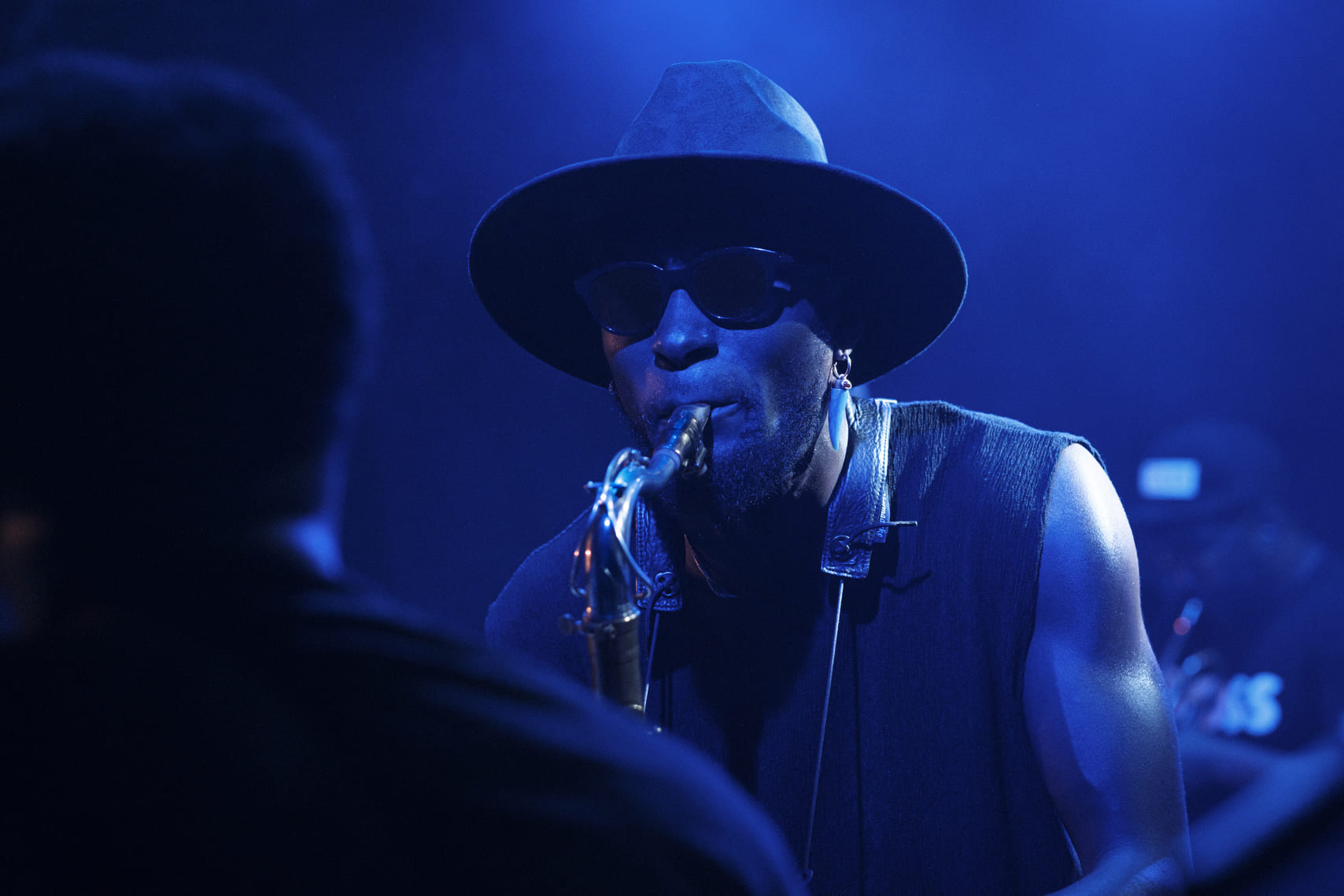
La tercera edición del festival Causa/Efeito en Lisboa tuvo lugar en el mes de mayo en el Auditorio de la Rectoría de la Universidade NOVA. Bajo la dirección artística de Pedro Costa, se apuesta por una programación exigente y cuidadosamente articulada, centrada en la música improvisada, la vanguardia y lo experimental. Una programación de alta calidad de principio a fin, con encuentros que priorizan la creación y la interacción en tiempo real como guía creativa.

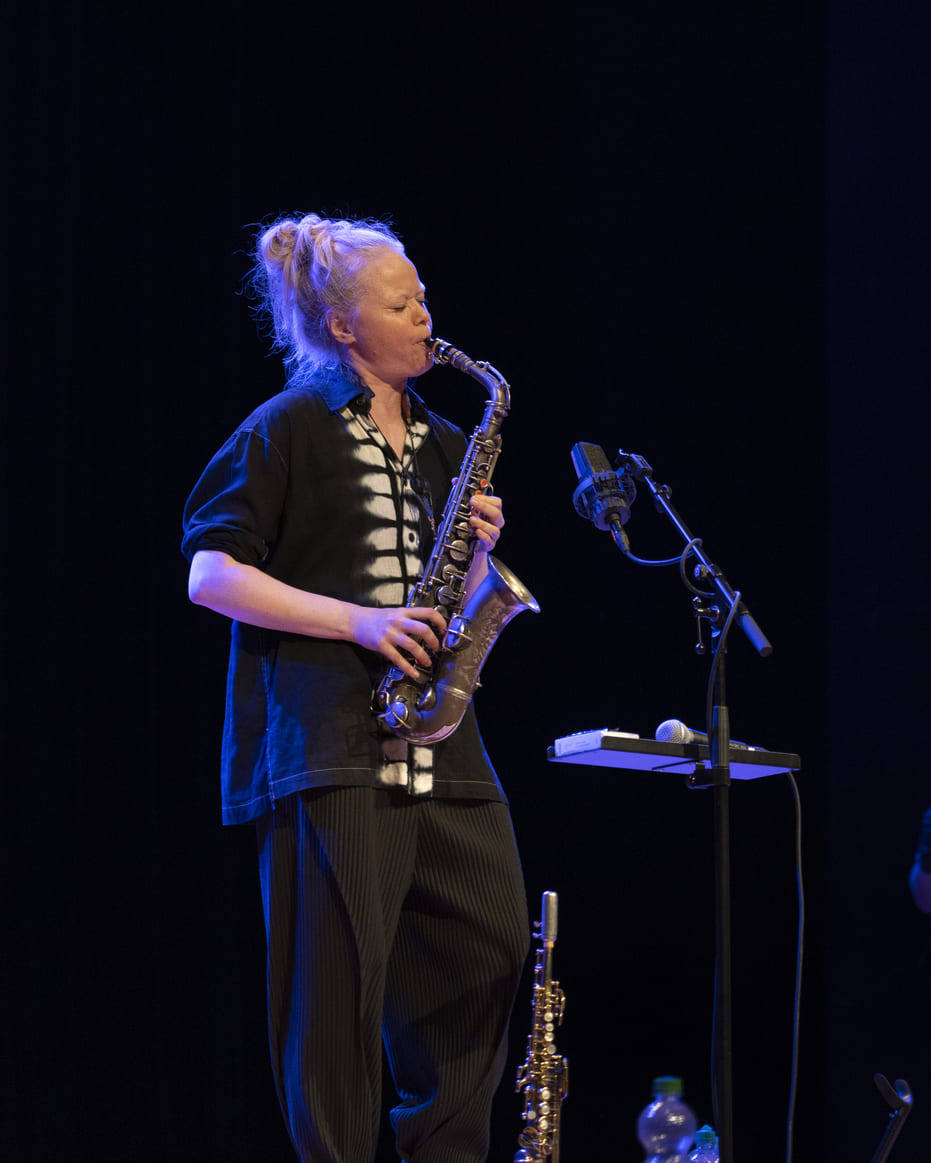
Después del ensayo abierto y primer encuentro del pianista portugués Rodrigo Pinheiro y el saxofonista italiano Pasquale Caló, asistimos al concierto, situado en una ubicación sorprendente, que es el garaje subterráneo de la rectoría de la Universidad Nova de Lisboa, un espacio que no puede ser más alternativo. Cargado de una resonancia urbana que potencia el enfoque crudo de la propuesta del trío. El grupo, con sede en Oslo, ésta integrado por Amalie Dahl, miembro de la prestigiosa Orquesta de Trondheim, junto a Sandstad Dalen y Jomar Jeppsson Søvik. Una formación de saxofón, contrabajo y batería, que bebe del free jazz, de la improvisación libre contemporánea y la vanguardia.

Presentan un set centrado en el álbum Live in Europe (Nice Thing Records), grabado en directo en Praga y Bruselas. Con un enfoque minimalista, centrado en el detalle, el grupo elabora pequeñas estructuras sonoras, frases inacabadas cargadas de tensión contenida y control rítmico extremo. Los indicios melódicos se fragmentan, se interrumpen, dando paso a giros inesperados y momentos tensos que se despliegan lentamente para lanzarse hacia un desenlace frenético y catártico.
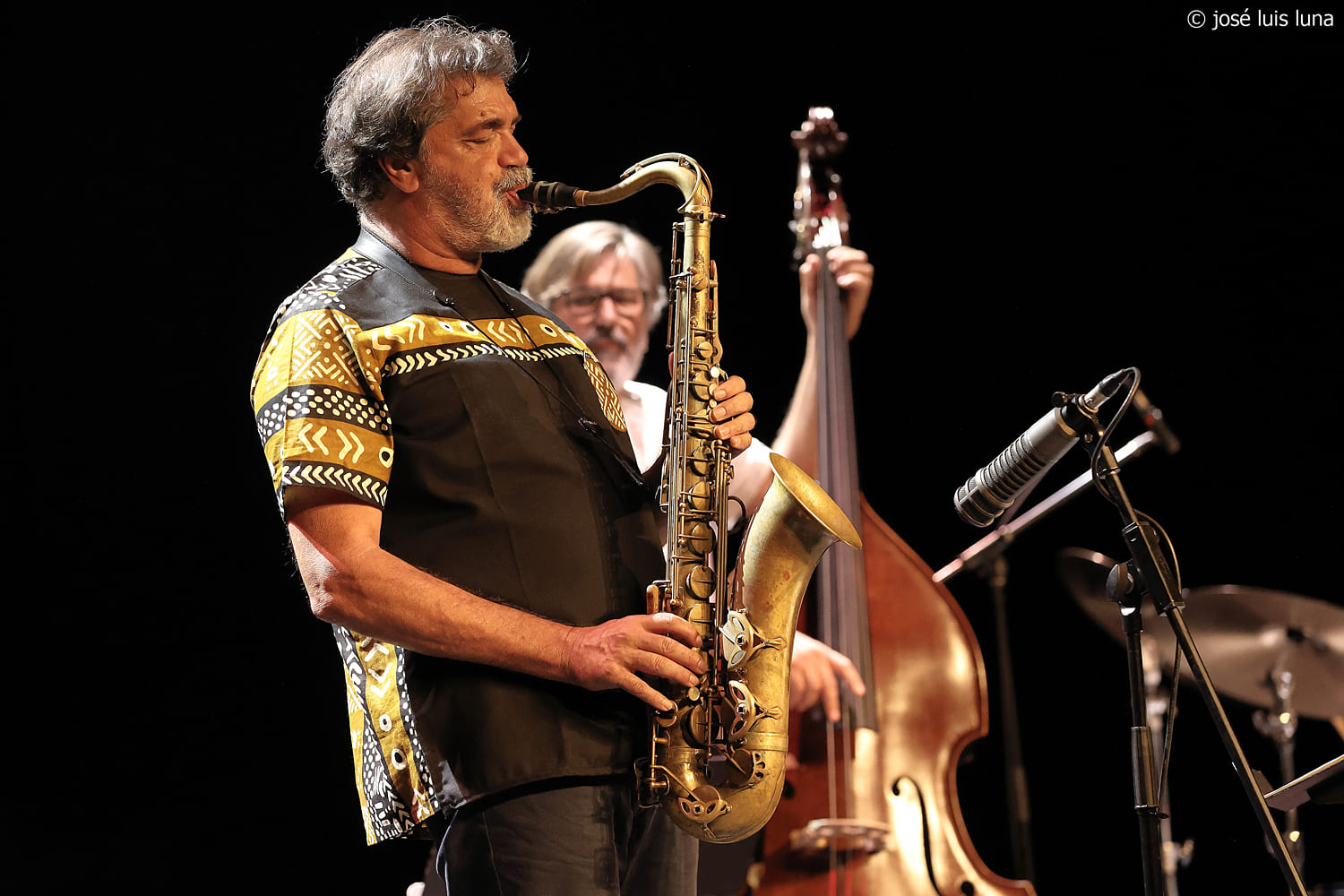
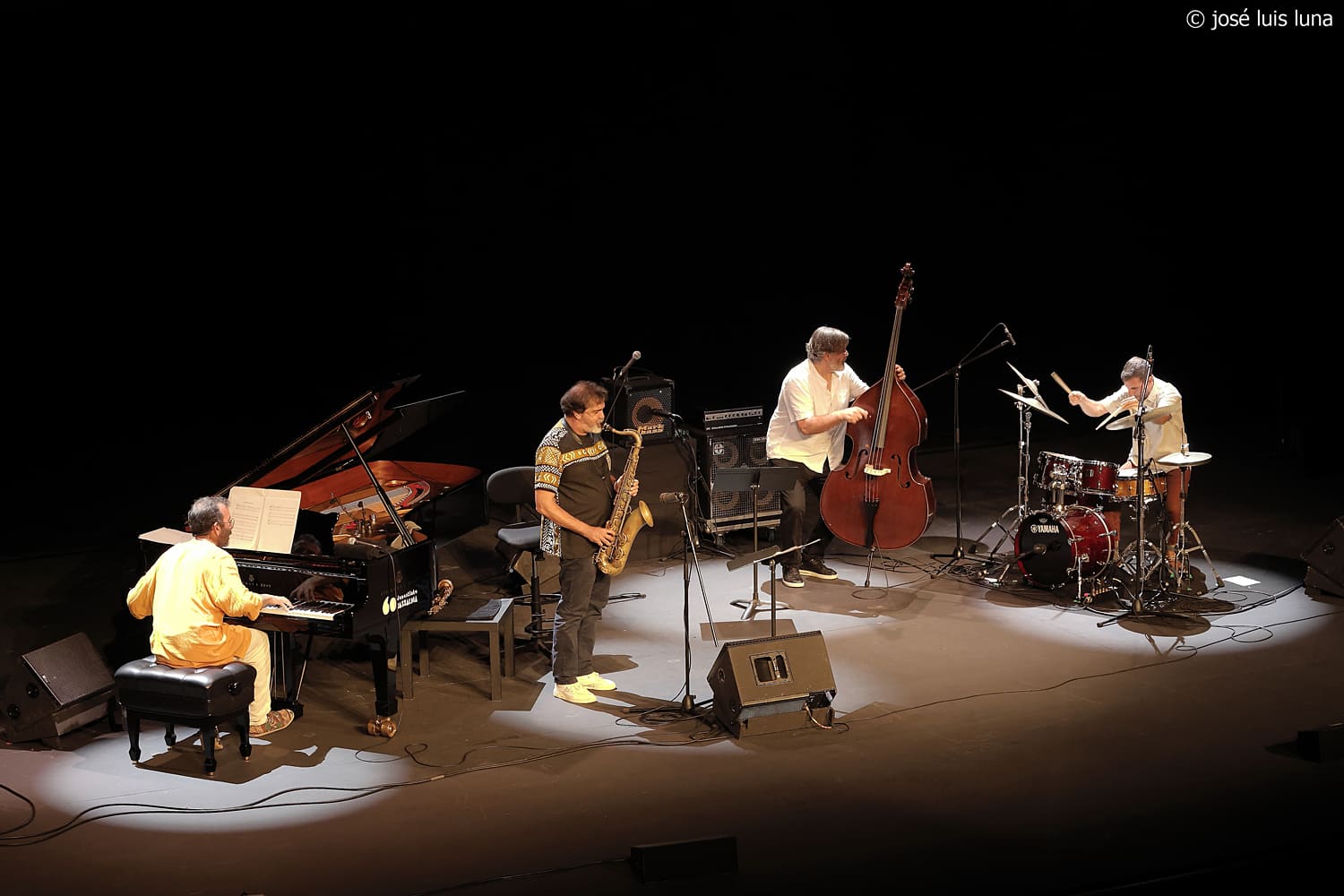
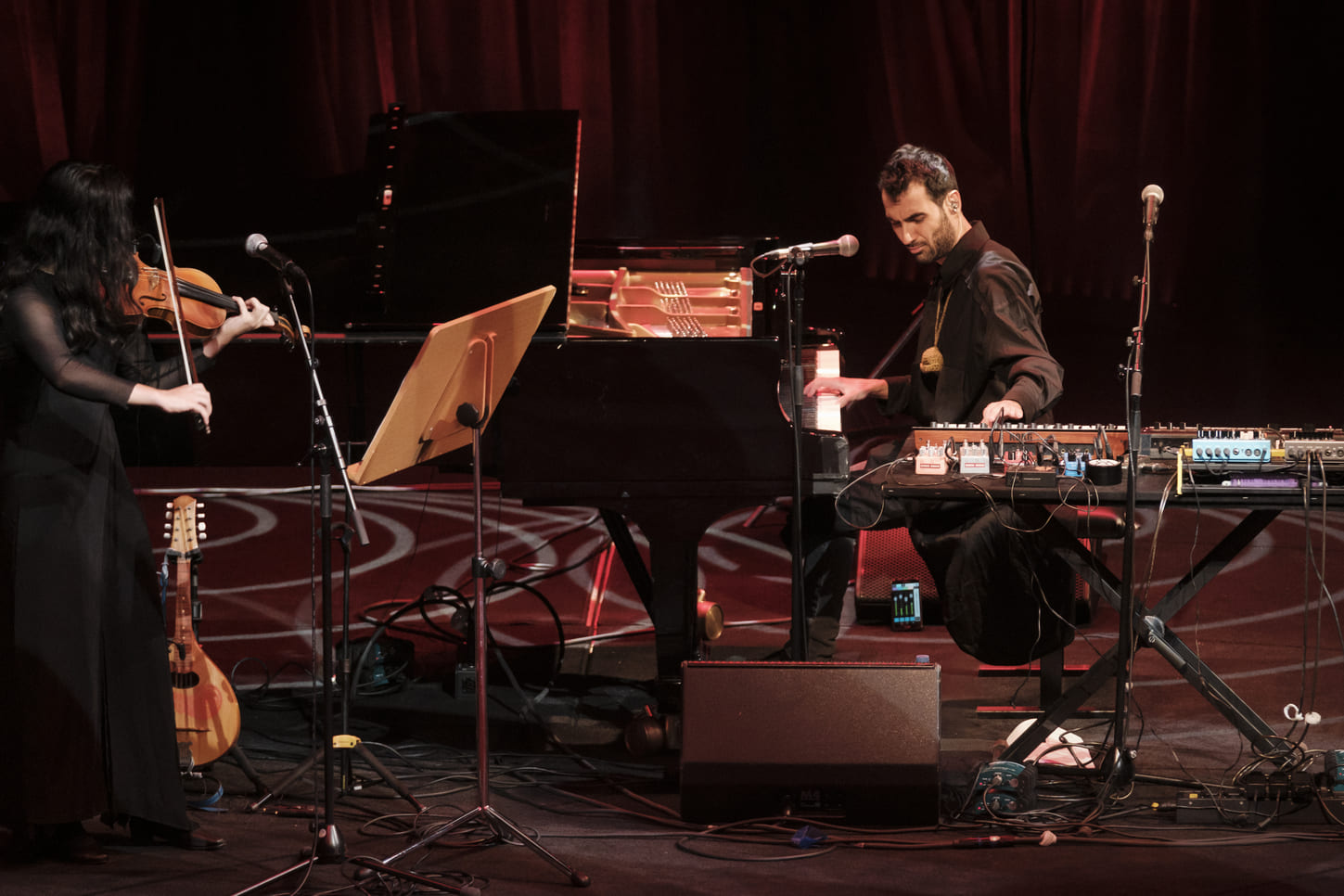
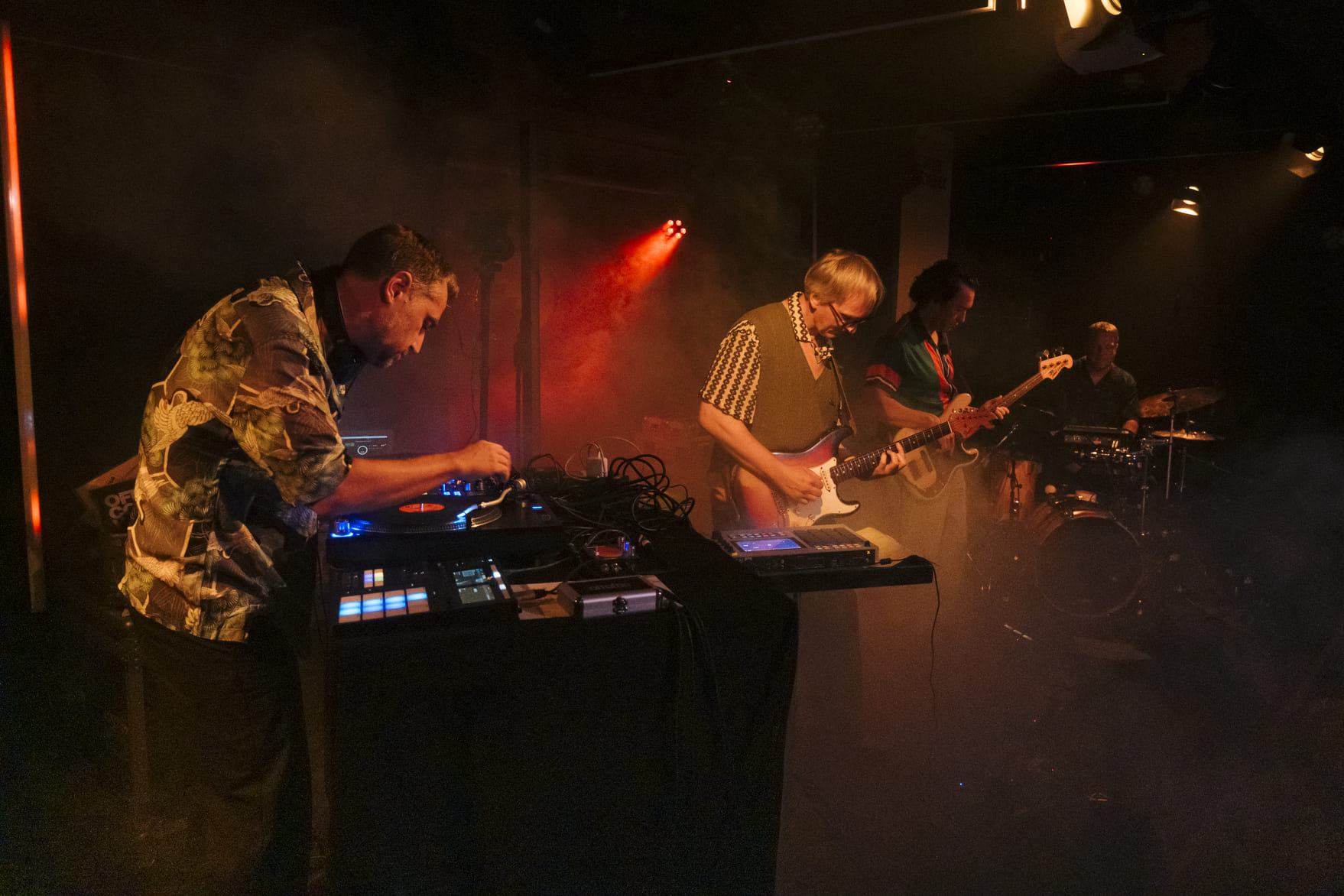
Futuro Ancestrale es un proyecto electroacústico muy interesante que cruza la música contemporánea de vanguardia, la improvisación libre y tradiciones sonoras no occidentales. Su lenguaje se basa en motivos melódicos simples que evolucionan hacia estructuras complejas, mediante largos desarrollos de tensión creciente y estallidos de energía en forma de trance hipnótico. La electrónica en vivo, a cargo de Yannis Kyriakides, amplifica y transforma el sonido acústico. El grupo se completa con Giuseppe Doronzo (saxofón barítono y gaita neyanbán), y Frank Rosaly (batería y percusión). Acaban de grabar un nuevo álbum como cuarteto junto al guitarrista británico Andy Moor.


El segundo día arranca con el proyecto solista, abstracto y minimalista de la noruega Inga Stenøien. Sola con su guitarra clásica sin amplificación, la compositora construye un set de libre improvisación, intenso y expresivo. Las cuerdas son golpeadas y estiradas con fuerza, generando una resonancia que convierte el sonido en un territorio de descubrimiento constante. Su propuesta, contemporánea y experimental, prescinde de narrativas y anclajes.

Placer absoluto con el brillante quinteto Old Mountain, integrado por importantes músicos portugueses como el carismático contrabajista Hernâni Faustino, figura clave del free jazz y de la música improvisada, João Sousa en la batería y Pedro Branco al piano. Para el festival, el grupo presenta una formación inédita con dos contrabajos, sumando al renombrado contrabajista y compositor estadounidense Drew Gress, junto a la contundente, clara y expresiva saxofonista argentina Camila Nebbia. Una propuesta de jazz contemporáneo en estado puro, con interesante improvisación de vanguardia, pinceladas de swing, profundas texturas sonoras e interacciones fluidas.

En cooperación con el Instituto Italiano tiene lugar la mesa redonda: Jazz en Italia, con João Esteves da Silva, Giancarlo Di Napoli y Pasquale Caló. Para continuar con el dúo entre dos improvisadores que, sin haberse encontrado antes, van generando narrativas profundas, intensas, fuertes y emotivas, con una puesta en escena auténtica y espontánea. Pasquale Caló, saxo tenor, compositor de Barletta (Italia) tiene una importante trayectoria internacional en la música improvisada. Es fundador del colectivo Mediterráneo Radicale y director de diversas orquestas de improvisación. Junto al pianista portugués Rodrigo Pinheiro con una carrera marcada por sus contribuciones en el campo de la improvisación libre. Pinheiro, más contenido, generó contrastes llenos de tensión y sensibilidad. Todo fue música improvisada con toda la intimidad, interacción y conexión que tiene el formato a dúo.

El guitarrista, improvisador y compositor italiano Paolo Angeli presenta un concierto solista con su guitarra sarda preparada, un instrumento único de 25 cuerdas. Una creación híbrida entre guitarra barítono, violonchelo y set de percusión, equipada con martillos mecánicos, pedales de control, hélices de afinación variable y sistemas electroacústicos que expanden el vocabulario instrumental tradicional. Paolo Angeli explora una música conectada con las raíces orales de Cerdeña, la improvisación contemporánea y la experimentación sonora a partir de influencias provenientes del folklore mediterráneo, árabe, flamenco, y zulú. Utilizando técnicas extendidas, incluida la utilización del arco y la manipulación electroacústica en tiempo real, en una investigación tímbrica constante.

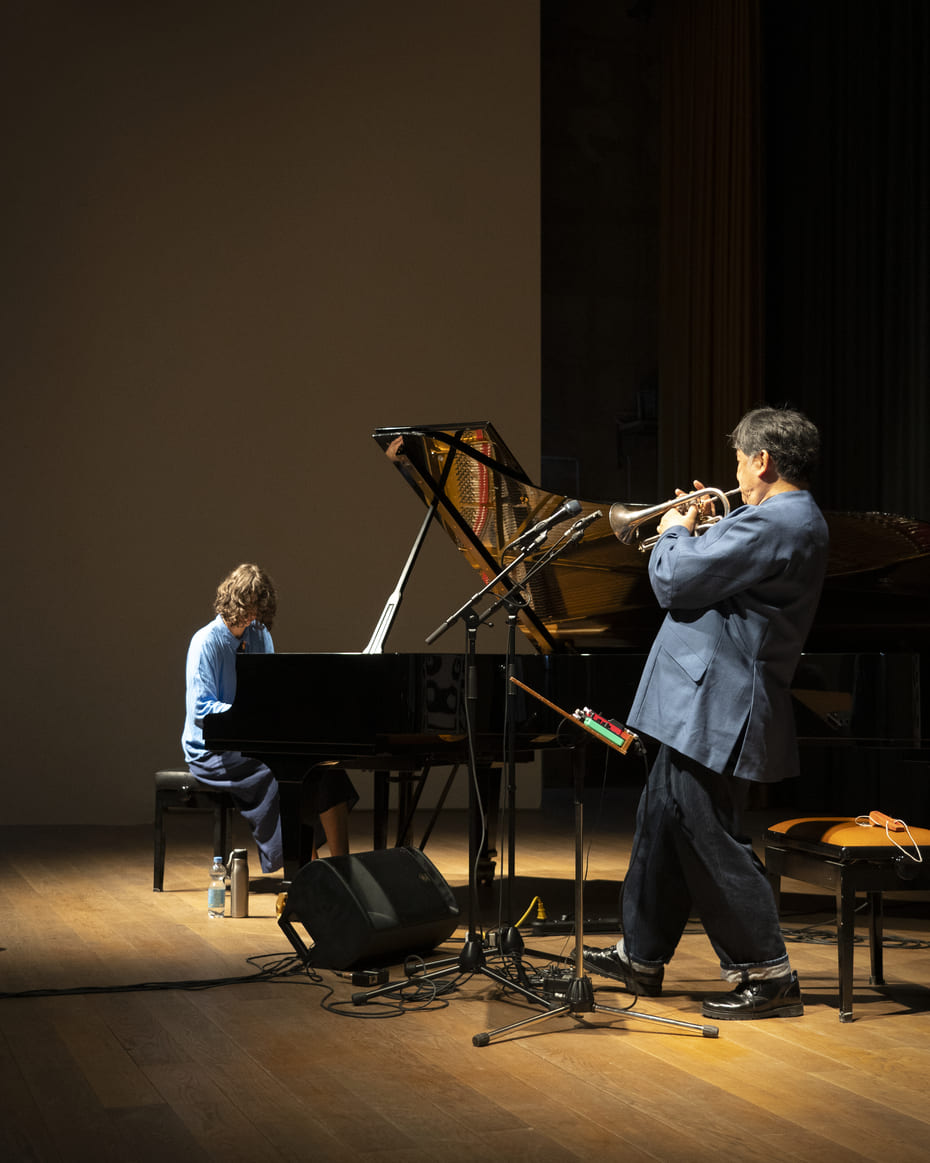
Seguimos con el dúo del saxofonista portugués José Soares y el pianista británico Kit Downes, quienes se conocieron en Ámsterdam, ciudad donde ambos residen actualmente. Para este festival presentaron una performance completamente improvisada, concebida en vivo y en directo especialmente para este set. José Soares, figura central y prolífica de la escena portuguesa, ha sido reconocido con múltiples premios, incluido el de Artista del Año. Su diálogo con Kit Downes da lugar a una música minimalista, lírica, suave, emocional y sosegada, de una elegancia sutil, que no pierde por ello fuerza ni profundidad.

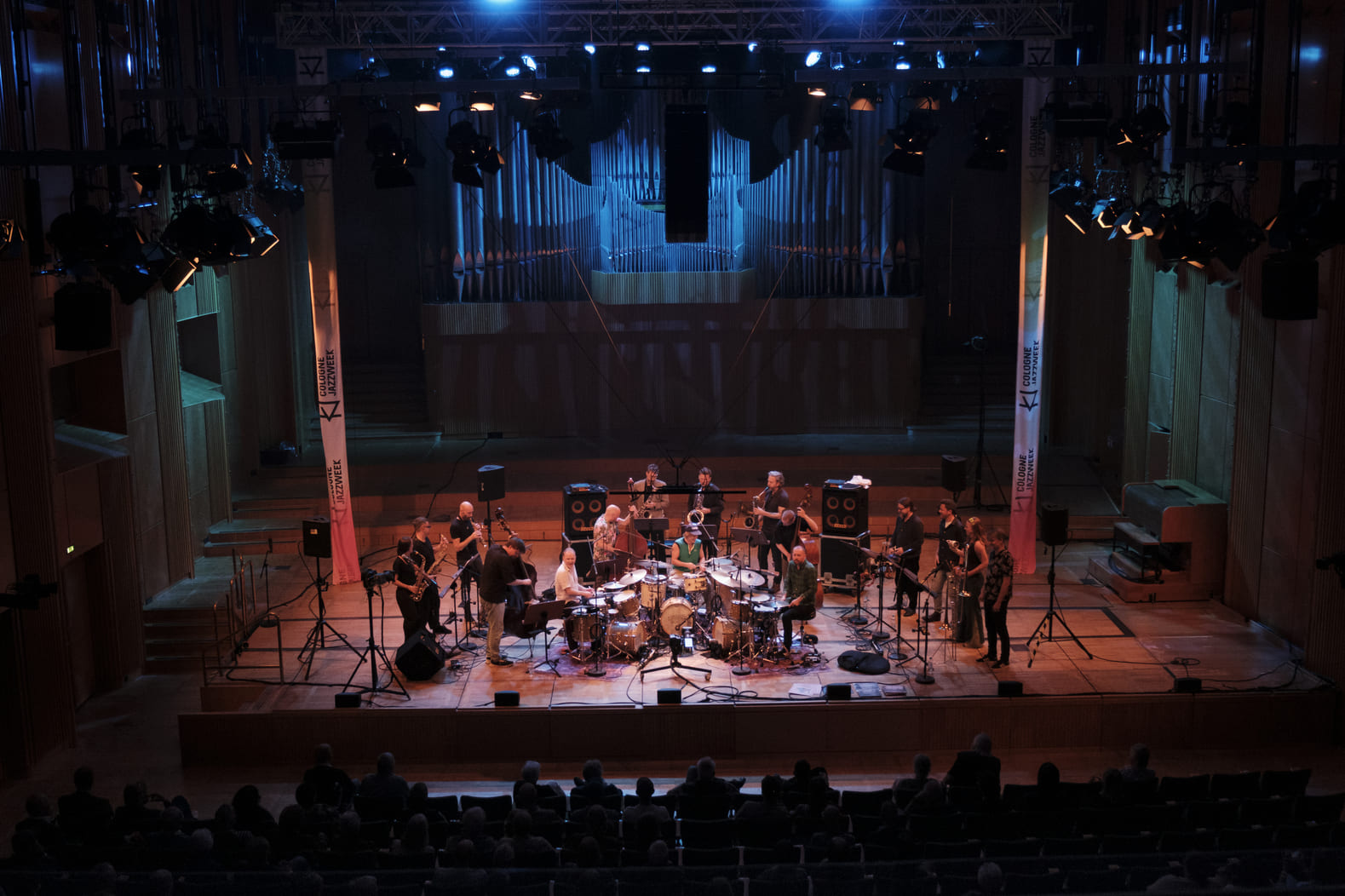
Para cerrar el festival, la actuación de SPROTCH, un cuarteto concebido especialmente para esta ocasión y formado por destacados nombres del panorama internacional del free jazz. La formación reúne a Yedo Gibson (saxofones tenor y soprano), Alfred Wammer (trombón), Michael Formanek (contrabajo) y Paal Nilssen-Love (batería). Su lenguaje se mueve entre lo abstracto y lo textural. La música es intensa, visceral, expresiva, marcada por contrastes tímbricos, y una interacción colectiva no jerárquica, donde la creación sucede de manera espontánea e intuitiva.

Mayo 27, 2025

Esperanza Spalding Interview

Esperanza Spalding Interview

ESPERANZA SPALDING INTERVIEW

Jazz Villanos

22

May, 2025

Text & Interviewer: José Cabello

Photos: Daniel Glückmann


Just hours before her double concert in Madrid at Sala Villanos, Esperanza Spalding granted us the honor of sitting down with her for a brief conversation about her European tour, her music, her approach to composition, and her worldview. In just a few minutes, she shared profound insights that are well worth listening to and reading.

That’s why we’re sharing the interview with you here (podcast included, as always) — so you can enjoy it as much as we did!


LISTEN TO THE PODCAST HERE BELOW

In&OutJazz: I’m so glad to have you, thank you so much for tuning in. Thank you so much. It’s gonna be a quick and fast interview but I have to be thankful that you’re with us. We’re from In&OutJazz journal. We are a bunch of collaborators working to give a shout out to all the artists out there that are pushing the edge, you know. And, I mean, your name, Esperanza Spalding is a huge name already for you carry on your back a huge career and we are mostly honored to have you with us, thank you so much, Esperanza.

Esperanza Spalding: Thank you.

Real quick questions, don’t worry about it, we’ll set you free in a minute. We’d like to know how you’re doing and how the tour is going. You just started. How’s Europe treating you so far? Are you excited to play in Madrid tonight?

Yeah, yeah. So far it’s been really full. We were in Bratislava, and had such a generous reception and a generous welcome with artists there, getting to reconnect with friends and musicians from, you know, 20 years ago that I hadn’t seen in almost 20 years.

How great!

And then we played Paris, two nights ago and also was like a reconvening of so many beautiful artists and musicians and thinkers that I know there who came out. And I felt that love in that. You know, it feels really good to play for people that you love and know, personally.

Amen.

Their love and their knowing pulling out your best. And I know a lot of people in Madrid as well, but I lost contact with so, I’m sort of, expecting some surprises of some I’ve known through the years here. But yeah, this duo with Morgan Guerin that we’re on tour with right now, Paris was the first night that we have performed this publicly so it’s also for us very exciting. Every song, every moment is like ooooh, because it’s so new for us. So, we’re sharing in the anticipation and curiosity as we play.

Wow, sounds super interesting. We’re really looking forward to see your show tonight. So, be sure about that. We’ll be supporting you for sure.

Thank you.

It all sounds so cool. I’m curious to know about your compositional and writing process lately. Do you write on the piano? Do you write on the bass? Do you just sing melodies and then try to work on them? I guess you’ve had an evolution throughout your whole career but let us know how it is nowadays.

Yeah that process… that’s kind of always been my process, a combination of all three things that you mentioned. Mostly I would say writing at the piano. Sometimes writing at the bass and then often yeah, you know, hearing something or having an idea and it starts in the voice and the melody and the voice imply the other parts.

Right.

So then, it’s a process of on bass or on piano, you know, building a body around the DNA and the bones of the idea. And yeah, these days I’m mostly composing things that are for a specific function, like to support a friend or a relative or to help raise funds. And what I mean by help raise funds is like, leaning into the ways that music is a very powerful mover of energy, mover of material reality. So, practicing more and more, recognizing what the need really is, you know. What is the struggle? What is the challenge? What is the thing we’re trying to do? And inviting music in as an action step, as a as a part of the process of organizing ourselves or moving our efforts towards this outcome or towards this point. So a lot of the music has really been that. Very, very practical, very functional like.

I love it.

Silly examples like the city of Portland was going to decide whether or not to let an organization called Albina One purchase…, take over an old school that’s not being used.

Okay.

So, I wrote a song for that organization, Albina One, to take to their session with the city, to have it as like a…, hopefully you know, encouraging the city to move forward with this, you know.

It is beautiful.

There’s like…, it’s very infinite and endless the applications.

I see what you mean. I have to be thankful for the fact that you’re writing music for a real purpose, you know, for real things to happen. I mean, nothing wrong about writing for transcendental things which is awesome too, but it’s beautiful that right now you’re finding your way into the intentional issues. During your writing process, do you invest more time in writing the lyrics or the music? Or is it all together at the same time?

They’re pretty all together. It just depends on what comes first. I mean, I can think of many songs on 12 Little Spells that really started more as a poem or more as like a series of images, I mean like verbal images that are created with language, you know. And recognizing like “oh okay, in this there’s a structure, or in this there’s like a journey, there’s an arc, so now what’s the music? What melodies are here? What harmonic moments are interstitial? What musical elements are going to support and maintain and deliver the integrity and the coherency of those words, or of what those words are describing.

Right, yeah, interesting. I’m gonna take a risk in this following question, I don’t want to be too bold. If I am, just let me know, but I’d really like to know how does bearing the name that you have, Esperanza, feel like nowadays, in a world where, you know, things are tearing apart, political issues are going on… Your name, especially for Spanish speakers means a lot, you know. And I really have hope that people keep holding on to having hope nowadays, which keeps us moving, you know. So, what is the engine beyond that name that you bear? And yeah, how does it feel like? Does it mean anything to you at all?

Yeah, I mean, I love my name and I love that my mom gave me this name. She was in a very challenging time in her life and found out she was pregnant, and you know, her choosing to name me Esperanza was an extension or an expression of her choosing hope in her life. Like, she decided “this journey with this child is going to be a change for me, I’m going to have hope, I’m going to have…” She decided she was going to have hope in the midst of all the crazy shit she was going through.

Look at that.

And I think that’s maybe the point I want to make. That I identify with the word, the meaning of the word as a choice that you’re making, it’s not evidence-based.

I get it.

It’s not because “oh I see that something’s gonna get better so that’s why I have hope”. It’s like you have the agency over your own hope. It doesn’t have anything to do with external factors. I think that’s also the point about faith… Well maybe hope is even different because I think faith can be evidence-based but I feel hope is more your own discipline. It’s your own discipline and your own choice of how you’re gonna show up to whatever is going on.

Definitely.

And I really don’t think and I don’t feel that hope is contingent on the outcome. It’s like a state, it’s like it’s a way you can show up to whatever is going on. And I think that can feel really hard when the things we hope for keep not happening. But I guess, I feel like my buddhist practice of Nichiren Buddhism helps me even…, helps me orient to everything that’s happening and have a kind of trust that within everything, within everything, there’s potential to create value, within everything. Even if you’ve lost everything or you’re about to die…, there’s always, even in that, in the most horrendous circumstances, we still have the power and the agency to create value. And I think deeply believing that and practicing that makes hope even less about the outcome because then it’s even more about how you’re relating to whatever is actually happening.

And you make a change, you make a change definitely.

Or maybe you don’t, but I guess that’s like a trust that in your own life, the only thing you kind of have some agency over, you can create value.

Yeah, it sounds super interesting. I know you had to catch a cab, so I don’t want to bother you anymore. It was lovely to hear you, you know, going deep into these thoughts that you were sharing right now. I’m really thankful to hear what you were saying because, you know, it also gives hope to anyone who’s going through a rough patch. And after all, I feel like music and, you know, life as you were picturing it is something that really makes a change. You were saying maybe not, but at the end, you know, all the people that will come tonight to see and experience your show and your musical ideas and your lyrics and the whole thing…, we’re going to feel something about the deep thoughts behind and beyond your music. So really thankful

Thank you! I’m so sorry again for being so late, but life is life.

No worries, no worries, Esperanza. We just hope it all goes awesome tonight. We hope you the best. It was awesome, thank you for tuning in. We hope people can go also a little deeper into your music and all your thoughts after what you were sharing right now and see you tonight. I’m hoping to see you later.

Thanks, see you tonight!

All right, have a good day, see you later.

Bye.

Bye, Esperanza, thank you so much.

May 22, 2025

Alaín Pérez Entrevista

Alaín Pérez Entrevista

ALAÍN PÉREZ ENTREVISTA

12

Mayo, 2025

Entrevista exclusiva a Alain Pérez antes del lanzamiento de Bingo, su nuevo álbum.

“Es mi mejor disco”

Texto y Fotos: Daniel Glückmann


Al llegar a la cita con Alain Pérez, cantante, multi-instrumentista y figura global de la musica popular bailable cubana y de latin jazz, creí que estaba en una escena de El Eternauta. La nevada de polen que estaba cayendo no tenía nada que envidiar a la que, en la nueva serie argentina de Netflix, anticipa mortalmente una invasión de extraterrestres. Por suerte, esta vez eran sólo los plataneros de Madrid que tanta ilusión nos provocan al ejército de alérgicos formado, entre muchos otros, por el musico y el periodista.

A punto de terminar el montaje de su nuevo álbum, Bingo, que sale a finales de mayo y en medio de su gira europea con su banda La Orquesta (toca en la Sala Villanos el 15 y 16 de este mes de mayo), Alain recibe a In&OutJazz Magazine en el ático de un compadre suyo. Aunque vivió en Madrid muchos años y España siempre será se segunda casa, lo vendió todo antes de regresar a vivir a Cuba con su familia en 2017, un traslado a la inversa del que hacen la mayoría de los músicos de la isla. Pero ya entraremos en eso más adelante.

Su coleta casi le llega a la cintura. Se la dejó cuando fue a estudiar a la Escuela Nacional de Arte (ENA) de La Habana porque los artistas llevan el pelo largo, según le dijo un primo suyo. Hoy la lleva lisa, sin la trenza con la que casi siempre aparece en sus conciertos. La cita con su ingeniero de Miami para terminar de ajustar online un par de temas de su próximo disco era a la misma hora pero no duda en avisarle que será un poco más tarde. Olvida el tema, exhibe su calidez y se vuelca en la conversación.

In&OutJazz: Según Spotify, desde el año 2020 Alain Pérez está en 93 grabaciones, 93 diferentes discos, no temas! ¿De dónde has sacado tanta música en estos últimos años?

Alain Pérez: (Sorprendido) Noventa y tres? Bueno, no son 93 producciones personales, muchas son colaboraciones y discos de diferentes géneros porque es imposible escribir tantos libros, tantas canciones. Sería el Quijote de las canciones. La verdad que sí me sorprende que esté en tantos discos, ¿porque son discos, no?

Lo son.

Es la música la que hace todo ya que a veces uno está agotado y no tiene la magia o la inspiración. Pero aun así, trato de hacer las colaboraciones con gente que me gusta, con gente que me motiva. La música es la que me levanta. Una vez que estoy en el escenario, ahí aparece el duende, el espíritu, el del más allá y también el del más aquí.

¿Tu liderazgo dentro de la música cubana actual viene acompañado de mucha responsabilidad?

La responsabilidad es con mantener el respeto hacia la música, tener una mirada honesta, una mirada sincera y evolucionar, por supuesto, pero con respeto al legado que he recibido de mis ancestros y sin olvidar a las nuevas generaciones. Ahora mismo soy un espejo para ellos. No dedico a la educación un tiempo fijo pero sí que doy muchas clases en escuelas y en conservatorios en todo el mundo sin olvidar que tengo una orquesta con músicos muy jóvenes a los que también enseño cada día.

Tu música es muy detallista y elaborada. Cada elemento tiene un sentido. Supongo que transmitir ese concepto a los jóvenes de tu banda ¿será también un esfuerzo didáctico importante, no?

Gracias por decirlo, porque a veces en estos tiempos tan superficiales encontrarse a gente que valore eso es muy gratificante. La música es cada vez más exigente. La dinámica de las canciones las tengo yo súper conceptualizada, de una forma casi exacta como un director de música clásica.

Estudiaste guitarra en la ENA, cantas, eres percusionista, bailas pero tu instrumento de cabecera es el bajo eléctrico. ¿Por qué el bajo es un instrumento tan especial?

Yo muchas veces voy al estudio y hago la canción a partir del bajo. Sí, como los funqueros, como los negros que de un groove hacían una canción. El bajo, indiscutiblemente, es el alma, el corazón de cualquier música. El bajo se apodera incondicionalmente del liderazgo, de la voz, del ritmo, de la energía. Es increíble eso.

Has dicho muchas veces que España es tu segunda casa y los que llevamos tiempo por aquí te hemos visto tocando en mil lugares. ¿Qué impacto ha tenido España en tu música?

Yo llegué aquí muy joven, con 20, 21 años (hoy tiene 48), haciéndome hombre y la sociedad española ha cambiado mucho desde entonces para bien. El mestizaje está ahora más acentuado y se manifiesta también en la cultura y en el crecimiento de los músicos. Los músicos españoles han crecido increíblemente, y me considero un poco parte de ese movimiento, al lado de Jerry González, de Enrique Morente, de las noches del Café Berlín. Pero el mayor impacto que yo he sentido, y que cambió mi vida para siempre, fue el flamenco. Pude conocerlo de frente. Empezar a vivir con los flamencos y con los gitanos fue algo increíble. Mi primer mentor fue Enrique Morente y así crecí, de la mano de Niño Josele, de Javier Limón, de El Piraña, de El Paquete, que son, tú sabes, referentes muy grandes de esta música. Ellos a su vez, también se iban alimentando de lo que traíamos nosotros, de la mano de Jerry, de Caramelo, de la rumba cubana, y eso fue tan bonito que yo creo que ha cambiado el sonido de la música de España para siempre. Todo el mundo está influenciado ahora mismo por la música cubana, más que nunca. Si hasta tuve la bendición de tocar con Paco de Lucía….

¿Cómo era hacer música con el genio?

¡Diez años trabajé con él! Paco era un gran virtuoso, pero era sobre todo un profundo. Era capaz de tocar tres notas de una manera que nadie ha tocado con ese alma. Paco para mí era como un maestro, un sabio, del que yo estaba siempre pendiente para ver qué decía. Me tenía enganchado y me gustaba como él escapaba siempre del personaje famoso de Paco de Lucía. Nunca iba de famoso ni de estrella sino que era más humilde que nosotros y tenía como un peso animal, como si fuera un toro. Venía con una energía que pesaba.

Un poco como tú, ¿no?

[Ríe] A lo mejor con los años.

Otro personaje fundamental del latín jazz en España con el que tocaste tantas veces era Jerry González. ¿Qué te dejó haber hecho música con él?

Jerry era entrañable. Lo único que quería era música. Era increíble, altruista, muy talentoso y no tenía ambición material alguna. Todo era vivir para la música. Era un tipo súper honesto en todos los sentidos que vivía para su trompeta y sus congas. Tenía ese desenfado, de decir, mira, yo soy así, lo tomas o lo dejas. Todo esto fue una enseñanza muy importante para mí.

Alain Pérez nació en el pueblo azucarero de Manaca Iznaga, cerca de Trinidad y a los 9 añitos ya se fue a vivir a Cienfuegos a casa del director de un grupo llamado Cielito Lindo donde, siendo tan pequeño, inició su carrera. Luego vino la ENA, la famosa escuela de musica de La Habana donde se graduó en guitarra al tiempo que empezaron a llegar las palabras mayores de la mano del eterno Chucho Valdés en Irakere y del fantástico músico Isaac Delgado. Su primer álbum El Desafío ya lo grabó en España en 2001 y aquí se quedó hasta que en 2017 decidió volver a su tierra donde ahora es uno de los mayores referentes de la musica popular, sobre todo como cantante. Ya Paco de Lucía me decía, tu terminarás cantando…, recuerda.

Pocos músicos que emprenden el camino de vuelta a Cuba en un momento en que el país está pasando por momentos tan difíciles. ¿Cómo fue que decidiste volver y cómo estás allí?

Yo regresé a Cuba por la música pero si no hubiera encontrado una buena escuela para mis 2 hijas no regreso (estudian en la escuela española de La Habana). Curiosamente, cuando me vine a España me traje a mi familia y ahora yo me volví y ellos se quedaron aquí. Es increíble, ¿no? Luego, cuando empiezo a presentar mi musica en Cuba, el cariño y la energía de la gente me envuelve, me atrapa de una manera que no puedo evitar. Vuelves al patio de tu casa, te quitas los zapatos y dices, yo estoy jodido pero estoy en el patio de mi casa, ¿tú me entiendes? Esa conexión, ese compartir con los tuyos es lo que me inspira y me mantiene allí. Un poco como ocurre en el mundo del flamenco. Sin embargo la situación allí es terrible y aunque siempre hay que tener esperanza, yo me miro en el prójimo. No puedo ser indiferente a eso y yo canto también para ese pueblo que está jodido, para ser un instrumento de alegría para ellos.

Y en Cuba tu música explota…

Yo ya venía creciendo y era como un volcán a punto de estallar. Digamos que después de toda mi experiencia anterior, imagina que hasta hice arreglos para Celia Cruz, ya estaba formado. El vino ya estaba bueno para empezarlo a tomar.

Además de tu trabajo con La Orquesta mantienes un quinteto de latín jazz y un trio más flamenco. ¿Qué papel juegan para ti estos otros palos?

Es parte del abanico de Alain. Siempre me fui moviendo en diferentes estilos manejando la musica con libertad. Poder tocar un poco de jazz me mantiene exigido. La musica popular tiene limites y el jazz es una musica que me aporta mucha libertad.

Casi se puede decir que vas a acabar la producción de tu nuevo álbum justo después de esta charla. Háblanos un poco de él.

El disco lleva como nombre Bingo. ¡Sonó la campana, pum! Desde que Dios me escogió para este camino, sonó la campana en mi vida. Creo que Bingo es mi mejor disco. Llega en un momento de madurez, de acercarme más a la música para repartir alegría, de abrazar. Llega para decirle a la gente joven que sí se puede. Hoy es todo cada vez más crudo, más metálico, con la gente mirando números. Pero la música no es así. La música es muy barata, va por otro lado.

En cuanto al sonido, Bingo viene reafirmando el de los últimos álbumes que estoy haciendo en Cuba. Está basado en el color de ADN y en el Cuento de la Buena Pipa. Tiene composiciones de mi padre Gradelio, otras que hicimos con mi hermano Rainer y también Antonio Gómez Gil. Con estos compositores es como si jugáramos al dominó. Ya hemos jugado otras veces y siempre la hemos pasado muy bien.


Junto a su coleta, Alain Pérez es también conocido por otro fetiche, su bastón, un homenaje a Beni More, a esa elegancia, a mantener los pies en la tierra, a estar firme también con el pasado.

Le dejo recostado en el sofá antes de que se ponga los cascos para conectarse con el estudio de Miami y terminar de cantar Bingo, su nuevo paquete concentrado de energía y pasión por la música. Ojalá que nunca se corte la coleta.


Mayo 12, 2025

David Sancho Entrevista – Mind in Progress (Fundación SGAE Mejor Album de Jazz de 2024 – Premios MIN)

David Sancho Entrevista – Mind in Progress (Fundación SGAE Mejor Album de Jazz de 2024 – Premios MIN)

DAVID SANCHO ENTREVISTA

Premio MIN Fundación SGAE al Mejor Album de Jazz de 2024

MIND IN PROGRESS

08

Mayo, 2025

Texto y entrevista : José Cabello

Photos: Premios MIN


Hace unos meses pudimos cazar a David Sancho pocos minutos antes de la presentación de su último trabajo publicado, Mind in Progress, en la Sala Villanos, dentro del contexto del Festival de Jazz de Madrid. El compositor acaba de ratificar su genialidad en los Premios de la Música Independiente tras proclamarse ganador del Premio Fundación SGAE al Mejor Álbum de Jazz de 2024. Desde aquí le damos la enhorabuena y le deseamos lo mejor en una carrera que no deja de crecer y de regalarnos momentos increíbles y mucha música bella.

En esta breve entrevista, David se expresa acerca de su disco, de los músicos y amigos que le han acompañado en el proceso y de muchas más cosas interesantes. Esperamos que podáis gozar de esta conversación lo mismo o más que nosotros.


ESCUCHAD EL PODCAST AQUÍ!!!

In&OutJazz: Bueno, David, tío, grande. ¿Estás nervioso o qué?

David Sancho: Sí, estoy nerviosillo, sí.

Pero suena increíble, tío.

Bueno, me alegro.

Suena increíble.

Dentro yo estoy cómodo.

¿Tienes ganas del bolo?

Tengo muchas ganas, tío. Estoy ahí bastante ilusionado.

Venía escuchando el disco en el coche, diciendo “estos tíos son unos maestros, tío”. Hagáis lo que hagáis hoy, va a ser para todos nosotros un gozo.

Me alegro mucho, tío. A ver qué tal. Estás ahí, te tiras ahí una temporada larga, primero en la escritura de los temas, luego que si los grabas, luego que si los mezclas, luego que si haces el disco… Es un proceso muy largo y parece que en hora y media de música o de directo se te van dos años casi de vida y trabajo.

No, no. Es como parir un hijo, tío, en vivo y en directo y perderlo a la vez, ¿no? Es parirlo y perderlo.

Sí, joder, es un proceso bonito. Pero bueno, da nervios también, claro.

¡Qué guapo, tío!

Lo primero de todo, gracias.

A ti. Por estar con In&OutJazz, por estar con nosotros y poder concedernos tu música, tu arte y tu sabiduría, tío. Colaboramos juntos varios compañeros en la revista para empujar a tope la música que proponéis algunos, que es realmente fresca y nos ayuda a todos.

Te lo agradezco mucho.

Y la tuya mínimo es eso, ¿sabes? Y nada, sí que me gustaría saber dos cosillas rápidas.

Sí, cuéntame.

Vamos a empezar en nada y nos lo vas a contar todo con la música. Pero cuéntanos un poco de la tremenda formación, tío. O sea, desde Barrueta hasta Amara, ¿sabes? O sea, todos, tío, Jesús, Marta, o sea.

Sí, mira, yo en un principio llevo desde 2022 con el trío, la sección rítmica, que es siempre es con Jesús Caparros y con Borja. Y bueno, hay veces que cuando Borja no puede, pues viene Rodrigo Ballesteros, ¿no? Para este disco, como tenía algún pasaje más orquestal, que quería hacer alguna estructura un poco más larga, dije, “mira, pues voy a aprovechar con instrumentos que a mí me gustan mucho como empastan”. Que suelen ser el violín, viento madera y así. Contactar con Marta no fue difícil, pero bueno, quise llamar a Amara y la verdad es que en el disco tocan mucho menos de lo que van a tocar en directo.

¡Qué guapo!

Porque tuve un muy buen feedback y muy buena experiencia en los temas con ellas en directo y decidí básicamente hacer arreglos para casi todo el concierto para que ellas puedan tocar todo el bolo.

¡Qué guapo!

Y luego, joder, me hace ilusión poder invitar a Rodri que, cuando no puede Borja, él es quien toca. Igual con Fran, con quien también toco con mucha frecuencia. Y con Kike también estoy tocando mucho.

¡Qué grande Kike!

Y para el último tema, en Déjalos Entrar, que sí conté también con diferentes baterías como Pete que está ahora lesionado y entonces no puede tocar, pero bueno, se recuperará.

¡Grande Pete!

Y quería de repente montar ahí un buen lío ahí.

Una buena sarandonga.

Una buena sandunga.

Claro, tío. ¡Qué grande!

Y por último Toni, el cantante, que también es el cantante del Eme Eme Project. Y, joder, pues me ha ayudado en el tema de Mind in Progress a cantar el estribillo.

Qué guapo. A nivel compositivo, ¿Tú cómo compones a día de hoy? ¿Cómo has enfocado este proyecto? Que suena increíble, tío, hay de todo. Se escucha hip hop, se escucha jazz, se escuchan amalgamas.

Sí.

Se escuchan todo tipo de influencias, tío.

Sí.

Entonces, ¿qué y cómo haces para componer? ¿Cómo compones tú? ¿De dónde nacen las ideas? ¿Qué haces? ¿Qué te fumas? ¿Si es que fumas algo?

No, no, no.

Grande, David.

Pues mira, depende un poco de lo que esté buscando. Hay algunas cosas que han salido a nivel de miniatura, de samplers, algo mucho más cercano al hip hop. Hay otras estructuras que han salido más de mi formación en música clásica, más sinfónica, o bien del Pat Metheny Group, que hacen temas con desarrollos muy largos. También he bebido mucho de ahí y eso me ha supuesto mucho esfuerzo a la hora de componer. Horas de estudio, de ensayo, de prueba y error. Y luego también, pues hay música clásica, hay ECM…

Qué bonito, tío.

Ese tipo de sonoridades, de sonidos también un poco más etéreos, más aéreos. Pues un poquito de jazz también tradicional, un poquito de electrónica y mucho de rock progresivo también, claro.

Amén.

Y ahí hago yo mucho de guitarrista con los pedales, ahí, las distorsiones…

Mola mucho, de hecho no hay guitarristas, tío, en la formación.

No hay guitarristas, y los siento por ellos. Me gustaría poder llamarles.

El espacio que dejas aparentemente abierto cuando en la mitad de la composición visual y gráfica está solo Jesús, tú estás a un lado, Borja al otro, y luego toda la composición de, que si flauta, violín, percusión, ¿no?

Sí.

Pero de repente, a nivel de instrumento categórico, dices “ostras, está David cubriendo muchas facetas”. ¿Cómo lo vives eso? Hombre, estás a cuatro manos, tío, o a cinco.

Estoy, bueno, a las que se puede. Bueno, pues como Gallagher, o como Marcos Llorente.

¡Qué grande!

Cubriendo mucho campo. Sí, hay veces que pienso que quizás a veces me paso, porque claro, está claro que en los discos acabo cubriendo muchas capas. Y esas capas, en directo, son muy difíciles de generar, y más con una música que está viva, donde no hay claqueta cuando tocas en directo, tocando jazz.

Sí, sí.

Pero bueno, mira, a mí el sonido del Fender Roads siempre me gusta mucho. Yo soy guitarrista frustrado, bajista frustrado y baterista frustrado.

¡Qué cabrón!

Y esas sonoridades me gustan. Y de repente con síntesis también, con el OP-1, con samplers puedo de repente…

Generar esos colchones, esos ambientes sonoros.

Sí, sí, o de repente soltar a McCartney diciendo alguna cosa, o a Espineta o alguna cosa así.

Mola mucho, tío.

Y eso me gusta porque hace que la música pueda ser un poco más holística, ¿no? O sea…, para mí es difícil… O sea, a mí no me gusta… A mí me gusta decir que soy músico, y sí, probablemente sea músico de jazz, pero en mi música hay muchas influencias. Y me parece que todas son válidas y lo que intento es que todas sean orgánicas.

Y mola mucho.

Y no pienso en que este tema tiene que ir por un lado o por otro.

Eso.

Pienso que tiene que ir por donde a mí me guste y…

Que sea puro David Sancho, tío. Y con todos los que estáis, que por eso te preguntaba lo primero de todo, porque lo que más mola de tu música, tío, es que cada uno de los que estáis ahí, escribís el significado de esa música, ¿sabes? O sea, que por mucho que sean composiciones de David, que se escucha a Barrueta, que se escucha a Marta, que se escucha a Jesús, que se escucha a Fran, que se escucha a Kike, que se escucha a Toni, que se escucha a Amara, ¿sabes?

Es que si no, no tiene tanto sentido. O sea, por supuesto que hay muchas composiciones que las he hecho cerradas, pero si cuento con los músicos que cuento es porque ellos tienen una historia que contar por ellos mismos. Y si no consigo que ellos puedan ser ellos mismos… O sea, por supuesto que hay que hacer ciertas directrices pero imponer cómo se tiene que tocar…, cuando son tan buenos músicos hay que imponer muy poco.

Amén, tío.

Y ellos hacen lo mejor para tu música y a la vez ellos sacan lo mejor de ellos mismos.

Ya que estamos tocando esto, a nivel del significado de tu música, del mensaje, a nivel de la búsqueda que hay detrás de tu música, a nivel de incluso los títulos que das a tus temas, ¿qué hilo hay, si es que lo hay? ¿Qué reflexión, o qué pensamientos? A lo mejor no hay nada. O si es toda una historia, ¿qué historias, qué rostros, qué personas?

En este disco lo que hay es una búsqueda espiritual, claramente. Me ha ayudado a ser más empático, me ha ayudado a entender problemas que tenía y no sabía visualizar, otros que visualizaba pero que no le podía dar nombre, no sabía darle nombre. Y para mí ha sido un proceso mental…, no diría de autoayuda, pero sí quizá de crecimiento espiritual, sí.

Y ¿en los títulos de los temas se refleja este…?

Sí, joder, claro.

Progress, mind in progress…

Progreso, progreso… También hay un homenaje a la gente que no está que nos van dejando, cómo eso también te afecta el carácter, cómo esa energía también te puede hacer crear una música bonita de homenaje. Y el aspecto de la amistad está muy presente. Hay varios temas que hablan claramente de la amistad, no solamente entre humanos sino, por ejemplo, entre perros y humanos…

Qué guapo, búsqueda espiritual, tío.

Sí, señor.

No, no, interesante. Yo creo que escuchando la música, escuchando el disco y deseando escucharlo ahora en vivo, todos nos vemos elevados de alguna manera, tío. O sea que…

Ojalá.

No, no, te lo aseguro. Lo afirmo en presente histórico. O sea, da igual en qué momento lo escuches, que va a ser así, tío. Mola mucho.

Qué guay, tío.

Ultimísima pregunta. Últimas dos, te las hago juntas. O sea, son dos preguntas y te hago esta primero. El estilo visual de tu música, ¿qué peso tiene y qué enfoque le das?

¿Lo visual?

O sea, tú… Todo, tío. Tu imagen, la imagen del grupo, ¿cómo la enfocas? O sea, ¿cómo complementa el sonido?

Pues no sé, tío. La verdad es que no pienso mucho en ello. A nivel visual de cómo visto o a nivel de luces soy bastante desastre. Yo sé que he visto cómo he visto y me gusta vestir así.

Qué guapo. Este soy yo y aquí estoy.

Este soy yo y si hay gorras, pues gorras tienen que ser.

Claro, claro.

Pero a nivel visual, yo es que veo las cosas un poco como por capas, al igual que en toda mi música. A nivel visual, yo veo como un crisol así, un poco de, no un arcoíris, pero bueno, pues de repente, no sé, colores otoñales, marrones, ocres, naranjas… El naranja claramente significa algo para mí, claramente.

Qué bueno, tío. Y nada, lo ultimísimo. ¿Cómo vives todo este progreso, para hacer más hincapié, no solo espiritual, sino humano, carnal, con tu banda, tu música y con todo lo que has avanzado? O sea, porque David Sancho es un nombre que todos reconocemos… Y no, no, y está bien la humildad y la agradecemos todos, pero ¿cómo lo vives? Y añadiendo una especie más, ¿cómo lo vives con Marta, que es compañera de camino y que también está en la misma carrera, tío? O sea, en la misma carrera que mola mucho veros a los dos juntos y por separado, o sea, cómo vuestros proyectos cada vez conquistan cotas más altas, ¿sabes?

Pues yo lo veo con, no sé si humildad, pero con la mayor naturalidad posible. Teniendo ese trío que no soy ambicioso pero cuanto más toque, mejor. Pero tampoco quiero tocar a cualquier precio, ni en cualquier situación. Lo que quiero es estar a gusto tocando. Y yo creo que también cada vez más gente me conoce y eso es apreciable, pero no dejo de ser un músico de jazz. O sea, nadie me reconoce por la calle ni lo va a hacer y bien contento que estoy, porque me gusta el anonimato también, pero bueno, si de repente puedo ir sacando discos, este ya es el cuarto y puedo tener una carrera duradera, joder, pues para mí será fantástico.

La vas a tener seguro, tío. Un placer, tío, David. O sea, te deseamos lo mejor desde la revista y yo personalmente ya sabes que somos…

Muchas gracias, tío.

Somos, vamos, cercanos, tío, y que muy orgullosos y que va a ser un placer, tío.

A ver, ¿qué tal? ¿Qué tal ahora? Ahora se funden los plomos.

Amén, hermano. Amén, porque los vais a fundir vosotros en el corazón, tío.

Mayo 08, 2025

Ambrose Akinmusire Interview – Summum Concert Series

Ambrose Akinmusire Interview – Summum Concert Series

Summum Concert Series

Ambrose Akinmusire Interview


05

May, 2025

By: José Cabello Llano

Photos: Summum Concert Series


In collaboration with Summum Concert Series, we had the privilege of having a brief chat with the one and only Ambrose Akinmusire.

In a brief conversation, whe has shared deep thoughts: the heart of his quartet, his current inspirations, the purpose of his music, the growth during this tough past year and so many other interesting things!!!

We hope you can enjoy as much as we do!!!


In&OutJazz: Yo! Ambrose!

Ambrose Akinmusire: Hey, how’re you doing?

Hey, man. Good to see you, man, good to hear you.

Nice to see and hear you too.

Are you all good?

Yeah, I’m good. Thanks for rescheduling. I went into the room like maybe five or ten minutes late, but I didn’t see you.

Oh, man. I had another meeting, but it’s all right, man. Thank you for joining me right now. And we’ll just head straight to the interview. It’s going to be quick, so don’t worry about it.

Cool.

Yeah, it’s a true honor to have you with us. Welcome to In&OutJazz. You might as well know us already, but we’re an independent journal that covers all types of music, really. But we draw our main focus onto the avant-garde music. And yeah, we’re a couple, actually a bunch of collaborators working to give a shout-out to all the artists out there that are doing, you know…

I didn’t realize my video was off.

Oh, man, look at you, all beautiful, all pretty. That’s good.

Hey, man, I’m sitting in my robe, it’s been a long day already.

Anyways, as I was saying, we’re a bunch of collaborators trying to give a shout-out to all you artists out there that are pushing the edge. And man, your name stands out significantly. I mean, I gotta tell you, you’ve been, you know, guiding in this music world now for a while. And bro, I have to say, I’m really, really thankful for having the opportunity to have this brief conversation with you. And I have to thank also Summum Concert Series for having programmed you and your quartet and their festival. So, yeah, let’s just jump right into the first question, which is really easy. How are you doing? Are you actually looking forward to coming to Madrid again under this exciting program by Summum?

Yeah, of course. I mean, I’m doing good. I’m feeling very grateful to be able to make music for a living and to be able to play with such amazing musicians and to have developed with such amazing musicians for so long. And I’m especially excited to come to Madrid. And also Barcelona, because I don’t ever play there for some reason.

Oh, is it your first time?

No, it’s not my first time. But, you know, I go to other places way more often. You know, I go to Paris and, you know, all parts of France and Germany and other places like that fairly often, but not so much Spain. So, yeah, I’m excited to go there and experience the culture and the food and the music.

There you go.

Happy exchange.

I think you guys will catch a nice weather, too.

I hope so.

That’s good, that’s good. Tell us a little bit about your, you know, for so long quartet. I guess you’re bringing your fellow musician friends to the city. But tell us a little bit. What do you appreciate from them as a band? And what are the aspects that you admire most from each one of them [Sam Harris, Harish Raghavan and Justin Brown]?

Well, I think, I’m trying to think of, I mean, they’re all so different, but I think that the things that they all share are a love for the music and also a curiosity to explore. Every time we come together, everyone’s in different places and checking out different things or searching for stuff and there’s an exchange, even if it’s not verbal, it can be nonverbal and subconscious. But it’s just, you know, I think it’s very easy to get comfortable, especially when you become some sort of successful. You know, you get some gigs and, you know, you figure out what works. It’s hard to then continue searching and risk getting rid of that thing that you’ve already determined works. So that’s the thing I appreciate most about my band is that they stay curious. And again, I feel really lucky that they have committed to this band in the way that they have over the past years.

Sure. Wow, that sounds amazing. So do you really, like, have you really not found yourselves into like a stuck place at some point in your career?

As a band? Yeah, we have. But if anything, it was my fault. You know, because, because…

Humble answer.

Yeah, no, no, it was true. You know, I just got busy with stuff. And I stopped writing tunes and stopped bringing them in. And, you know, we were doing gigs and it worked, right? You know, people like the tunes, we could play the tunes. But I think it’s under the band leader to continue feeding the group, you know. Because everybody’s there to grow and to have a dialogue, but if the subject stays the same, then how can you expect them to really flick their groin? So, yeah, that was my fault, but it won’t happen again.

There you go. How was your week, your residency at the Vanguard this past week?

It was amazing.

What did you guys learn about it? Or what did you learn about those days together?

You know, it’s funny. I’ve played there a lot, but somehow, I hadn’t played with the quartet since 2017 there, you know, since we released the record. And I didn’t realize that until a week before we were going in and I was writing an email, and I was like “hey, man, it’s been, you know, two years”, and I said, “no, let me look back and see when the last time we played together”. It was 2017, which was crazy. So, it was good to be back in there with them. You know, every set was sold out and, you know, got to see some friends. And, you know, it kind of in a great way, it renewed my faith in creative music and improvisation, the power of it a lot. So, yeah, it was really great.

Nice! What do you care for most when you play live? And what’s the purpose behind your music or what beliefs are in the basis of your art? I guess it’s a big question, but give us… share some thoughts, if you will.

For me, I’m not really trying to do anything when I’m performing, you know.

Are you thinking about anything while you perform? Aren’t some concepts going through your mind?

No, at best, no. You know, I think that my role is to be completely gone. You know, it is to let something higher than myself come through me and out of my horn. It’s to show compassion and empathy by listening to other people more than I’m listening to myself. And it’s also, I hope that people come to my show and hear us creating and being 100% ourselves and they feel inspired to be 100% themselves, you know. Like, you know, we’re not up there trying to play…

Authentic?

Yeah, authentic, you know, but authentic with the ugly parts too.

Sure.

Not reaching for perfection, but authenticity, you know. And also seeing that you can hear for people on stage telling their opinions on the subject at the same time, but listening and with love. Yeah, I think that the world can benefit from that lesson.

Definitely. I think we all have to fight against selflessness, you know.

Yeah.

And I think you guys are, you know, putting out some nice art and music and vibes that inspire all of us into, you know, being more loving to others. Congratulations for that, man.

Thank you.

It’s a big thing what you guys all put out and we’re hoping to see that, too. And for sure, I hope people can also grab onto that a little bit, beyond the show.

Yeah.

Well, that’s cool, man, that’s cool. Let’s change subject real quick. Your latest release, honey from a winter stone is beyond interesting, man. What are you most proud of about it?

I’m proud of creating a community. I’m proud of picking the collection of really beautiful people to come together and create, you know. We had fun making this record. Like it was like it was like a party, you know. Hanging out, drinking, cracking jokes and just having a good time. And that’s what I look for also in a gig, you know, tt’s still that. That’s what I remember most. Were hanging, going to get coffee, having drinks on stage, laughing, you know, it feels like a family, a community. So that’s what I’m most proud about with this project. And that’s what I’m most excited about when I think about returning to it.

Thanks for that. Real, real deep words. I like it, I like it. What about musically speaking…, if there’s anything on to it… Are you searching anything lately, musically speaking? I don’t know if that makes sense. But yeah, are you inside of any research musically speaking, or with your horn, with yourself?

With myself? Yeah, with myself, it’s going to sound like I’m joking, but, you know, I’m trying to learn how not to do all of those things that you just named. You know, I’m trying to learn how to how to chill, how to relax. I’m trying to learn the value of doing nothing. I was raised just by my mom, I know my dad, we have a good relationship, but, you know, my mom is from Mississippi, you know, and she picked cotton and she lived a very great life and was very successful. But, in that, she taught me how to work, how to be successful. And now I’m getting to the age where I have to start thinking about how do I endure and how do I last, and legacy, you know. So I’m trying to learn how to rest and I’m trying to learn to value that.

Yeah… Are you having a fight against time?

No, I think I’m OK with that. Like, I got work, man. I work hard. Like, today, I got up at four o’clock, I practiced for two hours, I taught for two hours, I finished a commission for three hours and it’s only two o’clock my time.

Staying busy, I see.

And this is a normal day for me, you know, and it’s not something I’m bragging about, but it’s just how I’m built, you know. And I know that there’s no longevity in that. So, I’m really trying to figure out how to do something different.

Amazing, man. Last question, man. What music are you listening to these days or where are you drawing inspiration from? It can also be a non musical thing. And you already said something around this topic, but, you know, if you could share more on that…

Yeah, I’m drawing more than ever in my life, that I can remember, I’m drawing inspiration from community and people and especially elders and especially human beings who, again, present all of themselves, not just the good times and the good things about them. I want to see the ugly, raw, nasty parts of people, and I feel really inspired when people are beautifully like that more than ever. And, yeah, it’s really just that. And, you know, I will say, you know, I think also you’re catching me at a time that is really, really new to me. Because tomorrow is my birthday and recently my mother passed away, so this is going to be my first…

Sorry for that.

That’s all good, tank you.

And so, it’s going to be my first birthday without my mom, you know, and I was very close and I spent the last year…, yeah actually since last May taking care of her, you know. I found her on the floor…, and it was a whole year of fighting and fighting and fighting. So, and it made me realize a lot of things about life and human connection and beauty and all these things. So, I’ve been reevaluating what all this is for, more than ever. So, yeah. So, I’m finding a lot of inspiration.

And have you found any answer, or are you cool in the big questions?

I haven’t…, I haven’t found any answers, but I am finding inspiration in people who are living fully. Beautifully, you know. And that is, yeah, that’s something that’s really nice.

What signs have you found of a full life in these people? Like I guess…

It’s more, it’s more the honesty and integrity. It’s more the present presentation of who you are, the full range of who we can be, you know. Especially in the face…

Transparence?

Transparent, but in the face of society now, you know. On social media you’re told to just present the good parts, you’re smiling, the good angles and all this other stuff. But what about the days where you don’t feel like getting out of bed, or the days you don’t feel inspired.

Yeah, definitely.

You know, so I’m really loving people who talk about those things just as comfortably as they talk about the good days, you know. Because it’s the same shit, you know. It’s…, you know, we’re human!

There you go, live involves all of it.

Yep, exactly. And that’s the music. That’s the way I want my music to sound. Like, I don’t…, I’m not trying to create recordings that are perfect and… No. I want my recordings to sound like life, you know.

And us, listeners can actually, you know, feel that. So I tell you, man, thank you, thank you for living your life like you’re doing and for sharing all these experiences and thoughts. As you were saying you’re going through a process where you’re re-evaluating live in general and that is something I feel like we should all do at all times. Maybe in a more deeper way at some point in life, right. But you know it’s real great to hear you talk about all this stuff, I really appreciate it man.

Thank you.

Yeah, thanks again for tuning in, man. It’s been a pleasure. This was Ambrose Akinmusire talking about loads of interesting stuff. Man, thank you. People will be able to listen to you and your band live at the Teatro Lara in Madrid. We hope all these words can also inspire people in order to go and meet you too, that day, that night. Monday 26th of May, that’s gonna be the date in Madrid and we’re all excited for that. Pull up y’all, it’s gonna great for sure. Thank you again, Ambrose. Thank you, really.

Thank you.

It was beautiful to listen to you man. Peace and love and I’ll pray for you, man. It was interesting to hear your talk.

Of course, man.

See you!! Goodbye, man. Thank you so much.

Thank you, talk to you soon!

Have a good day, man.

You too.

May 05, 2025

Pin It on Pinterest