Select Page
41º Belgrado Jazz Festival 2025

41º Belgrado Jazz Festival 2025

41º BELGRADO JAZZ FESTIVAL 2025 

30

November, 2025

Text by: Milica Ševarlić

Organizer’s Announcement about the Belgrade Jazz Festival 2025

Photos: Slavko Kostić

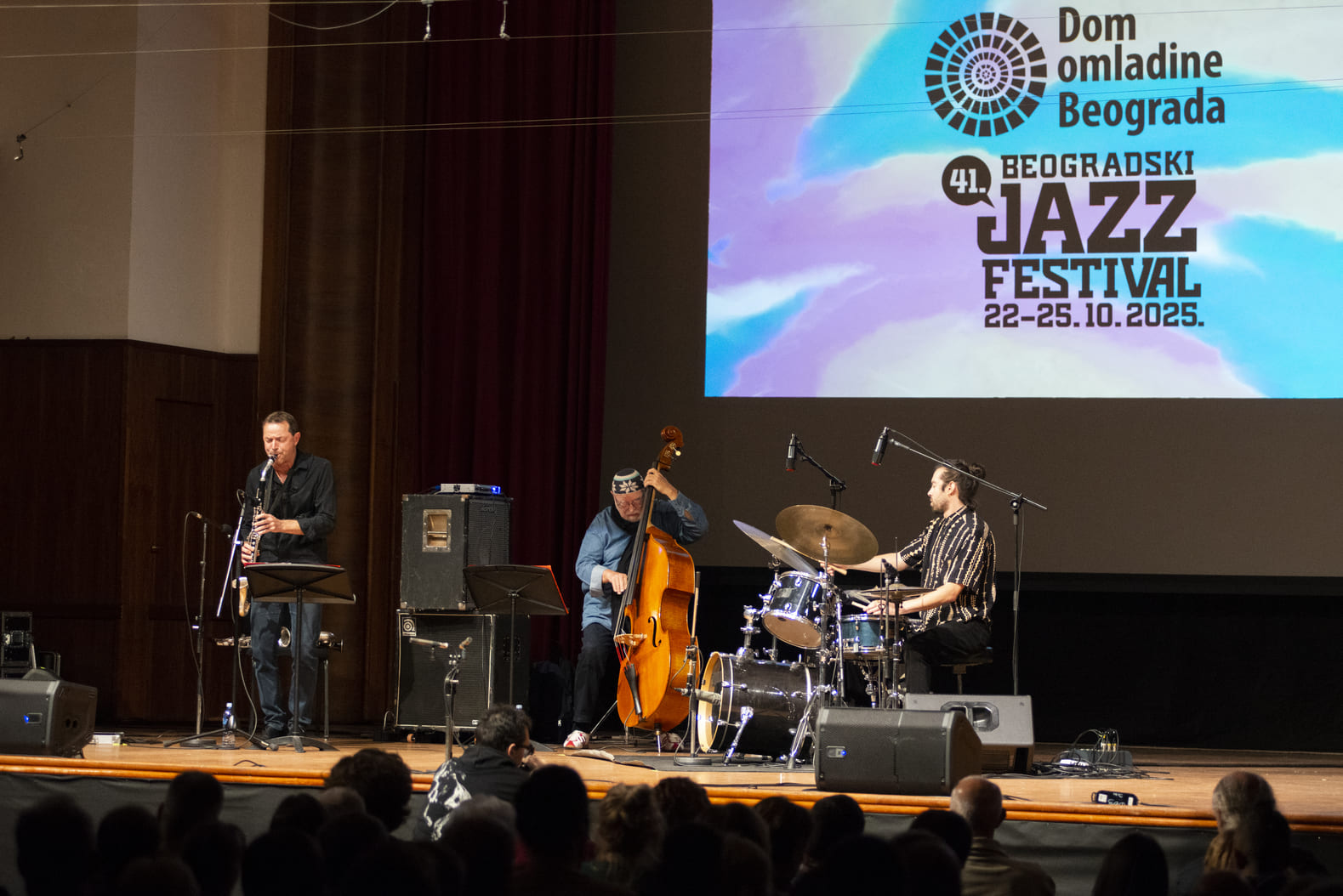
Dedicated to On the Road of Jazz: Full Halls at the 41st Belgrade Jazz Festival Confirm the Significance and Prestige of the Event

The festival is organized by the Belgrade Youth Center.

Patrons of the 41st BJZF: City of Belgrade – City Administration – Secretariat for Culture; Ministry of Culture of the Republic of Serbia.

Friends of the 41st BJZF: SOKOJ and DPC Networks.

Supporters of BJZF 2025: Italian Institute in Belgrade; Puglia Sounds; Instituto Cervantes; French Institute in Serbia; Embassy of Israel; Embassy of Portugal and Camões Institute; RTS Music Production.

By invitation, the Belgrade Jazz Festival is a member of the European Jazz Network.

Source: domomladine.org

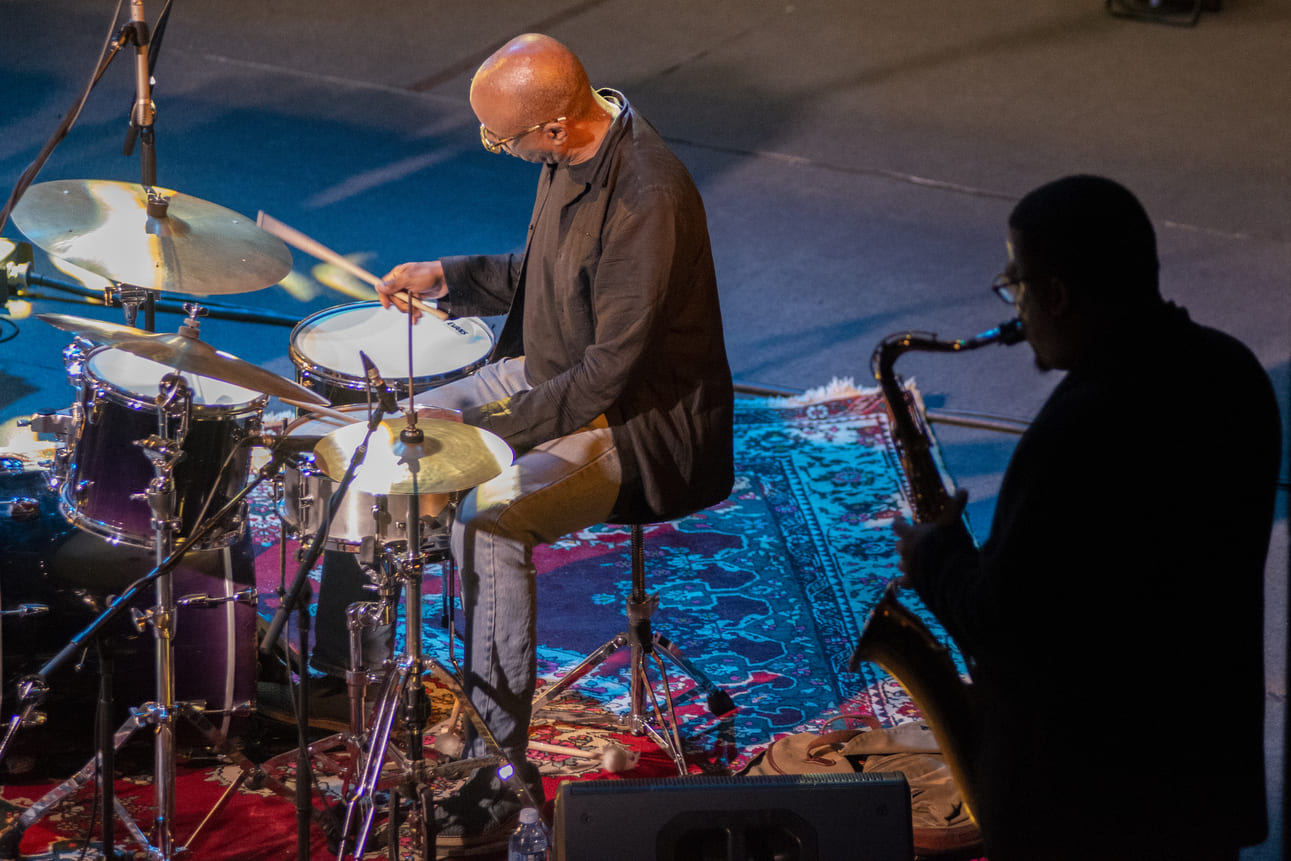
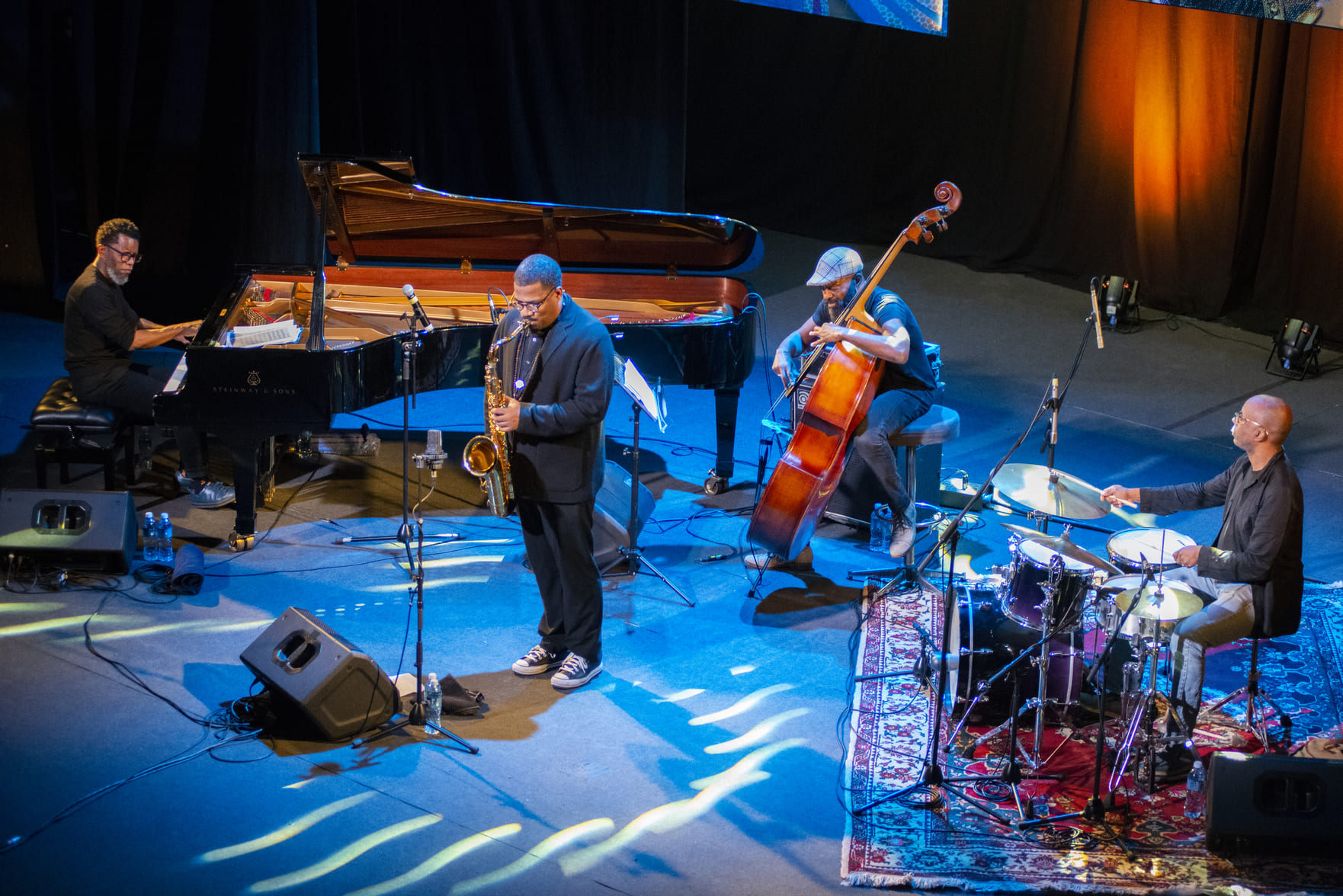
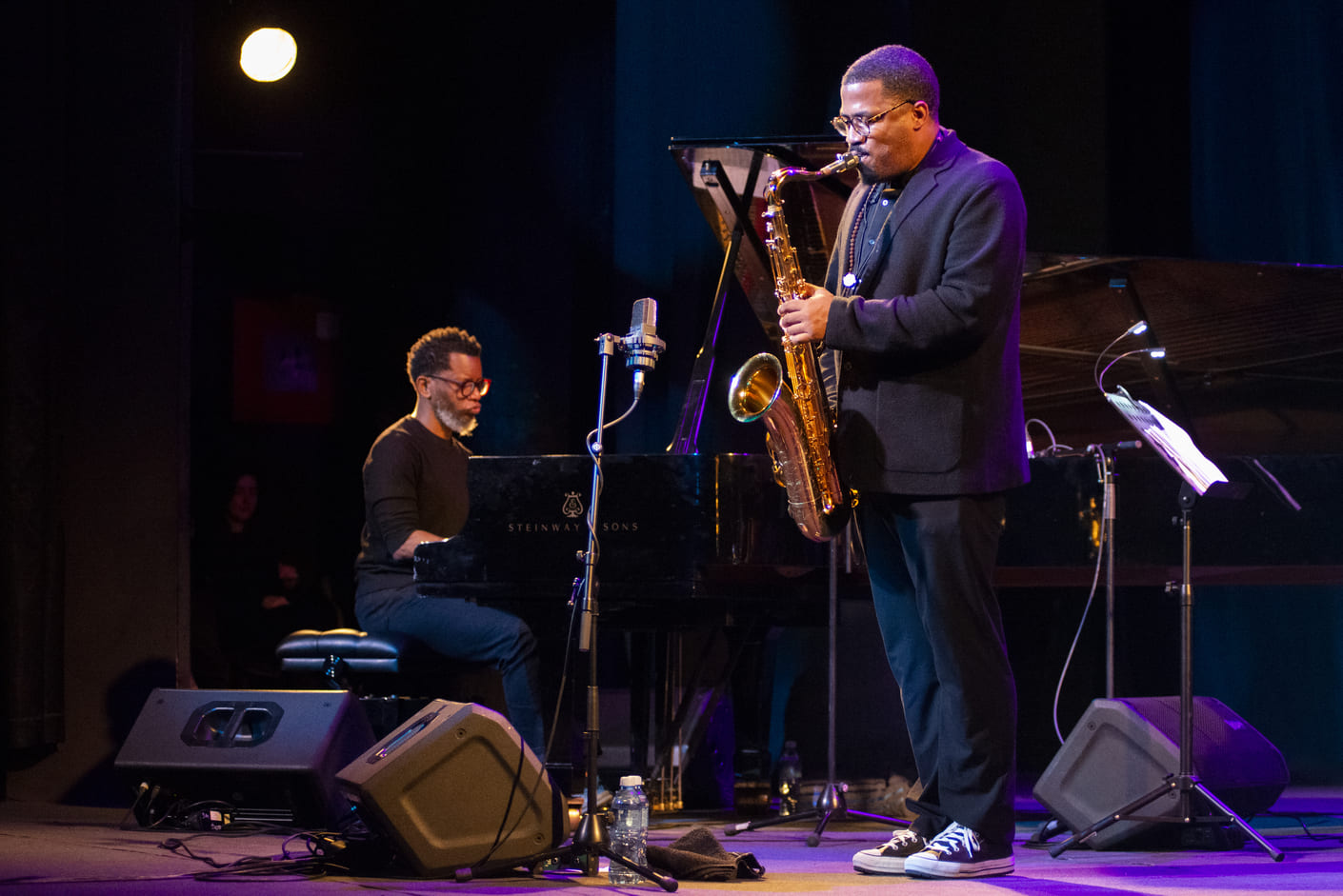
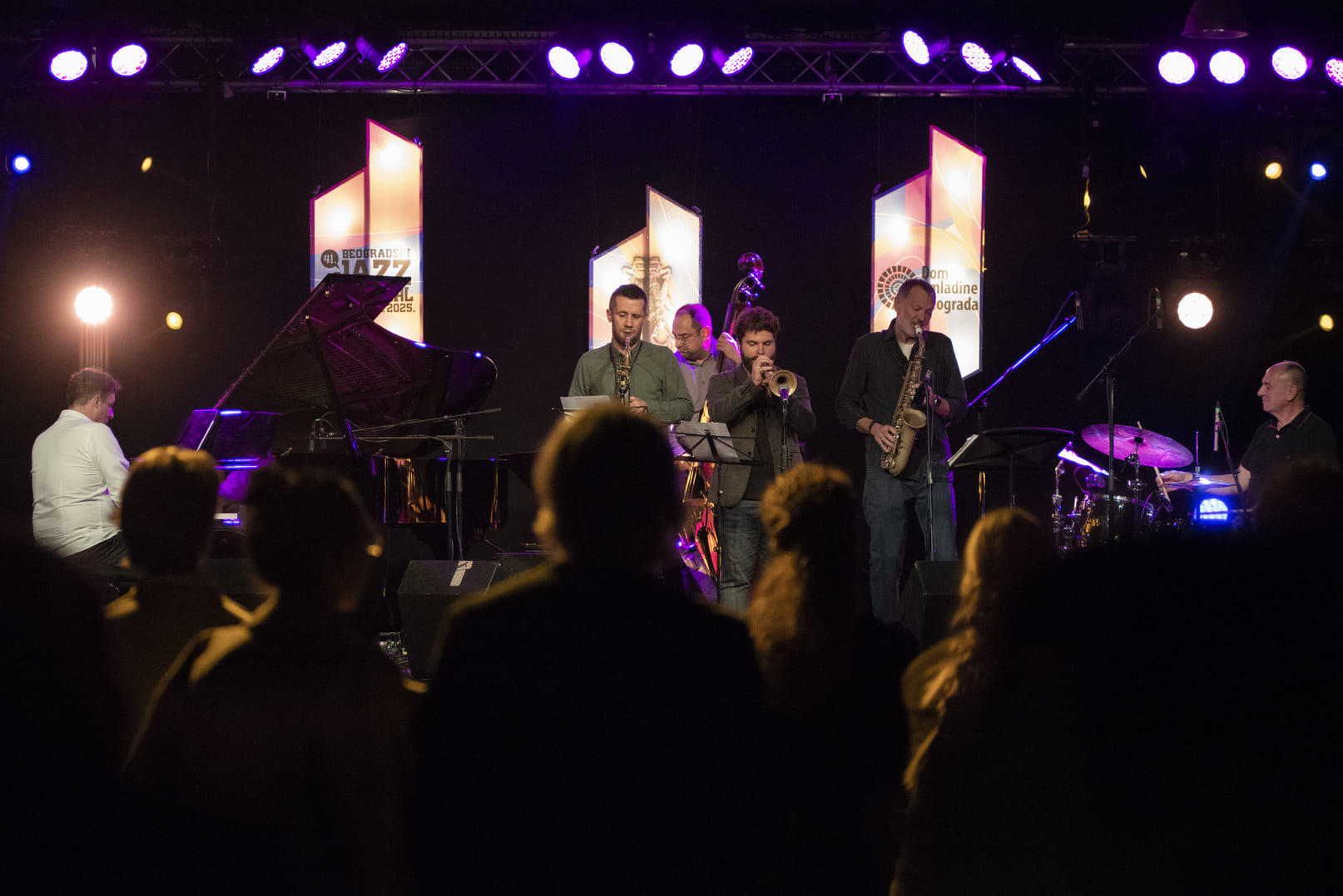
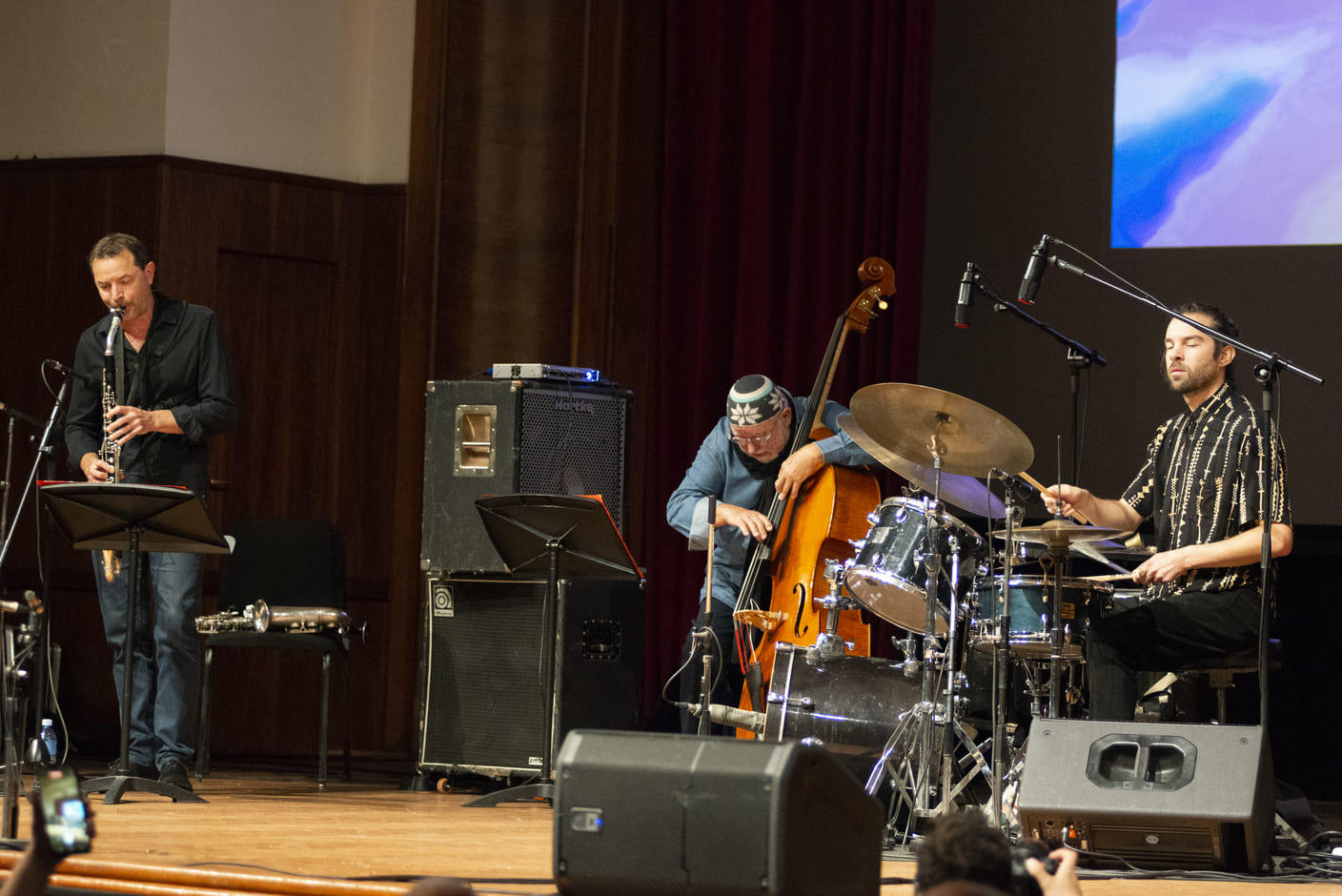
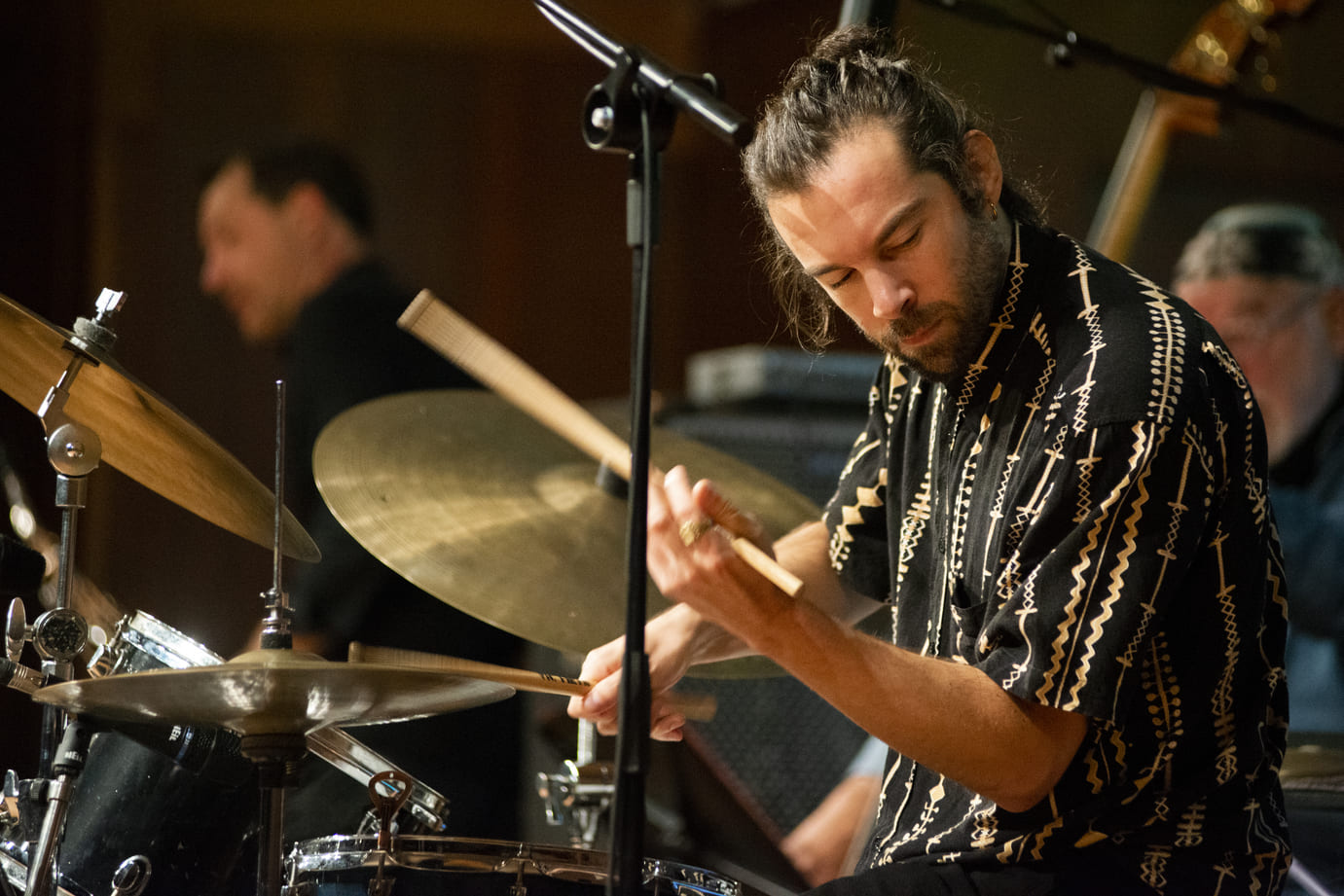
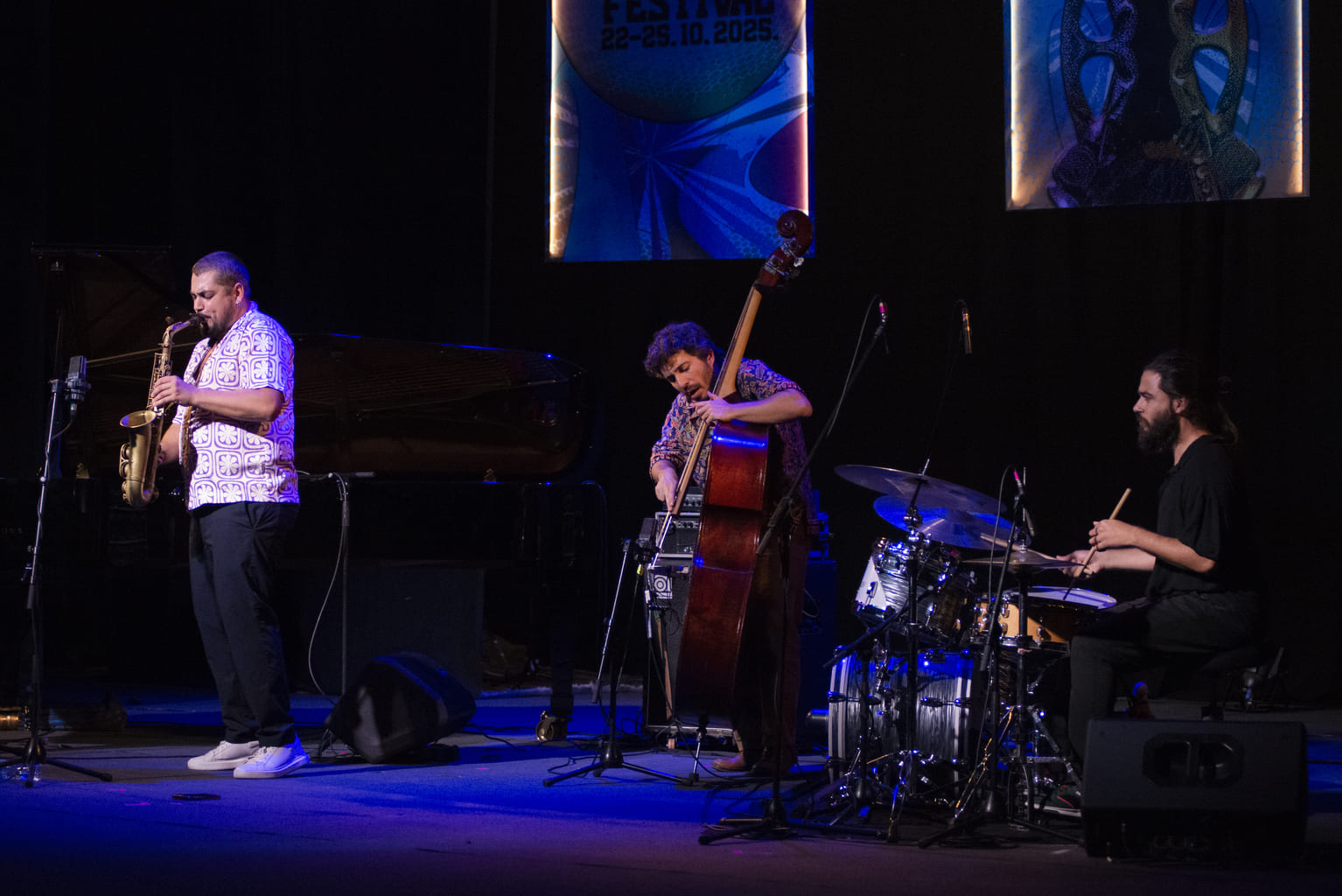
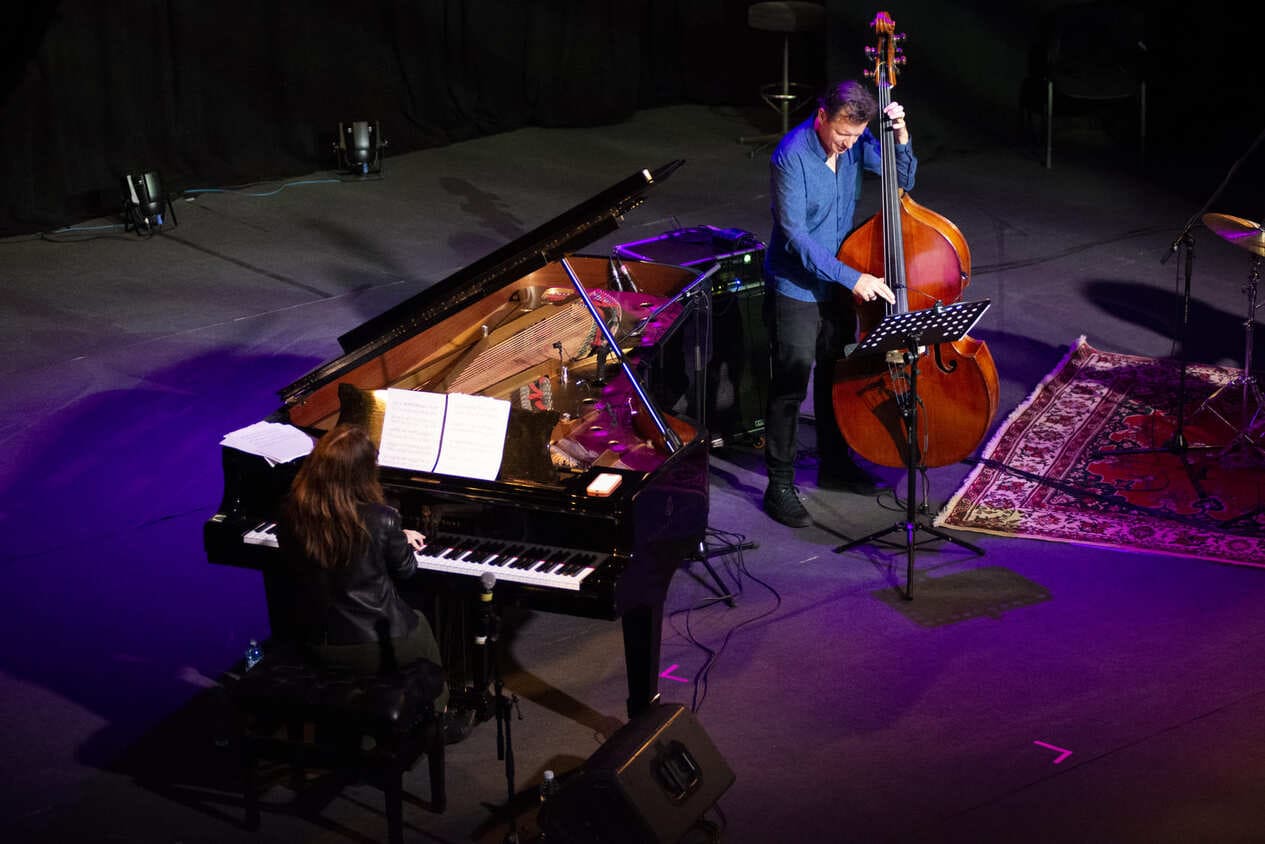
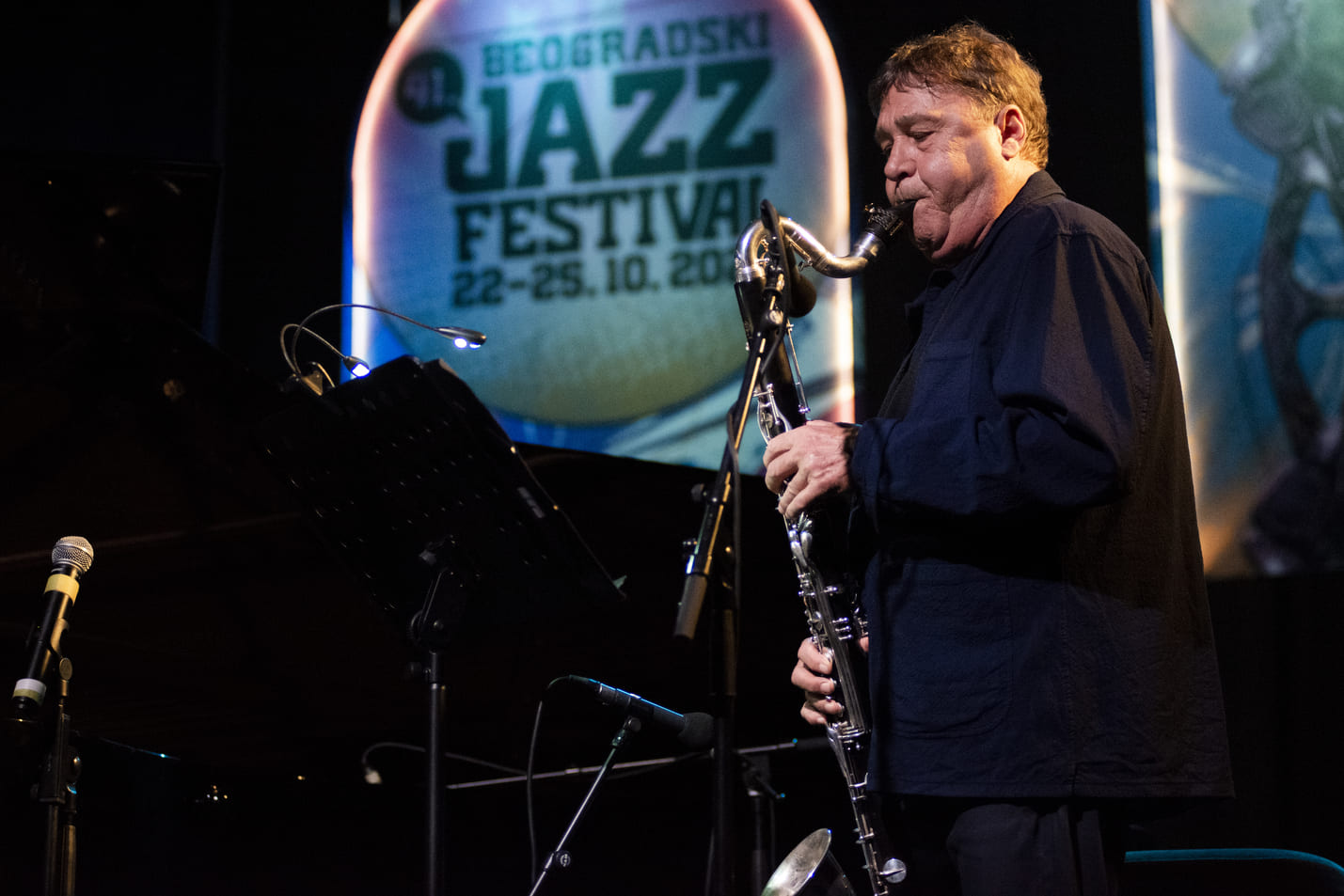
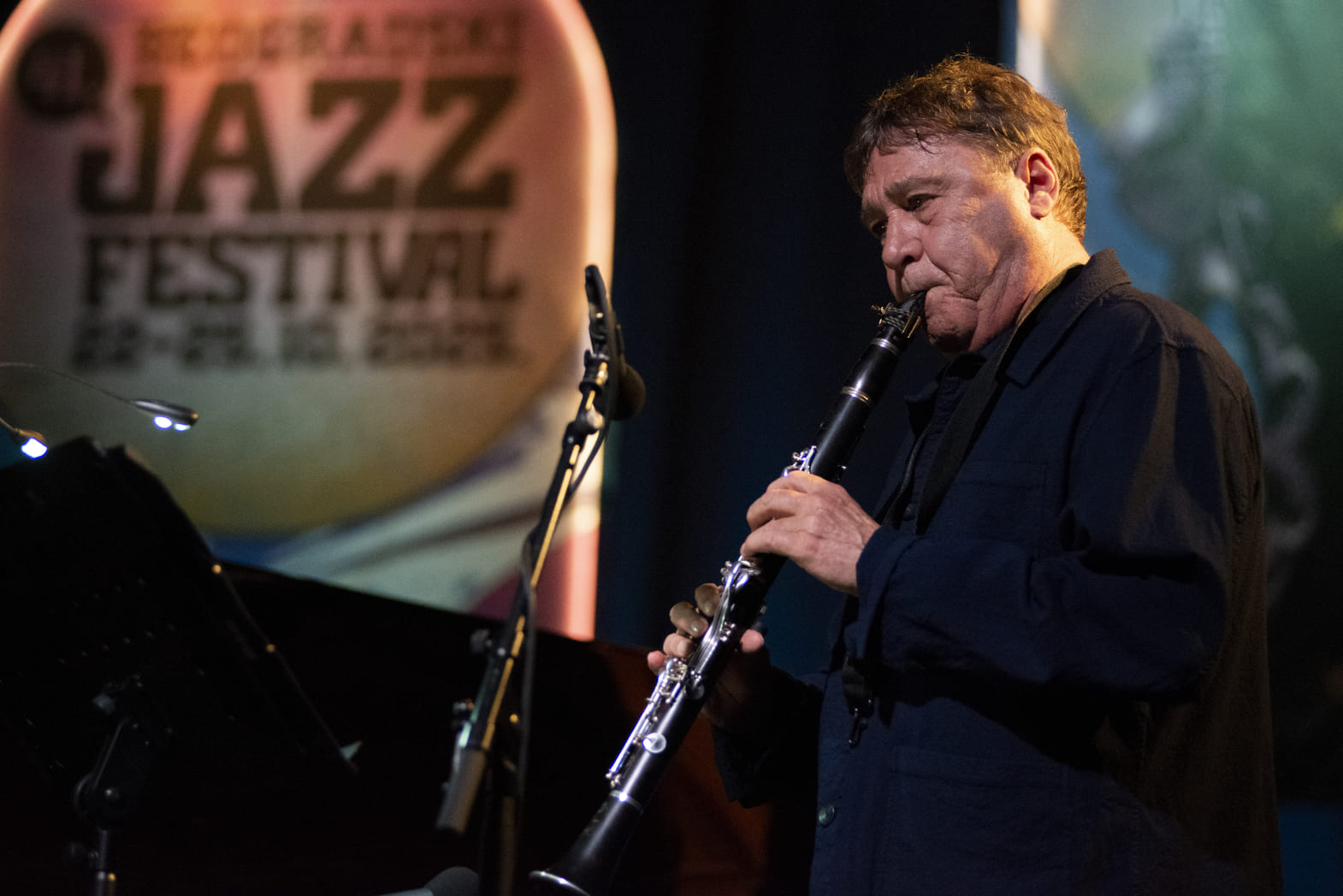
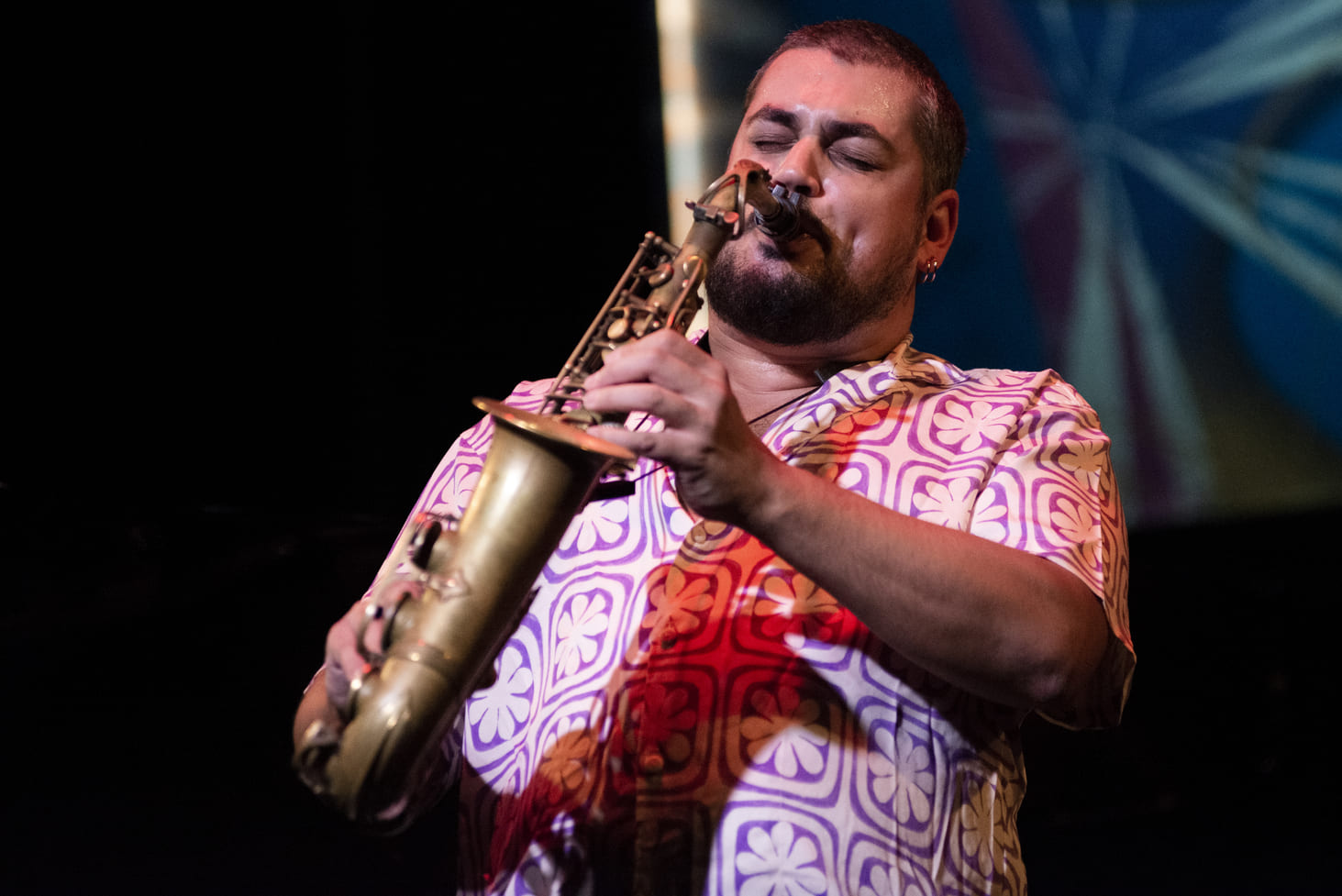
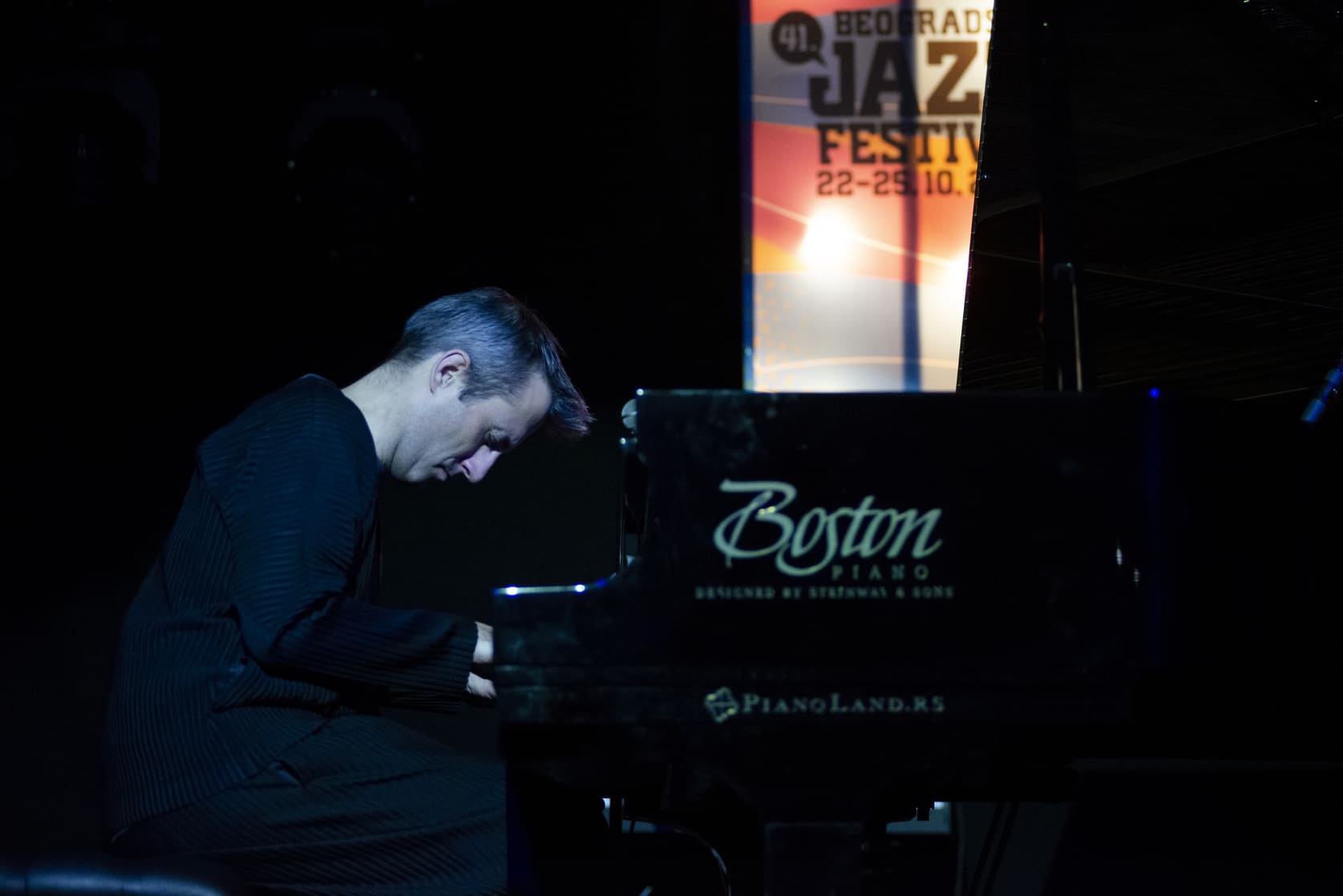
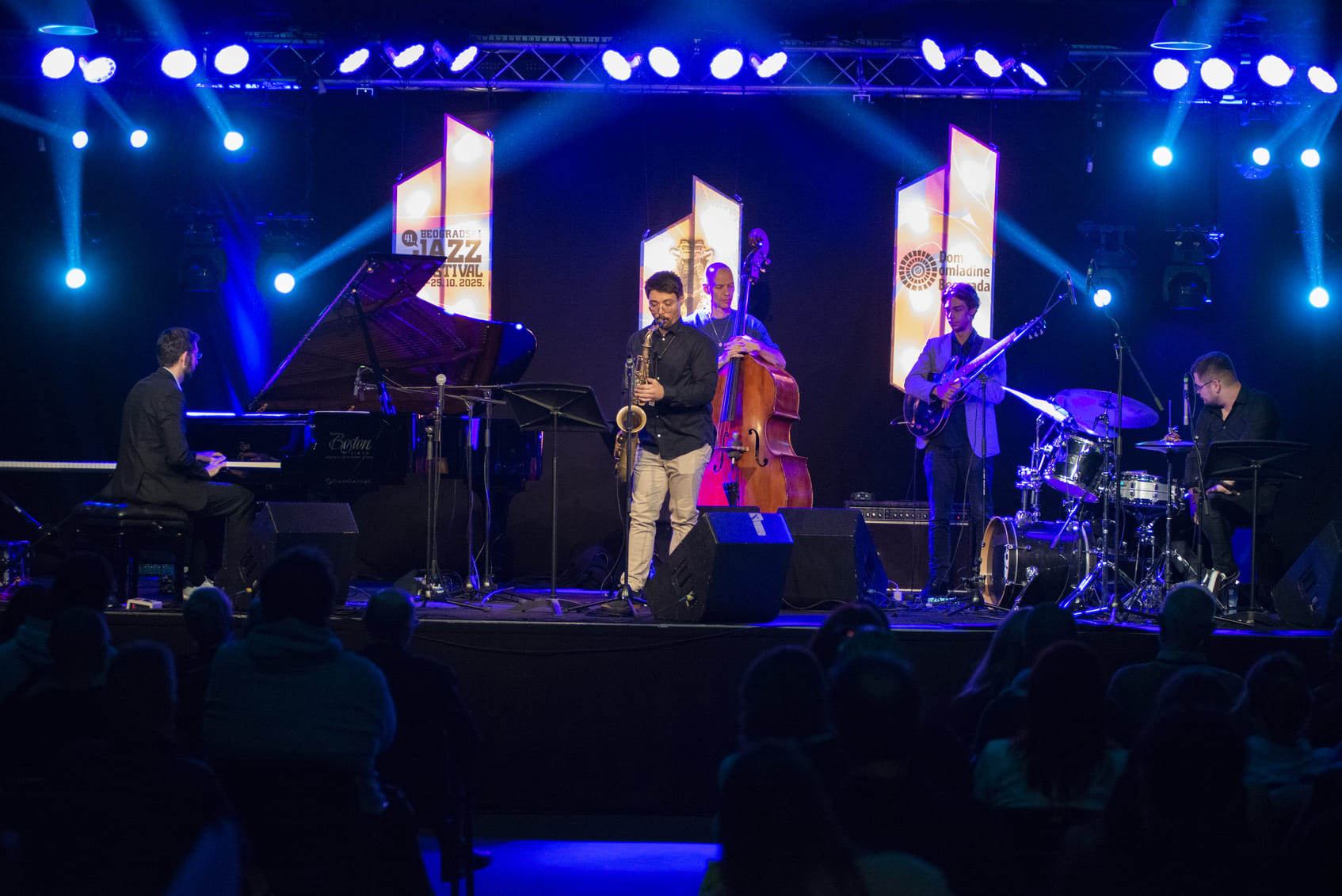
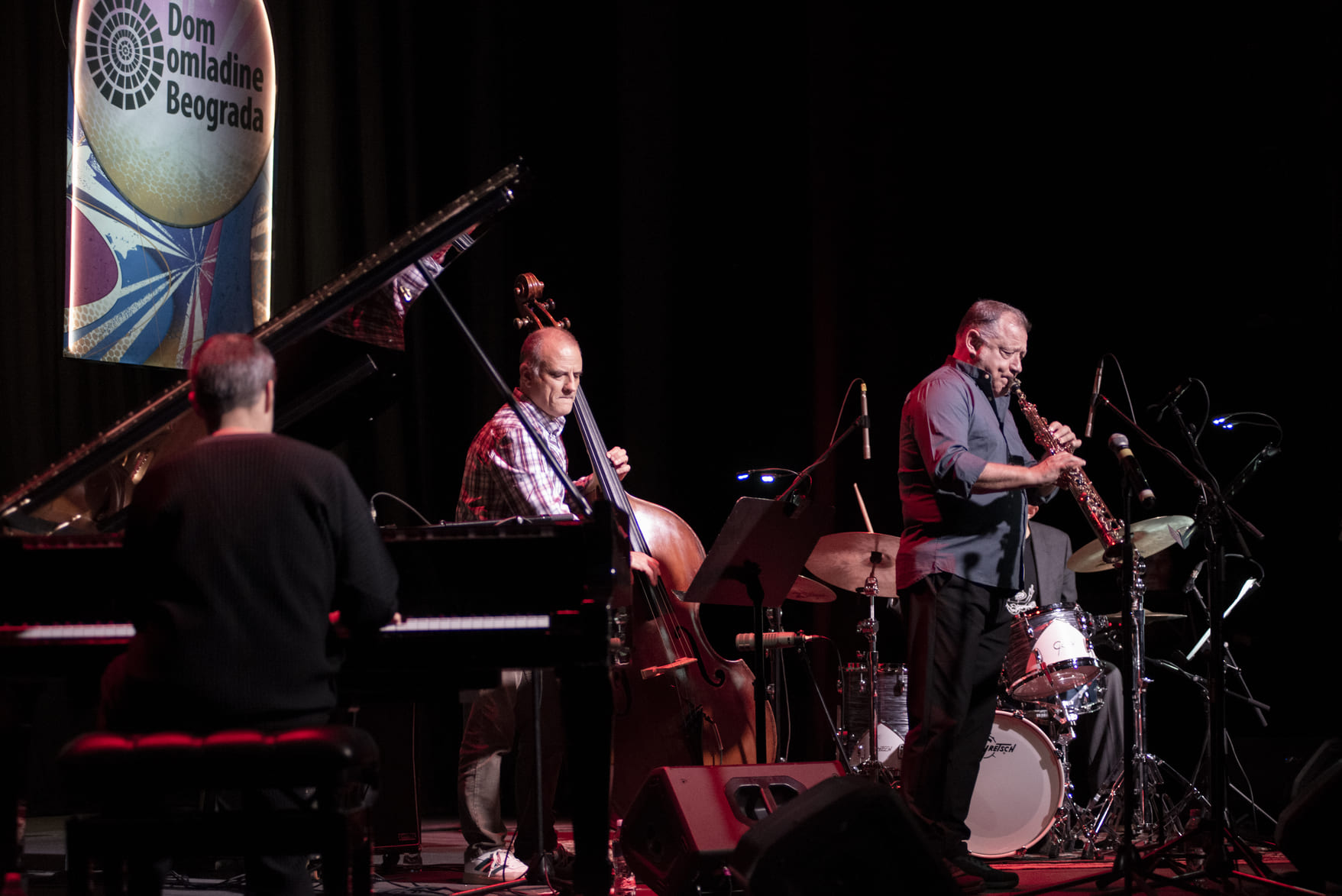
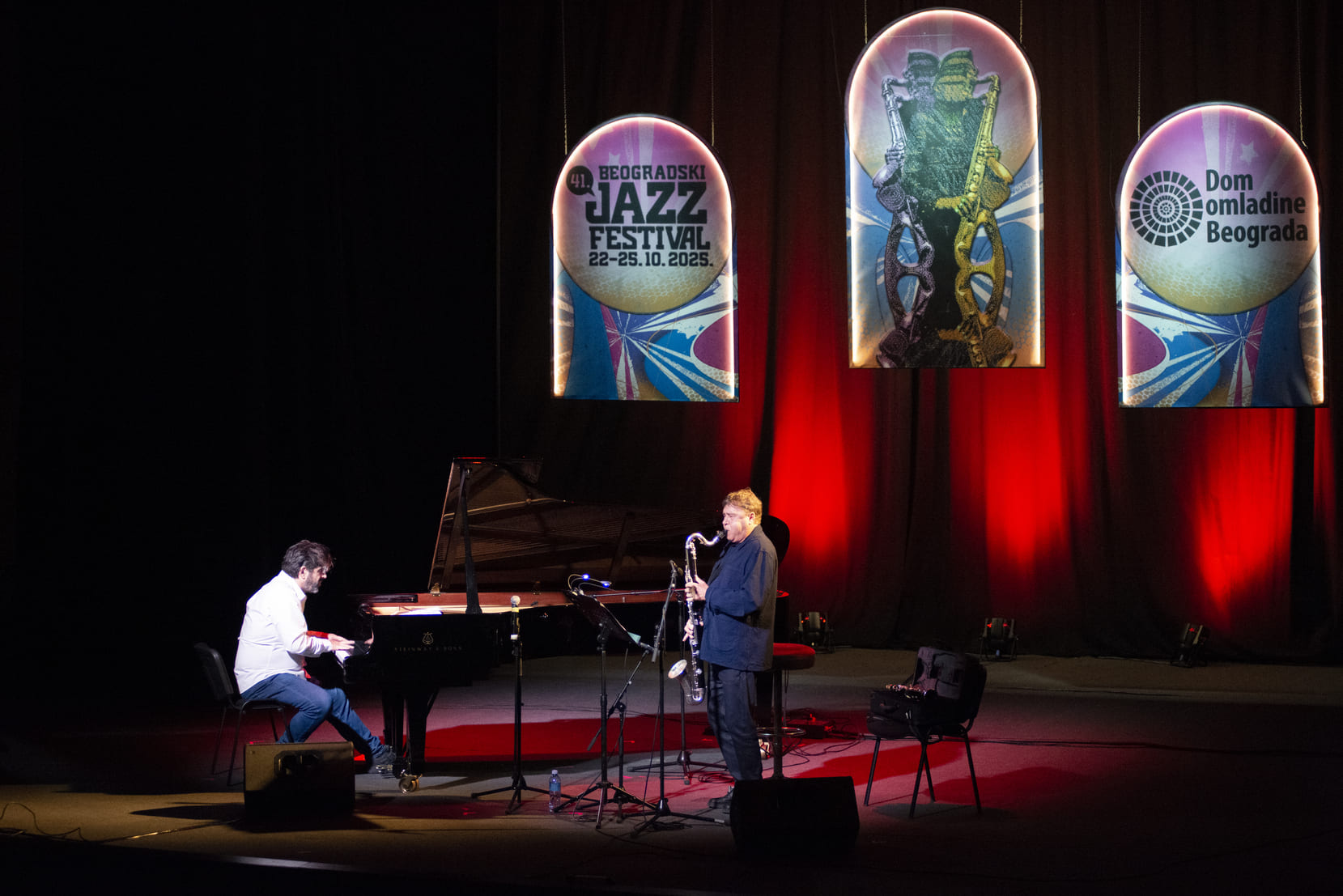
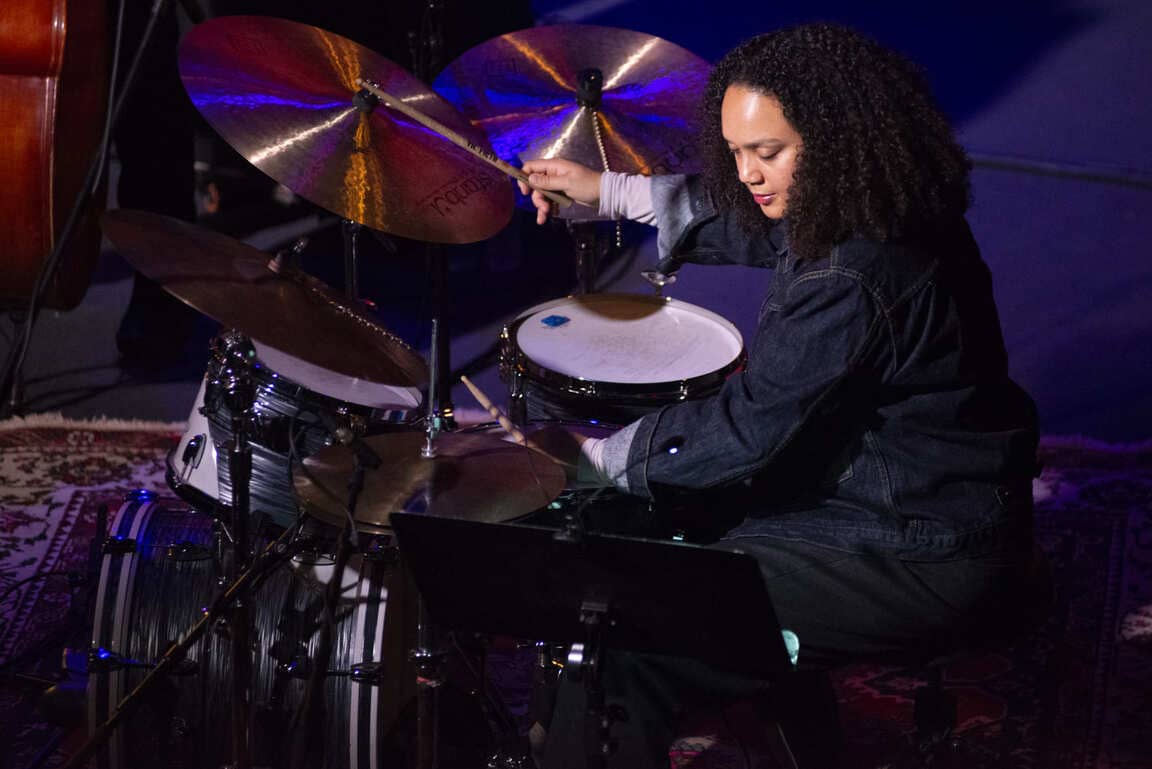
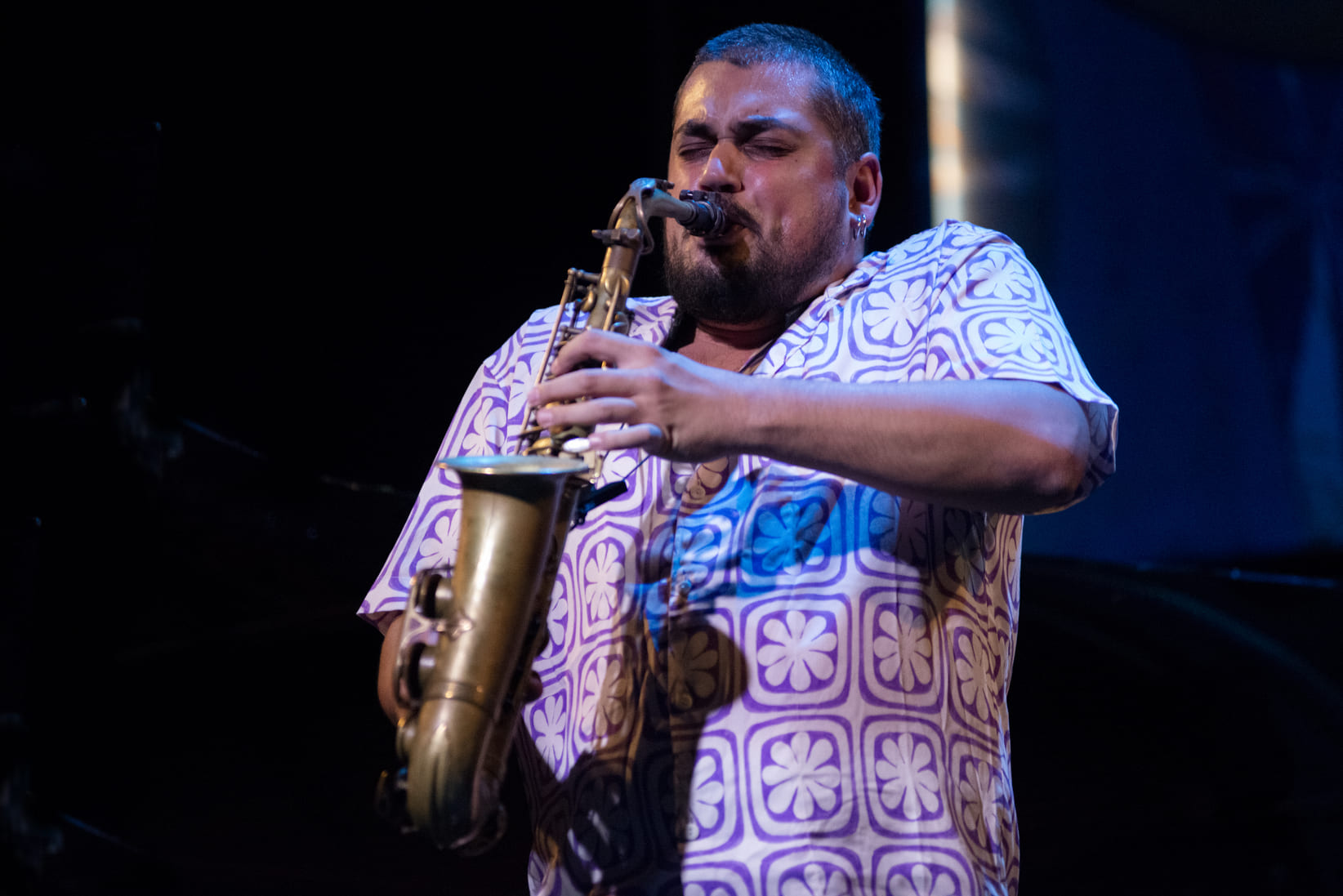
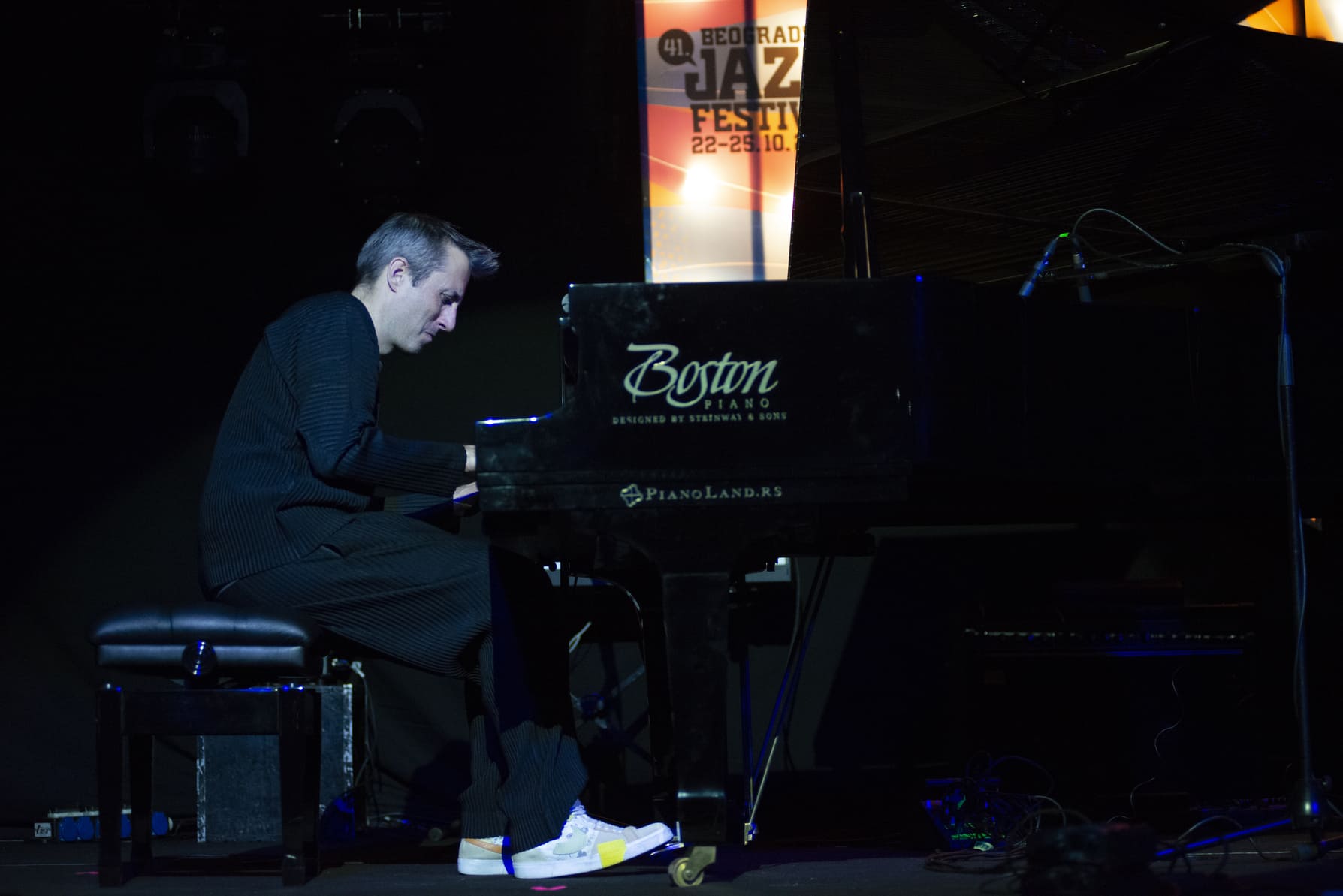
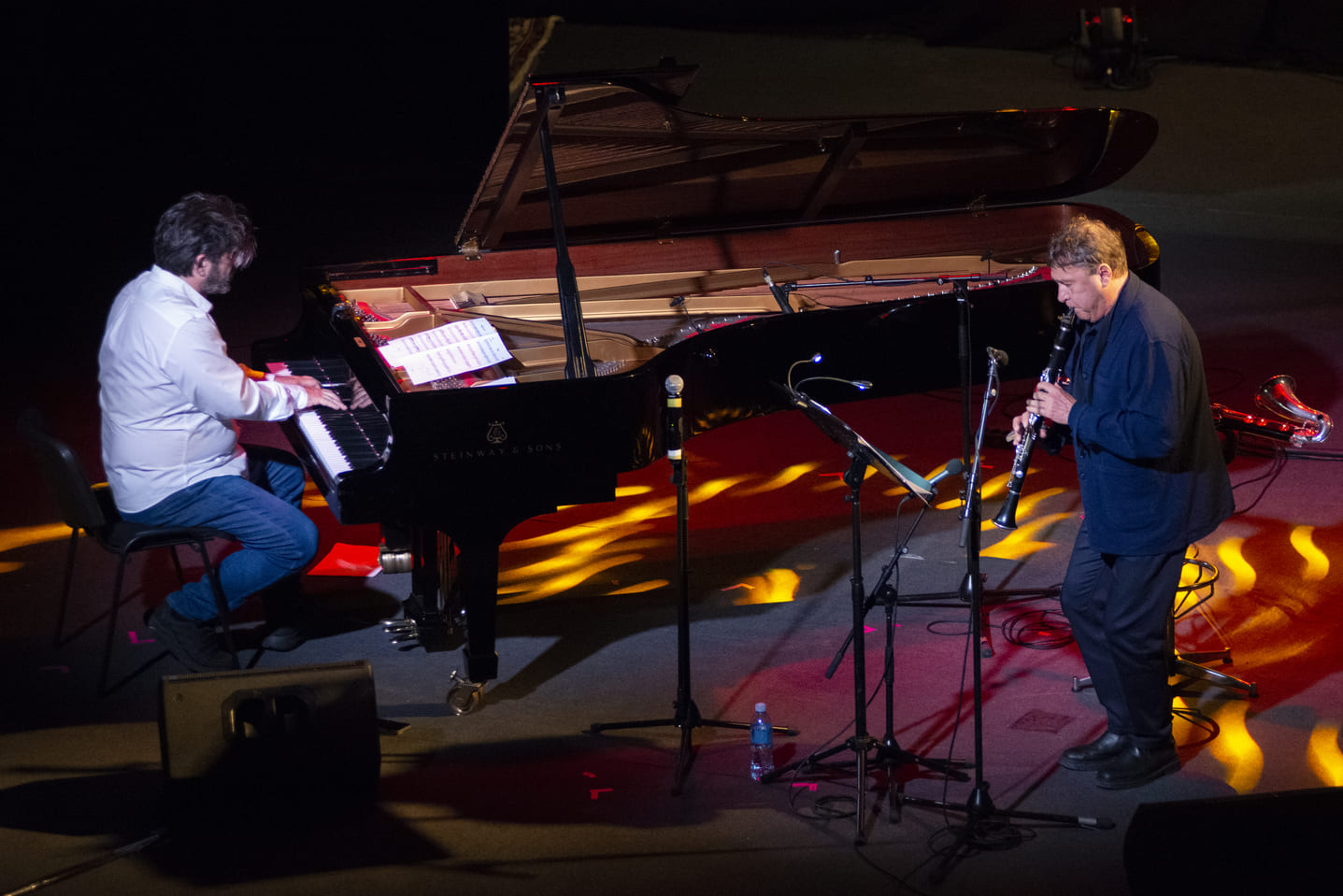
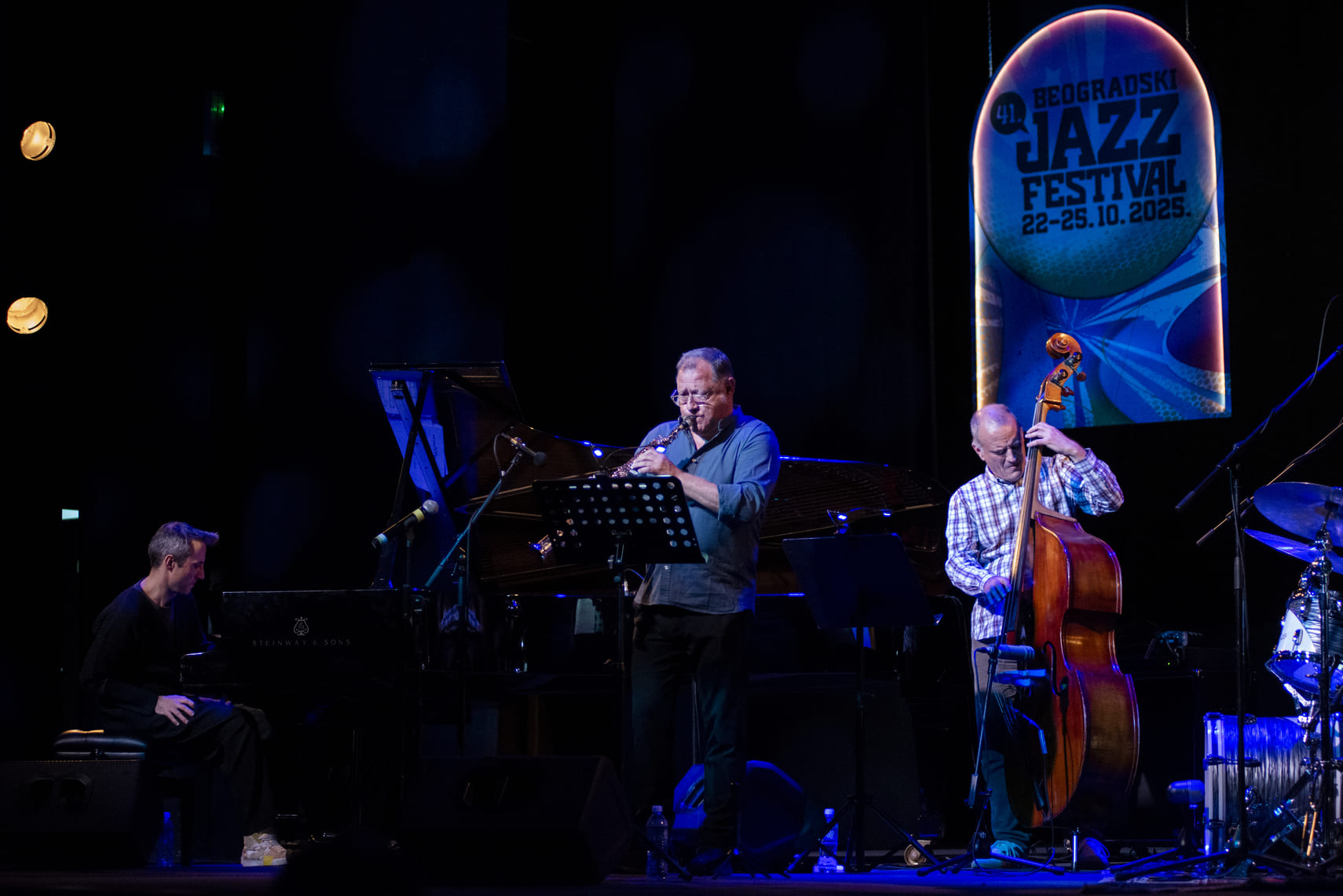
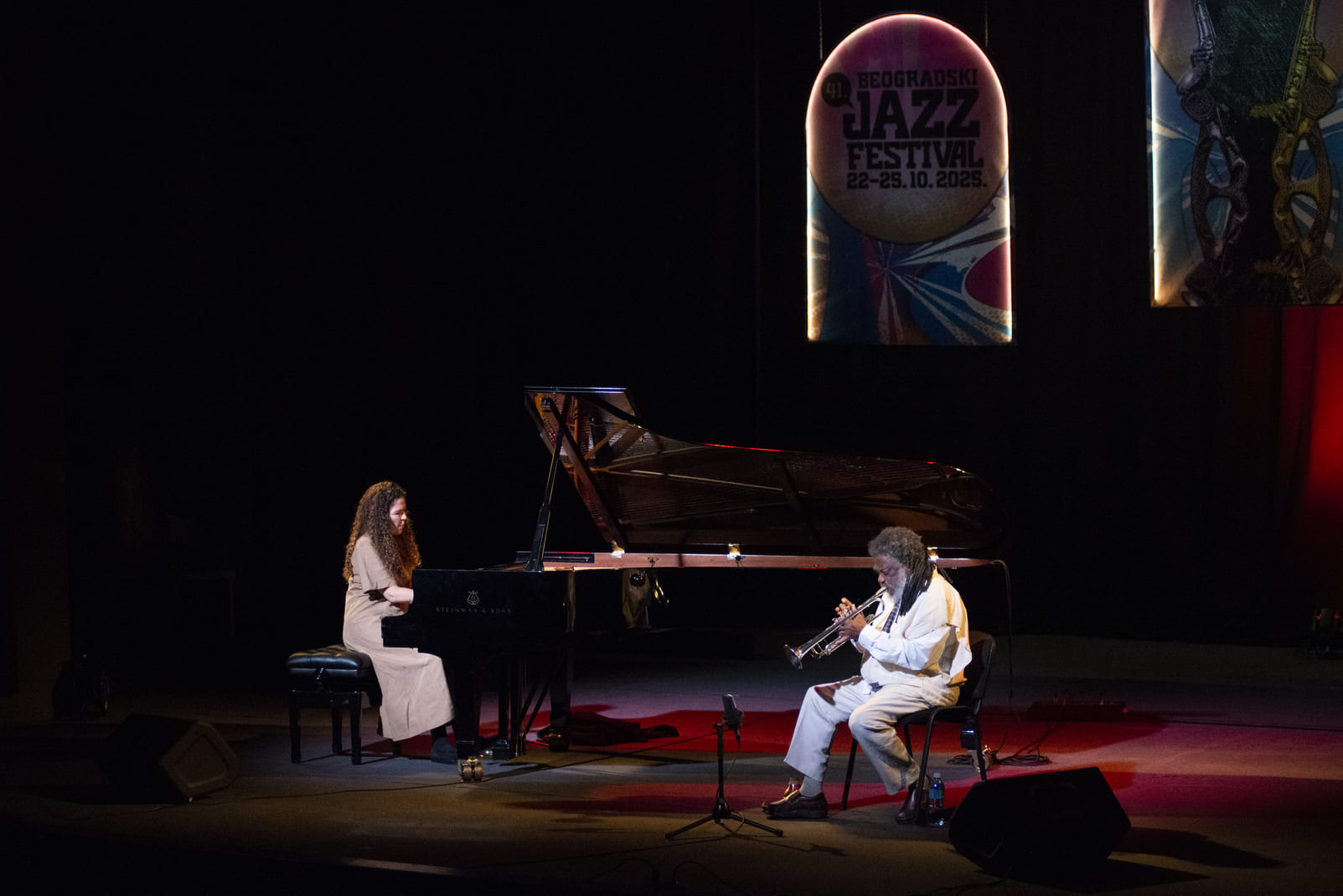
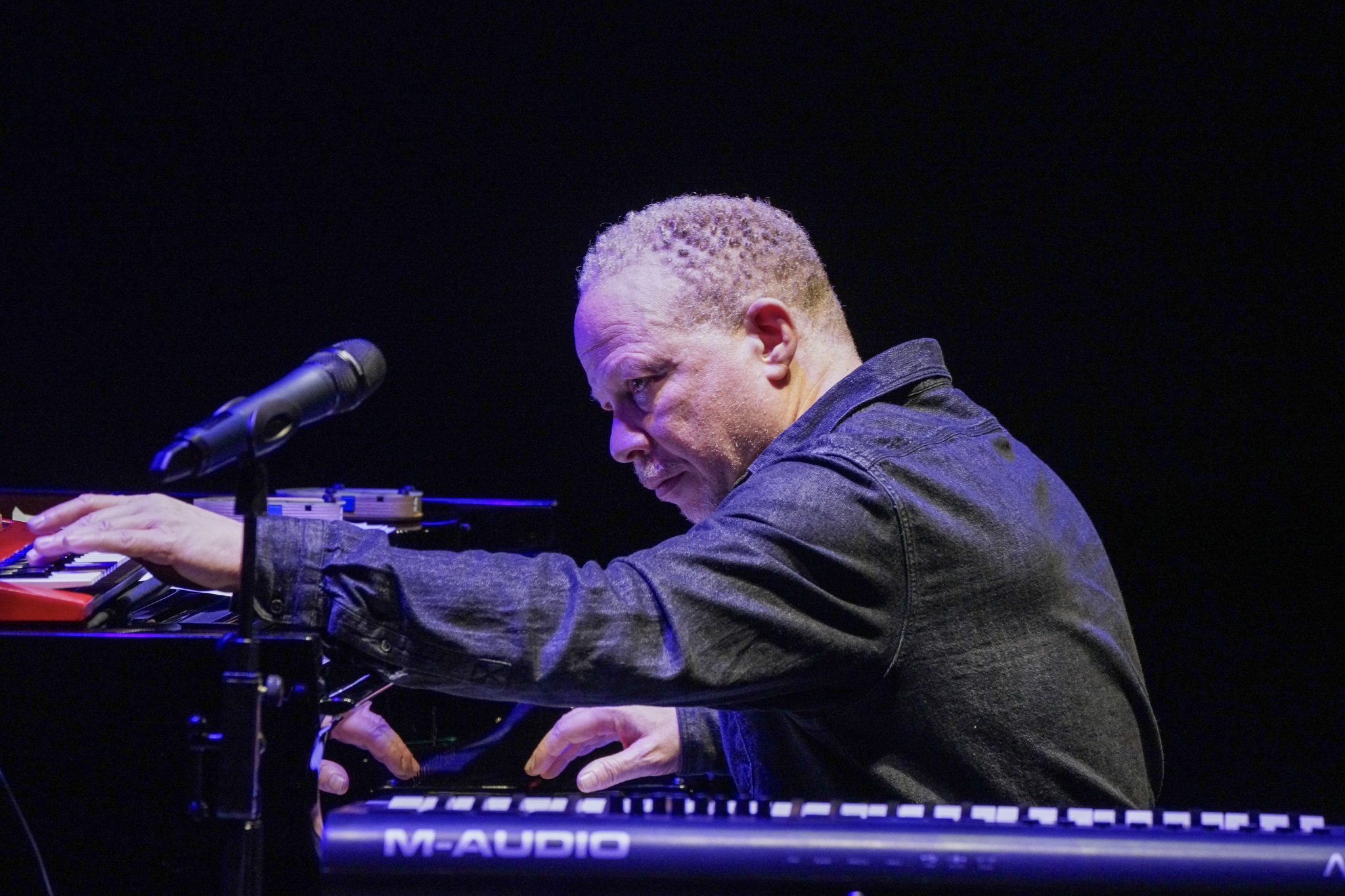
The Belgrade Jazz Festival, held from October 22 to 25, 2025, under the slogan On the Road of Jazz, once again confirmed with its 41st edition that it is the most important jazz event in the region and one of Europe’s most respected meeting points for jazz musicians and audiences. Over four intense days, organized by the Belgrade Youth Center, the festival offered a cross-section of contemporary jazz in its most exciting forms, from tradition to the boldest contemporary experiments.
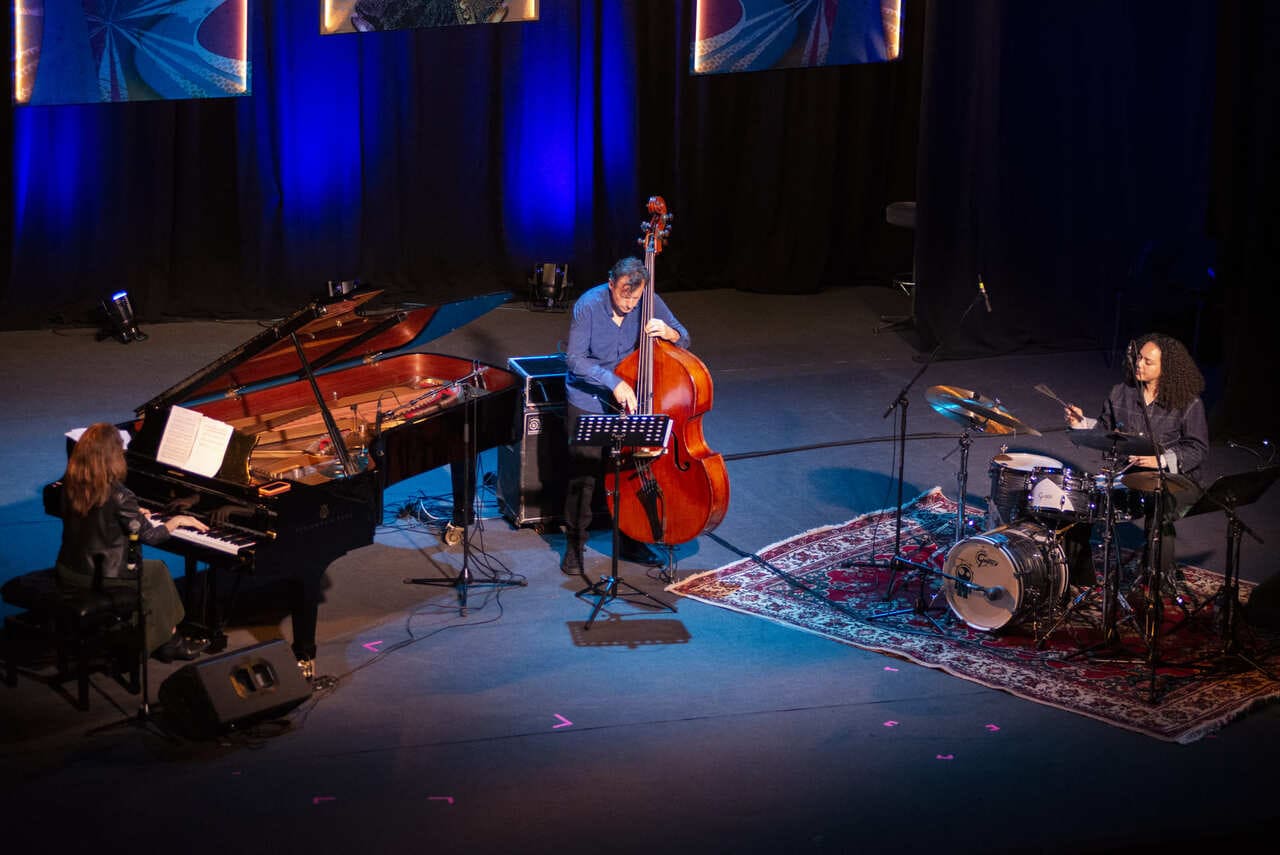
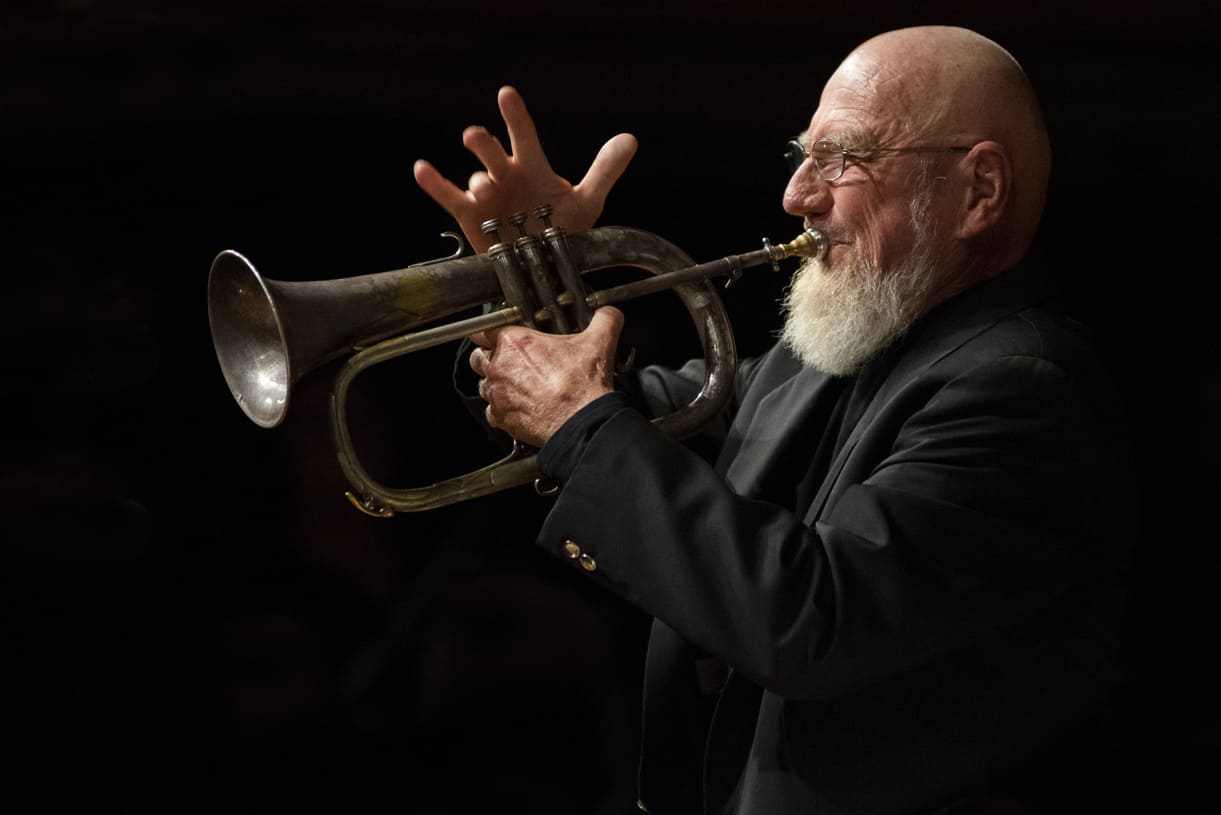
 

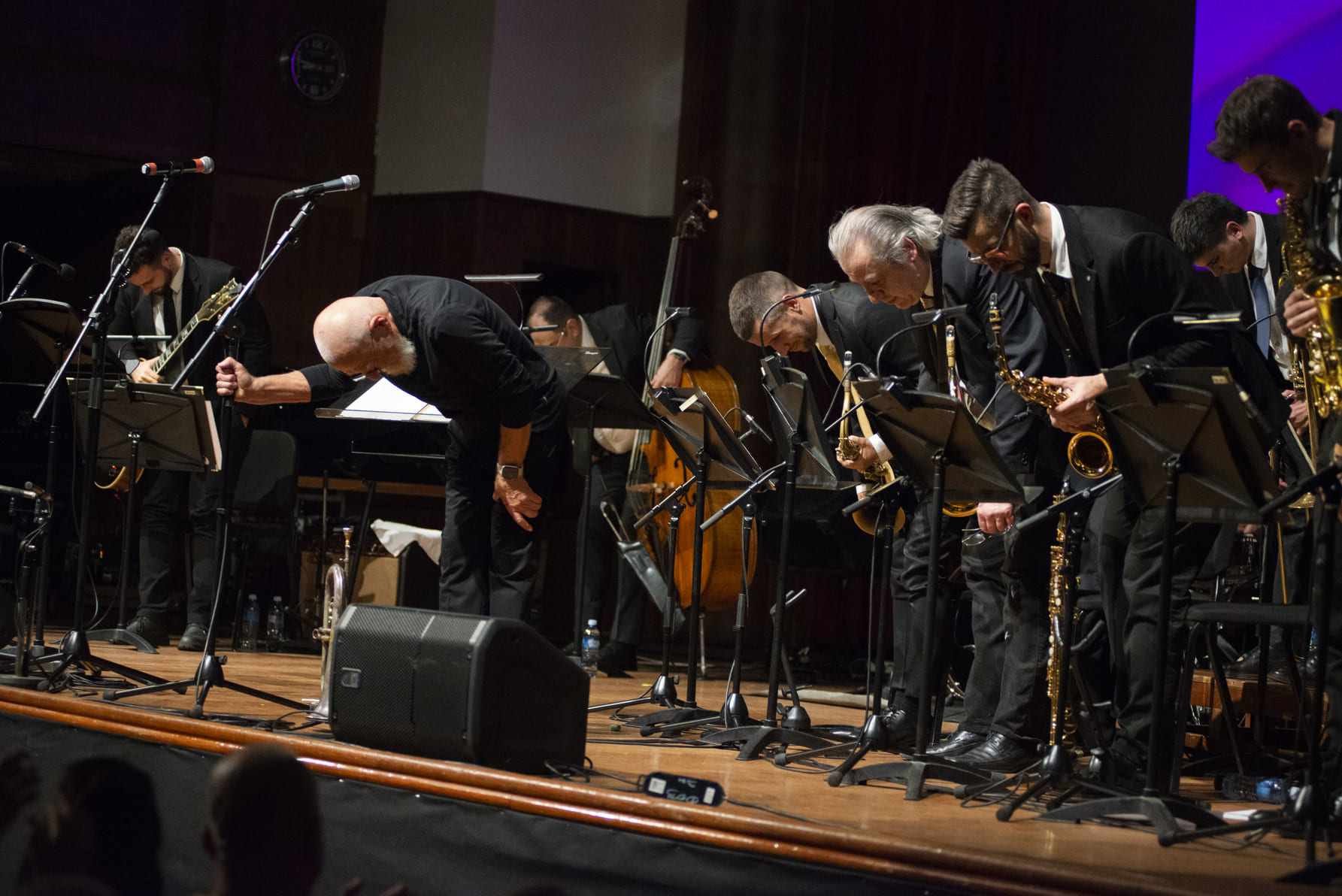
This year, Serbia’s oldest jazz festival was ceremoniously opened in the Ilija M. Kolarac Endowment Hall with an outstanding artistic program by the RTS Big Band, under the artistic direction of Stjepko Gut. In honor of the 100th anniversary of Bora Roković’s birth, we remembered the work of one of our most significant composers, arrangers, and pianists. The program also paid tribute to the renowned Yugoslav All Stars Band, making the evening a rich and authentic celebration of domestic jazz heritage, much to the delight of the audience.

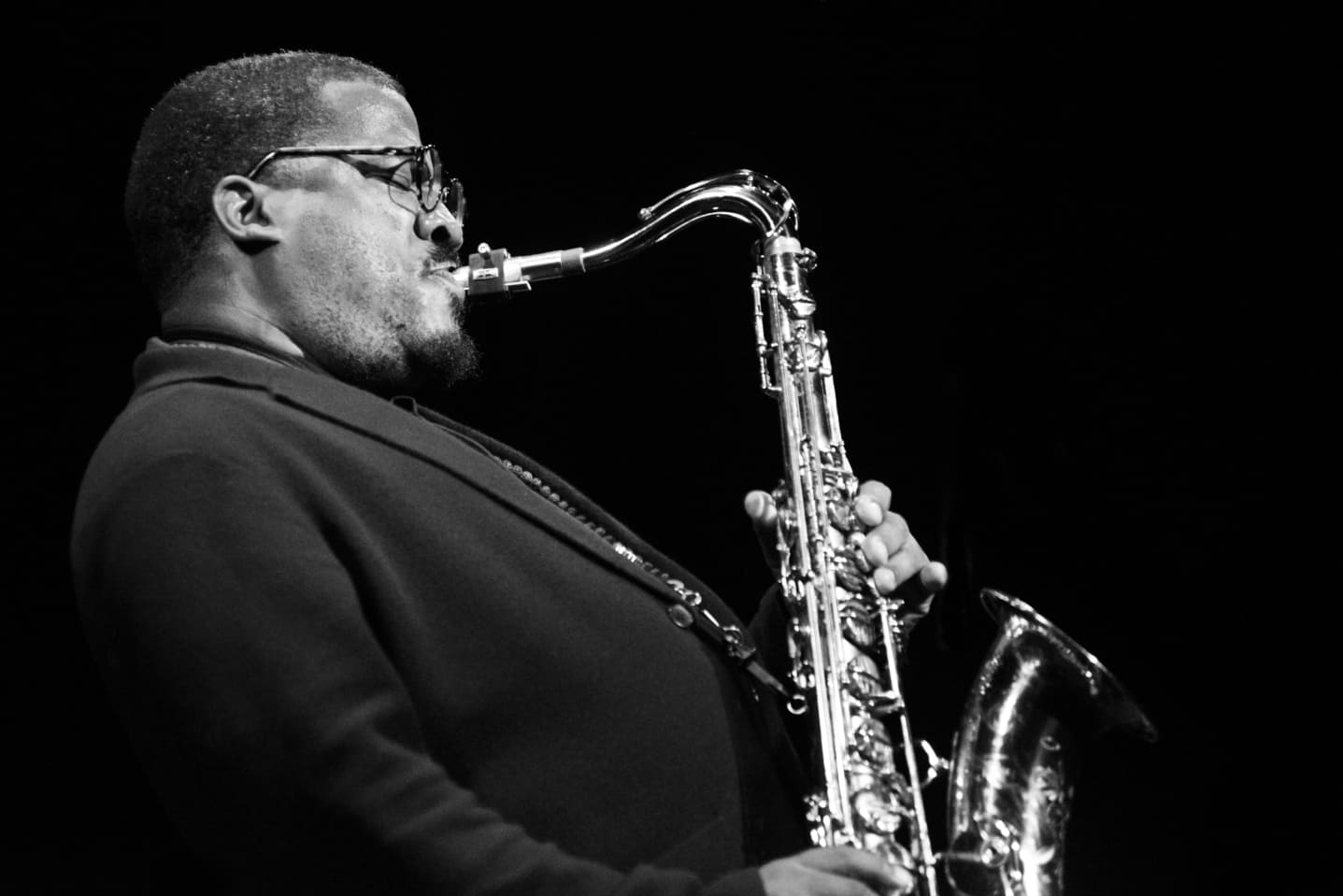
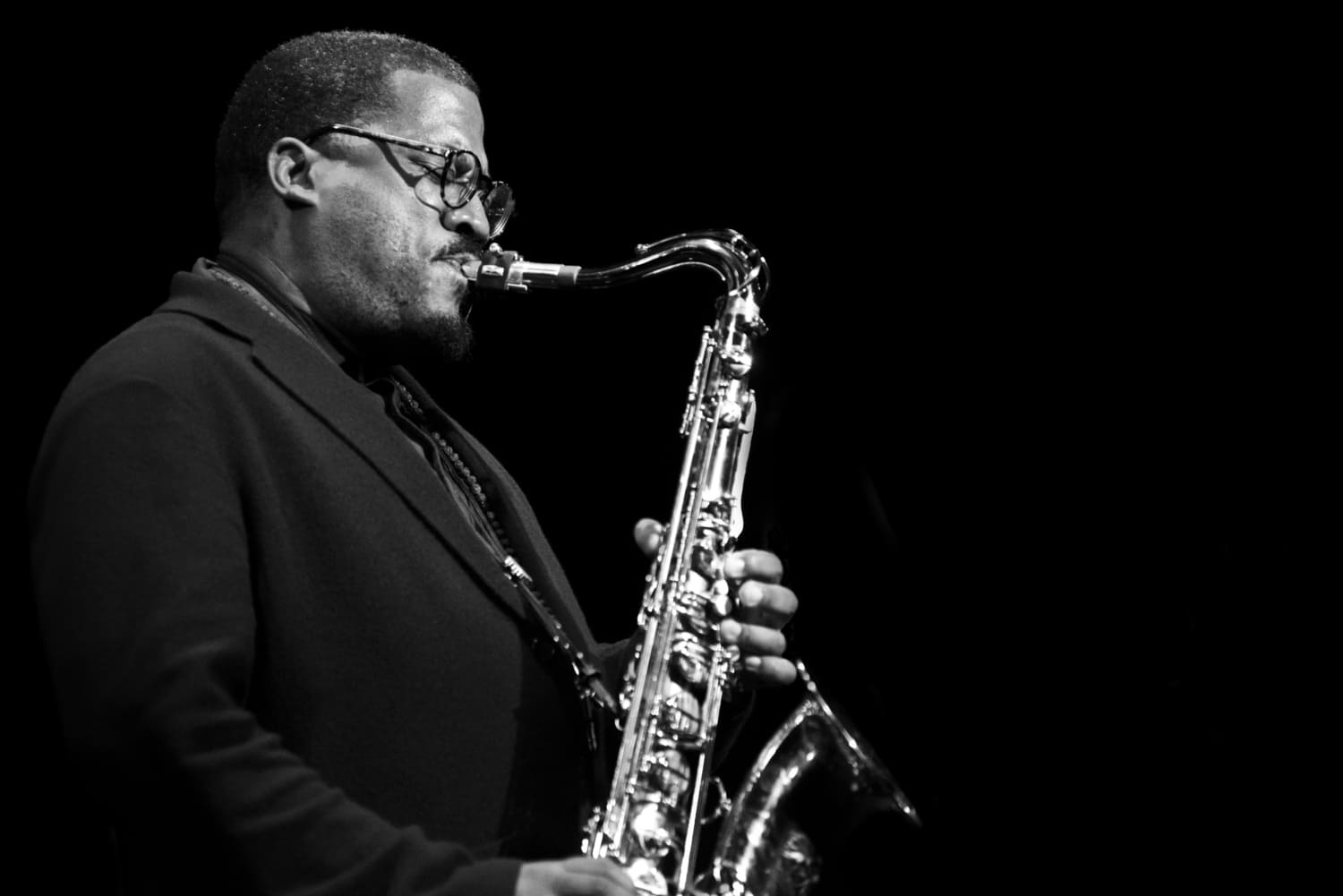
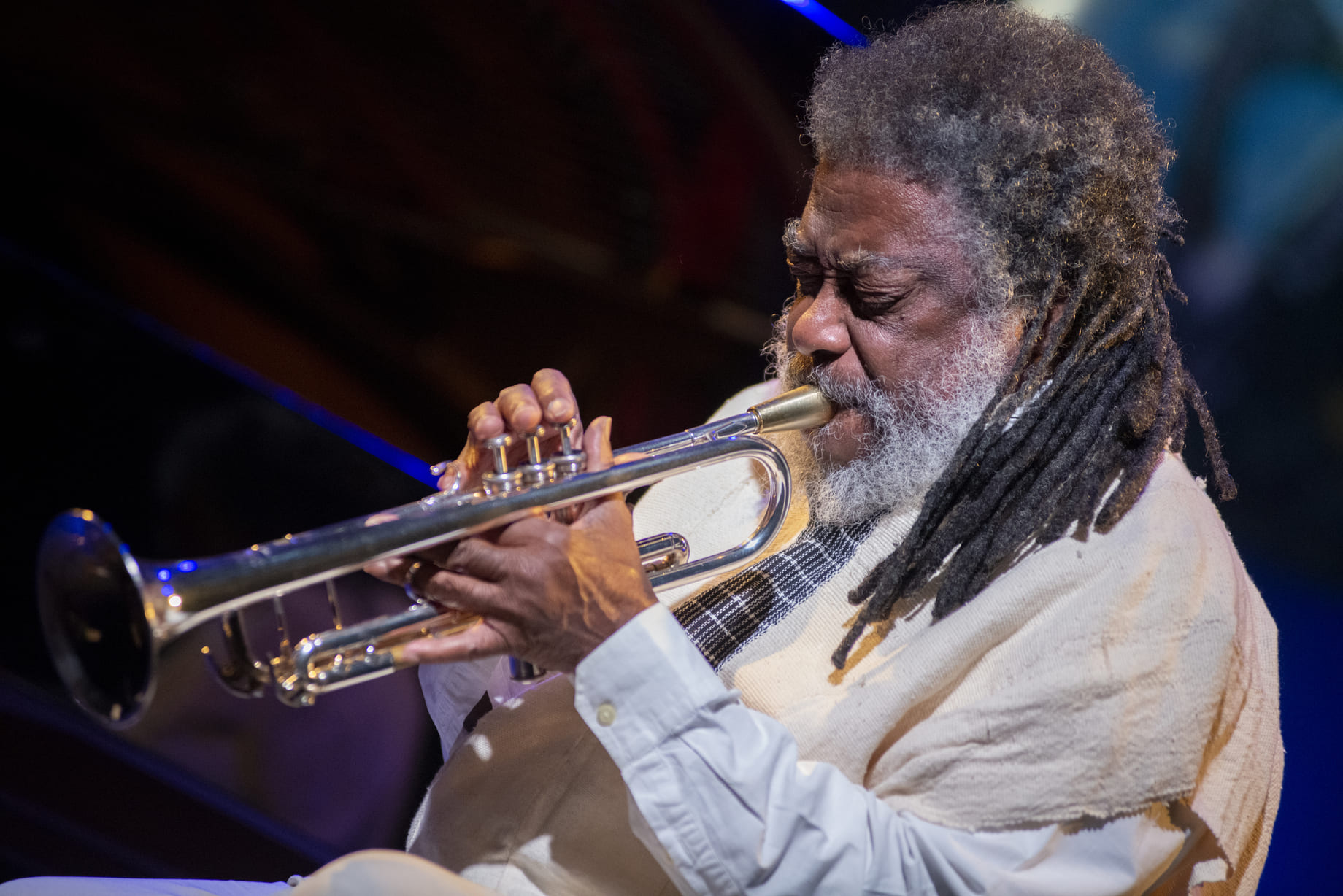
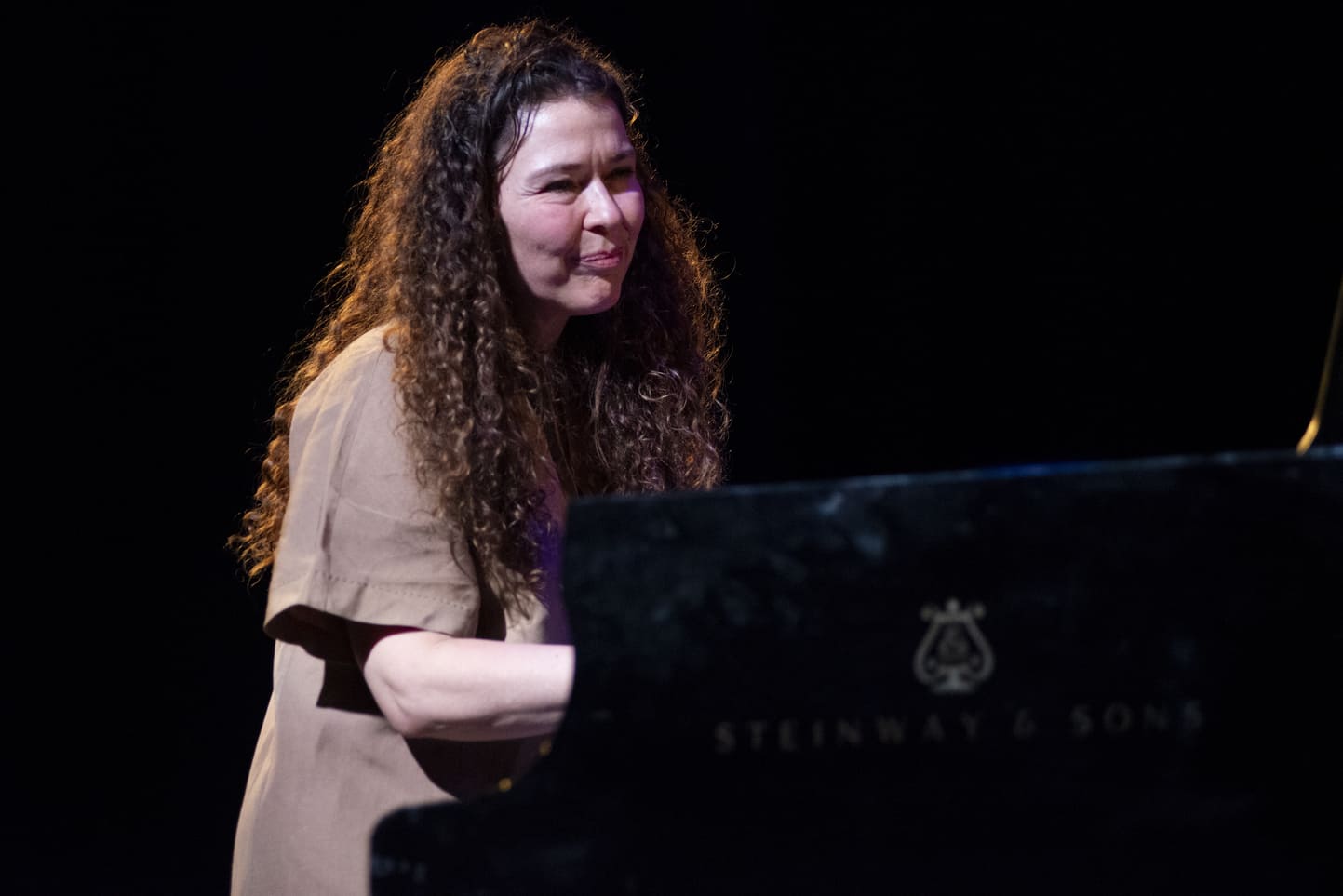
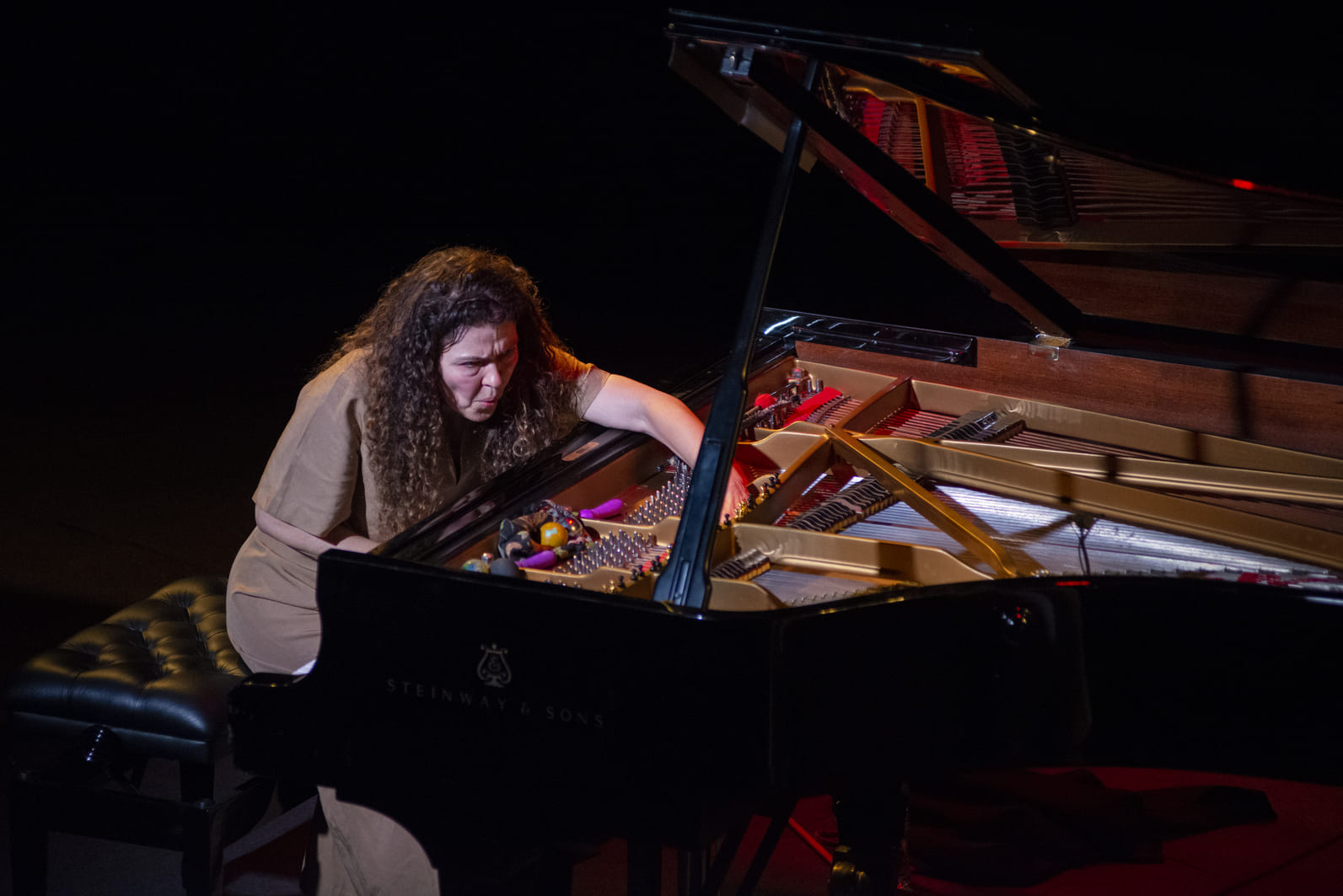
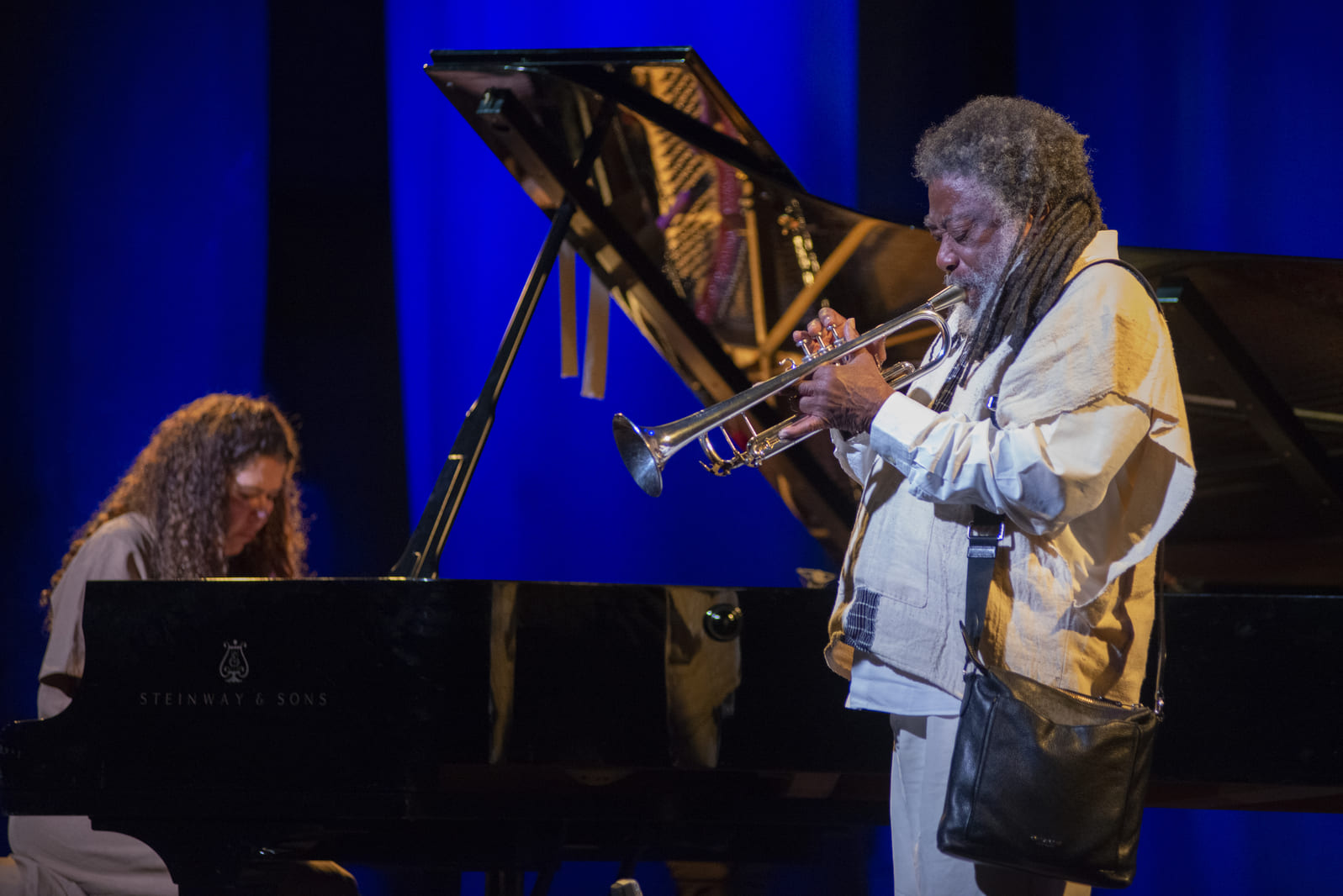
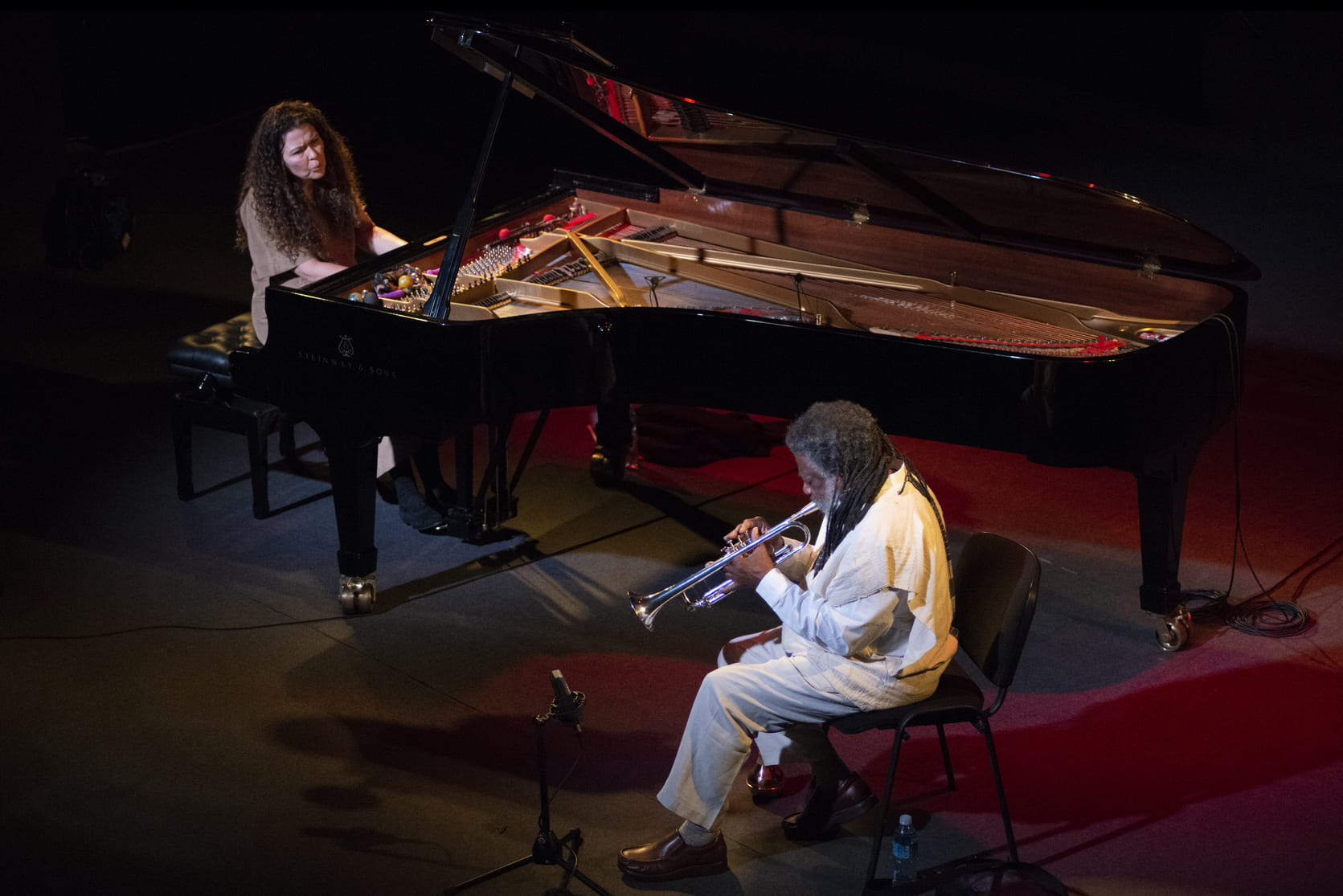
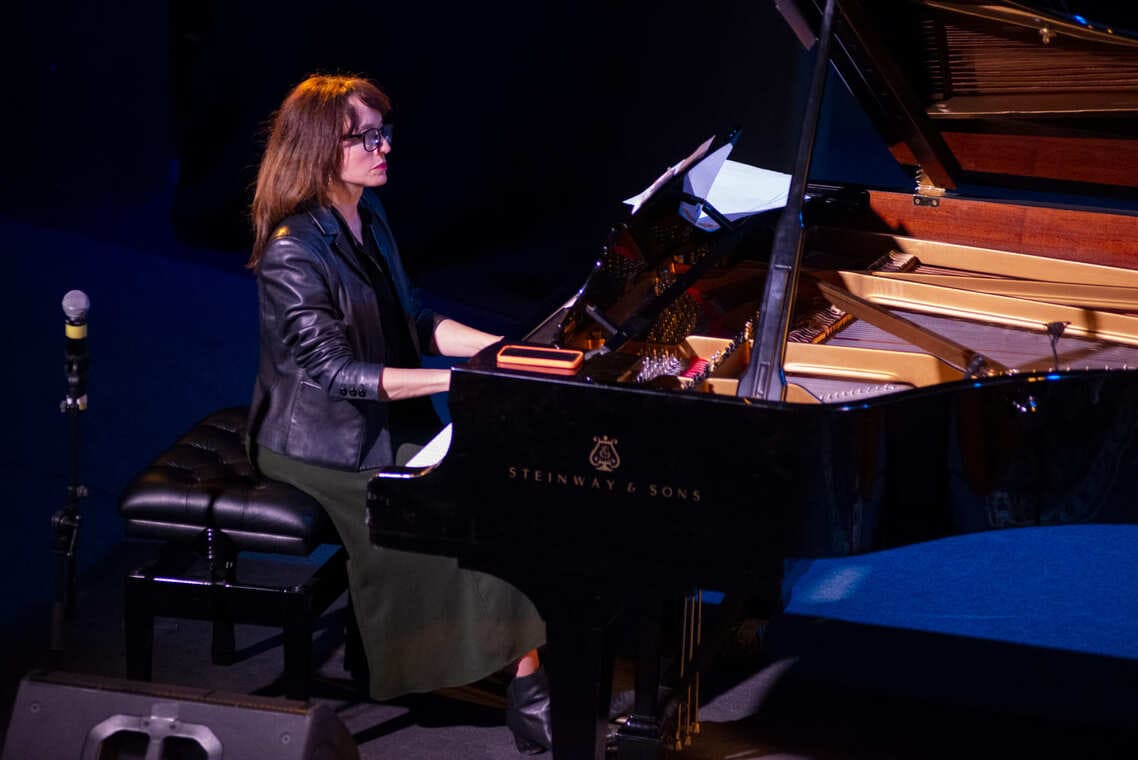
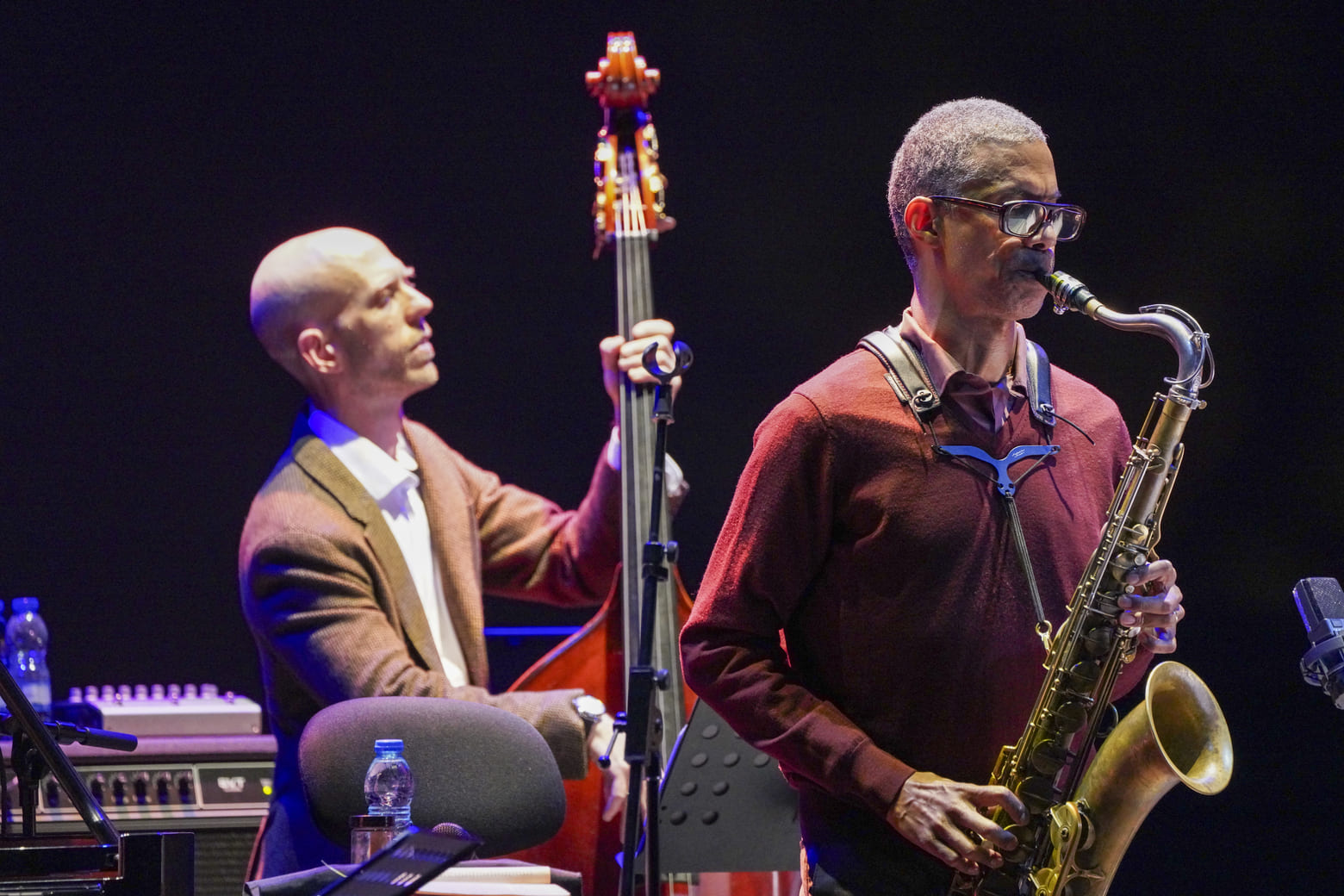
In the international program, American artists stood out, as their presence at the festival always represents a genuine cultural event: the legendary Wadada Leo Smith, a doyen of the global avant-garde scene, and the brilliant pianist Sylvie Courvoisier delivered a deeply spiritual concert, whose power and meditative quality reminded us why jazz remains an art of freedom and expression. James Brandon Lewis, one of the most acclaimed saxophonists of the new generation, presented contemporary jazz in its most exciting form, powerful, sincere, inspired by classical roots, yet entirely original and modern.

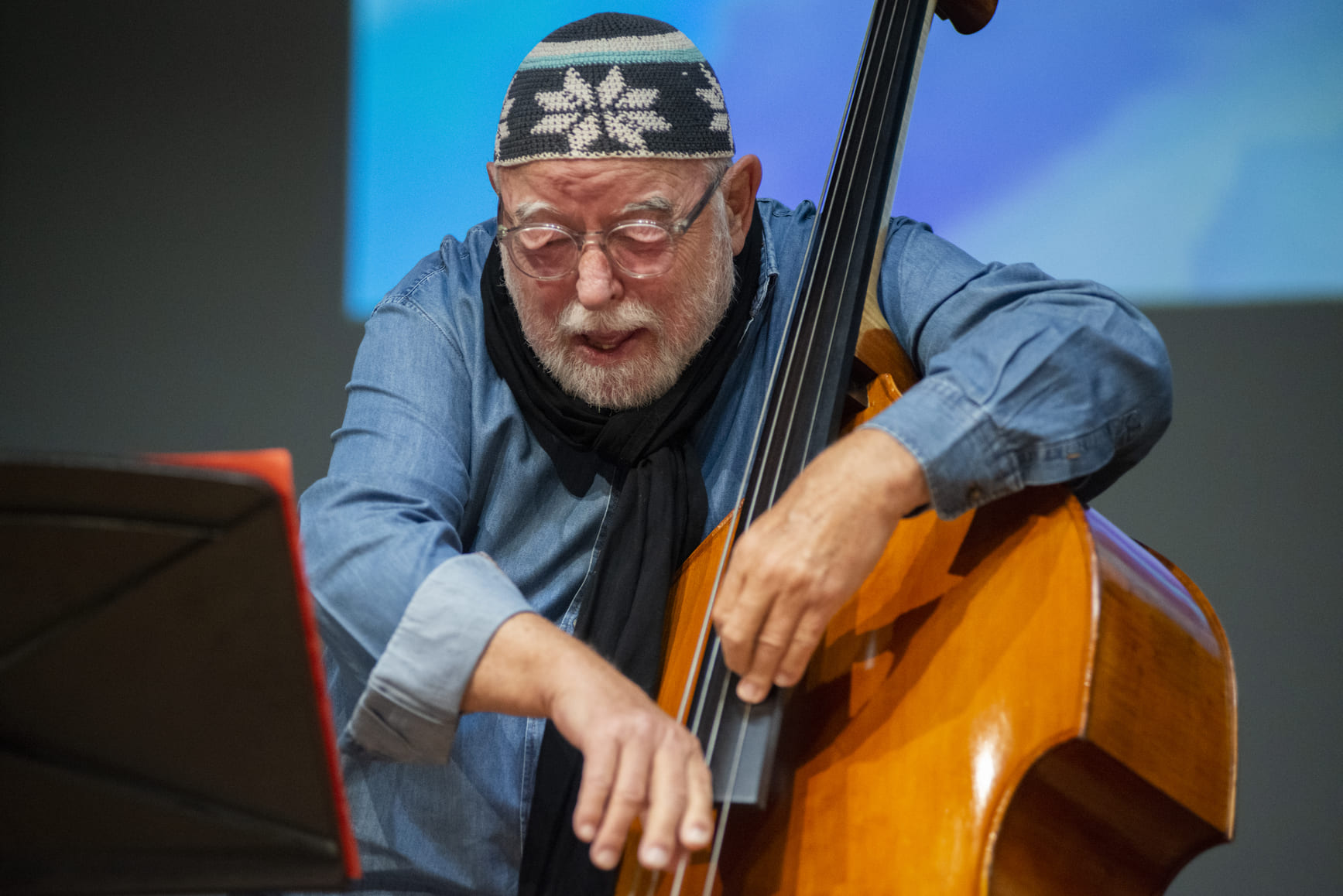
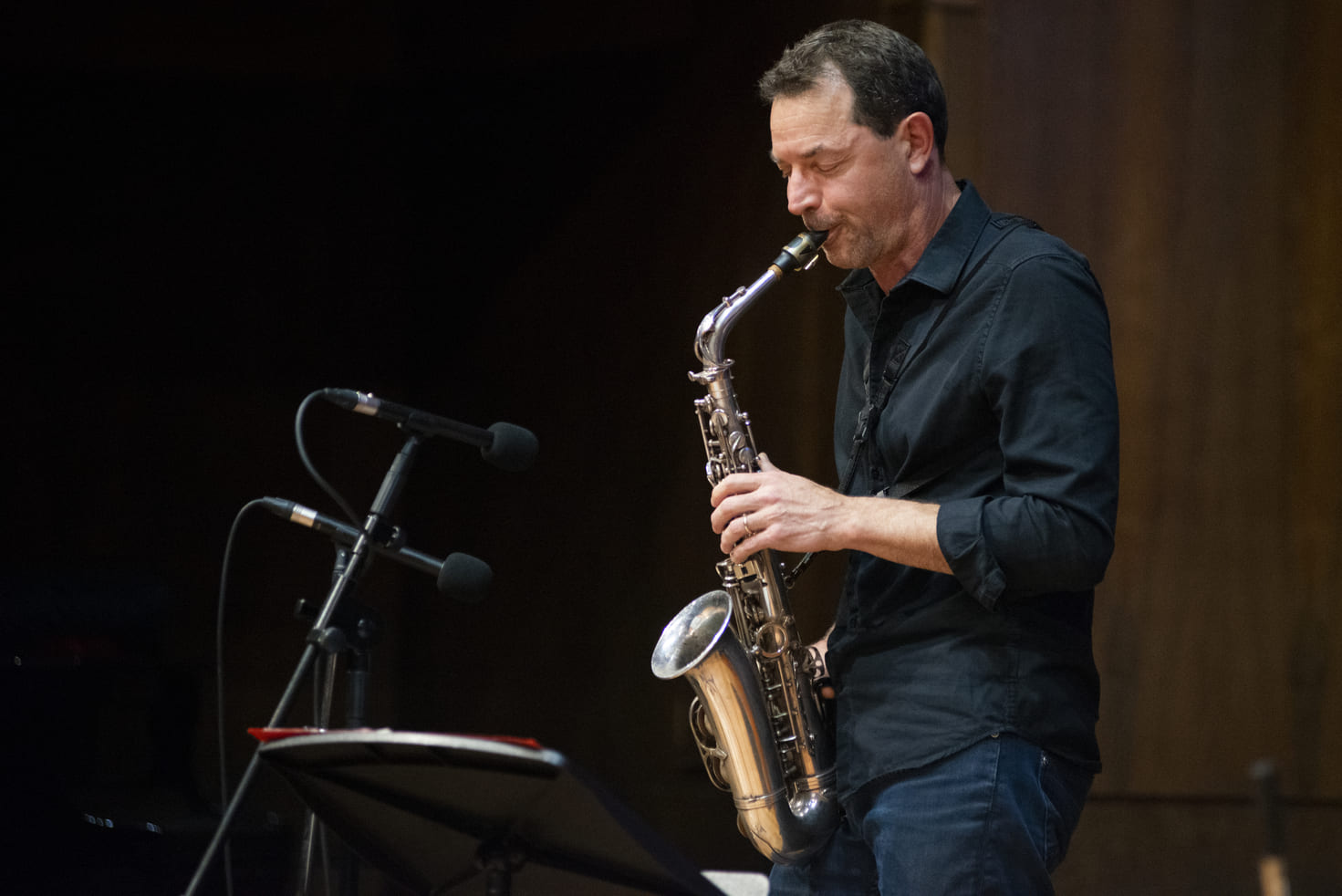
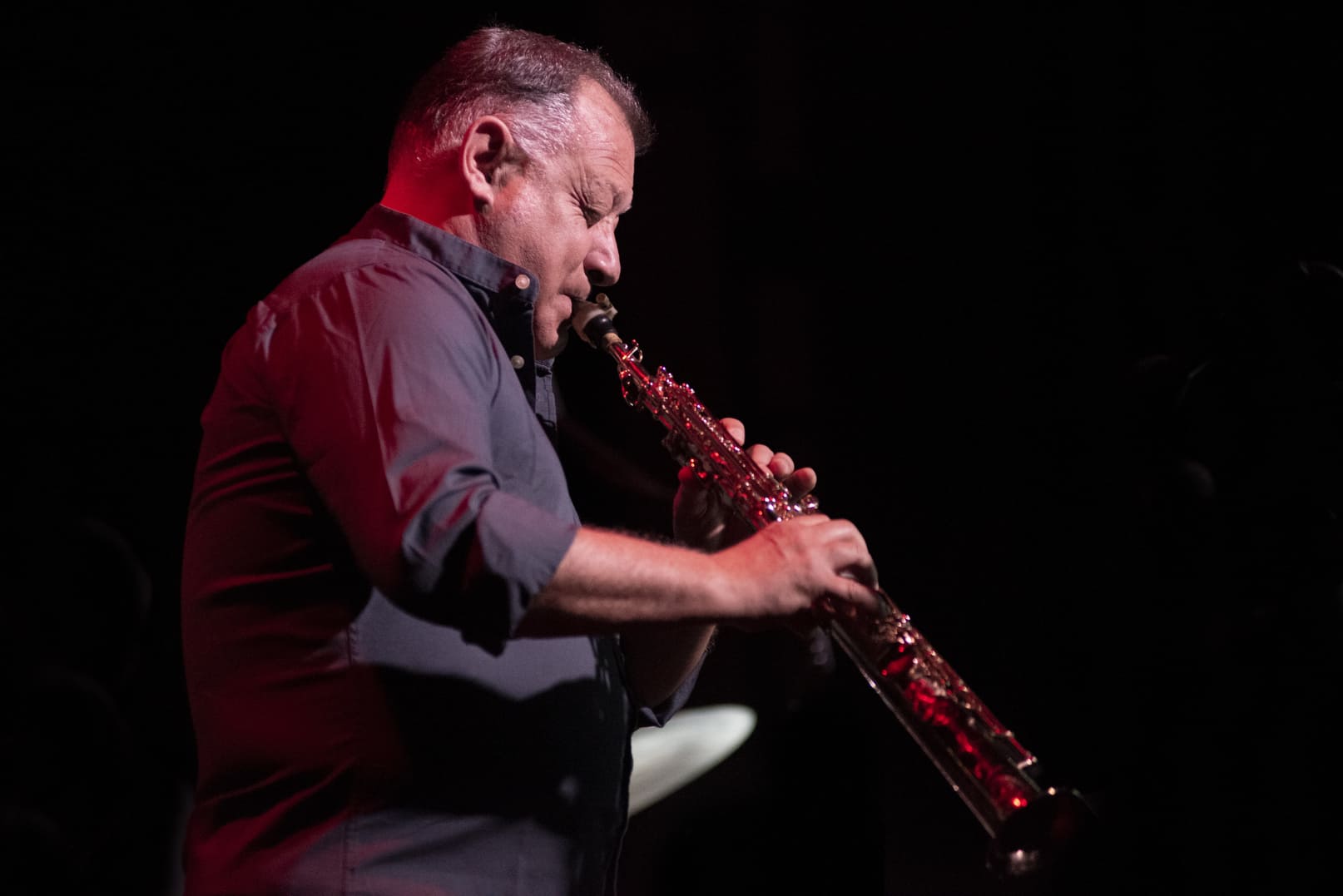
European artists, from the celebrated French bassist Henri Texier with his trio and the emotive ensemble Eternal Love led by the renowned Italian saxophonist Roberto Ottaviano, to the masterful duo of French maestros Louis Sclavis and Benjamin Moussay, demonstrated the richness of old continent jazz tradition and the breadth of expression that defines Europe’s most important jazz stages. They were joined by new names, the Marta Sánchez Trio from Spain, the Ricardo Toscano Trio from Portugal, the Israeli band Shalosh, and British pianist Alexander Hawkins, whose energy, improvisational courage, and authenticity show how vibrant and diverse European jazz is today.

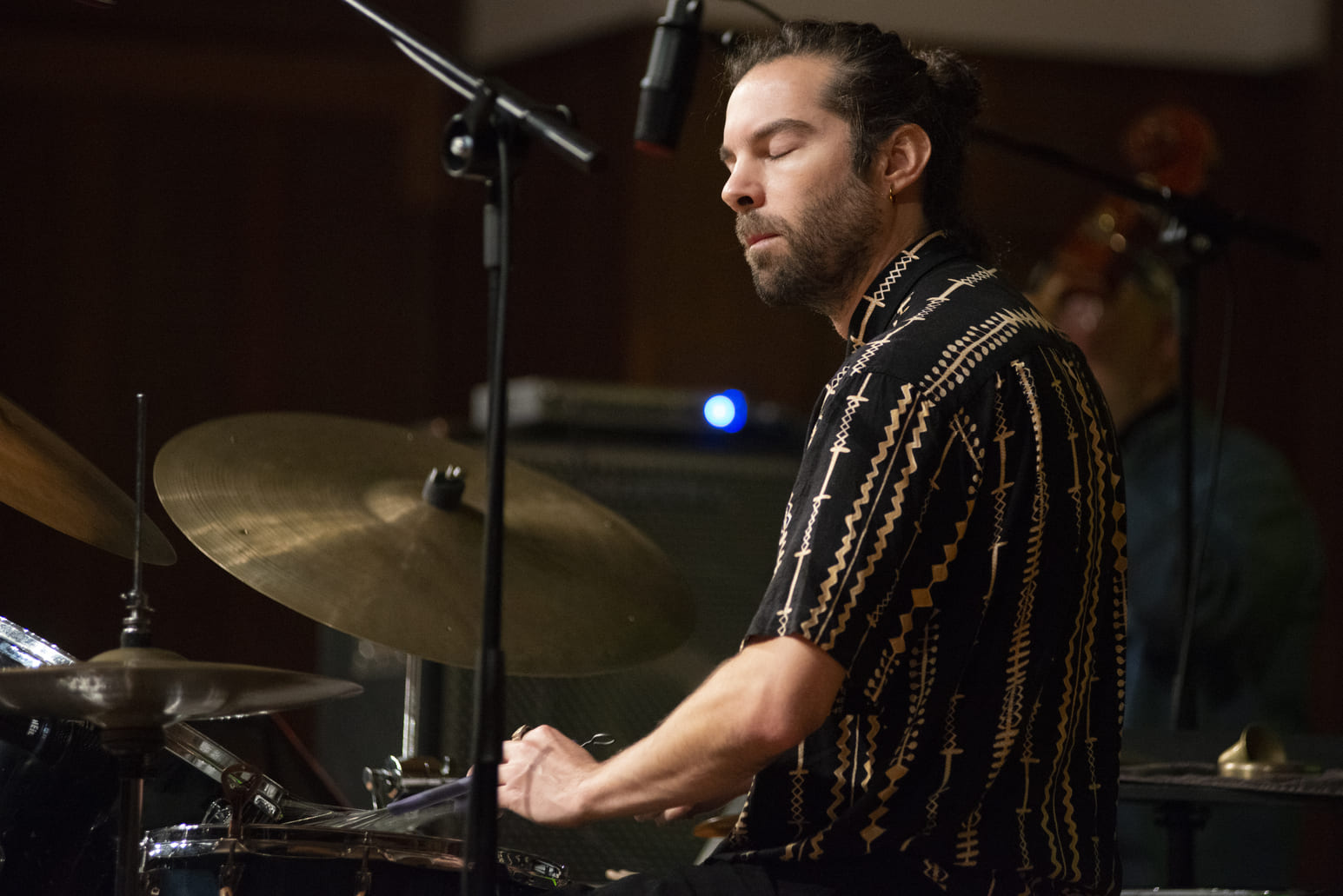
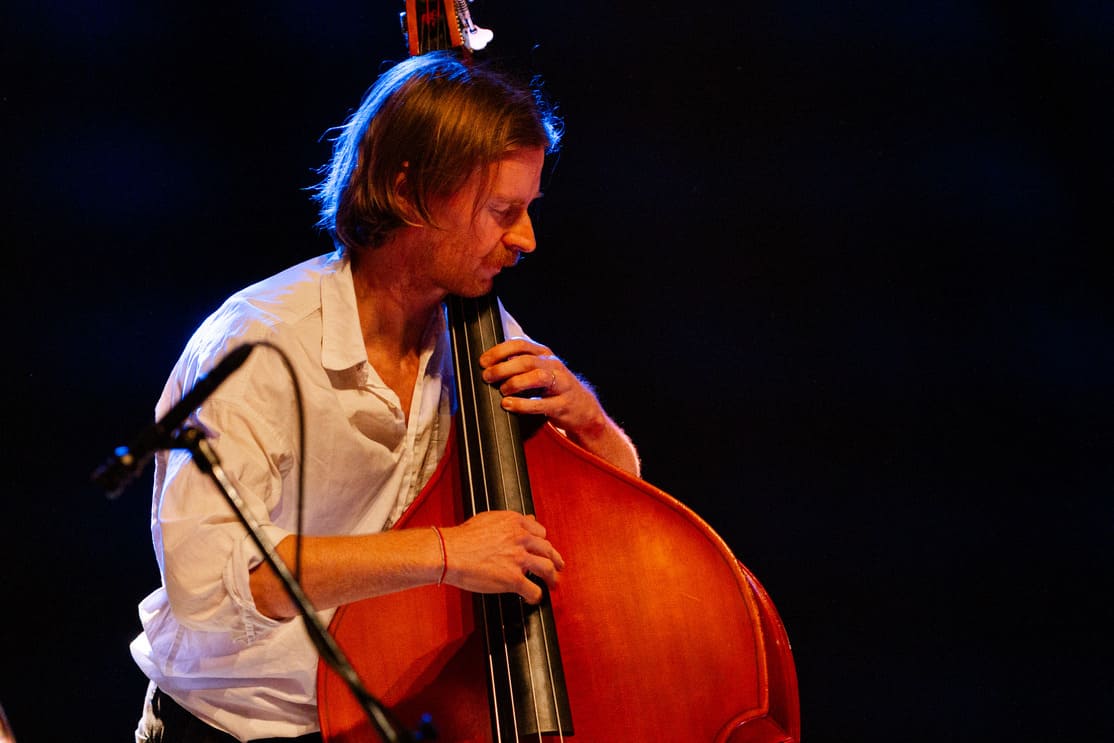
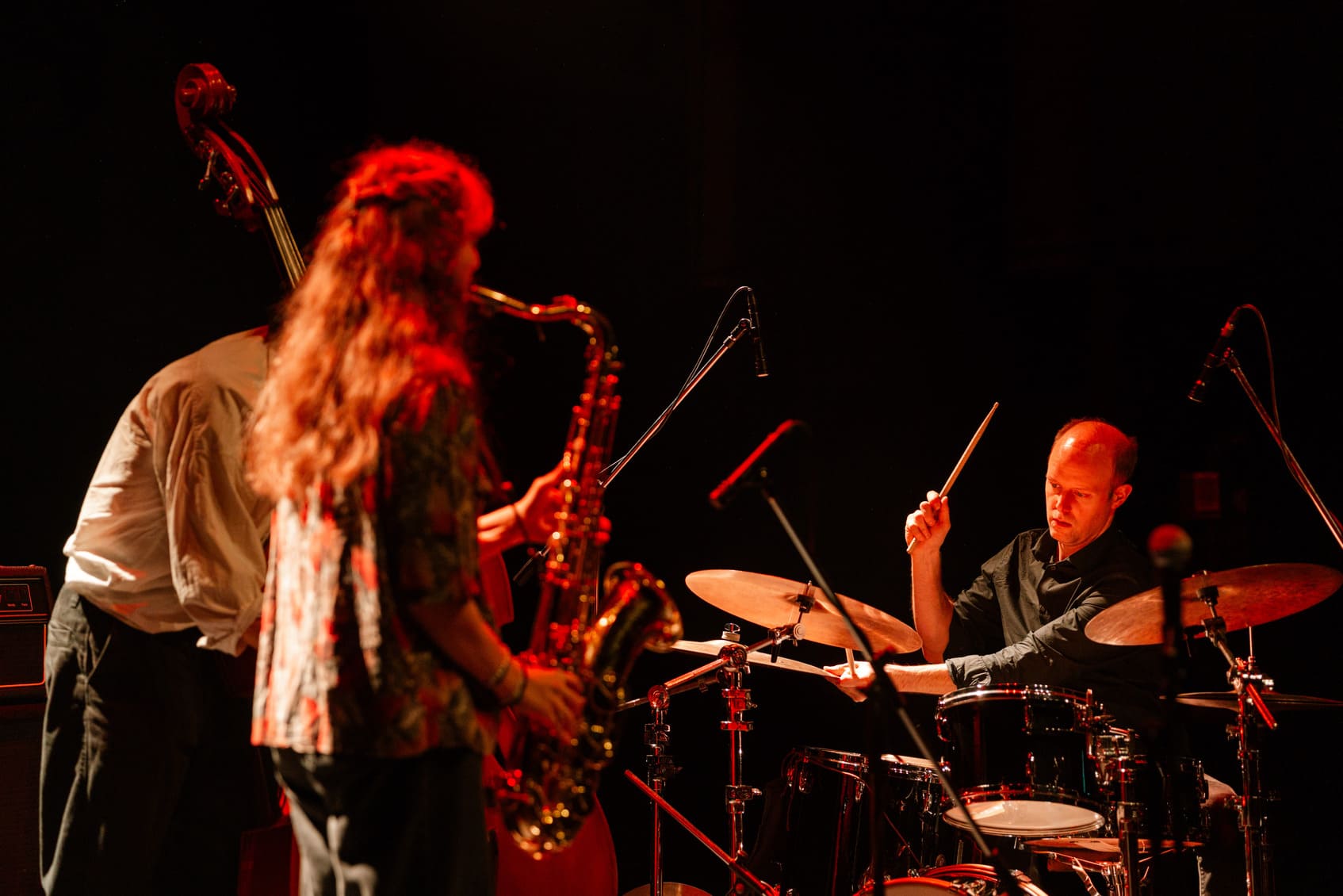
The Serbian scene, as every year, showcased vitality and creative strength through performances by Bosque Sound Community, led by Miloš Bosnić, and the Rastko Obradović Quartet (with special guest Jasper Høiby from Denmark).

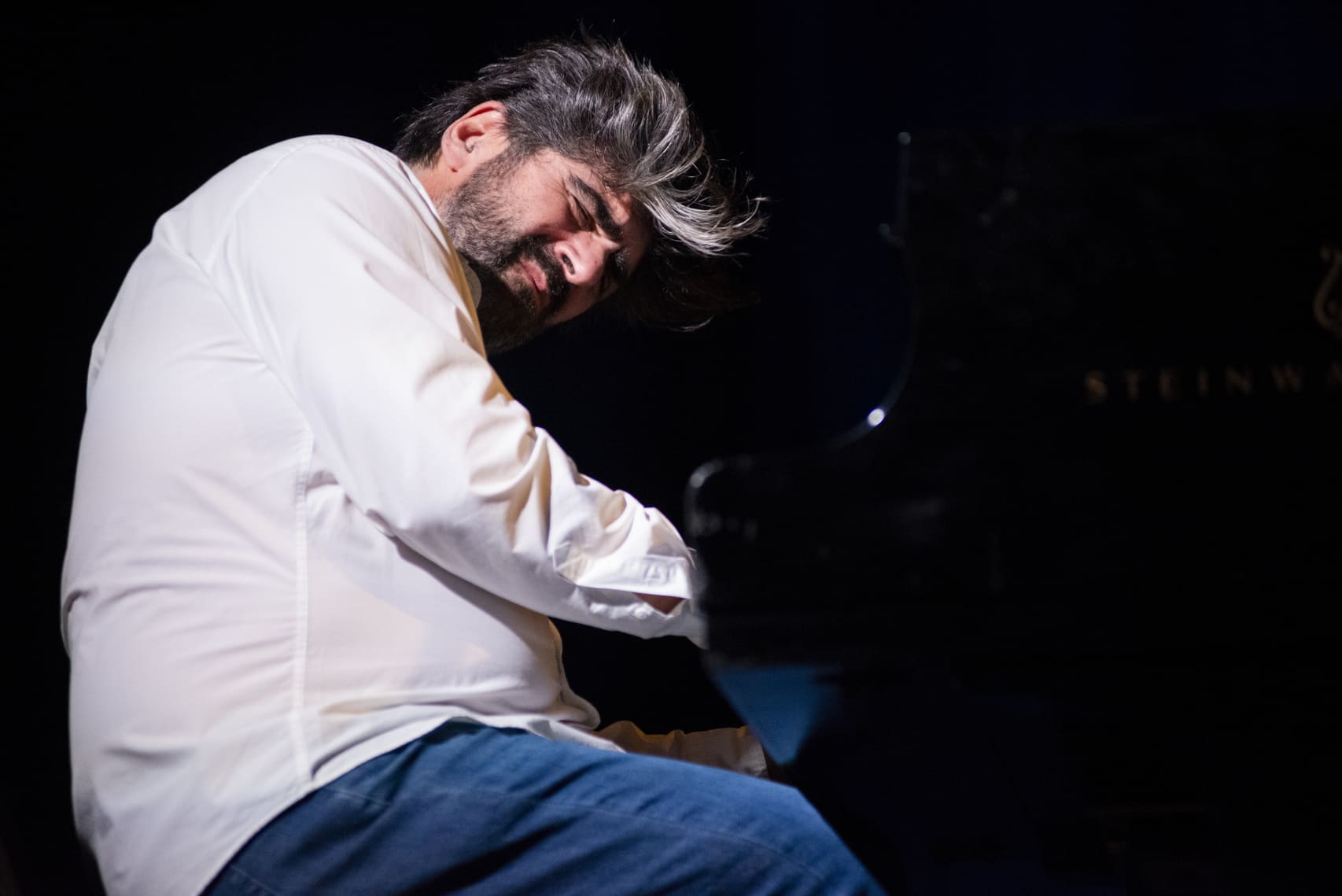
The festival concluded in the best possible way, spontaneously and energetically, with an exciting jam session led by pianist Vlada Maričić, featuring both domestic and international musicians, including James Brandon Lewis and Ricardo Toscano with their bands, further delighting the audience.

The Belgrade Jazz Festival once again recorded exceptional attendance, full concert halls, and an atmosphere of community. Particularly encouraging was the diversity of the audience, seasoned jazz lovers sharing the space with young people discovering this music for the first time, confirming that the festival successfully builds bridges between generations and that jazz has a future in Belgrade.

Over more than four decades, the Belgrade Jazz Festival has grown into a cultural symbol of Belgrade, an event that upholds artistic integrity, promotes domestic creators, and connects the city with global music centers. Thanks to its high artistic standards and appreciation of authentic achievements, the festival has become an event that not only brings together top-tier artists but also inspires audiences, develops the local scene, and preserves jazz as a living, contemporary language. This year’s 41st edition once again demonstrated that Belgrade not only follows global trends but creates them, on its own authentic road of jazz.
34º Guimarães Jazz Festival 2025

34º Guimarães Jazz Festival 2025

34º GUIMARÃES JAZZ FESTIVAL 2025 

29

Noviembre, 2025

Asistimos a la 34ª edición del Festival de Jazz de Guimarães, cuna de Portugal. La ciudad combina palacios, arquitectura histórica y calles empedradas que conservan su trazado medieval, en diálogo constante con edificios contemporáneos y espacios culturales en activo. El festival (del 6 al 15 de noviembre de 2025) dirigido artísticamente por Ivo Martins, tuvo lugar en el Centro Cultural Vila Flor (CCVF), que este año celebra su 20º aniversario, un complejo que reúne teatro, música y artes visuales, y que funciona como uno de los motores culturales de la ciudad. El museo de arte contemporáneo y la intensa programación artística refuerzan a Guimarães como un territorio vivo, con una identidad que se renueva sin perder sus raíces. Ivo Martins ha dado forma a una programación que privilegia discursos sólidos, proyectos con identidad propia y propuestas que expanden el lenguaje del jazz contemporáneo, apuesta por obras que no buscan el impacto inmediato, sino una lectura profunda del presente musical.


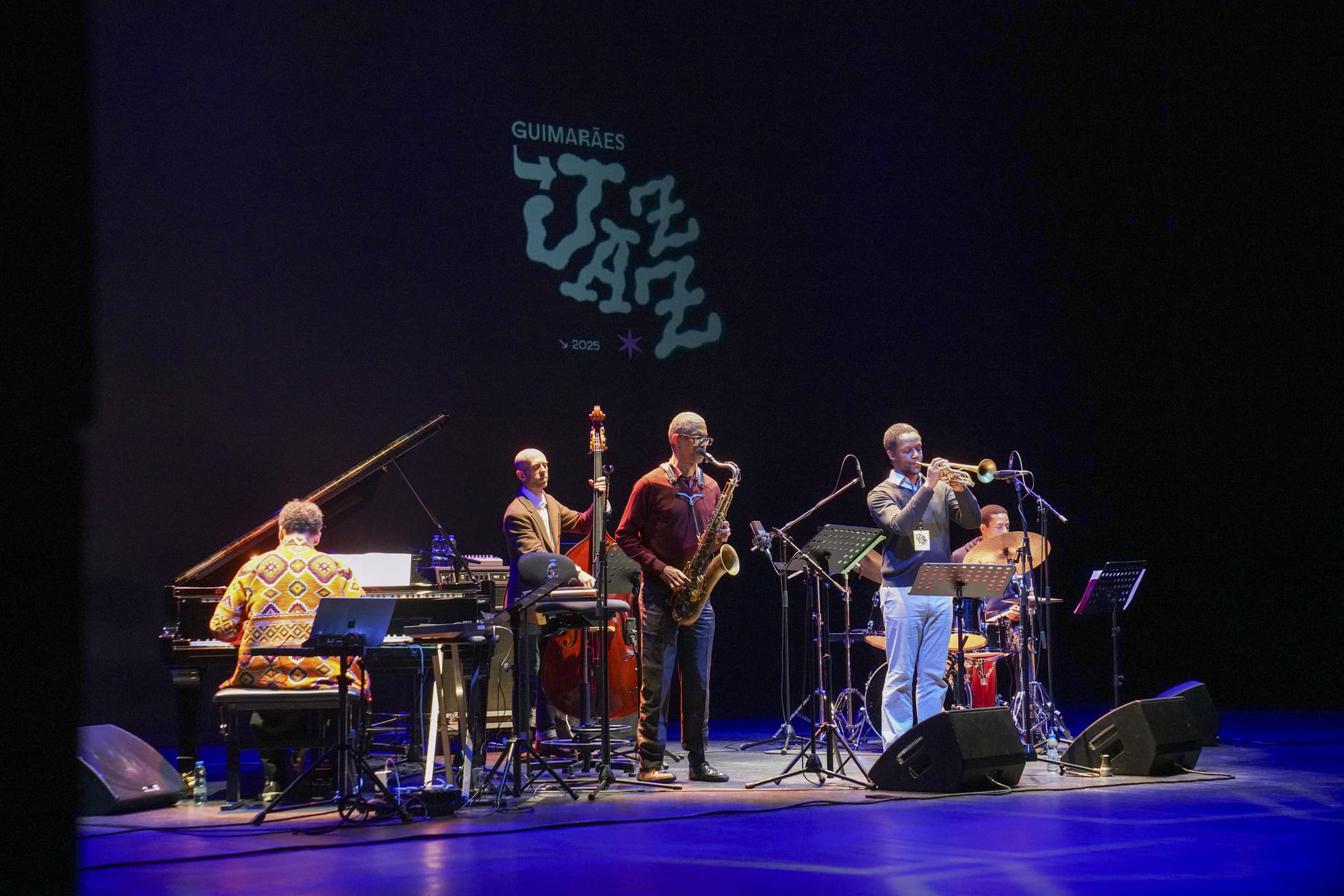
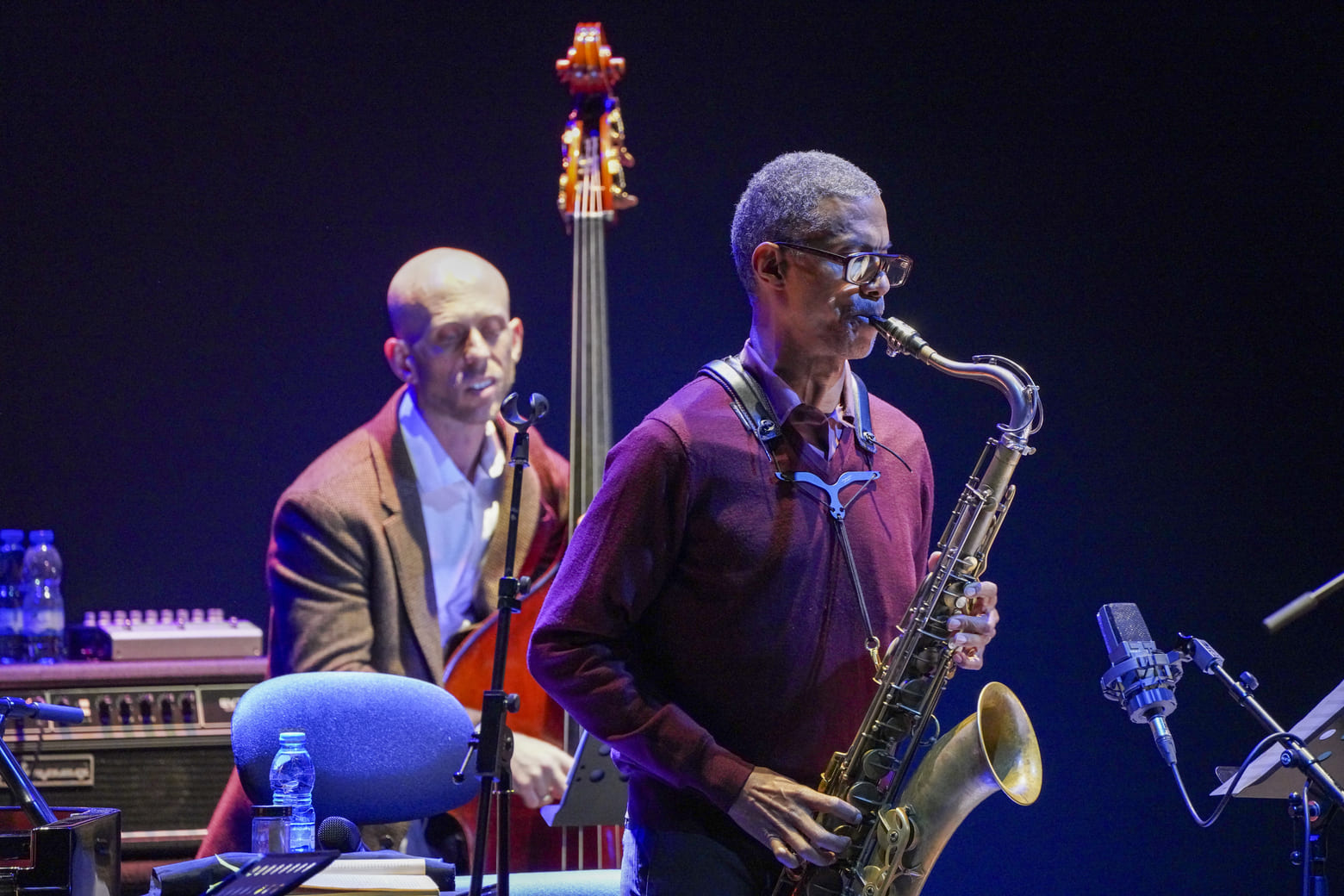
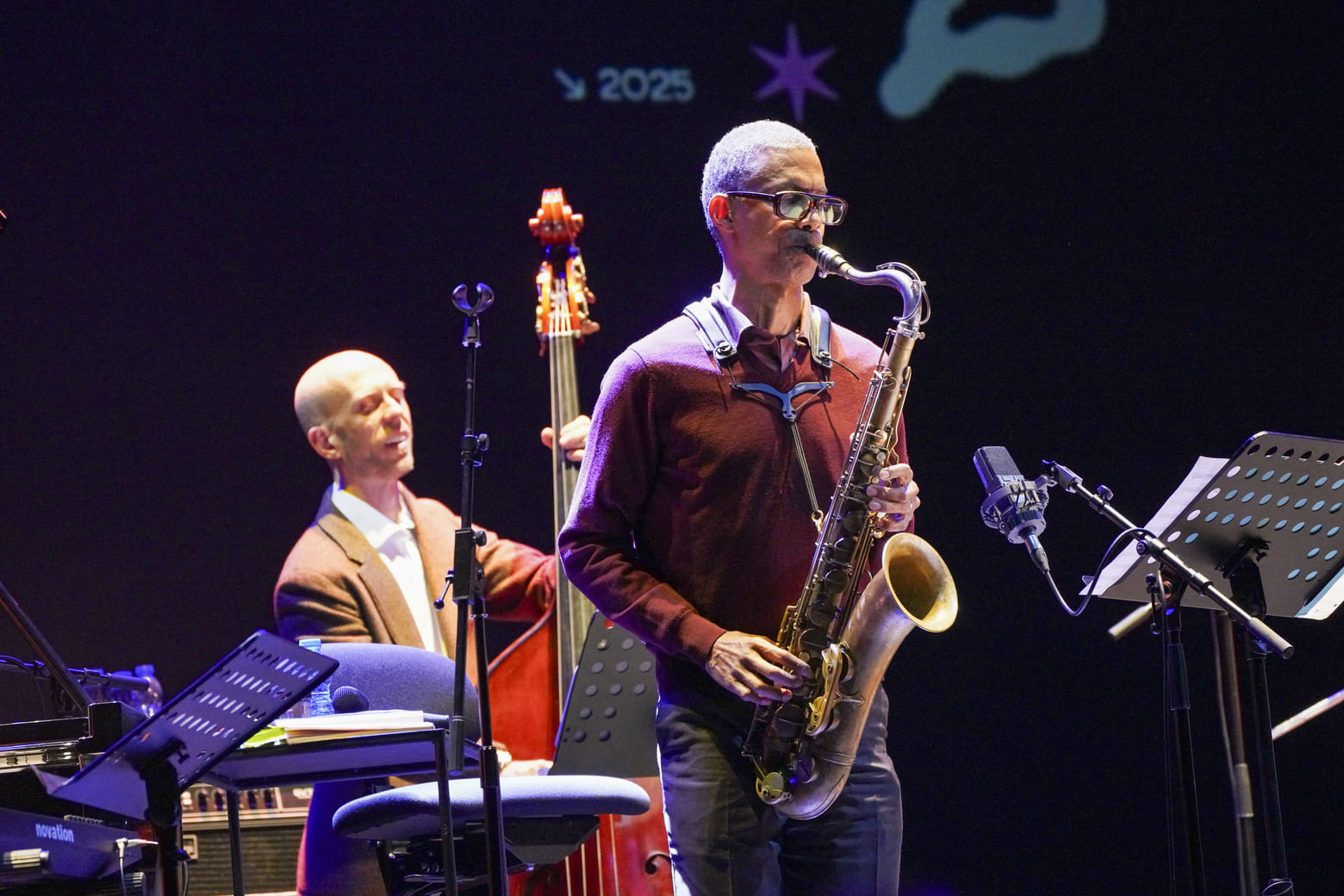
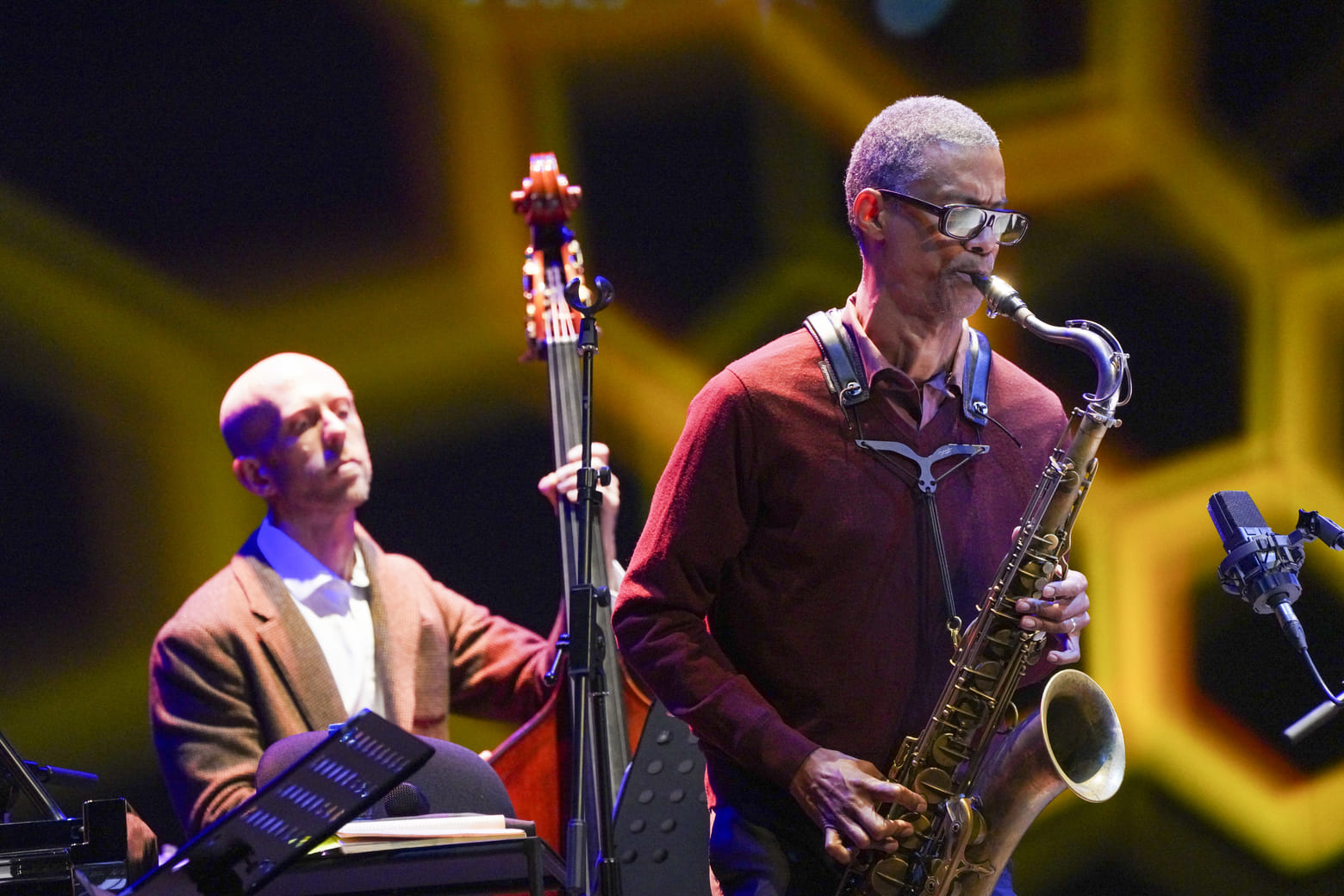
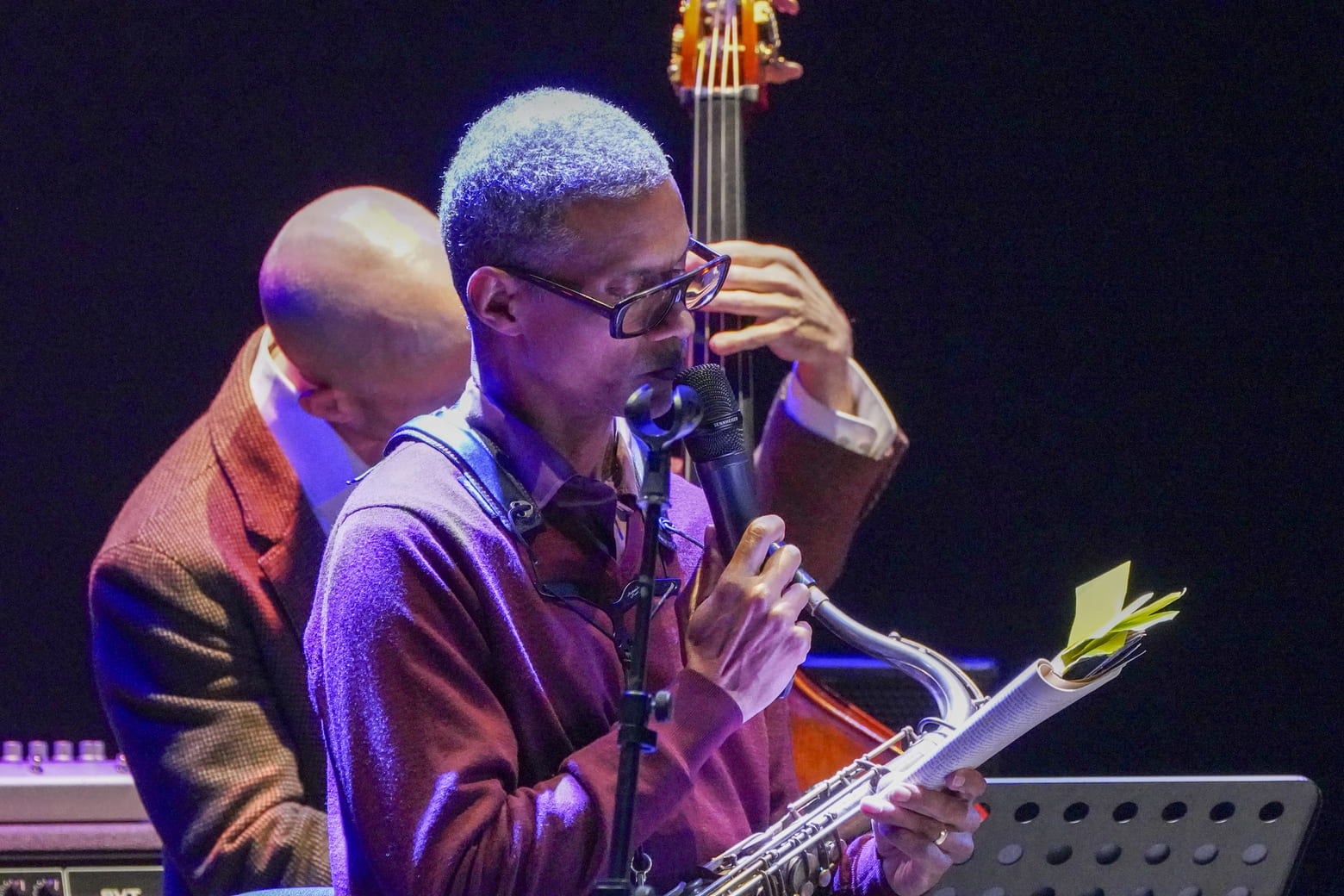
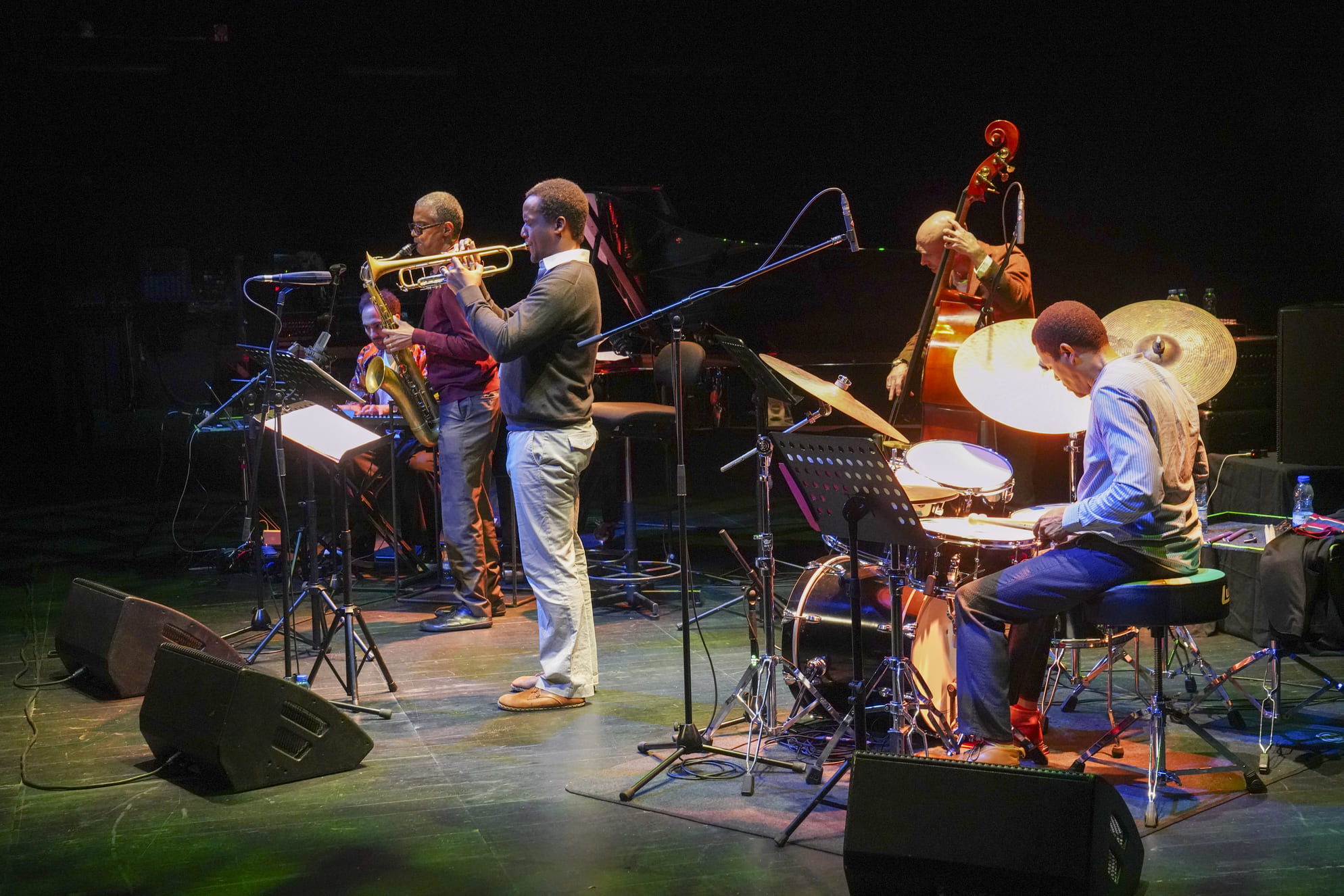
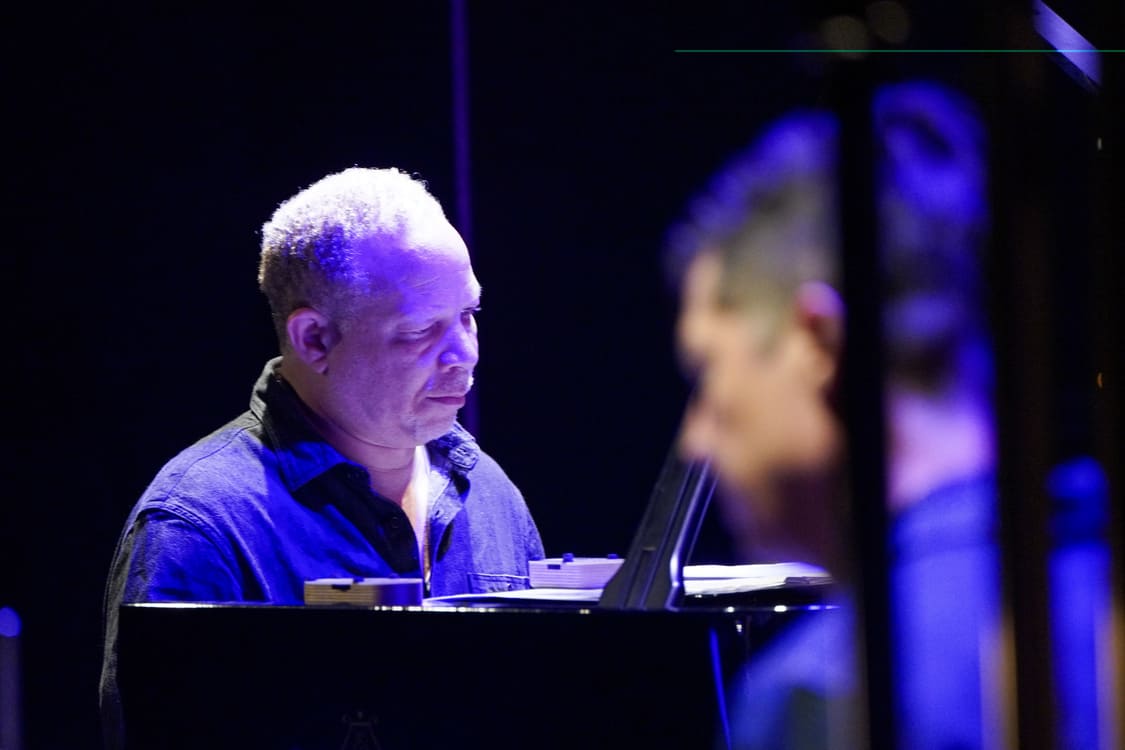
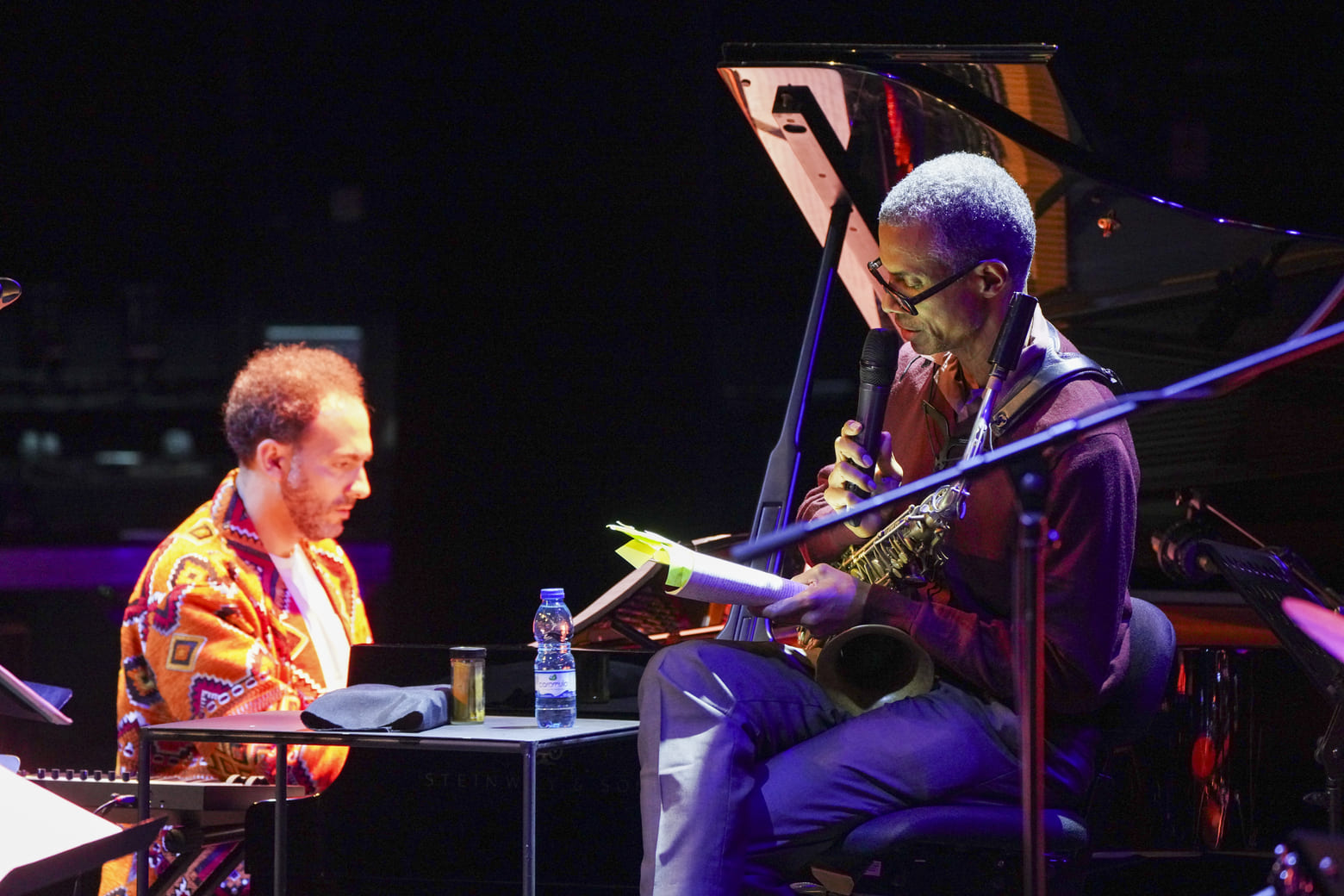
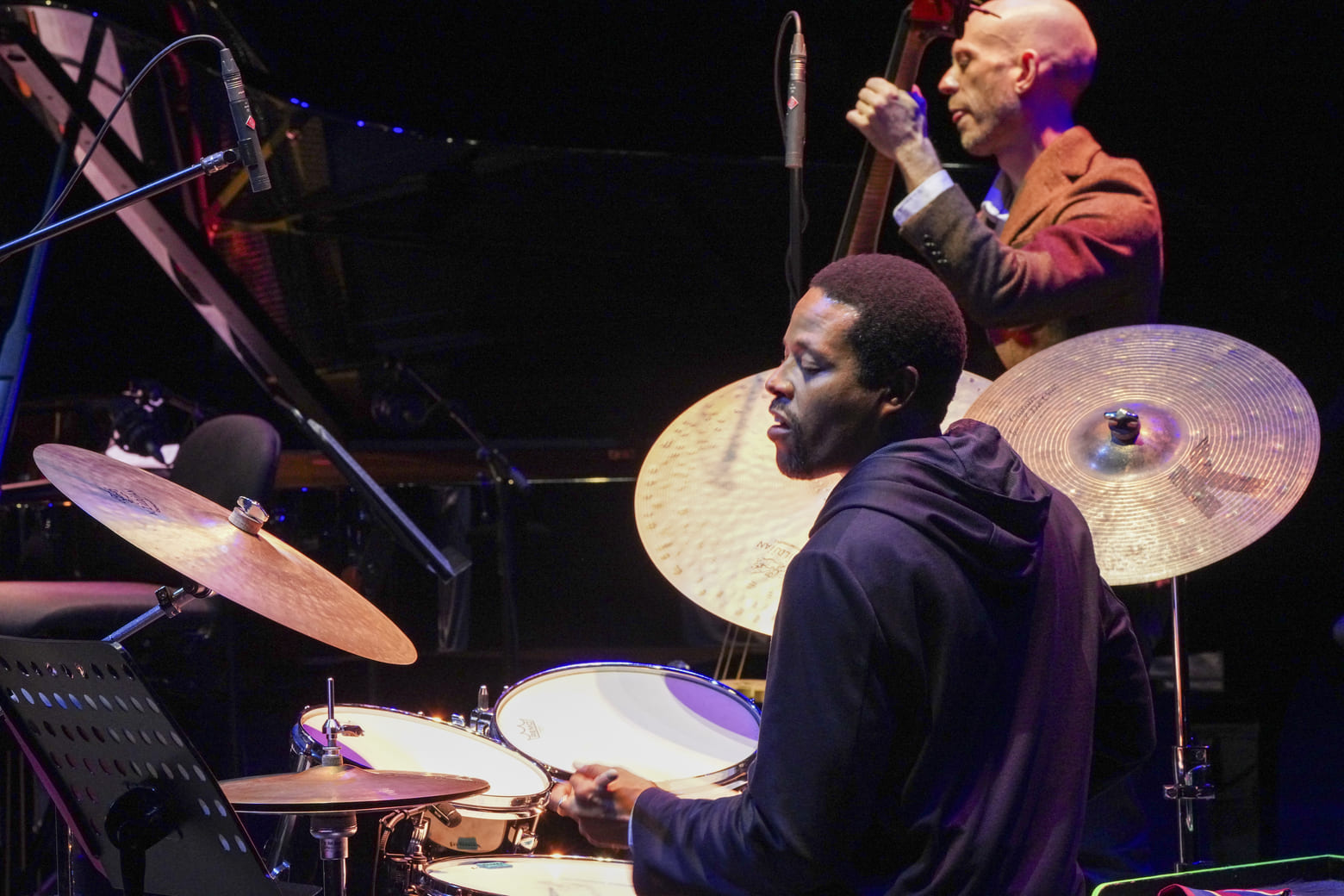
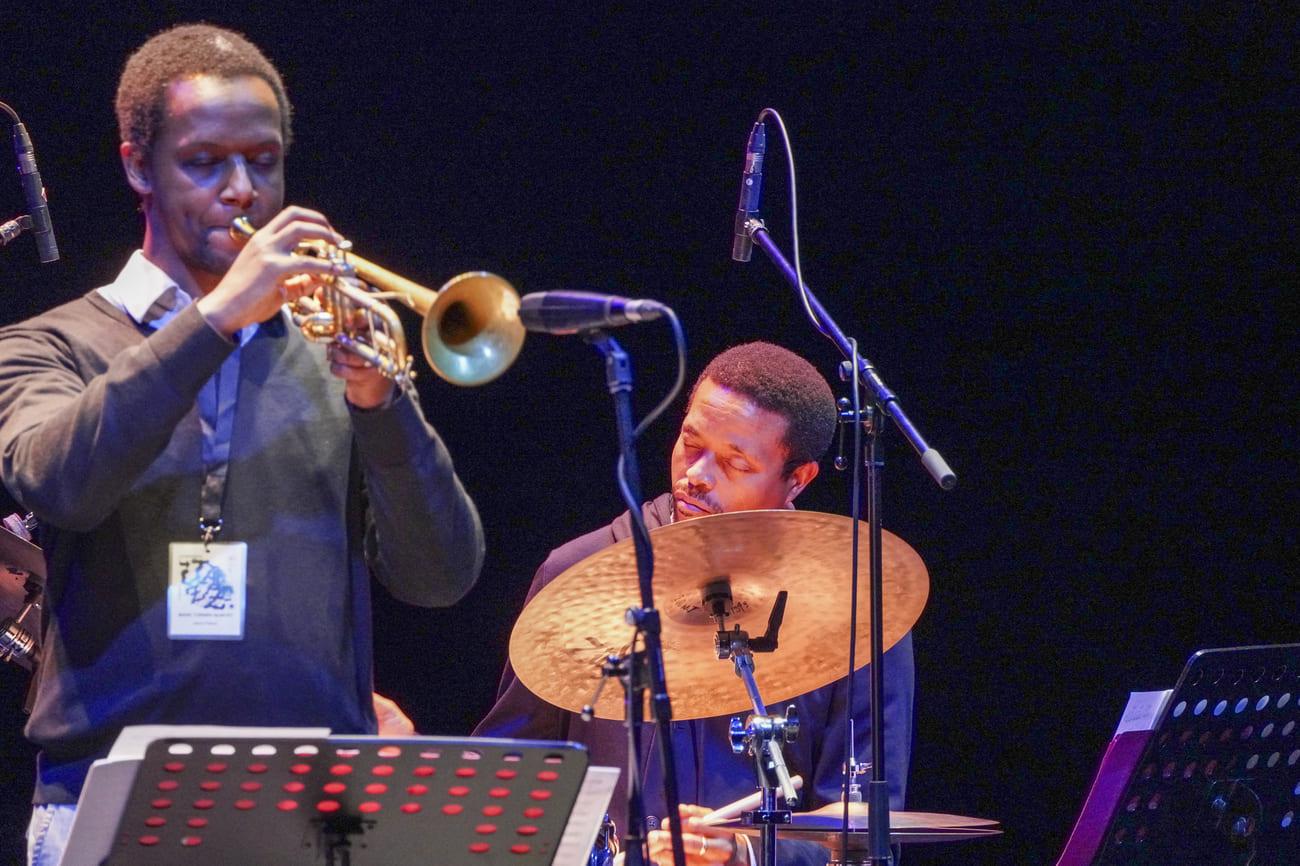
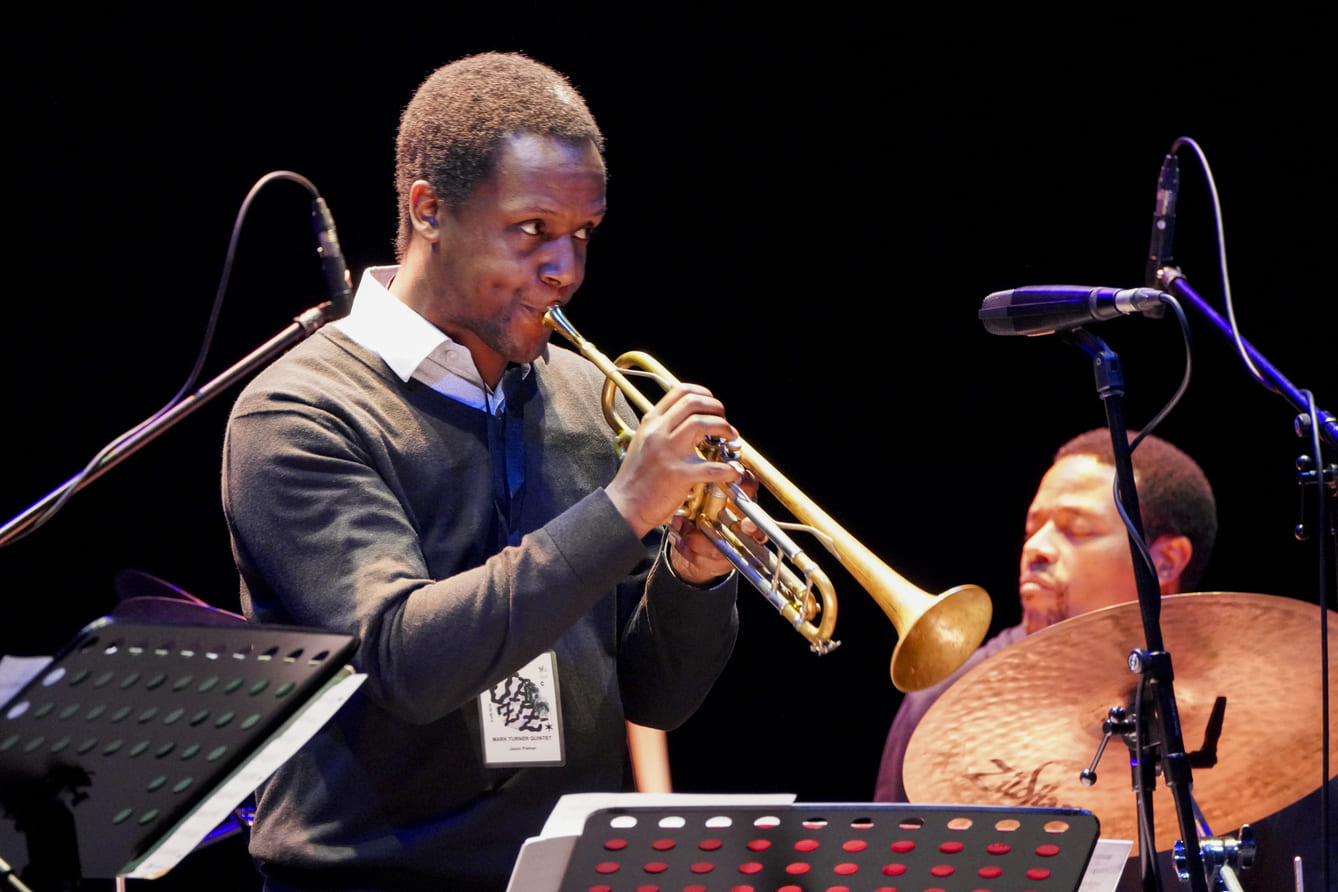
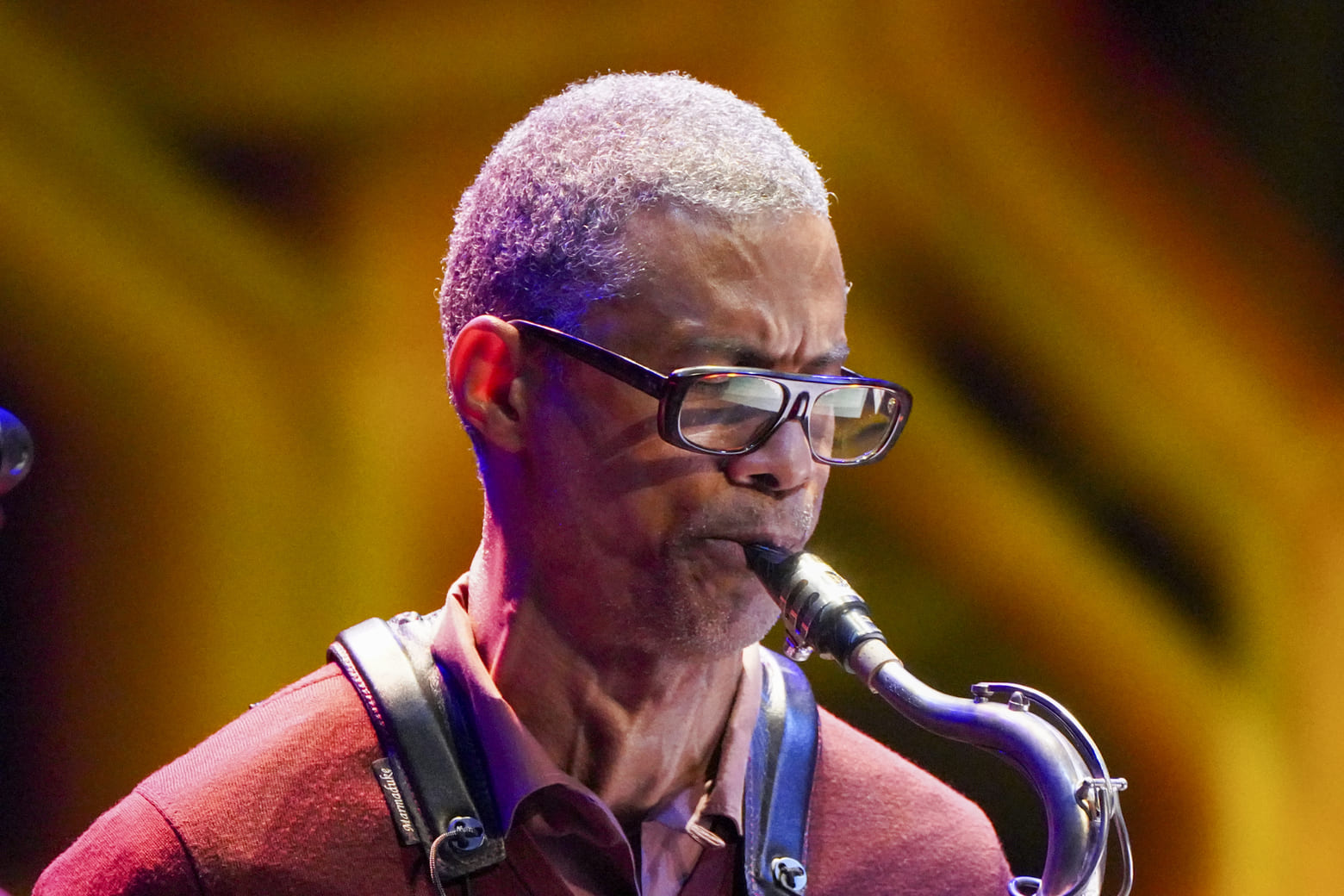
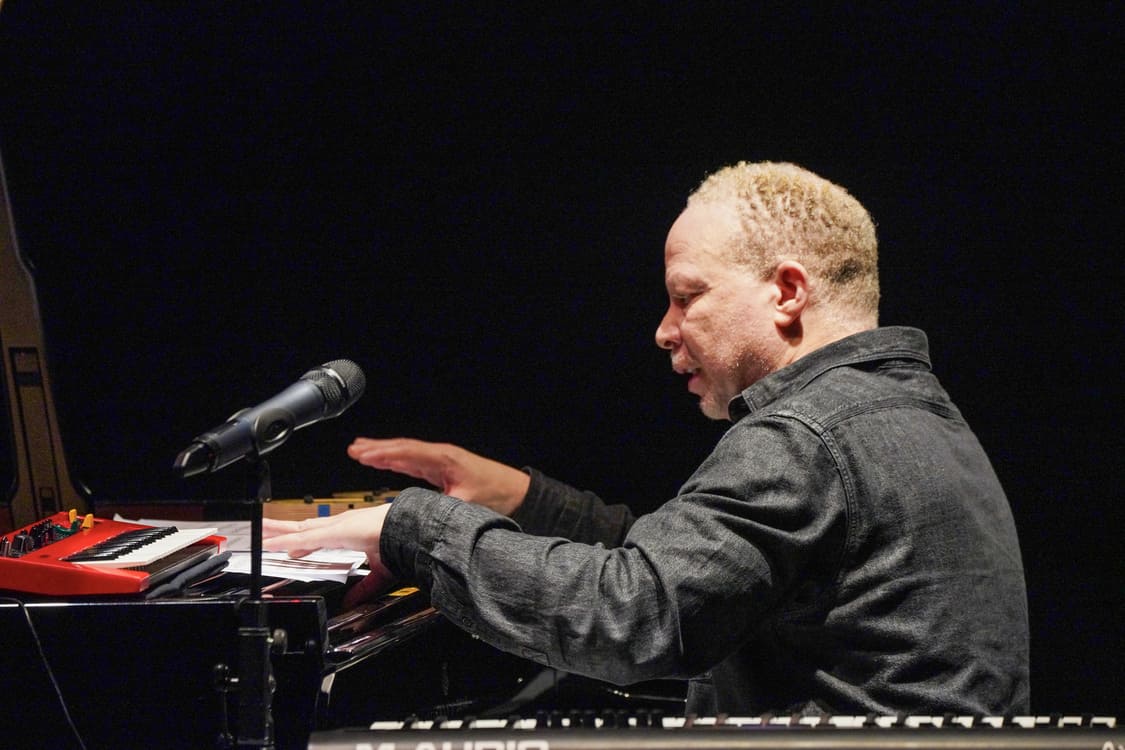
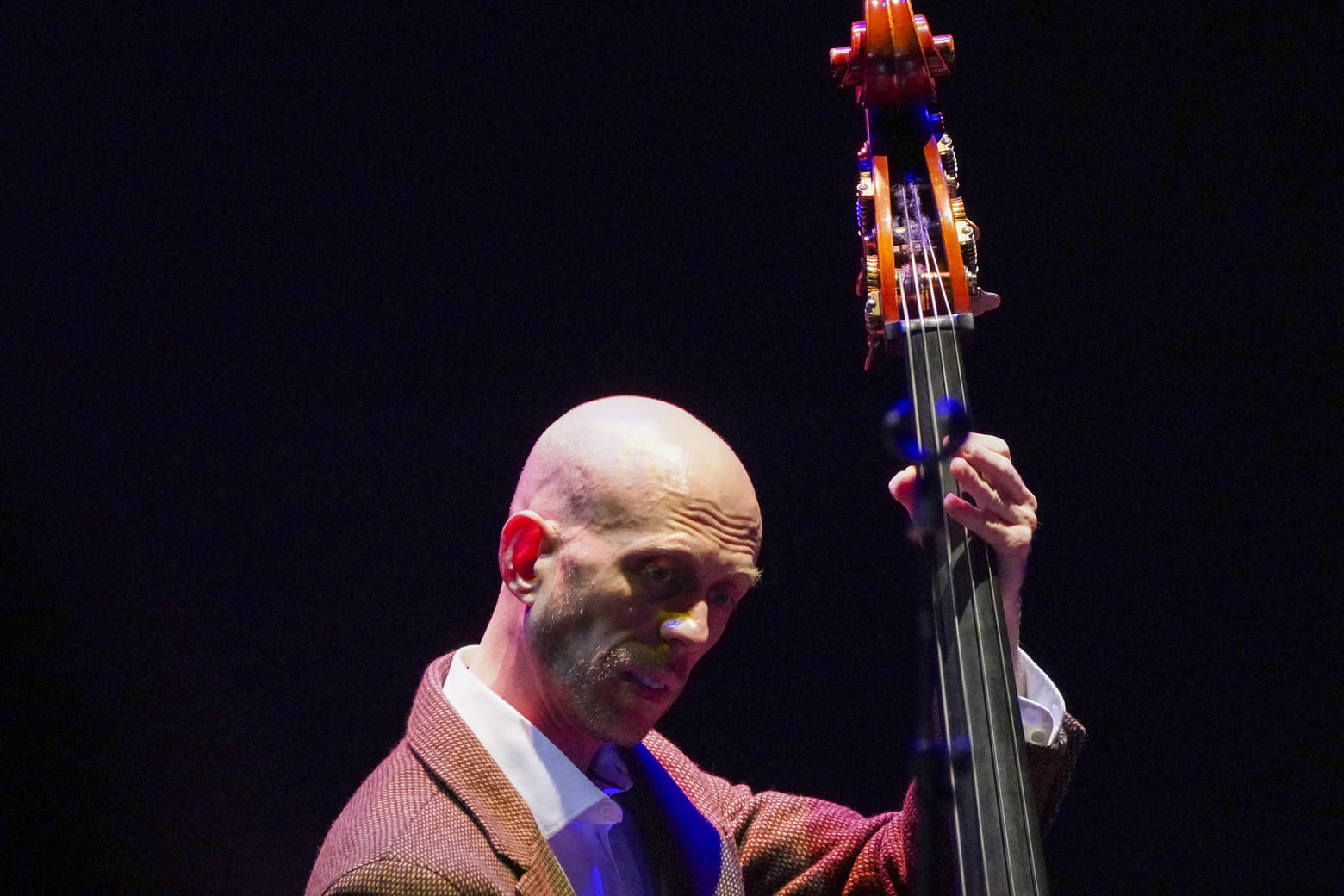
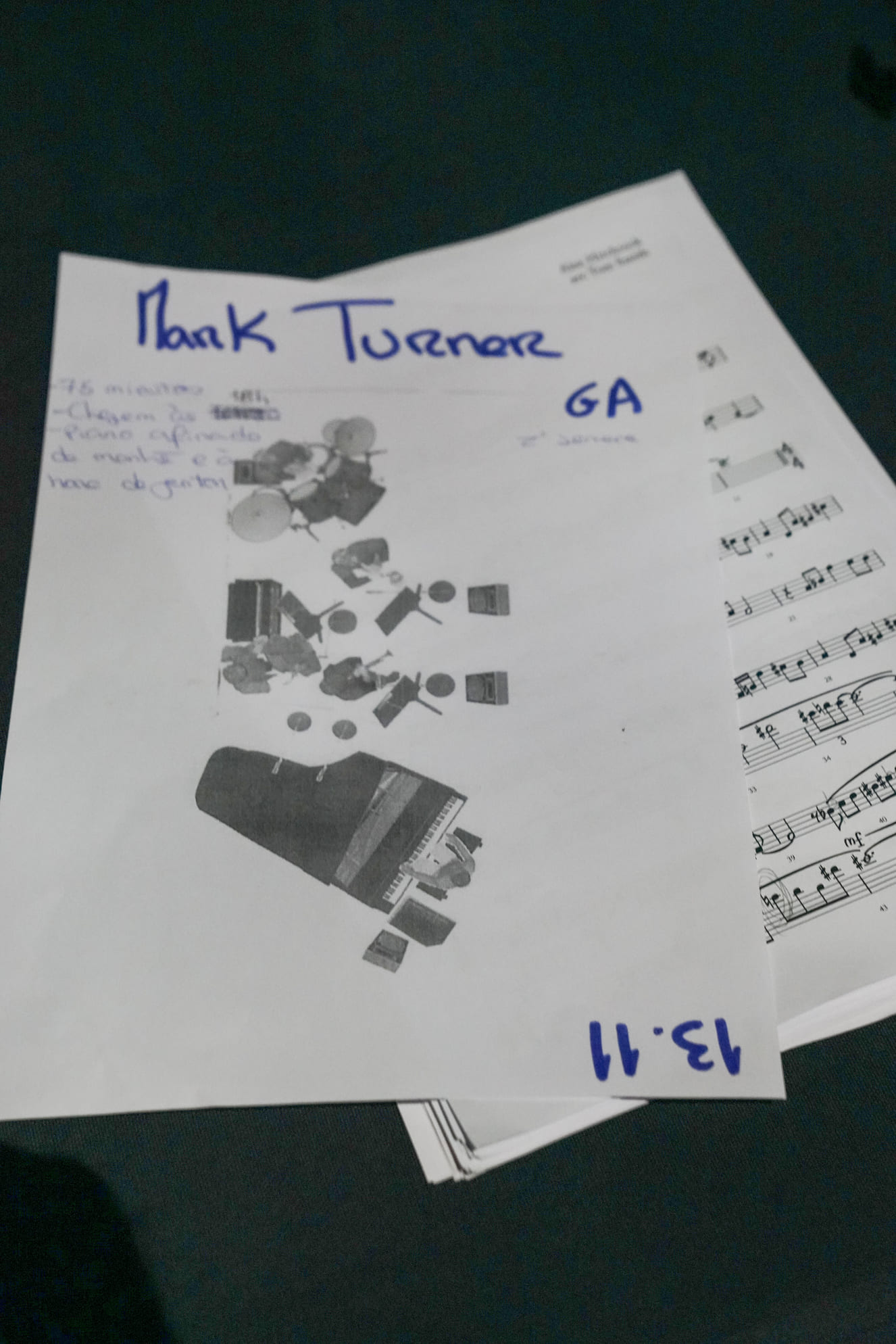
Arrancamos el festival el 13 de noviembre con Mark Turner Quintet que presentó, en el Centro Cultura Vila Flor (CCVF), Reflections on: The Autobiography of an Ex-Colored Man, un proyecto de composiciones propias donde la narración y la música avanzan en planos paralelos. Turner leyó fragmentos de la novela de James Weldon Johnson mientras el quinteto, compuesto por luminarias como Jason Palmer, David Virelles, Matt Brewer y Nasheet Waits, articuló una suite de diez movimientos que funcionó como una exploración sonora de los temas del libro. La palabra narrada no fue solo un complemento, sino la estructura sobre la que la música se despliega con intención narrativa. El concierto avanzó como una historia compartida, donde identidad, memoria y música formaron un mismo cuerpo sonoro. En lo técnico, la propuesta se sostiene en una escritura rigurosa con una interacción controlada. Mark Turner trabaja líneas extensas, de una claridad casi arquitectónica, que se apoyan en la armonía abierta del piano de raíces afrocubanas de David Virelles. Sus repeticiones rítmicas funcionan como pequeños mantras que reorganizan el espacio del quinteto. Jason Palmer desarrolla sus intervenciones desde una lógica melódica limpia, sin exhibicionismo. Matt Brewer al contrabajo sostiene el peso del diseño armónico con una estabilidad permanente, y Nasheet Waits a la batería maneja la tensión con un pulso que crece por capas, a veces desde la insinuación y otras desde el ataque directo. El resultado es un lenguaje contemporáneo, técnicamente complejo, expuesto con claridad. Es quizá el trabajo donde Turner integra con más coherencia su pensamiento musical y su lectura del legado afroamericano.

Set list: Mevement 1. Anonymous/ Movement 2. Juxtaposition/ Movement 3. Pulmonary Edema/ Movement 4. New YorK/ Movement 5. Europe/ Movement 6. The Texanic. The Soldier/ Movement 7. Mother, Sisteru Lover/ Movement 8. Pragmatism/ Movement 9. Identity Politics/ Movement 10. Closure

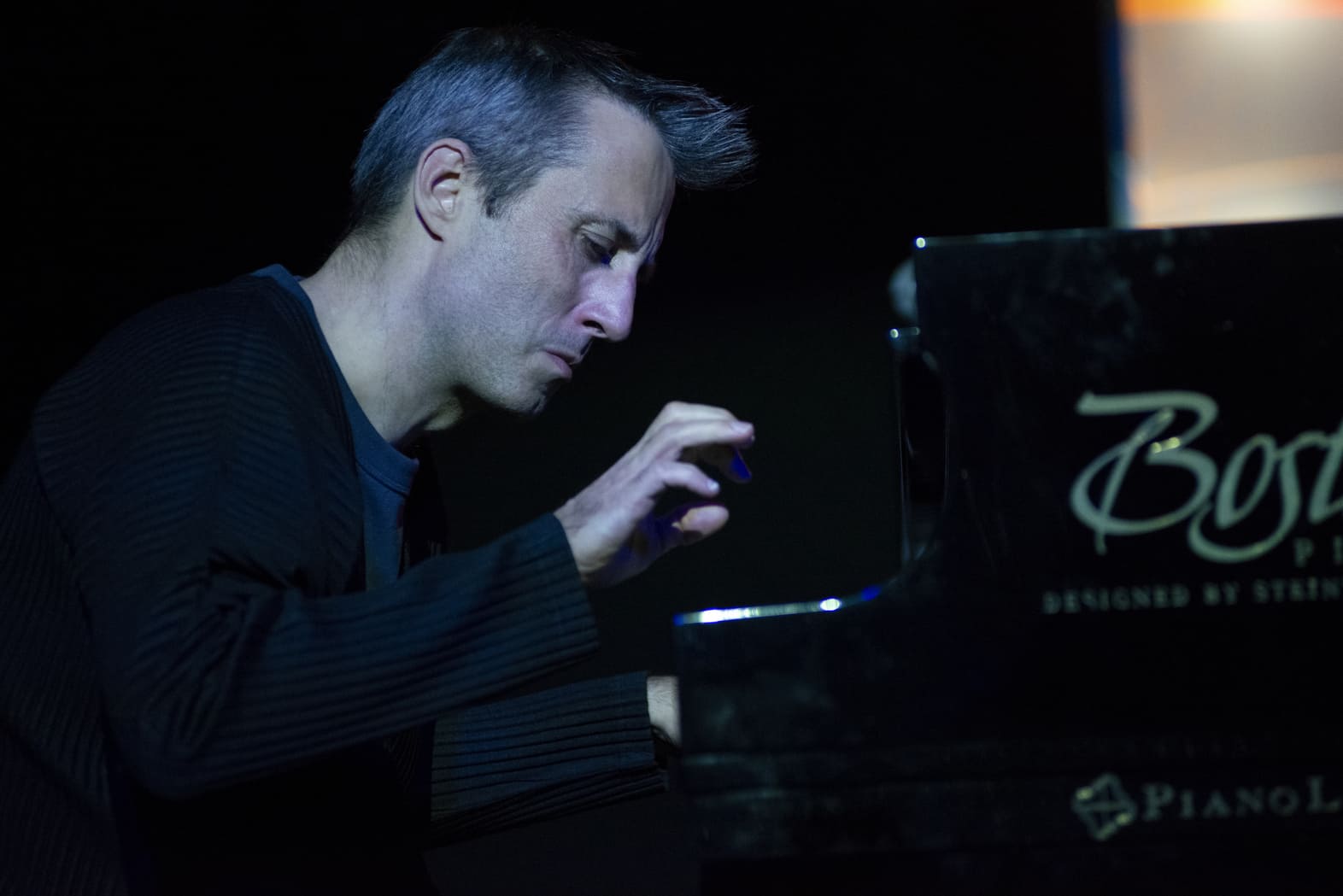
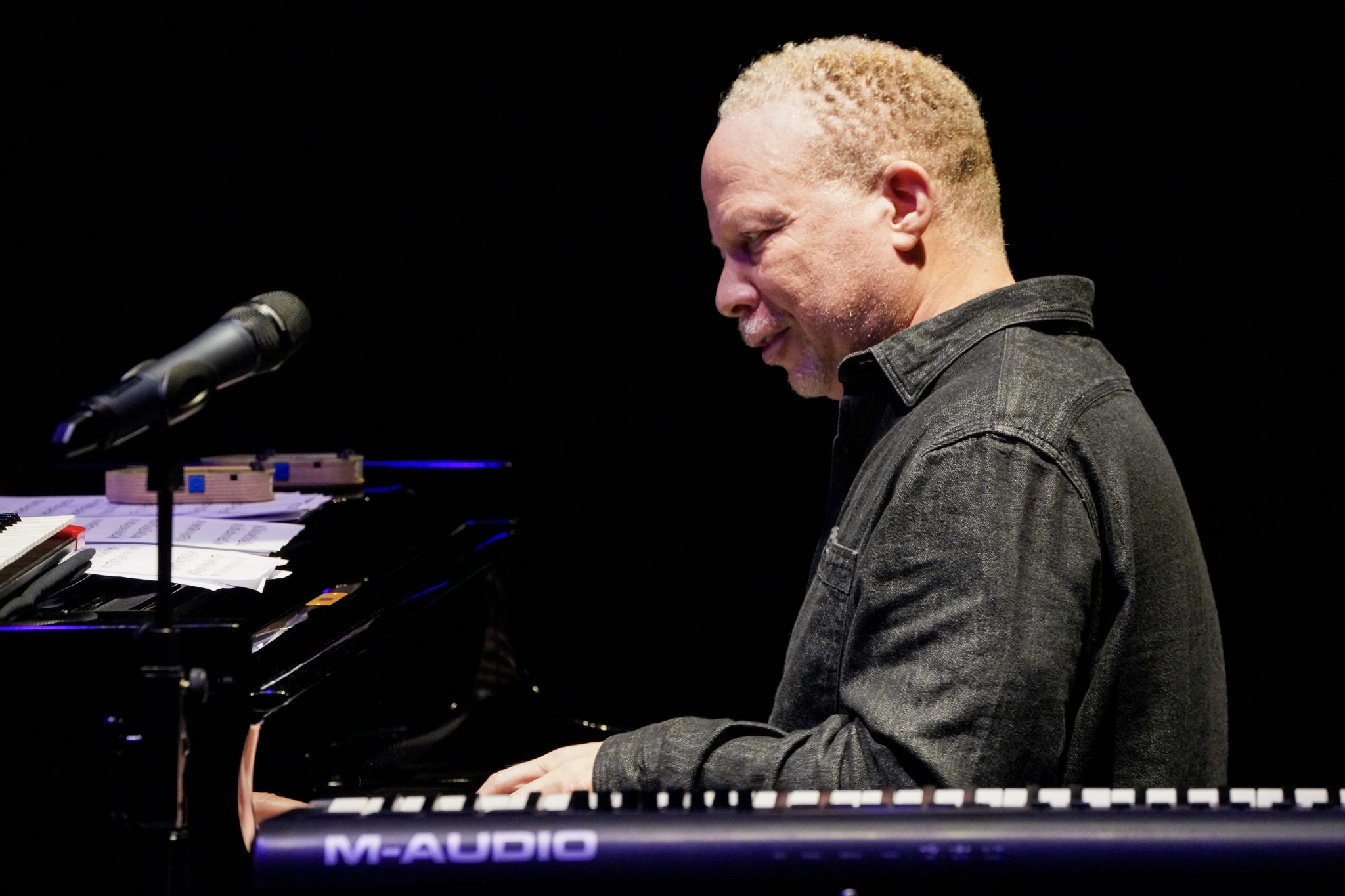
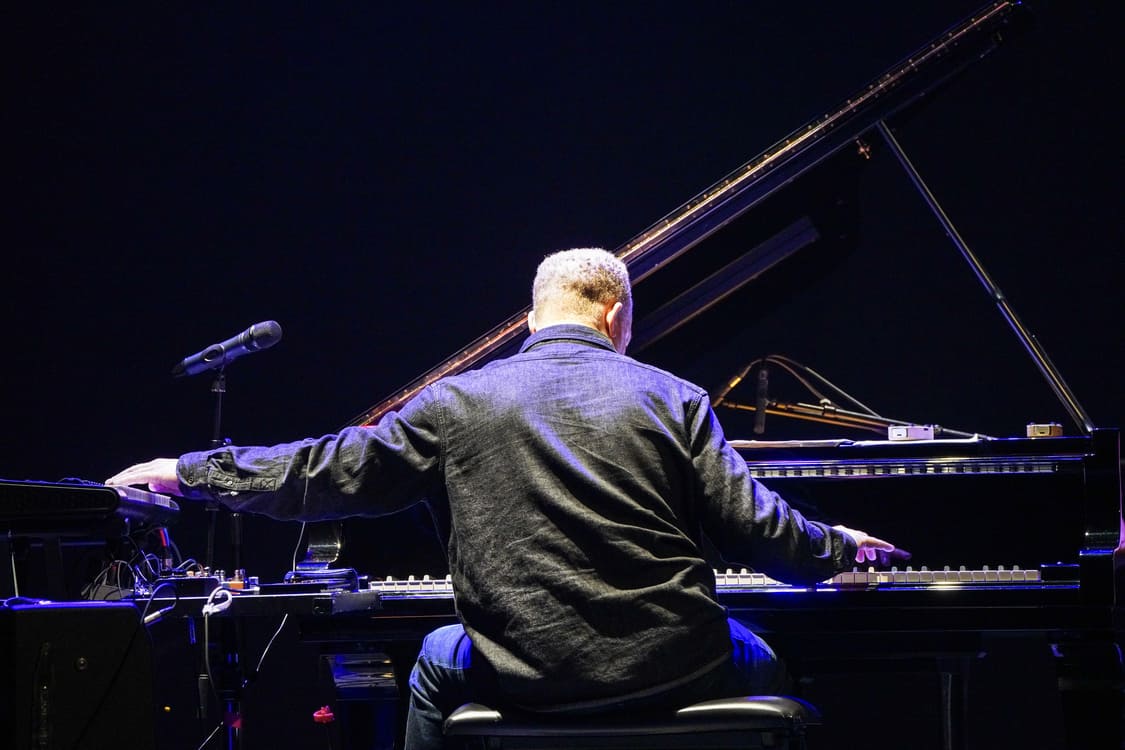
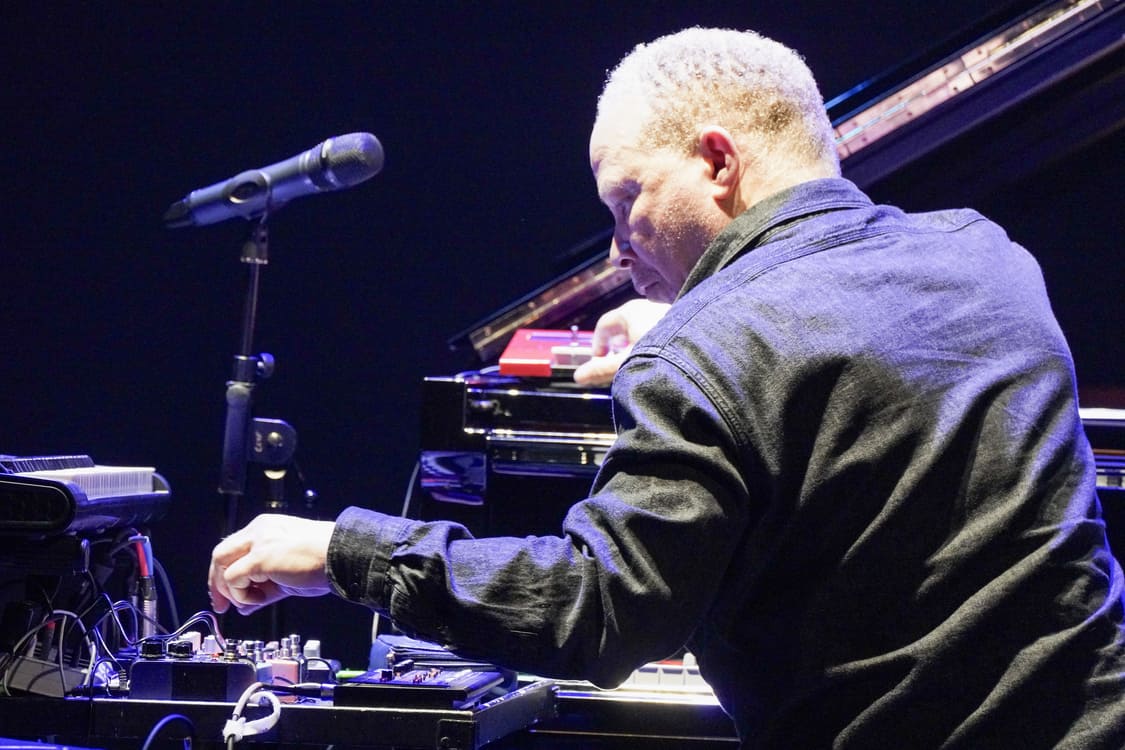
El trío Taborn/Reid/Smith protagonizó la propuesta más alejada de la ortodoxia jazzística dentro del festival. Craig Taborn, al piano y electrónica, junto a la violonchelista Tomeka Reid y el baterista y percusionista Ches Smith, conforman tres figuras de la vanguardia creativa estadounidense que se mueven dentro del circuito de la música improvisada y el jazz contemporáneo.

Craig Taborn es un pianista e improvisador que trabaja desde la composición espontánea y desde la exploración experimental del piano, construyendo improvisaciones complejas desde una visión única. Tomeka Reid, compositora e improvisadora nacida en California, formada en la música clásica e integrada en la tradición de la diáspora africana, vinculada al minimalismo contemporáneo destaca por su amplitud sonora y el uso de técnicas poco convencionales de manipulación del violonchelo. Ches Smith es un baterista, percusionista y compositor radicado en Nueva York, es un músico destacado en la intersección del jazz con las tendencias experimentales, la música noise y el metal, contribuyendo con una versatilidad experimental.

El trío presentó un proyecto electroacústico que prioriza el enfoque del conjunto sobre el solista construyendo el sonido desde la improvisación estructural, con un abordaje de la música desde la exploración del sonido y no desde la forma, entrelazando y alternando roles melódicos y rítmicos. El sonido se articuló desde las texturas: capas espaciales, tensiones suspendidas, electrónica que expandió el espectro tímbrico y polirritmias que se abrieron en múltiples direcciones. Música sorprendente y excitante, elaborada, compleja y en constante desarrollo, desde el minimalismo de cámara contemporáneo hasta irrupciones de energía pura.

Set list:  Dream Archive/ Junk Magic/ Enchant/: Craig Taborn.  Mumbo Jumbo: Paul Motian/ When Kabuya Dances: Geri Allen/ Loue in Kone Outer Saace:  Sun Ra.

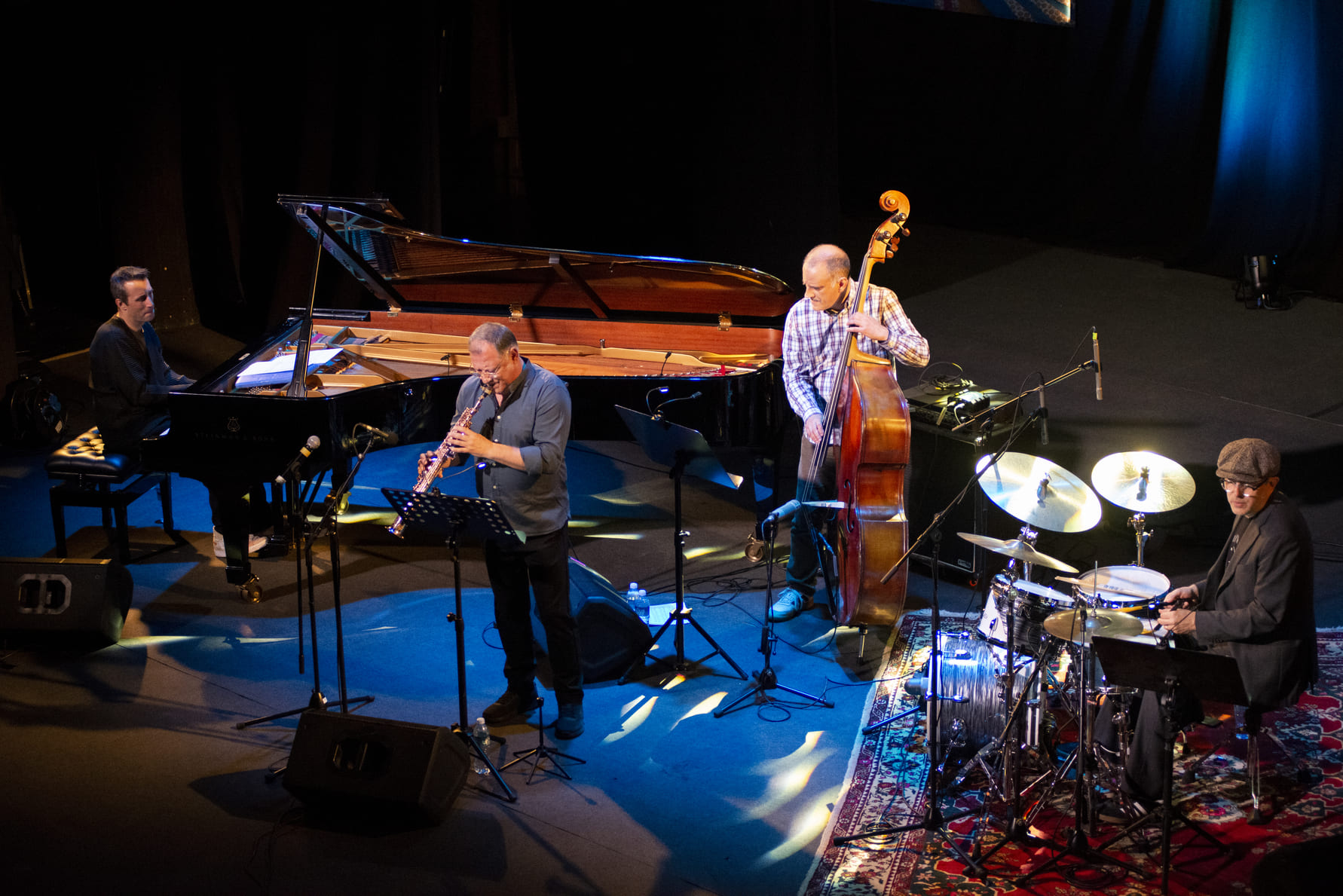
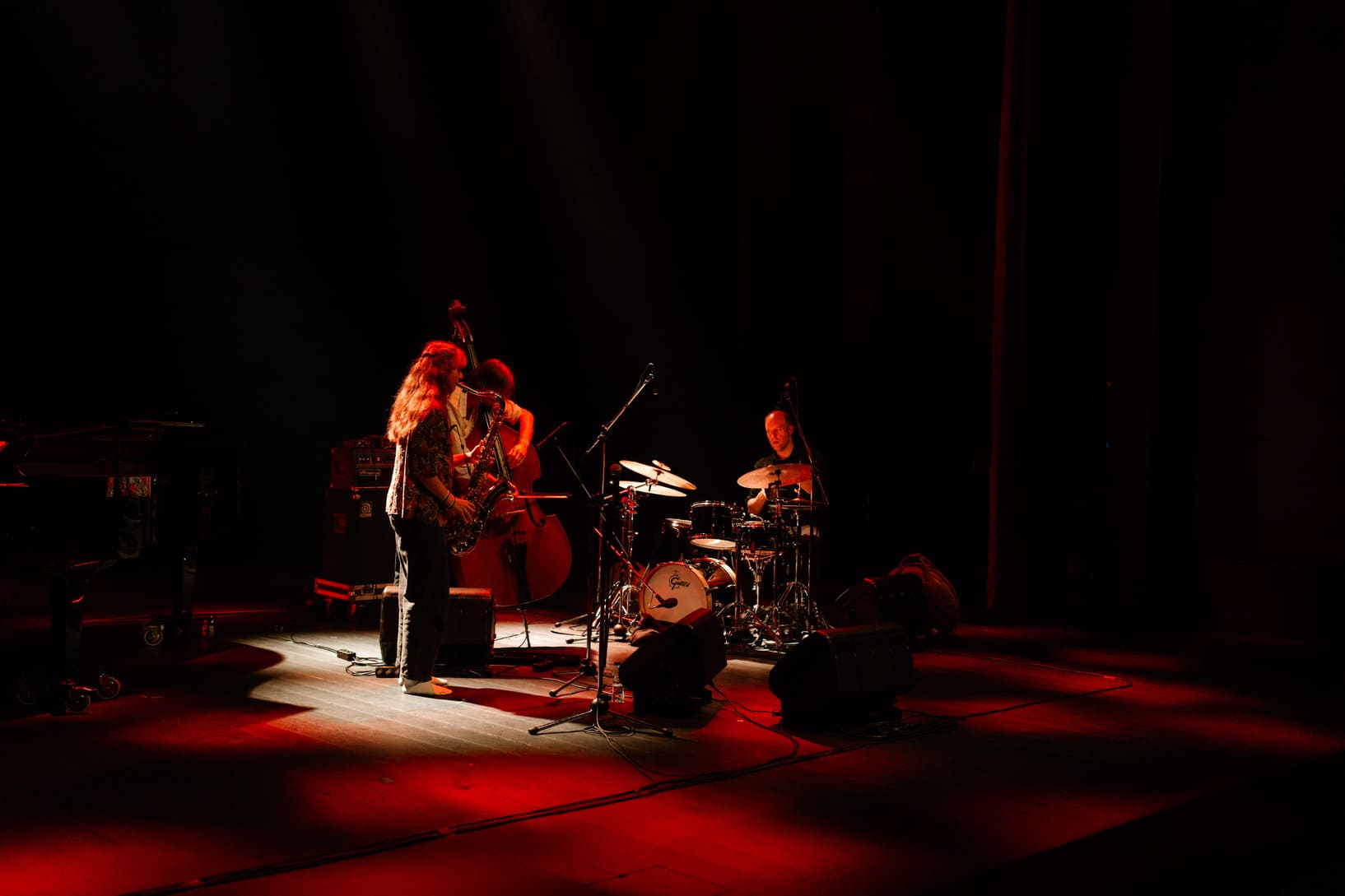
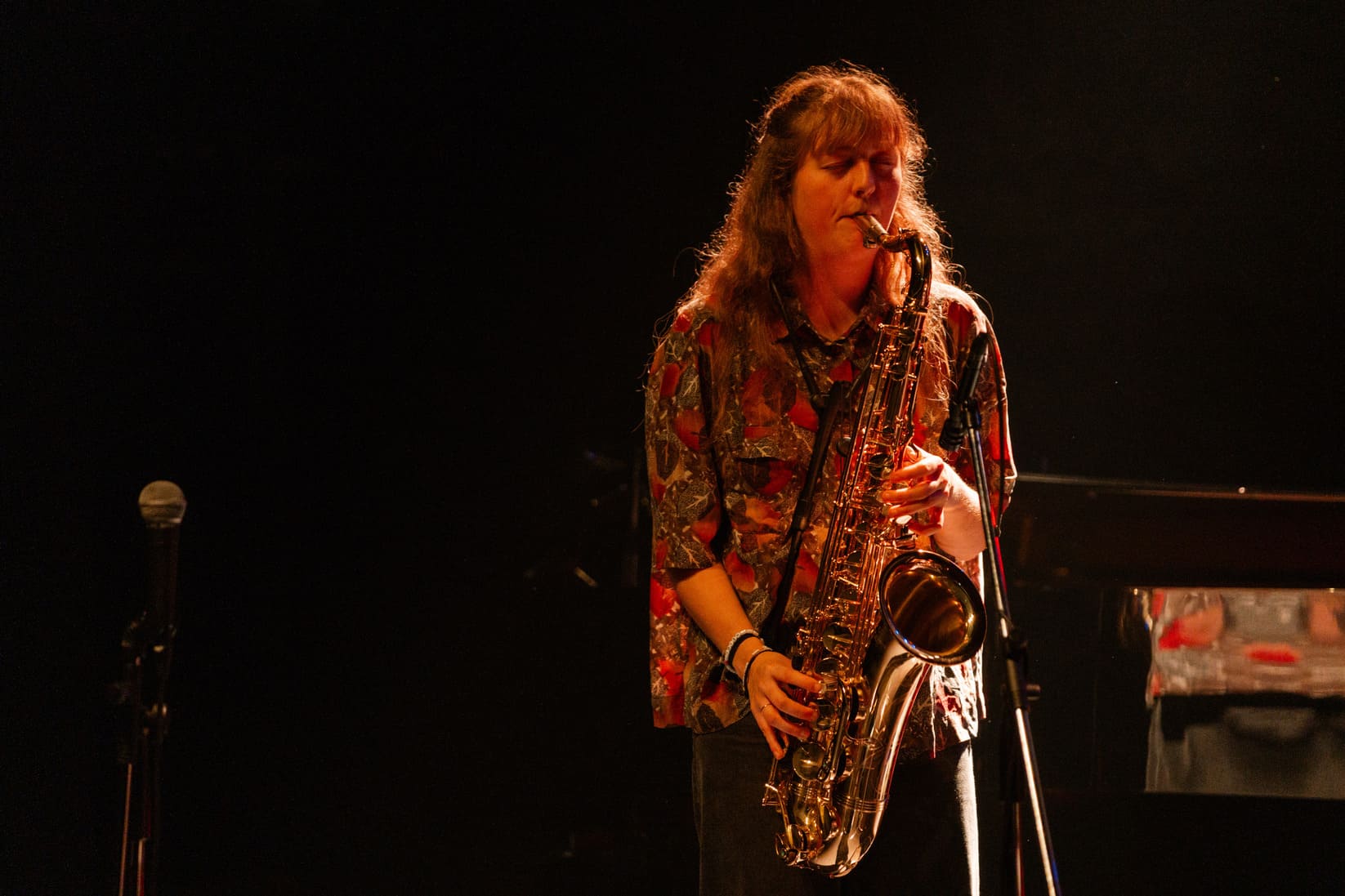
Asistimos a un set libre presentado por Sonoscopia, un colectivo con sede en Oporto dedicado desde 2011 al arte sonoro, la investigación y la música experimental. El concierto, centrado en música improvisada y la creación contemporánea, estuvo a cargo del trío Kvelvane – Østvang – Vermeulen, formación de saxofón, batería y contrabajo. Sin partitura alguna, los tres se lanzaron a la improvisación pura, una avalancha de ideas, cascadas de notas que avanzan hasta unirse en una música desenfrenada de energía feroz compartida. Tres músicos que se desplazan con total libertad por diversas corrientes estéticas de la creación musical actual. Se trata de un proyecto todavía en fase temprana de consolidación dentro del panorama de la improvisación y del jazz.

La saxofonista noruega Heidi Kvelvane, presentada por Jan Granlie para Salt Peanuts en #IWD2025 (#womentotheforce 2025) dentro de EJM, aportó un enfoque fresco surgido de la escena de improvisación contemporánea de su país. Destacó por un tono incisivo, vibrante y exploratorio, fruto de su trabajo dentro de la escena nacional noruega y de sus colaboraciones con la Bergen Big Band. Tollef Østvang, baterista, improvisador y compositor noruego formado en el conservatorio de Paris y de Ámsterdam, figura clave en Trondheim, desplegó un toque enérgico, contundente y creativo, moldeado por el jazz y la creación instantánea. Nils Vermeulen, contrabajista, investigador acústico y constructor de instrumentos, aportó un enfoque expansivo alimentado por su experiencia en el free jazz, la improvisación y la música contemporánea. Es música en el aquí y ahora.

Set list: Ondulado/ Lastillo/ Caramulotemporánea

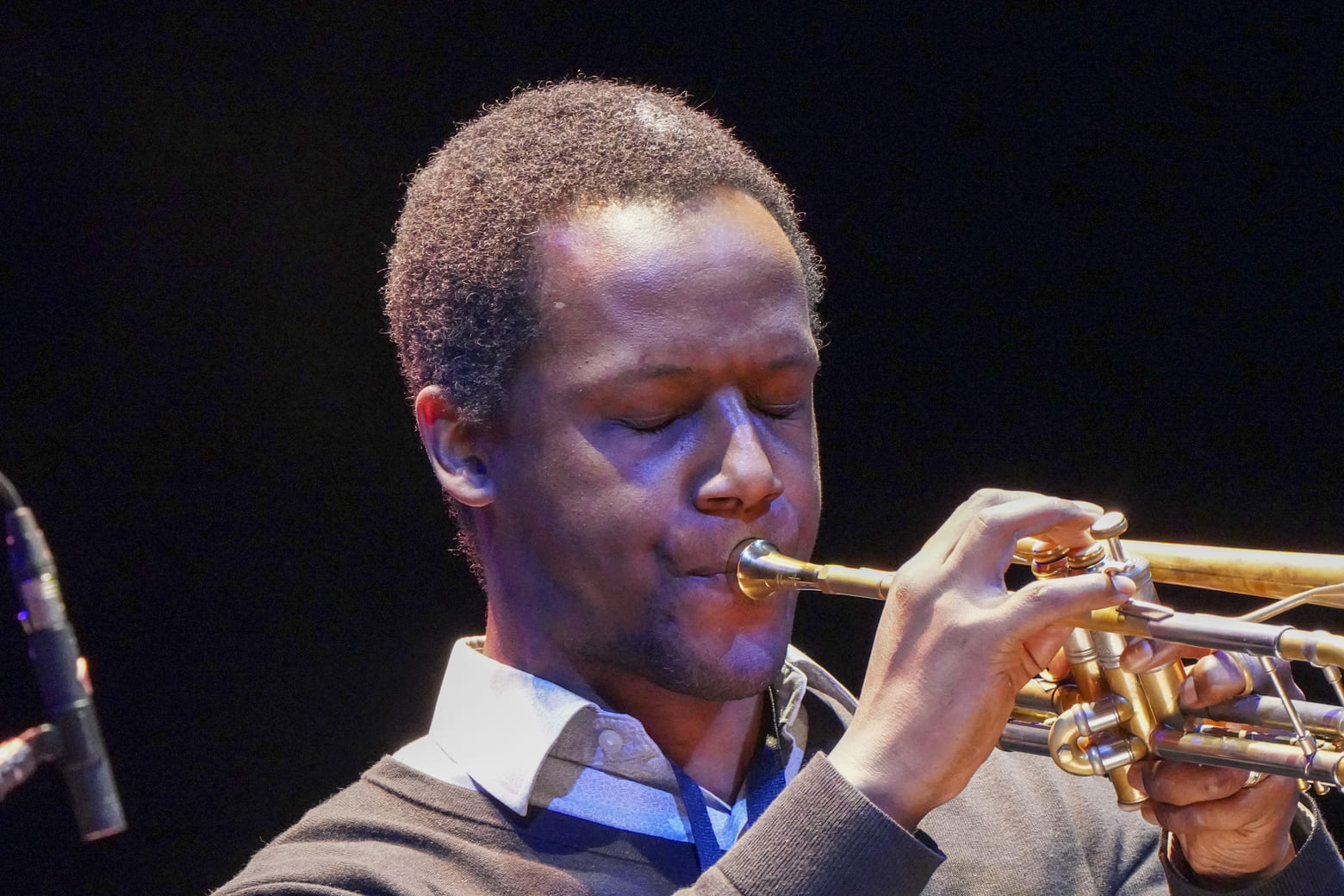
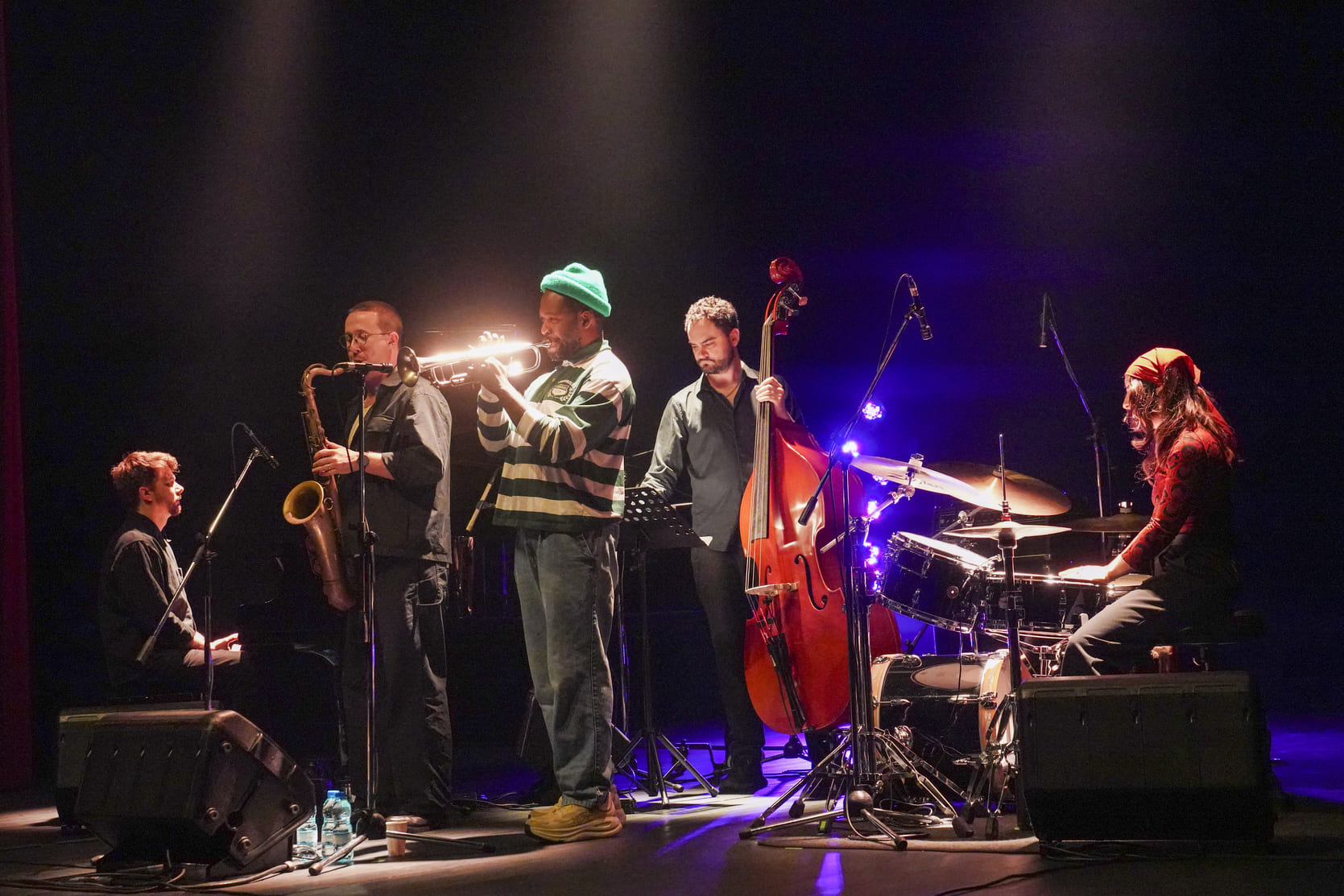
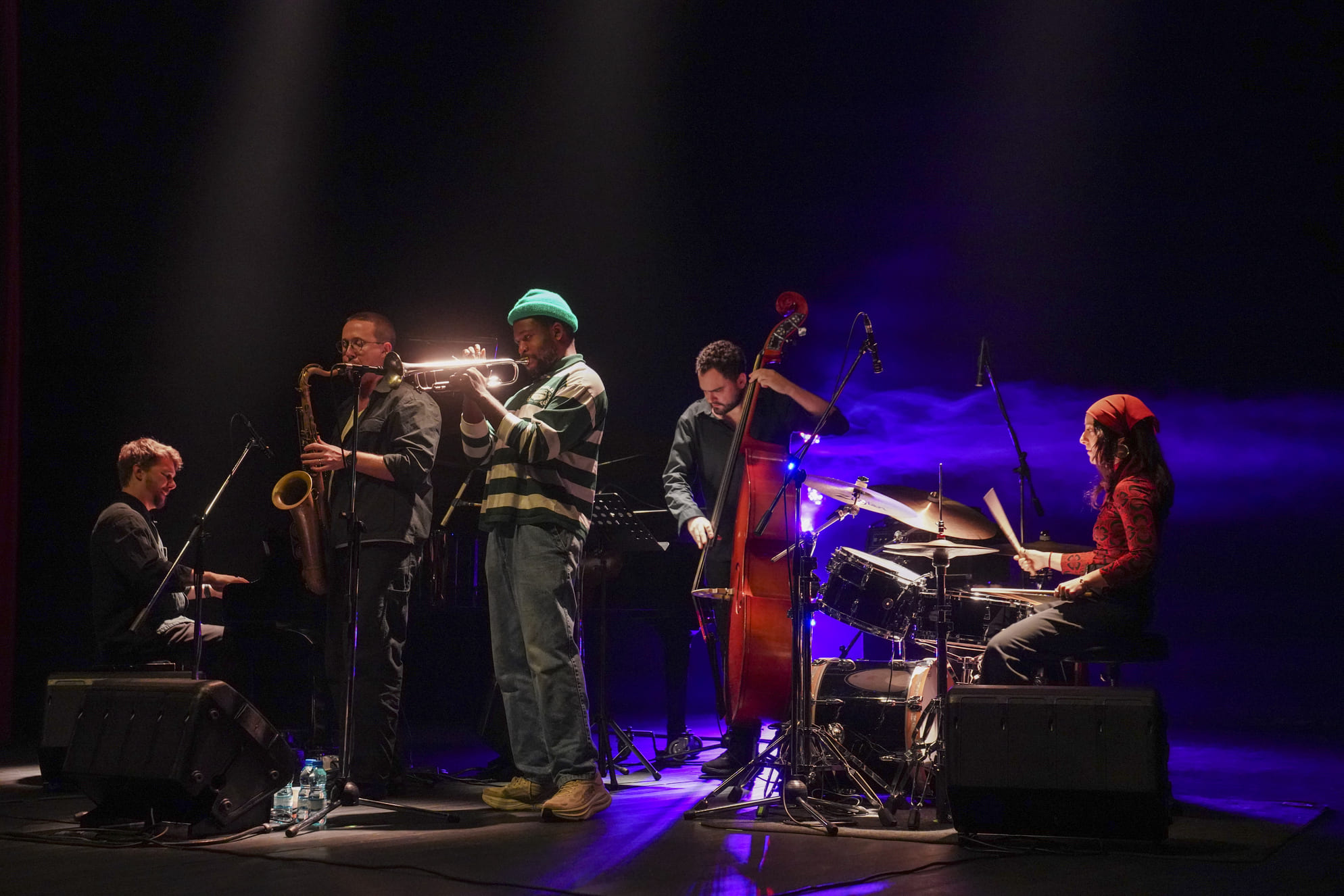
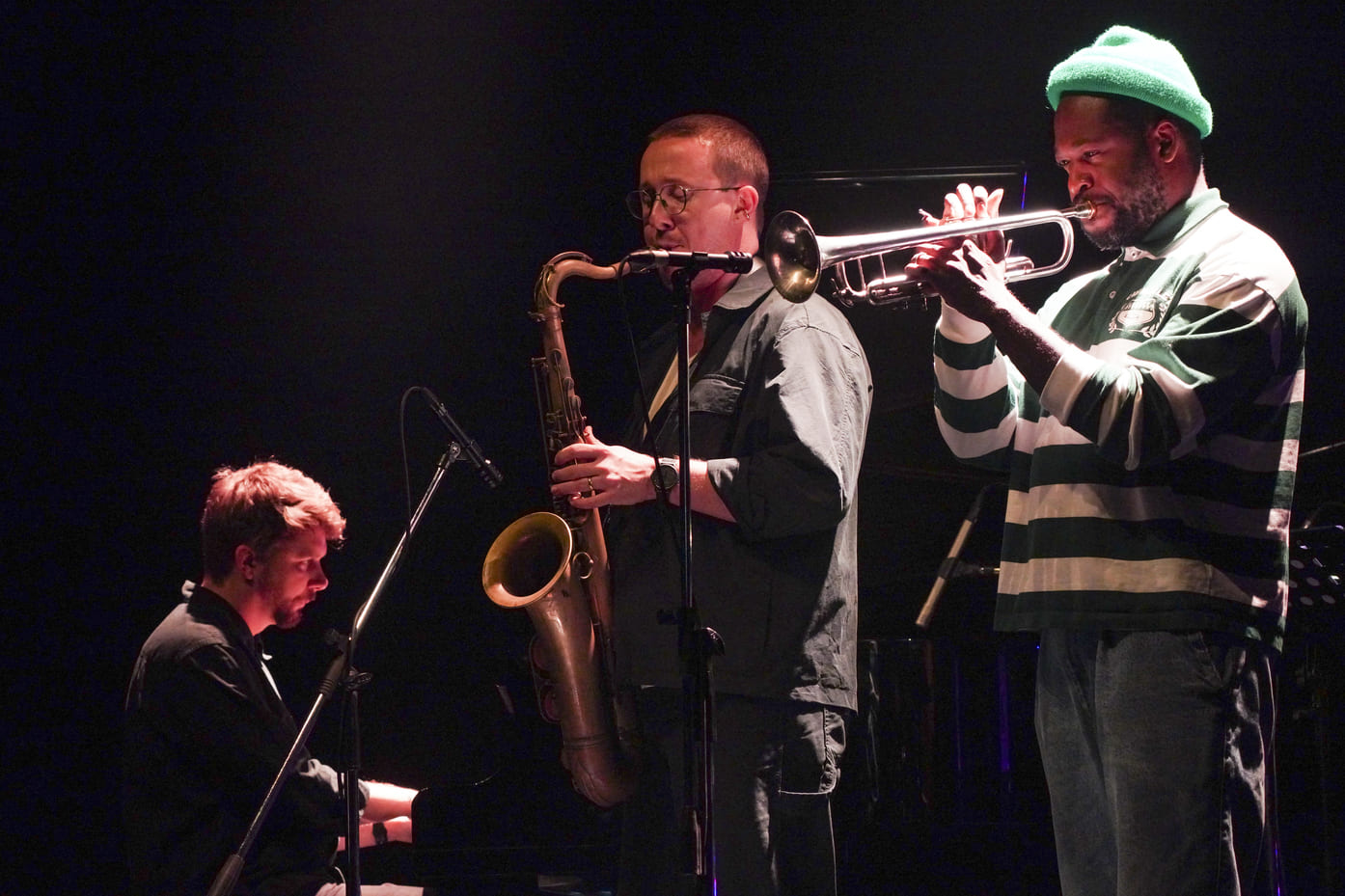
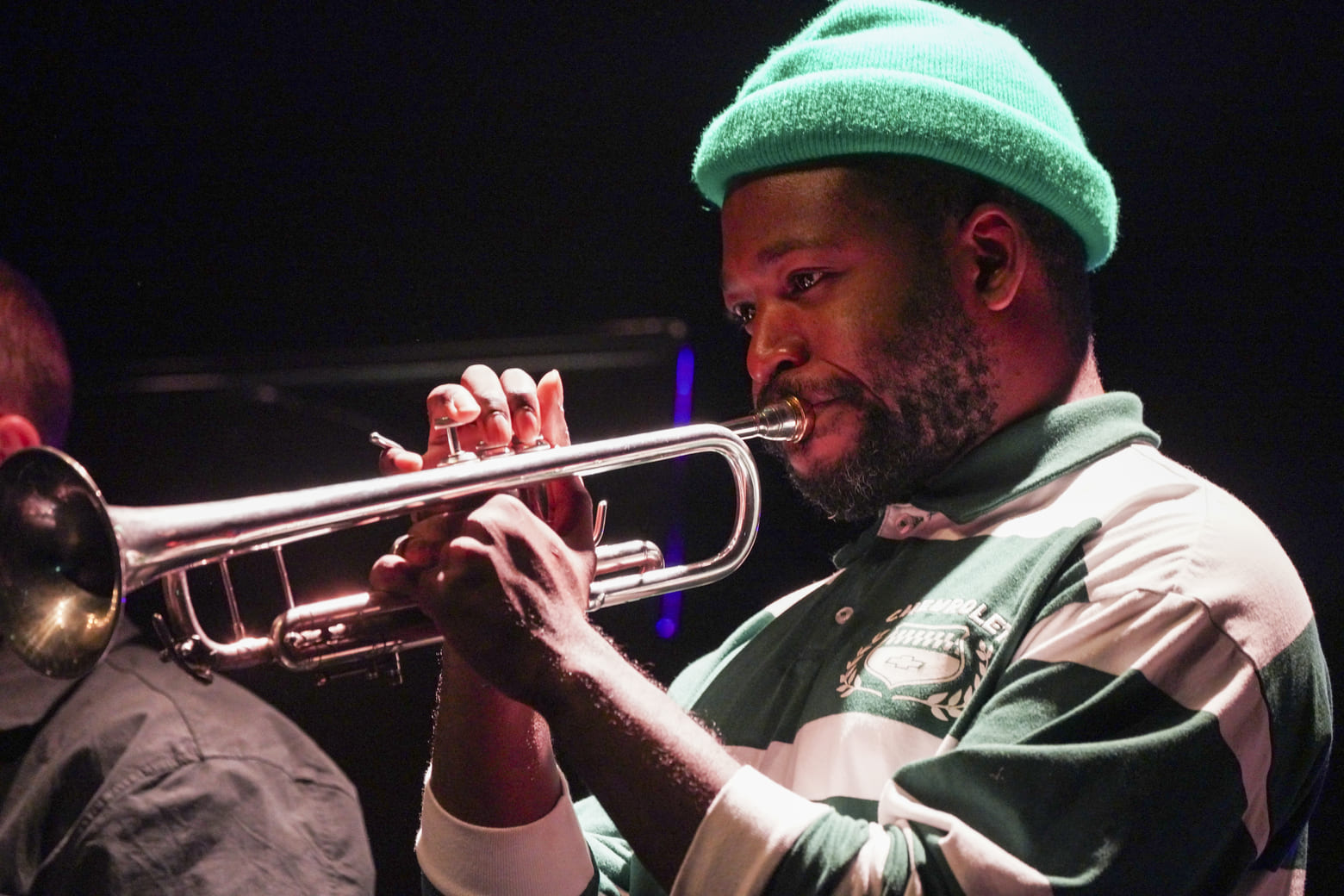
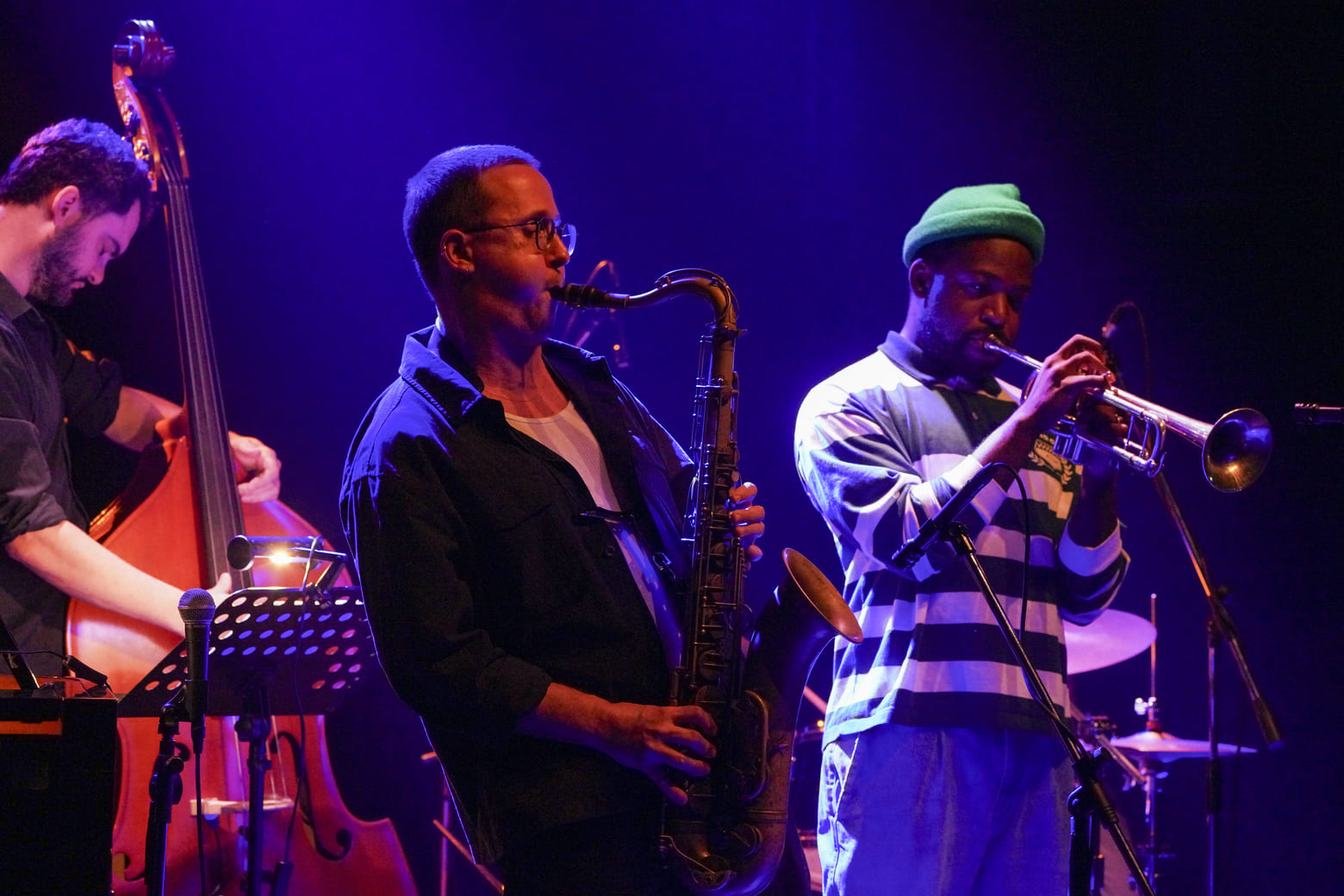
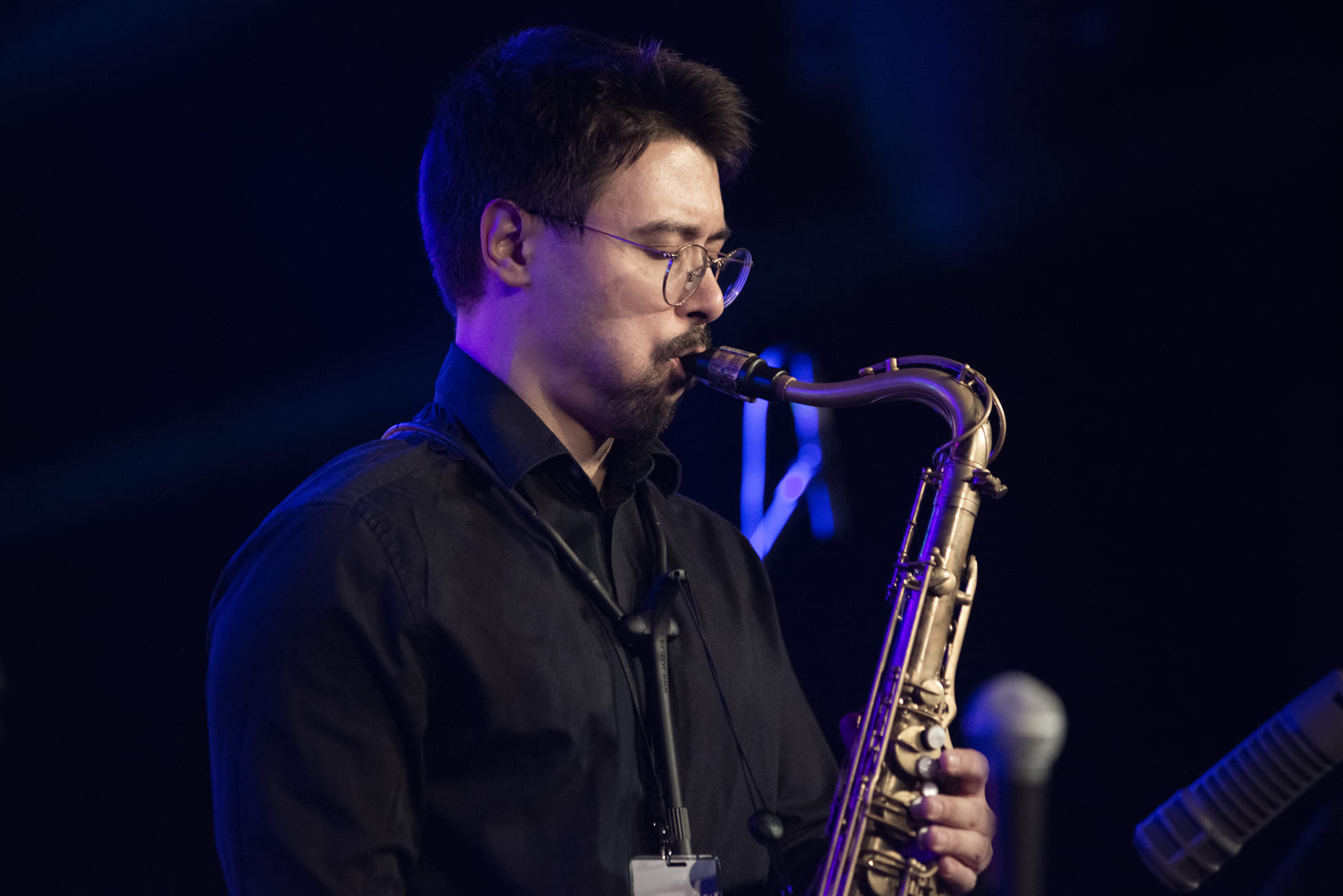
Después de su debut discográfico con el sello español Fresh Sound Records, que recoge la primera grabación de estudio del saxofonista y compositor británico afincado en Nueva York, Alex Hitchcock con All Good Things en 2018, se sitúa en el festival de Guimarães al frente de Alex Hitchcock Quintet. Formado por Alex Hitchcock, al saxofón tenor, Dave Adewumi en la trompeta, Will Barry al piano, Ben Tiberio, al contrabajo, y la franco-brasileña Ananda Brandão en la batería. Un grupo integrado por músicos de UK y EE. UU. residentes en Nueva York, un quinteto solvente de new talents con camino de éxitos recorridos y por recorrer. Además, fueron los responsables de liderar durante tres noches la jam nocturna del festival en el Café Concerto del CCVF.

Alex Hitchcock compositor y director de orquesta nacido en Londres, es considerado una figura emergente en la escena del jazz británico estudiante de la Royal Academy of Music de Londres, presentan un set de melodías potentes e improvisaciones exquisitas, con texturas y fraseo sobrio, elegante, sutil y armonioso, desarrolla acordes y armonías que evolucionan hacia una asimilación natural de influencias clásicas y contemporáneas, siempre con un claro sentido de sofisticación armónica. Los solos resultan especialmente notables, con las líneas de tenor de Hitchcock como eje central.

Will Barry proporciona lirismo, sutileza y refinamiento. En la batería, Ananda Brandão desplegó un enfoque proactivo y contemporáneo, de diálogo con las líneas de Hitchcock y Adewumi. La combinación equilibrada de personalidades musicales confirma que esta unidad es de un potencial notable.

Set list: Eo / Triumph / Wishlove / Bright White Light / Pull of the Line / Rio

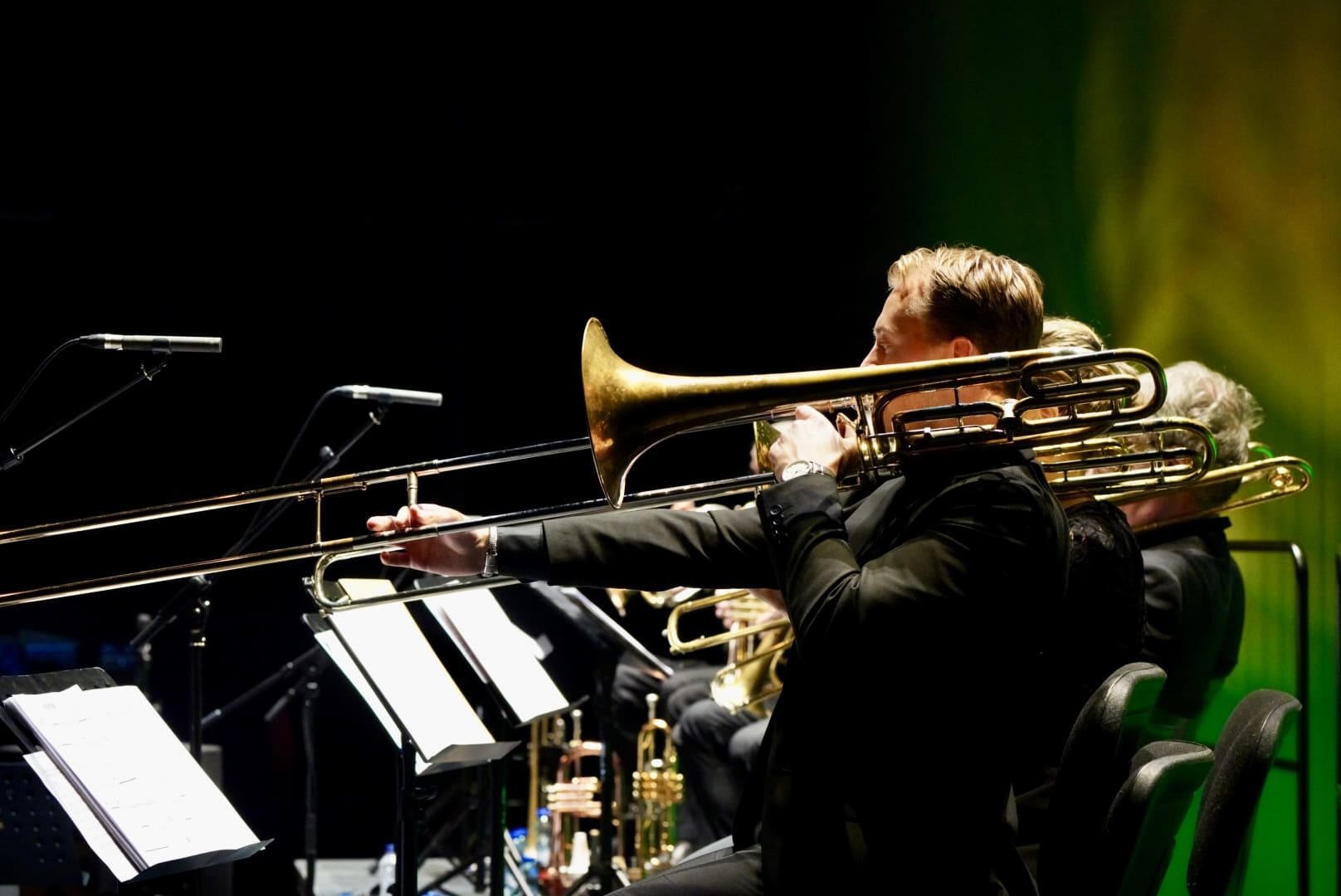
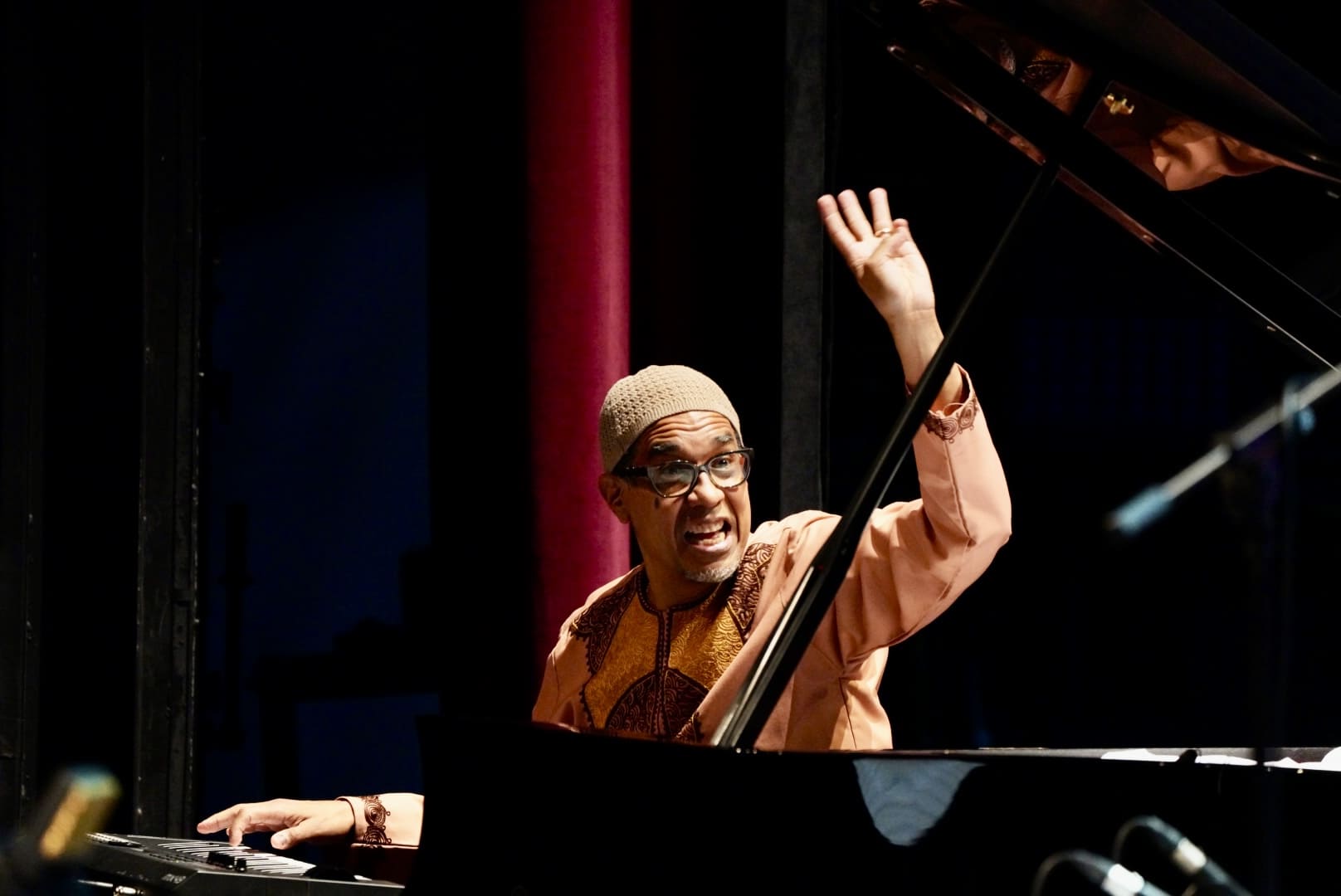
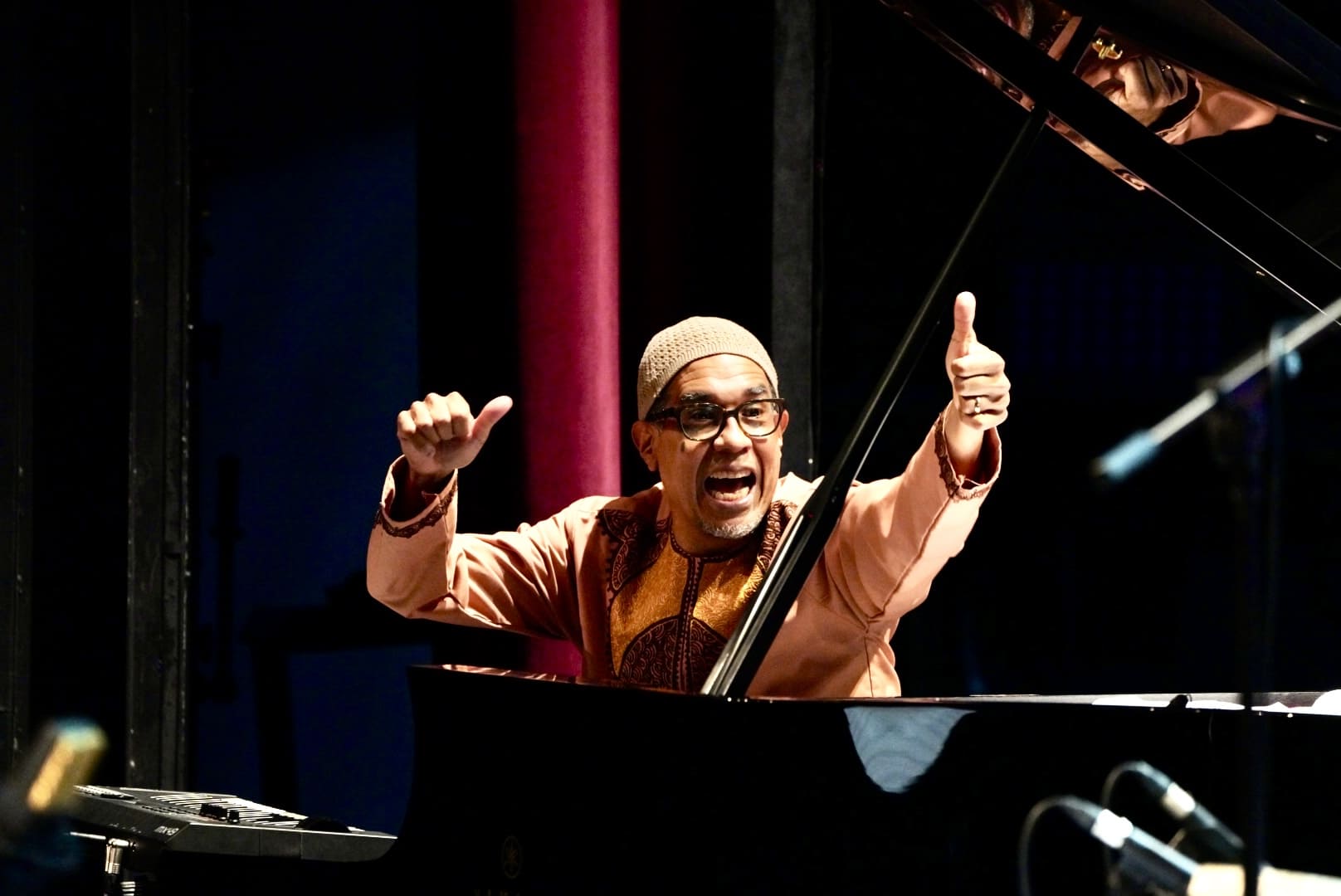
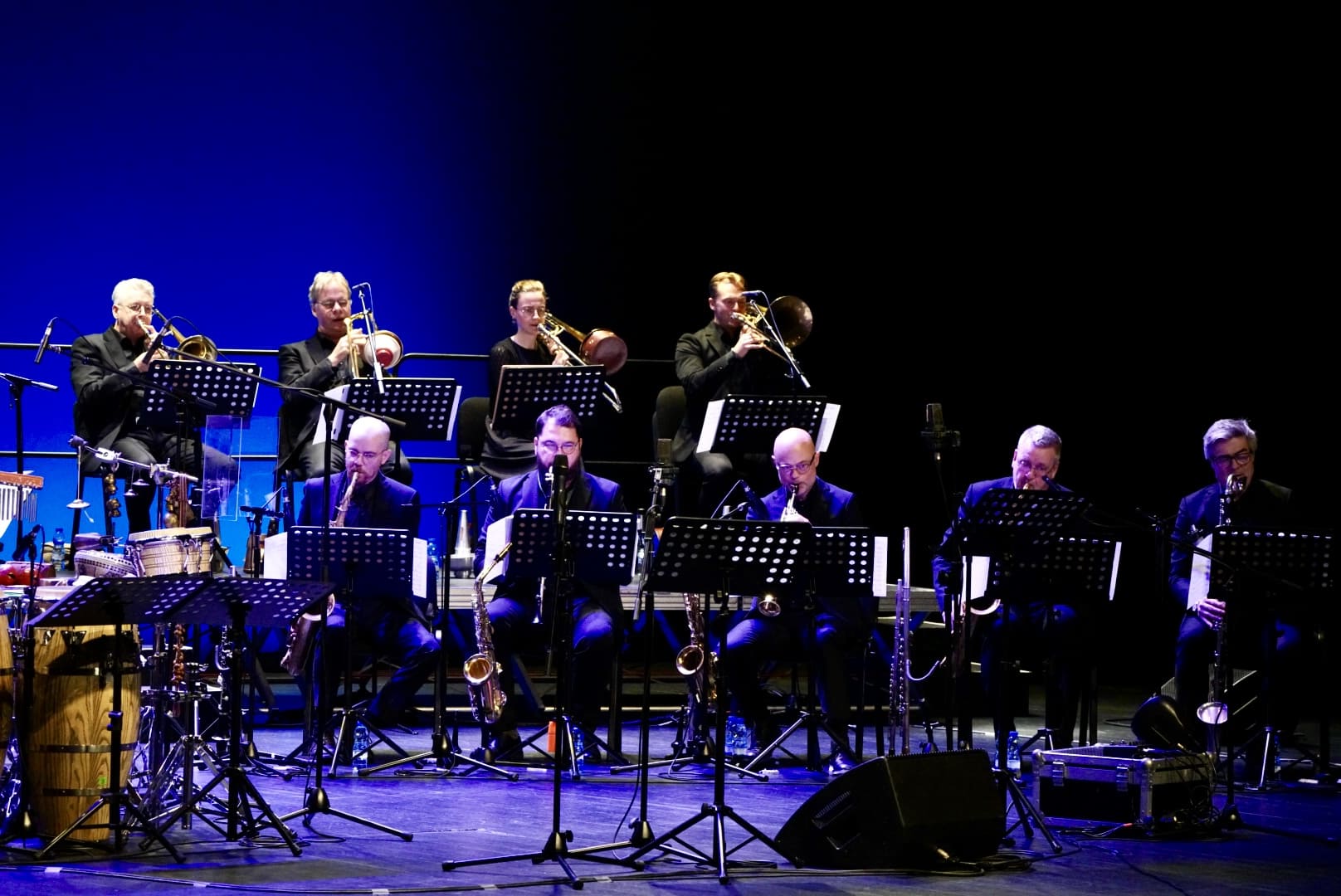
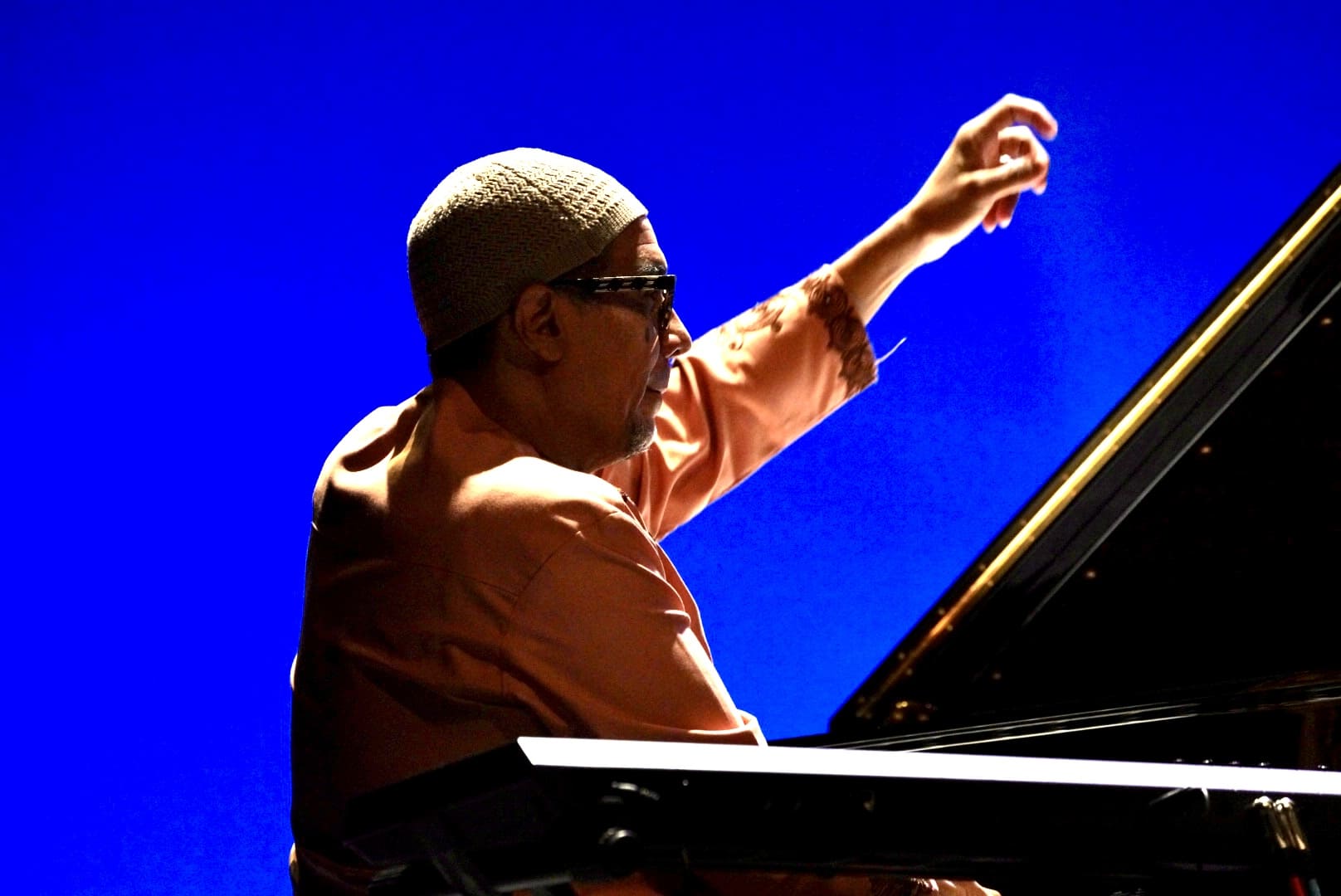
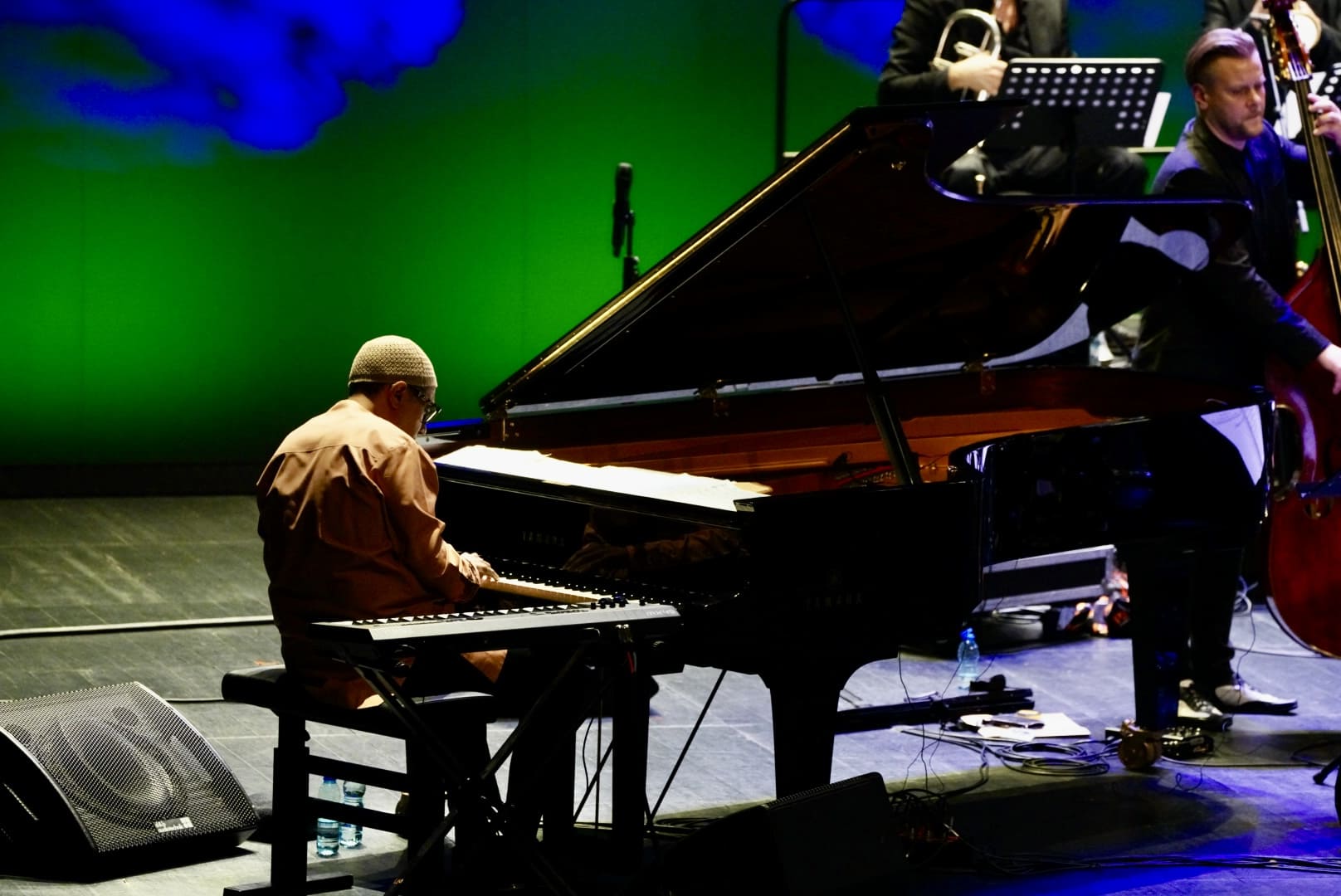
La 34.ª edición del Guimarães Jazz concluye con el regreso del compositor y pianista Danilo Pérez, que vuelve a este escenario donde actuó en 2006 como integrante del Cuarteto Footprints de Wayne Shorter, en uno de los conciertos más recordados de la historia del festival. En esta ocasión, Pérez se presentó junto a la Bohuslän Big Band, la orquesta sueca fundada en 1950 y formada por dieciséis músicos estables.

El set fue una retrospectiva de su obra, caracterizada por la integración del jazz con músicas folclóricas latinoamericanas y africanas. Una visión de global-jazz pasando por múltiples territorios, desde Panamá, al bolero, hasta pasajes abiertos de free jazz. La música operó como vehículo de conexión, como un ejercicio de diplomacia cultural que apuesta por la colectividad y la circulación de ideas.

La propuesta fue también un viaje hacia las raíces personales y culturales del pianista. Danilo Pérez se sitúa como embajador cultural de Panamá. La música, en palabras de Danilo Pérez es concebida como una forma de terapia capaz de generar un espacio de esperanza de vida. Entre los momentos destacados, estuvo una pieza de Danilo Pérez Beloved/ One for Toni Morrison dedicada a Toni Morrison. Pegasus de Ale Moller, Across The Crystal Sea de Claus Ogerman y otras piezas compuestas por Danilo como, Suite for Americas, Galactic Panamá, Sunburn & Mosquito. El concierto culminó con un cierre a piano solo, una versión de Round Midnight que selló la noche.

Seat list: Pegasus de Ale Moller/ Suite for the Americas, Across the Crystal Sea de Claus Ogerman/ Sunburn&Mosquito, Beloved / One for Toni Morrison, Galactic Panamá, Expeditions, 2 Movement, Irremediablemente Solo, Lumen de Danilo Pérez /Round Midnight

Bohuslän Big Band: Oakim Rolandsson  saxofón alto, instrumentos de viento madera/ Orfeus Wärdig Tsoukalas  saxofón alto, instrumentos de viento madera, saxofón tenor/ Linus Lindblom, instrumentos de viento madera/ Mikael Karlsson,  saxofón tenor, instrumentos de viento madera/ Alberto Pinton,  saxofón barítono, instrumentos de viento madera/ Lennart Grahn  trompeta, fliscorno/ Samuel Olsson  trompeta, fliscorno/ Staffan Svensson, trompeta, fliscorno/ Jan Eliasson , trompeta, fliscorno/ Niclas Rydh,  trombón / Christer Olofsson,  trombón / Hanne Småvik,  trombón / Gustav Wiklund,  trombón bajo/ Olli Rantala,  contrabajo/ Lisbeth Diers, percusión/ Göran Kroon, batería/ Danilo Pérez  (feat.) piano.

29 de noviembre de 2025

Craig Taborn Interview

Craig Taborn Interview

CRAIG TABORN

Interview


28

November, 2025

Interview: Craig Taborn, a pianist and composer who’s somewhere above heaven

Text: José Cabello

Photos: Paulo Pacheco from Guimaraes Jazz Festival

During our time at the Cologne Jazzweek, we got to interview the great Craig Taborn. He was staying at out same hotel and we hanged for a little while having a nice conversation on different topics. In this interview, you can listen to him talk about The Weird Mouth Trio as well as his deepest thoughts on music and improvisation. We hope you enjoy both the podcast and the written article!!!


Listen to the PODCAST below

In&OutJAZZ Magazine: Alright, Craig Taborn in the house. We’re right now in Cologne for the Cologne Jazz Festival. He’s playing with the Weird Mouth Trio tonight. We are very excited to have you in In&Out Jazz. As you know, we’re a journal that covers all types of music, but we really are interested in the new forms of music, and the free jazz, and the experimental music…, and pretty much every kind of music that tries to avoid old forms or old visions of the music, and that considers the musicians kind of vessels for whatever music they want to express in whatever moment. And we find your art and yourself as a very, very interesting character and figure in the whole span of nowadays music.

So, we’re very, very pleased to have you. And the first question we would like to ask you is, how did the Weird Mouth Trio start, and how was the project thought about in the first place?

Craig Taborn: Yeah, well, I think, well, I’ve known Mette for quite some time, maybe more than 20 years.

Wow. 

And I’ve known Ches for maybe almost as long. But I hadn’t played with Mette really, I met her more when there was a workshop that she had organized with some danish musicians that I was teaching at 20 years ago. So, I had been playing with Ches in other people’s groups, but he had me in one of his groups too called The Bell, there was a trio with Mat Maneri.

Nice. 

And then he plays in my trio with Tomeka Reid as well. And so, Ches and I have played a lot together. And then I think I played with Mette maybe about 10 years ago when she asked me to do something in Brooklyn, just at a small space. So that’s when I sort of re-encountered her musically.

And then I think this group, The Weird of Mouth, came together because I had Stone’s residency, a John Zorn’s Stone Space where you do residencies for a week. And I think the way this one came about is I had a Stone week, and Mette was in town. And so, I invited her to play, and then I asked Ches to play. I think it was something like this that happened. So that’s just, and I was like “Oh, let’s have drummer and let’s have Ches”. And that’s maybe how it started. Not that it was, it makes it sound like it was my idea and it’s my group, which it wasn’t. It was just one of the ways that configuration happened.

Very interesting.

And then we did it, I can’t remember, we did it again, but what ended up happening is a couple years ago when Mette was in New York, we just decided to record. We said “hey, let’s go record somewhere”. And we did, and we just went to a studio and recorded the album that is out now that was released about a year ago. So, we recorded that, and then after that, when the album came out, we did some touring last year. So, it’s just something we’ve kind of kept going, kept developing. Yeah, that’s kind of how it started, but it was sort of just from the community and friends, you know, just coming together with different things.

How were the compositions born?

Well, it’s completely improvised. So, they’re born, they’re continually born each night.

That’s so great.

We don’t really, yeah, it’s definitely invested in the spontaneous composition method.

Sure. What’s the most important thing for you in the project, or more than that, what would be the thing that you’re learning with this trio?

Well, it’s always like kind of just learning the people or allowing the space for everybody to bring what they’re bringing. You know, it’s the same question with each ensemble, but because this kind of thing, because you’re inviting an equal, it’s an equal creation, you know. Like truly, there is no author, you know. It’s all of us, so you’re always kind of learning about each other, you know, like every performance. But the most important things are trust and open-minded and open-heartedness, because that’s what allows that. So, each person’s just bringing the thing, but I think, like any relationship, the first thing is you trust each other to just bring, operate openly, bring the best of what they can bring, and then you bring yourself. And you’re engaged in making those things happen, and I do find that’s just continually a learning process. But it’s not learning towards a goal, it’s just learning more about all the ways that stuff can be, you know.

Okay, that’s interesting, that’s beautiful. So, you just mentioned it’s not learning towards a goal, but is there any conceptual or spiritual aim? Is there any, you know, pursue anything you’re looking for or searching for when you guys are playing? Yeah, anything you guys or you are trying to achieve or, you know, also regarding the audience maybe, or regarding the music you expect will sound, or regarding yourselves, regarding your families, regarding your loved ones, I don’t know. Is there any, while you play or when you play, anything you guys are looking for?

Wow, that’s a big question. I think the best answer I would have for that is that each time I play, I sort of discover what I’m looking for, you know, and it can be different for this kind of music and these groups.

That’s fun.

I mean, I do think some people may come together with a goal of a sound, you know, like a concept, like “we’re going to be a loud heavy group or we’re going to be this”. But this kind of thing we really don’t, nobody talks about that. I think it’s about allowing things to be what they want to be at the time. And when you do that, then you kind of engage. Those groups can last forever because it allows change, you know, it’s like you might totally change who you are or what you’re trying to do even on your instruments, you know. And then when you come back to the group, it’s like, “oh, they’re at a different place, great, let’s engage with that”. So, it’s more about, “ok, what is it? What am I bringing?”. You see, William Parker’s music label is Centering Music. And he often talks about a center. And I think that, if I could identify anything, that’s the most important thing to bring is that you have a center and you can kind of know what your center is. But we’re in space time and beyond space time. So that can be, your center can be anywhere. So, it’s important that you bring that and then try to bring the best of that. So, I think in encountering that, that’s your centering everything. If you identify your center and the other musicians and then the audience, everything, it’s almost like a circumlocation where it’s like, “ok, I’m here, you’re here, this is you, the audience, the sound, this is how I’m feeling”. And when you create them, whatever is created in that context, and we’re all listening, becomes identifying, it’s almost like physics. It’s like this is the ultimate, maybe for this space, this is, you can identify the center and everybody sort of understands it some way, another way of understanding the relationship between everybody. And the beauty of that is if even another person enters the room, that may change. All of a sudden that’s changing, but you’re realizing all this. This is sort of a kind of a maybe overly conceptual abstraction, but somewhere in there is something like what I mean.

Yeah, yeah, yeah, it’s very interesting… touching words, man. I think a lot of people are going to find that description interesting. Now, how would you describe the scene? Because you’re based in Brooklyn, right? How would you describe it’s scene? Are you thankful for what you are surrounded by?

I’ve seen a lot of scenes around, so my sense of it is, in many ways, even a larger scene, because it’s so global to me, because I have friends all over the place. But to focus on just even the area of New York or in Brooklyn, there’s so many, I think there’s a lot of interesting musicians, especially among younger musicians. There’s a lot of really interesting creativity going on right now, and there are quite a few places where it’s happening. There’s a lot of places where people are playing music. Nothing is incredibly lucrative, you know. Nobody’s making tons of money, but there are so many, like any given night, there are a lot of people doing concerts, whether it’s in somebody’s living room or in a small bar or club or lounge or in a concert space.

A lot of music going on, right?

All the time, yeah.

A lot of initiatives.

Like, if you go there, it’s like, if you’re into creative music, it’s like, “oh, there’s ten things to go see tonight, like right now”. And it’s like, whoa. And it’s all at a certain level are pretty interesting.

Would you give us a couple names of places and young people that you are looking up to? 

Oh, wow. I mean, I guess there are a lot. There are so many. I mean, a number of them are here.

Maybe you can go just for the venues if you don’t want to…

Well, yeah, I mean, I could say, yeah, because it gets weird and then you start admitting people. And yeah, it’s a long list, but I’m aware there’s little places like in Brooklyn, let’s just say Brooklyn. So there’s a place, Close Up, that’s in Lefferts Gardens area, there’s a place where jazz, there’s a place Ornithology, there’s a place, a little place, Barbes, where there’s some stuff. There’s a little bar, Lowlands, that a lot of people play at, Tim Berne kind of almost has a weekly thing there. There’s a space, it’s called 411. Actually, their space has been renovated, so they’ve been moving around. And then there’s the bigger places like Roulette and there’s Issue Project Room, which is quite a pioneer works or. Well, that’s already a lot.

Yeah, we got to be thankful for the fact that there are a lot of venues that open up the doors to these kind of projects and these kind of ideas, creative music going on. Because that keeps us all happy, really. It gives motivation to everyone that follows the music that you guys do. All right, let’s go for the last question, man. How would you, if you were to think of a concept, what concept would describe better your improvisations?

I don’t know how to… I don’t know, because I mean, so much of that is just dependent. I mean, being an improvisation, it’s so context dependent. So, there is no grand. Well, I guess an answer would be multivalent. It’s about being able to apply yourself to any variety of situations and see the different ways that things are connecting. So that would be the grand. I was about to say I couldn’t answer it because it was about that. So, I guess that’s what it is.

Yeah, there you go. There you go. I love the answer, man.

So that was all, man. Craig Taborn, thank you so much for this interview. We’re looking forward to seeing you tonight and see the trio doing great things as always. And yeah, let’s just hope you guys have a lot of fun and enjoy as we’re always doing when we listen to you guys. 

Fantastic, man.

Thank you so much. Thank you, Craig. Have a good day, man.

Great, you too. See you later.

28th of november, 2025
Ramón López – 40 Springs in Paris – Review

Ramón López – 40 Springs in Paris – Review

RAMÓN LÓPEZ

40 Springs in Paris

Review

27

November, 2025
 

By: Khagan Aslanov

Photos: Ivan Mathieu & Peter Purgar

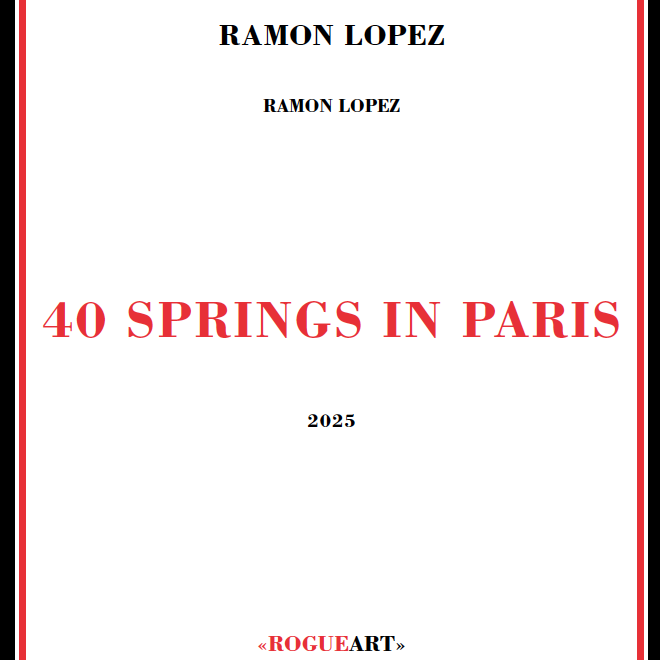
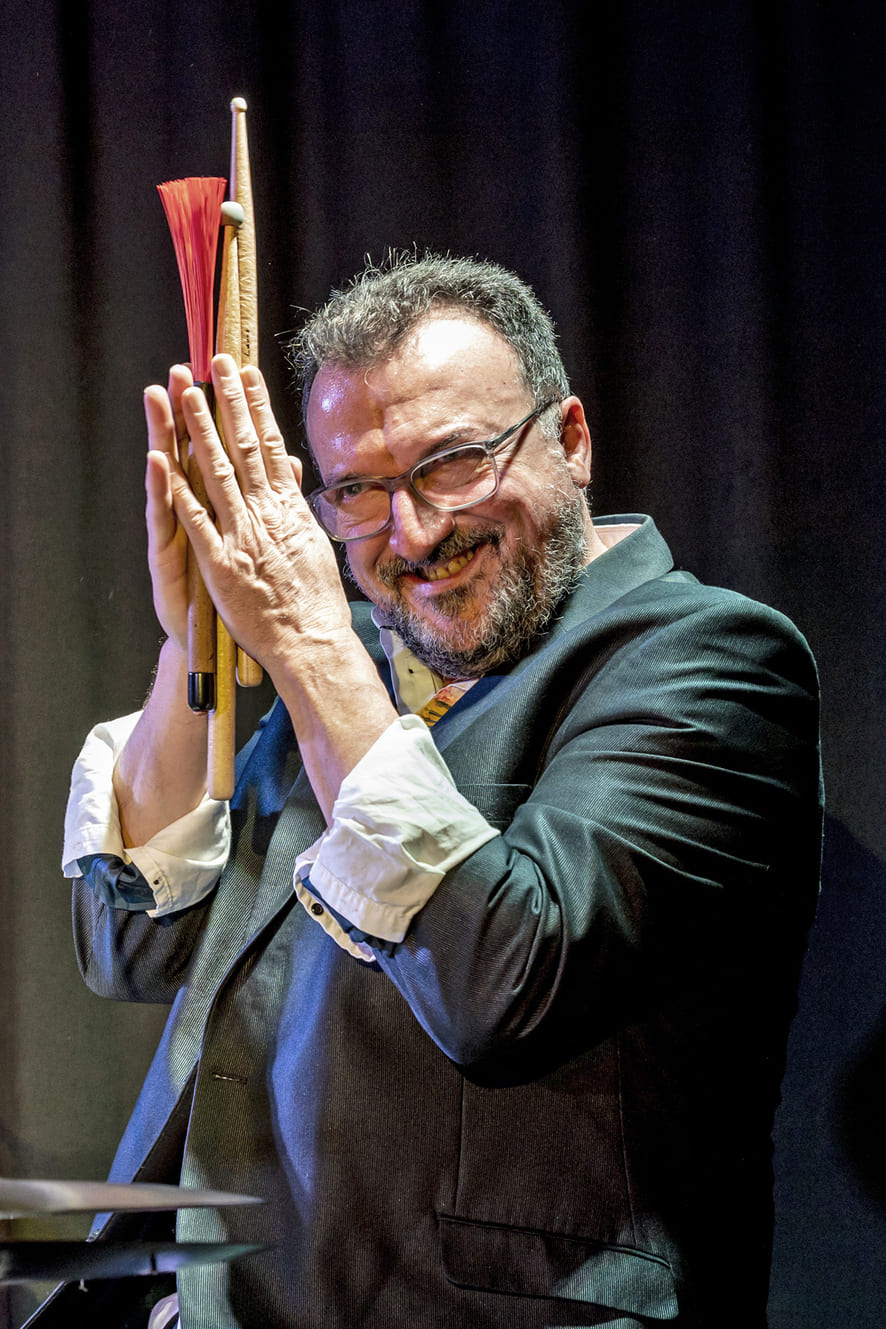
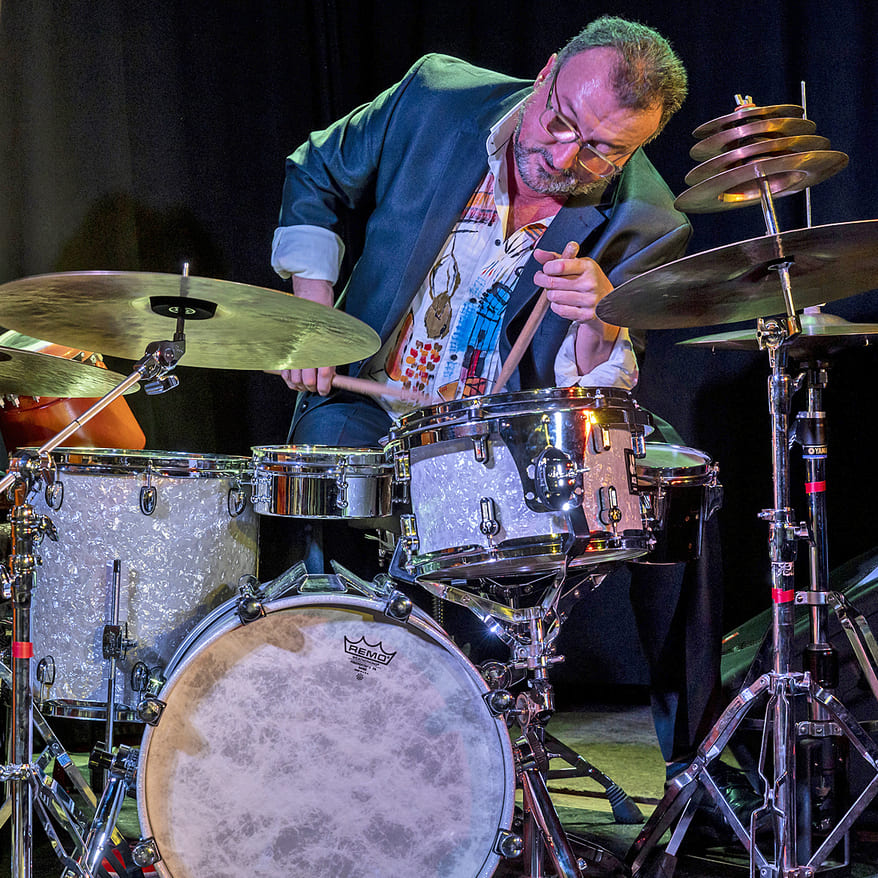
Review: 40 Springs In Paris (RogueArt, 2025). Ramon Lopez, drums.


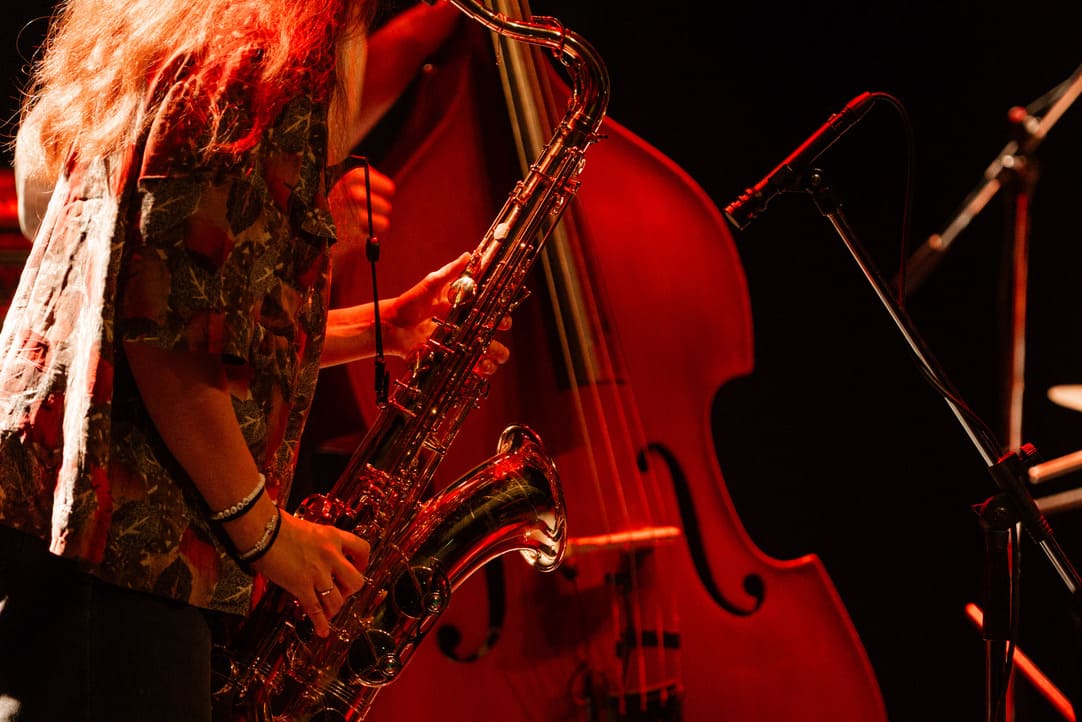
Even to the attuned experimental ear, a solo drum album is an unsure undertaking. Seamless technique aside, truth is, without a personal touch and command of atmosphere and instinct, a single instrument can never be an end in and of itself. For every masterpiece of the niche, like Max Roach’s Drums Unlimited, Art Blakey’s Orgy in Rhythm or Tatsuya Nakatani’s Confirmed, there are dozens of recordings that exhibit skill without soul, expertly composed work that does little to show how versatile and sustaining percussion can be.

Who better then to handle such a precarious undertaking than Ramón López, the revered Spanish percussionist, whose free improvisation treatment of Songs of the Spanish Civil War remains one of the most commanding and devastating musical statements of the 21st century.

No stranger to solo drum records, for many years, López’ omnivorous playing habits have served as a powerful catalyst between the Spanish tradition, American avant-jazz, Indian tabla, free improvisation and a distinctly European school of experimentalism. With 40 Springs in Paris, he distills all of this compounded knowledge into a stunning tribute to the city, and the life he began there in 1985.

López’ compositions were always pictorial exhibitions, serving just as potently as purely musical ventures as imagistic allegories. But there is something even deeper at play on 40 Springs. It’s an account of his own personal history, of four decades of a relentless creative pursuit, in a city that nourished his craft and served as his home.

40 Springs was recorded in a single spontaneous two-hour session, though one would hardly be able to tell. There is a completeness to this assemblage of tracks, a resolute statement of precision and avant-garde risk-taking. In essence, it is exactly what a solo record should be – an artist in profound ritual with their instrument, an unshakeable harmony. It almost feels like the listener is intruding by hearing it.

López’ presentation of a drum solo isn’t contained to its literal meaning of exhibiting technique (though he demonstrates that with gusto and style regardless). Rather, these starkly poignant, painterly pieces function like impressionistic miniatures of texture and mood. Devoid of chord changes, the narrative arc is maintained almost purely through variations in density. It’s an intoxicating proposition, pulled off perfectly with a staggering level of restraint and skill.

On opener “The Sound of Heart and Medals,” he uses bowing to induce an exquisite tension that hangs in the ear long after the piece fades out.

“The Sun that Awakens the Mountains” seems to mirror the movement of water, a back-and-forth showing of effortless and stormy transitions – brush-stick cross-fades and crescendoing press rolls shifting into open hits, as precise and daunting as a wave set crashing into a coastline.

“Climbing,” the de facto centerpiece of the record, builds patiently, then implodes into a rubato freefall.

And on closer “Sixty-five Tolbiac Street,” he creates a pulsing curtain of low dynamics, all brush and finger-work.

Through the thick of all these overlapping phrases and polyrhythms, López transforms a single kit into a kinetic orchestra, and 40 Springs, a percussive masterwork, shows that even decades down the line, he still resides in the midst of a beatific exploration.


November, 27th, 2025
Rodrigo Recabarren Interview

Rodrigo Recabarren Interview

RODRIGO RECABARREN

Interview


26

Noviembre, 2025
Texto: Pedro Andrade

Fotos: Carlos Linero

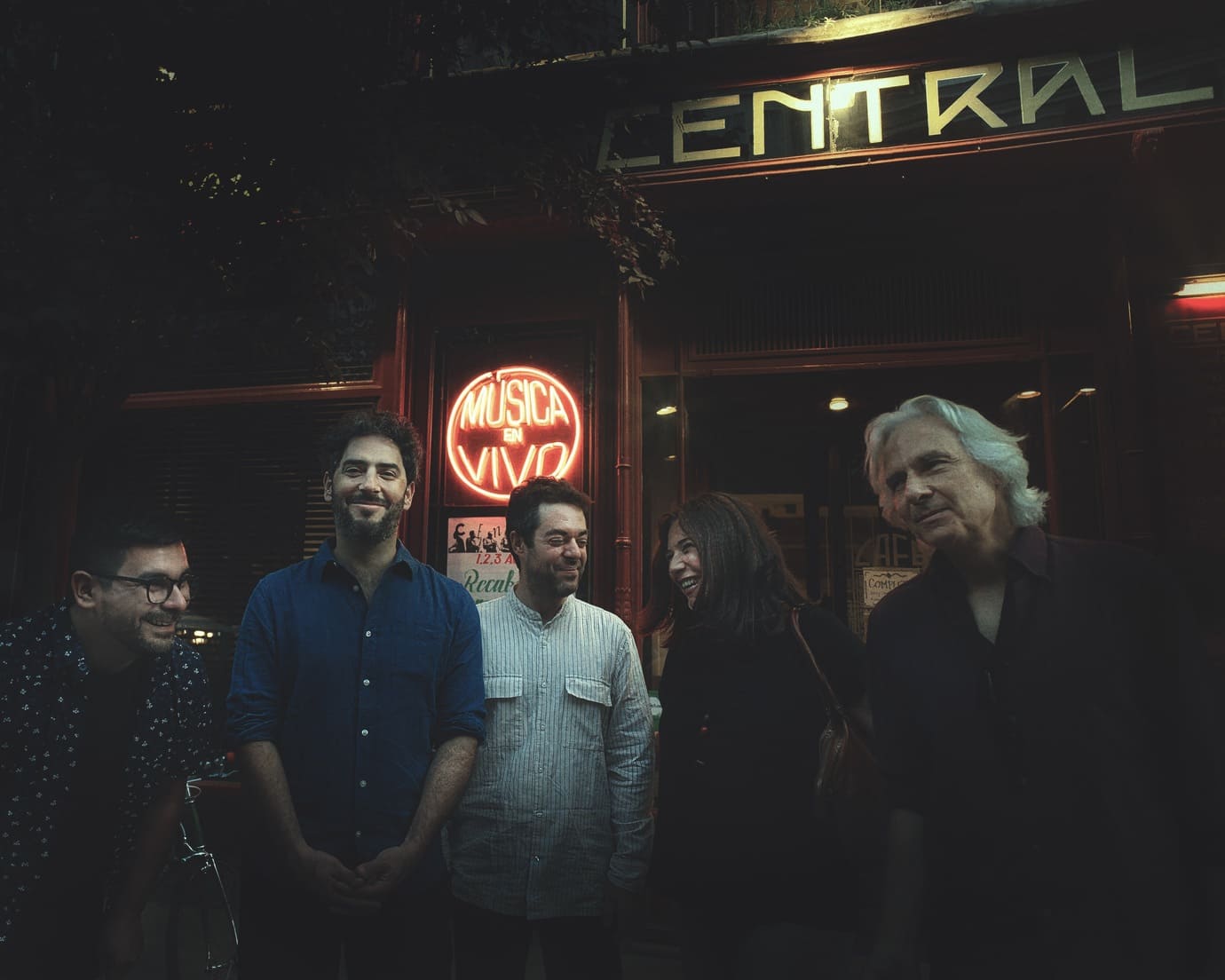
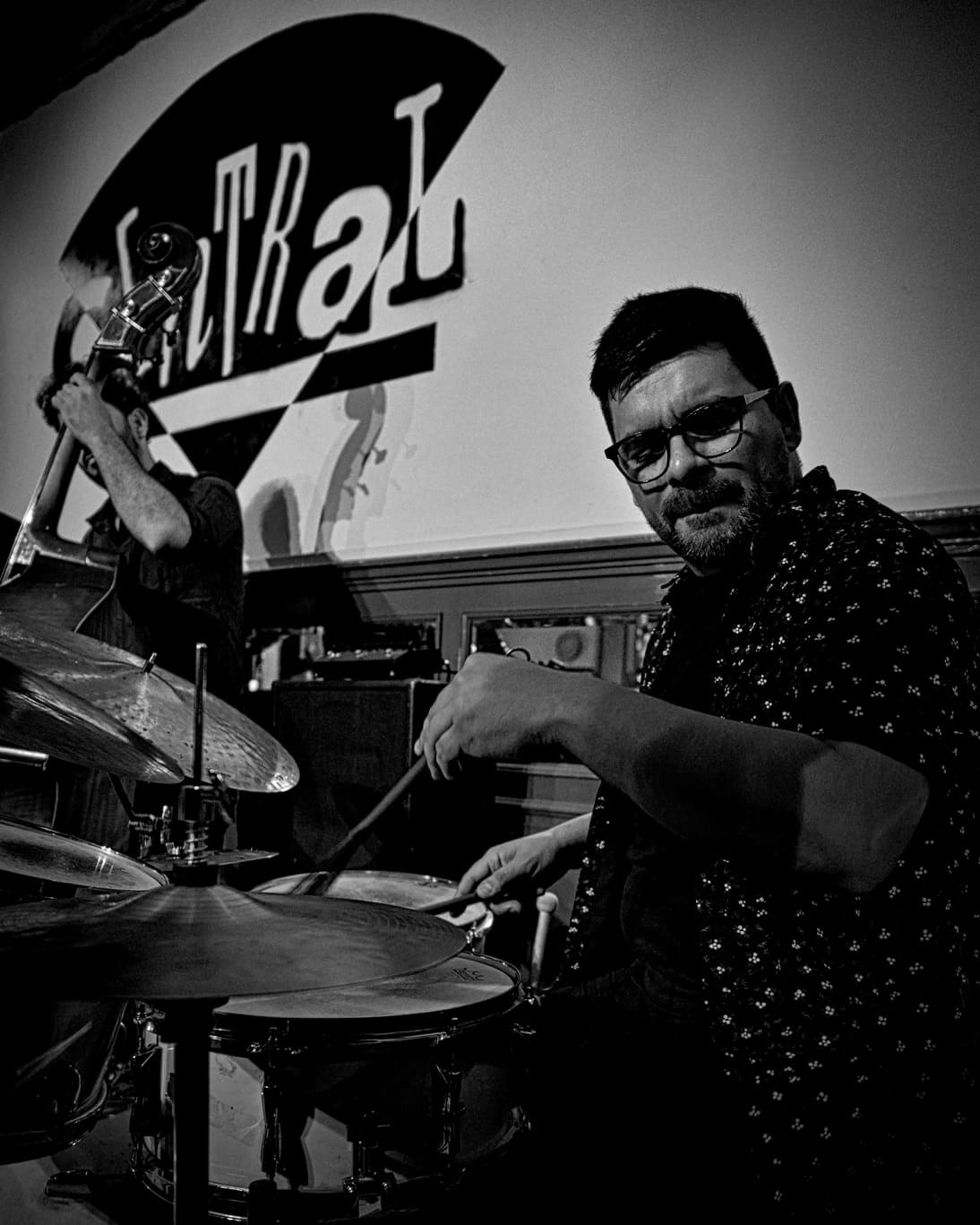
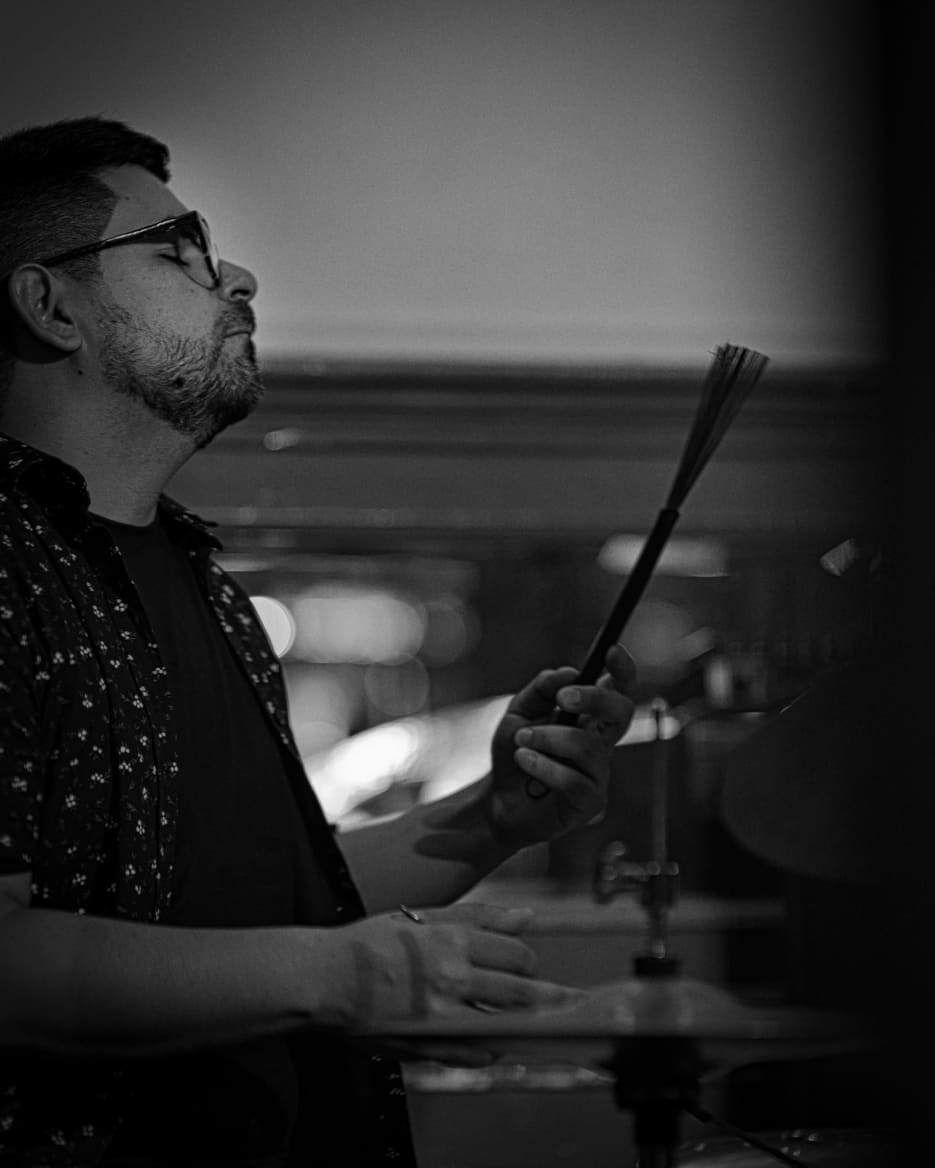
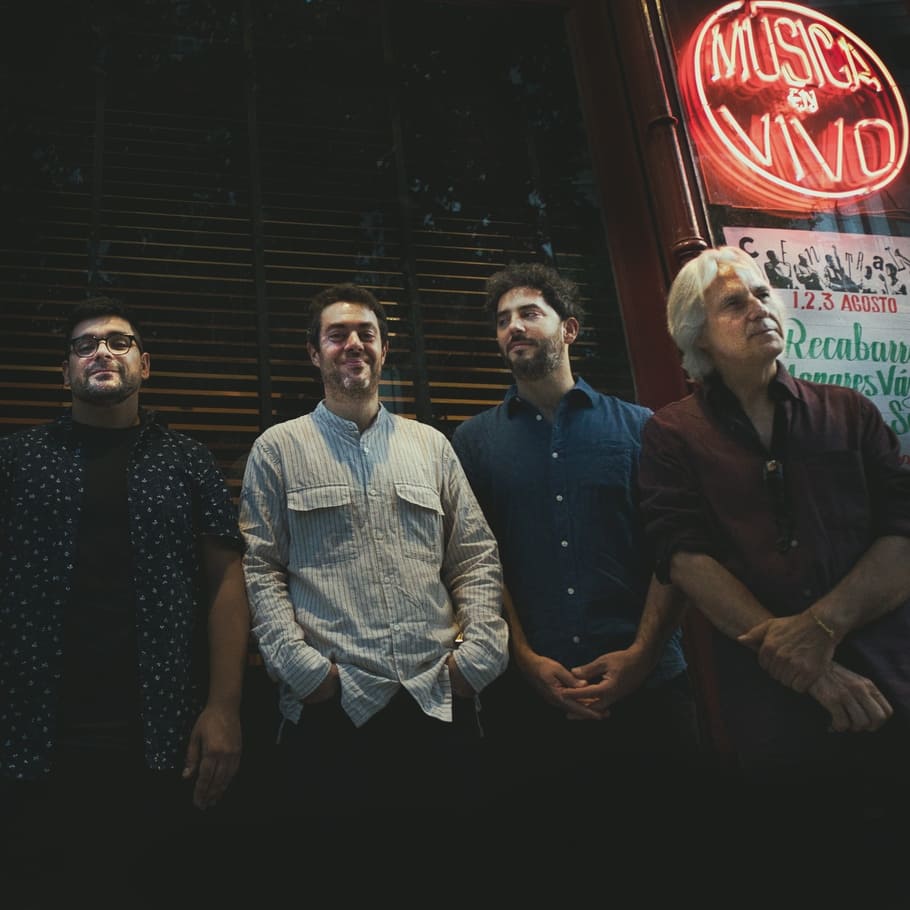
Desde Nueva York, donde vive desde 2009, el baterista chileno Rodrigo Recabarren se ha consolidado como una de las voces más singulares del jazz contemporáneo. Formado en la Universidad de Nueva York y con una trayectoria que combina colaboraciones con figuras como Perico Sambeat, proyectos propios como Recabarren, Menares, Vázquez o Peregrinos y un constante diálogo entre el jazz y el folclore latinoamericano, Recabarren ha sabido transformar su identidad migrante en un lenguaje musical propio, lleno de frescura y autenticidad.

En esta conversación con In&OutJAZZMagazine, nos habla de su llegada a la escena neoyorquina, de la vitalidad de la comunidad chilena en el mundo, de su relación con España y de cómo sus raíces siguen marcando el pulso de una carrera en expansión.


In&OutJAZZ Magazine: Rodrigo, llevas en Estados Unidos, en Nueva York, desde 2009. ¿Por qué decidiste dar ese salto y dejar tu tierra? ¿Fue por la cuna del jazz, por estudios?

Rodrigo Recabarren: Sí, fue principalmente por estudios. Me gané una beca para la Universidad de Nueva York e hice un máster en jazz performance entre 2009 y 2010. Antes había estudiado percusión clásica en Chile, pero cuando decidí dedicarme de lleno a la batería y al jazz empecé a investigar opciones. Vine en 2007, visité varias universidades, y al final conseguí quedarme.
Además, mi pareja de entonces —hoy mi esposa— se vino conmigo, y eso nos ayudó a establecernos aquí. Todo empezó a encajar y finalmente nos quedamos.

¿Cómo fueron tus primeros pasos en la escena de Nueva York?

Al principio toqué con gente de la universidad, muchos de los cuales siguen siendo amigos y compañeros de música hoy. Como tantos músicos que llegan aquí, empezamos tocando incluso en la calle. Nueva York tiene una comunidad inmensa: músicos de todas partes del mundo, y muchos latinoamericanos.
En particular, la comunidad chilena fue bastante activa hacia 2015 y 2016, éramos un grupo numeroso, organizábamos cosas juntos y nos apoyábamos mucho. Chile es un país con gran tradición musical, así que no sorprende encontrar chilenos en todas partes del mundo.

Este año estuviste nominado al Premio Pulsar en Chile. ¿Qué significó para ti?

Fue muy emocionante. Nunca me habían nominado a nada como solista. Había estado en otras nominaciones con proyectos colectivos, como Peregrinos, Murals o con una Big Band, pero nunca a título personal.
Llevo quince años fuera y fue muy importante sentir que en mi país se reconoce lo que hago. Para mí Chile sigue siendo esencial: mi familia, mis amigos, mi música, mi tierra.

¿Sueles regresar a Chile a tocar? Sí, voy todos los años, ojalá más de una vez. Participo en festivales, proyectos de amigos, y muchas veces sirvo de puente: conecto a músicos de allá con otros de acá. Esa red de colaboración es algo que siempre me ha gustado del jazz: compartir, generar lazos, crear juntos.

Hablemos de tu conexión con España y en particular con Perico Sambeat. Colaboraste en su disco Atlantis (2021), ¿cómo surgió?

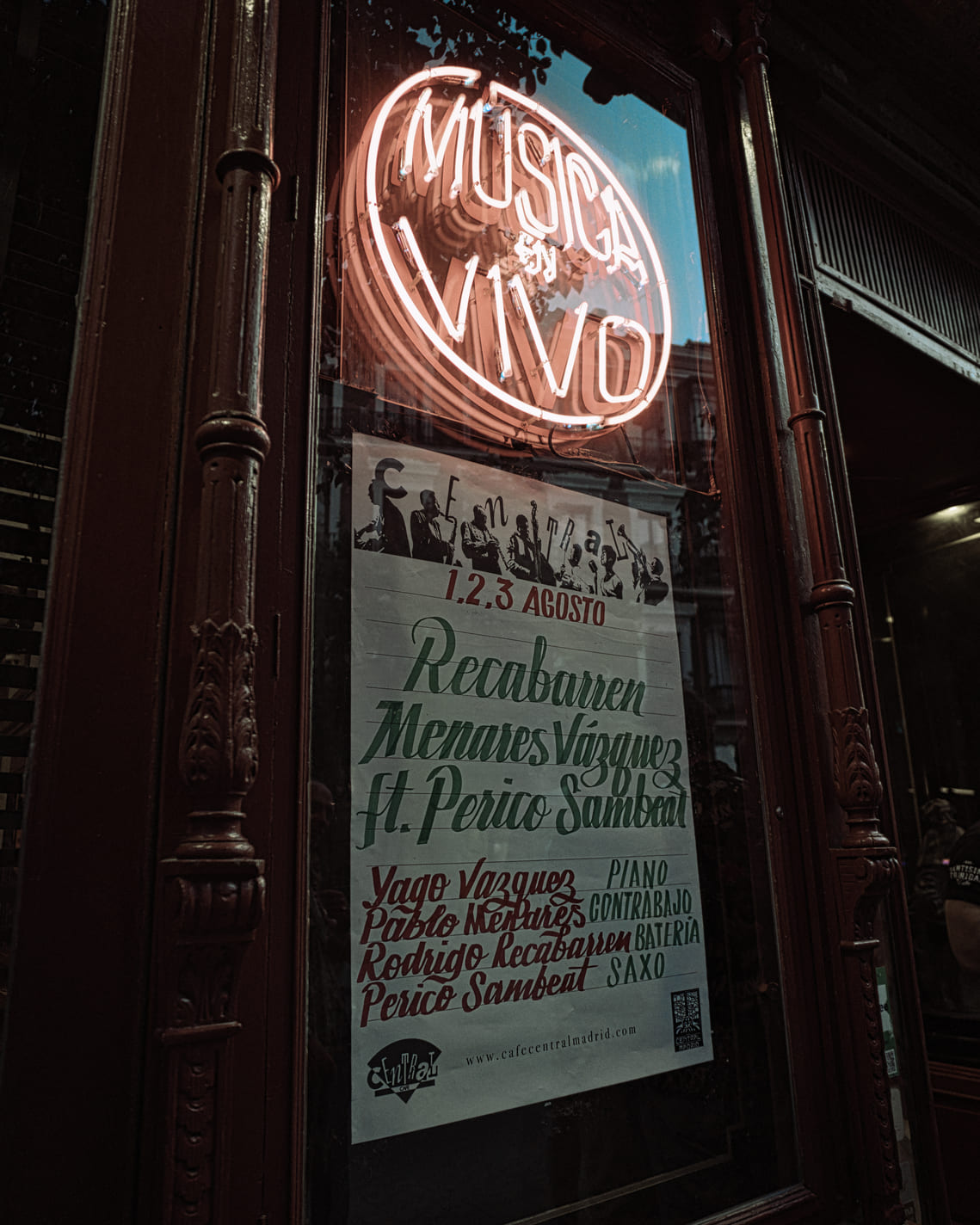
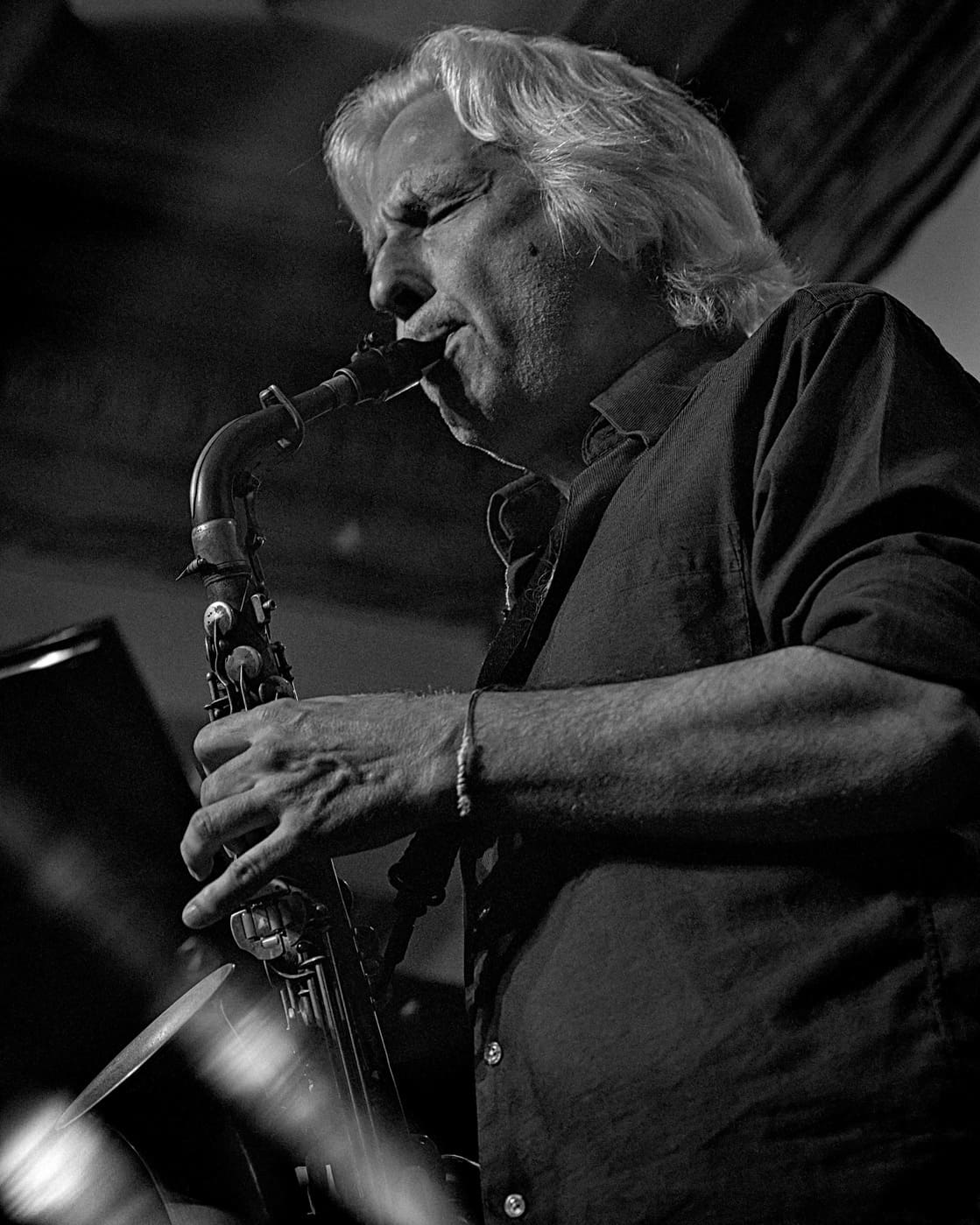
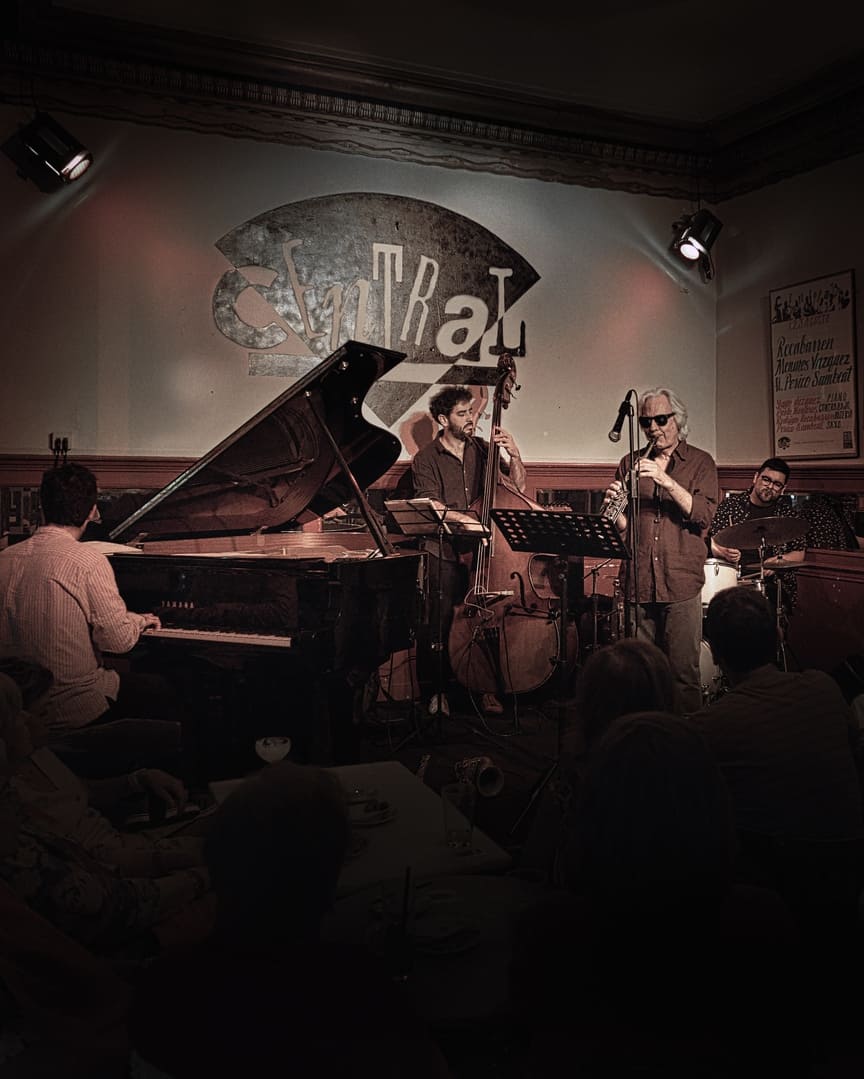
Fue gracias al bajista Alexis Cuadrado, que me recomendó para una gira en España. Allí tocamos en el Café Central, en Jimmy Glass, en Almendralejo, y grabamos Atlantis. Luego llegó la pandemia y el disco salió en medio de todo eso, así que no pudimos hacer mucho.
Pero quedé muy conectado con Perico. Cuando planeamos la gira con mi trío junto a Pablo y Yago, surgió la idea de invitarlo y fue una experiencia increíble. Tocamos música de nuestro disco Familia, pero también de Atlantis, que hasta entonces casi no se había presentado en vivo.

Tu música refleja influencias del folclore chileno. ¿Cómo se da ese cruce con el jazz contemporáneo?

Creo que tiene que ver con la experiencia del migrante. Mientras más tiempo estás lejos, más echas de menos tu tierra. En Nueva York venía a estudiar el folclore norteamericano, pero todos me preguntaban por mi música, por la chilena.
Empecé a explorarla más, primero con Raimundo Santander en Peregrinos, luego en otros proyectos. Incorporé ritmos e instrumentos latinoamericanos en mi forma de tocar. Y poco a poco entendí que no se trataba de imitar a Tony Williams o Elvin Jones, sino de dejar salir quién soy. Eso le dio sentido a mi identidad artística.

Tienes varios proyectos activos: Familia, Peregrinos, colaboraciones… ¿En qué estás más centrado ahora?

Principalmente en el trío con Pablo y Yago. Con ellos llevo más de doce años tocando y seguimos creciendo juntos.
Además, sigo trabajando con Raimundo en Peregrinos, donde reimaginamos música de Violeta Parra o Víctor Jara como si fueran estándares de jazz. También participo en proyectos como fusion bands sin bajo, con vibráfono, guitarra y batería, o en colaboraciones como la que hicimos con Ángel Parra (hijo de Violeta) y el hijo de este, durante la pandemia.
Y, por supuesto, colaboro como sideman en grupos de músicos como Guillermo Klein o Elsa Nilsson.

Hace poco tocaste en el Lincoln Center. ¿Cómo fue esa experiencia?

Increíble. Es una institución gigantesca y muy respetada. Te tratan de maravilla, el sonido es espectacular, y tocar con el skyline de Nueva York y Central Park detrás es algo único.
Además, tengo la suerte de trabajar allí en un programa de enseñanza de jazz para niños, lo que también me conecta con otra faceta muy importante de la música: la educación.

¿Qué diferencias encuentras entre la escena del jazz en Estados Unidos y en Europa?

En Europa siento que hay más tiempo para procesar lo que pasa, una vida más tranquila, instituciones que apoyan la formación y un público muy cálido. En Estados Unidos el nivel técnico es altísimo y la exigencia muy fuerte, aunque también hay mucha experimentación, especialmente en lugares alternativos de Brooklyn.
Creo que al final cada escena refleja la cultura que la rodea.

¿Piensas volver a instalarte en Chile en algún momento?

No lo sé. Me encantaría vivir en un lugar más tranquilo en el futuro, pero de momento estoy aquí, donde están mis proyectos y mi vida musical.

¿Qué proyectos tienes a corto plazo? ¿Te veremos en España de nuevo pronto?

Ojalá. La idea es volver a España el próximo año, pero prefiero no adelantar nada hasta que esté confirmado. Soy poco supersticioso, pero cada vez que digo algo antes de tiempo, se cae (risas).

Rodrigo, gracias por esta conversación.

Gracias a ustedes. Ha sido un placer.

26 de noviembre de 2025
Pin It on Pinterest