Select Page
Aaron Parks Interview

Aaron Parks Interview

AARON PARKS INTERVIEW

28

Julio, 2025

Interview and Photographs: Daniel Glückmann

Interview with Aaron Parks, American jazz pianist and composer.

Making music is for me like making origami in a house that’s on fire”

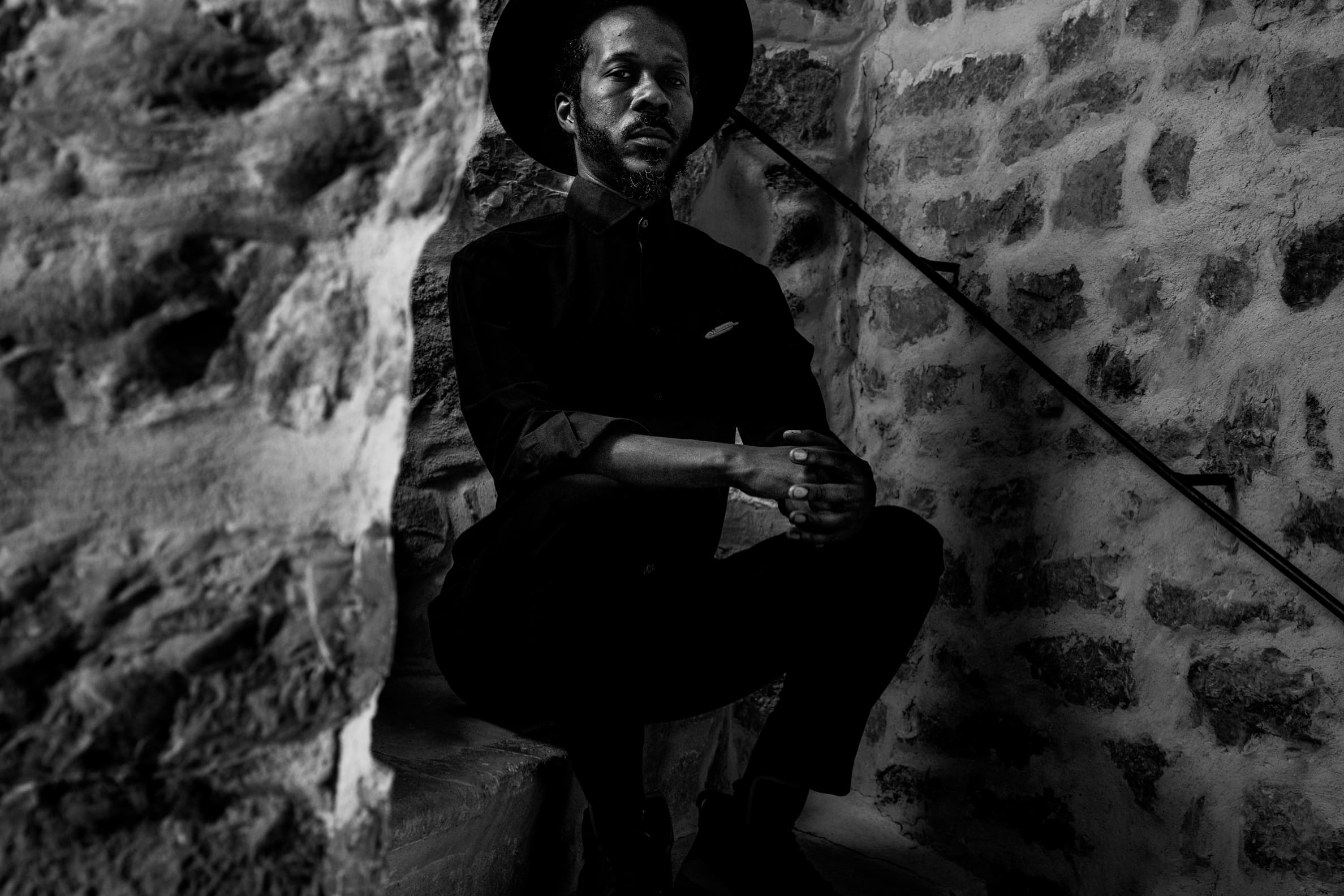
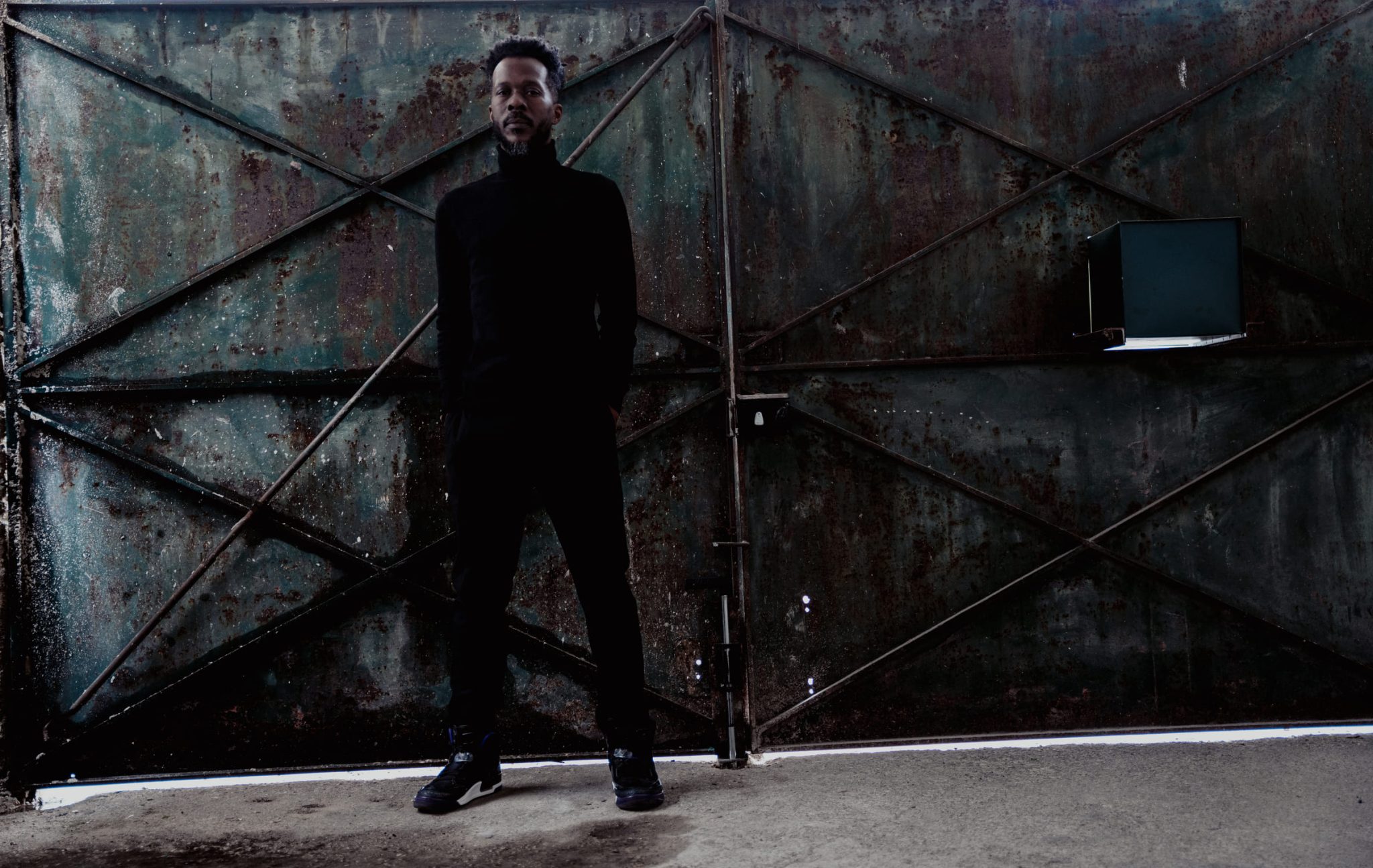
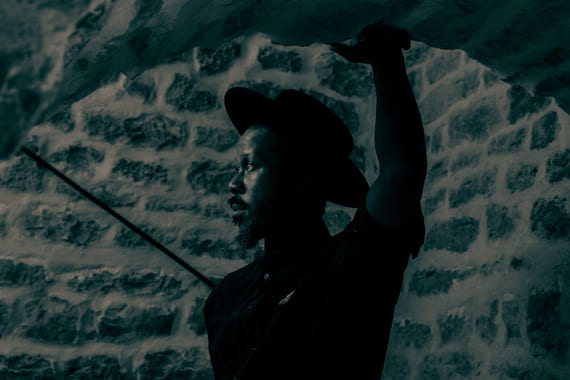
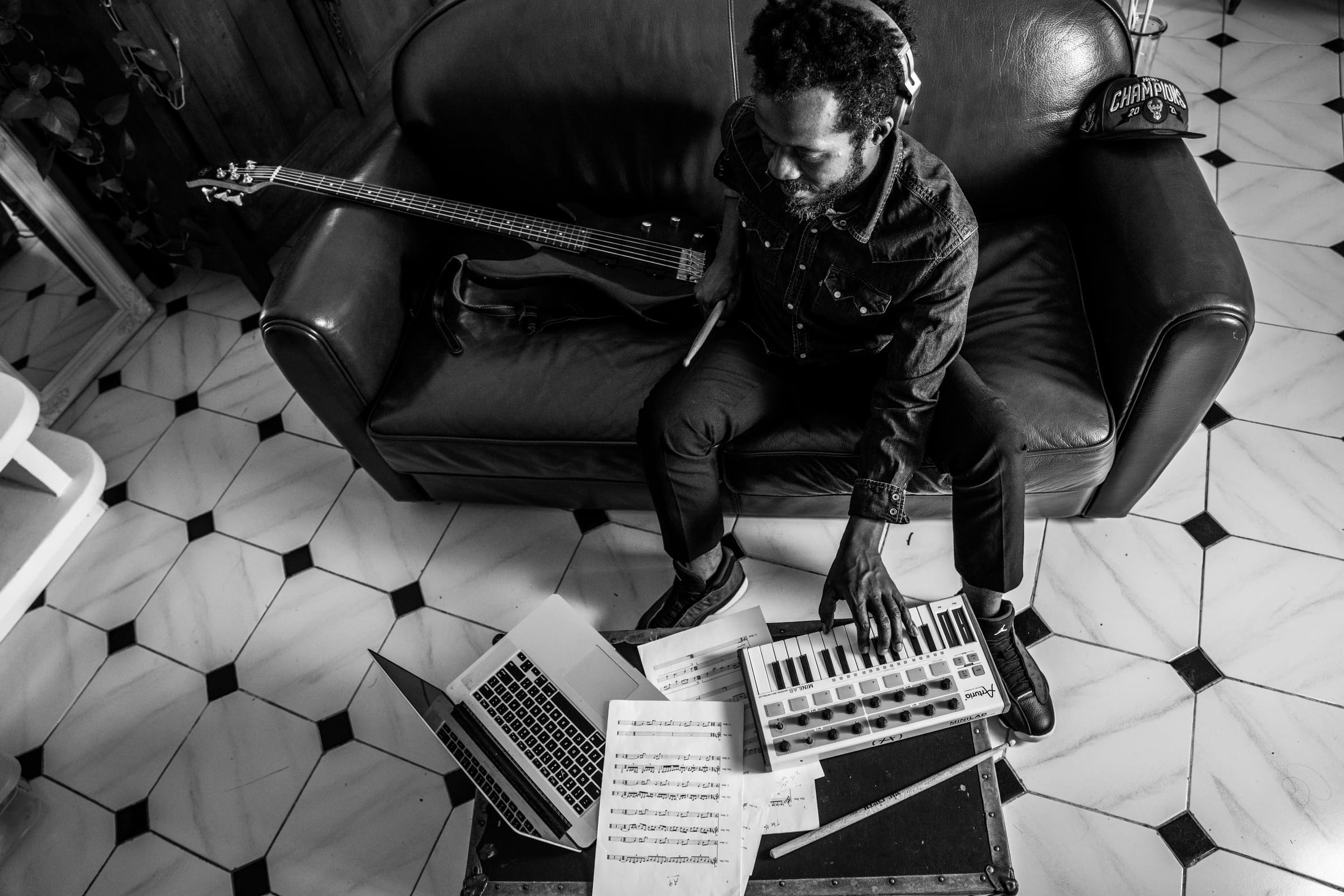
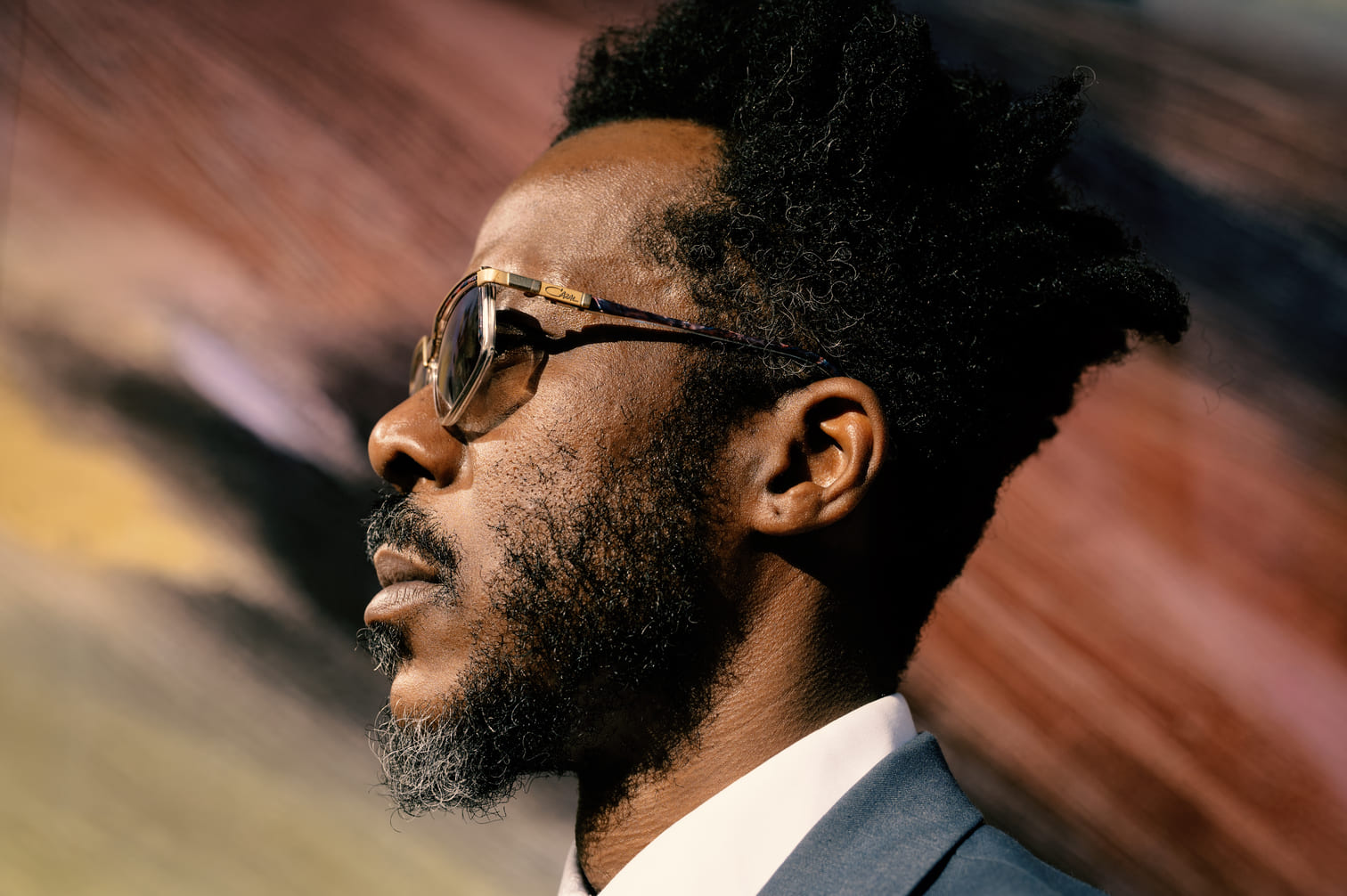
It’s 5 p.m. and the sun is beating down on Madrid. Inside the Sala Villanos, where the meeting with Aaron Parks will take place before the sound check for his concert, the air conditioning is comforting, and the musician (Seattle, WA; 42 years old) shows up to meet the journalist with a smile and an idea: “Shall we have a coffee outside?” “Glop, yes, of course,” I said, and we venture through the streets in search of a place that best suits Parks’s particular taste for the beverage. Luckily, specialty coffee shops abound in the city, and just two blocks away, we find one with a deliciously cool air where we can begin our conversation, initially centred on heat and coffee. The best will come after crossing those blocks again, in the cool of Sala Villanos.


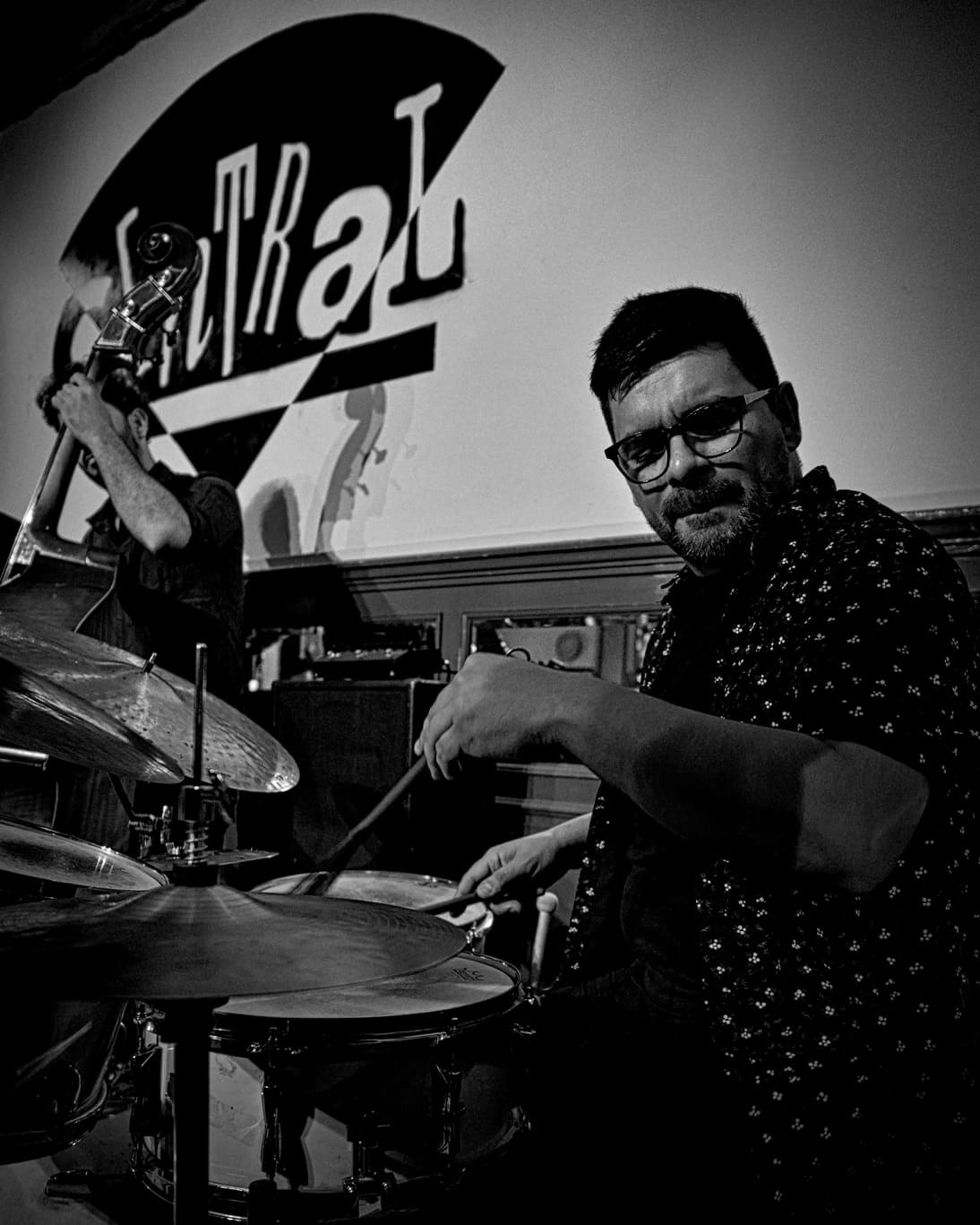
The pianist, with a career spanning 15 albums as a leader and countless collaborations, performed in Madrid alongside his inseparable guitarist Greg Tuohey, electric bassist Morgan Guerin and drummer Jongkuk Kim, presenting songs with his band “Little Big”, the flagship of his recent creations with which he has already released 3 albums, the latest, once again, with legendary Blue Note Records label, after having been with others for several years.

In&OutJazz:  You were born in Seattle, then lived in New York and have recently settled with your family in Lisbon. How is the change going?

Aaron Parks: No matter where you go on this planet, there’s always going to be uncertainty because we’re living in an uncertain kind of time on the planet as a whole. But it was once I moved out of the United States that I realized how much anxiety I always had living in America and not only since this sort of most recent round of authoritarianism has begun, but just in general. Being out of the culture of fear, the most noticeable thing, is the feeling of, oh, I can actually breathe. I didn’t realize how much I was holding.

My wife, who is from Colombia, and she moved from Colombia to Paris, and then from Paris to Italy, and then to the United States, welcomes me to her world as I’ve never been an immigrant before.

And what about the music? There is a strong local jazz culture and with fado, together with other African influences, Portugal has its own jazz somehow.

For sure. That was one of the things that I was drawn to when I firstly visited the city in 2022. When I got there, I felt the energy of the city. I went to some of the jam sessions, and I was really struck by the dedication of the musicians, not with a flamboyant performative style, not saying hey, look at me, I’m the jazz, I’m doing it right, I’m the jazz star. Just doing it with a lot of dedication and love for the music when they’re playing standards and calling tunes.

Foreign musicians living in Spain are always impressed by the strength of local music like flamenco. What impact is Portuguese music having on you?

There’s a certain type of melancholy that I find in fado but also with the city and the people that is within me as well. There’s a sense of closeness to sadness as well they call it “saudade”, something which was already very important to me in music. I feel some sense of kinship there.

Aaron Parks has vivid eyes that scan his surroundings in search of the best way to express his ideas, which always flow heartfelt and sincere. It’s clear he enjoys talking and letting his feelings out. Recently, he also began publishing them in writing on a blog called “Always Beginning” (https://aparksmusic.substack.com/), a special space to discover Parks’s more philosophical side.

One of his posts is about the origin of his band’s name, “Little Big,” which takes its name from a book he found himself strongly inspired by, written by John Crowley, also called “Little, Big,” in this case with a comma in the middle. “The further in you go, the bigger it gets” became a kind of profound principle he shares with the writer, and which also reflects his path in music and life. In his post, he elaborates on this link, which he had barely spoken about before, “not because it’s secret, just because I’ve never quite known how to articulate the connection.”

Little big is concentrating lot of your production in the last years. Tell us a bit about the connection you have with the band, now you are in the middle of a new tour?

Basically, there is no Little Big without Greg Tuohey, the guitar player in the band. Greg is my co-pilot. It struck me one day that it almost feels like we’re cosmically predestined. He’s my other half in some kind of way. That’s grown over 11 or 12 years now.

The electric bass for this particular tour is Morgan Guerin, an incredible musician. It’s his first-time touring with the band. He’s also an incredible drummer a saxophone player and a keyboard player. He’s one of those kinds of guys who plays everything. I played with Morgan quite a bit in the band of Terry Lynn Carrington.

And then the drummer, who joined the band on our most recent album, is Jongkuk Kim. He is from South Korea and plays tons of gigs with all sorts of people, very adaptable within the New York scene. And at the same time, he also is a kind of… “secret sauce” as he also played on a bunch of the K-pop records. He has the ability to understand how to really make a song come together, like that sort of pop music aesthetic. And it’s important for all of us, for me, for Greg and for Morgan. All of us, we deeply love all types of different music.

These guys are just really, really wildly imaginative, creative musicians, very focused and producer oriented as well.

I’ve been always very curious about the dynamics that take place during a tour, both inter-personally and musically. What is your experience?

Yes, there’s no substitute for a bunch of gigs in a row and every tour is different. To sort of help a band start to understand things about themselves.

And so, some of the things happen in the music. Others happen just as much sort of in interpersonal things. I noticed that most tours you get little inside jokes that somehow start somewhere in the beginning of the tour and find their way, keep on going as the tour progresses helping us stay sane during the crazy travels. Nevertheless, most of the time it’s okay. I mean, it is a gig every day, basically.

¿Is the music the same after 20 concerts?

Of course not. And it’s not as simple as that one side is better than the other. There is something very exciting about the first few gigs of a tour and something really interesting often happening about the very last ones as well, because it’s been cooking for the longest. But every tour has its own thing. There are moments where there’s a wave that things start to make the most sense and others where we feel like we start to repeat ourselves or beat our head against the wall or we’re just always doing the same shit.

¿How do you handle those moments?

I record almost every show and I listen back. With greater experience, I neither am beating myself up, like, “oh, I’m playing like shit”, nor am I like, “yeah, that was great, I’m the man”. I’m doing neither of those things but trying just to be objective, like looking at, okay, how did that go? What were the things that pulled me out of the listening experience? Where did I notice that as a listener that I’m like, oh man, that was really feeling good, but then my comping got to be a little bit too rambunctious or maybe the piano solo felt like it had an energy of striving, like trying to make something happen rather than letting something happen? You watch the tape. Just to fix a few things. See what it actually sounds like.

If you’re tying your whole sense of identity to the music, overall, it can be therapeutic but depending how you take it could also be torturous.

Following with your live experiences, you are one of the “in rotation” artists of the Village Vanguard, the legendary New York’s jazz club, where you performed already for four whole weeks. Is it the same for you playing at the Vanguard than in any other club?

No, it’s not the same, of course. No, there’s nowhere like the Vanguard. It’s my favourite place to play music. And the way I put it is that it feels like there’s ghosts there, but they’re rooting for you. The ghosts, they want you to succeed as long as you’re showing up with the right intention. As long as you’re showing up and you’re after the music rather than glory, then they will help.

One day after the other?

One day after the other. Every time I play a full week at the Vanguard, I come out of there a different musician than I started the week with. Every single time I go through that experience, it’s a transmutation, a transmogrification.

You have recorded quite a big number of albums as a leader. But you also participate in a lot of collaborations. How those two different facets play with you musically but also personally?

All of it’s really important. And what I’ve learned from being a side person or a collaborator is integral to how I want to lead a band as well. It’s very important to know what it’s like to be a band member. It also helps me because being a band leader is ultimately also about being a band member in your own band and knowing how to serve the music itself.

What are the things that feel important as a side man that make you feel valued and seen? And that I wish that I experienced. Or sometimes knowing about the things I didn’t love that much. All those are things that I learn and can take away for my own projects.

But then musically, I’ve gotten to a point where I don’t particularly make a distinction between the projects that I’m a side man in and a project that I’m the leader of.

Maybe the difference could be that you are not the composer of the music…

That’s a huge difference, of course. But I guess the thing that’s surprisingly similar is that with my music or somebody else’s music, I’m doing the same job, which is trying to understand what the music is. Just because I wrote the song doesn’t mean that I fully understand what it is yet. I wrote the song and then it’s like, OK, well, here’s this thing. How can I bring it to life? You can sort of do radically different ways of imagining it. One of the things that “Little Big” is about, is subtle reimagining, where we’re actually sticking to the idea, but we’re always changing small little things.

Are you a kind of leader who defines one hundred per cent how the music has to sound or are you giving more freedom?

Yes, and yes. Both. It depends on the song as well, but there are many songs that have very, very clear ideas. What my approach has been, is let’s try my idea. And often we’ll just play it first. And then, what do we think? Have you got any other ideas?

Recently, there’s a new song that I wrote for the band, but I’ve never found the right way to do it. We practiced it a few days ago and Greg told me this morning that he woke up from a dream. And that he woke up and he had this song in his head that he was like “what a beautiful song”. It took him a while and he realized that it was my song. But it was a totally different rhythmic context. He was imagining a totally different way of approaching the song than I had conceived of it. That was this morning, and we haven’t had a chance to explore what “Revolve” actually might sound like yet.

And what about the other musicians of your bands? Do they always like this type of leadership?

I normally call musicians who don’t mind getting specific direction. There are some people who are open to that but there are some people who don’t like that. In some of my other projects, like my next album that’ll be coming out which is an acoustic quartet album, that’s a project where I say much less, hardly anything at all to the musicians.

But it’s still your music….

Exactly. And for them to find what the part is that feels correct. It’s a very different approach I take depending on the project and musicians I’m playing with.

In 2023, Aaron Parks suffered a serious personal crisis which obliged him to cancel a tour. He was very brave sharing his mental health issue with the community and from there on, he started a recovery path which brought him to the creative and positive moment he’s currently living. Not a long time ago, speaking about this kind of problems wasn’t common at all but fortunately it’s becoming normal, not only in the art world but also in sports and in general, in our normal lives.

I’ve known about bipolar disorder for myself for years. But I essentially denied it within myself because I wasn’t speaking publicly about it. When I decided to do it, I didn’t do it for anyone but just because it was what I needed to do for me. Then I was really happy to hear from folks who talked about how much it meant to them. To have someone speaking openly about this.

It’s the same thing in music. You have to play the music that you need to play, that you want to play with honesty, not focused on how the audience is going to receive it. You’re not trying to tell them what they want to hear, but you’re preparing it in a form that makes it possible for them to hear what you’re after. So, you’re arranging your words, you’re arranging the music into a way which creates the possibility of reception. You’re aware of that relationship between reader and writer, between listener and musician.

And how does this relationship work when confronting music with the challenging times we are living at the social and political levels?

You know, actually, it’s one of the things I wrote about on my Substack blog. The metaphor I used, is like sometimes making music, especially music which isn’t explicitly reckoning with the times, can feel a little bit like making origami in a house that’s on fire.

On the other hand, I’m very glad that there is art that’s being made directly in response and in commentary and talking about what’s happening in the world.

Whether or not all art being made right now needs to directly reckon with that? No, I don’t think that that needs to be the case. I think that there needs to be room for just dreaming rather than rebelling against what’s here, like proposing, what are you for and even, just reminding of what beauty can be. We need protest singers now, but I don’t know that we need everybody to be a protest singer.

Elasticity, gravity, gesture, adventure, contrast, a sense of space, a sense of place, gardening… are all concepts you have highlighted in some previous interviews when speaking about what defines your sound and your way to see life and music. In what sense are these things so important to you?

Yes, you’ve zeroed in on the stuff that I care about more than anything.

It’s not an easy question. I normally talk about this in a 90-minute masterclass, so it’s hard to get boil it in short but let’s try. First of all, your sound will find you. You don’t need to find your own sound. The sound finds you if you make yourself available to it, if you are a dedicated listener, if you surround yourself with music that inspires you and listen to it deeply, not in an extractive way, not like, okay, what can I get from this to use in my playing?

Let’s take “gardening” for example. Gardening is often planting seeds, planting seeds to get something. In music, what you’re doing in the practice room is planting seeds. And then when the time is right, they’ll grow. But only when the time is right and not being in a hurry to make them grow. You don’t plant a seed and then go out the next day and be like, hey, are you a potato yet?

Another thing that is valuable about gardening is how you think about your musicianship and your creative process. You should think you are taking care of a garden but not confusing yourself to be the garden. The music I make is not me, my job is to take care of it. And what that means is to observe it. That’s why I listen back to the recordings, that’s why I try to see what it actually sounds like. I say to myself, I’m not the garden, but I am the gardener.

Sometimes it seems like maybe those flowers are a little bit ostentatious, that they are a bit too much, too flowery. Right over here, there’s a patch, which is kind of dead and there’s nothing growing there. What could I plant here? Over here, there’s a bunch of weeds, some bad habits. What of those are actually weeds?

It’s useful asking these types of questions because that changes the relationship being always alive and shifting environment. And then when you’re making music, you’re going out into the garden and seeing what’s growing like the chef that sees what’s in season. That’s good and it’s a nonstop process.

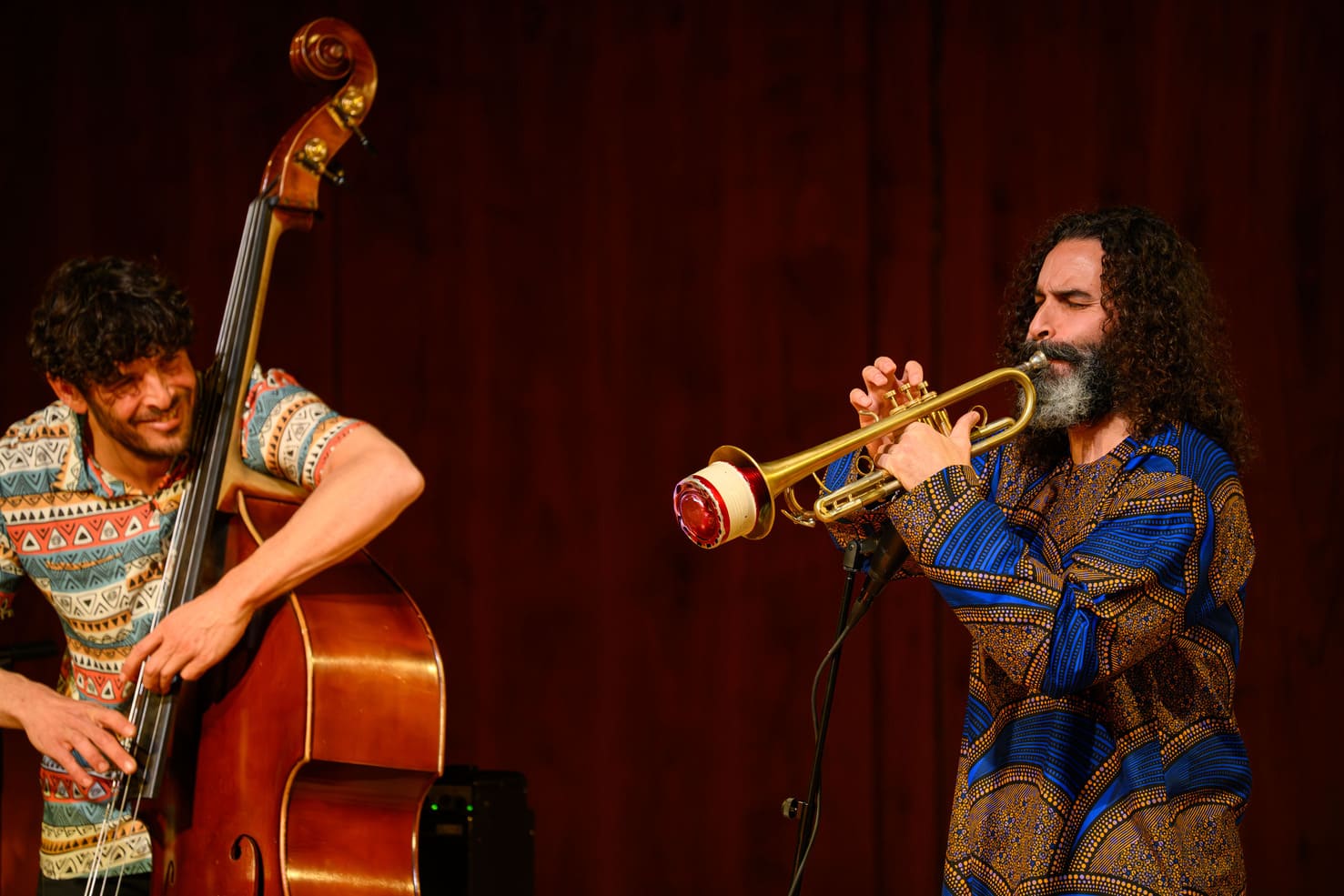
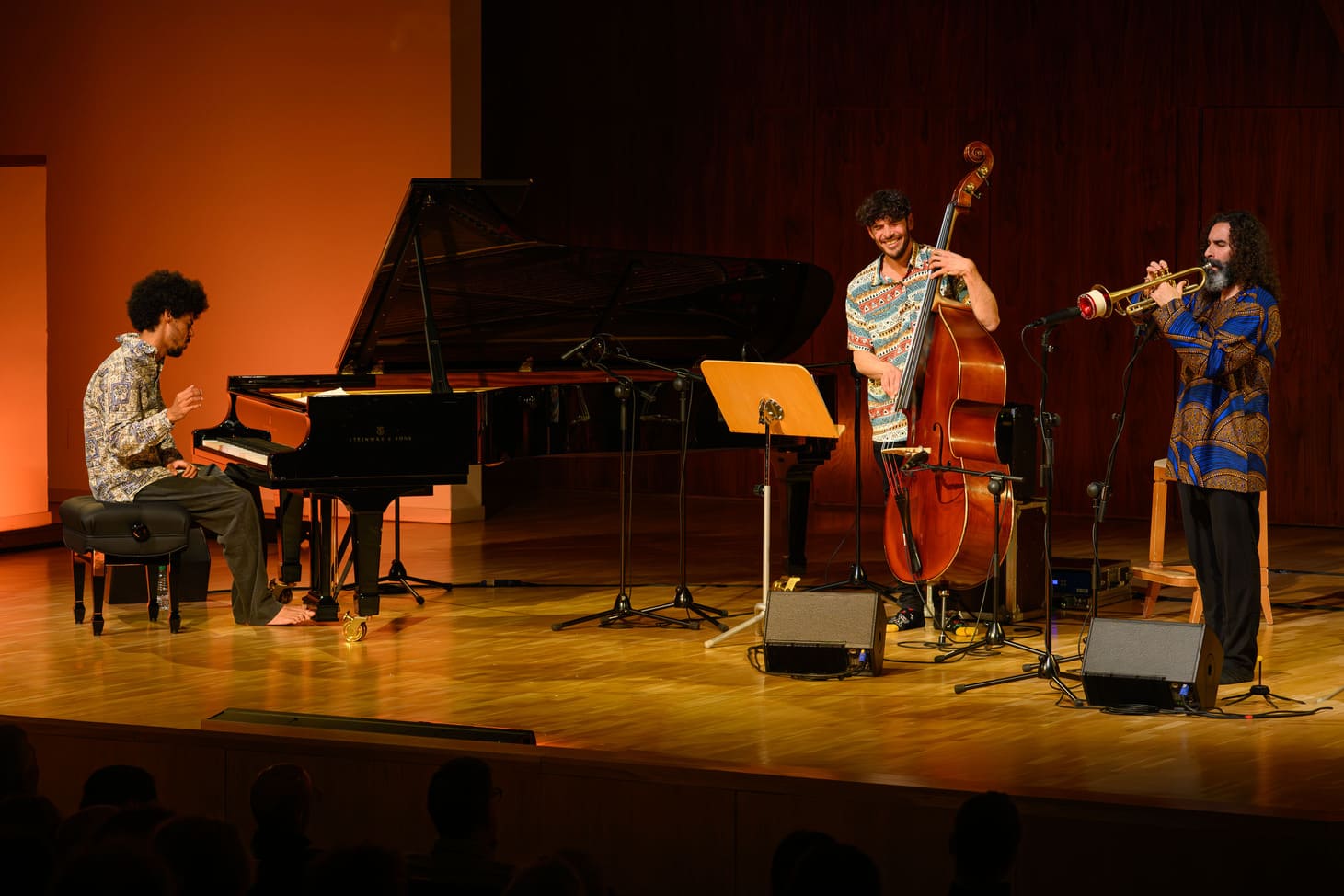
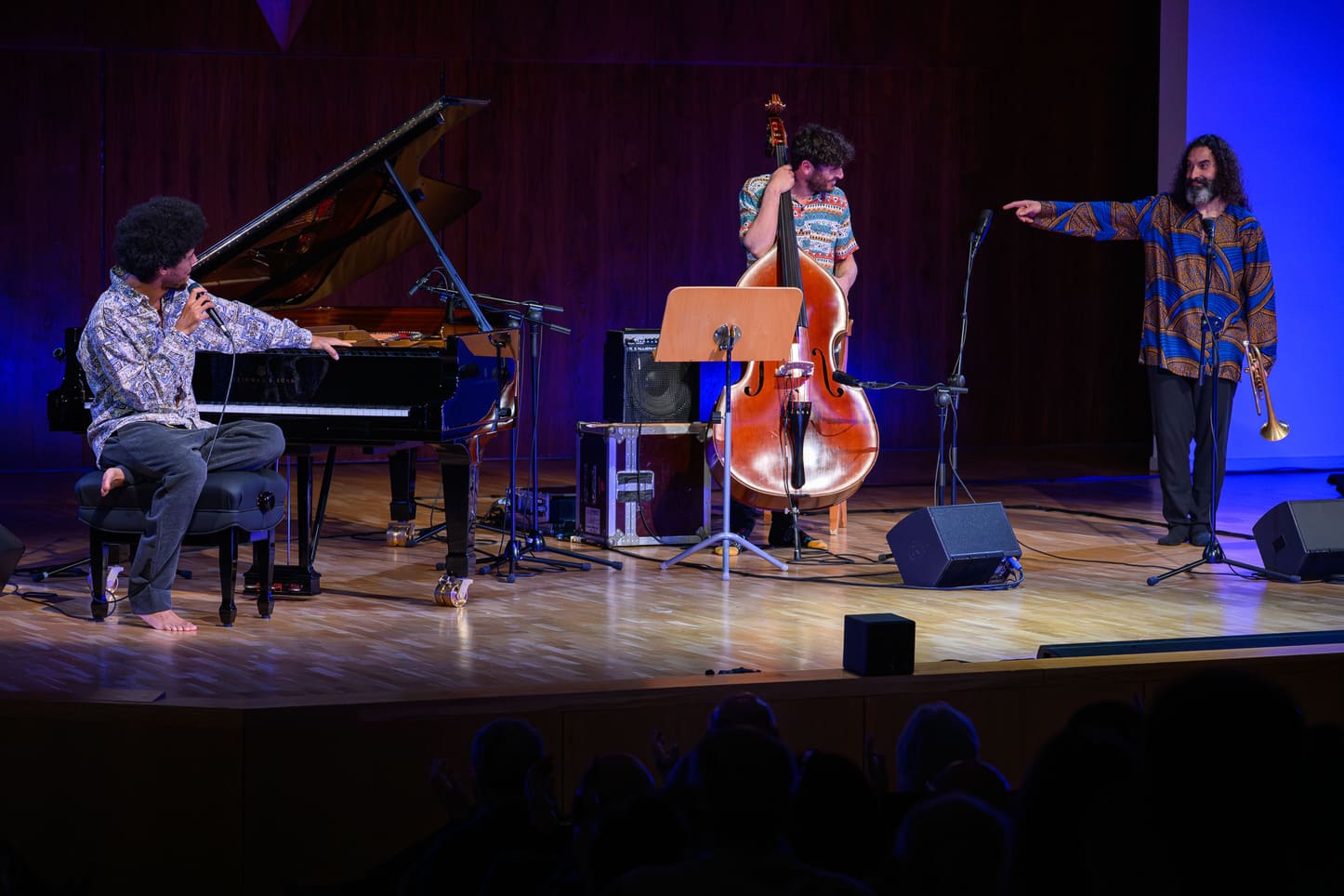
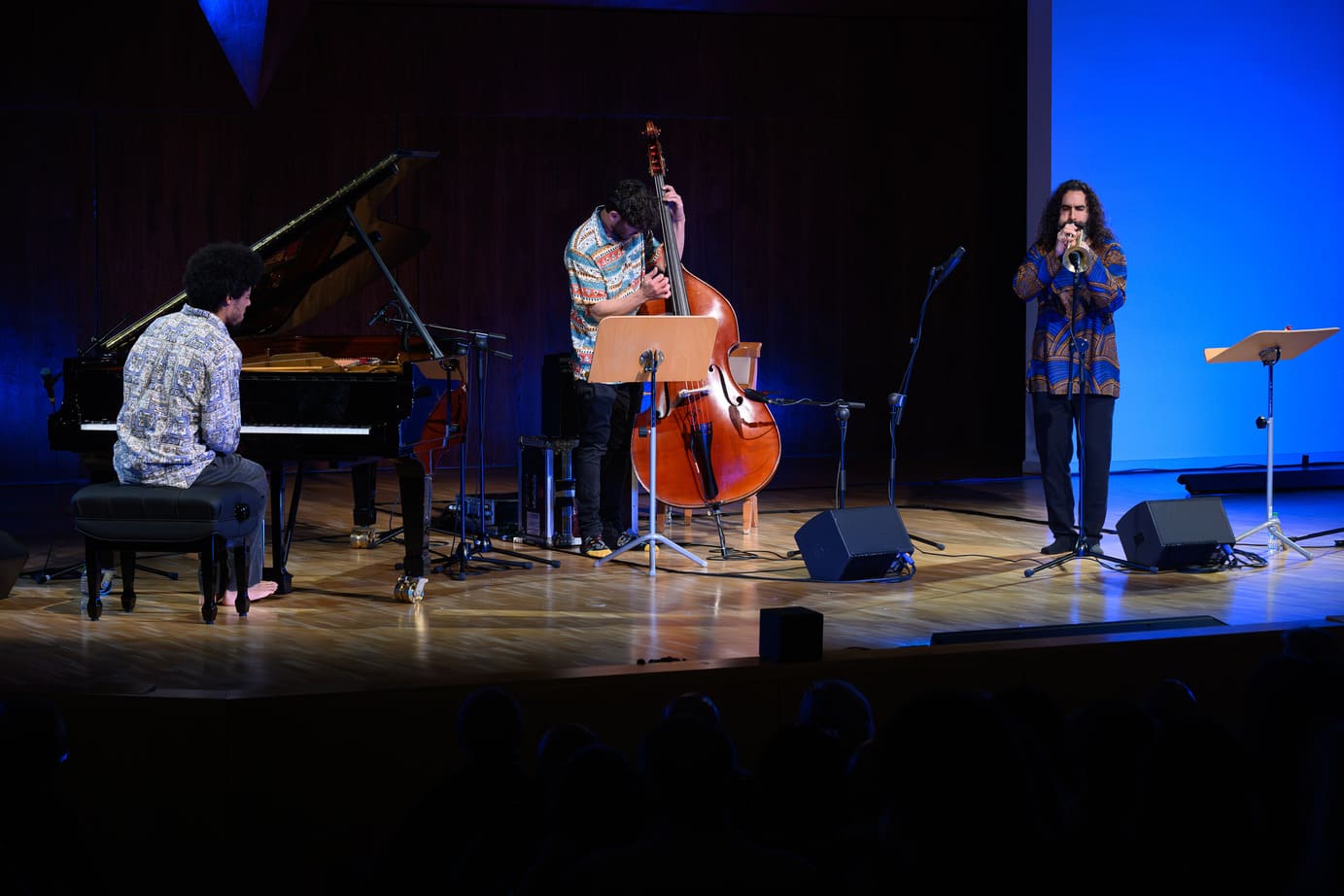
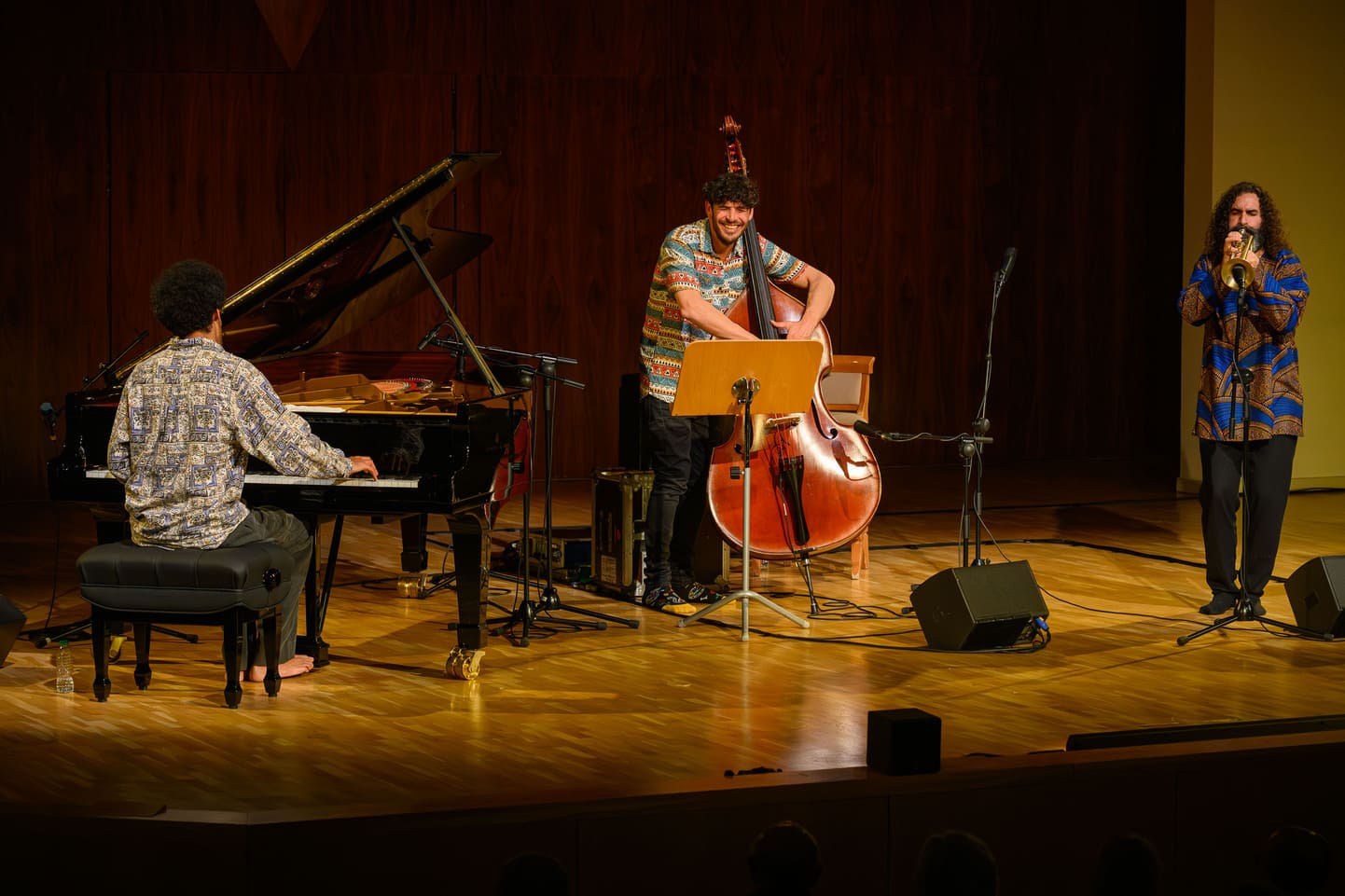
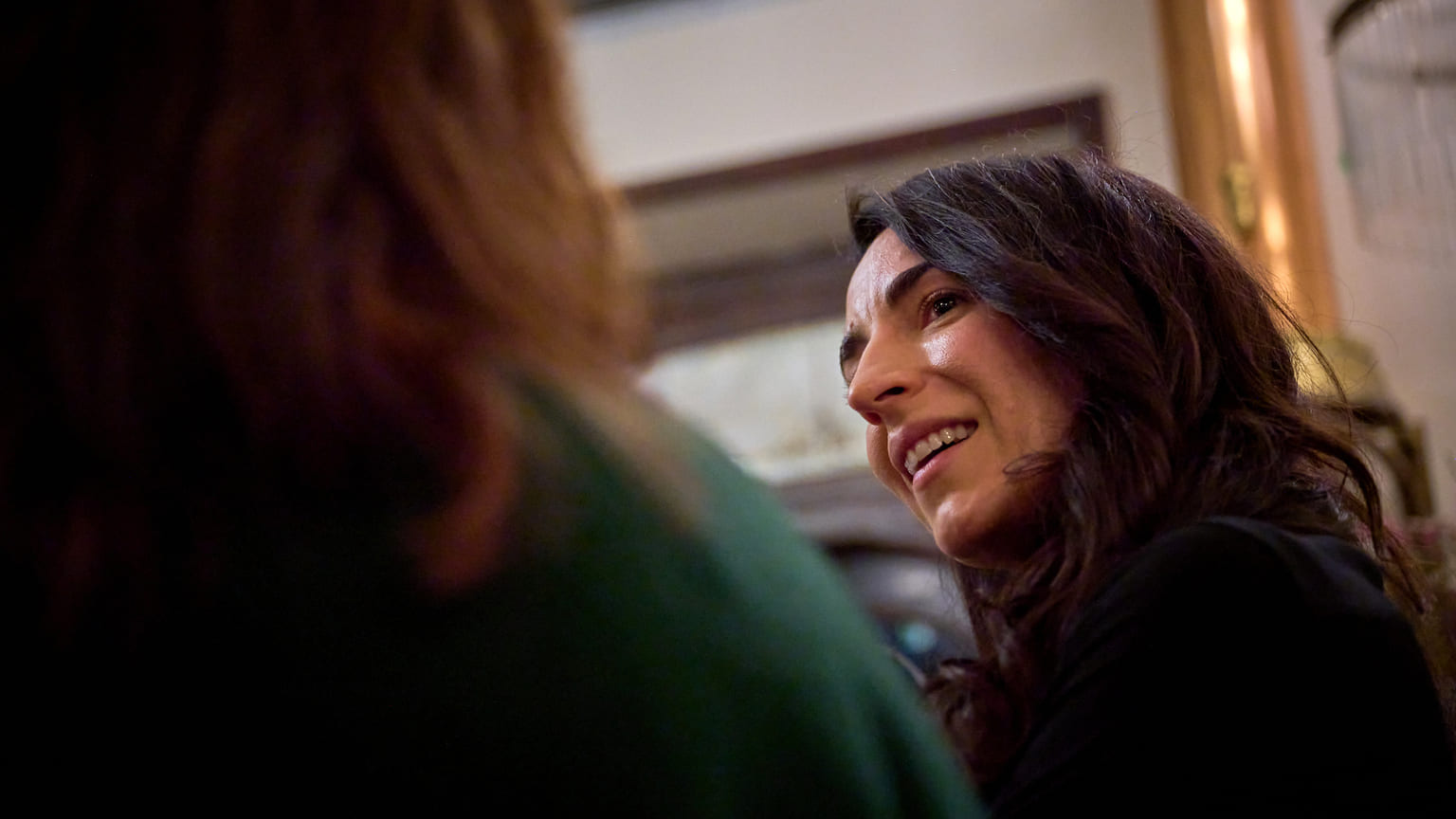
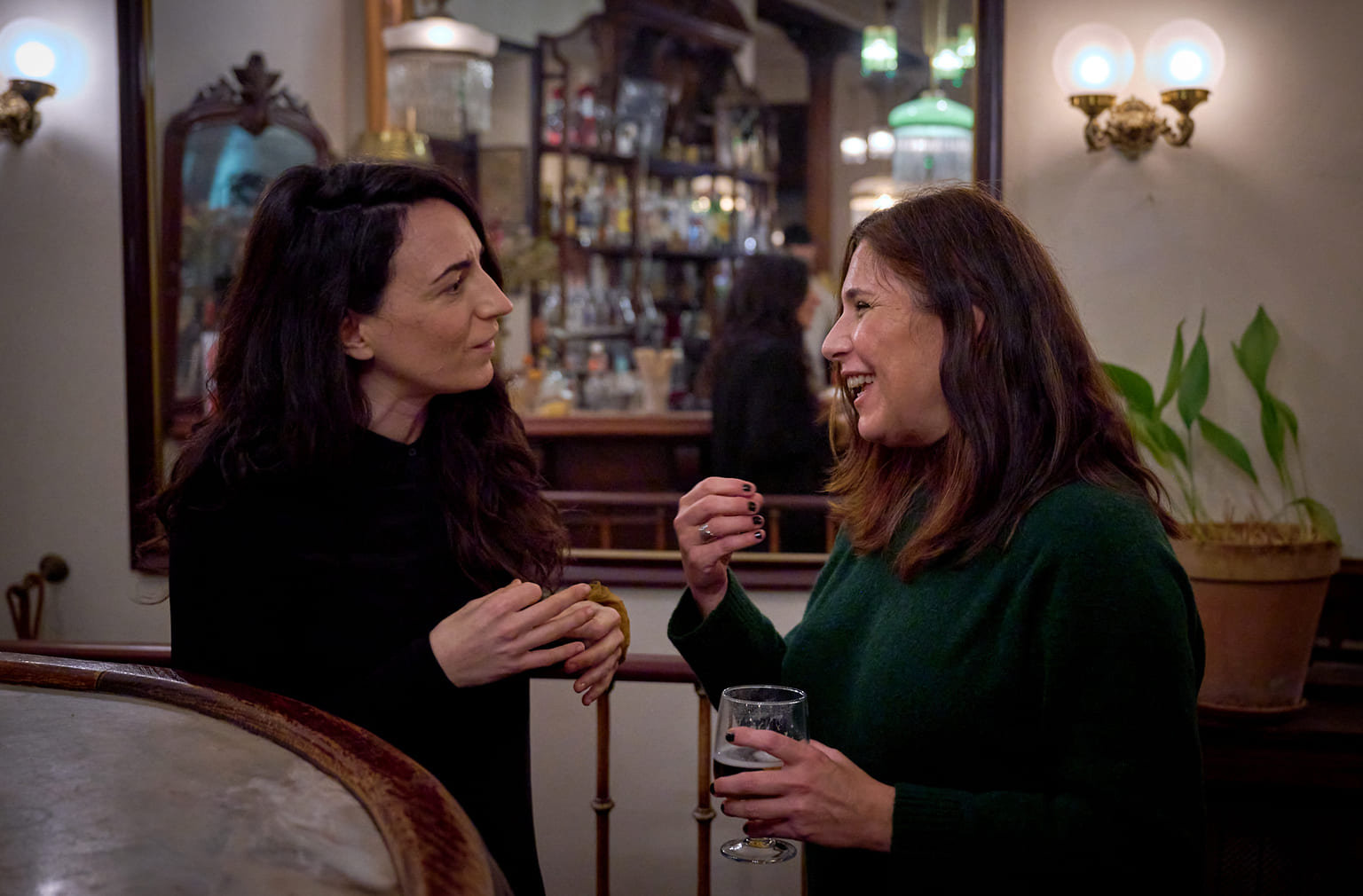
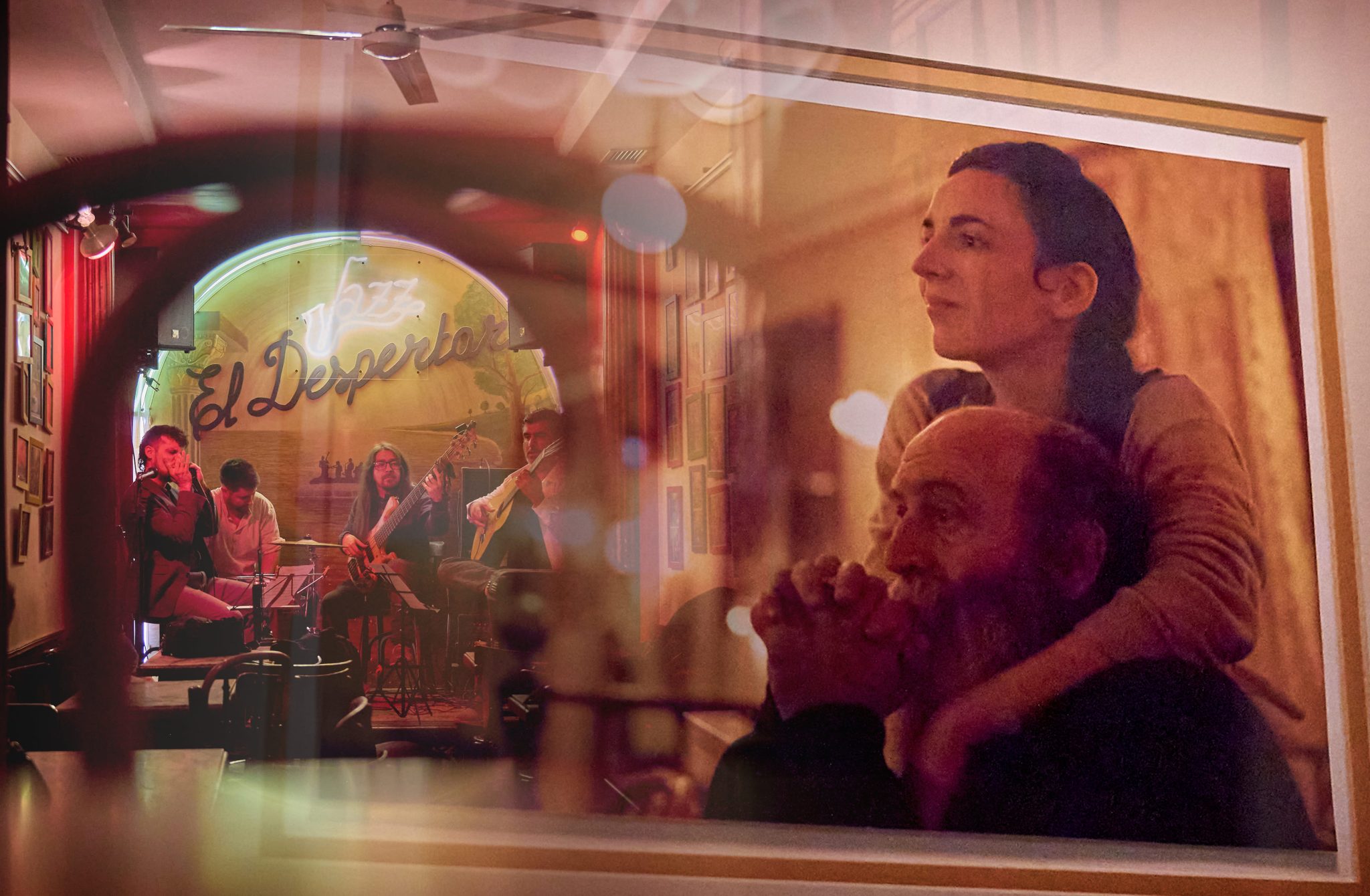
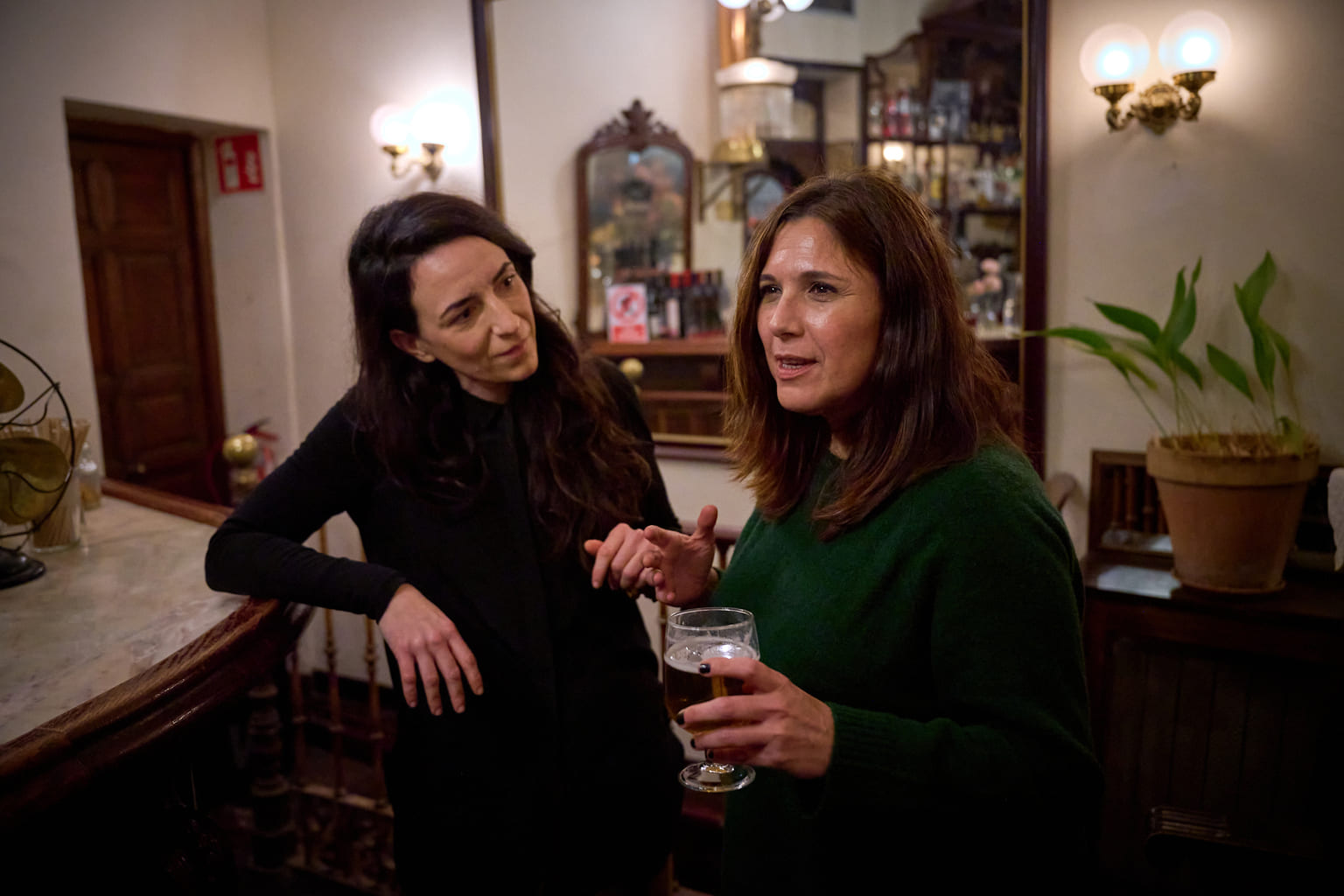
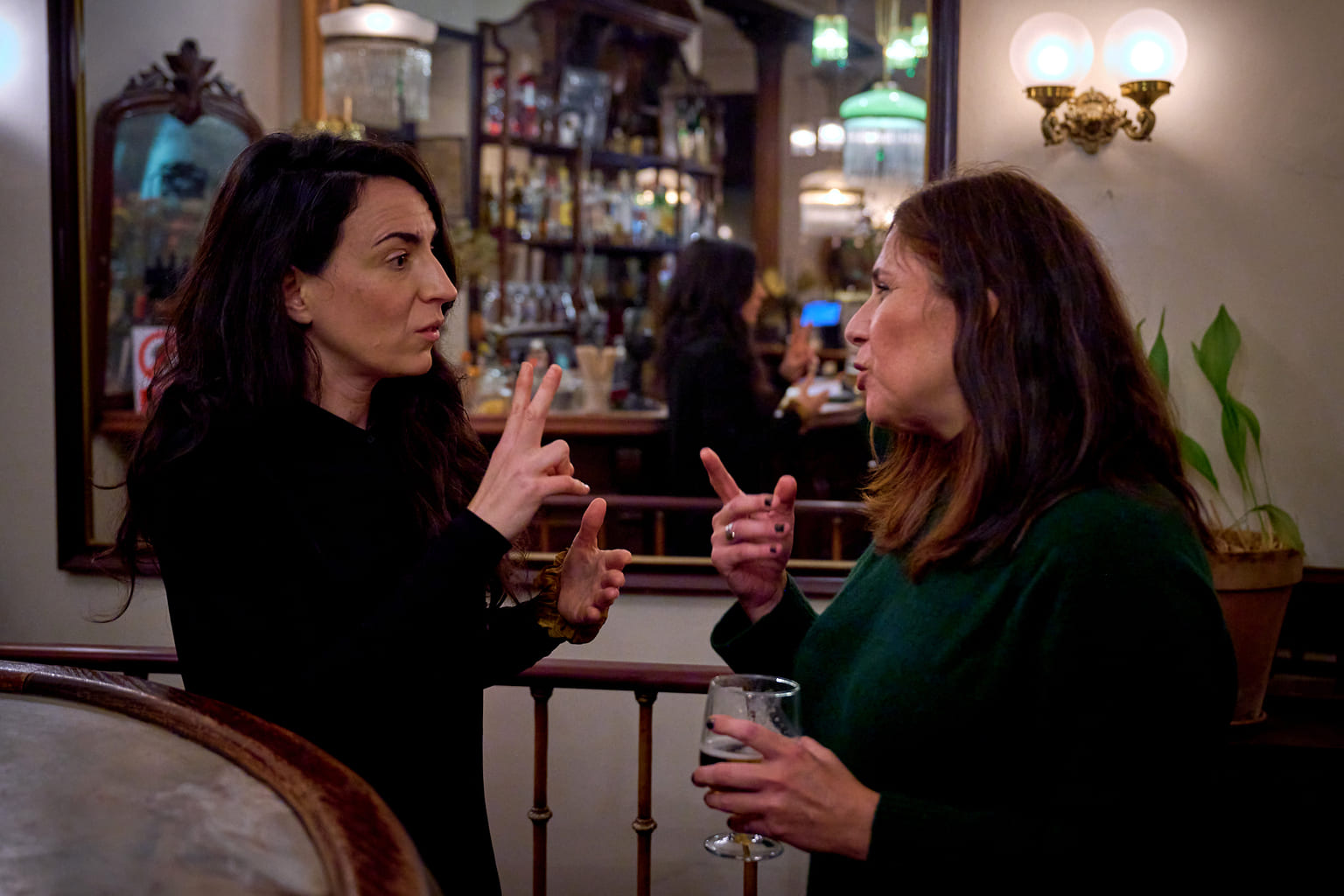
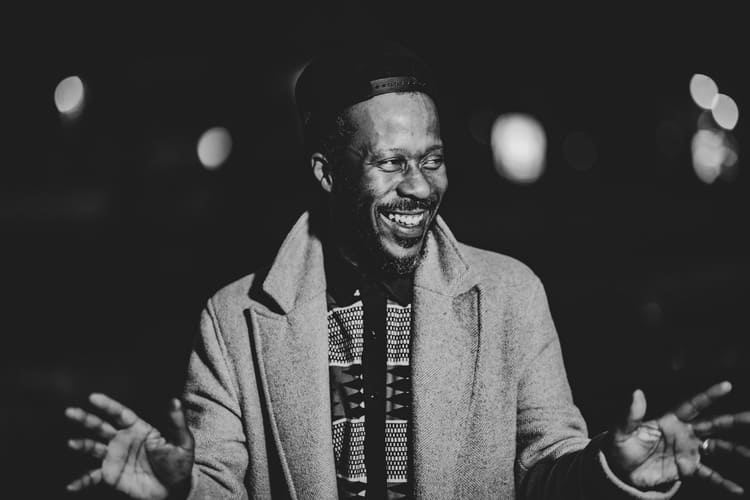
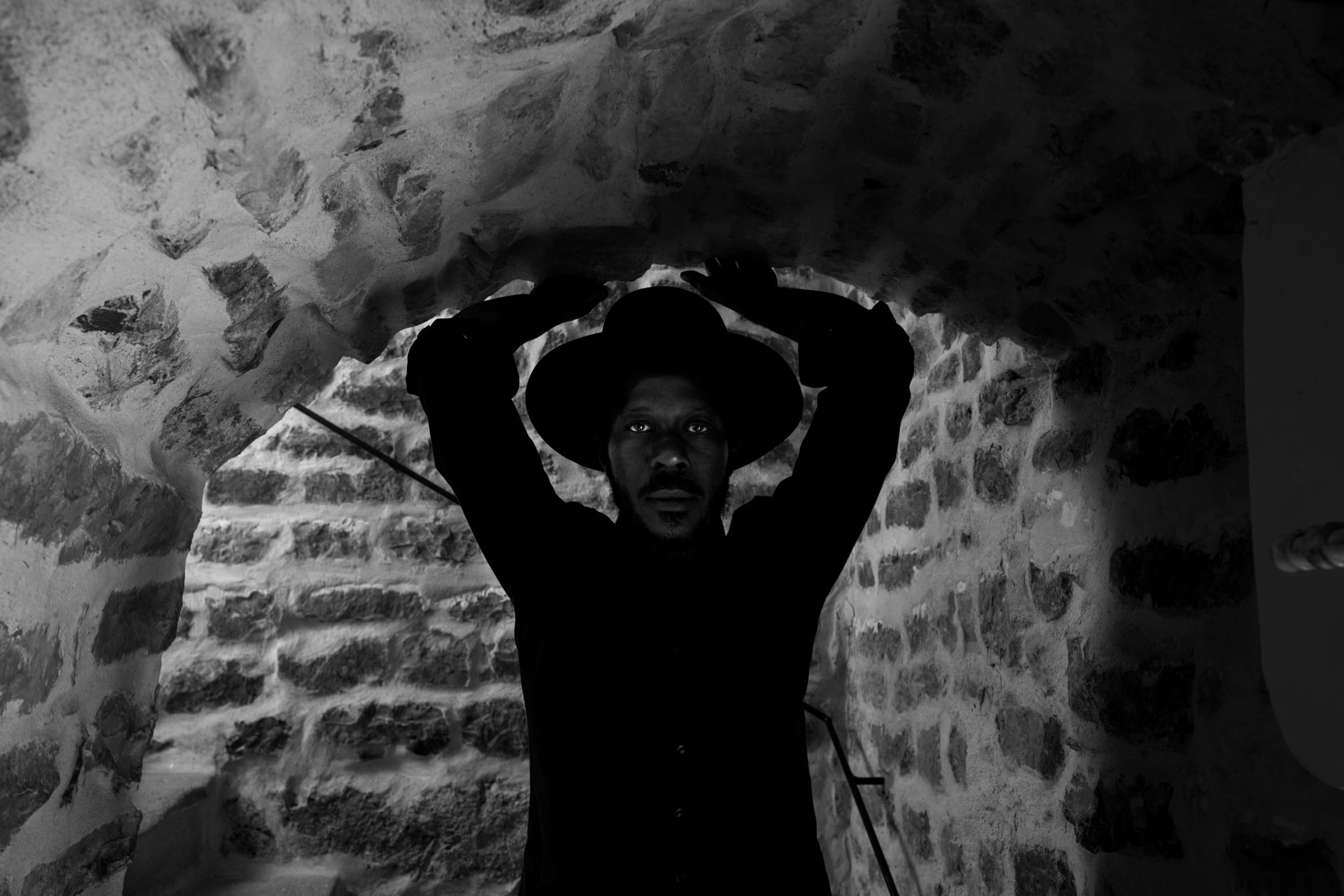
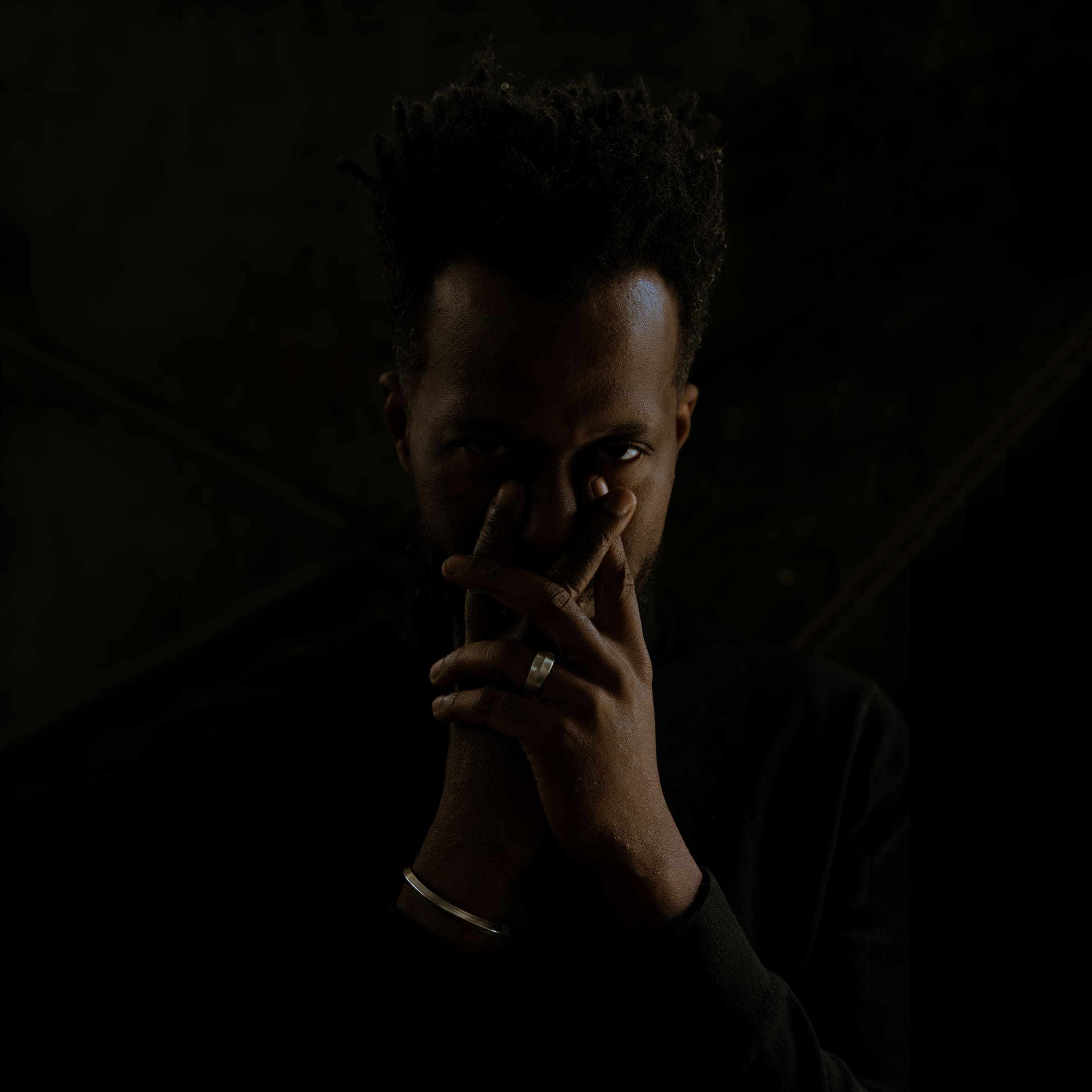
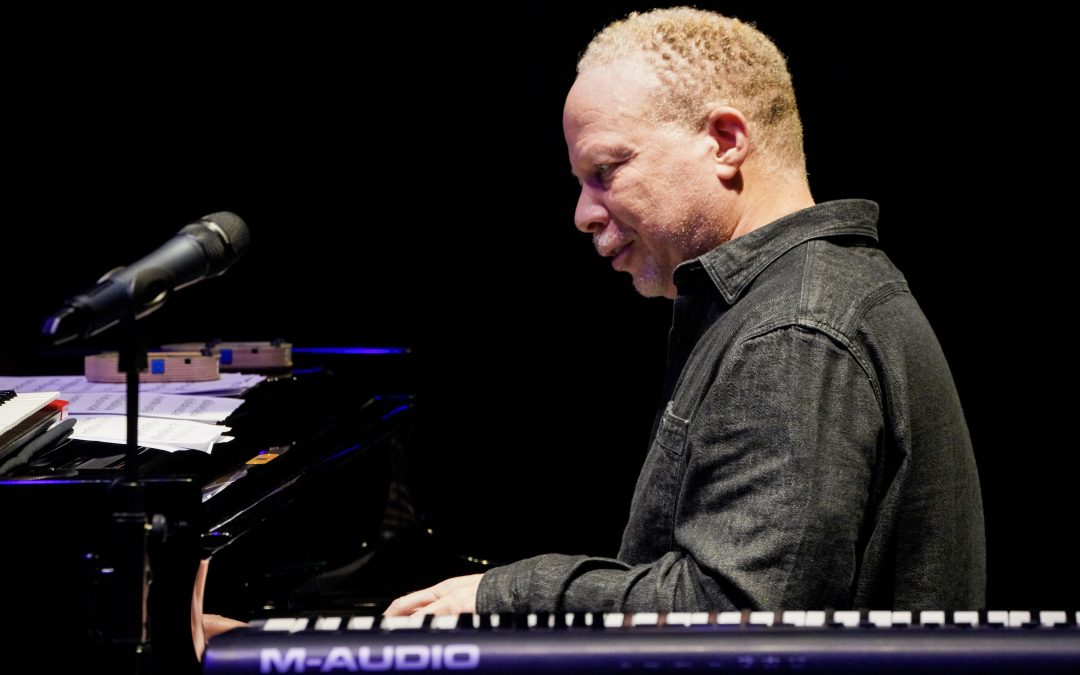
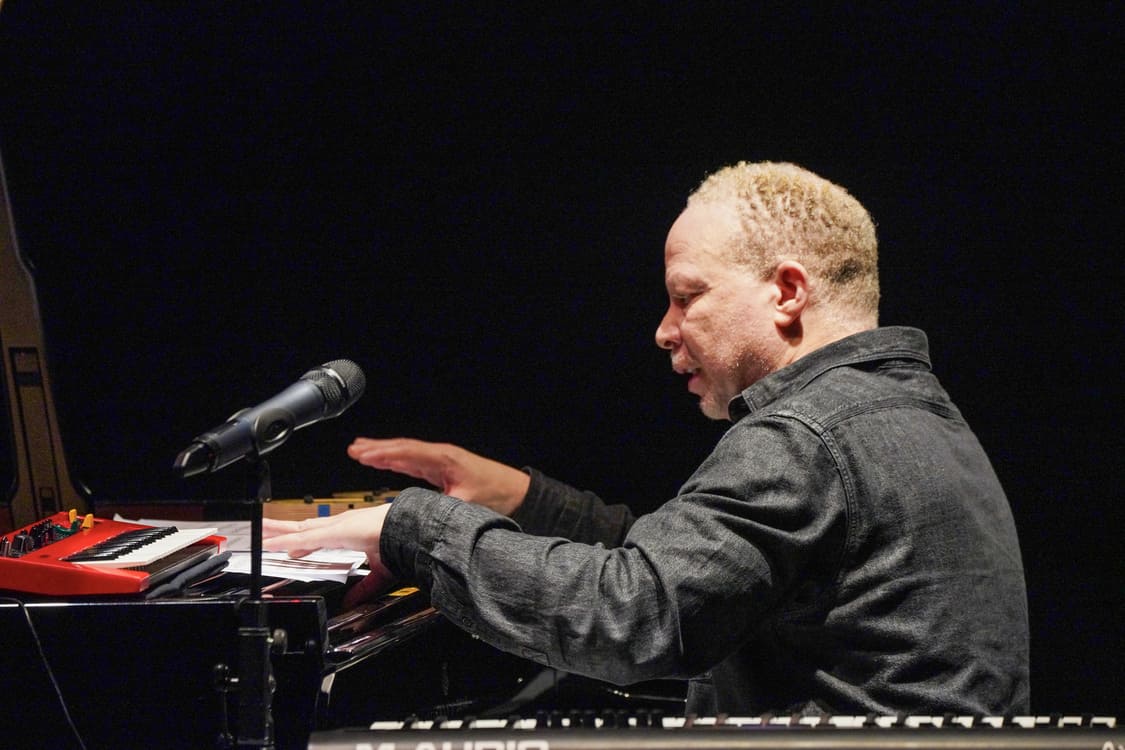
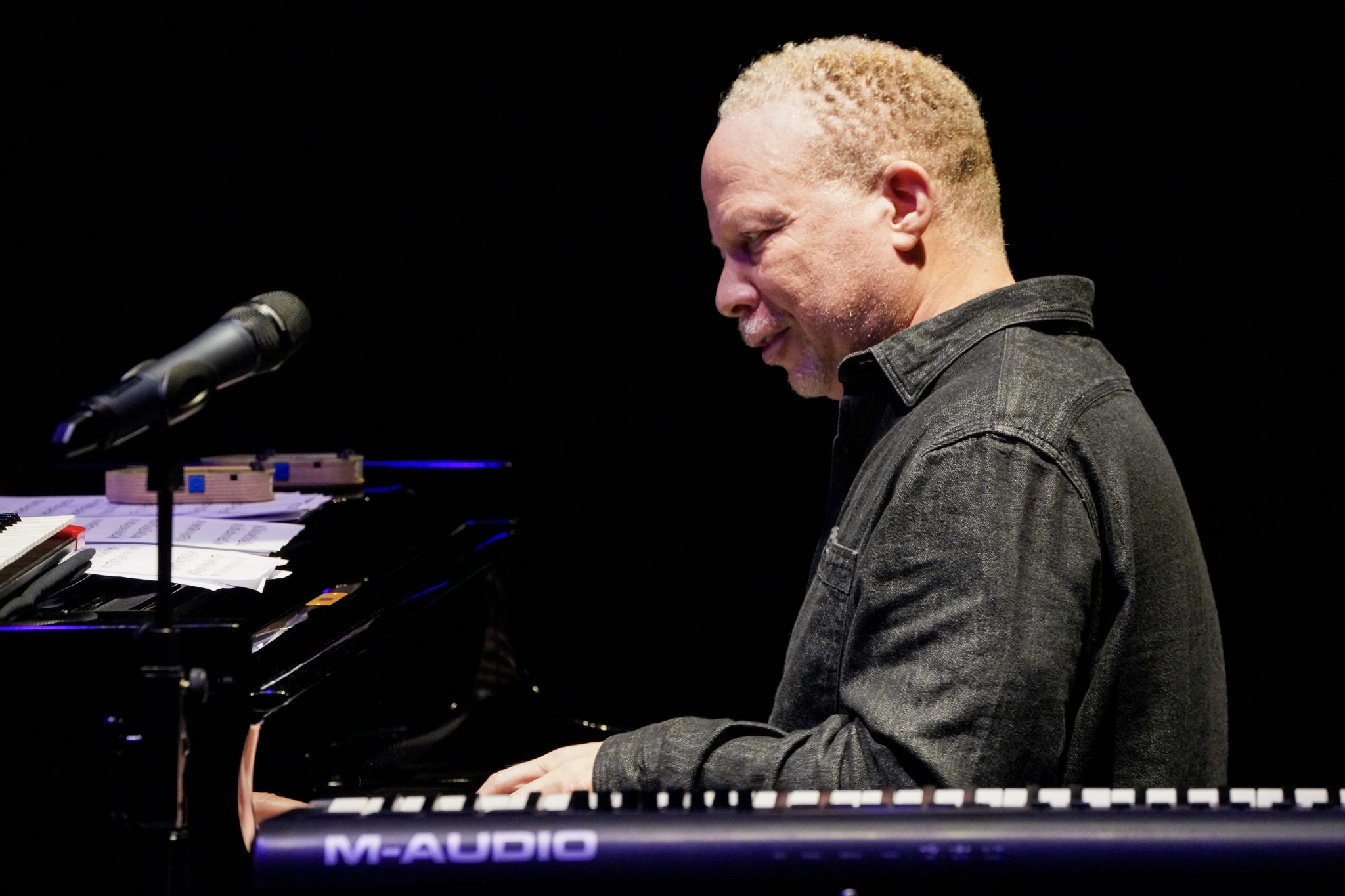
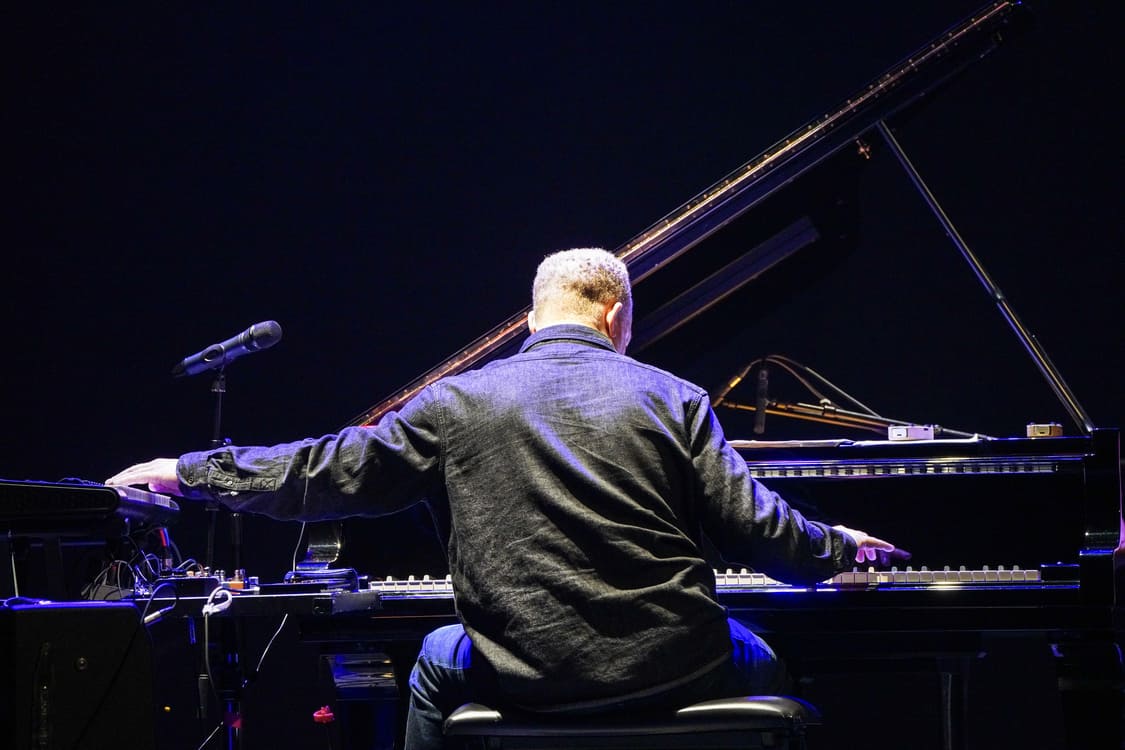
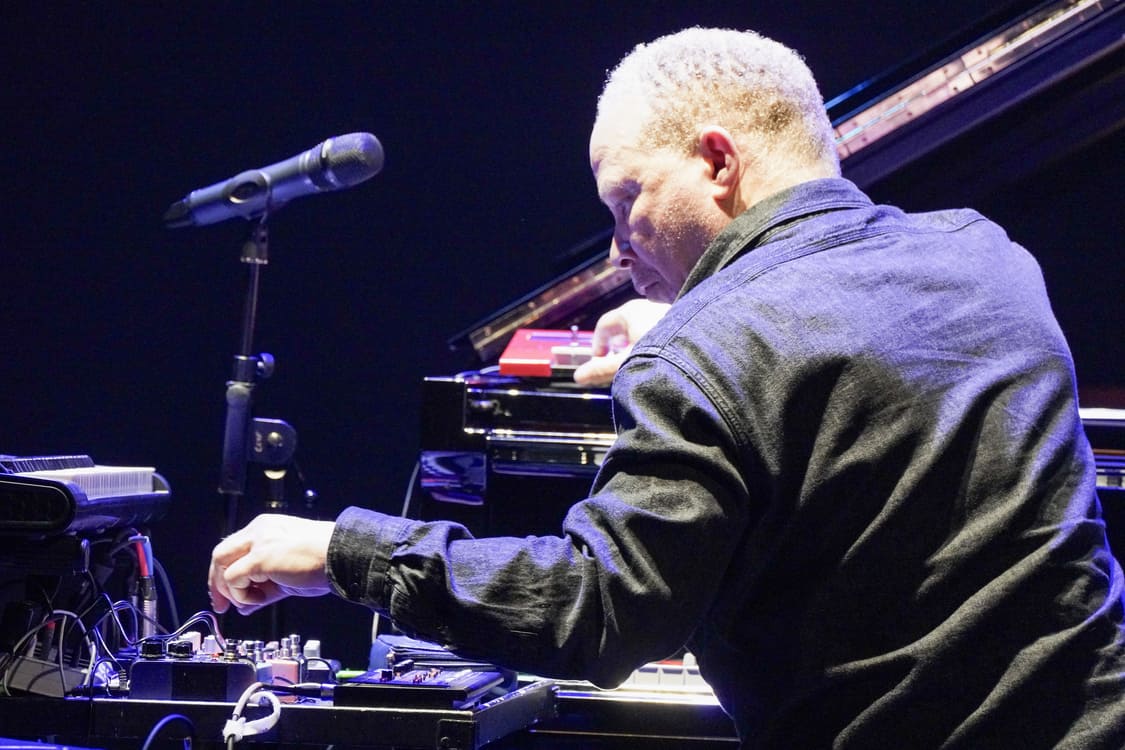
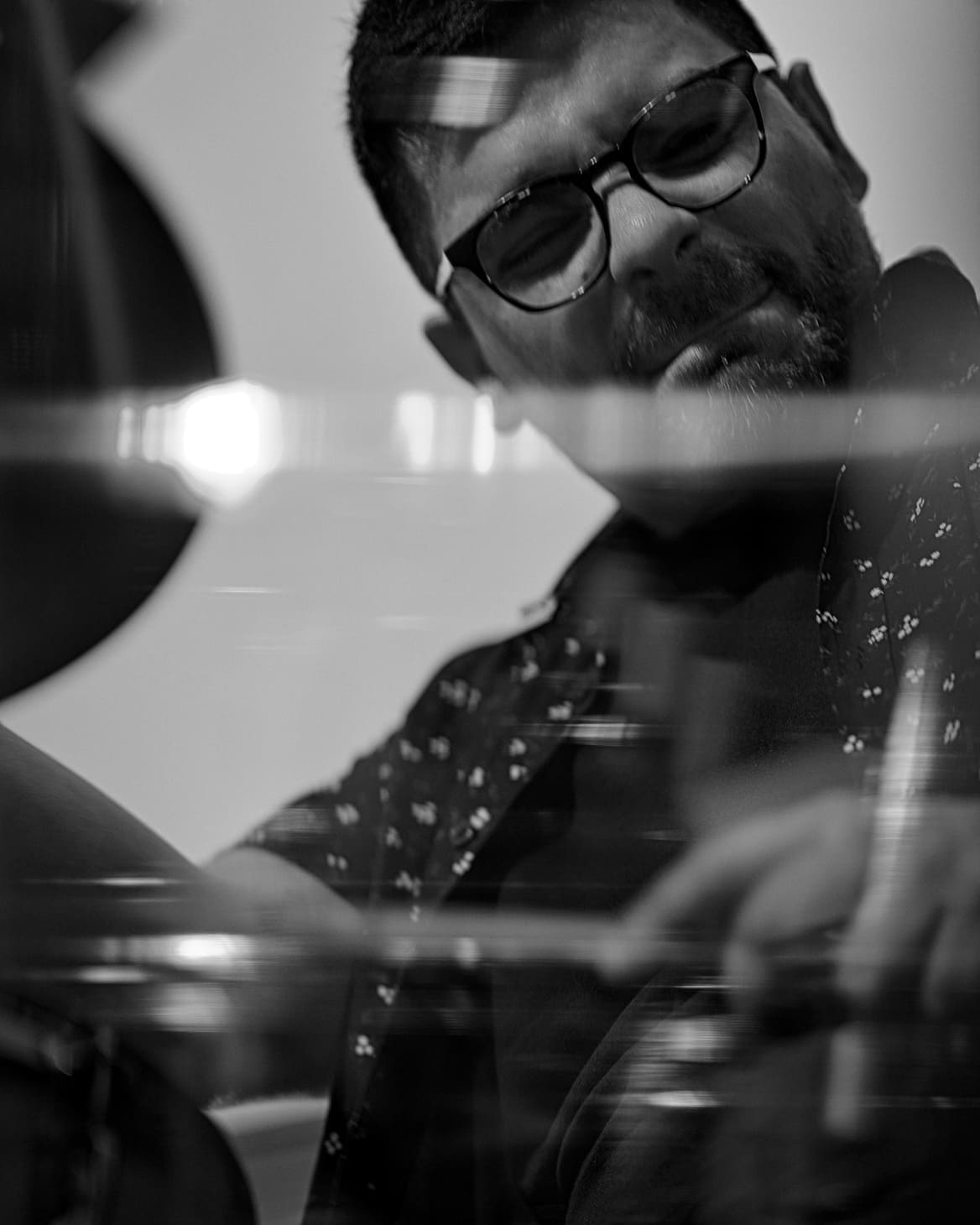
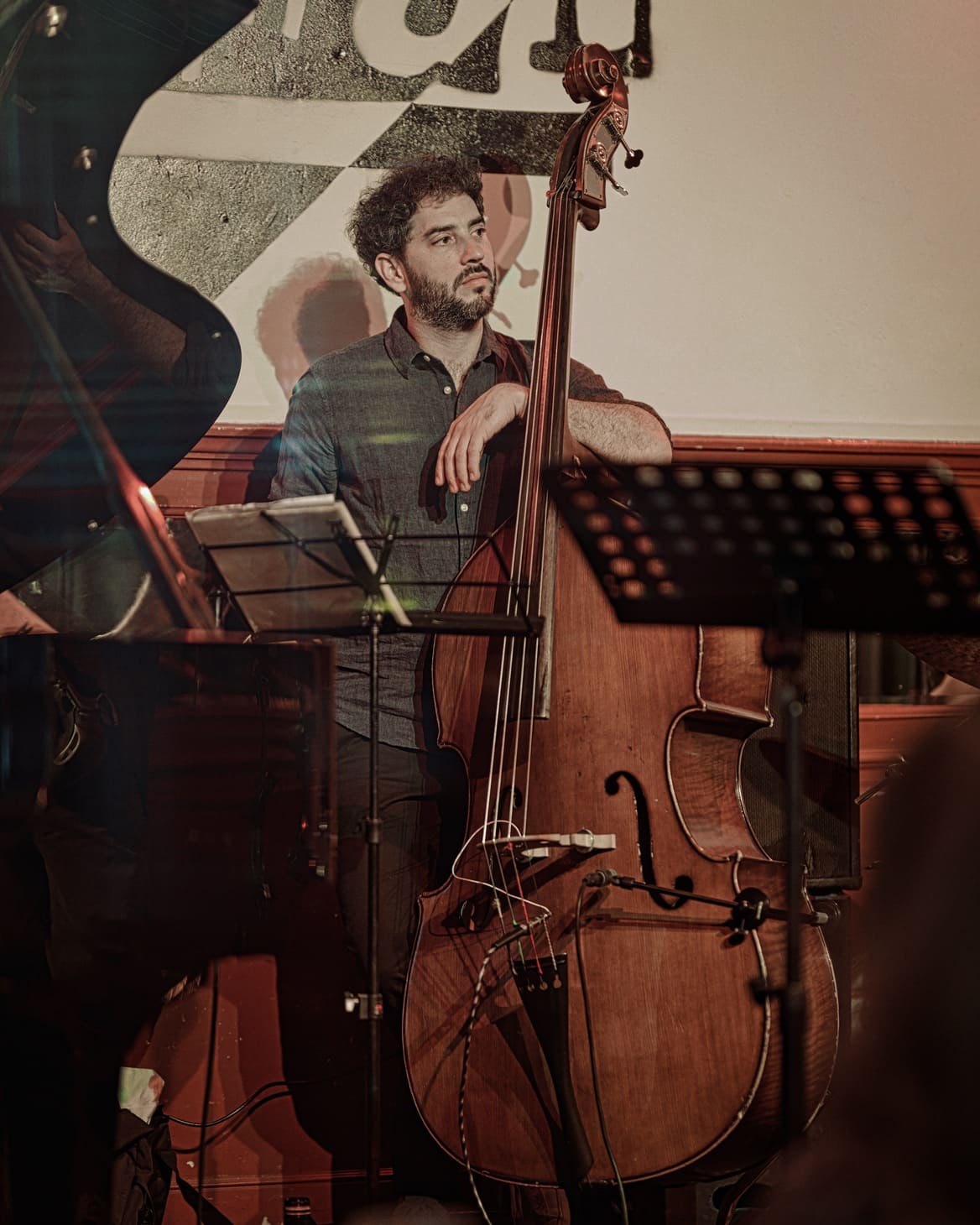
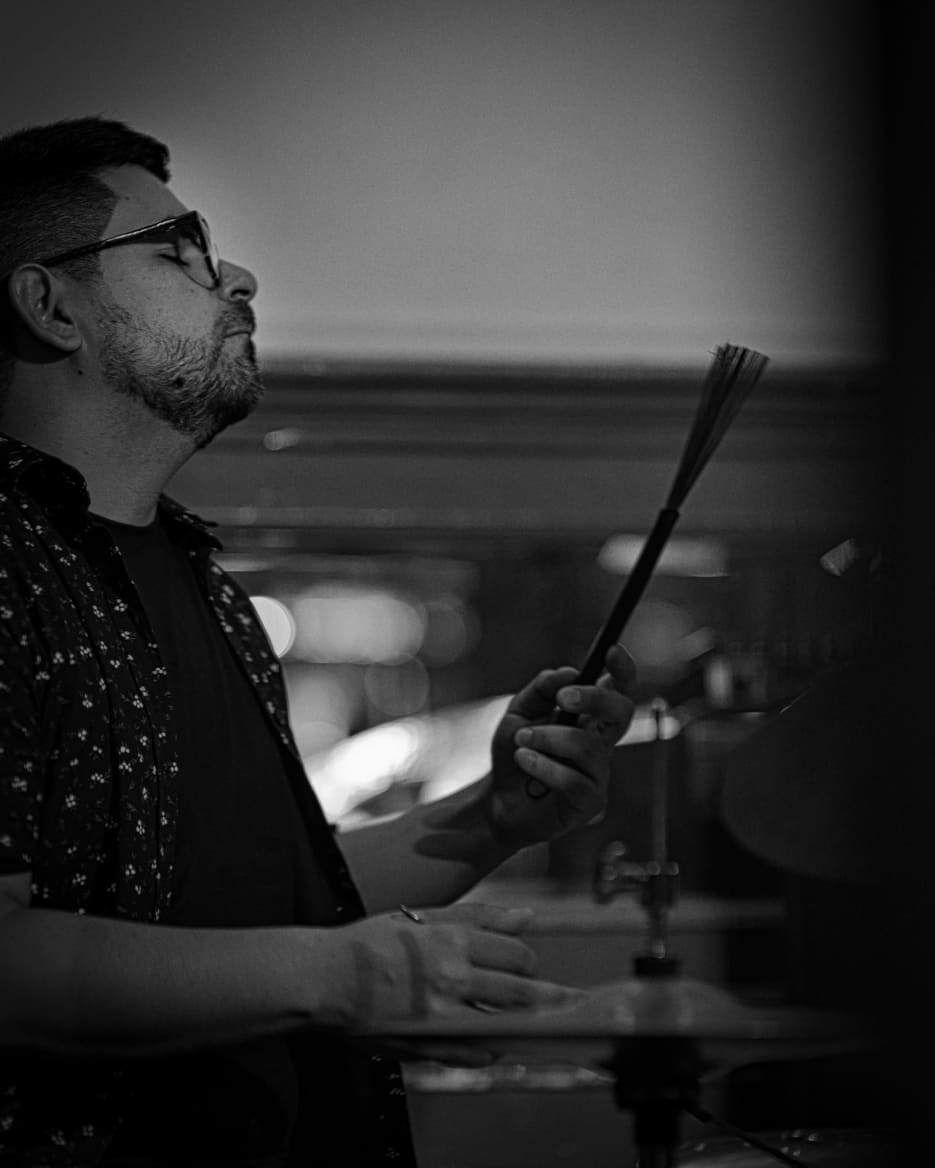
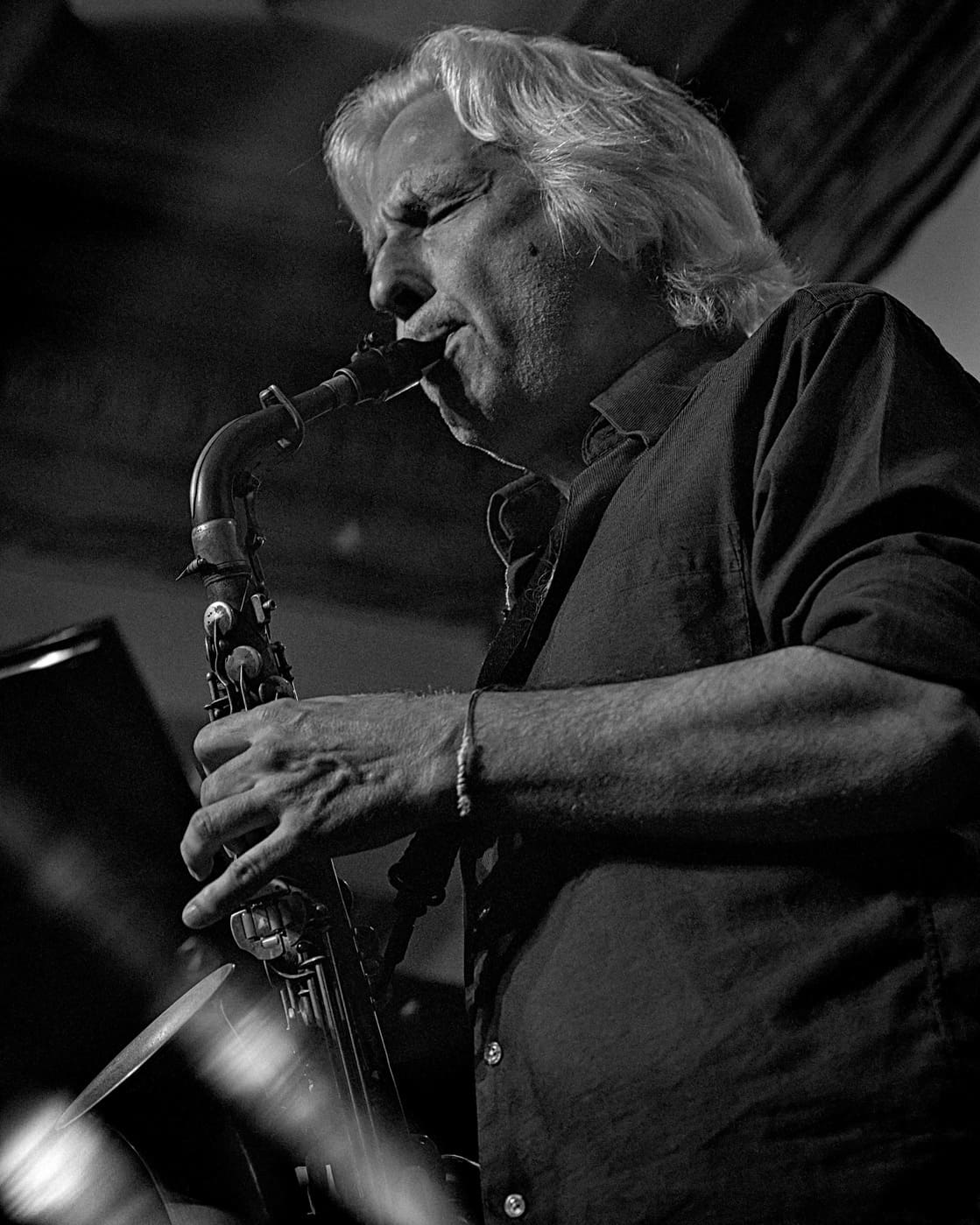
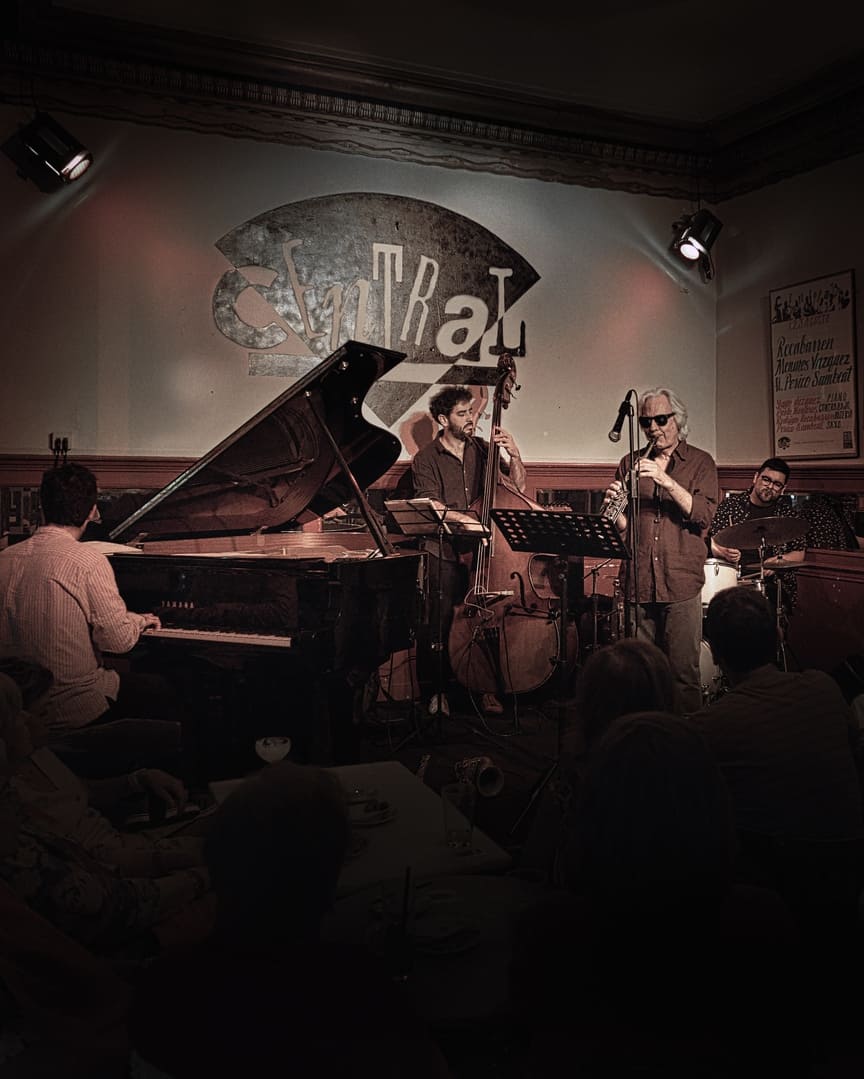
In the last minutes of our conversation, I saw how Aaron’s eyes flying all the time to the stage where the band was starting the sound check. He felt impatient to jump with them, so I decided to leave it there and follow up with the unique experience of seeing the band working together. Many of the leads he shared in our talk were then happening live on stage, something you reader could hopefully see in the photographs we publish in this article: complicity, passion, leadership, commitment. Lots of skills that make Little Big a really exciting project the audience enjoyed a few hours later.

July 28, 2025

Marta Mansilla Entrevista – Mutatis Mutandis

Marta Mansilla Entrevista – Mutatis Mutandis

MARTA MANSILLA ENTREVISTA

Mutatis Mutandis

01

Julio, 2025

Texto y entrevista : José Cabello

Photos: AT1ONE

Queridos amigos, compartimos con vosotros la conversación que hemos tenido con Marta Mansilla, líder de Eme Eme Project, un proyecto en el que participan músicos increíbles de nuestra escena nacional: David Sancho, Rodrigo Ballesteros, Jesús Caparrós y Toni.

El diálogo con Marta nos ha ayudado a valorar aún más todo el trabajo que hay detrás de sus discos, a comprender mejor las dinámicas necesarias para que una banda funcione, y a descubrir el trasfondo que da unidad y sentido a toda su obra.

A continuación, os dejamos una selección de fragmentos transcritos de la entrevista y, como siempre, el podcast completo para que podáis disfrutar de la conversación íntegra.

ESCUCHAD EL PODCAST AQUÍ!!!

In&OutJazz: El último trabajo tuyo, publicado en abril, Mutatis Mutandis, está siendo un éxito. Estáis llenos de conciertos. ¿Cómo está evolucionando el proyecto? Sobretodo de cara a la agenda tan grande de eventos y conciertos que tenéis ¿estáis con ganas?

Marta Mansilla: Sí. Como tú dices es un trabajo que se lleva gestando desde hace ya casi más de cinco años. Desde hace un par de años, cuando empezó a resonar más el anterior trabajo, el de Pacemaker, con el premio Clinton, nos hemos colocado en un lugar todavía muy discreto pero un poco más existente dentro del panorama. Somos tantos y hay tan buena música y hay tantos proyectos válidos que es verdad que empezar a resaltar un poco y estar dentro de las programaciones de los festivales cuesta muchísimo y más cuando estás tú sola al frente haciéndolo todo. O sea que en ese sentido todas las labores me las he echado a la espalda, completamente sola durante todos estos años.  Pero muy contenta porque con este segundo disco también hemos ido aprendiendo respecto del primero. Siempre en el camino tienes que afrontar nuevos retos o van apareciendo siempre nuevas inquietudes y maneras de resolver problemáticas. También el grupo ha cambiado en su esencia ya que ha cambiado de miembros. Del disco anterior también aprendí a reservar y dosificar las energías. Para los músicos es súper importante todo el proceso de creación y el proceso de grabar y una vez que a ti te dan el master es como que ya está el trabajo hecho. Sin embargo una aprende que es ahí cuando hacen falta las energías para empezar a mover esa música. En este sentido han ayudado bastante las convocatorias a las que me he presentado y donde he sido seleccionada. Eso ha supuesto un antes y un después  porque nos ha permitido movernos en un circuito de ferias en los que encontrarnos con los programadores y  tener un pequeño meeting con ellos. Muchas veces no sabía si de ahí iba a salir algo o no, pero es algo que marca la diferencia. Es pasar de estar sola delante del ordenador sin que nadie te conozca a de repente estar ahí.

Totalmente

Tuvimos la oportunidad de tener Showcase en el Fira B!, el año pasado, una de las mejores ferias que hay en España, de paso lo digo. También estuve en el Jazz I Am porque Rosa Galbany del Taller de Musics me invitó a que acudiera y me pareció superinteresante ya que tuve la oportunidad de ver a muchos otros músicos. Uno no va a las ferias solo a vender su libro sino que es precioso poder tener sinergia con otra gente, otros músicos, con gente de sellos que de repente te presentan a sus artistas… Y lo último ha sido que hemos estado en el Jazzahead, la feria más tocha… como si me hubiese pasado un camión por encima.

Sí, sí, es un despliegue enorme.

Para esta feria he tenido la ayuda de una agencia de management que se llama So What, de Barcelona. De hecho, a raíz del Jazz I Am, también estoy recibiendo apoyo de Culturae, también de Cataluña, para empezar a abrir mercado en esta parte del territorio español. Y es que es bastante particular porque ellos tienen muchísima actividad musical,  muchísimos festivales y son súper amantes de su cultura y todo su sentimiento, pero es verdad que para la gente que no somos de Cataluña muchas veces es bastante difícil el acceder a su programación porque entre ellos hacen una piña increíble que es de alabar.  El caso es que estoy también teniendo este tipo de oportunidades tanto con Christian Bugoslawski de So what para hacer la parte un poco de externalizar el proyecto y poder conseguir cosas fuera y con los de Culturae también para ver si en Cataluña podemos empezar a hacer algunas cositas y a trabajar juntos.

¿Crees que ha habido alguna evolución desde Pacemaker hasta Mutatis Mutandis? ¿Crees que hay algunos aspectos a resaltar en este último disco?

Hay una evolución evidente simplemente porque las personas vamos evolucionando, vamos creciendo, vamos cambiando. En lo concreto, por ejemplo, mi implicación ha sido mucho mayor respecto de las letras. Las he compuesto junto con Toni y es algo que implica otro estrato. Yo siempre me he quedado en la parte musical pero cuando también te implicas en el mensaje que quieres contar, es un trabajo más exigente. Además, yo no soy quien lo canta, entonces también era hacer una especie de puzle maravilloso entre la propuesta musical vocal que Toni me presentaba y los pequeños arreglos concretos que yo podía sugerir y que quería que sucedieran a nivel melódico en la parte vocal. A partir de ahí consistía en encajar el mensaje que nos identifica a los dos, la idea de lo que yo quiero contar y que también él se pueda sentir representado porque es quien lo va a cantar. Y que todo esto entre en la métrica de lo que él me está proponiendo y de lo que los dos estamos proponiendo a nivel musical. Entonces ha sido guay porque de algo muy mecánico y casi programado de antemano hemos podido reflejar la parte súper artística y creativa.

¡Qué pasada!

Pero vamos que, en general, sí que ha habido una evolución que nos ha llevado incluso a mezclarnos con el rock progresivo dentro de que la parte de R&B y NeoSoul sigue presente y se mantiene. Otro rasgo del nuevo disco es que hay mucha más parte cantada. Mientras que en el anterior disco no hay tanta voz, en este hay voz en todos los temas y creo que también es un trabajo pensar en que exista esa parte de voz en todos esos temas.

Y a nivel conceptual, ¿qué tipo de conceptos o ideas recorren el disco, qué cosas has querido expresar, qué cosas estaban dentro de ti?

Me vino este latinismo de Mutatis Mutandis y aunque no haya hecho un ejercicio concreto de que todo esté en torno a un mismo tema, creo que sí que sirve de leitmotiv. Se trata del cambio, la condición de cambio, un cambio personal, un cambio de dirección, un cambio de cuando vienes de estar en una etapa en la que no te encuentras bien y das ese salto al vacío que implica perder lo que conoces, pero que lo das para coger impulso y fuerza para todo lo que se viene y todo lo nuevo que trae mucha luz. Entonces creo que en el disco hay una progresión que justo habla de eso, de todos esos miedos. De cómo se representan, de cómo nos invaden a todos en cualquier plano de nuestra vida en algún momento, sea por el motivo que sea, y de cómo casi todos tocamos fondo en algún momento pero tenemos que coger impulso y buscar también aquello que representa lo saludable, lo que nos hace bien, la luz. Creo que el discurso del disco va por ahí. El Into the Deep habla claramente de qué es estar ahí y cómo uno se tiene que rescatar a uno mismo. Porque muchas veces tampoco hay polvos mágicos, claro y aunque la gente quiera ayudarte, está ese amor propio en uno mismo y entonces pues va justo de eso. El Out Of The Deep va justo de cómo salgo de aquí, de este pozo. El Mutatis Mutandis va del proceso de cambio, de darte cuenta del cambio que tienes que hace. Follow es como “ok, voy a ser un poco más consecuente con todo lo que siento y voy a seguir mi intuición porque me lleva a este lugar que quiero tanto”. Aunque no lo he pensado…

Tú eres una unidad entonces, en todo lo que expresas hay una unidad, aunque no lo hayas buscado.

Eso es, aunque no estaba pensado, sí hay un hilo conductor que atraviesa todo.

En tu caso ¿qué definirías que es la luz? Porque efectivamente todas las personas buscamos, en ese cambio, aferrar esa luz. En tu caso, en tu experiencia, en el punto en el que estás ahora ¿qué es ese punto de luz?

Pues ese punto de luz son muchas cosas. Lo primero, encontrar la paz y la gente con la que te sientes en familia, con la que convives y estás tocando y darme cuenta de que es muy valioso tener una banda que se sostenga desde el amor, desde el convivir tanto tiempo.

¡Qué bonito! ¡Desde el amor! Cualquiera diría desde el respeto pero el amor es una apuesta aún mayor y creo que lo incluye evidentemente.

Total. Entonces para mí eso ha sido como un gran cambio y me siento súper afortunada y quiero a cada uno de ellos muchísimo. Luego, me he dado cuenta de que no es tan normal, ni tan habitual que tú consigas sentirte tan a gusto con todos los integrantes, con las personas con las que vas a pasar tanto rato. Porque no es el hecho de estar ahí tocando o grabar. Tú te puedes hacer un disco con gente top. Está claro, en España hay mogollón de tocones y toconas, pero creo que no se trata de eso. Creo que se trata de, más allá del plano musical, encontrar esa persona que es familia para ti, con quien convives, porque hay mucho más rato en carretera que la hora que tú estás subida a un escenario.

Es importante esto que dices porque la cultura en la que vivimos hoy en día, que es la cultura del reel y de lo inmediato, no te hace ver esta parte que sin embargo es la que nutre de contenido verdadero. Yo la foto de una lasaña no me la puedo comer, una lasaña de verdad sí, y la lasaña está hecha de todas esas vivencias, como dices en la carretera. ¡Qué bonito que le des preponderancia en tu proyecto a este a este hilo afectivo, a esta relación entre vosotros!

La luz es por supuesto eso y por supuesto es también encontrar tu sitio. Porque es duro y cuesta enfrentarte a sacar un proyecto sola y ver qué resultados tiene y te tienes que liberar de muchísimos miedos, de muchísimos complejos. Te tienes que enfrentar a muchas cosas tú sola, a ponerte en un espejo a conocer cuáles son tus límites… O sea a un montón de gestiones, entonces bueno para mí también ha sido como haber pasado la prueba de fuego. Tras pasar todo lo duro de estos años, con este segundo disco creo que ese punto de luz también ha sido darme un pequeño abrazo. Muchas veces una se encuentra sola ante el peligro. Yo, por suerte, tengo una banda que me respalda y me apoya y están para todo. Comparto muy estrechamente con David todo, es evidente que no estoy sola. Pero luego el curro tedioso y muchas cosas que son las que más apagan, sí que las tengo que gestionar sola. Pero merece la pena abrazar la circunstancia desde el lado positivo y el agradecimiento.

Una de las cosas que le da solidez al proyecto es esta esta actitud que yo tengo que agradecerte y creo que todo el mundo agradece y admiramos y queremos y deseamos para nosotros y para el resto, que es esta actitud humilde y de tener los pies en la tierra. Es una cosa que yo siempre he agradecido de ti y de David. Cualquiera podría expresar todo lo que habéis conseguido con aires de superioridad, porque habéis conseguido cosas grandes. Pero me encanta que tú hablas de ti, del trabajo de verdad, o sea de la realidad, del día a día, del barro que se presenta a veces y de la comunidad que te sostiene, que es esta familia de músicos de la cual por cierto te quería preguntar. Ya les has mencionado, todos unos cracks musicazos espectaculares y personas también increíbles, pero si tuvieras que hacer el esfuerzo de resaltar una o dos cosas de cada uno ¿cuáles serían?

Bueno, de David es directamente la persona que ha confiado en mí y que ha hecho que esto fuera posible. Sin su confianza, sin su apoyo tanto emocional como logístico como económico… o sea es el soporte y el artífice y aparte es quien compone conmigo mano a mano. Mis ideas no llegarían a buen puerto sin su ayuda. Su tenacidad en que yo consiguiera sacar el proyecto adelante y creyera en mí misma, también como flautista. Es el que me empujaba en las jams a decir “no, tía, ya basta de quedarte atrás, súbete porque tocas, ya está o sea y cágala y venga enfréntate a ello”. Es esa persona que ha creído y que ha metido la semillita de que mis ideas podían llegar a algún sitio y molaban y las ha transformado y las ha hecho y ha creído en ellas. De Toni diría que es la persona que me da el amor y el sustento para terminar de finalizar todas mis ideas. Es una persona que siempre ha estado ahí, súper humilde, que ha creído en el proyecto, que sabe siempre ocupar su lugar y darte el cariño constante y sabe leerte muy bien. Sabe leer lo que necesitas y entonces tiene un sentido muy emocional de cómo me puedo estar sintiendo para dar en la clave de lo que necesitas en ese momento. Además, lo está dando todo, está poniendo este proyecto por encima de muchas cosas que él hace y eso que está currando con mucha peña súper conocida y es una persona que de verdad se compromete, me lo está demostrando día a día. Mueve Roma con Santiago para estar en esto, entonces es importante. Rodri, es una persona que para mí es clave porque te enfrenta a esa parte de ver las posibilidades musicales, siempre retándote, proponiendo cosas, llevándoselas más a su terreno, lo cual para mí es súper enriquecedor. Porque cada uno venimos de mundos musicales distintos y sé que su mundo musical no es el R&B, es mucho más el jazz contemporáneo. Entonces me pone en ese espejo y me mola porque es un poco inconformista a nivel musical, y eso también me reta, pero desde el amor siempre. O sea, todos vamos con todo el respeto. Siempre predispuesto y de buen rollo, todo guay, que es recíproco porque yo les cuido mucho. Entonces creo que es esa persona que siempre está disponible, con la que siempre puedes contar y que se suma a un bombardeo sea con como sea. Y, Jesús, es como mi hermano pequeño, o sea, le amo profundamente. Él se implica incluso a nivel emocional y musical, también con todo el corazón. Y además es muy transparente para eso él. Sabes que si está es porque está a gusto porque es muy consecuente con sus decisiones y con saber que si está es para darlo todo. Es una persona que, junto con David, también me ha apoyado desde el principio. Se unió al proyecto de una manera externa ya que yo no le conocía previamente, y sin embargo me dijo sí con todo y tiene muchísimo valor porque eso es propio es de una persona que se lanza sin prejuicio y lo que le llega es la música y la persona que la esté haciendo y da igual que sea para hacer un estadio o un bolo en un garito súper pequeño. Me parece que es de los mejores bajistas… o sea bueno todos son en lo suyo los mejores, sin duda para mí lo son. Todos podrían estar tocando con quienes quisieran.

¡Qué gusto que tengáis este ambiente entre vosotros!

Total, nos llevamos todos de puta madre, compartimos un mismo sentido del humor, sabemos de la vida de los unos y los otros, nos apoyamos en todo lo que nos sucede, nos importamos…etc.

Es un verdadero gusto. Oye, tengo aquí unas preguntas frikis musicales apuntadas.

Venga, dale, suelta.

Vale, ¿mayor o menor?

¿Estamos hablando de tonalidades?

Sí, de los colores mayor y menor.

Es que no puedo elegir, yo creo que las dos según el momento.

Vale perfecto, ¿4/4 o 7/4? ¿Compás común o amalgamas?

Es que las dos cosas están en mi música, porque claro, yo soy de groove a saco y me das un 4/4 y amo el hip-hop, pero estaría feo porque en todos mis temas, tío hay 7s hay 5s, entonces también las tengo que coger a las dos.

Me encanta porque también esta respuesta es válida y nos da una imagen o una idea de lo que piensas delante de estas cosas. ¿Binario o ternario? Aquí también vas a estar en medio, seguro.

Venga, me voy a quedar con el ternario porque en el 3 está el 2.

Exacto.

Así que es la manera de elegir las dos.

Si te doy un uno mayor, un acorde tónica mayor con las tensiones que le quieras poner ¿a dónde vas después si es que vas a algún lado?

Ahora mismo, joder no sé…

¿A dónde te lleva el oído, la flauta o el corazón?

No sé, o sea diría un cuarto grado de repente ¿sabes?

Siempre funciona.

Es como bueno por empezar algo.

¿Tonal o atonal?

Uff…, pues, claro es que en mi música creo que están las dos cosas. Es cierto que yo tengo muchísima influencia de mucha música tonal, entonces quizás hay mucho más de tonal en mi música que de atonal. Y en mis improvisaciones la figura de Elena Pinderhughes está ahí. Ella ha desarrollado un lenguaje que dentro de las pentatónicas, o sea, me encanta salirme, me encanta el playingout, me encanta lo atonal, pero es verdad que si escuchas mi música sabes que es mucho más tonal que atonal. sí sí sí y y dentro del atonal eh

Dentro de lo tonal, ¿modal o funcional? O sea, las cadencias como te gustan, o la dirección, la fluidez de la armonía, de los cambios, ¿cómo te representan más? ¿Dónde te sientes ahora buscando esos cambios armónicos?

Sí, escuchando mi música, sabes que toda la parte modal está, esa es la importante sí.

Última preguntilla de estas, ¿bajo eléctrico o contrabajo acústico?

Pues bajo eléctrico, obvio, sí, sí. Me encantan los dos, por supuesto. Creo que para mi música, en este contexto empasta mejor el eléctrico, con sus posibilidades, por una cuestión de sonoridades, aparte de toda la personalidad que Jesús le da con todos los pedales y demás. Creo que por la acústica, por todo lo que se genera, por el groove, por un montón de circunstancias sonoras, lo que mejor le queda es el bajo eléctrico. Además, si alguna vez no está Capa, o está soleando con sonidos de guitarra eléctrica, el que está haciendo los bajos es un sinte tipo moog.

Ole, ahí. ¡Qué placer, Marta!

¿He aprobado? Jajajajaa.

Jajajaja, no, gracias de verdad por este rato. Yo creo que la gente lo va a agradecer, al menos yo estoy más que agradecido de escucharte y sobre todo estas cosas que nos has contado, tan valiosas y preciosas. Antes de terminar, dinos cuál es tu próximo concierto, que la gente pueda chequear…

Están en las redes, acabo de subir listado de bolos, pero digo los de verano, para que la gente esté como un poco más atenta. El 13 de junio vamos a estar en la Feria del Libro de Madrid, en el stand de Radio Nacional, en el programa de Modernos Populares. Eso va a ser además con mucha más gente y va a ser una tarde maravillosa. Luego lo siguiente que tenemos es el 3 de julio el Estival de Cuenca, que además compartimos ese día el escenario con Rita Payés. Cuenca está una hora y media de Madrid, si no sois de Cuenca, aún así pasaros igualmente. Va a ser un bolazo y por 25 pavos los dos bolos, es de puta madre.

Total.

3 de julio Cuenca, 4 de julio el Anfiteatro Romano de Bullas, ahí en Murcia, tierra de Jesús Caparrós. Ya el 25 de julio, San Sebastián, que vamos a estar en el Jazzaldia, que este año también nos han seleccionado, así que muy contenta. Y ya en agosto, el 9 de agosto en el Festival de Jazz de Plentzia, ahí en el País Vasco, y el 28 de agosto en el Festival de Jazz de Ponferrada.

Un poquito de norte en agosto que si no nos morimos.

Y por último, para cerrar el verano, el 6 de septiembre en las fiestas del Tura de Olot, que son unas fiestas por todo lo alto, Olot es un sitio precioso y además es la primera vez que vamos para allá a Gerona.
Qué bien que vayáis ahí a donar vuestro arte, vuestra música, vuestro corazón y vuestra amistad.

Cualquiera que se anime…

Eso, que la gente te vaya a saludar y todo porque da gusto, la verdad. Muy bien, Marta, gracias.

Me alegro, tío. Gracias a ti, José.

A tope, a tope, crack.  

Julio 01, 2025

Or Bareket & Godwin Louis Interview

Or Bareket & Godwin Louis Interview

OR BAREKET & GODWIN LOUIS INTERVIEW

Or Bareket Quartet – Yom

19

June, 2025

Text & Interviewer: José Cabello

Photos: Daniel Glückmann


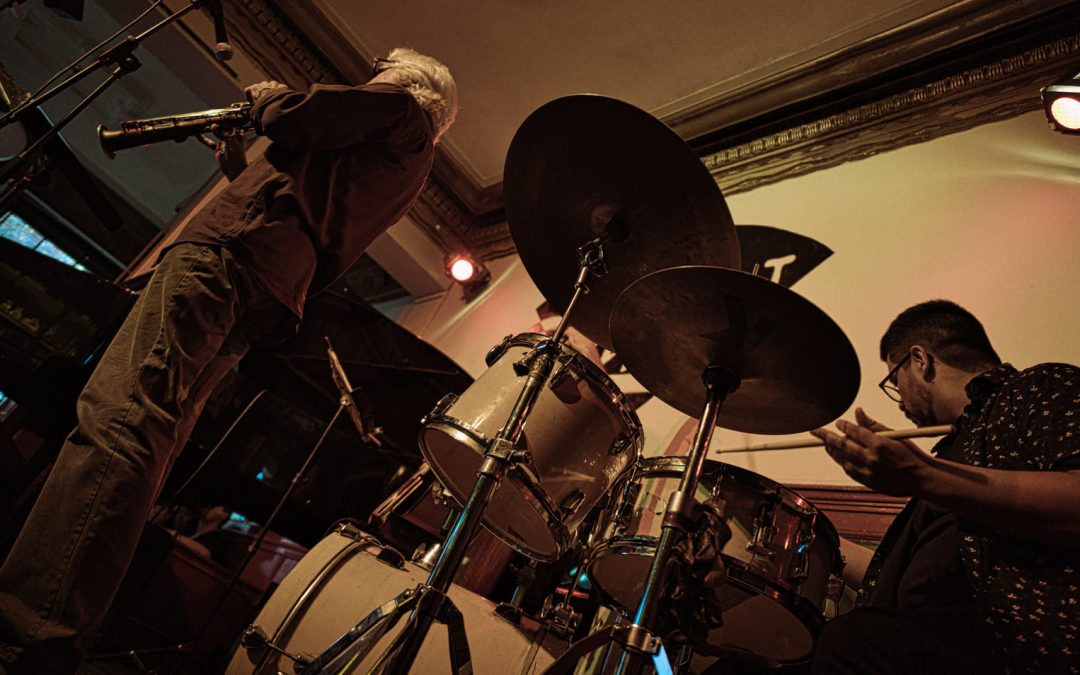
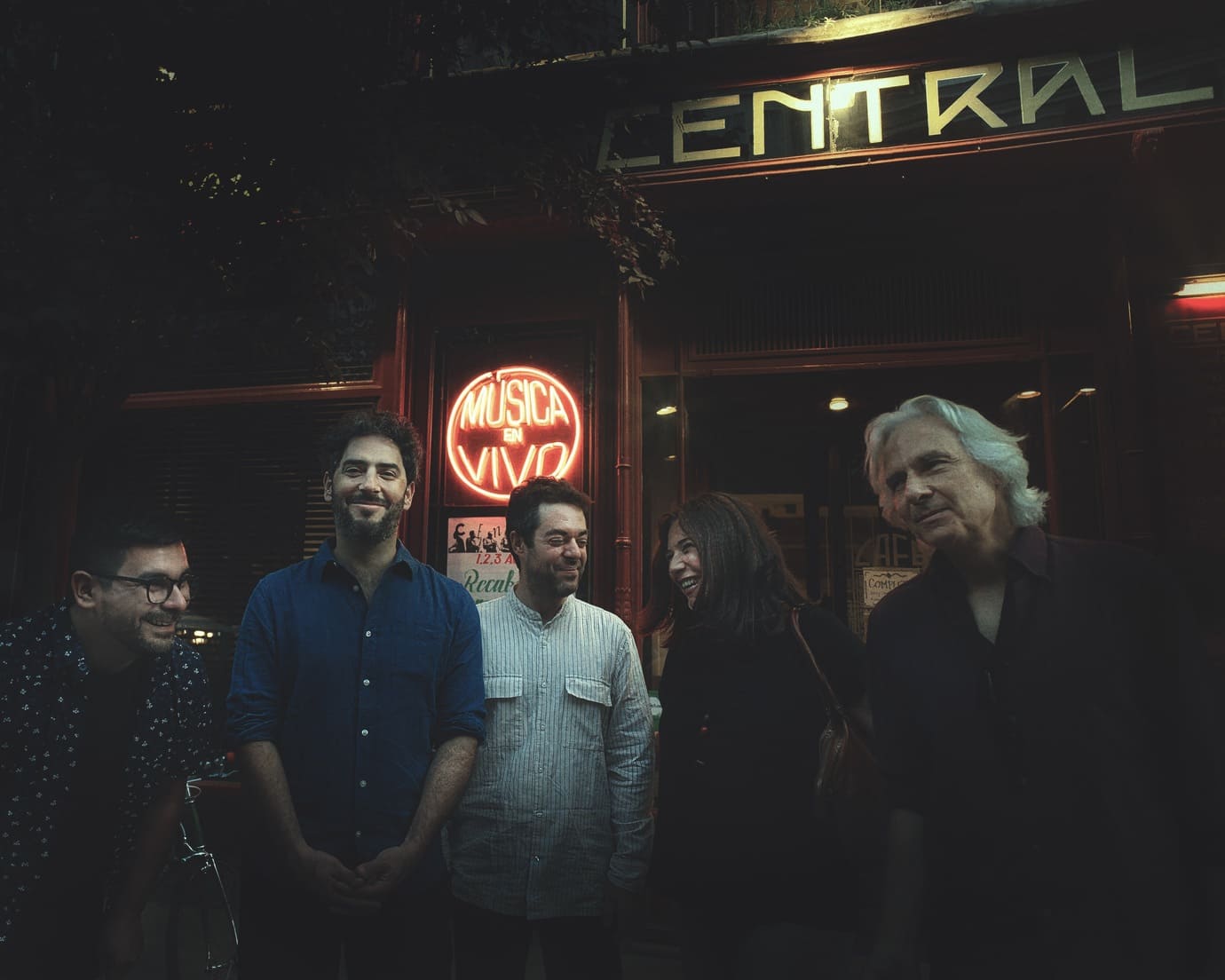
A true dream come true! The Or Bareket Quartet held its three-day residency at Café Central during the first weekend of April. We were honored with a beautiful conversation in the company of his close friend Godwin Louis. Both lead their own projects and walk side by side in search of musical truth. Their attentive, discreet, thoughtful, and reflective personalities challenged many of the assumptions we often hold as listeners. They left us with truly delicate and profound reflections on life and music. We hope you enjoy—and most of all, learn from—it as much as we did.

As always, you can check both the podcast and the transcription of the interview down below!


LISTEN TO THE PODCAST HERE BELOW

In&OutJazz: Alright, Or Bareket Quartet in town. We’re having Godwin Louis and Or himself here with us. What a real pleasure for us! We’re In&OutJazz, an independent journal with its base in Madrid. We like to focus on you guys and all the artists out there that are pushing the edge musically. And we’re really looking forward to this conversation. So, we’re really thankful for the fact that you guys accepted. And also, we know you’ve been here for a couple of days now at Café Central, having your residency here. So, we’re really thankful that Café Central has been supporting you guys too. I’m gonna go ahead and kick out the first question. I’d like to know how you guys are doing and if you’re enjoying your time here in Madrid so far.

OB: Yeah, Madrid is, for me, one of my favorite stops on the tour.

Nice.

It’s great to be here with the audience here, great atmosphere, we like the food. We like being able to play in one same place for three nights. A lot of the other stops on the tour are for just one night. So, it’s nice to kind of settle in tour for a few nights in one place.

Right. You’re liking the city. Because you guys have been in town for a couple of times now, right?

GL: Yeah, I’ve been here many times. Great to be here supporting this Maestro, Or. Yeah, here for Or.

Yeah, totally. You just mentioned the audience. I was, in fact, about to ask you guys about that. I want to ask you guys to be real honest here. What’s your perception of the audience here in Madrid? And yeah, you can be critical too. I mean, I like that too.

OB: I think the audience is great. I feel like they are, I feel like they are listening without a lot of preconceptions. What I feel that’s unique in Madrid and in Spain in general is I feel like people are really listening for the energy and the vibe and the emotion of the music. Whereas in other places, audiences might have some more of an agenda, of like what is this kind of music or that kind of music and why do you play this and not that.

Doing some analysis maybe.

A little more. And here, even though the audience is informed and aware, they’re able to listen to music that can be very abstract. But they’re still very open and I enjoy that. That’s right, isn’t it? What do you think?

GL: Well, I mean, this city has a lot of great musicians. So, I think.

OB: Right, the local scene’s great.

GL: It’s one of those local scenes so we don’t expect anything less than people being aware of music because they get great music here.

OB: Right.

That’s cool.

GL: You can come in and see Maestro Román Filiu, who is like a treasure, you know. So, we expect the audience to be informed.

OB: That’s true.

That’s cool, it’s cool that you guys can state there. All right, Yom, that’s your latest release, your latest work, Or. What are the main concepts, ideas and experiences that give gave life to this record?

I mean, that’s all written in the press release, so you don’t need to ask me that. But really, this album is about this band. It’s just music that was written for Godwin Louis, Jeremy Corren and Savannah Harris. And by working with them, playing with them, being on the road with them, hearing their voices and coming up with material for them. So, it’s really these songs that are just ways for us to play together and just for these incredible artists to express themselves. The themes are always influenced by whatever I’m listening to, or reading, whatever we’re talking about, but that comes after the music.

It’s beautiful, yeah, it’s cool. And I mean, we’re all aware about the fact that you both play in each other’s projects, right? Not always right? But…

Sometimes, yeah.

GL: When the master is kind enough.

To give a call. I was curious to know how does the composition process work for both of you guy. And since you were saying you wrote the music for these four people, right?

OB: Right.

How much of their suggestions come to the composition? And, how much of the material is already written? And how much of it is informed by all four of you guys? If that makes sense…

Yeah, yeah it makes sense. In the case of my writing, I think most of the material is written. Like we don’t shape or we don’t add that much material in rehearsal, but we rearrange it.

Got it.

We organize it, we structure it, and you know, we just we just do some quality control. Like I write some stuff and the stuff that is good is absorbed into the repertoire and stuff that is not, is not. But, you know, I try to write all the time. It’s important for me to have a practice of regular compositional study and regular compositional output.

Nice!

And some of these things are embellished by these musicians. My friends are so good, they make it sound very good. That’s the process.

It’s awesome. I mean, whoever has watched you guys play live, can feel an environment somewhat magical on the stage. I’d like to know what is going through your minds when you guys play, during the performance. Like, because we can see focused looks in your eyes, focused faces. But yeah, I’d like to know what goes through your minds at that time?

GL: Um, for me I’m composing with the band. So that’s… I don’t look at it as improvisation, I look at materials giving and we’re like using the audience and the energy and the environment to compose, based on materials that this maestro gave us. So, that’s solely what I’m thinking about in this band. It’s composing a band. Composing, you know…

Yeah, in live instance…

Exactly yeah, spontaneous composition, yeah.

There you go.

OB: What am I thinking? It really changes. I mean, for a lot of this music, it is… Like playing this music is so demanding for me and playing the bass is really demanding, so most of the time I’m just thinking about how to play in tune, how to play in time.

Got it.

And kind of looking for where the center of gravity of the band is, like where are we in the beat, where are we in the song and trying to…. Basically just playing the role of the bass in the band takes most of my brain. So, there’s not a lot of room for other thoughts.

That’s cool, thanks for the honesty there, really. No need to invent anything in your answer. Yeah, that’s right. Are you guys pursuing anything when you compose, when you write? Apart from, you know, I guess the sense of community between you guys and doing something beautiful, I guess. Is there anything beyond that? Beyond the music itself? Is there…? Maybe not and that’s totally fine.

GL: Like, for me when I’m composing it’s always a teachable moment. I feel like, as, I guess, someone from a younger continent with a complex story, I always feel compelled to tell people the story of that continent. And, so I’m thinking of that, thinking of identity, DNA, world events, everything. So, that’s kind of what my writing is based on, kind of what I can teach people or share with people or create illusions and, yeah.

That’s beautiful. Would you add anything to that?

OB: I mean, no, I can’t add anything to that, that’s the master’s process. But, I would say that my process is just informed by what I study. Like, I’m always studying and listening to things, and I’m always trying to work out certain musical questions.

Beautiful.

And most of the composition comes from that.

And what’re your current topics that you’re diving into in terms of studying?

I mean, for me, it’s always the same question in a way, I think. For me, it’s always, there’s a certain entry point into a composition process. Like, maybe I start from a melody, or I start from some kind of harmonic progression, or from a rhythm, or from form. And I just try to see how I can make it feel like it’s in 3D and has real depth. And I relate to what master Godwin said about just the role of history and musical DNA and really understanding the musical DNA. Not from an academic-scholarly point, but actually dealing with the materials of the music, right? Like, where is this rhythm from? Why do these rhythms appear in different iterations in different parts of the world? What does counterpoint and melodic development look like in different musical cultures and different folklores? So, kind of, in a way, trying to make a language for our generation of composers and improvisers. Because we are essentially, we are all displaced people, to some degree, right? We don’t have… Like, up to two or three generations ago, my family, our family, my family had lived in the same place for hundreds of years. So, like, there was only, there was one kind of music.

Right.

There was one tradition. If you want to be a musician, that’s what you did. But we are after, really several centuries of systematic displacement of people. So, it really changes what does it mean to have a musical tradition and to come from one. You kind of have to be a historian, a researcher, a student, in order to in order to have the same connection that, I think, maybe people once had to the musical language that they were brought up in.

Right.

Does that make sense?

Yeah, totally. I mean, deep words, man.

GL: As trained musicians, we have heavier duties to stand, because we’re trained, we’re, quote educated, we’re informed. And so, we live in a musical and social world where a lot of people are misinformed. So, we always have to use those kind of palettes to explore both and find an equal medium of understanding. Especially with this genre there’s so many… If you even think about it, iteration of things, tradition versus progressive versus community versus scene versus… So, and people are all misinformed and all different…, all those iterations that I mentioned. So, because we’re trained then we have, I guess, more on our backs to kind of like present it to people in a way that they can reach it, in a way that pushes them forward, then also question them too.

Okay, let’s go for the last question. Earlier today, I was sharing some of you guys’ music with some friends. One of them made a cool comment, he was saying “I’m virgin, you know, against this music or towards this music because I never heard it before”. And I was like, “that’s what I want, how would you describe it?” And they were saying, “mmm, if this was some food I’d never tried, I’d definitely like to try it again”, or “it smells cool”. And they were saying it sounded real deep and soft at the same time, you know. You guys have a real acoustic and woody sound. So, I’d like to know how you guys describe your own sound as instrumentalists, but also in terms of the whole band. How would you describe your sound? I think it’s going to be helpful for people to know.

OB: I don’t know. I think…, this is going to be…, I’m going to give you an annoying answer, but that’s why we have different mediums for different things. This is the medium of sound. So, like, you can describe it. I think your friends’ description is good, you know. Dark and deep and woody and soft. Like, I definitely want the sound to be, to feel like a place for the listener. I want someone to feel like they can be in the sound, as opposed to, like, in front of the sound or under the sound or next to it, you know.

Nice!

But it’s ultimately…, it’s what the four of us end up creating together. It’s beyond…, it’s beyond descriptors or…, even beyond is a stupid word! It’s just, you can’t convey it with words without reducing it. Like, it is what it is.

That’s right, yeah. Yeah, that’s totally right. I totally agree with that. Well, guys, thanks a lot. We wish you the best set now.

Thank you.

And, yeah, thanks again. That was Or Bareket an Godwin Louis Godwin in town. Thanks!

June 19, 2025

JD Allen Interview – Part II

JD Allen Interview – Part II

JD ALLEN INTERVIEW

Part II

27

May, 2025

Text & Interviewer: José Cabello

Photos: Vilma Dobilaite

We were fortunate enough to catch up with JD Allen during one of his visits to Madrid. The saxophonist, currently based in NYC, frequently tours across Europe and is usually joined by a solid trio featuring Sebastián Chames on piano, Rubén Carles on bass, and Juanma Barroso on drums. This quartet, by the way, recently released an album titled Punto de Encuentro.

On this occasion, they were in the middle of their now traditional residency at the legendary Café Central. We had the chance to drop by at the end of their second set on a Monday at midnight and share an intimate and insightful conversation with JD, in which he spoke openly about his vision of music, his current projects, and other equally inspiring reflections.

Here we present the second part of the interview. You can go ahead and check the first part here.

LISTEN TO THE PODCAST HERE BELOW

JD Allen: I had a rehearsal today, you know, like the recording that you heard…, so I had one sheet of paper with twelve tone rolls on it and that’s all we had, you know. So, like I said “okay, go here and you go there” and then we just…, but I had so much fun not knowing what was gonna happen.

In&OutJazz: Yeah, that’s how a baby feels about the world or whatever, really. I mean, this is an interesting thing a baby’s or feels always safe whenever mom’s around, you know.

Yeah, that’s true.

So, if there’s…, mom or dad…, or whoever is in charge of the kid…

We’re dependent on the mom and dad hahahahah, shit. If you had my mom and dad, you’d be like “shit, let’s get away from them” hahahaha. Oh, fuck.

But you got it, you got it.

No, I understand, I understand. I saw my first flamenco show last night. I love flamenco. Oh, my God. First time hearing it, first time seeing it live.  And I talked to one of the musicians, and that, to me, felt the closest to what we do, actually, in terms of improvising, and like the form of it.

I’ve always said the same, man.  I’ve always said…

Bro, I hear the blues roots…

The flamenco roots, are as deep as whatever true music roots you find.  And jazz is the same for sure.

So, what’s it like playing music here for you?  Like, how is it?

Wow, you want the truth or the…, the brief answer or the long answer?  

Okay, it’s probably like it is for everybody all over the world.  Everybody says that.  Even in the States.

I’d say, I’d say, wherever you are at, you have to get your ass out there and stand along the greater cats.  

Yeah, that’s true.

So, that’s how it is wherever you are at, you know.  

That’s what you gotta do, that’s the best way.

If you get the chance to…, whatever, you know, to fly to other scenes and check out other cats and other scenes, that’s going to give you more richness at the end.  So, that’s going to be great.  Or if you get the chance to tour with those greater musicians for a while and you make your trips and visit other countries and stuff, that always broadens your mind, you know.  But, you know, what I’m, you know, the truth is, I think we all have to be serious and take care of our relationship with music, you know.  So, that’s the thing that, you know, even if you’re having success or whatever, you could lose, you know. And you could start feeling music in a way where you feel like you already know everything, there’s nothing unexpected. Music can turn into something else, can turn into socializing or whatever. But music, man, it should be something as deep as it is for a baby to open his or her eyes and see, “oh, water in a cup!”, you know, or, “oh, smoke!”. You don’t have a judgment, you don’t have a statement. You don’t think smoking is whatever or, you know. It’s, you just, wow, go crazy about creation, you know.  So, as long as you take care of that feeling about music, I think you’re gonna be great wherever you have to go. Because then, I think we all have the experience, if you start comparing, you’re dead.

Yeah. I had a teacher when I was a kid…

I mean, if you start saying “I have to be like that cat”, the best thing you’ll achieve is, as we always say, a very bad copy of that guy. “I wanna sound like Immanuel Wilkins, I wanna sound like Joel Ross, I wanna sound like Tigran Hamasyan, I want to sound like…”, you know, whoever, “I want to sound like JD Allen, I want to sound…”. It’s, man, I mean, it’s cool if you’re following them. But if you want to be them, that’s not following, that’s another thing.

Well, you gotta do a little bit of that too. I mean, you know.

No, you gotta imitate, for sure.  

Yeah, yeah, yeah, you got to do that.

That’s part of following.

You got to do that, you know, you gotta do a bit of that. This is like, you know, you mentioned parents. We all have things that we take from our parents.

Oh, yeah.

You know, someone told me, what’s the definition of new? Do you know the definition of the word new?

New?

Yeah, new, like something that’s new.

Yeah, something new.  

What is the definition of it?

Something that’s, I’d say something that’s not still. Something that’s, but…

Try the definition of new. Like, this is, this is something new. What is the definition of new?

Yeah, something that doesn’t taste as something still… Change.

Change? New is change? That’s the definition of new?

Maybe.

You know what the definition of new is?

Give it out.

You take two old things and you put them together. That’s the definition of new.

I’d say, yeah, I’d say that’s the definition of creativeness, too.

Well, that’s the definition of us, shit. That’s how we got here, every single one of us.

Oh, yeah, that’s true, that’s true.

There’s two older things that got together.

Oh, shit. I wasn’t getting it.  

That’s how we are.

Oh, shit, yeah.

That’s the definition of new. So that’s why it’s important to check out our comrades, Joel and Immanuel, and then find out who they checked out. Because if you, if you take, you take bits and pieces from different things and you put them together…, and then it’s brand new.

You know what?  That’s for sure. I mean, the greatest people that have stated new things, it wasn’t other than looking at the same things we all have in front of our very own eyes, but in a different way. That would be more like creativeness. I got the fact that something new is…

Do you want to be…? See like, for me personally, like people say, you know, you meet people that say “oh, that’s nothing new, I’ve heard that before”. Sometimes you’ll run into that. Or, “these songs, blah, blah, blah, he sounds like, well, they sound like, blah, blah, blah, blah”.  Or, I was talking to someone the other day, and they were not a musician, but they were saying, “there’s nothing exciting here, there’s nothing that excited me, it’s not anything new…”, and I’m saying to myself…, I personally, I don’t want to be someone that’s “I did something new”, I just want to be a spoke in the wheel.

Oh, sure.

You understand what I mean? I want to add on to that. I don’t necessarily want to be like “I’ve done something no one’s ever done”.

Yeah, yeah.

I don’t believe…, that’s not real. But, me personally, if I can be a spoke within the wheel, or, you know, a quilt, you know.

Yeah, that’s it.

There’s a, if you get a chance, there’s these…, I had a chance to meet them, there’s these…, I’m not even sure if they’re still alive.  There’s this group of people called the Gee’s Bend Quilters, and they make quilts, and they sing. And, and I was in a band, and we did a documentary with them, so we went to Alabama and hung out with them, it was amazing.  And, like, they made quilts, but they would take quilts from pieces from this shirt, from this band, and they would add on to it. And that’s what I want to be. I want to be someone that adds on to the story. Because the original name of jazz, before it was called jazz, it was called the remembering song. Before it was called jazz, at a point in time in Congo Square in New Orleans, they were trying to remember where they came, they were trying to retain some point in history. So, I don’t want to, like, shatter anything. I just want to add on to the story, and then the next person comes and add on, but I, I want to be in there with my little spoke, and I’m good, you know, I don’t need to be like, oh, earth shattering, but I just want to be sincere and add on.

That’s one of the essences that I’ve always found most interesting in the jazz world. You can find it also in other expressions.  

Absolutely.

But the fact that, you know, you see in the same realm, you can find tradition, and tradition meaning our story, you know, our ancestors, people that gave us birth, after all, and trying to build, add on as you were saying. There’s a lot of people today…

Okay, I got one for you, I got to ask you. I always ask this question, and my friend Branford got me good with this, and he messed me up. Okay, so, what is jazz?

What is jazz?

Yeah, what is jazz?

I would say it’s, for sure, it’s a story that’s always evolving.

Okay. I mean, but technically, what is jazz?

Technically?

Yeah, picture that?

Like a book thing, like more specific.  

Yeah, like, what is jazz?  You got your phone?

I got my phone, man, but…

Can you play something?  I’m going to tell you to pull up something.  And if an alien came to this planet, well, give me an example of what jazz is.

Oh, okay, I got you now.

Okay, you ready?

Go for it.

Okay, so put on Sidney Bechet, Love for Sale.

Let’s go, let’s go, let’s play it, Sidney Bechet. One of the great fathers, tt’s slow, but it’ll get there.

This is so important right here, because when I heard this, I was like, oh. And then he told me, so what is jazz?  Is jazz improvising?

See if it’s this version here.

Yeah, any version. [They play the music].

That vibrato man, it’s crazy, and the strings as hell man.

Ok, did he solo?

Not at all.

He just played the fucking melody, bro. He didn’t solo. He did some obligato stuff but he didn’t solo. So, what is jazz? That shit was jazz for sure. But, what is jazz?

Because it’s not soloing, or improvising.

No, it ain’t solo. What is jazz? Now, I’m about to hook you up. I’m about to give you…, I don’t know if you’re in school but they’re never gonna tell you this shit in school. Jazz is phrasing.

Phrasing.

That’s what we contribute.

Articulation, yeah.

That’s what we contribute.

We didn’t invent… People are improvising in all these chords and shit…, no, no no. That’s not what jazz is. So it’s phrasing. That’s why Louis Armstrong was so important. So, if it’s phrasing, that means it got into the rock and roll, it got into the funk.

Everything that came after it.

Hip-Hop is the same shit.

Oh, yeah, sure.

The flow. They always say, “oh, man he had a nice flow”, they’re talking about phrasing.

You know what struck you about last night, hearing flamenco. It’s the exact same thing, man. It’s…, we call it, they call it soniquete.

Oh, shit, so there’s a word for it too in that music. Okay, that’s probably why I liked it…

Yeah, soniquete is when someone has a good sound and phrasing.

That’s a word in flamenco?

Or duende, right? Yeah, in flamenco is a real important word. Soniquete is like you ain’t got no swing if it ain’t got soniquete.

Oh!!!

Soniquete comes from Sonido, which is sound. Soniquete is a king way of talking about sound.

Wow, really? See, that’s what got me. I believe so.

If you ain’t got soniquete

You ain’t got shit.

Yeah, that’s it.

That’s how I felt about it, yeah. A lot of people get me thinking…

I got the chance to talk to Al Di Meola a couple days ago and I needed to ask him about his relationship with Paco de Lucía. Paco is like the greatest, like the Miles Davis from Flamenco. Camarón de la Isla too.

Oh yeah, Camarón!! Woooo!!!

Paco de Lucía was his guitarist.

Yeah, I know him. Oh, shit!

They got together in 81, they got together for an incredible concert of which they put a record out. It’s Al Di Meola, Paco de Lucía and John McLaughlin.

Yeah, yeah, yeah!!

Three guitarists, all together. And the reason why they knew how to speak to each other, musically speaking, technically speaking, was cause they all had soniquete, you know.

Yeah, yeah, yeah!

Cause Paco knew shit about chord changes and jazz. He was really closed into the flamenco cadence which is very familiar here in Spain, and you hear it also in Pop music from Spain. Flamenco cadence would be like Blues, one harmonic thing that is really in the roots. Or like the Rhythm Changes or whatever. Like, changes are very, very familiar. So he was really into how flamenco people understand harmony, which is for sure different from the way the jazz world takes it. But they all had soniquete, so he could follow along through the harmonic changes that the other two cats were proposing. And they…, he told me, Al, because I asked him “what did you learn from him and what did he learn from you?”, because he’d already passed out, it’s been a while since he passed out. But so, and he said, “man, I think, every time we went on the stage, we were excited because it was like, man, how am I going to follow this cat? Because every time we took a solo…, it was like, oh shit, get ready because I don’t know how am I going to follow you, man,  because I don’t know what you’re going to come up with, you know?”

Hahahaa, yeah, yeah, yeah, yeah, yeah.

But they were always following each other in a way where you could hear it’s super musical, man. And it had a strong sense, you know, strong meaning.

Yeah.

Why? Because they all had soniquete, right? They all had swing, they all had phrasing, right?

Yeah, yeah, yeah. Wow! Oh shit, it’s a small world, right?

It’s a cool world, man. You should definitely, you know, put it in your library of words because it’s amazing. Because it’s phrasing, I guess you would find it also in, it’s more like a technical world, you know, where you could talk about phrasing in Chopin’s music, right?

Yeah, yeah.

You can talk about phrasing in 8bit music, I mean.

Yeah, yeah, yeah.

But soniquete is like a very, very, very slang thing, and it’s cool.

Yeah, I like it.

I’ve studied jazz in school and stuff. And then one of the things I’ve done is a research master’s degree, right? So after bachelor’s. And, you know, I’ve read so many things and, you know, my research topic has always been, you know, the avant-garde, but not in the sense of the 70’s. The meaning of the word, I liked it. So, the avant-garde would be the contemporary music jazz scene. So, I’ve been, you know, searching a lot around New York scene, so that’s the reason why I got the chance to have a wild and a while with Immanuel a few years ago and with Joel Ross. We’re friends together and it’s amazing. So, yeah, and I’ve already written some interesting stuff on these topics, right? But, you know, the most interesting stuff that I’ve found is…, everyone that I’ve fallen in love with, in the music world, had an approach to music. And it was, you know, it was… their point of view was holistic, you know? It was never partial, you know?

Okay, okay, yeah.

It had to do with everything in life. So, we’re talking about unity here, you know? And now that you were saying before, what’s new? It’s something that comes from…

Two old things.

Man, I’d like to highlight that right there you got at least a three-part relationship.

Yeah.

So, there’s community going, you know?

Wow, okay, yeah.

And so, man, phrasing all this shit can only, it can only have to do with a communal experience, you know?

Mmm, wow.

So, something that’s always deeper than your thoughts or than the definition that  you would give about whatever soniquete is, or community is.  Cause, the most beautiful thing about another human being is that you’re different from me, you know, and that’s the thing I need to stay alive. Interesting, you know.

Yeah, that’s beautiful, man. Wow, he taught me some stuff, man, thank you, brother.

JD, man, it’s gonna be a pleasure every time you come and hit us up, and whenever I come visit you, man, I’ll text you or whatever.

I’m not too far away, man, come anytime, man.

May 27, 2025

Sumrrá Entrevista – 25º Aniversario

Sumrrá Entrevista – 25º Aniversario

SUMRRÁ ENTREVISTA

25º Aniversario

10

Junio, 2025


Texto y entrevista: Begoña Villalobos

Fotos: Miguel Estima


Desde In&OutJazz hemos tenido el enorme placer de acompañar al trío Sumrrá de Xacobe Martínez Antelo, Manuel Gutiérrez y L.A.R. Legido, en la celebración de sus 25 años de música en Galicia. Disfrutamos de un doble concierto que nos llevó primero al Teatro Colón de A Coruña, y luego a un lugar muy especial para la banda, su casa de los domingos, la Casa das Crechas en Santiago de Compostela. Escuchar a Sumrrá en casa, rodeados de su gente, fue todo un lujo. Además, tuvimos la suerte de pasar unos días con el grupo, compartiendo charlas, risas y momentos únicos que nos permitieron conocer más de cerca su forma de entender la música. También aprovechamos para entrevistarlos, y lo que nos contaron es tan inspirador como su música: compromiso, libertad creativa y una amistad que se nota en cada nota que tocan.

Escucha el Podcast completo aquí!!!!

In&OutJazz: Enhorabuena por los 25 años. Vamos a hacer siete preguntas.

Xacobe: Una por disco.

Una por disco, eso es. O sea, la primera es… A ver, ¿cómo surge el trío y cómo se mantiene durante 25 años?

Manuel: Surgió tocando juntos en unas jam sessions que había alrededor del año 2000. No sé muy exactamente la época y tal, pero bueno, alrededor de ese año. Y en un club de aquí de Santiago que se llamaba Dado Dadá, porque ya no existe. Entonces, bueno, entre otros, Xacobe organizaba allí unas jam sessions. Y bueno, cuando tocábamos los tres juntos parecía que sonaba de una forma un poco especial, entonces poco a poco se fue cuajando. Y bueno, un día Xacobe propuso que quedáramos. Yo creo recordar que propuse que, si quedábamos, tenía que ser para algo y no solo para tocar y tal, y por ahí fue empezando la cosa.

Xacobe: Sí. Eso es cómo empezamos. En cuanto a cómo nos 25 mantenemos años. Dale tú.

L.A.R.: No sé, pues…

Manuel: Bueno, nos mantenemos jóvenes por lo menos.

L.A.R.: Bueno, no sé. Supongo que entre los tres hay algo que hace que nos respetemos un poco entre los tres. Bueno, la verdad es que no lo sé. Porque es muy difícil, sí.

Manuel: No, pero puede que tengas razón con lo del respeto, ¿no?

Xacobe: Sí. El respeto está. Yo creo que hay respeto. También hay muchísima actividad. En los últimos años Sumrrá ha cogido un acelerón de importancia en cuanto a volumen de conciertos, en cuanto a foco, o sea que hemos estado presentes. Entonces, bueno, es intenso. O sea, como todas las relaciones, pues, oye, no es fácil, pues, porque todos tenemos mil cosas y todos tenemos un nivel de energía que es finito. Pero, sin duda, yo creo que hay respeto desde el principio. Y, bueno, y hay admiración. Yo creo que los tres nos reconocemos como individuos musicales con un carácter y con un discurso digno de escuchar, de respetar y de intentar, por lo menos en mi caso, intentar estar a la altura. Yo creo que eso es…, el respeto sí está presente, sí.

Luego, claro, son tres personalidades completamente diferentes. ¿Qué rol tiene cada uno individualmente? ¿Cómo interaccionáis los tres para formar un grupo tan sólido como es Sumrrá?

Xacobe: ¡Wow! Es la primera vez que nos hacen esa pregunta, ¿no? ¿Qué opináis? ¿Qué pensáis?

Manuel: Yo creo que los roles van cambiando, pero… no sé, bueno, hay algunos que no. Hay algunas cosas…, por ejemplo, Xacobe hace mucho más trabajo que yo en algunos aspectos.

Xacobe: Bueno, y ellos hacen otro tipo de trabajo que yo no hago, claro.

Manuel: Y bueno, hay algunas cosas… Pero después, en cuanto a la música, los roles cambian constantemente. O sea, depende de lo que estés tocando en cada momento. Una de las cosas que pasa es que no hay un líder que dicte cómo se tiene que tocar, sino que cada uno aporta lo suyo y según lo que se va tocando, van surgiendo las cosas, ¿no? Puede que haya días que nos entendamos mejor o peor, pero siempre hay esa actitud de que todo lo que va saliendo, pues, eso es lo que trabajamos. No sobre una idea prefijada o alguien que diga, “pues, esto lo vamos a hacer así o de aquella otra forma”.

L.A.R.: Sí. Luego también, bueno, no sé, yo personalmente como que tocar con Sumrrá, no es que solamente sea importante, sino que es algo así como valioso. Porque va a ocurrir algo que precisamente porque hay tres personalidades muy distintas, es posible que ocurran viajes o situaciones sonoras y musicales que de otra manera, pues, a lo mejor no te las esperarías así. Y con un aplomo y con una constancia y con un derecho y con una objetividad y con una musicalidad que hace, supongo, que sigamos creyendo en todo esto.

Xacobe: Sí, lo de los roles cambiantes yo estoy de acuerdo. Hay momentos en que musicalmente cada uno adquiere diferentes funciones, y eso permite una transmutación interna súper interesante, ¿no? Eso es una de las cosas más que abre, digamos, la paleta de colores. Yo también con Sumrrá me gusta y es una idea recurrente que tengo, que es que realmente nosotros tres es como si aviváramos un fuego que está fuera de nosotros. Es decir, Sumrrá realmente sucede fuera. Es algo difícil de explicar, pero la analogía sería esa. Es decir, la música, nosotros como que convocamos algo que sucede y estamos atentos de darle lo que necesite. Avivarlo, pero no demasiado, echarle un tipo de madera y que sea la acertada. Y entonces estamos como alimentando algo que vive durante un rato y que de repente desaparece. Y los tres, digamos, que presenciamos ese ritual y esa historia. A mí eso me parece de lo más fascinante. O sea, que no va de nosotros, ¿sabes? Nosotros somos unos espectadores más de lo que sucede desde la humildad y desde la fascinación de lo que si dejas que la música suceda, ¿no?… Nosotros sí que tenemos además la suerte de poder organizar la música, es decir, componer, ¿no? Cuando componemos, que Manolo compone y yo compongo, y traemos, digamos, los esqueletos o las piezas de cada uno de los juegos a Sumrrá y entonces como que los tres aportamos ahí, es como que puedes incidir en qué tipo de juego va a ser cada tema, ¿no? Pero esta sensación de que es algo externo a nosotros, yo creo que para mí es una certeza total. Y no sucede en todos los contextos musicales. Y yo creo que en Sumrrá ha sucedido desde el primer minuto en que los tres estábamos tocando juntos. Había algo que se desprendía y que nos inundaba y hemos gozado y entonces eso es el enganche y la fortuna que tenemos desde hace 25 años de trabajar con eso. Y es infinito, claro, o sea, la música es infinita, no se acaba jamás, ¿no? Y con esta historia de tocar tanto, tanto, tanto nuestro repertorio, o sea, hay músicas que llevamos tocando más de 20 años, y que siga habiendo recovecos y siga habiendo esquinas a las que no habías visto nunca y siga habiendo libertad y novedad, joder, es realmente una fortuna. La verdad es que es una pasada.

Y en primera persona, ¿cuál diríais que es lo diferenciador de Zunra? O sea, ¿qué diferencia Sumrrá de otras formaciones?

L.A.R.: Bueno, lo primero que es un grupo. Eso es una cosa que es increíble. Es muy difícil tener un grupo. Es muy complicado. Normalmente siempre, estamos acostumbrados a trabajar con un líder que marca cómo tienen que ser las cosas o a qué tienen que sonar, ¿no? Y aquí lo que sucede es que los tres, no sé si por la personalidad que tenemos, no sé lo que ocurre, pero ocurre algo que es que es un grupo. Y eso es muy difícil, muy difícil. Tener un grupo es muy difícil.

Manuel: Sí, claro, que no hay nadie que pueda hacer mejor lo que hace cada uno en un grupo, ¿no?

Xacobe: Claro.

Manuel: Si sacas a cualquiera, se jodió el grupo.

L.A.R.: Claro, sí.

Xacobe: Sí. Eso es, desde luego es un elemento diferenciador. Y creo que es una de las cosas que más echan en falta, en general, en la música y en el jazz. Es decir, de los referentes de, pues eso, de las grandes bandas, o sea, el cuarteto de Coltrane, o yo qué sé, el quinteto primero, o el sexteto de Miles, o tal, o sea, esos grupos.

L.A.R.: No, pero bueno, ahí estaba Miles mandando y ahí estaba Coltrane mandando. Sí. O sea, yo, pues no sé, Pink Floyd.

Xacobe: Sí. Pero bueno, el cuarteto de Coltrane, claro, Coltrane, digamos, tenía la responsabilidad, pero, hostia, realmente funcionaron como grupo, en el sentido de que cada uno conformó su forma de tocar y desarrolló su forma de tocar. Para mí, mi idea de banda, y tal, eso podría ser. Independientemente de quién ponga el nombre o tal. Pero esa idea de decir, pues eso, como entiendo que debería ser. Nos juntamos con una intuición o una motivación y creamos un espacio seguro donde cada uno pueda aportar lo que necesite aportar en ese momento. Eso, es una forma de trabajar que da una alquimia. Es lo que decía Manolo, si quitas a uno, transmuta todo, ¿no? Entonces eso, hombre, eso es un elemento diferencial.

L.A.R.: Claro, y es que también son 25 años y en otras ocasiones, en otras historias que yo veo fuera, de repente hay el nombre de un grupo, muere uno o se va y de repente llaman a otro y el nombre del grupo sigue…

Manuel: Bueno, si sucede eso no se sabe lo que pasará.

L.A.R.: No lo sabemos, pero vamos. Llevamos 25 años, de momento la cosa…

Manuel: Aquí no se muere nadie!! [risas de todos]

Xacobe: No, aquí tenemos el pacto de que cuando uno muera, el resto se lo funden todo. [risas de todos] Desde luego eso es un elemento diferenciador, sin duda, tío. Vamos, formar parte de una experiencia de grupo es la hostia, es una maravilla, es enriquecedor. Porque por mucho talento que tengas, lo que tengas es finito, ¿sabes? Es limitado. Siempre lo que tú vas a aportar en función del contexto y del marco que te dé el resto del grupo, es, ¿sabes? Es absolutamente la hostia, es grandioso, es muy grande. Y sobre todo si hay una intención común de atender el mismo fuego, ¿no? De, hostia, es realmente súper divertido. Es muy divertido y es adictivo. Y a lo mejor otro elemento más de…

L.A.R.: ¿Otro? El sonido, el sonido, ¿sabes? O sea, yo no encuentro en el planeta a un pianista que suene como Manuel. Igualmente con Xacobe e igualmente conmigo. O sea, yo no encuentro a un batería, ¿sabes? Porque normalmente somos, venimos así de escuchar un montón de gente muy buena y todo eso, ¿no? Y realmente llega un momento en el que tocante con Sumrrá es como que ya las comparaciones, o sea, no entran porque es natural. Es, o sea, es así, ¿no?

Xacobe: Sí. Yo el otro día pensaba precisamente en un momento en el domingo pasado, creo que fue el domingo pasado, tocando que dije, “hostia, o sea, en Sumrrá caben todas las músicas posibles, tío”. Y es verdad, tío, o sea, es una pasada. O sea, es tan demandante a nivel de recursos, que yo todos mis límites técnicos, conceptuales, de instrumento, todo lo he traspasado en directo porque Sumrrá me ha…, ¿sabes? Y yo creo que pasa un poco, o sea, hay días muchos en los que digo “hostia, o sea, ¿cómo es posible que Manolo esté haciendo lo que está haciendo? O sea, hoy, aquí, ahora, después de tal”. Y con Legido igual, ¿no? O sea, tenemos este… Entonces, claro, esa sensación de que ahora mismo, ya hace tiempo que la sensación de que con Sumrrá no hay nada malo que pueda pasar. Es decir, musicalmente cualquier cosa que suceda es gloria, ¿sabes? Esto es la hostia, es una especie de invulnerabilidad. Es como que siempre va a caer en un contexto que le va a dar un sentido de solemnidad, de rotundidad, de seriedad, aunque sea desde lo ridículo. Eso es lo que tiene que ser en ese momento, ¿no? Y la sensación de que estilísticamente ahora mismo Sumrrá es, o sea, cabe en todas las músicas. Se ha generado un universo sonoro en el que absolutamente, en el que absolutamente todo está presente y de repente puedes pasar de algo que suena a Schubert, a algo que suena a Cannibal Corpse, pasando por algo que suena a hip-hop y pasando por… O sea, por poner etiquetas y por, ¿sabes? Por ramalazos que pueden parecer de, “hostia, si necesito etiquetar, ¿cuántas cosas podría etiquetar en 30 segundos de Sumrrá, no?”. Joder, esa sensación de como haber creado como una especie de universo sonoro en el que todo puede suceder, ¿no? Esta obsesión también que tenemos desde el principio del trío de piano clásico de jazz, ¿qué podemos hacer con esto, no? Es decir, nosotros empezamos flipando con, bueno, con Bill Evans, con Keith Jarrett, con Brad Mehldau, con Ahmad Jamal, con todos los tríos maravillosos de piano, ¿no? Y sus contrabajistas, sus bateristas, tal. Y hacemos un disco, y hacemos otro. Y siempre buscando qué cosas quedan por hacer con el trío. Y siguen apareciendo cosas, tío, ahora mismo. Ahora mismo ya… Bueno, hablábamos antes del disco nuevo y estamos en un nivel de música-ficción, por decirlo de alguna manera. De imaginarnos conceptos y organizaciones mentales musicales que es algo muy avanzado en el sentido de nuestro propio recorrido musical. O sea, hemos llegado después de 25 años y de haber currado mucho a un nivel de abstracción musical y de juego con los conceptos que es muy demandante como músico. Pero es muy natural, es muy interesante y es algo con lo que no sé cómo curra otra gente o cómo curran otros grupos que lleven mucho recorrido hecho, pero realmente es muy natural y da la sensación de que todas las músicas están en Sumrrá.

¡Qué interesante, qué interesante! La siguiente pregunta tiene que ver con eso. La siguiente y última es ¿qué no habéis hecho?

Manuel: Pues mira, copiar.

¿Qué no habéis hecho y qué queréis hacer?

Manuel: Lo que no hicimos fue copiar, de momento.

Muy bien.

Manuel: ¿No?

Xacobe: Sí. Evidentemente no, no hemos copiado.

Manuel: Hay una cosa que yo creo que es interesante y no solo en Sumrrá o en los grupos de jazz o en lo que sea, que es una cosa de mentalidad. Que es que cuando te juntas a tocar con otros músicos en muchas ocasiones hay como una especie de intencionalidad de sonar como “lo que sea”. Creo que eso es terrible. Es lo peor que puedes hacer porque vas a acabar sonando como eso que querías si eres suficientemente hábil y vas a acabar siendo uno más de esa corriente que ya está hecha. O sea, no puedes tener esa idea de “voy a hacer un grupo para sonar como”, porque si eres malo no lo vas a conseguir y si eres muy bueno vas a conseguir sonar exactamente igual y no va a servir de nada.

Xacobe: Amén.

L.A.R.: Ya están las siete.

Ya está, perfecto. Gracias.

Junio 10, 2025

Miguel Zenón Entrevista – Jazz en el Auditorio CNDM

Miguel Zenón Entrevista – Jazz en el Auditorio CNDM

MIGUEL ZENÓN ENTREVISTA

Jazz en el Auditorio CNDM

05

Junio, 2025


Texto y Fotos: Daniel Glückmann


Para crear arte, el sentido de comunidad es esencial

A los músicos uno siempre se los imagina grandes. Será por las fotos, las pantallas, quién sabe…. Pero Miguel Zenón (San Juan de Puerto Rico, 1976) es un hombre menudo que aparenta cierta timidez que se va diluyendo a medida que transcurre la conversación. El día anterior llegó de viaje, no pudo descansar muy bien y eso que es solo el inicio de la gira que llevará al cuarteto por muchos escenarios de Europa al típico ritmo de casi una ciudad diferente cada día. Llega desde su mundo tarareando Para Elisa, la mítica obra de Beethoven. “Estaba viendo una película y se me pegó la melodía como si fuera un gusanito”, explica divertido.

Esa noche, el saxofonista tocaba con su cuarteto en el Auditorio Nacional de Madrid en el ciclo Jazz en el Auditorio organizado por el Centro Nacional de Difusión Musical que periódicamente trae a grandes figuras del jazz internacional. Su cuarteto está formado por su inseparable pianista Luis Perdomo, con quien ganó el Grammy al mejor álbum de jazz latino en 2024 con El Arte del Bolero, por Hans Glawischnig al contrabajo y Henry Cole a la batería.

Con 17 álbumes como líder, Zenón es un peso pesado del jazz contemporáneo y uno de los saxofonistas altos más reconocidos del panorama actual. Su música transita por una enorme variedad de colores, siempre con un punto de conexión con su Puerto Rico natal, aunque él se considera, sin más, un músico de jazz. Estudió en Berklee, formó parte del colectivo SFJazz Collective y ha colaborado con músicos como Kurt Ellington, Joey Calderazzo, Steve Coleman, Ray Barreto, Jerry González, Bobby Hutcherson, Fred Hersch, Danilo Pérez y muchas otras grandes figuras del género.


In&OutJazz: Cuando en el año 2009 salió tu disco “Esta Plena”, se convirtió en mi álbum de cabecera por bastante tiempo atraído por la mezcla de jazz y música de Puerto Rico que me fascinó. Pero tienes 17 álbumes en solitario desarrollando una gran variedad de estilos, de lo tradicional a lo más contemporáneo. ¿Cuántas almas tiene Miguel Zenón?

Miguel Zenón: Yo no sé si hay más de una, honestamente. Sólo que adopto diferentes perspectivas dependiendo del momento en el que me encuentre. Con la edad también cambian muchas cosas, pero básicamente el proceso siempre es igual. Surge algo que quiero explorar en profundidad, inicio un proyecto de investigación y de allí salen la música y las grabaciones. ­­Cada proyecto tiene un reloj: empieza por una pregunta, continúa con una investigación y culmina con el proceso de retratarlo en una grabación.

Es casi como escribir un libro, ¿sí?

Sí, es más o menos así.

Cuéntanos un poquito más acerca de este proceso de investigación. ¿Cómo lo planteas?

Te puedo poner como ejemplo el proyecto de “Esta Plena” que nace de un interés mío de adentrarme en el estilo tradicional de la música de Puerto Rico con el que yo crecí, pero que realmente, nunca había estudiado en profundidad.

Muchas de las cosas que me llaman la atención desde el principio no son tanto las que tienen que ver con la música, sino lo que va más allá; en cómo se mete la música dentro del día a día, dentro de la sociedad, lo cultural, en cómo se refleja en las tradiciones no musicales. Obviamente, un paso es escuchar mucha música, pero también conocer la literatura, investigar la tradición oral y mantener muchas entrevistas con los maestros que más saben de nuestra música.

Y todo eso, antes de escribir una nota.

Antes de escribir una nota. Después que se recopila la información, empiezo a extraer un hilo conductor y es ahí, cuando empiezo a escribir con todos esos elementos en mente. Todos mis proyectos se desarrollan de una forma bastante similar a esta. Quizás otras personas componen de una forma más intuitiva pero este tipo de proceso de investigación es el que a mí me hace sentido.

Dentro de la música del Caribe, estamos muy familiarizados con la música cubana, pero no tanto con la de Puerto Rico, sin contar con fenómenos como Bad Bunny, por supuesto. ¿Cuál es el panorama actualmente de la música en Puerto Rico? ¿Qué es lo que más te interesa o te preocupa?

Bueno, preocupaciones muchas. De Puerto Rico siempre ha salido mucha música, pero lo que ocurre con la de Puerto Rico y también con la de muchos otros países del área como Colombia o Venezuela, es que por muchos años se miraron todas dentro de la sombrilla afro-caribeña, que en muchos sentidos significaba afro-cubana y cuando se pensaba en música afro-latina, se pensaba en lo afro-cubano primero y se asumía que todo el resto de la música del área era similar o igual.

Sin embargo, todos estos países tienen sus propios mundos musicales y culturales y es en las últimas décadas cuando se ha empezado a ver con más detenimiento la identidad específica de cada lugar, una identidad que está resurgiendo. En el caso de Puerto Rico, ha ayudado mucho la música popular, la música de artistas como Bad Bunny que están explotando estos sonidos de música tradicional puertorriqueña y la gente dice, guau, esa música es de Puerto Rico.

¿Qué hace única la música en Puerto Rico respecto al resto del Caribe?

Tiene cosas muy diferentes. Por ejemplo, la “Plena” es bien puertorriqueña como concepto musical. La instrumentación, cómo se utiliza, cómo está metida la sociedad. También la “Bomba” puertorriqueña, esa música campesina tan única. Entonces, sí hay cosas diferentes, pero a mí me interesa tanto la diferencia como la similitud y me ilusiona ver un renacer en el interés del público joven por la cultura y la música tradicional puertorriqueña.

A pesar de todas las raíces e influencias, siempre dices que te consideras un músico de jazz, inspirado originalmente por algunos de los grandes músicos como Charlie Parker o John Coltrane. ¿Cuál es para ti la mayor diferencia entre el jazz de hoy respecto al de la época del bebop y de los años 50?

Creo que hay muchas diferencias. La mayor es que ahora hay muchos más músicos que antes. Si tú piensas en la época de los 40 o los 50, había músicos buenísimos, pero era un grupo bien pequeño y todos tocaban entre ellos. Ahora los tienes que multiplicar por lo menos por 50 o 100, en términos mundiales.

Siguiendo con las diferencias, también está el nivel. Yo pienso que el nivel de la música siempre crece. Obviamente, Charlie Parker, Miles Davis, John Coltrane, son mis héroes, pero se me hace bien difícil pensar que esa fue la mejor época del jazz. Yo pienso que la mejor época del jazz será la de mañana y pasado mañana. Siempre se crece, siempre se va mejorando y siempre hay mejores músicos, más estudiosos, más informados, con más acceso a las herramientas.

Y musicalmente, ¿hay alguna característica intrínseca que haga al jazz contemporáneo diferente de aquél?  

El jazz siempre ha sido una música bien inclusiva que se nutre de otros estilos. Eso siempre ha funcionado así pero hoy en día pasa más que nunca. ¿Por qué? Por el acceso a la información. Hay tanto acceso y tanta facilidad para acceder a la información que el jazz siempre está mirando a qué más podemos incluir. Eso es algo que definitivamente, no había pasado hace 40 o 50 años de una forma tan orgánica como ahora.

Debido al enorme desarrollo e influencia que actualmente tienen las escuelas de música en la formación de los actuales músicos de jazz, ¿es una exageración calificar al jazz contemporáneo como el “Jazz de Berklee”? (El “Berklee Global Jazz Institute”, con sede principal en Boston, es la más importante escuela de jazz a nivel global, por donde han pasado la mayoría de los mejores músicos actuales de jazz, incluido Miguel Zenón).

Yo no diría tanto, pero Berklee sí es un buen ejemplo porque creó un sistema de enseñar el jazz que no existía antes. No existía un sistema formal de cómo enseñar la armonía del jazz, la historia del jazz, la improvisación. Ellos crearon un método, un sistema y todos los que van allí están estudiando el mismo sistema. Hasta cierto punto, es algo que no había existido antes.

Pero sí, la pedagogía y la academia hacen que el acercamiento a la música sea bien diferente. Ante, desde siempre, era una tradición oral pero ahora se convierte en una tradición pedagógica, académica. Aunque yo todavía pienso que lo de la tradición oral es lo que tiene más importancia, ahora es como ir a estudiar matemáticas o ingeniería. Es otro tipo de dinámica.

Se escucha un argumento que dice que la academia ha restado un poco de autenticidad a la música. ¿Tú qué opinas?

Yo entiendo el argumento y pienso que, hasta cierto punto, la idea de que haya un sistema y que todos estudien lo mismo, puede crear un tipo de vacío en términos de personalidad. Pero la otra cara de la moneda es el acceso a la información. Estoy seguro de que muchos de nuestros maestros hubieran querido tener esta cantidad de información para poder nutrirse. Otra cosa que provee una escuela de música, algo que para mí es bien importante, es el sentido de comunidad. Para crear arte, el sentido de comunidad es esencial.

El jazz en sus inicios y durante bastante tiempo ha sido también una música reivindicativa. ¿Crees que todavía lo es o lo puede ser, respecto a los problemas sociales y a los conflictos presentes en el mundo actual?

Sí, claro. Obviamente, hay diferentes puntos de vista respecto a eso. Yo conozco artistas que no piensan que lo que estamos haciendo debe reflejar nuestras impresiones u opiniones sobre lo que está pasando en el mundo.

Yo no soy una de esas personas. Pero sí pienso que es importante que lo que estemos haciendo lo hagamos de una manera personal y honesta. O sea, cada cual tiene una manera de reflejar su preocupación como seres humanos de lo que está pasando alrededor nuestro, unos de una manera bien directa y transparente, otro quizás menos. En el caso mío, yo sí pienso que muchas de mis preocupaciones tienen que ver conmigo y por extensión, tiene que ver con la idea de lo que es ser un extranjero.

¿Siendo portorriqueño, tú te sientes un extranjero en Estados Unidos?

Sí, yo me considero puertorriqueño, aunque vivo en Estados Unidos. Y especialmente ahora, mucho de lo que está pasando en Estados Unidos y en otros lugares del mundo, con el auge de ese sentimiento anti-inmigrante, anti-extranjero; a mí lo que me hace, es sentir que me tengo que agarrarme más a lo que soy, a lo puertorriqueño, a lo auténtico. Esa es mi ancla.

¿Cuánto te cambió la vida obtener un Grammy?

La vida no sé. Yo lo veo más como un tipo de escalón, definitivamente es un escalón muy grande, porque es un premio que todo el mundo va a reconocer. Pero yo estoy bien consciente que no me ayuda en nada a ser mejor músico. En esos términos es cero. Pero en términos de acceso al público, pues ayuda y es súper positivo. Yo lo veo como ese tipo de plataforma.

Miguel Zenón lleva consigo su “alto” en un compacto estuche que abre con mimo para posar en el retrato de esta entrevista y en la que sigue. “Nunca he tocado otro”, afirma, cuando le comento lo cómodo que resulta viajar con él frente a otros instrumentos que no hay quien traslade.

Junio 05, 2025

Pin It on Pinterest