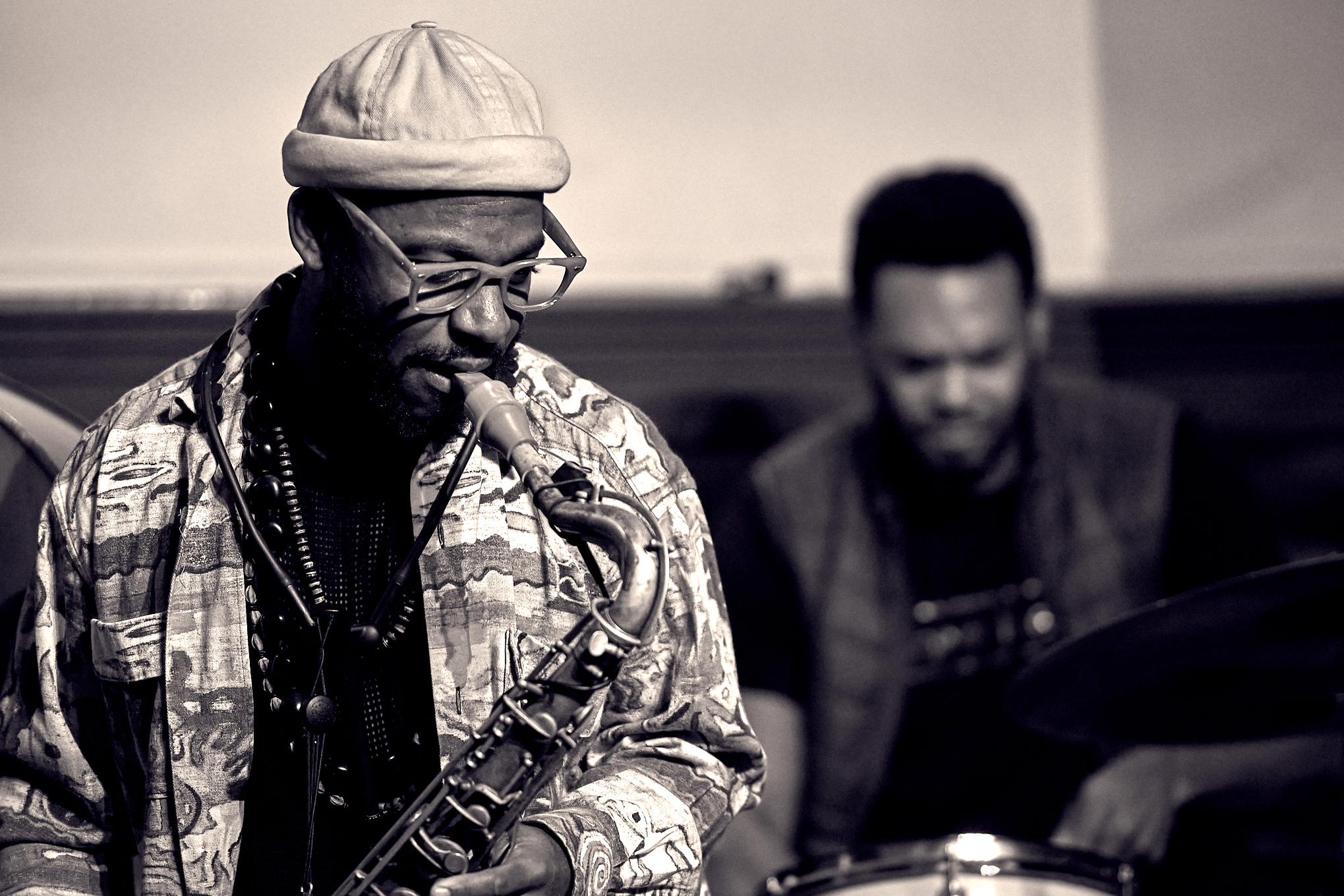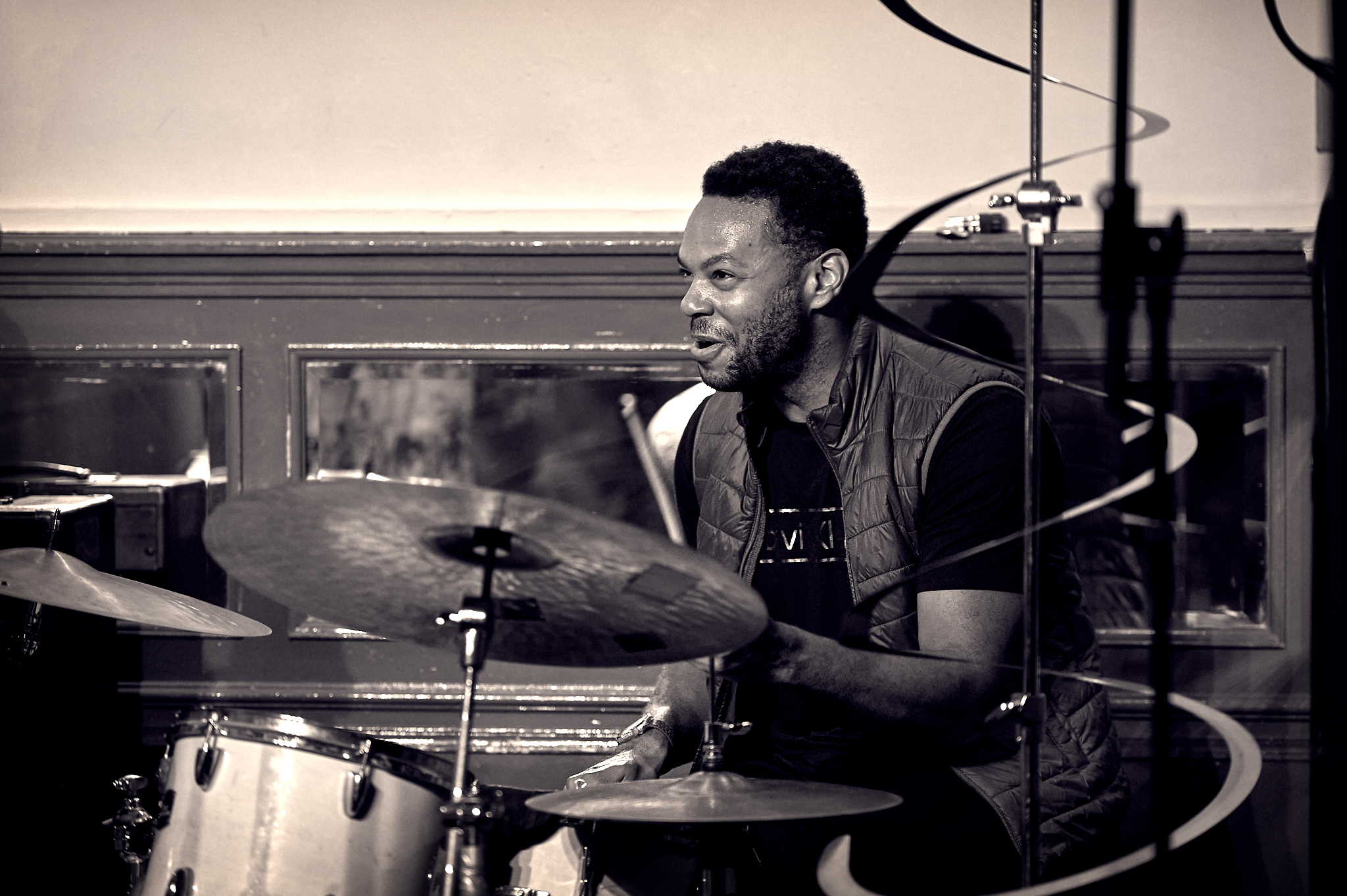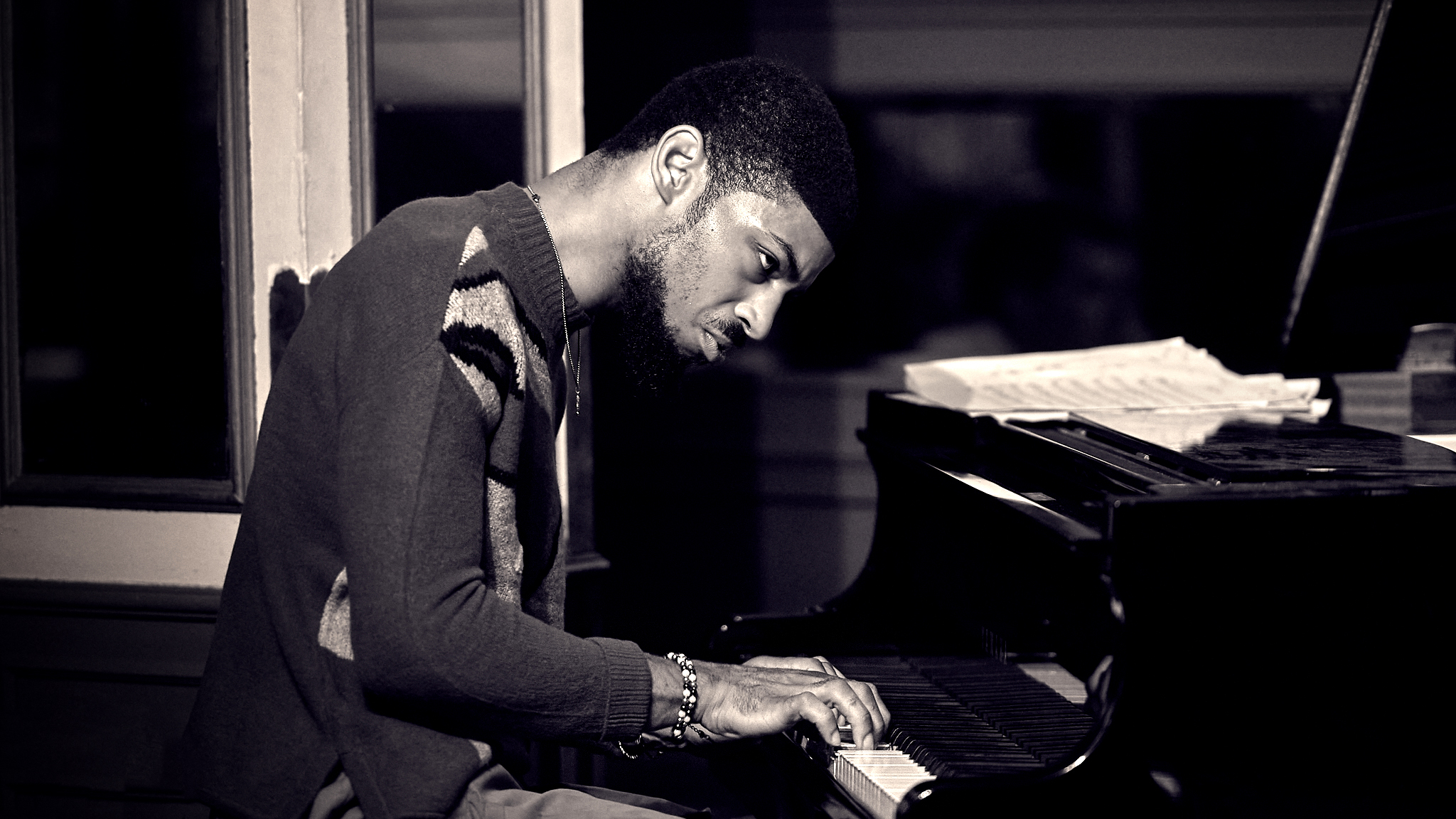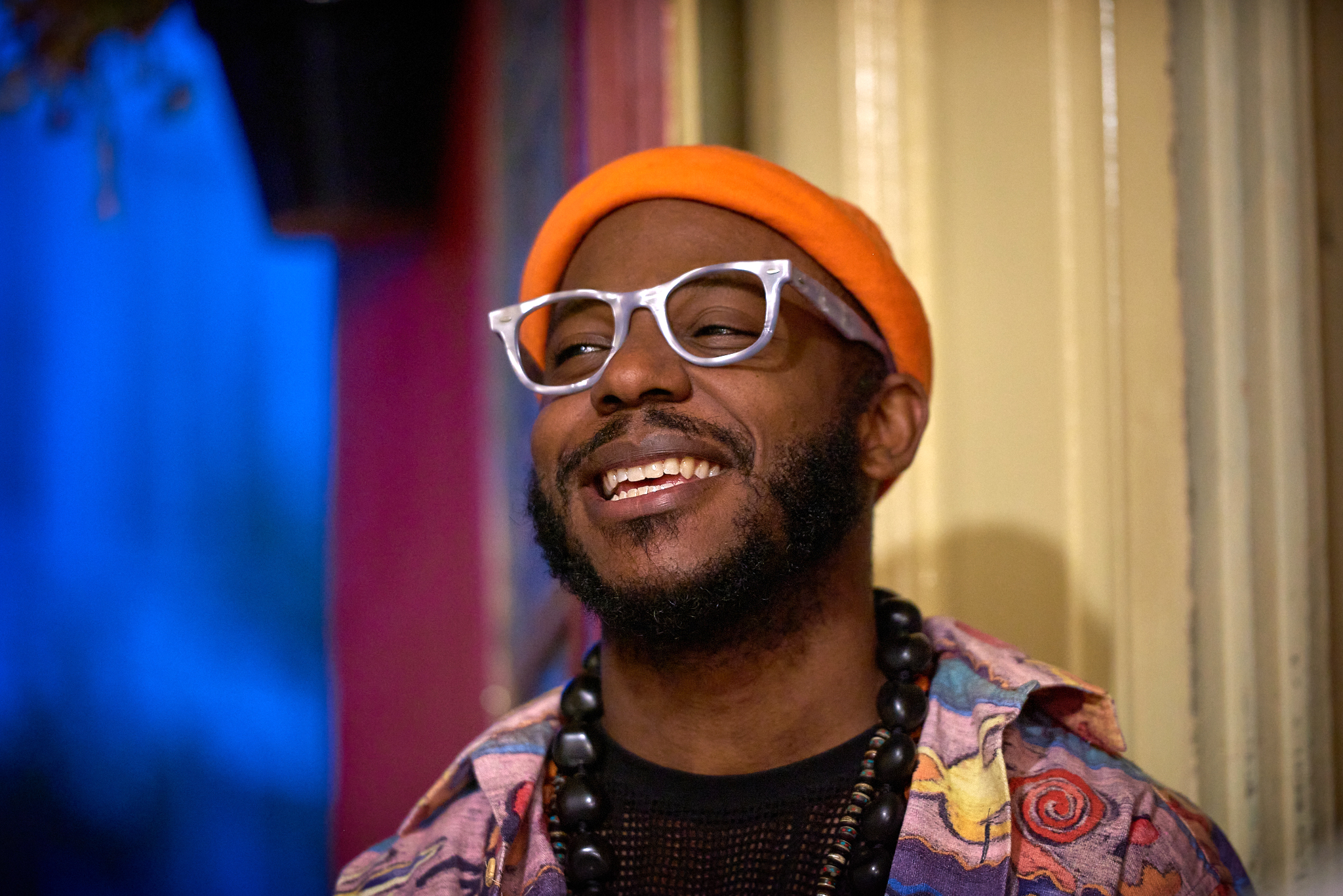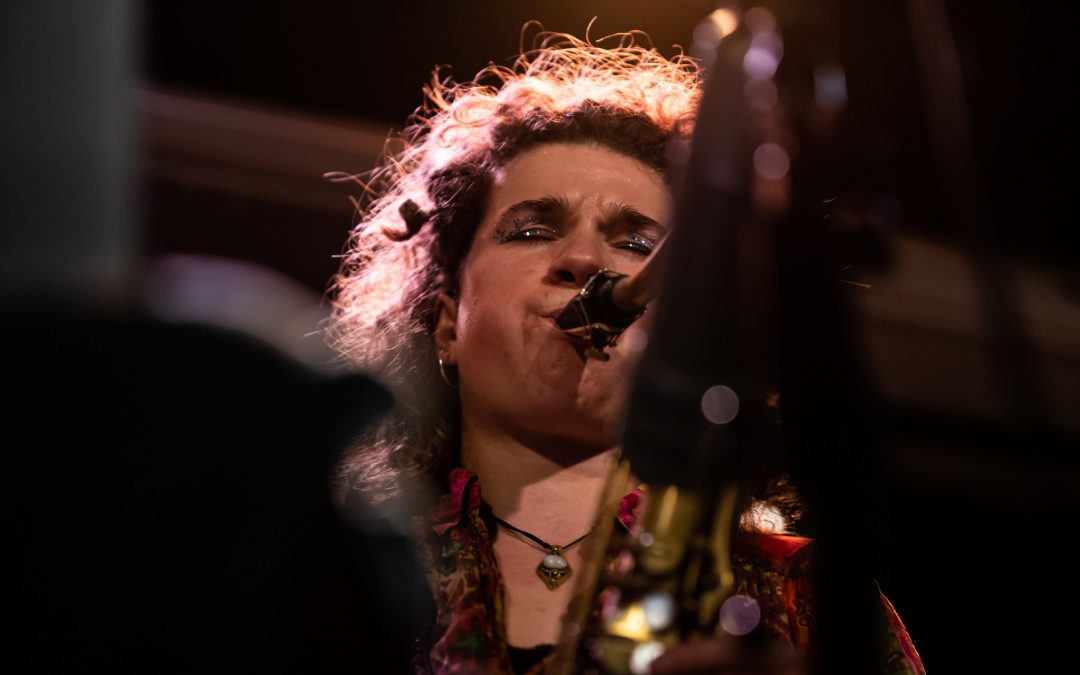
Michael Mayo Interview

Michael Mayo Interview

Michael Mayo

Interview

09

June, 2026


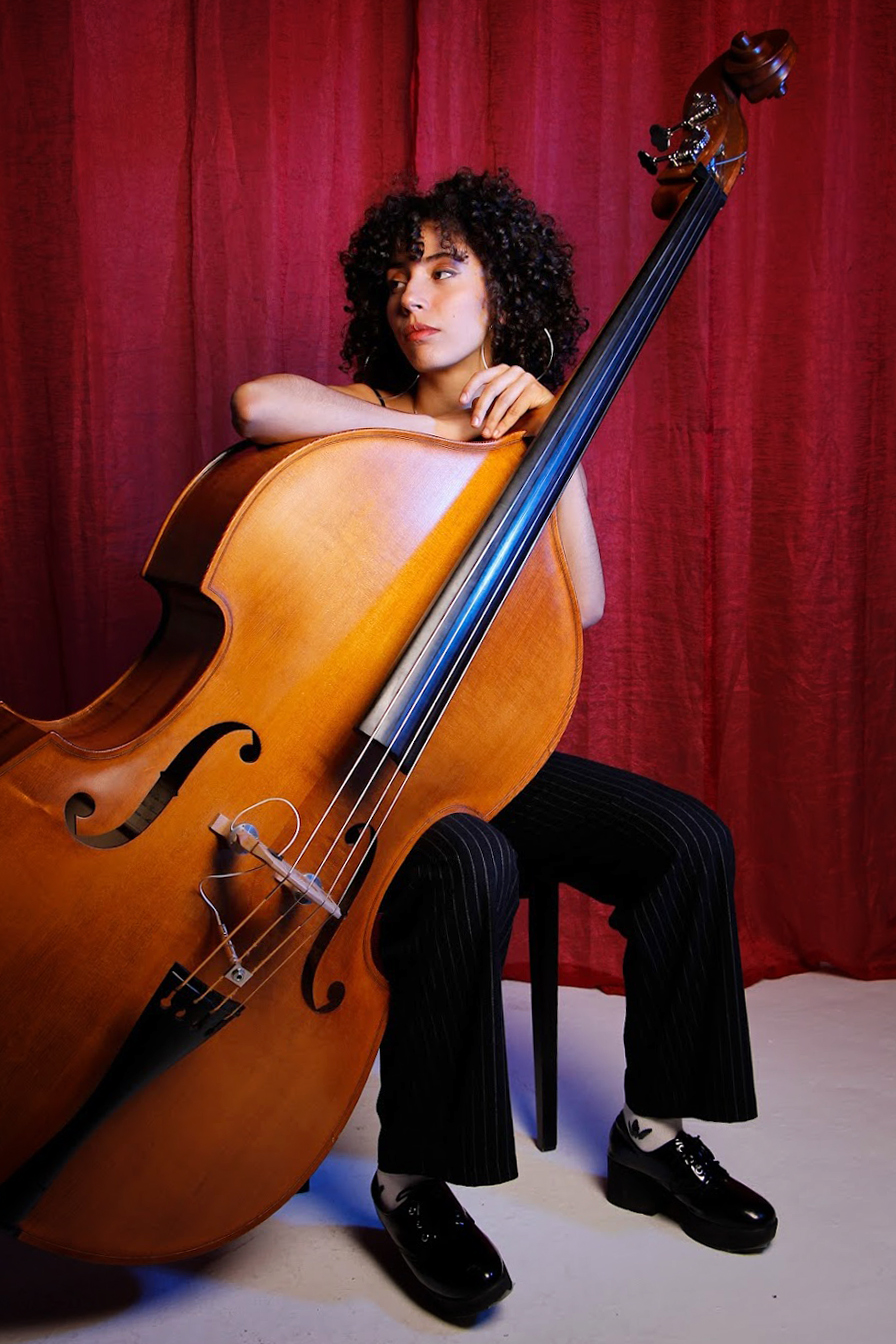
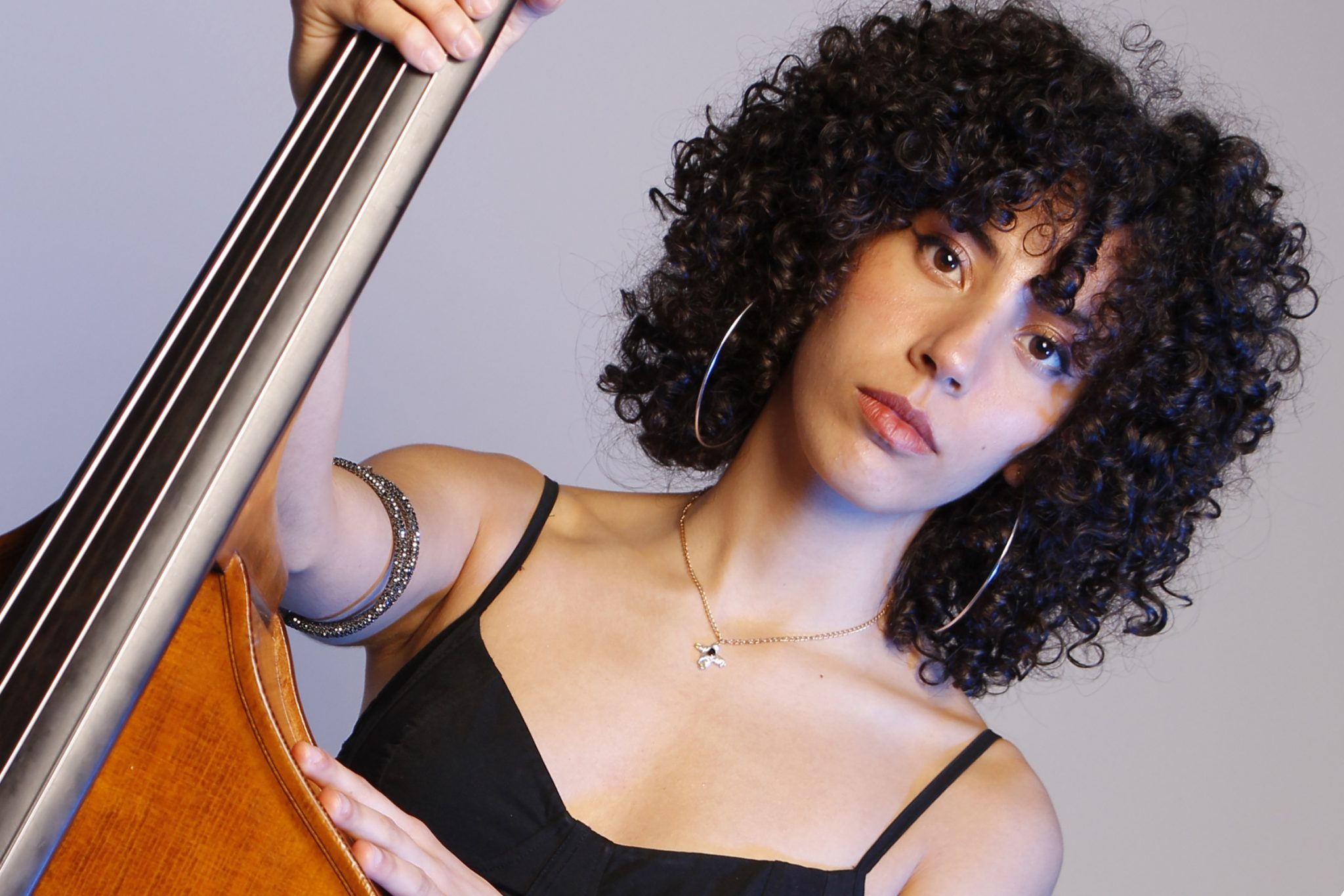
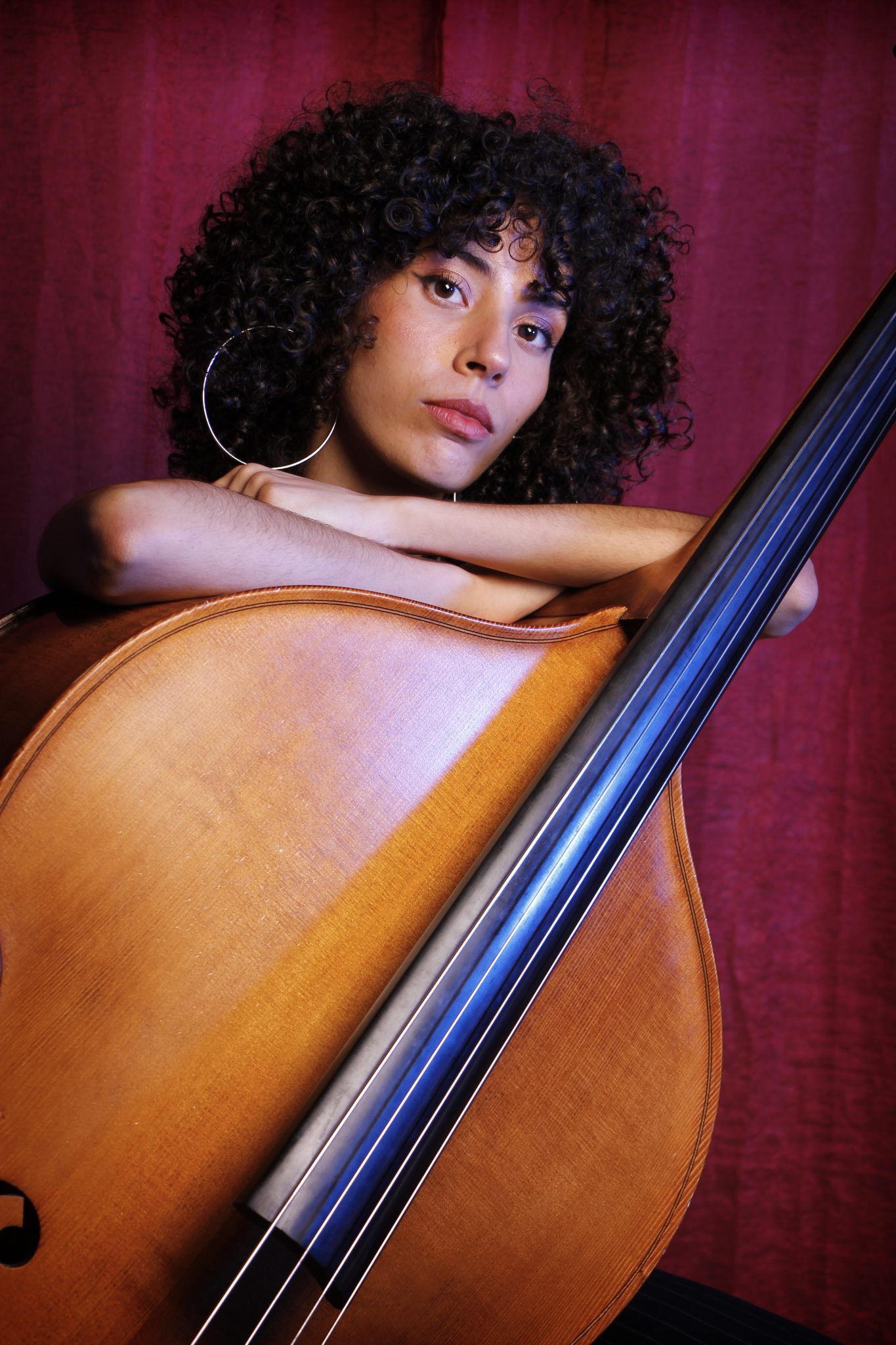
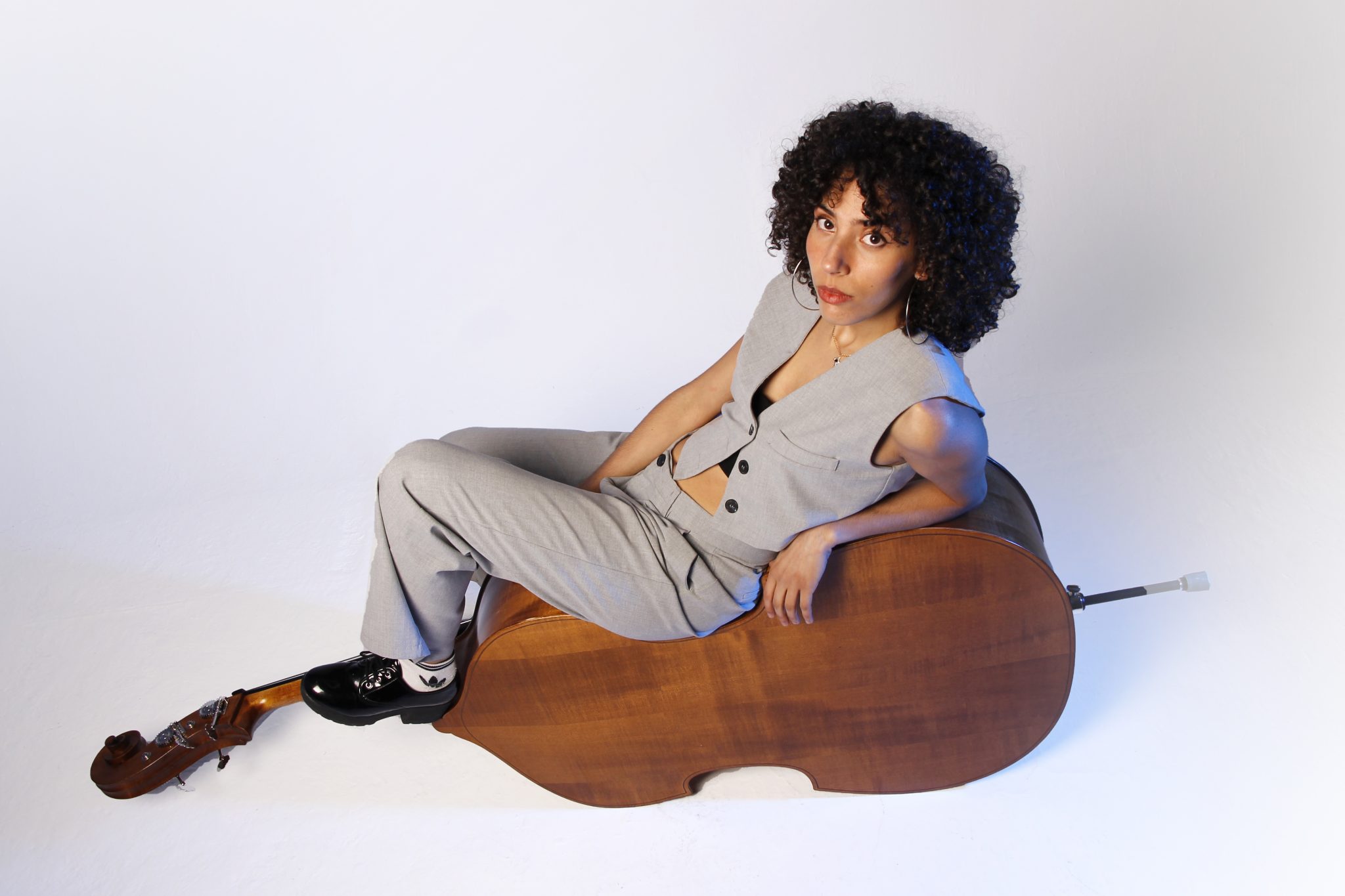
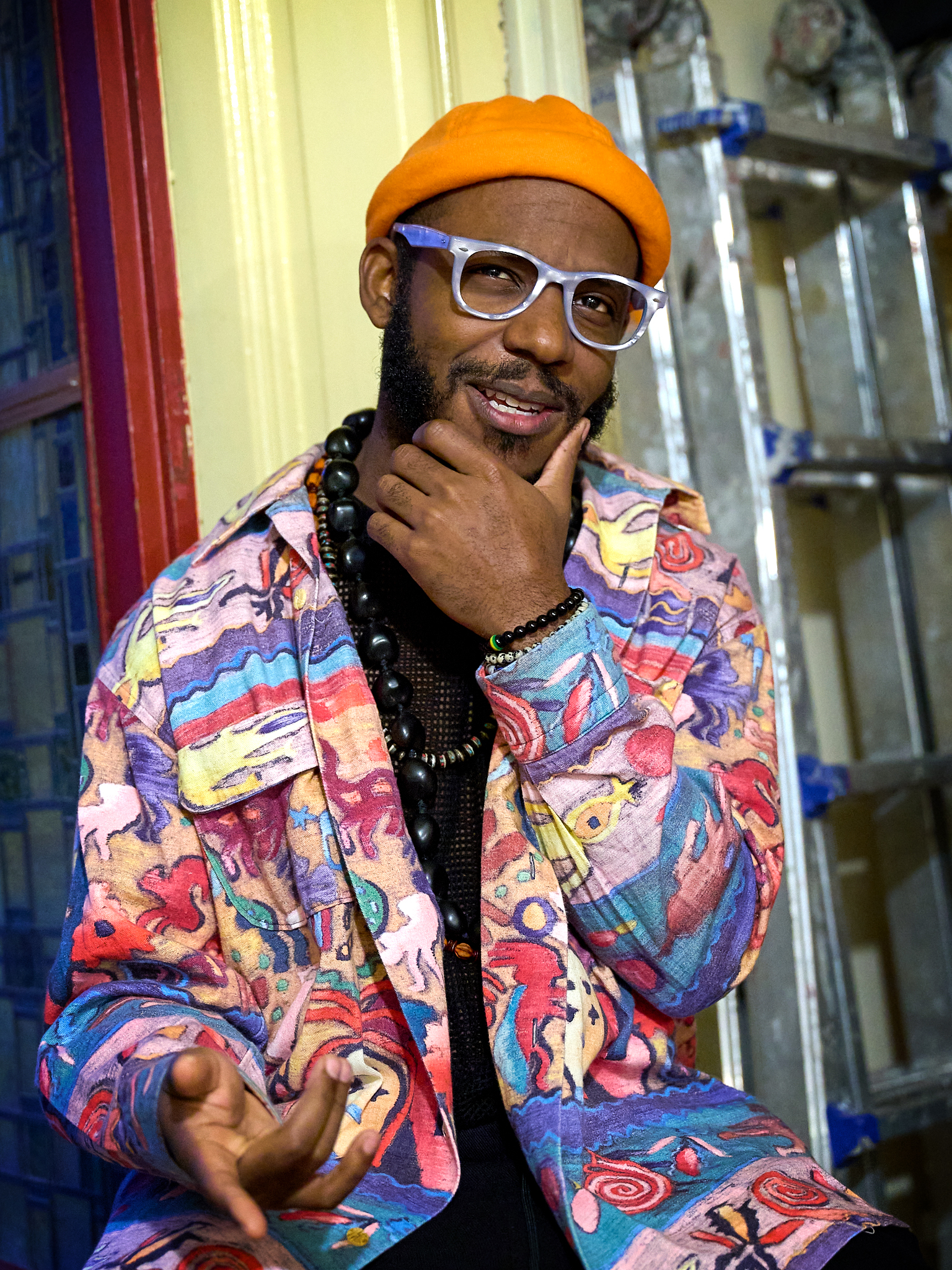
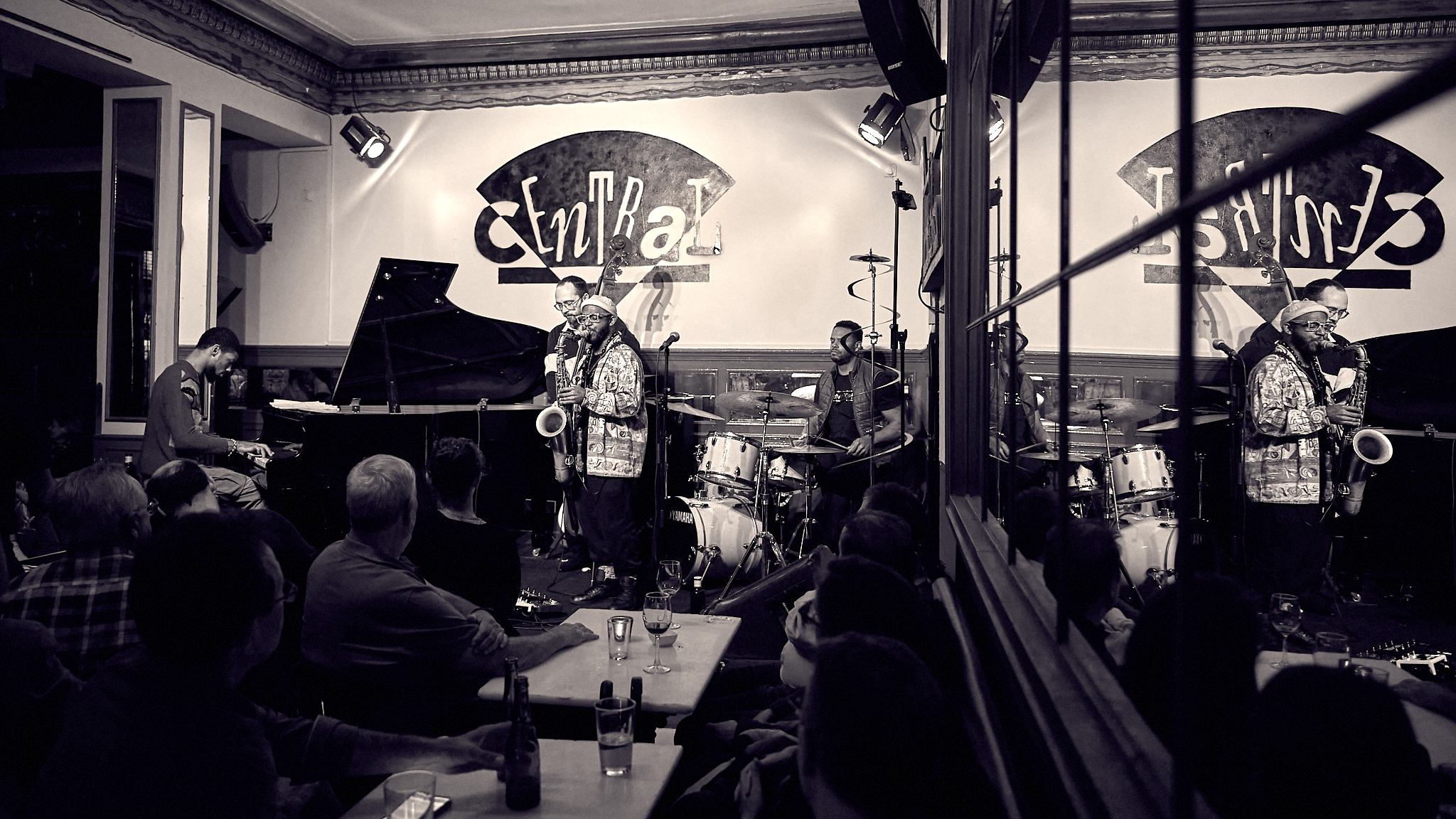
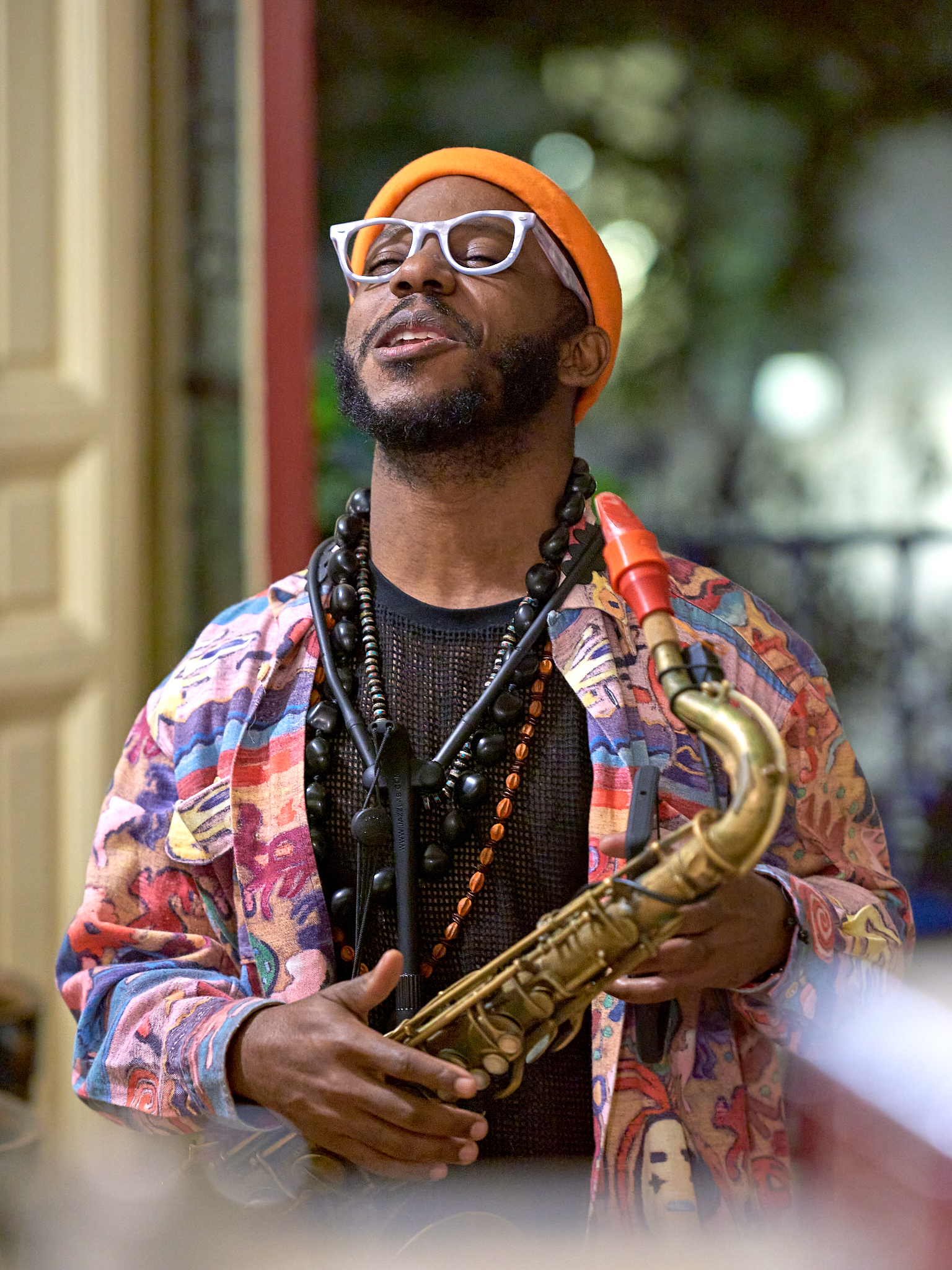
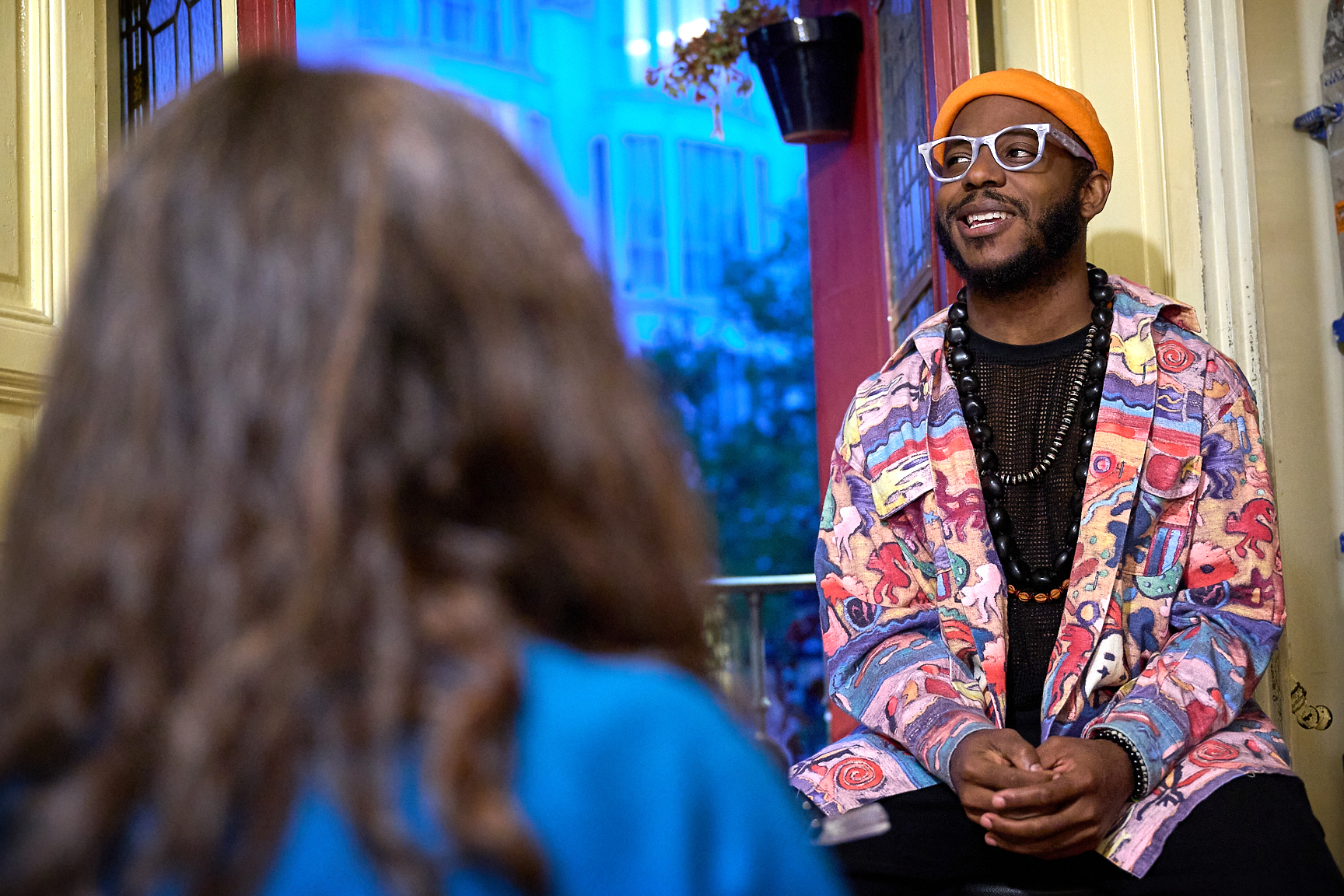
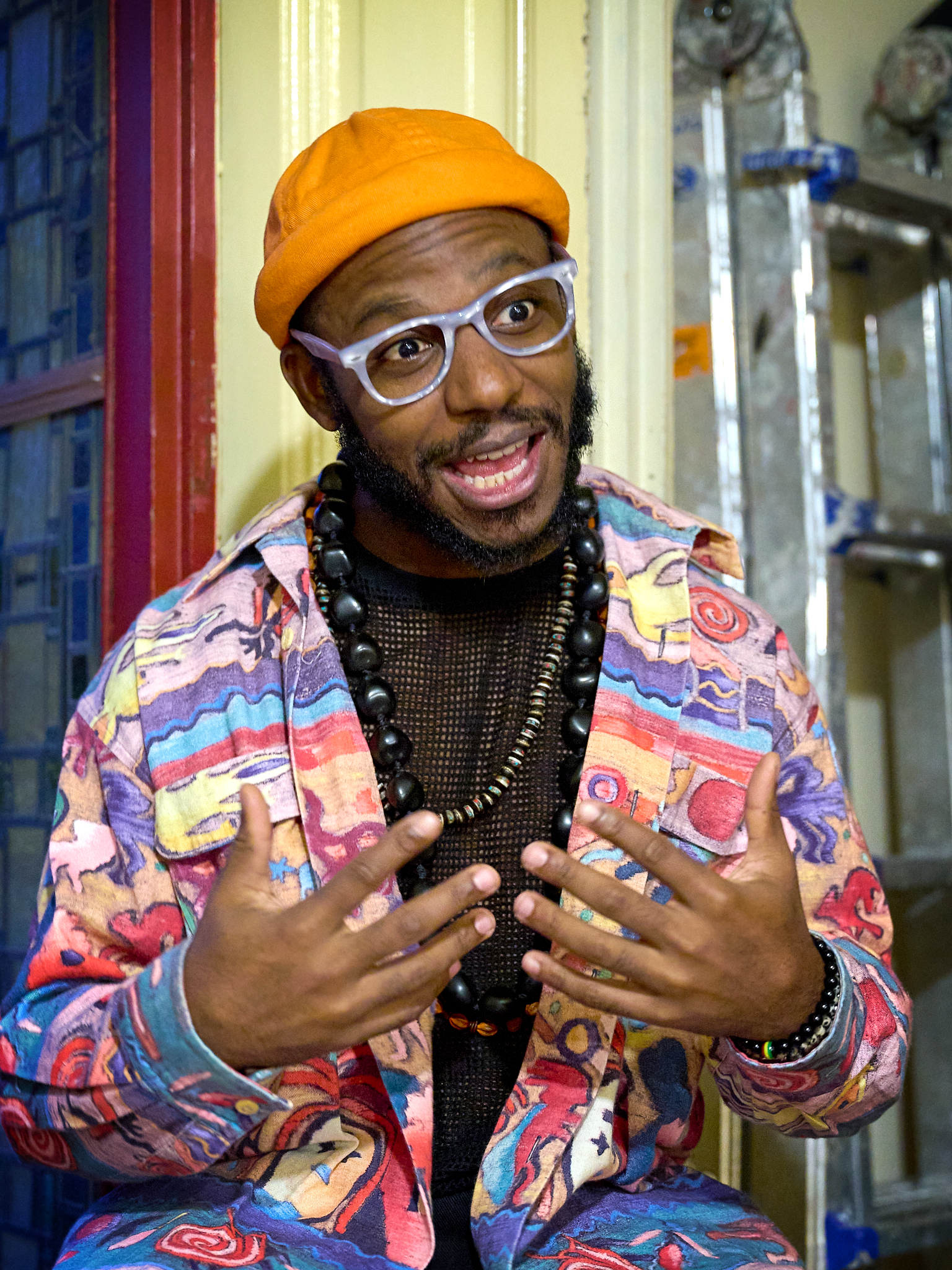
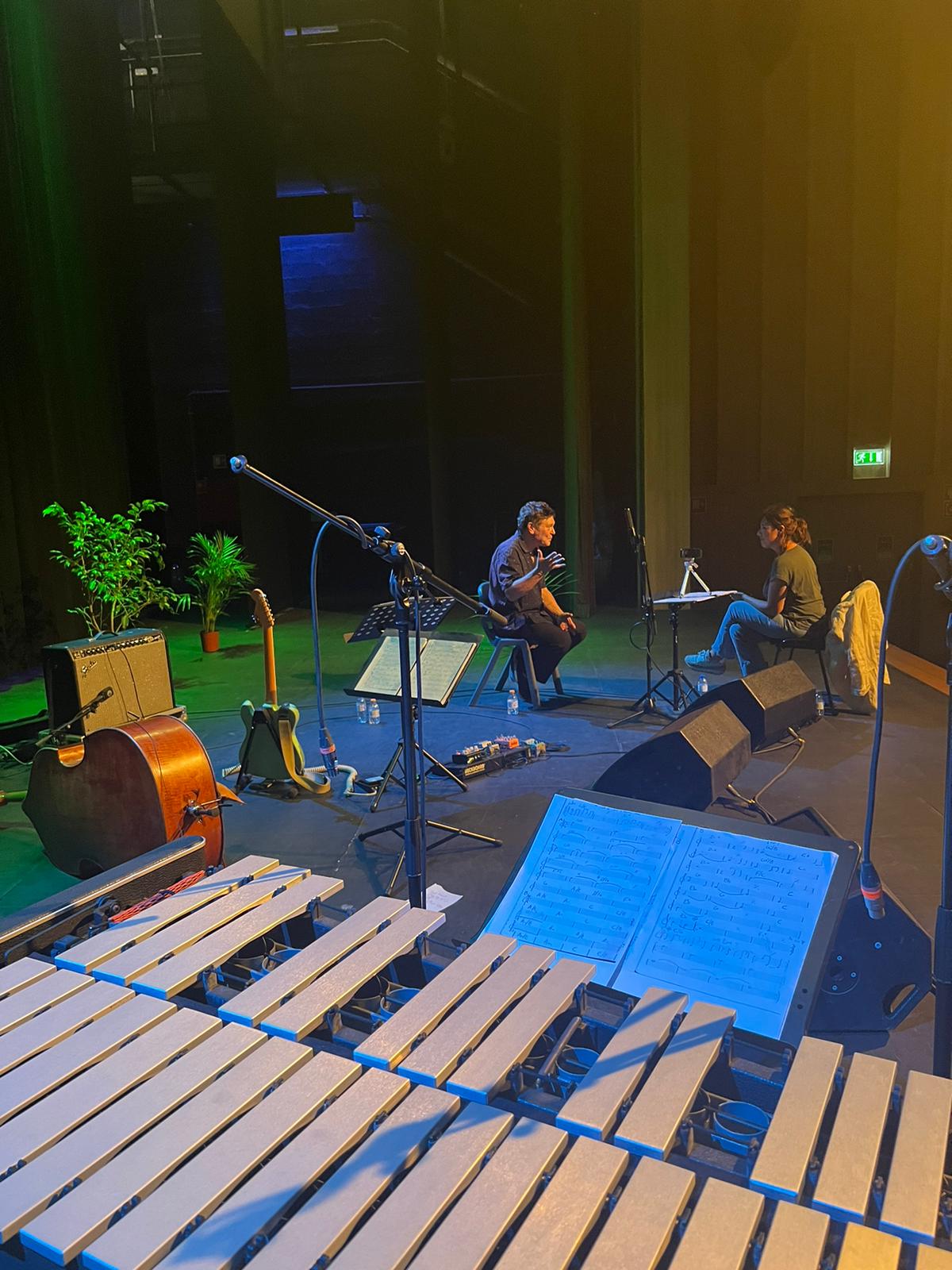
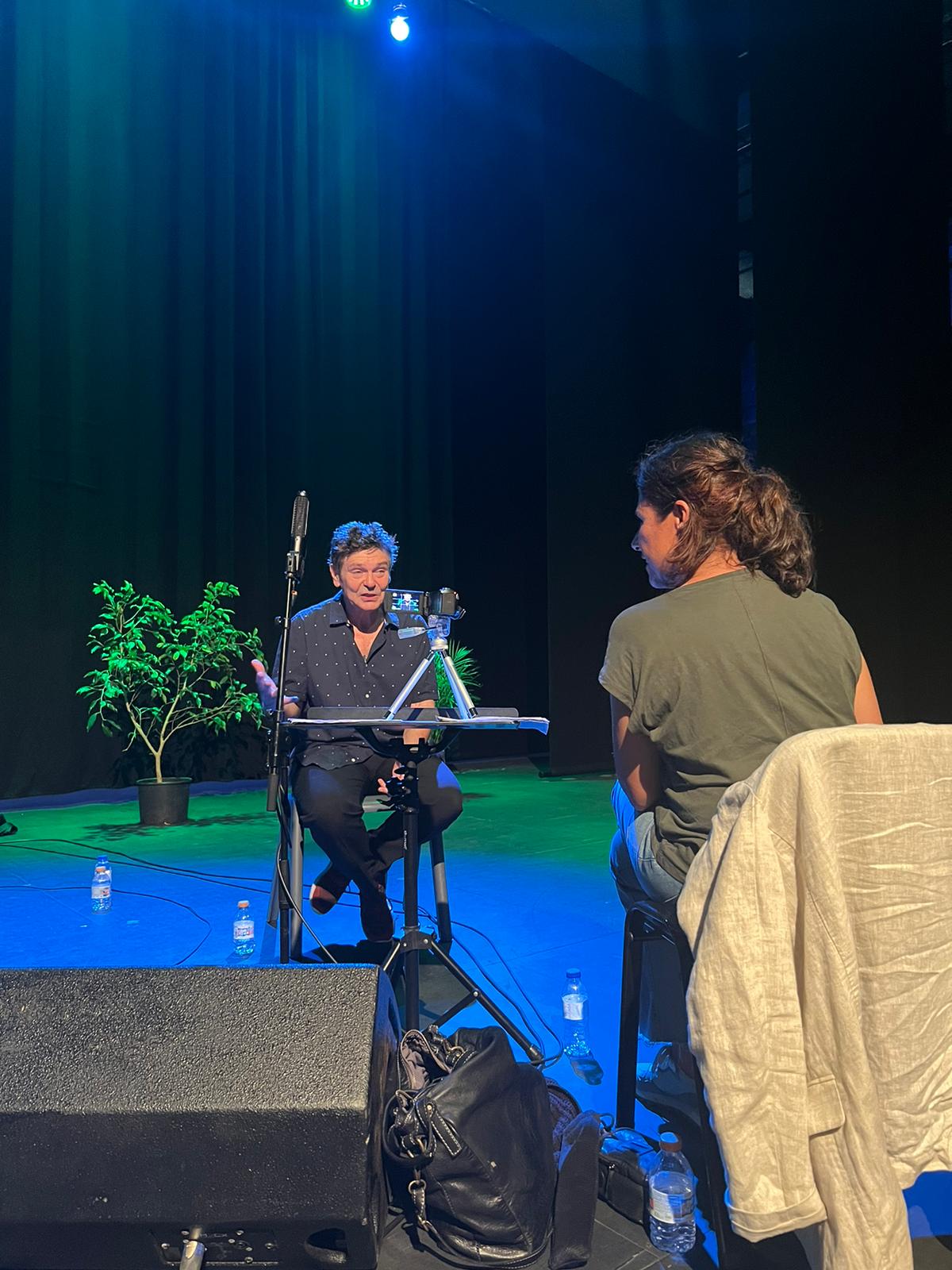
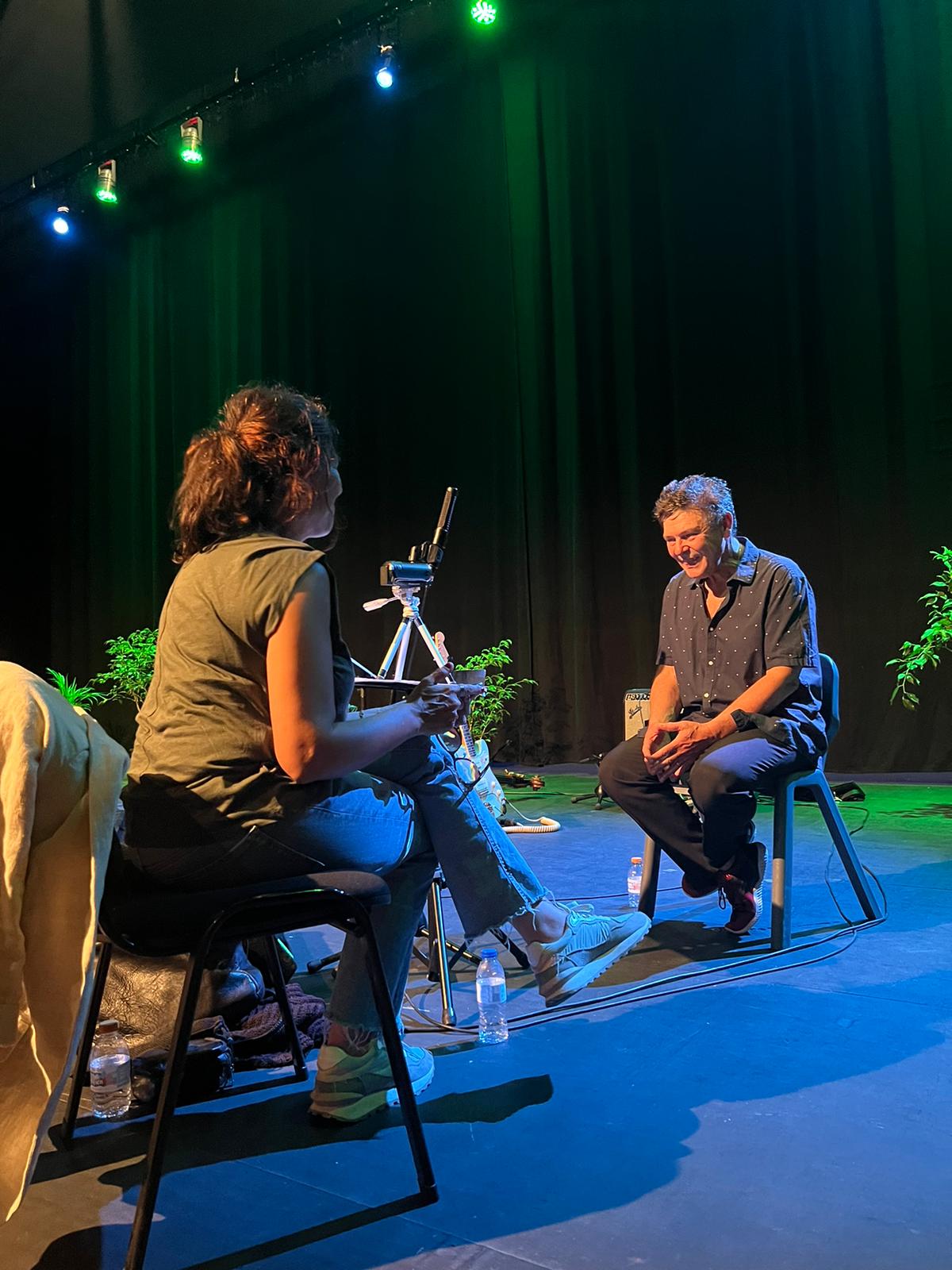
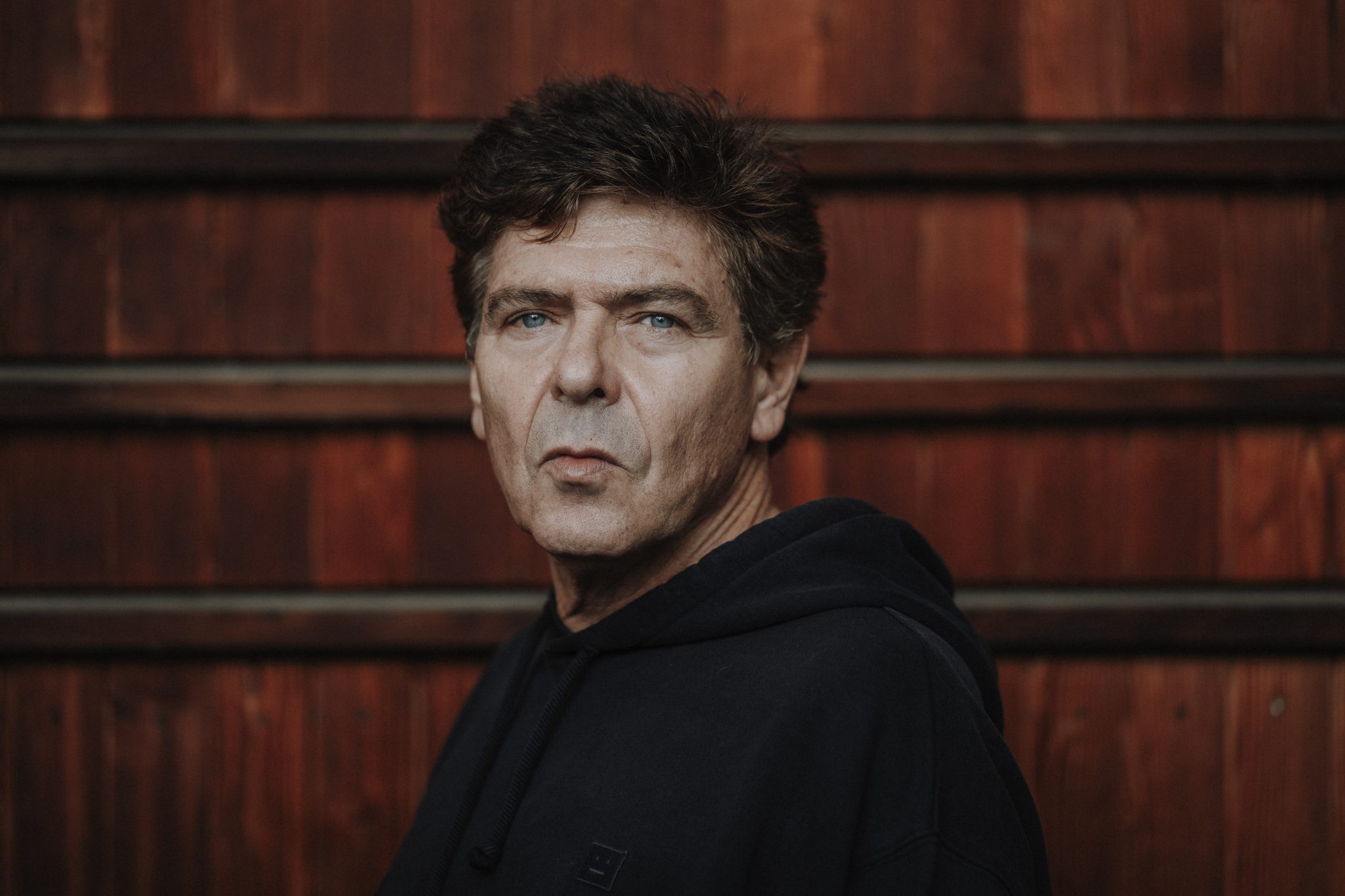
Michael Mayo! A young voice that is already widely recognized worldwide. His undeniable talent leaves anyone who listens to him in awe. Precision, sensitivity, control, spirit, grit… this young singer and composer has it all, and he proved it to us a few months ago at Café Berlín. Shortly after, he was acclaimed by the entire world after being awarded Best Jazz Vocal Album of 2025 for his latest release, Fly. And as if that weren’t enough, he also received the award for Best Vocal Performance for his performance and arrangement of the iconic standard Four (also featured on the album).

For all these reasons, we couldn’t miss the chance to sit down and talk with him for a while. He shared with us some fascinating insights into his music, from its deeper meaning to more technical aspects. We hope you enjoy the interview, which—as always—is available in two formats: written and podcast!

In&OutJazz Magazine: So nice to see you, Michael.

Michael Mayo: Nice to see you.

Thank you so much for tuning in. It’s so great, so great to have you.

Glad to be here.

It’s a real honor, man. Thank you so much. It’s an honor for me, myself, but an honor for In&OutJazz. I think you got the chance to meet some of us in the gig here in Cafe Berlin, right?

Yeah, yeah, I met some folks after the show.

That’s awesome. People never stopped sending great messages about your gig, man. Everyone was excited before and after. So, congratulations for that. You guys are carrying good music with yourselves and that makes us happy. So, thank you so much for joining us. As you know, we’re a jazz journal, but we really try to cover as much music as possible. And your name has been standing out significantly lately, not only for your recent nominations for the Grammys, I know you’ve been excited for that too, congratulations. We’re talking about a nomination for the best jazz vocal album for Fly and the best jazz performance for Four. It’s amazing, really. I personally have been checking you out for years now. I remember seeing you performing with Kneebody, who, by the way, I actually met in person back in Cologne Jazz Week Festival a couple of months ago. I really appreciated the time with them. And anyways, I’ve been following you for a long time and we’re really honored to have you and to host you today with us. It’s gonna be a brief interview, but I’d like to know, man, how are you feeling? How are things going?

Yeah, it’s been a whirlwind. I got off that Europe tour, which was amazing. And then I only had about four days back home in LA. And then I went to Paris to do some teaching. And then I went to Denmark to sing with the Big Band out there. And while I was on that trip was when I found out about the Grammys. So, it’s just been like a crazy, nonstop, action-packed month, I would say.

Man, you’re really burning every step you take and that’s awesome.

Yeah, I’m trying, hahaha.

It’s cool. Why don’t you tell us a little bit about the band members that have been playing with you for years now? But really in the Fly record that you put out. We’re talking about Shai Maestro on the piano, Linda May Han Oh on the bass, and the great Nate Smith on the drums. Why don’t you tell us a little bit about them? What do you learn from them? And if you want, what do they learn from you and from your music?

Yeah, I mean, I’ve had the privilege to get to make music with each of them for years now, never in that exact grouping. So, I think I first played with Linda, with Terry Lyne Carrington, probably in either 2019 or 2021, my brain can’t remember if it was pre or post pandemic. It was somewhere in that general time period. And I had been a fan of hers for a long time, but to get to play with her was something really special because she, outside of just being an incredible bass player with a flawless feel and the ability to play in a lot of different rhythms and play upright and electric, she’s also just an incredible human being. And that’s something that I really value. And I think that everyone on this record, Shai, Linda, Nate, all have that in common, that they’re both insanely technically, musically, rhythmically proficient, but they also are just like really great humans who are good to be around. And if I’ve learned anything over the past, however many years I’ve been doing this, it’s that the people that I think leave the biggest mark on me are those who are just great people. And the process of making an album can be quite stressful, and so when I’m in that high stress or high stakes environment, to be surrounded by people who are like super chill, very pro and really just like good vibes… it was so great to get to go through that process with them.

That’s right. Why don’t you tell us a little bit about your writing process? I mean, you’re a talented musician, no words for your beautiful voice and your potential, man. It’s always incredible to hear your voice singing and your soul through your voice. But how do you come to write? How does it happen?

Yeah, I mean, I have a few different ways of going about writing. It kind of also depends on the song, depends on the project. So, by comparison, my first album, Bones, which came out in 2021, was a lot more writing into music software. So, coming up with the sort of like drum percussion groove and then adding a progression and then coming up with the melody. Whereas with Fly, it was more sitting at the piano and writing. And I think for whatever reason for the Fly project, it felt a lot more tethered to the instrument of the piano. And rather than thinking about production right away, I was really focusing more on the songwriting. And yeah, I think typically lyrics tend to be last for me, which is funny, because I know for a lot of songwriters, that’s like the first thing.

That’s usually the first thing, yeah.

Then the reason it is, is because I really like to create a sonic world, like a sonic universe.

I get it.

And let the lyric be inspired by what the chords feel like emotionally.

And so, there’s a song on Fly called Silence. And the first lyric is cold as a fire, soft as a rock. And it feels like these two, almost contradictory forces. And the reason I did that is because I came up with the piano pattern that you hear at the beginning of the song. And the first chord feels very sort of cold, and then the section ends with a chord that to me feels very sort of bright and warm. And that ended up being what informed the lyrics of the song. So, the first lyric, cold as a fire, literally came directly from that. So yeah, my songwriting tends to be very like, create the sonic world and let the lyrics spring forth from there.

It’s amazing, really, cause people would think that music is in service of the lyrics, right? But doing it the other way around, not really like that, but as you were saying, waiting till you really feel the vibes of the music to then write the lyrics…, that’s amazing.

And what’s funny about that is actually like, that’s not always what I do. That’s usually what I do. But with a song like Bag of Bones, for example, it actually was flipped. So, it started as kind of a journal entry and I had a little kind of melody-ish for a part. And there’s this part that’s like [he sings the part: but as you grow, you eat, you sleep, you know the ground way down below is where you will return this bag of bones]. I had that, but I didn’t really have any chords. And so that song was actually backwards for me where I came up with the lyrics first and then the melody and then the harmony. So, it totally depends.

Crazy, man. You treat your voice as if it were an instrument. And what I mean by that is you really try to cover as much range as possible as if you were a piano. You really try to hit in the notes with accuracy and precision. You’re not just singing from the soul, but you’re singing quite precisely, and this is something that really stands out for whoever that listens to your music for the first time. I know this will be kind of rough question to answer maybe, but here it goes. What have been your one or two must-do exercises? Vocal exercises that you would never give up, that you will get them to your grave. You know, it’s like “I love to do these exercises”. Now that you’re also teaching, what are these?

Yeah, I mean, it’s funny because there’s actually so many. I think in general, I’ve done a lot of practice with like intervals and singing difficult, or not that they have to be difficult, but singing melodies that have wider intervals or more difficult to hear intervals because on one hand I just like it because it’s fun and I like a challenge and it helps me hear deeper into the melody. So, I’ll do it a lot with like Charlie Parker melodies, like Donna Lee, for example, taking that melody and slowing it way down and really focusing on tuning every single note.

Oh yeah.

[Sings it as example] You know what I mean? Like, really hearing every single note because I do think that those melodies really deserve to be heard for what and who they are, and how they make us feel. And then on top of that, I think it really helps me to just, because I’m trying to think as little as possible when I’m making music, like when I’m improvising, I’m not actually trying to be in my head and I find it easier to just release into the music when I spend time in the practice room thinking about stuff. So, it’s sort of like, I like to think so that I don’t have to think. And that way when I show up to the gig, the jam session, the recording session, whatever it is, I feel like I am way more comfortable because I have spent the time working on this specific granular little stuff.

Yeah, sure. It’s amazing. I actually think I saw a video from you singing Dona Lee by Charlie Parker.

Oh, sure. Super slow, super slow.

And I was thrilled, man. And I was like, wow, this is too difficult. Like we all go [sings melody fast]. “Yeah, that tune, let’s go, let’s go play it!”.

And the funny thing about that is that like, I think that, a lot of people when we’re learning like bebop heads or whatever, we focus on the gesture of the melody. Like this is generally what it sounds like. And I actually think that that’s good. And in fact, when I have students that are focusing too much on individual notes, I’m like “forget the notes, focus on the gesture, like, what’s the idea?”. But I think that when we’re focusing so much on the gesture that we forget that the melody has like real notes that matter, then we’re on the opposite extreme. So, I love to get the whole, the macro and the micro of it all.

Yeah, you haven’t mentioned the rhythmic realm yet, but how do you work on that? Or how important is it in your music? How do you take the rhythmical decisions when it comes to your music?

Yeah, yeah, I would say that I’m a pretty rhythmically led person. I think for me, typically like rhythm and harmony tend to come first and not one, they both kind of have equal priority for me. And yeah, when it comes to like rhythmic decisions, I’m very sort of vibes based. Like I go through, if I come up with a groove that I really like, or I am working on like a drum loop, I’ll like listen to it for 30-45 minutes to an hour to just like really get into what it is. And I like to sort of meditate on a feeling. And so, when it comes to rhythmic stuff, I don’t know, it’s like, it’s an interesting mix. It’s like, there’s a dance. I feel like every groove should dance, even if the dance is like slow or not in time. I think that there’s an underlying dance to any sort of music, to any sort of groove. And so, my main priority when it comes to that is to like really find what the dance is. Because if I find the dance and I know that, I know what the feel is.

Yeah, in fact, I mean, maybe this is too obvious choice that I’m making, but when I heard your arrangement for Four, that rhythmic decision you made for the head, it’s like very, I mean, someone would say “I could expect it”, but the reason why I like it so much is because you’re actually dancing to it. I mean, it really feels like that. It doesn’t feel like an exercise, something that you would study at college. Like “let’s loop the dotted quarter”. No, no, no, we’re dancing to it. And it sounds amazing. I mean, it has a flow that I love. And it was like, “wow, I thought this was something that I would never hear again, or something that went on back in those ages when they were trying to noodle around with all those figures and stuff”. But you nailed it! And I was like, “oh man, that is…!”. I mean, I get it, it’s not that difficult, but at the same time, wow, that’s vibing, you know? So, it’s beautiful and I get it now that you are explaining it. And I really like it.

Man, is there any pursue, or any research, or any intention behind, or beyond the music itself? Behind your art, behind your compositions, is there any spiritual research, any political intention, anything you are aiming towards that has to do with life itself? I know I’m turning to another side of the conversation. We were just talking about quarter notes…, but I would really like to know what the engine of your being an artist is, you know?

Yeah, yeah, I mean, I think for me, music, I always had a love and passion for music, and I always knew as a kid that it was what I wanted to do. But I didn’t necessarily know the function of it in my life until I got a little bit older. And eventually I realized that, for me, authenticity is extremely important. And, you know, exploration, and play, and love, and community, and all these things that, you know, I think sometimes we talk about as these sort of, you know, in-the-clouds ideas, but I think that, especially now in the world that we live in, are increasingly important to hold onto. And so, you know, I try to use music as a vehicle for, you know, if someone needs to find that place of calm within, like, to help them get through something, or as a vehicle for, you know, just as a black queer person living in the United States. Like, I didn’t really have very many examples growing up of people who looked like me who were doing the sort of things that I’m doing. And so, I think that that visibility is something that I really treasure, and I think it’s really important to sort of just wear very vulnerably and visibly. And yeah, I think any specific political statement would depend on, like, the particular project that we’re talking about.

Yeah, that’s right. That’s totally true.

But, like, in general, I think that music and art at large is just a device to… There’s a phrase, and I forget who’s saying it is, but it’s, like, “art it’s supposed to make the chaotic mind calm and make the calm mind chaotic”. It’s sort of one of the functions of art, and that’s kind of the way that I see it.

Very good, yeah. Deep words, man. Thanks for sharing, because it’s good to always know that part of the artist, you know, and see what’s in there, which sometimes is very obvious, you know, and you guys show it, but I like it to hear from you directly.

What projects are coming next, man? What projects under your name? You are really having success with this last album, but maybe you’re already thinking about next things.

Yeah, I mean, I’m thinking, I can’t, like, share specifics, but I am already thinking about the next project. You know, it’s funny, because right now it’s in a bit of an incubator stage.

Okay.

And so, I’m kind of right now where I was, probably in late 2023, when I started writing and arranging for Fly. It’s, like, a very similar period now. And so, I’m really excited for it, but there’s not really much I can give you more than just that.

I like it.

Yeah, and then beyond that, yeah, I mean, I have a couple of little things here or there but some of it is kind of under-wrapped, so I feel like I can’t, I can’t dive too deeply into it, unfortunately.

Yeah, and I’ll be honest, I’m asking this being conscious about the time you’re living right now. And, you know, you’re in the peak of the mountain with Fly, you also put out the Fly Deluxe. So, people are, I mean, we’re really enjoying your music right now. But it’s always good to know how you’re working.

Yeah, things are cooking.

Yeah, there you go. There you go. Well, Michael, I would stay here forever. It’s been lovely to talk to you. It’s been lovely to hear you share your thoughts on your music, on your colleagues, on your techniques. It was really, really good to hear you and really inspiring. Thank you so much. We’re very honored to have you as In&OutJazz Magazine. Also, for me personally, it was, it’s a real dream to be talking to you right now. And we hope to see you soon too. We’ll be following you as always. And we hope to see you again, man, and stepping into some clubs here in Spain and Madrid.

Yeah. Yeah, I’m looking forward to it.

So great. Have a nice day and keep going, man. Congratulations for what you have achieved already. You’ll be for sure growing as you’ve been growing so far. And we’re really, really grateful to be following you and to be witnessing it all.

Well, thank you so much. Thank you for having me, I appreciate it all.

Awesome. Have a nice day, Michael.

All right, you too.

Bye.

June 9th, 2026

Leo Genovese Interview

Leo Genovese Interview

Leo Genovese

Interview

20

Mayo, 2026

By: José Cabello

Photos: Vilma Dobilaite

Próximos conciertos:


Hace un tiempo pudimos sentarnos a charlar con el grandísimo Leo Genovese, artista, compositor y acompañante tanto vital como musical de un sinfín de artistas de talla mundial. Nos pudo compartir varias ideas acerca de su método, su visión y su forma de sentir y concebir la música y la existencia. Sus palabras nos vienen como anillo al dedo ahora que pronto comienza su World Tour, pasando, cómo no, por nuestro querido país. E l próximo 25 de mayo estará en Madrid, en el Café Berlín , el 27 pasa por el Door 13 de Mallorca, el 28 por el Jimmy Glass de Valencia, y el 29 por el Jamboree de Barcelona.

In&OutJAZZ Magazine: Compártenos qué experiencias musicales están siendo últimamente las que más te están inspirando como persona, que te están llenando, que te están realizando.

Leo Genovese: Sí, la verdad es que me cuesta elegir una sobre otra o me cuesta nombrarte alguna por el hecho de que el solo hecho de pasar tiempo creando música con seres humanos, ya es algo…, es una ceremonia fascinante, muy profunda y si uno se la vive y está presente en el momento y llega con el corazón abierto y con los sentidos afilados de escucha, de respuesta, de querer estar en comunión con otros seres humanos, de investigar un poco más profundo, lo que vive dentro de la música, toda junta, digamos, y dentro de toda experiencia es algo especial, particular. Por eso me cuesta elegir una sobre otra, por así decirte, cada una te aporta algo y, si uno llega con buenas intenciones y con las ganas de crear, de cada una te llevas un aprendizaje inmenso.

Puede ser que estés tocando en un club vacío en algún rincón del mundo, tocando en un estadio, no importa, el hecho es que uno llegue con las buenas intenciones y con las ganas de crear y que traiga lo mejor de sí mismo para la mesa y ahí se genera una cosa que es irrepetible realmente y es una enseñanza siempre, siempre.

¡Qué bueno! Comentabas ahora que es fundamental y esencial este dar y recibir, el estar en comunión con los otros. ¿Hay algún tipo de búsqueda conceptual o espiritual en tu arte, en tu música, en tus composiciones, en tu forma de abordar composiciones o repertorios que te piden que aprendas los artistas con quienes colaboras…etc?

Sí, yo espero que sea todo eso y que la música sea una excusa o una razón para poder iluminarnos, conocernos, acercarnos, entendernos, escucharnos, cualquier cosa que vaya por un camino paralelo a la guerra, a la distancia, al silencio, al no entendimiento, al sufrir…etc. La música es una gran alternativa a las maneras egoístas, a las maneras superficiales, a las formas políticas que el mundo de hoy nos ofrece y nos plantea y nos muestra como única alternativa. Desde siempre, la música y las artes nos mostraron que no va por ahí, que es por otro lado donde encontraremos soluciones, donde encontraremos respuestas, donde lograremos entender una visión que no logramos entender desde acá sino enfocándonos en la parte espiritual y de ahí, desde ahí, intentar entenderlo con el intelecto y no de la otra forma.

Creo que las artes son el mayor aliado del ser humano. Aunque los políticos sigan recortando de aquí y allá, siempre parimos nosotros y seguimos creyendo y soñando con un mundo bonito.

Yendo a quizá cuestiones un poco más prácticas, más técnicas, ¿cuál ha sido tu evolución como músico? ¿Hay algún momento que destacarías en todo el proceso evolutivo?

Siempre es el hecho de poder aprender esta música with the elders, con los sabios, con la gente que la viene tocando y la viene viviendo desde hace muchos años. Hablo de gente octogésima o de noventa y pico o gente de setenta y pico. Hablo de mis ancestros, por así decirlo, gente que te enseña esta música en el escenario, tocando y con los que uno aprende de primera mano tocando con ellos. Entonces intento pasar el tiempo mayor con este tipo de maestros. Cuando armo grupos míos intento que siempre haya gente que sea mayor que yo para aprender, para que me pateen el traste como se dice acá y me den una palmada y yo pueda llevarme esa lección a casa. Porque esta música se aprende así, se aprende tocando y se aprende escuchando y se aprende errando y perdiéndose y encontrándose y arreglando cagadas y quilombos en el escenario. No hay que tener miedo a probar cosas que no funcionen y hay que estar siempre acompañado de gente que te inspire, te enseñe y esté dispuesta a compartir el viaje.

¡Qué interesante! ¡Qué palabras profundas para todos nosotros y los que nos lean! Importante meditarlas bien, reflexionarlas y tratar de vivirlas como nos enseñas tú a vivirlas. Porque es bonito ver que, en la tradición del arte, este es un proceso que velamos por no interrumpir. Porque igual que tú tienes tus elders, otros tenemos nuestros elders y se genera una cadena muy bonita, una cadena que en el arte nunca tenemos interés de romper. Mientras que en otras culturas, o en esa vía paralela que comentabas antes, parece que todo es ruptura, dentro del mundo del arte es bonito que se concibe un abrazo constante de generación en generación donde se puede dar este aprendizaje.

Cambiando de tema, si tuvieras que identificarte con un acorde, ¿cuál serías?

Todos los acordes juntos, todos, así uno arriba del otro y uno al costado del otro y uno abajo del otro. Sí, me gusta la densidad. Mi gran amigo y profesor Marcelo Toledo, un gran compositor argentino de Misiones, tiene una descripción y definición de armonía, una que figura en un libro que escribió, que el libro tiene una página y es su tratado de armonía, dice que la armonía es la aceptación de todas las notas en todo momento dado, entonces no mirando algún acorde por así, con magnifying glass, con una lupa, sino mirando a la posibilidad de todos los acordes y todos los sonidos y todas las notas, ya que tenemos la capacidad de aceptarlas, es solamente una cuestión de reprogramar el oído, de reprogramar nuestro propio ser, por así decirlo.

¡Toma ya! ¿Y algún tipo de ritmo en el que tú veas que tu corazón se siente en casa?

Cada viaje también se transforma en una escuela. Cada viaje, cada lugar, cada pueblo, cada código postal es un ritmo, la manera en que la gente habla, la manera en que la gente baila…etc. Me inspiran los ritmos que me sacan de la silla, que me levantan, que me inspiran a bailar, que me inspiran al movimiento, que me inspiran a investigar, que son una puerta abierta que cuando uno la atraviesa se encuentra con un mundo entero de ritmos. El ritmo del corazón, por ahí está el 6/8, que es el latido del bombo legüero, el latido de muchas de las formas folclóricas de Argentina, y es el ritmo que también nos abraza en un montón de lugares, especialmente en nuestra madre África. Así que ritmos que tengan que ver con ese pulsar siempre me inspiran a seguir, me inspiran a levantarme por la mañana, me inspiran a escribir música. Sí, me inspiran a darle fuerza al bombo del corazón.

¡Qué bueno Leo! ¿Qué proyectos tienes entre manos actualmente que te haga ilusión compartir con nosotros y que te estén haciendo ilusión como persona también, que te estén ayudando a mantener esa energía, esa alegría que nos transmites con tu presencia y con tus palabras?

Ahora cuando corte contigo, estoy sentado acá al lado de mi piano, ya este mate me lo terminé, así que me voy a hacer otro termo y me voy a sentar a escribir música y a ver qué sale de ahí. Siempre sale alguna idea por la mañana y esa idea se teje con otra idea, esa otra idea llama a otra idea y así de poco se transforma en una canción y en otra y en otra y cuando junto suficientes canciones para armar un repertorio, le llamo a un club y llamo a una bandurria de amigos y amigas y armo una banda y pruebo esta música que logro materializar por las mañanas… Así que la verdad es que no sé lo que se viene, pero sí, algo siempre se viene, así que de a poco tratar de descongelar los sueños y tirarlos a la parrilla digamos.

¡Qué bueno, como buen argentino! Te despido con alegría después de escucharte estas reflexiones que nos compartes en un momento frenético de tu vida que vienes de tocar con Residente y ahora te vas con Joe Lovano nada más y nada menos. De un lugar del mundo a otro del mundo y mientras tanto con alegría nos comentas que cada huequito de tiempo lo intentas invertir para hacer un mundo más bello. La verdad que podría ser la síntesis de muchas de las ideas que nos has compartido. Que sepas que desde In&OutJAZZ es un privilegio poder tenerte, poder escucharte y que la gente que nos sigue pueda también dejarse iluminar y dejarse inspirar por tu persona y todo lo que eso implica, que es un misterio, pero desde luego un misterio bello y bonito, muchas gracias Leo.

Gracias a ti brother, que seas siempre así, de adentro para afuera, in and out.

Eso es, a gozar, nos vemos pronto, un abrazo grande, gracias.

20 de Mayo de 2026

Harish Raghavan Interview

Harish Raghavan Interview

Harish Raghavan

Interview

21

April, 2026

By: José Cabello

Photos: Artist’s Concession

During our wonderful stay in Cologne, we managed to steal a few minutes from the great bassist and composer — and one of the most widely admired musicians in today’s jazz scene — Harish Raghavan. In our conversation, we touched on topics of vital importance and deep interest: his music, his compositional process, how he learns all the repertoires he performs with different artists, his artistic intent when playing… and much more.

You can check all of this in both the podcast and the written interview below. Enjoy!

In&OutJazz Magazine: Okay, Harish, with us. We’re now in Cologne for the Cologne Jazz Week Festival. You played yesterday with Tyshawn Sorey Trio, it was amazing. Everyone couldn’t stop clapping. The applause was eternal. And that was a good sign for sure. We met each other in Madrid when you guys came with Ambrose’s Quartet. You’ve played with a long list of enormous artists from all kinds of genres, all kinds of music, all kinds of forms, all kinds of conceptions. I’d like to ask you, right away, what’s been the most difficult repertoire you’ve ever dealed with? If there’s an answer to that.

Harish Raghavan: I think that I don’t have a specific answer to that. You know, I think the difficult part of it is when you’re working with somebody, let’s say like Ambrose or Tyshawn [Sorey] or Walter [Smith] or Vijay [Iyer] or Ben Wendel or whoever it is. The hurdle to jump over is learning their compositional process. And as I grow older, learning how I can be heard but also provide what is needed from my instrument. But I think that, I mean, everybody’s writing some crazy music these days. So, it’s not one, because once you learn kind of how they’re thinking or you get an idea of what you think they’re thinking like, then you can kind of get into the music a lot quicker. I mean, the one thing about a lot of the bands I’ve played with is we don’t rehearse. Like with Ambrose, we don’t rehearse. Tyshawn, we don’t rehearse. Like nobody, you know, we just rehearse at soundcheck.

It’s difficult to call up musician for rehearsals, right? You either gather for a session to have fun or meet right on the bandstand.

Sometimes it would be nice because it’s like, it’s intricate music. But everybody has trust, I think, in all the bands that I play in. They trust the musicians they hire. So they don’t have to worry. They don’t have to worry about telling you this or that. They trust your musical decisions, that’s a better way to put it, so they don’t have to say too much. Because in a rehearsal, I always say, less talking, more music. Because sometimes people don’t know how to articulate their musical ideas in words. But it’s a lot easier to articulate it by just playing it. So, with a lot of these bands, that’s how we do it, that’s how we learn new music. We just play it, you play it and you fuck up. And then you, you know, and then you hope the next time you look at it, you play it again, that you make less mistakes.

There you go, yeah! I’m curious to know, do you find in yourself a different approach when you are playing your own music, the music you write, in comparison to the music that other people write and for who you’re playing as a sideman? Are are there different approaches?

Yeah, for sure. When I’m leading a group, I kind of take on the role of various leaders that I’ve had the opportunity to play with. So, I really try to lead from my instrument. So, I’ll be doing solo intros to songs. But yeah, think I do play different. I think with my groups…

You take more risks?

No, less.

Oh, okay.

Yeah, I kind of, until I feel that everybody’s comfortable with the repertoire, I try to be the bottom, I try to be the foundation. Because I don’t play my music that often, and it’s hard to play it with the same band. Right now, I’m lucky to be able to kind of have the same group of individuals for a little bit right now, so we’re getting to learn a lot of my compositions, and I’m feeling a little bit more freedom to kind of do my thing. But at first, for sure, I’m just like… But I think that’s with reading any kind of music. I’m definitely like, trying to make sure that everybody’s comfortable before making everybody uncomfortable.

Hahaha, if that takes place. That’s nice, man. The following is also a very broad question. Where do you draw inspiration from? It can also be different sources, not only music. It can be food, books, whatever.

I mean, the number one source of inspiration for me, well, there’s two sources. But they all kind of congeal in the same way. Because, you know, first and foremost, it’s just life, living, everything. Everything that has to do with it. The everyday obstacles that you have to surpass, the beauty, you know, all of that. The love, the hate. How can you not draw inspiration from just living? But also, you know, the largest source of inspiration for me is just my colleagues. I mean, I’m grateful for the opportunity to get to play so much different music. And sometimes it’s a little bit daunting to like… You know, it seems like every other week or month I’m on tour with a different band. Just like, now it’s that book, now it’s this book, now it’s like this other book. And I’m always kind of in the process of relearning books. But that’s like a huge source of inspiration. It’s the way that Ambrose writes, the way that Tyshawn writes, the way that Walter writes, the way that Ben Wendle writes, Taylor [Eigisti], Gerald Clayton. You know, all these guys.

Yeah, all the guys.

All my friends. You know, they write such beautiful music. And who better to steal from than your friends?

Yeah, that’s a great approach, man. I feel like it’s also a compliment to all your colleagues, for sure. Every time a friend stands as a nice source of inspiration is a good sign of love in a relationship.

Absolutely. I mean, but I don’t necessarily try to… when I’m still writing music, I don’t go “okay, I’m going to write a tune like this”. I mean, my process for writing music is the same. I mean, I might have to change it, but… I just improvise, and then I transcribe.

Beautiful.

That’s it. So, in that sense, a lot of my pieces that I’ve written are just one improvisation, for the most part. And that kind of simplifies the procedure for me.

You are saying that you improvise and then transcribe. When it comes to writing, where do you improvise? Is it on the bass? Is it on the piano?

On the bass. Well, it’s a little bit of both. But for a long time, If I’m like, all right I should start writing again, start getting some music together, then I just would improvise every morning when I wake up. Whatever happens. And then I’d let some time pass. A couple of weeks, a month. And then I’d listen back. Because I feel like, just for myself, if I listen to it right away, I’m just going to be very judgmental. And be like “oh, that sounds like shit, I don’t want that”. But if I forget what my mental state was in that moment, and come back to it, then I can kind of view it with new ears. Just like “oh, that sounds cool”. And I can kind of pick it up from there and “oh, that sounds okay, let me see if I can develop that”. But it used to be just bass, and now it’s a little bit of both.

In Spain, by the way, we use this expression. We say, “en frío”. “Frío” means cold. When you’re in the heat of the emotion and stuff, that’s where all the judgmental issues come. So, it’s better to stay in the cold, right? So, let the food cool down, first and then judge it, right?

Yeah, that’s cool.

Do your ears and your heart come up firstly with melodies or rhythms? Or bass progressions, like bass notes, or even form? Or is it everything in the same pot at once when you improvise?

Well, it’s just melody, because usually I’m improvising on the bass. But I know what the harmony is underneath. I’m not thinking. I just hear it when I play a note, I know what the harmony is supposed to be underneath. And then the rhythm stuff, it’s just sometimes how it is. I don’t try to write rhythmic music, or stuff that’s kind of moving too much, but when I transcribe it verbatim, I can’t get it out of my head, if that’s the way that I played it. So, in that sense, it’s like, yes, that was a shorter bar.

That’s beautiful. It’s like phrases that have to breathe, right? And so once you have to transcribe it, and put it in the notation program, that’s where you have to define and decide where to set the bar lines, right?

That’s true. And sometimes you can’t hear it another way, depending on how I played it on my voice memo. So I have to keep it that way.

I remember Immanuel Wilkins once told me the exact same process when writing. He was like, you play it and it is as it is. And then transcribing, that’s where you have to… That’s when you make the decision of calling in  a 7/8 or whatever. It’s not that you’re looking for that, it’s just that’s how it popped out.

Yeah, I mean, I’ve written music that I’ve tried to write with a predetermined rhythm, like  “oh, this is going to be this meter, and this is kind of that”. And I just don’t feel that. I don’t like it. I don’t like those tunes. Okay. So, you know…, that’s how it goes.

That’s cool, yeah, I like the vibes, definitely. All right, I’m going to ask the last question to you. Is there any spiritual or conceptual aim, research, behind your art, in your art? Is there any purpose? Is there…

Yeah, I mean, catharsis.

Okay.

You know, it’s healing, I guess. I’m kind of jacking some of Juan Carlos’ stuff, but, yeah, I’m always, you know, searching for the notes that can kind of open things up. Or, yeah, I don’t know if there’s a better way to put it, but when we’re playing, especially because I play with him the most, with Ambrose’s band, but it doesn’t happen all the time, but if I can find the right notes and if we’re all… You know, Ambrose likes to say it’s like a fine-tuned watch. You know, it’s just like… what did he say? He said something so beautiful. I don’t know. I can’t even remember the exact way it was, but it was just like if everything is moving in unison to create the perpetual motion, that’s when we have an opportunity for all of us to kind of have a cathartic experience. And that’s very palpable to the audience, I feel. So, yeah, I’m always searching for those notes that kind of change everything. I mean, they’re not changing everything. I’m not going to… But in the moment, they change everything. They can open everything up. I don’t always find them. Sometimes I find weird ones, but I also don’t like to repeat myself. So, you know, it makes it fun to try to find different ways to get through music that we’ve played many, many, many times. You know, just find those notes that open everything up and stay in that zone for a minute.

Yeah, man. That’s also a beautiful idea. You can express also beyond music, you know, and the society and, you know, the unity that you guys express when you are playing together. The stuff that happens on the bandstand really communicates values that are very important also from outside of the music.

Yeah.

And that’s something that I would just encourage everyone to do. I wanted to say it because it’s beautiful the fact that you guys really build a nicer world, for real, by playing, man. By just playing, because you guys are playing from those, you know, perspectives.

I think so. I think when everybody’s on the same page, the goal is not to impress.

Right.

The goal is just to create and to create movements in either direction. Even a movement where somebody’s like “oh, I hated that”. That’s still an emotion, and that’s a very strong emotion.

Yeah.

So, you know, you have to kind of try to hit both sides of the pendulum.

All right. Man, I’m really thankful for this brief talk, and really thanks for everything that you shared with us. I’m sure people will be loving all the stuff you said and will be also desiring the moment when you guys come back to Spain. It’s always a pleasure. So, yeah. Harish, thank you so much.

Thank you, José.

Have a great day.

Yes, sir.

It was great meeting you, man.

Thank you brother.

Thanks.

April 21st, 2026

Café Central Ateneo – Juantxu Bohigues Interview

Café Central Ateneo – Juantxu Bohigues Interview

Café Central Ateneo

Juantxu Bohigues
Interview

16

Abril, 2026

Texto: Pedro Andrade y Begoña Villalobos

Fotos: © Fernando Tribiño 

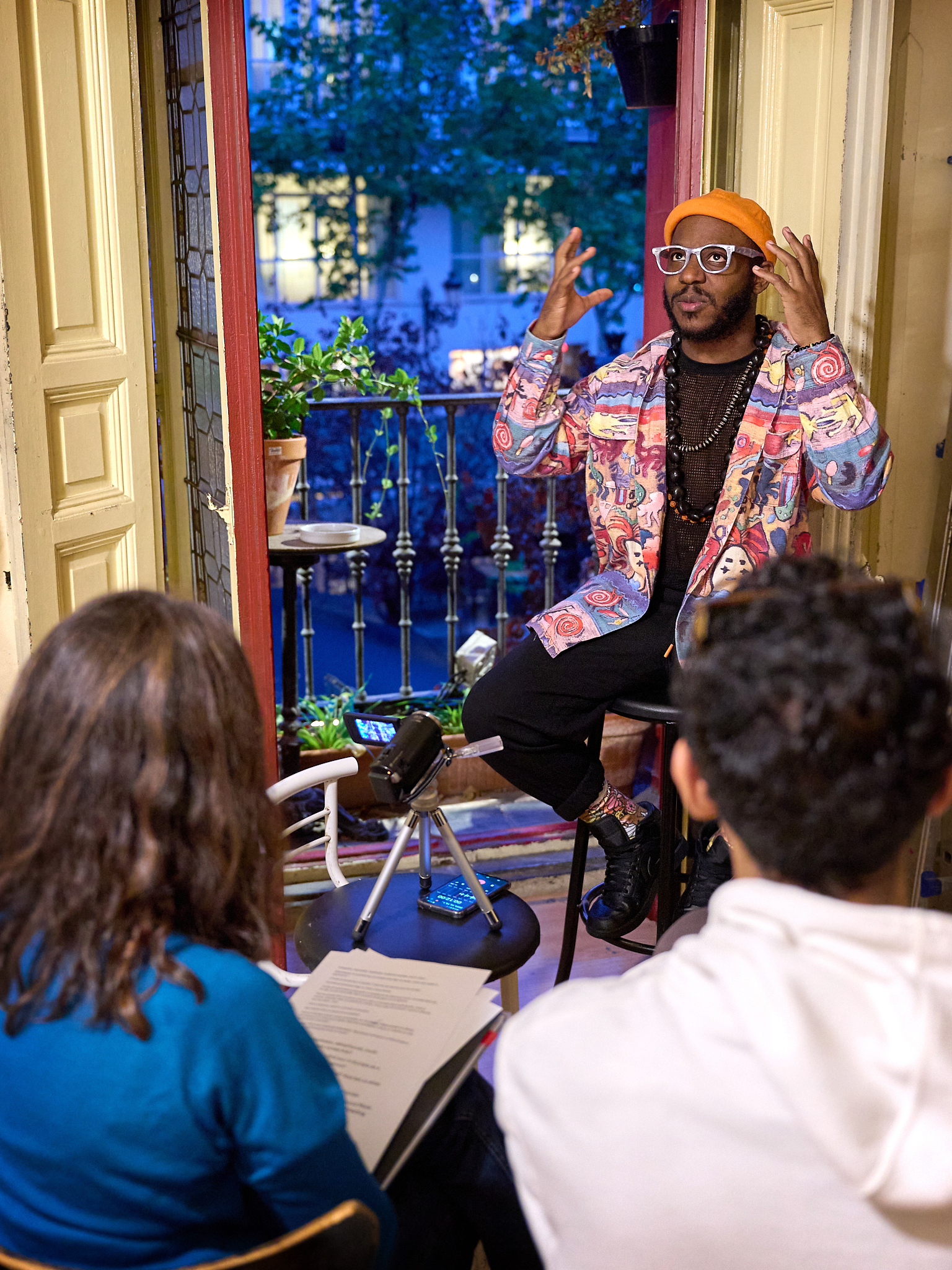
Entrevista a Juantxu Bohigues  – Café Central Ateneo- Madrid, España.
In&Out Jazz Magazine


Durante más de cuatro décadas, el Café Central Jazz Club (Madrid, España) ha sido mucho más que una sala de conciertos: ha sido un santuario del jazz en España, una parada obligatoria en el circuito internacional y un lugar de culto donde la música sucede a escasos metros del público. Por su escenario han pasado figuras esenciales como Tete Montoliu, Pedro Iturralde, Chano Domínguez, Barry Harris, George Cables, Brad Mehldau, Antonio Serrano, Wallace Roney, Silvia Pérez Cruz, Ben Sidran, Jorge Pardo, Sam Rivers, Ernie Watts, Jerry González, junto a innumerables artistas nacionales e internacionales que han encontrado en este espacio una conexión única con la audiencia. En pleno corazón de Madrid, el Central ha definido una forma de escuchar, de programar y de vivir el jazz.

Ahora, en un momento de transformación, el histórico club inicia una nueva etapa sin perder su esencia. Hablamos con Juantxu Bohigues, encargado del Café Central, sobre continuidad, memoria, cambio y futuro. Una conversación que no solo repasa la historia reciente del local, sino que reafirma su papel como uno de los pilares fundamentales del jazz en España y su firme voluntad de seguir latiendo.

In&Out Jazz Magazine: Gracias, Juantxu, por tu tiempo. Sabemos que estáis muy ocupados con todos estos cambios. Revisando la historia del Café Central, esta no es la primera vez que afrontáis una situación complicada.

Juantxu Bohigues: No, ni mucho menos. A lo largo de estos 43 años ha habido varias situaciones difíciles. Recuerdo especialmente una en la que Tete Montoliu vino durante todo un mes, en agosto, para apoyar. Le avisaron de que el local estaba en peligro y, a pesar de tener compromisos en Barcelona, lo dejó todo y se vino. Ese tipo de gestos reflejan muy bien lo que ha sido siempre el Café Central: un lugar sostenido por la pasión, por la implicación real de músicos, socios y equipo. También otros socios históricos hicieron esfuerzos enormes, incluso personales, para mantenerlo vivo. Esa energía, esa capacidad de reaccionar, de encontrar soluciones cuando todo parece complicado, es parte del ADN del Central.

¿Dirías que esa pasión sigue siendo el motor principal hoy?

Totalmente. Esa pasión no solo se mantiene, sino que se ha transmitido de generación en generación dentro del proyecto. Los socios actuales la han heredado y la viven con la misma intensidad. Se ha visto muy claramente ahora: desde el momento en que supimos que teníamos que dejar el local, en apenas cuatro meses ya habíamos encontrado una alternativa. Eso no ocurre sin compromiso, sin amor por lo que haces. Y además, con una idea muy clara: no detener la música. El 15 será el último concierto en el espacio actual y el 16, a las cinco de la tarde, estaremos ya comenzando de nuevo. No hay pausa, no hay silencio.

Entonces, queda claro: el Café Central no desaparece.

Exacto. El Café Central continúa. Es importante insistir en eso porque puede haber confusión. Habrá un cierre físico del local tal como lo conocemos, sí, pero al mismo tiempo se abre una nueva etapa de forma inmediata. Es casi simbólico: se cierra una puerta y se abre otra en el mismo instante. No queremos que el público ni los músicos sientan que hay una ruptura. Es continuidad pura.

¿Dónde se traslada esta nueva etapa?

Nos trasladamos al Ateneo, en la calle Santa Catalina número 10. Es una ubicación muy cercana, prácticamente en el mismo entorno. Para la gente que ha venido durante años al Central, el cambio es mínimo en términos de localización. Eso era muy importante para nosotros: mantenernos en el centro, en el mismo corazón cultural de la ciudad.

¿Cómo será el nuevo espacio a nivel práctico?

Vamos a tener dos espacios diferenciados. Por un lado, la Cantina del Ateneo, que será el Café Central Ateneo. Es un espacio ligeramente más pequeño que el actual, pasaremos de unas 80 butacas a unas 70, pero mantiene esa cercanía, esa intimidad que es esencial para el jazz. Y por otro lado, tendremos la sala cátedra del Ateneo, con capacidad para unas 300 personas. Esto cambia mucho el panorama, porque nos permite hacer conciertos de mayor formato y ampliar la programación.

Eso responde a una necesidad que venía de lejos.

Sí, completamente. Muchas veces teníamos el local lleno y había 30 o 40 personas fuera sin poder entrar. Eso nos dolía muchísimo, porque veías las ganas de la gente, su ilusión por escuchar música, y no podíamos hacer nada. Ahora eso cambia. Vamos a poder acoger a más público y también ofrecer más oportunidades a los músicos. Se abre el abanico.

¿El equipo del Café Central se mantiene en esta transición?

Sí, y eso es clave. El equipo es exactamente el mismo: Javier González seguirá como programador, Ariadna en la dirección, los socios continúan, y el personal también. Eso garantiza que la esencia no se pierda. Porque al final, el Central no es solo un espacio físico, es una manera de hacer las cosas, de tratar a la gente, de vivir la música. Y eso lo hacen las personas.

Muchos músicos estaban pendientes de qué iba a pasar. ¿Qué les dirías?

Que estén tranquilos, porque todo sigue y además crece. Vamos a seguir contando con los mismos músicos de siempre, pero también vamos a poder abrir la puerta a otros que antes no tenían espacio. El hecho de tener dos salas nos permite ampliar la programación. Siempre hemos recibido propuestas, y ahora más que nunca queremos escuchar, ver y valorar todo lo que nos llega. La continuidad es total, pero con más posibilidades.

¿Cómo será la programación en esta nueva etapa?

Mantendremos el formato habitual de conciertos diarios con dos pases. Eso no cambia. Y, además, la sala cátedra permitirá programar conciertos más grandes, probablemente cada dos semanas. La inauguración será el 24 de abril, con Joshua Edelman y Jorge Pardo. Es una forma de marcar el inicio de esta nueva etapa con fuerza.
¿Cómo se articula la relación con el Ateneo?

Es una colaboración muy clara. Nosotros nos encargamos de todo lo relacionado con el jazz: programación, gestión del espacio del Café Central Ateneo. El Ateneo mantiene su actividad cultural habitual, que es muy amplia. Hay coordinación, por supuesto, pero cada parte tiene sus funciones. Lo importante es que compartimos una misma visión y un mismo respeto por la cultura.

¿Cómo ha reaccionado el público ante todo esto?

Con un cariño enorme. Ha sido emocionante. Ha venido gente que nunca había estado solo para mostrar su apoyo. Personas que nos dicen que nos seguirán donde vayamos. Recuerdo a alguien que vino desde Bilbao solo para darnos la mano. Ese tipo de cosas te marcan. Te hacen sentir una responsabilidad muy grande, pero también una alegría inmensa.

El Café Central tiene un peso muy importante en la historia del jazz.

Sí, y eso es algo que valoramos mucho. No solo en Madrid, sino a nivel internacional. Han pasado músicos increíbles por aquí, y muchos consideran este lugar como uno de sus favoritos. Pero más allá del prestigio, lo que define al Central es la experiencia: ese momento en el que entras, te olvidas del reloj, del exterior, y te sumerges en la música. Es un espacio de conexión, de emoción.

¿Qué podemos esperar del nuevo espacio en términos de sonido y ambiente?

Vamos a trasladar todo lo que podamos: el piano, las sillas, incluso la disposición del espacio. Queremos que la gente reconozca ese espíritu. Además, la acústica del Ateneo es excelente, especialmente en la sala grande. Eso nos permitirá mejorar incluso algunos aspectos técnicos.

¿Habrá algún acto especial para marcar este cambio?

Sí, el 16 de abril a las cinco de la tarde se organizó una marching band al estilo Nueva Orleans. Ha sido una forma de despedirnos del espacio físico y, al mismo tiempo, celebrar lo que viene. Una fiesta, en el fondo.

Para terminar, ¿cómo definirías este momento?

Como una transformación necesaria. Cambiamos de lugar, pero no de esencia. Seguimos siendo los mismos, con más ganas que nunca. Es una nueva etapa que nos va a permitir crecer, mejorar y llegar a más gente. Y lo más importante: el Café Central sigue vivo y seguirá muchos años más.

Muchas gracias, Juantxu.

Gracias a vosotros.

16 de abril de 2026

Sean Clapis Interview

Sean Clapis Interview

Sean Clapis

Interview

14
April, 2026

By: Pedro Andrade

Photo: © Fernando Tribiño


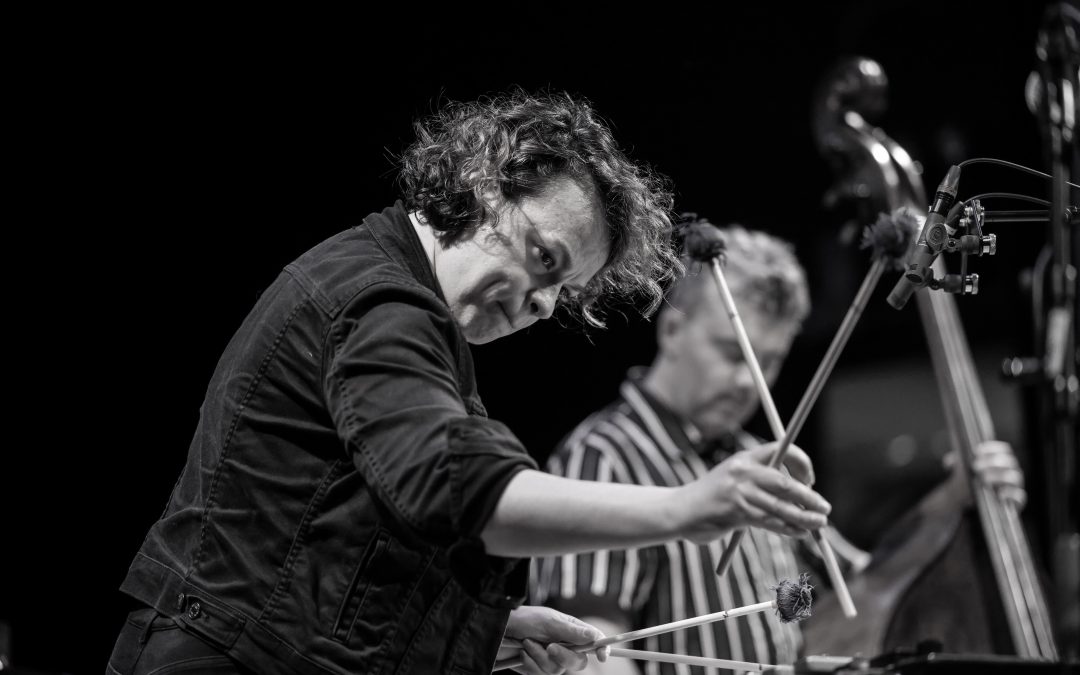
Sean Clapis is a guitarist shaped by the tradition of American jazz who has managed to develop his career across different contexts without losing artistic coherence. Born in Connecticut and trained at the Hartt School of Music, where he studied with figures such as Jackie McLean and Steve Davis, he spent several years in New York before settling in Madrid, the city where he has lived for almost seven years.

Far from representing a break, his move to Spain was a natural continuation of an already solid path. From here, he has consolidated his work as a leader and expanded his network of collaborations within a constantly growing scene. His album Paths Unfold in the Dark (2023), recorded with a band of Spanish musicians after a long period of working together, reflects this moment of artistic maturity and a clear commitment to collective sound. Although the album is self-produced, it caught the attention of Greg Osby and placed Clapis within the Inner Circle orbit, one of the most active platforms in contemporary jazz.

Currently, Clapis combines his personal project with an intense activity as a sideman and collaborator, moving comfortably between modern jazz, swing, and the roots of the genre. His trajectory emphasizes long-term development, dialogue between scenes, and the constant search for a personal voice within today’s jazz landscape.

In&Out Jazz Magazine: Sean, you’ve been living in Spain for almost seven years now. To begin with, when did you arrive in Madrid, and what led you to decide to stay here as a musician?

Sean Clapis: First of all, sorry for my level of Spanish. At home I always speak English with my kids—they learn fast, and I’m going more slowly, but I try.

My wife is from Las Rozas, and she’s a classical pianist. We met while studying at the Hartt School, where we had teachers like Steve Davis and Jackie McLean, great figures in jazz. After we got married, we lived in New York for about seven or eight years.

Just before the pandemic, I recorded an album in London at Abbey Road Studios, where the Beatles recorded. I won that opportunity through a competition in Poland—the prize was to record there. Meanwhile, since 2008, we had been coming to Madrid often. I already had a strong connection with the city: friends, jam sessions, musicians… people like Bob Sands, Rubén Andreu, and many others.

During European tours, we always passed through Madrid. And while I was touring Europe and recording that album, I spoke a lot with Paula about life in New York. It’s an incredible city, but very hard for musicians. We also wanted to have children and start a family. Madrid seemed like a good place to try to do what we had been doing in New York, but with a more balanced life.

Moving here just before the pandemic felt almost like a sign. Musicians in New York suffered much more. Everything aligned: music, family, and personal and artistic growth.

You lived in New York for many years. What differences do you see between that scene and the one you found in Madrid and Spain?

I started coming to Spain around 2008 or 2009, and over these almost twenty years the scene has grown tremendously. Before, there might have been one or two top musicians per instrument; now the overall level is extremely high. In Madrid, there are incredible musicians from everywhere: Spanish, Cuban, from all over the world.

New York is still the “Mecca.” The level is brutal. I remember my first jam there—Josh Evans called me to play, and when I got on stage there was a guy who looked almost homeless, playing flugelhorn unbelievably well. It turned out to be Roy Hargrove. I was playing with a jazz god without even realizing it.

That defines New York: extremes. You can get on stage as a nobody and play with the best musicians in the world, without ego—just music.

In 2023, you released Paths Unfold in the Dark with a band made up of Spanish musicians. How did that album come about?

The band formed during the pandemic. Nobody had work, and I was constantly composing to keep my head together. I called Naima Acuña, Daniel Juárez, Darío Guibert… we were lucky to connect when they were available, because now they’re top musicians and always busy.

We had a lot of time to develop the music. Also, since foreign musicians couldn’t travel, I was “the available guiri,” and we got called for concerts and festivals. That allowed us to play a lot and grow as a band.

I knew that moment wouldn’t last, so I decided to record the album. The title Paths Unfold in the Dark—“paths that open from the darkness”—came from a phrase I heard in a dream during the pandemic. For me, it symbolizes the idea that when everything is dark, that’s when paths begin to open. It’s a message of hope.

The album is self-produced, and you’re now connected to Greg Osby’s Inner Circle. How did that relationship develop?

I have immense respect for Greg Osby, both as a musician and as a producer. We recorded the album in a single afternoon, almost all first takes, at Camaleón Studios in Madrid. Dani or Naima mentioned that Greg was expanding Inner Circle and building bridges between the U.S. and Spain.

I wrote to him, we had a Zoom call, and he told me he loved the album—that we sounded like a real band. That meant a lot to me. I didn’t want a record that could sound the same with different musicians, but a clear identity. We had been playing together for over a year, and it shows. I really appreciated that observation.

On this album, you decided not to sing and to focus solely on the guitar. Why?

Good question. I like singing, but I don’t consider myself a singer—I’m a guitarist. On previous albums I sang on one or two tracks, but with this one it was very clear to me: it had to be instrumental, more aggressive, without lyrics. I wanted the audience to have complete freedom to interpret the music, without a closed verbal message.

Some listeners compare your voice to Neil Young or even Chet Baker.

Even though my parents aren’t professional musicians like me, they have very good ears. My father worked in other fields and is now retired, but he played—and still plays—in a Beatles tribute band. He sings and plays all of Paul McCartney’s parts.

I grew up with that at home, and with my mother singing as well. Those are my roots: rock, classic rock, the music of my parents’ generation. I’m the first jazz musician in my family, the only “fool” who decided to make this his job.

There was always music at home. But when I was younger, with the typical guitarist ego, I thought, “I’m not going to sing—that’s silly, I just want to play guitar.” I was more purist then. Over the years, I’ve come to understand that the voice is the purest instrument and the one that connects most easily with others.

After taking a class with pianist Aaron Goldberg many years ago, I started singing while playing. It’s not something I do all the time, but I always keep it in mind: what I’m playing should be singable, it should sound good in the voice.

That helps me cut away the “fat” from my musical ideas so they’re more pure. Guitarists tend to play too much—lots of notes—and I love playing lots of notes, but every note has to have direction.

The first filter is the mind, which is connected to the voice. Little by little, I started bringing the voice out more—singing alone, singing melodies. It’s something I really enjoy now. Someday, I’ll be a singer (laughs).

What would you say are your main musical influences?

The Beatles, Radiohead, Jim Hall, Wes Montgomery. Wes represents the soul and the groove—he’s a harmonic genius; Jim Hall represents space and thought. Also Herbie Hancock, Wayne Shorter, and many contemporary musicians. I try not to get stuck in one era and to keep learning constantly.

What projects are you currently working on?

I slowed down a bit with the arrival of my third child and my teaching work, but now I’m picking up the pace again. I’ve been playing with Loveless, Federico Lechner, Florencia Vega, Chloé (a French singer), Tony Saxs at the Gumbo jams, and Arturo Pueyo.

In recent years, I’ve immersed myself in 1920s jazz, swing, and the roots of the genre. It’s been a very enriching experience and has helped me appreciate even more where this music comes from.

There’s a lot of movement in Madrid right now, isn’t there? Many jam sessions, and a lot of people who like to dance—swing. Many jams are directly connected to dance.

Yes

At Big Mama, many places… at 56, right?

At 55b.

Right. So, thank you very much for your time.

Thank you very much.

Thank you.

April 14th, 2026

William Parker Interview

William Parker Interview

William Parker

Interview

07

April, 2026

The first thing I ask William Parker about, as we sit down to speak, is about Universal Tonality. After all, the living titan of free jazz has been pursuing, sculpting and honing the concept for many decades. A musical and spiritual philosophy, it asserts that all people and all sounds share a common origin, something intangible and beatific, approaching the divine.

Over the years, Parker has written and spoken about it at length, explaining that, in his view, every sound, regardless of its geographical and personal origin, is something that exists as part of a colossal pre-existing whole, and as musicians press on the boundaries of music, whatever frequencies, tones and lyricisms they find aren’t inventions, but simply found aspects of that pulsing realm, which Parker has long since referred to as “The Tone World.”

This philosophy is what has driven Parker, and, aside from the poetic implications, its practical applications lend artists endless possibilities. Universal Tonality dictates that any combination of musicians can converge and play, without planning or preconception, and can create something beautiful, scraping at and tapping into the Tone World. It has become a crucial scaffold within free improvisation, and music at large, a fountain of creativity from which Parker and his peers have been drawing.

In&OutJazz Magazine: I wanted to ask about your conception of music in the aggregate. Has the definition of Universal Tonality changed for you, as you go in and out, and discover new Tone Worlds?

William Parker: In the beginning, we define music as anything that’s beautiful, that has music as it primary component. Poetry, painting, landscape, architecture – what makes it beautiful is the air vibration, that we call music. If you go down the list of everything that’s music, like mother’s apple pie, or a smile, whatever it is that vibrates that makes you feel good is music. And then sometimes, this music manifests as sound. Whereas we’re used to thinking about in the opposite way, that sound makes music.

[At this point, Parker gets up from his desk, and grabs a ruler. He taps it against a pen. Then, unsatisfied with the limitations of the two objects in the scope of what he is trying to describe, he gets up and begins retrieving small instruments and objects from around the room, inexhaustible at 74 years old. He then induces a series of vibrations and explains to me how these small, almost imperceptible progressions can plait together to make a sheet of noise, a symphony, an absolute manifestation of what we think of as music. It is intoxicating watching this William Parker, who has stood at the forefront of everything there is to love about music, explain what has been fueling him all these years.]

What is sound then? If you rub your hands together – you get sound. You snap your fingers – that’s sound. You tap this ruler on the pen, that’s sound. So how do you get this ruler to produce more sound, and how to turn that sound into tone? If you hit the ruler on a bell, you get a tone. And so, every day you practice with different ways of hitting the bell, you shape the bell, you turn the bell into a horn, into a flute. Eventually, you turn the bell into an instrument, or rather, a lever. You know how at a water pump, you press the lever, and water comes out? An instrument is simply a lever that, when you press it, sound comes out.

[Crucially, for Parker, music, sound and tone carry much more than simple perceptual beauty. They can become curative and pastoral forces, something that can make humans heal.]

Say, your brother is not feeling well today. You find that as you play a certain sound, they feel better. At that point, you realize that this sound can make people feel better. You investigate this, and a shaman is born. A shaman deals with vibrating sound that can heal. And a musician has a whole arsenal of sound. So you realize that you can be a musician who produces both rhythms that can make people dance, and rhythms that can heal people.

Was there a specific moment in your life when you realized that art and music weren’t just aesthetic or transactional pursuits, but something bigger, like the healing force you’re speaking of?

My father and I would watch Westerns on TV on Sundays. We’d watch this Western called High Noon, with Gary Cooper and Grace Kelly, where he’s the sheriff, and he’s supposed to get married, and then someone is coming into town, and they’re going to have a showdown. It has all these dramatic parts, but in between these dramatic parts, sometimes you’d see a mountain or a tree. They’re small details, but usually, you’re meant to be totally focused on the plot.

When it changed for me was when I started watching independent films, particularly Stan Brakhage. He talks about the peripheral vision. About correlations. That the part that we don’t focus is in fact the greater vision.

It was the same when I first began to listen to music. At first, it was pretty clear, there’s the main progression, then the solo, then something else, then something else. Those are the dramatic parts of it. But then I began to realize that it really isn’t. That there are other reasons for how we see and hear.

Then, I began to listen to music that wasn’t dramatic, but that was poetic. It may not necessarily have to have a plot running through it. It was poetic. And it was in the poetics that the beauty was found. And it was the beauty where the tone was, and it was the tone that was going to heal us. Now, that doesn’t mean that when you hear Johnny Hodges play that beautiful melody, it’s not healing you. It just means that there are many different ways to go somewhere. There’s something else in what Johnny Hodges was doing in between the sound that we all can relate to.

So you can have have that moment in music that is more traditionally arranged as well?

You know, I was playing with Cecil Taylor, and he was talking about Marvin Gaye. He loved Marvin Gaye. And so we grew up listening to Marvin Gaye and James Brown. But in all that music, there was something that was not immediately obvious that was maybe more beautiful. While still being connected to the roots of the music, to Africa, to Asia, to the blues,

And because it is hard for black musicians to let go of the blues. Even when you talk to musicians who do play with chords and numbers and systems and improvisations and lines with squiggles, the blues are there. You can’t run away from it.

This is also academic musicians versus street musicians. But street music is just another form of academia. Just a differently wired system of how we learn. The academic will always acknowledge John Cage. But I hope that John Cage acknowledges Sun Ra and Cecil Taylor. It’s all valid because we are all human beings. So whatever system we use, it becomes the keys to that great doorway to poetry that we’re trying to open up.

Music is a great force. And we have to get it out there. We have to. It’s not just about making money. We will continue to exist without the praise and the talk and the pay.

Do you think that in the age of computer-generated music, improvised notes become a safe haven? Because a computer can never replicate them with any degree of soul?

Yeah, I mean, so far it can’t replicate it. When someone plays music, it becomes their life force. They have to play for it to come alive. It’s not alive on paper, not until it’s played. So it is the life force of the musician that makes it come to life. No matter how skillful the machine is, it is never going to come up to the way musicians can play. Musicians can improvise, they can make mistakes. These variations are just another road to beauty. That’s why mistakes exist.

And it comes from truly loving something. In America, we play baseball. So a kid, when they get into baseball, they sleep with their baseball mitt right next to them. And they’re so happy. Everything is baseball. Everything is baseball. And that’s the way it is with music. Once I got into music, I could never get enough of it. I can’t stop talking about it. I can’t stop listening to it. I can’t because I really love it.

And there are people like you out there, who are interested in this, interested in music, in its poetry. That makes me so happy to find people who really love music, and are into it, and try to do anything to help the music get along. Once once it grabs you by the heart, you can never let go.

That’s what it is about. It is never about money. I mean, the only reason I think about money is how to help people and get rid of it. How much it is to have an apartment here in New York? It’s $3,000 a month for the lowest apartment. If I had money, I would just be buying up buildings and putting up low-income housing. That would help people.

You are right, William. Art was always the be-all and end-all. It’s the first and the last thing to push against tyranny.

Yeah! It’s quite amazing. But you are right, the frequency of the world has changed. I feel like there’s less people now who find that frequency and that tone early in their lives. They get written into this kind of circle of like, have to work, have to make rent, you know, have to watch something on TV and then have to go to bed. And it doesn’t leave a lot of room for beautiful things and healing things.

And even when you watch TV, you watch Netflix, there are new movies every week. But they use it all to control what is beautiful. They control what is important in life. They put out there in these movies. They control the tonalities that we hear.

But then, hopefully, you hear something like Miles Davis’ Kind of Blue, and BAM! It changes your life. All of this other stuff is still going on around you, but you hear Miles Davis and Cannonball Adderley, and John Coltrane. And you follow that path to A Love Supreme. You find your tone.

Tone is the answer. Tone leads you to the Tone World. There’s no rent in the Tone World. There’s no global warming, no war. It’s beautiful there. That’s why once you stop playing, you want to play again as soon as possible.

April 07th, 2026

Pin It on Pinterest