Tigran Hamasyan  Interview Jazz en el Auditorio (CNDM)

Tigran Hamasyan Interview Jazz en el Auditorio (CNDM)

Tigran Hamasyan Interview

Jazz en el Auditorio (CNDM)

28

SEPTIEMBRE, 2023

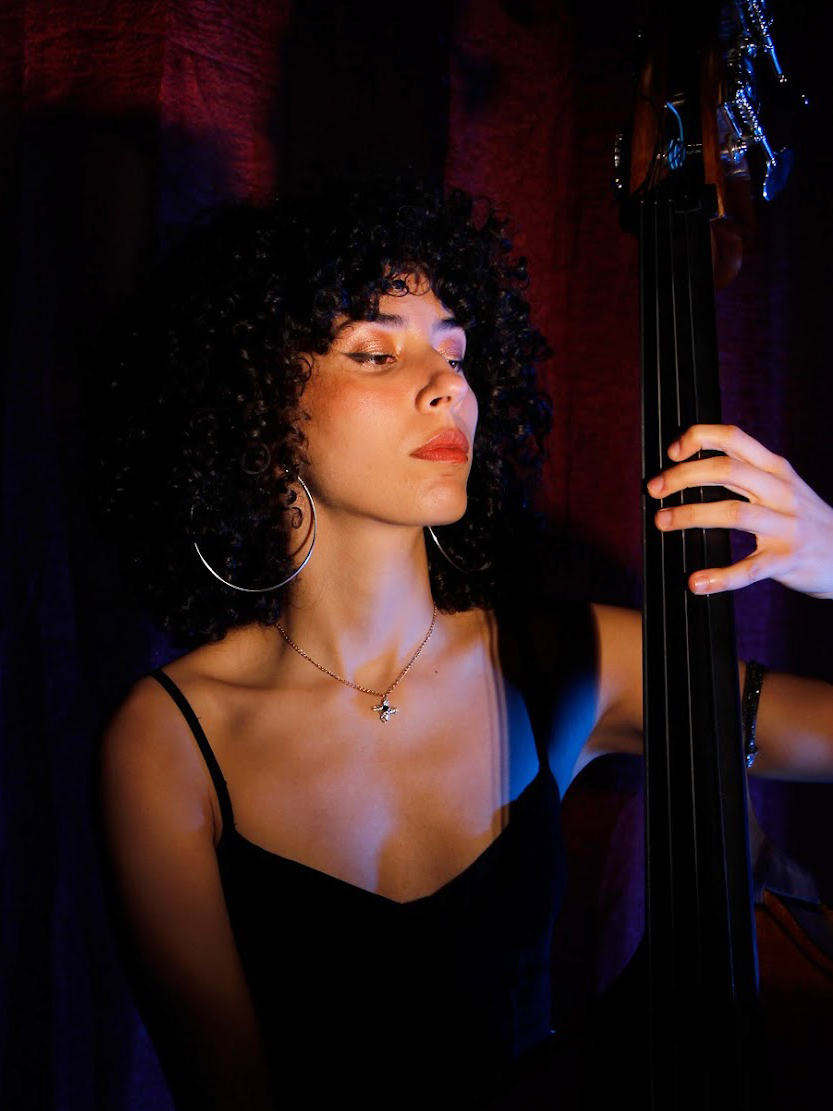
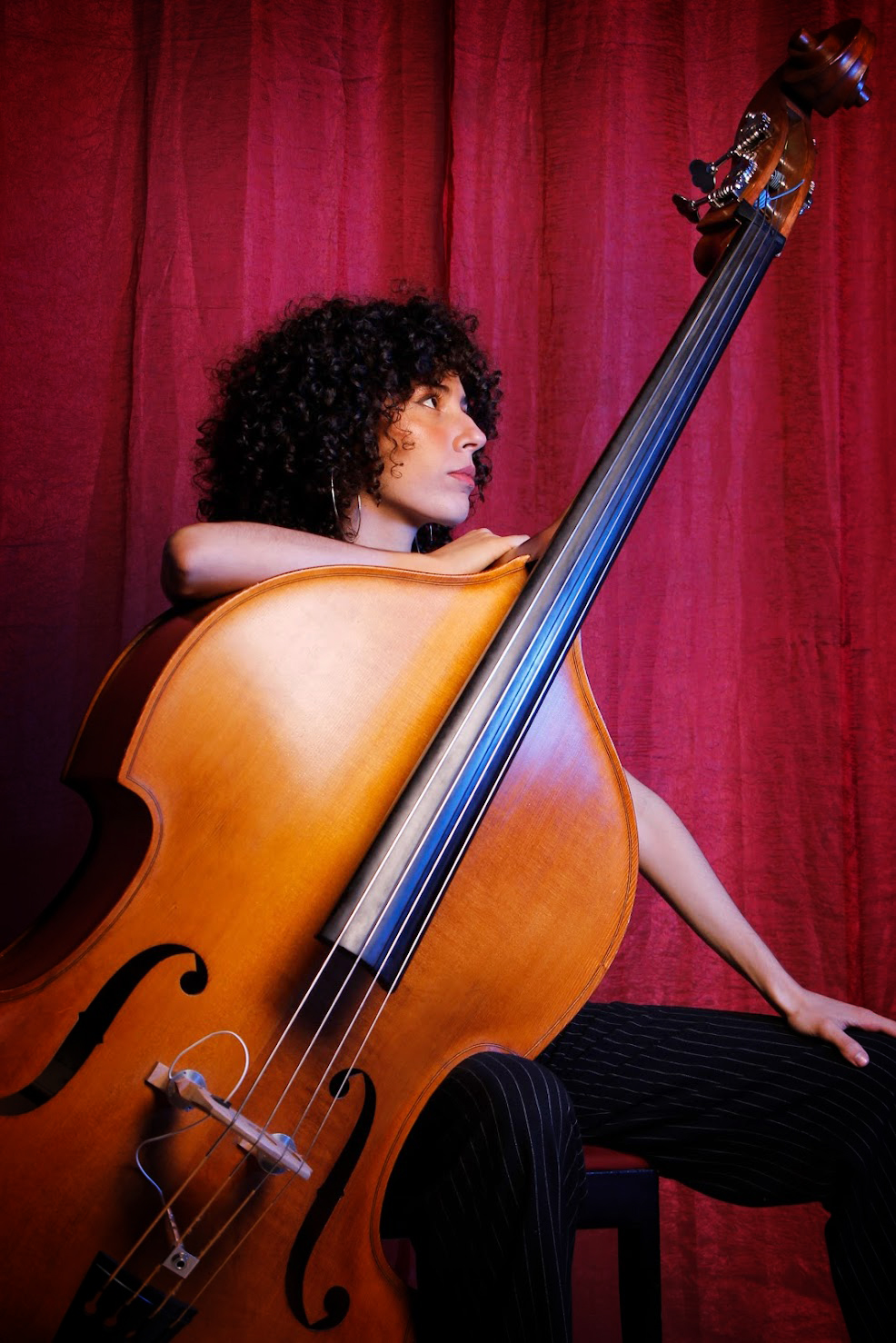
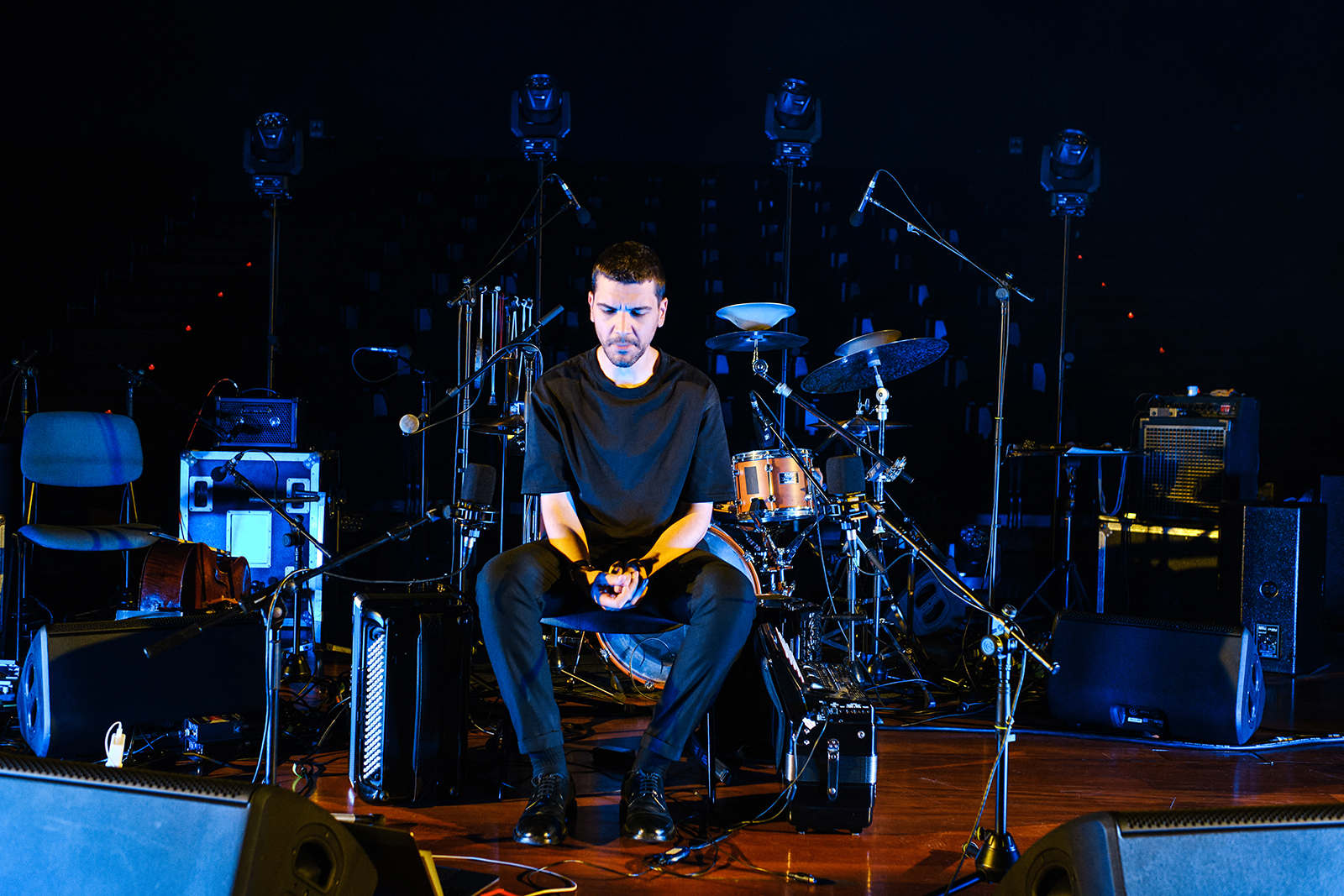
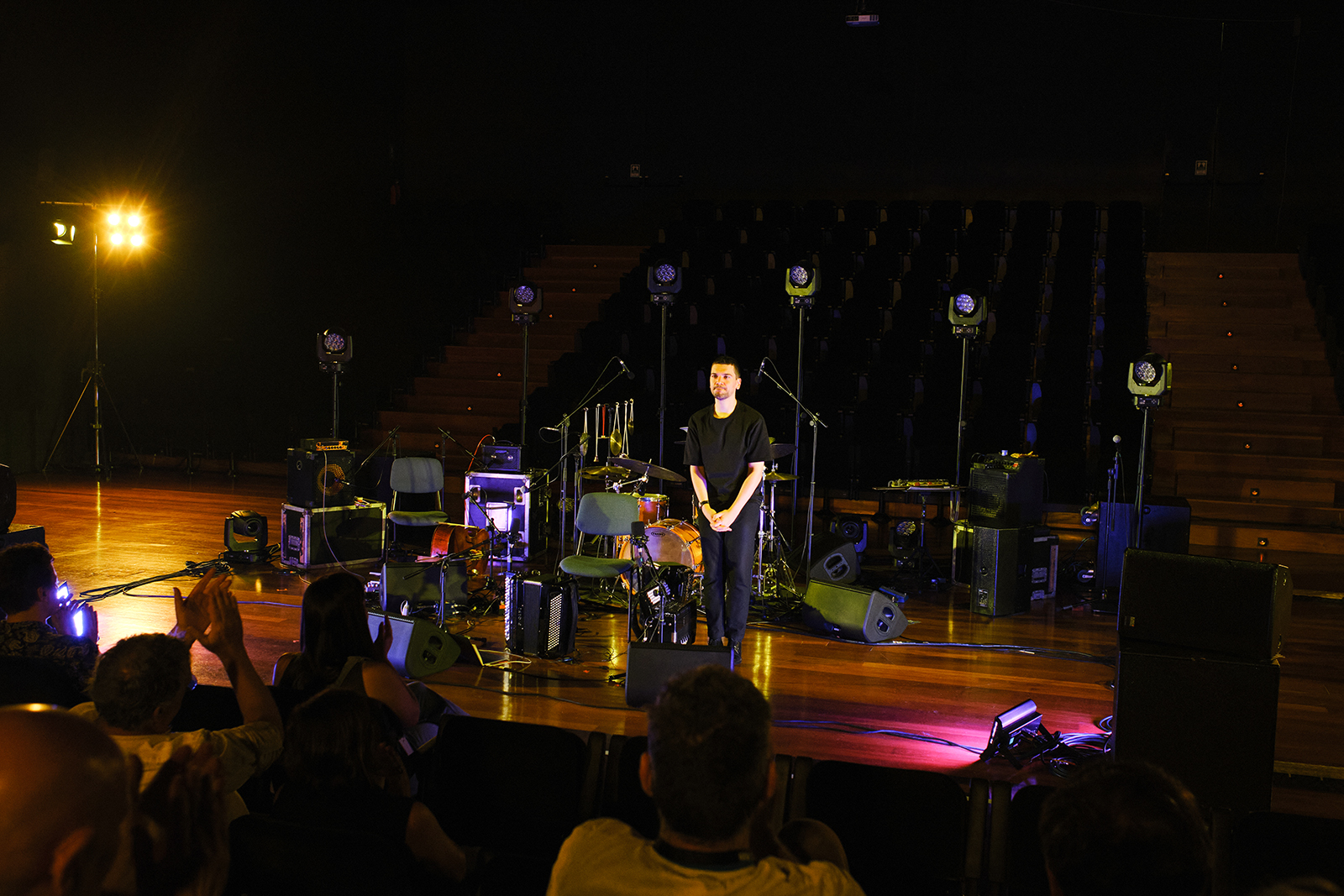
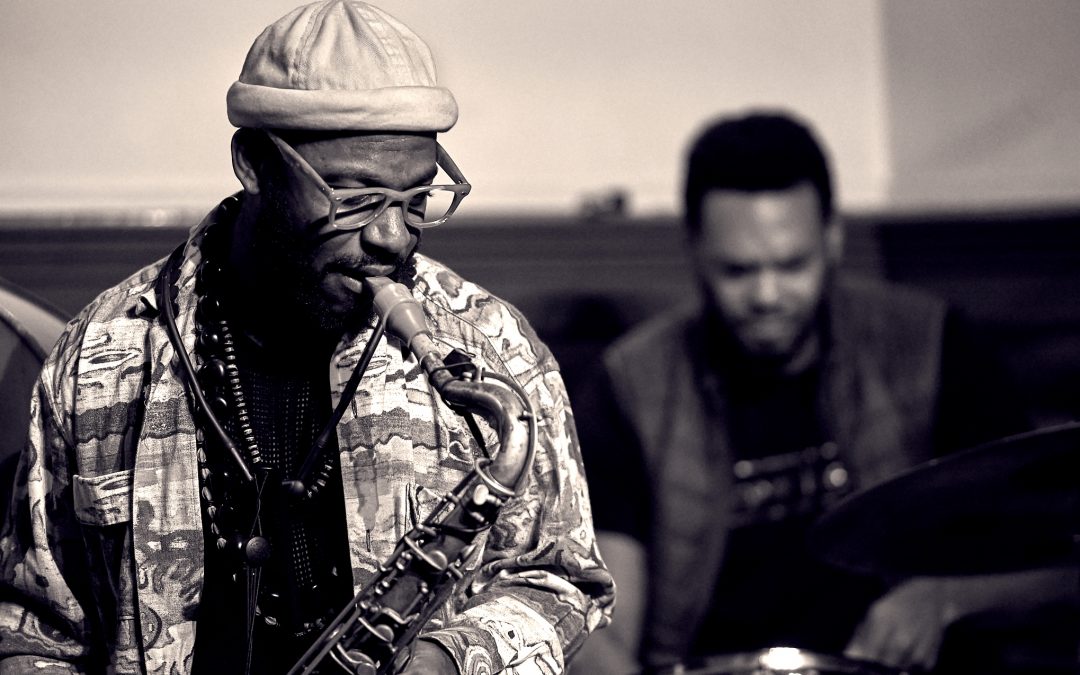
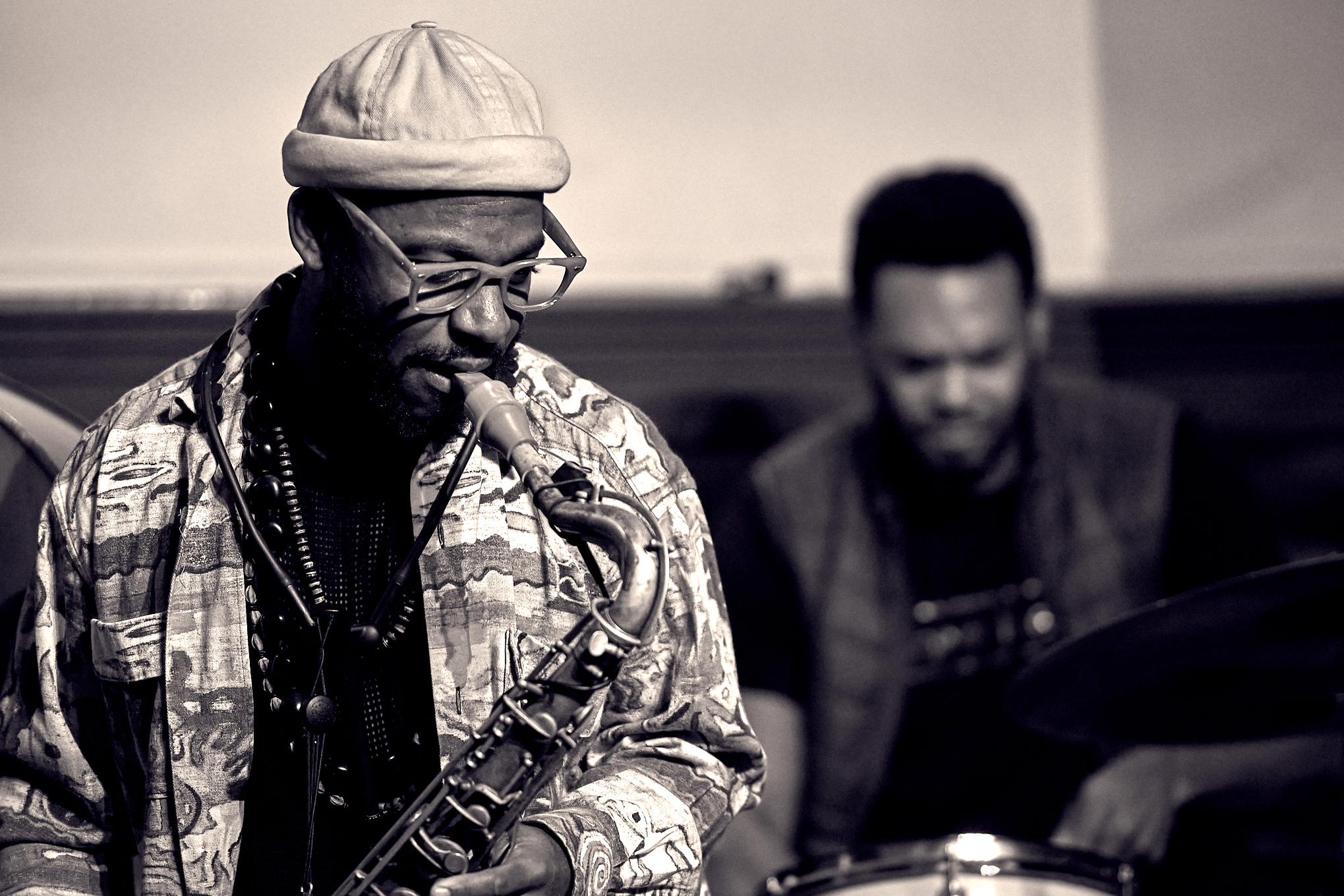
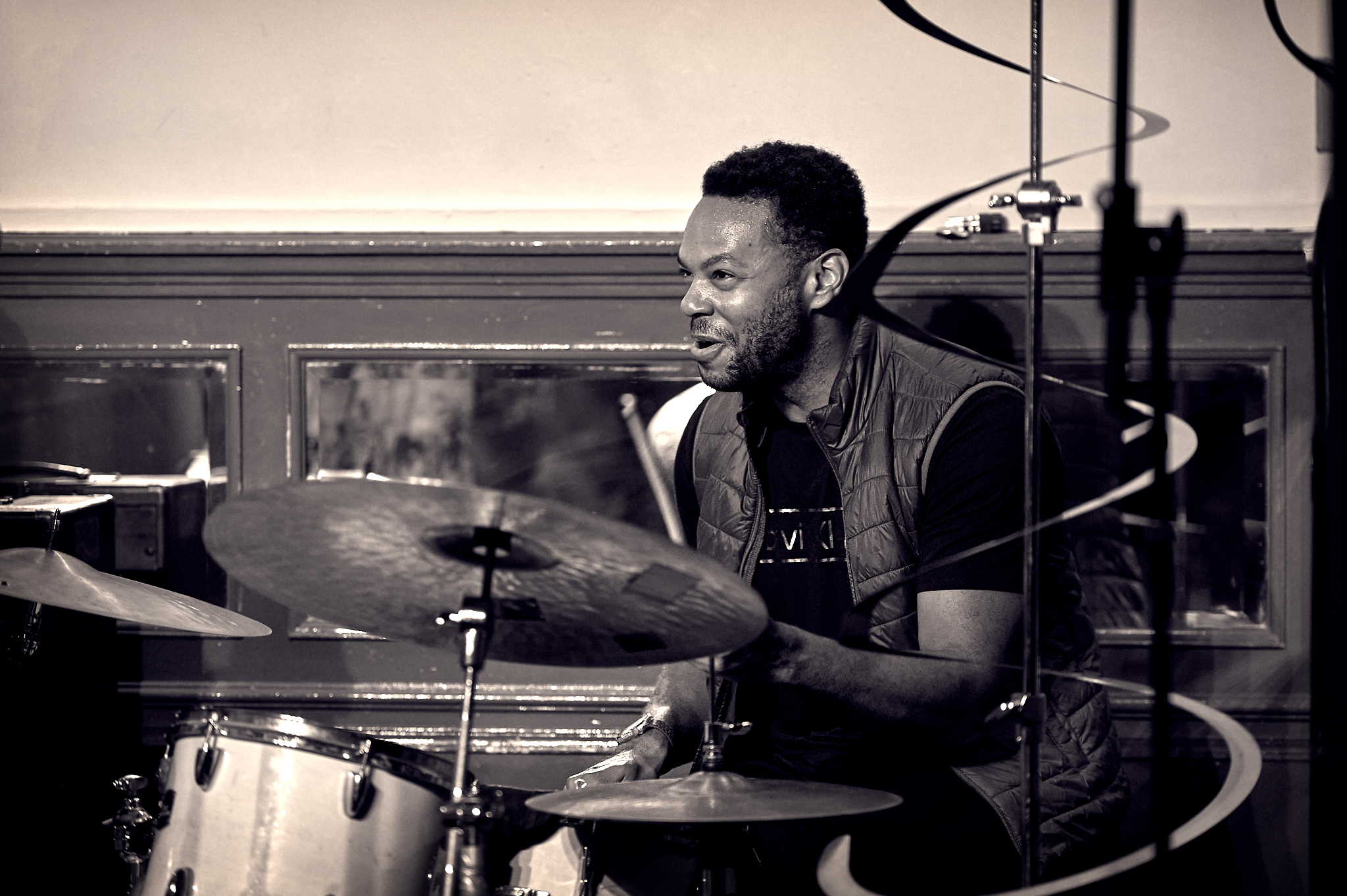
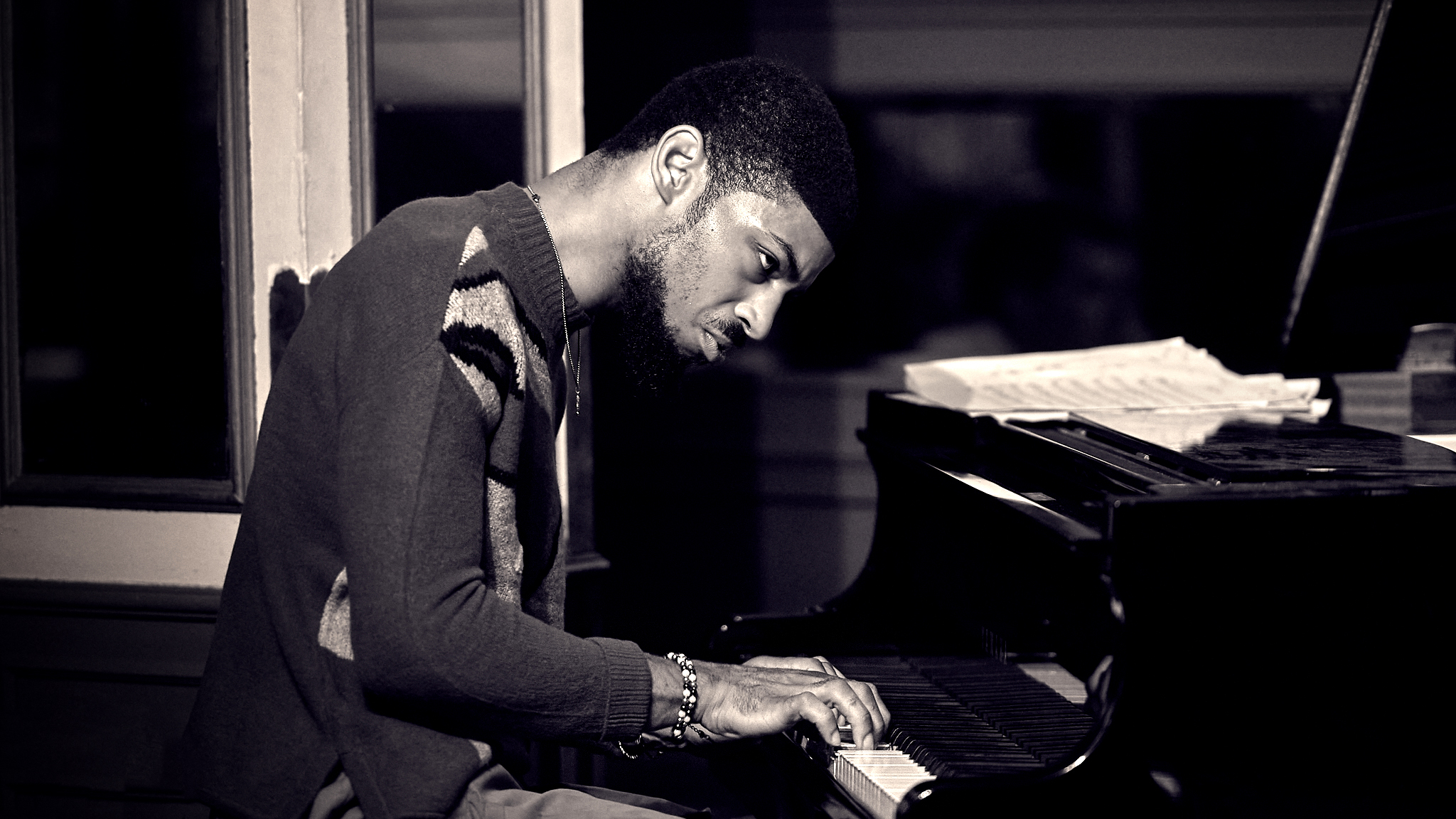
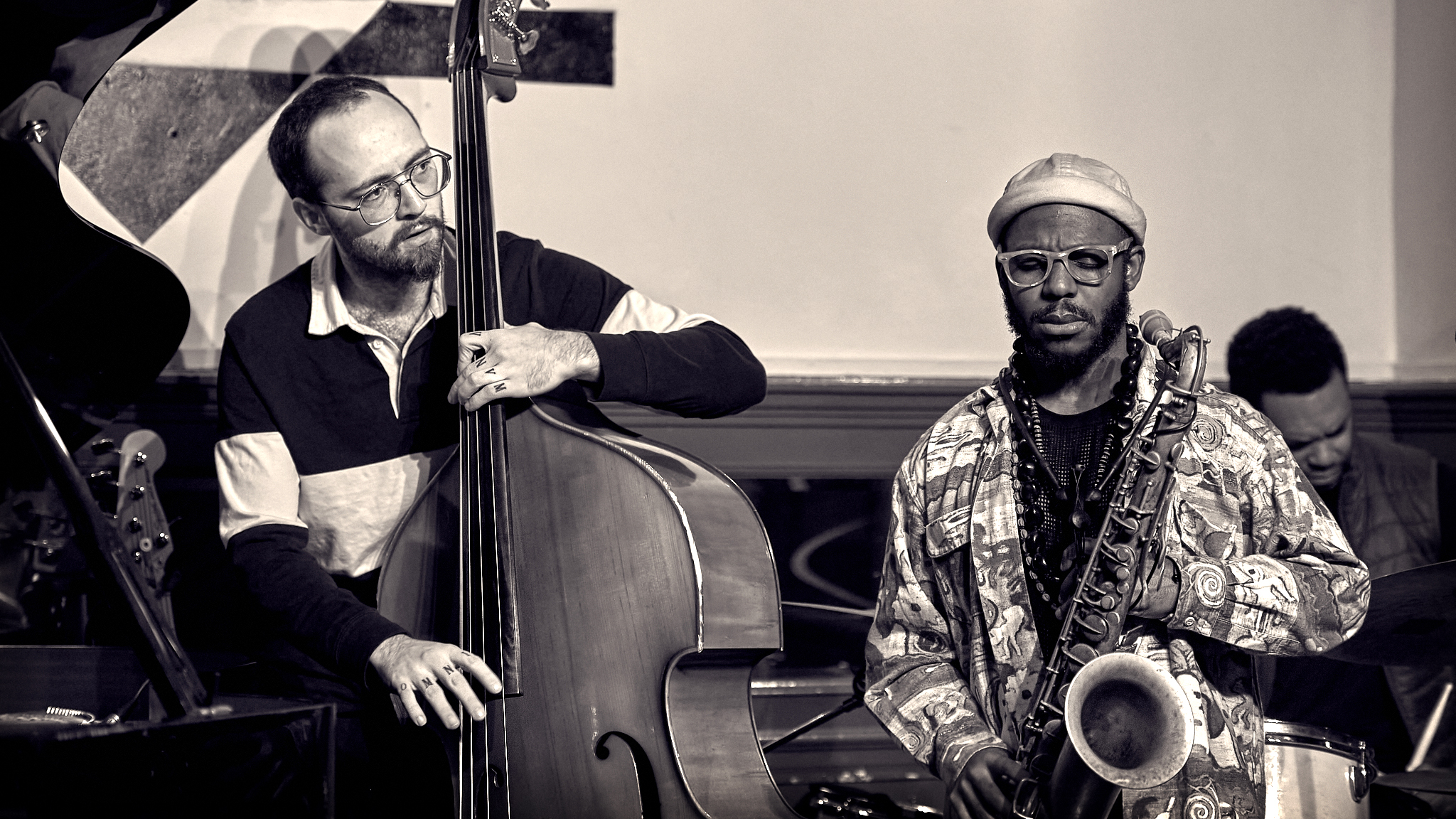
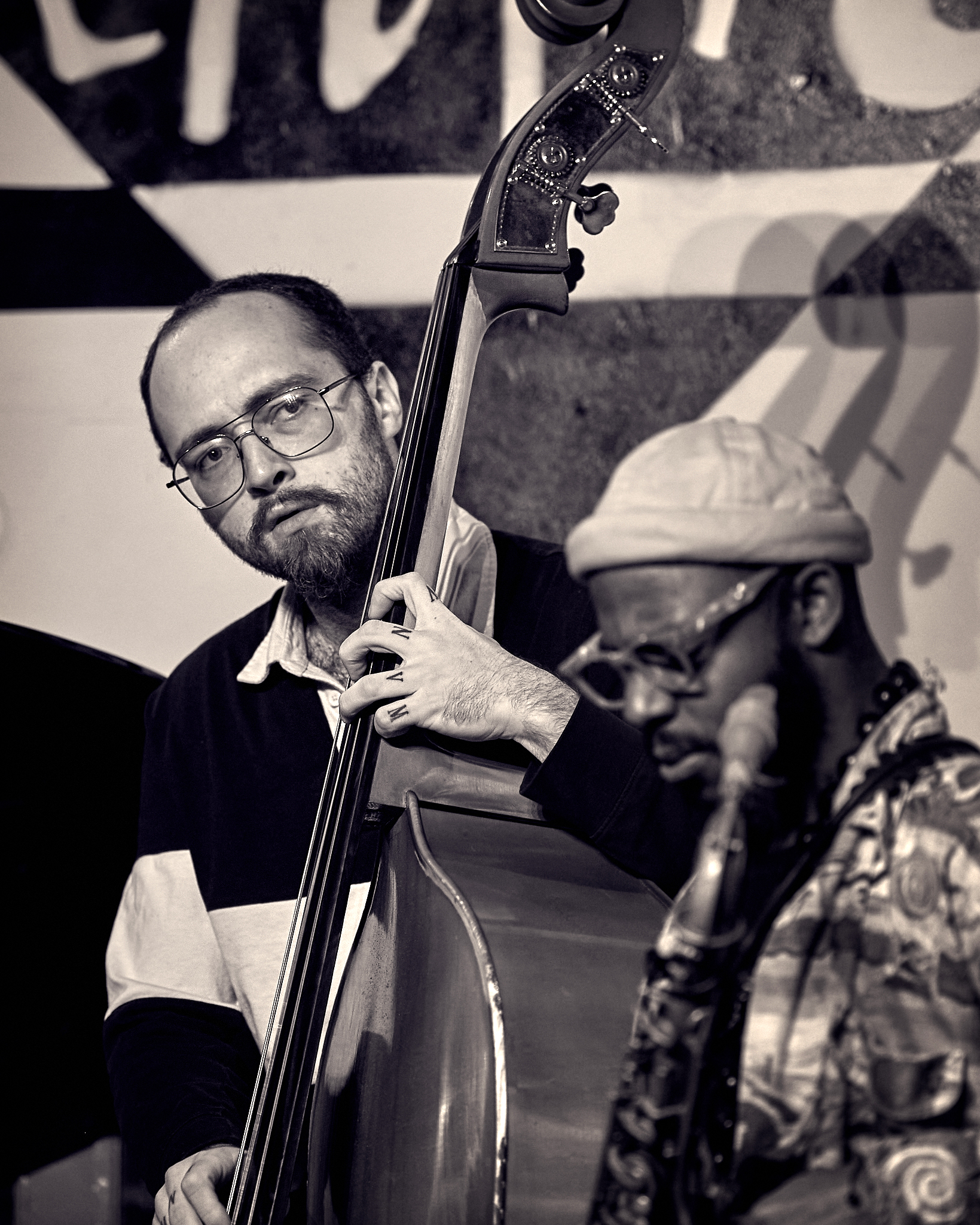
On March sixteenth I was honored to interview one of the greatest piano players of our time. After playing in Paris and as part of his tour promoting his latest album StandArt, Tigran Hamasyan came to Madrid on 18th of March with bassist Rick Rosato and drummer Jonathan Piston to offer a concert at Auditorio Nacional de Músicain the framework of the Jazz cycle of the Centro Nacional de Difusión Musical (CNDM), playing his own vision of jazz standards through outstanding and personal arrangements in a virtuosistic, intense and exuberant approach. 

The Armenian pianist carries deep sensibility and a personal understanding of jazz, Armenian folk and rock music among others. Hamasyan is, indeed, one of the main piano references of the international jazz scene nowadays.

In&OutJazz: Dear Tigran, thank you so much for accepting this interview and for sharing with us some of your time. We are very excited to ask you some questions related to your musical world.

You have always connected your Armenian roots to jazz, and so are a big inspiration for many musicians but you have always followed your true path. Your music is intense, powerful and it has a characteristic beautiful rudeness in it, full of energy and many different worlds in it, inside jazz. How do you relate nowadays with all these different musical worlds that are part of your music?

Tigran Hamasyan: Well, it is a very good question, you have to have an immense focus these days. I feel that every time in history has its own challenges and, at the present moment, we need a direction of where we are going because otherwise you get easily lost, due to the amount of information and distractions we have every second. I feel that these distractions are on a much bigger stage than for example 150 years ago. I believe it is important to filter out all the meaningless stuff of your life; music as well, I am not only talking about social media.

Up until the industrialization we had two kinds of music, with their branches of course; they were religious music and folk music, with obviously different kinds of it inside these two. They were made, played or sung for specific times, festivities or processes, like for example making bread or working times, like work songs or shepherd songs… or lullabies, something almost sacred, meaningful in a way.

Nowadays, you take a taxi or enter a Cafe… and there is music wherever you go and this music has nothing to do with the present moment of your day or with the time you live in or simply to what your head is and where your thoughts are. The thing is, you cannot avoid music because it is everywhere, and therefore the value of music has gone down so much. Also, in most of the places you go, you are almost forced to hear terrible music that you do not want to listen to. What I’m saying is just to take a picture of the difference of each time, so now you need a lot of focus to filter everything out and make the decision of what to listen to. Back in the days this could happen but much less than now.

In&OutJazz: So what do you do to stay focused and keep your attention?

Tigran Hamasyan: I carry my headphones all the time to try to not be forced to listen to what I do not want to listen to, or to just make it lower. I like any kind of music, any style, but I like specific things in that style, for example, I love metal but not any kind, I like Meshuggah, Tool…but not all bands of metal and all types of it.


In&OutJazz: Have you constantly got to be focused and clear what your identity is, or did it appear at some point?

Tigran Hamasyan: You know what you want to work on in this instant or period of time, right now I am working in this thing and I know that I have to work on this thing, so this will lead to another place and maybe you write a song, and maybe then you do a project, and this will bring you somewhere else… and so on. Maybe one day I record myself and I have different kinds of recordings. I know the process I did and why I came here, I cannot predict where I am going, the only thing I can do is to work on myself and keep up the direction of where do I want to go now, constantly learn from the past and develop, this is the road… it’s a process it’s just to be self-realizing. You have to realize what you are doing and then work and work.


In&OutJazz: Do you have time to work on tour?

Tigran Hamasyan: Yes, you make time, there is always time actually if you want to practice. Those who say: “

I don’t have time, I am too tired…” are just telling an excuse. You make time, if it’s your priority it is possible, it just has to be on top of your priority list.


In&OutJazz: Do you still listen to Tool and Meshuggah in your everyday life? Who do you find yourself listening to lately?

Tigran Hamasyan: Yeah, I go to periods, now for example I am more into jazz and classical music but then one month I am into electronica or rock or whatever. Each time I listen to something interesting I try to get it deeper and understand what is going on. Sometimes it influences my music and inspires me to explore, so I guess this is the positive side to excessive music that you can access instantly.


In&OutJazz: Do you feel that something has changed nowadays in relation to how music has been created?

Tigran Hamasyan: Suddenly it is possible to do music without years of development and this has changed everything. There is a lot of information and a lot of incredible things happening and this forces me to know exactly what I am doing and to really work on my stuff on myself, to really be bringing my level up every time I do a project or a performance, because I am competing all the time to the entire world online, in a way.


In&OutJazz: Do you feel you have to be competing to the levels of what other music and genres are doing also?

Tigran Hamasyan: Yes! That is exactly what is happening and there is incredible music out there, so you have to be always working on yourself to get better. I would do it anyways but it makes even more sense now because there is so much information.


In&OutJazz: Do you like the process of pushing yourself to get better?

Tigran Hamasyan: No, I do not at all, I love discovering and looking for things. My parents used to force me to go outside and play concerts when I was a kid because I practiced too much. To practice is not a problem for me, I like practicing and focusing on what I want to do and make music, the problem is to have to go to social media and marketing. Now, I do not do it personally, someone does it for me and talks to record companies and so, I feel fortunate about it. We live in a period in which record companies ask you first how many followers you have and then which music you do.


In&OutJazz: Let’s talk about your journey from World Passion to StandArt.  Which evolution do you think you and your music have had from your first project to your latest?

Tigran Hamasyan: I am trying to be as much aware as possible but I would say compositionally things have developed a lot. Nevertheless, I am the type of guy who always thinks that things are bad and I am degrading so it is difficult to have an objective point of view.


In&OutJazz: After all this time, how is your relationship with piano?

Tigran Hamasyan: I feel great, it is a challenge and joy, suffering and enjoying at the same time. It cannot be only joy, there must also be suffering because that is how you discover new things, you get out of your comfort zone, and you develop. I take the challenge every day, the main thing is to know what you want to develop and the direction you want to have, especially as an improviser it is important to remember what you play and constantly work on a daily basis of what your vision is.


In&OutJazz: How do you work on your vision? Where do you focus your attention?

Tigran Hamasyan: It depends on the moment. Now, I am working on letting things go out of control, working on specific harmonic vision and on dynamics. When you really improvise and let things go and things are flowing it’s easy to get into a habit, like: “I play this and that”, so you always get into the same thing, a collection of habits and you repeat yourself. When we are on tour we play arrangements of jazz standards, for example in the last soundcheck I did not like what I was playing.

Improvising now with Rick Rosato and Jonathan Piston is being a great source of inspiration to find and explore all these ways.  It’s like what you are doing and then what you are doing in this band. Ensemble and individual working.

In&OutJazz: In a way, StandArt is very traditional, and probably the most traditional coming from you. How did the idea of Standard come across and why did you choose jazz standards and not your own creations as before?

Tigran Hamasyan: I have been playing standards since I was ten maybe, so I always knew that someday I would give a homage to where my roots begin, because I started with jazz and rock. The reason that I chose jazz is because I love improvising. Even when I tried to make some rock songs I did not like to write things down, I loved to make them up.


In&OutJazz: Do your compositions come from improvisation?

Tigran Hamasyan: Yes, they always start initially with improvisation. I always had the realization that I wanted to do jazz standard at a moment. I got to a point where I could put all the ideas that I have developed over the years into the jazz standards, which contain great beautiful melodies.

There are specific songs to which I have a specific emotional connection and memories, these songs have a lot of meaning for me and that’s why I wanted to do the project. I loved putting my rhythmic and harmonic ideas on the standards, they are like folk music and you never get tired and stop exploring folk music.


In&OutJazz: Why did you choose StandArt as your album’s name?

Tigran Hamasyan: I named the album StandArt because sometimes we feel that there are just standards that are there and we forget that they are also forms of art, some of them a high level of art, really deep with melodies that are timeless.

I have a friend, Gaguik Martirosyan, who is an Armenian painter and paints Parisian scenes, like different outside locations, cars, geometrical forms, etc. He watches the outside world and he paints it in his own way, with a tremendous personal way. This was also a huge influence on me and an inspiration to call this StandArt, Gaguik Martirosyan and I are basically doing the same thing, looking at things that we do everyday that became standards but revisiting and reimagining them.


In&OutJazz: In the album you recorded and made collaborations with amazing artists like Ambrose Akinmusire, Joshua Redman or Mark Turner. Also, this record is based on a trio with Matt Brewer and Justin Brown. Why did you choose both the formation and the musicians involved in the project?


Tigran Hamasyan: Well, I knew Justin since college years, and I played in some L.A. jam sessions with him. Also, I know Ambrose Akinmusire because he was studying in the same facilities where I went in L.A. I guess this is the California connection. When I wanted to do this record of standards, Justin Brown came to my mind. I always followed what he was doing with Ambrose Akinmusire and Thundercat. Justin has incredible energy and ears; it is comfortable to play with him because he would never play something that distracts you but at the same time, he is constantly providing flowing immense energy that comes directly at you. But this energy is not getting in the way and is distracting. I must be faceless and say that I have a good intuition for finding members for projects. If I listen to a person and I feel the energy I know instantly if it’s going to match. This, I guess, was the same that happened with Matt Brewer and the rest of components of StandArt.


In&OutJazz: On this occasion you are touring and coming to Madrid with Rick Rosato and Jonathan Piston, how is it to work with them?

Tigran Hamasyan: They both are unbelievable players, with amazing ears, it’s working fine. They are pushing me to create and think differently, which I find great.


In&OutJazz: You said previously in your life that Vahagn Hayrapetyan, who was a student of Barry Harris, came to Armenia and changed your life, showing and teaching you jazz. Did you have a mentor in Armenian music who introduced you to this folk tradition? And, how did you get in contact with this music?


Tigran Hamasyan: Actually, I did not have a teacher of Armenian folk music or any other folk music. I discovered it through jazz, through musicians like Jan Garbarek, John Coltrane, Keith Jarrett… I heard that these people were using a vocabulary that is different from bebop, like, for example, Jan Garbarek. When I listened to him for the first time I thought this is very nice but is outside my comfort zone, it’s not inside bebop vocabulary, he has folk music influences and much more. So I decided to check folk music vocabulary and I realized that I have my own tradition as well. 

Then I got a book of Armenian folk compositions called ¨Armenian folk composition¨, which is the main book that is studied in the conservatory when you go to the folk faculty. I transcribed a lot of Armenian folk music, apart from solos of Coltrane and Chick Corea. That is how I got out of bebop and I discovered other music because I realized that I cannot treat folk music with bebop harmonies, this is not possible, so I had to find another solution, and this brought me to different habits and ways of using harmonies. The world of post-bop, with more open structures, and world music, suddenly made sense to me, classical music like Shostakovich, Prokofiev, Ravel, Debussy, or Armenian composers.


In&OutJazz: The mixture between Armenian folk music, jazz and rock happened through time in an unexpected way, as a natural consequence of your development or was it something you were looking for?

Tigran Hamasyan: One thing I realized was that to be able to compose and improvise over folk music, first, I have to make it a part of my music vocabulary. Not every song that I compose has an Armenian influence of course, I have my way to decide if a song has an Armenian influence or not. I realized that the only thing I can do to improvise folk music is to find information about the harmony and melodies inside the folk music and not outside sources. I could understand outside sources and have knowledge of outside sources, but still have to go to the folk melody itself and find harmonies and create harmonies based on that mode in which the folk song is written. And perhaps find innovative new ways of dealing with the mode and expanding it. In other words, it cannot be nice jazz that you put above the folk song and call that an arrangement. You need a deeper thought on it and need years to develop this kind of relation with folk music. You need to know the folk music in a deep manner, in a way in which when you compose you are actually creating new folk music. It’s like flamenco culture, you learn it and you live it and then you compose in that world. You have to be in the tradition and then you start speaking that language. Afterwards you start writing your own.


In&OutJazz: Do you also play with Armenian folk musicians? 

Tigran Hamasyan: Yes, I do, but I try to limit myself as I like playing Armenian folk music but I don’t like doing projects with Armenian folk musicians because I don’t want to use that sound, as there are so many musicians that are just bringing folk instruments. It instantly sounds like ‘cliché’ but, to me it’s important to pay Armenian music but play with modern instruments.


In&OutJazz: Which is the next project you have in mind?

Tigran Hamasyan: There is something huge coming next year, actually my most ambitious project, it’s going to be intense… so get ready!


In&OutJazz: You are one of the main references, many young musicians listen to your music when they approach and learn jazz, would you give any advice to young generations?

Tigran Hamasyan: I would tell them to stay focused on what you want to do and maintain yourself on it. Think in terms of the vision that you have, thinking can be negative and too much is bad, but it is important to know which direction you are taking, and to stay true to that, because there are lots of distractions. Do not spend time on stupid Facebook or Instagram, and spend that time thinking about projects, listening and analyzing music, and practicing, practicing and practicing. If you have the talent and you love music more than anything else then you have to show that you love it more than anything else… and the way you show it is by practicing.


In&OutJazz: Thanks for your time. It has been a pleasure having the chance to talk with you today. 

Written by Manuel Borraz

Septiembre 28, 2023

Irene Reig AIEnRuta-jazz 2023

Irene Reig AIEnRuta-jazz 2023

Irene Reig AIEnRuta-jazz 2023

20

SEPTIEMBRE, 2023

Texto: Ricky Lavado
Fotos: Lolo Vasco

Hablar de Irene Reig supone acercarse a una de las figuras más completas, interesantes y virtuosas que ha ofrecido el panorama del jazz nacional en los últimos años. La barcelonesa atesora una dilatada y aplaudida carrera que, con cada nueva entrega discográfica, va cimentando un marchamo de calidad y frescura que ha terminado por convertirse en señal distintiva de una creadora tan necesaria como imprescindible en la escena jazzística actual, no solo en España.

Un temprano interés por la música y un más que evidente talento mostrado desde la infancia llevó a Irene Reig a obtener el Grado Profesional de Piano, tras estudiar piano clásico en escuelas y conservatorios como el Oriol Martorell o el Conservatorio Municipal de Música de Barcelona. Paralelamente, su cada vez más acentuado interés por el jazz le lleva a integrarse como saxofonista y clarinetista en diferentes formaciones, como la Sant Andreu Jazz Band, hasta obtener el Grado de Interpretación de Jazz y Música Moderna en la modalidad de saxo, habiendo sido alumna de Eladio Reinón, Gorka Benítez o Xavier Figueroa, entre otros. A partir de ahí, cada nuevo paso en la carrera de Reig supone un salto cuántico.

El primero de esos saltos le lleva a Ámsterdam, para cursar un máster junto a saxofonistas como Ferdinand Povel, Jasper Blom o Simon Rigter. Durante el transcurso de sus estudios en los Países Bajos, obtiene una beca para estudiar en la Temple University (Filadelfia) con el prestigioso saxofonista y director de la Vanguard Jazz Orchestra, Dick Oatts; y de las experiencias adquiridas en esas estancias, y el conocimiento asimilado en ese tránsito académico, se nutre el primer y brillante trabajo discográfico de Reig, al frente de un innovador quinteto; Views (Discmedi/Blau, 2017). El siguiente paso en la trayectoria de Irene Reig le lleva a liderar el ambicioso e interesantísimo proyecto The Bop Collective; un octeto enraizado en la tradición jazzística de los Jazz Messengers o de Charles Mingus; que bebe del swing, los estándares de Broadway o el bebop. Los dos trabajos publicados hasta la fecha por The Bop Collective, The Bop Collective (Discmedi/Blau, 2018) y Laspis (The Changes, 2019), confirmaban a la banda como una de las revelaciones más interesantes del jazz nacional, a base de temas originales cargados de personalidad y frescura; y de arreglos complejos, instrumentaciones excepcionales, piezas con profundidad en su lenguaje y composición, y una altísima calidad en la interpretación.

Incombustible como siempre, y en un estado de forma creativa envidiable, Irene Reig se incorpora al ciclo AIEnRuta-jazz de 2023, presentando su más reciente proyecto como solista; un trío junto al contrabajista Pau Sala y Joan Casares a la batería. Su primer disco, Mira (The Changes, 2021), es una pequeña delicia de sonidos añejos, pasión y espontaneidad luminosa formada, casi en su totalidad, por un repertorio de composiciones originales. Irene Reig transita con naturalidad por estándares de jazz y swing, recreando al oyente la sensación de estar dentro de un club de jazz, con melodías fácilmente cantables que construyen un interesante diálogo entre tres músicos de un talento excepcional. La formación acumula una importante trayectoria, tras brillar sobre los escenarios del Jamboree Jazz Club, la Nova Jazz Cava de Terrassa, el Festival de Músiques Emergents de Banyoles, The Hermitage (Ámsterdam) o Festival de Jazz de Granollers, entre otros, y se convierte por derecho propio en una de las propuestas imprescindibles del no menos imprescindible ciclo de conciertos AIEnRuta-jazz de este año.

Written by Ricky Lavado

Septiembre 20, 2023

Perico Sambeat & Orchestra Jazz Matosinhos Interview

Perico Sambeat & Orchestra Jazz Matosinhos Interview

Perico Sambeat & Pedro Guedes: Orchestra Jazz Matosinhos – Interview

14
SEPTIEMBRE, 2023

Entrevista: Begoña Villalobos  


En mayo de 2023 tuve el placer de asistir a la sesión de grabación del nuevo álbum de la Orquesta de Jazz de Matosinhos con Perico Sambeat, en el estudio de grabación CARA en Matosinhos (Oporto). Fue un placer enorme formar parte de ello; entrevistar a Perico Sambeat y a Pedro Guedes (director de la orquesta) para In&OutJazz. Fue una charla genial.

In&OutJazz: ¿Cómo ha surgido la idea de invitar a Perico Sambeat?  

Pedro Guedes: Yo creo que la orquesta tiene que tener también…, tiene que tener un papel dentro de la península ibérica y en el fondo, pensamos que Perico es uno de los nombres mayores de jazz español. Un hombre con una experiencia tremenda fantástica. Comenzamos por grabar varios autores que son referencias del jazz y que, de alguna forma, no habían tenido en los últimos tiempos su música grabada. Comenzamos con José Eduardo, nuestro contrabajista portugués y después pensamos en una persona como Perico, con la experiencia que ya tiene con la música y que ya tenía inscrita para con la Big Band, para lanzarle el desafío de venir a grabar con nosotros. Tenemos aquí así, felizmente y es casi una bendición un sitio absolutamente extraordinario con condiciones fantásticas y que no deben ser sólo un instrumento o para los músicos de jazz portugués. También debe ser y queremos asumir que esto es un es un instrumento para el mundo, pero especialmente para la península ibérica, y que eso es muy importante y que las personas puedan disfrutar. Y entonces la idea fue invitar a Perico, porque ya teníamos trabajado, o sea… conozco a Perico desde los años 90 en el club, las primeras conversaciones…, en fin, y desde entonces hemos mantenido contacto. Recientemente trabajó con nosotros también en un proyecto que era acerca de la música de Ornette Coleman y claro, es fundamental tener también grabado aquí así la música de este nombre mayor de jazz europeo y mundial. Sería muy importante y aún por encima la gente adora el rigor que Perico impone el detalle…, en fin, estamos aquí para conseguir lo que pienso que será un buen disco y una justa fotografía de lo que Perico representa con buena música, bien tocada, bien grabada. Por eso, en fin, estamos para conseguir eso. 

Perico Sambeat: De echo hicimos una colaboración hace… ¿10 años? ¿En la Casa de la Música? 

Pedro Guedes: Tocaron tu repertorio y después otro repertorio que tú…es verdad.  

In&OutJazz: Orquesta de Matosinhos y Perico Sambeat, ¿hace 3 años

Perico Sambeat: ¿Diez? 

Pedro Guedes: Más. Oye, fue antes de irnos a tocar…, poco tiempo antes de irnos a tocar con Lee Konitz en el Carnegie Hall

Perico Sambeat: ¿Cuántos años hace de eso? ¿En qué año fue eso?  

Pedro Guedes: 2007, 2008.  

Perico Sambeat: Hace 15 años. 

In&OutJazz: ¿No está grabado? 

Perico Sambeat: No.  

Pedro Guedes: Ese repertorio era sobre todo de compositores españoles o arreglos de temas tuyos. Era un repertorio de compositores españoles que tú viniste aquí a hacer. Esta es la primera vez que tuvimos para tocar la música toda escrita por… 

Perico Sambeat: Pero no sé si toda la música era mía o también había de Luis Vidal y demás gente. No lo recuerdo bien. Un tío de Madrid, Miguel Blanco. ¡Claro, claro! Luis Vidal sí, había varios. Amargós, aunque al final Amargós no pudo.  

In&OutJazz: Muy bien. Cambiando de tema. Lleváis cuatro días ensayando y grabando temas propios y originales, ¿cuál es la experiencia en los estudios de grabación de la orquesta (CARA -Centro de Alto Rendimiento-)?  

Perico Sambeat: Ensayando tres. La música es compuesta por mí sí y arreglada, sí. Hemos ensayado tres días y grabamos dos. El último del tercero grabamos uno de los temas. Y bueno el estudio es espectacular como dice Pedro. Para mí es una honra y una alegría estar tocando con esta gente y haber tenido este proyecto en el que llevo trabajando un año y medio o algo así. Es la primera vez que hago un disco de Big Band, bueno en tan poco tiempo. La verdad es que es mucho tiempo, pero el primero me costó cinco años así que éste este ha sido rápido dentro de lo que…, yo soy muy lento, muy lento.  Pero es satisfactorio a todos los niveles. Él, cuando me…, él me ofreció que grabase aquí cualquier cosa y yo pensé “a ver grabó este proyecto, el otro…”, y claro luego pensé “a ver yo me tengo que aprovechar al máximo de mis amigos y aprovechar al máximo es utilizar la Big Band”. No tenía nada escrito, pero como era hace un año y pico dije “me pongo a ello”.  Ha sido un trabajo muy arduo la verdad. He estado mil horas, pero es fantástico. Es lo mejor que podía haber hecho. Tomé la mejor decisión posible y estoy felicísimo. Y el estudio que comentabas pues, en la península ibérica es de los mejores o el mejor.  Una sala tan grande y que suene bien, con estos medios y con los micros que tiene…, es espectacular, me siento muy afortunado.  

In&OutJazz: Retomando el tema de la escritura, ¿Cuál ha sido la complejidad? ¿Qué complejidad ha habido en la escritura de…? 

Perico Sambeat: Bueno no ha habido una complejidad especial comparada con mis otros discos o con mi manera de escribir. Mi manera de escribir ya es compleja en sí porque intento escribir la música que a mí me gusta escuchar y me gusta escuchar música más bien densa, bella, lírica. No sé cómo decirte. Soy bastante exigente porque por ejemplo si armonizo una melodía y después hay solos y luego vuelve la melodía, que es algo que a veces no hago para no repetir, nunca utilizo la misma armonización al final. Es una cosa muy fácil y muy rápida. Pero yo cuando escucho Big Bands que hacen esto, es como decir “eso, ya lo he escuchado”. Es el doble de trabajo, coger y volver a arreglar todo de nuevo. Intento que haya interludios en todos los temas, que nos lleven a otro lugar, para que sean así como viajes. Claro, toda esa es la música que me gusta escuchar, pero requiere mucho más trabajo.  

In&OutJazz: ¿Cambia la perspectiva en base a ser solista respecto a dirigir y a componer para una Big Band? ¿Hay una mayor amplitud de expresividad o de registros?  

Perico Sambeat: Bueno, estoy un poco acostumbrado, pero es mucho trabajo. Dirigir y solear es un poco complicado a veces porque estoy tan enfocado en que todo suene bien, que el equilibrio de las voces vaya perfecto, en que la afinación…, y de repente tengo que hacer un solo, es como… “aterriza”. Hago el solo, y después digo, “¿dónde estoy? Ah, sí, que ahora viene tal sección”. No es fácil, para mí no me resulta fácil. Estoy acostumbrado, la verdad, y lo hago felicísimo. No sé. Lo hago lo mejor que puedo. 

In&OutJazz: Desde las primeras composiciones de Big Band, del disco de “Voces y Flamenco Big Band”, de 2018 y 2015, ¿qué evolución compositiva ha habido hasta llegar a…? 

Perico Sambeat: Bueno, es una pregunta que no sé si debería contestar yo, o técnicos, o musicólogos. Yo escribo lo que me gusta y lo que me apetece. Pero claro, escuchándome atrás, la verdad es que veo que…, me repito mucho, quiero decir que hay motivos, hay armonías, hay giros melódicos que son recurrentes y recurrentes en mi manera de escribir. 

Pedro Guedes: ¿En tu carácter? 

Perico Sambeat: Sí, está en mi carácter, pero claro, como improvisador también. Me escucho y el sonido, dices “claro, este soy yo porque toco así, hablo de esa manera”, cada uno es como es. Y eso está bien también porque te identifica, para bien o para mal.

In&OutJazz: Da identidad, ¿sí? 

Perico Sambeat: Sí, la verdad es que sí. Intento…, a la hora de escribir, intento que la…, o sea, dentro de la complejidad y la intelectualidad que tiene esta música, siempre intento que mis composiciones tengan un punto de lirismo y de belleza natural, que no sea tan intelectual. Ya te digo que la parte intelectual está ahí, pero a veces es una lucha, a veces empiezo a escribir y digo “uf, déjate, déjate, vamos a hacer algo más sencillo”. Y canto y lo que canto lo escribo. Esto es algo que también he aprendido a lo largo de los años, me fío más de la intuición que de la parte más intelectual. 

In&OutJazz: qué importante es la Intuición.

Perico Sambeat: De todas las maneras, en este proyecto, como he estado tanto tiempo escribiendo, he tomado algunos caminos que no había tomado hasta ahora. Sobre todo, en uno de los temas que he escrito de forma más clásica y menos vertical. Más horizontal, que es casi la primera vez que lo he hecho en mi vida y, de hecho, suena bastante clásico. 

In&OutJazz: ¿Qué características diferenciadoras tiene la Orquesta de Matosinhos en relación a otras orquestas? 

Perico Sambeat: Bueno, es una Big Band estable y eso se agradece muchísimo. Están acostumbrados a tocar juntos y se conocen muy bien. Ayer hice un ensayo de sección con los trombones y se nota que llevan tocando juntos mucho tiempo y mantienen la onda piramidal y el primer trombón los lleva y suenan. Eso da gloria. No es cuatro que se han juntado, no. Estos creo que tocaron aquel repertorio. Por lo menos tres de ellos. La chica, no. Pero los otros tres creo que estuvieron hace 15 años. Una barbaridad. Y también esta banda tiene un puntito más contemporáneo que otras orquestas que tocan un poco más tradicional. Las escenas más abiertas y más free aquí funcionan súper bien. Creo que eso es la diferencia respecto a otras Big Band españolas. Cuando hay que tocar tradicional también tocan de maravilla. Pero tienen el punto ese ahí que me encanta. 

In&OutJazz: ¿Y qué opinión tienes de los músicos que componen la orquesta? 

Perico Sambeat: Bueno. Hay algunos que son viejos conocidos y viejos amigos. El batería que está grabando que es Mario Barreiro es una leyenda. He tocado con él durante años y años con Bernardo Sassetti y con Carlos Barreto. Es como un hermano para mí. Tocar con él es una alegría increíble; y Pedro es un tenor a quien admiro muchísimo desde hace… Hay un montón de gente que toca súper bien. También hay muchos jovencitos que no conocía de nada. Como los dos gallegos, los trompetistas gallegos que tocan increíble. Los trompetistas, no conocía ninguno.

In&OutJazz: Ricardo Formoso 

Perico Sambeat: Sí, alguna chica. 

Pedro Guedes: Susana 

Perico Sambeat: Sí, hace mucho tiempo. Y bueno, tampoco conocía al batería que es de la joven generación y súper promesa, tiene súper talento. Son todos grandes músicos. Está fabuloso. 

In&OutJazz: ¿Y cuándo vamos a escuchar esto en Madrid? ¿En España? 

Pedro Guedes: Mañana. No, mañana grabamos ¡jajaja!. El lunes

Perico Sambeat: Cuando tú nos consigas conciertos ¡jajajaja!

In&OutJazz: ¡jajaja!. 

Pedro Guedes: Perico fijó aquí un punto importante. De hecho, la idea fue así. “Perico, ven aquí a grabar lo que tú quieras. Lo que tú quieras”. Y él anduvo pensando hasta que llegó a la idea. “Pedro, quiero hacer coreografía, por favor”. Eso es verdad. Tenía que olvidarme de eso. 

Perico Sambeat: Es verdad. Fue una buena escuela. 

Pedro Guedes: Una buena escuela. Acertada. 

Perico Sambeat: Sí, es una oportunidad que no todo el mundo tiene, y me siento muy feliz, blessed de haber tenido la oportunidad. Sí, sí, sí. Y bueno, sobre eso de tocar en España, a ver si hay alguna oportunidad de pasar algún concierto, sería maravilloso. En España o en Portugal. 

Pedro Guedes: Tú pagas la orquesta y luego…

Perico Sambeat: Venid todos aquí. Sí, sí, sí.

In&OutJazz: Jajaja! muy bien, pues ya estamos. 

Pedro Guedes: Es un placer trabajar con este hombre. 

Perico Sambeat: Mi querido Pedro. Muchos años que nos conocemos. 

Pedro Guedes: Es un placer. Es un gran músico. 

Perico Sambeat: ¡Qué alegría!

In&OutJazz: Yo estoy muy agradecida por la invitación, además Perico es uno de mis músicos favoritos. Es un grande de España. ¡Ay, ay, ay! 

Pedro Guedes: ¡Toma! 

In&OutJazz: Es una alegría estar aquí en primera fila y estoy muito agradecida por ser parte de todo esto. 

Perico Sambeat: Claro, eso debe de ser una experiencia increíble.

In&OutJazz: Sin duda. Me llena de satisfacción.

Pedro Guedes: La intimidad. Sentirlo. 

In&OutJazz: Eso es. Estar inside … en la grabación es ¡lo más!

Perico Sambeat: Los cambios, cuando te has puesto los cascos que escuchabas al batería. “Ahora sí”. 

In&OutJazz: Y el Fender. 

Perico Sambeat: El Fender me encanta. Es muy buen músico, muy bueno. Muy jovencito. 

In&OutJazz: Muy joven. Veinte años. 

Pedro Guedes: Veintitrés. 

Perico Sambeat: Veintitrés es viejo ya. 

Pedro Guedes: Ya no es un Young Lion

Perico Sambeat: No sé quién me decía, “tú fuiste de joven promesa a triste realidad” jajajaja. Qué horror. Fabuloso. Mañana tres temas más. Uno con Barreiros. 

In&OutJazz: Jajaja. Son ocho temas, ¿sí? 

Perico Sambeat: Ocho, sí. Con el octavo me pelé. Hace un mes estaba en pánico. Digo “no me da tiempo, no me da tiempo”. Pero sí que me dio. Fabuloso. Pero le di muchas vueltas. Era una suite de tres partes y no me gustaba. Al final quité la del medio un trocito de la primera lo puse al final un trocito de esta y quedó perfecto. Increíble. Qué milagro. Pensando y pensando al final encuentras soluciones. La inspiración no existe. La inspiración es el due date. La fecha y el minuto. 

In&OutJazz: Vale. Esa es otra de mis preguntas. La inspiración, no existe. Bueno, o está integrada, ¿no? La fecha final, pero… está integrada en la vida, ¿sí? En tu vida como compositor

Perico Sambeat: Como compositor me ha pasado alguna vez que he pasado una etapa que he tenido poco trabajo, poco que pensar y tal. Iba en el coche y se me ha ocurrido una melodía, una armonía. Y me ha venido la inspiración. Una noche bebido hace mil años. Pero eso me ha pasado dos o tres veces. Todas las demás es al piano. Pum, ¿qué puede ser? Y llevas dando vueltas y aquí apuntas y no te gusta y vienes al día siguiente. “Ah, pues no está mal, pero esto no”. Y continúas y así día tras día al final lo tienes todo. Si esperas que todo eso te llegue de repente, andas muy mal. Él lo sabe también. Hay que trabajar, trabajar. 

In&OutJazz: ¿Y como solista encuentras más recursos expresivos con una orquesta detrás? 

Perico Sambeat: Como solista no, la verdad. Yo toco más o menos lo mismo inspirado por lo que me viene. Recursos expresivos los tengo los míos y utilizo unos u otros dependiendo de cuál es la inspiración. Claro, tocando esta onda. He hecho solos debajo de los backgrounds y me inspiran cantidad. Los oigo y es como que me elevo y digo “wow qué orquestal”. Y claro, tocas distinto quieras o no. 

In&OutJazz: ¿Tocas distinto? 

Perico Sambeat: Un poquito inspirado por lo que tienes alrededor. Sí, a mí me encanta tocar en Big Band. Es más orquestal. Adoro la armonía. Estoy enamorado de la armonía. La melodía también, pero la armonía es lo que siempre me ha envuelto. Hay una armonía tan densa que me lleva a este sitio, a este otro. Me encanta, me encanta. 

In&OutJazz: Muy bien, pues ya está todo. 

Perico Sambeat: Fabuloso, Pedro Guedes. Qué alegría, joder. Va a quedar muy bien, trabajamos mucho. 

Pedro Guedes: Va a quedar muy bien. Ya está. Ya está, Perico. 

In&OutJazz: Ya está hecho, ya está. 

Pedro Guedes: Ya está, ya está casi. Pero sí, sí, ya está.  El sonido ya está ahí. El sonido. Ya está. Ya está. 

Perico Sambeat:: No habla del sonido como producto físico, sino del sonido particular de lo que queremos expresar. 

Pedro Guedes: Ya está aquí. 

In&OutJazz: Ya está aquí. Ya está registrado. 

Pedro Guedes: Eso es lo más importante, porque cambia de proyecto a proyecto, encontrar el sonido que sea más correcto para la música que estamos tocando. Perico solo ha hecho tres ensayos. Ha creado el sonido con el sonido de la banda y el sonido que tenía en su mente. Tú creas un sonido único y lo tenemos.  

In&OutJazz: You got it. Sí. Genial. Enhorabuena, ¡yeahhh! Vamos a hacernos una foto juntos. 

Written by Begoña Villalobos

Septiembre 14, 2023

Entrevista a Begoña Villalobos en elplural.com

Entrevista a Begoña Villalobos en elplural.com

elplural.com: Entrevistamos a la primera mujer que funda una revista de jazz en España

09

JUNIO, 2023

Entrevistamos a Begoña Villalobos, psicóloga y licenciada en Filosofía y Letras y  la primera mujer que funda una revista de jazz en España. Es la editora y directora de In&OutJazz, blog independiente especializado en jazz clásico, contemporáneo y música de vanguardia creado en 2017. Su pasión por el jazz la lleva a la necesidad de documentar las producciones y los conciertos de los principales músicos de esta expresión. El nombre de In&OutJazz, hoy posicionado como una importante marca de crítica internacional, hace referencia a tocar inside y tocar outside, concepto directamente relacionado con tocar con los cambios (armonía) o hacer una frase o estructura musical fuera de ésta. Ella es la primera mujer que funda una revista de jazz en España.

Sigue leyendo en elplural.com

Junio 09, 2023

Rodrigo Domínguez – Mariano Otero – Sergio Verdinelli / Borocotopo

Rodrigo Domínguez – Mariano Otero – Sergio Verdinelli / Borocotopo

Rodrigo Domínguez 
Mariano Otero- Sergio Verdinelli
Borocotopo

08

JUNIO, 2023

Borocotopo (Ears&Eyes Records, 2021). Rodrigo Domínguez, saxo- Mariano Otero, bajo- Sergio Verdinelli, batería.

Texto: Ricky Lavado

Saxofonista, clarinetista, compositor… resulta difícil resumir en pocas líneas el peso de Rodrigo Domínguez como uno de los músicos más activos e influyentes de la efervescente escena jazzística de Buenos Aires. Alumno de figuras como Hal Crook, Wayne Shorter, Chris Cheek, Chris Potter, Perico Sambeat, Wynton Marsalis, Herbie Hancock, Marc Copland o Dave Liebman; ha tocado con los más prestigiosos artistas del medio porteño, y realizado conciertos con Tony Malaby, Barry Altschul, Angelica Sanchez, David Xirgu, John Hollembeck, Mark Helias, Masa Kamaguchi, Marilyn Crispell, Leo Genovese o Michael Formanek, entre muchos otros.

Becado por la prestigiosa Berklee College of Music (Boston, EEUU), y elegido como saxofonista/disco del año en distintas ocasiones por la prensa especializada, Rodrigo Domínguez desarrolla también una intensa tarea como docente de improvisación grupal, en grupos de distintos niveles con formación popular y clásica, y ha desarrollado un sistema de enseñanza de la improvisación libre, formando a dos generaciones de músicos en dicha disciplina. Miembro fundador del Quinteto Urbano, actualmente lidera varios proyectos: RD cuarteto (con Ernesto Jodos, Jerónimo Carmona y Carto Brandán), Viviero (trío de improvisación libre, con Juan Pablo Arredondo y Carto Brandán), Drop Dogs (junto a Hernán Hecht, Leo Genovese y Mark Helias), o el trío en el que nos vamos a centrar hoy: Borocotopo trío (con Mariano Otero al bajo y Sergio Verdinelli a la batería).

Borocotopo trío se formó a principios de 2018, a partir de la idea de hacer música que tuviera como componentes principales el groove, la improvisación libre y la melodía cantable, además del uso exclusivo (por primera vez en su carrera) del alto saxofón como instrumento solista. Domínguez, Otero y Verdinelli llevan muchos años tocando juntos, y han desarrollado un lenguaje y una compenetración muy especiales, pero con esta formación, en algún momento, empezó a surgir una música que no habían trabajado igual en otro contexto u otra instrumentación. En 2019 el trío realizó una gira por varias ciudades de Argentina, y en esa gira se consolidó el repertorio y la personalidad del grupo. En algunos conciertos se unieron Ernesto Jodos y Sergio Wagner, y le dieron colores tan vibrantes al trío que se decidió invitarlos a la grabación de este álbum, grabado en enero de 2020, justo antes de la pandemia.

A modo de alter ego del propio Domínguez (Borocotopo es una deformación infantil de un personaje de dibujos animados de los años setenta), este proyecto permite a Rodrigo Domínguez y sus cómplices encauzar una música particular, lúdica y desprejuiciada, que resulta tan arrebatadora como fascinante precisamente por la sensación de vitalidad y de inocencia que nos hace viajar a la infancia; de ahí el uso de “música de dibujos animados” al describir aspectos de este proyecto. Sumergiéndose en sus profundidades musicales, la banda utiliza todo lo que tiene a su alcance: groove, melodías sencillas, atonalismo, ruido, etc… siempre con un altísimo grado de interacción y brillantez. La inicial y juguetona (mucho mejor que esta) Pocilga hace pensar en los ejercicios de groove con pulsión de baile de Medeski, Martin & Wood; mientras que la elegante y sutil Miyazaki nos sumerge en un ambiente de calma y sosiego con filtro clásico y aroma noir. 

El frenetismo asonante de Jodido suena a cartoon music pasada de revoluciones, con un punto desquiciante que resulta delicioso; y en la adictiva Bill la cadencia casi rock recuerda por momentos a los mismísimos Morphine. La placidez ambiental y paisajística envuelve a Enamorada del muro en una neblina cinematográfica llena de misterio, presente también en Bolero, creando valles de calma que resultan recodos acogedores dentro de un disco completísimo, inspirado, brillante y, sobre todo, muy divertido. Un diez para Borocotopo por recordarnos la importancia del concepto de juego en terrenos artísticos a menudo demasiado proclives a la sobreintelectualización y el encorsetamiento.

Written by Ricky Lavado

Junio 08, 2023

Pedro Guedes & Chris Cheek / Orchestra Jazz Matosinhos – Interview

Pedro Guedes & Chris Cheek / Orchestra Jazz Matosinhos – Interview

Pedro Guedes & Chris Cheek

Orchestra Jazz Matosinhos – Interview

18

ABRIL, 2023

Entrevista: Begoña Villalobos  

Fotos: © Valentín Suárez

Traducción: José Cabello Llano

In the evening of December1st I had the pleasure of interviewing Pedro Guedes, the director of the Portuguese National Jazz Orchestra, Matosinhos Jazz Orchestra, and the great American saxophonist Chris Cheek. The interview was done during the recording session of the new album at CARA studios, Matosinhos, Porto (Portugal).

In&OutJazz The first questions are for Pedro. The first question is about your first collaboration in 2006. What’s the story of your first collaboration with the album Orchestra Jazz de Matosinhos Invites Chris Cheek with the Fresh Sound Record label?

Pedro Guedes Okay, so, basically Carlos (Acevedo) and me, we have great music, and we were considering working with Chris and Mark Turner because they were like the new breed of tenor saxophone players that were emerging in the jazz scene. So, we wanted very much to be with them, to share the music with them. And it was really important because it brought to our music a different dimension. Both of them in different ways, they brought a totally different approach to the music, and that was felt with the band, within the band. And it helped us really a lot, just having the chance to have, I mean, two improvisers of quality of Chris Cheek and Mark Turner. Just helped us very much, so it was challenging.


Thank you. And according to this, how is the story of the actual collaboration for the 25th anniversary of…?

Pedro Guedes Okay, the idea now was…first of all, Chris became really expert on understanding our music and he can really easily to relate to our music. And he’s almost, he’s an improviser and he’s a soloist, but he’s a member of the band. We truly think that Chris is a member of the band. So, in that sense was just trying to recreate, with songs that we haven’t recorded in the past, that same flow that was in 2006, and it is still nowadays present whenever we get together it’s like… “okay, well welcome back to the band hahaha!”.

And, your recording is a repertoire written specially for the Big Band, what compositional characteristics does it have?

Pedro Guedes Okay, basically it’s not a big deal, it’s just music that was made for the band and that I have in mind having a soloist. So, this music wasn’t recorded yet, so we had to do that. And fortunately, we found on the 25th anniversary a reason to get together again and now with our studio which is…

In&OutJazz Two days of studio, right?

Pedro Guedes Two days of studio. We are doing a new record, featuring the music of Carlos Azevedo .

In&OutJazz Okay. And in your opinion what is Chris Cheek’s contribution to the Orchestra?

Pedro Guedes Well, I think I have several. I have said it. I mean, throughout, from 2006 and till nowadays we have been in touch on and off, but on at least once per year or once every two years what he would get. So, and, we established, I mean, I think Chris established with every single member of the band like a personal relationship, and we have that. And when we play, I think that comes out, that sense of knowing each other that well, I think it comes out. It comes out and it’s a beautiful thing, it’s nice.

In&OutJazz And how have the evolution or the differences of the sound of the project Chris Cheek & Matosinhos Jazz Orchestra been in these twenty years since the recording in 2006 with Fresh Sound Records

Pedro Guedes Oh, a lot. A lot. For the first record, okay, I’ll tell you a secret. For the first record, most editing was needed hahaha. This one time the editing will be minimal because we now play much better, the sound of the band has come together, we have grown as a band. Throughout the years we have been experiencing so many different types of music and so many different approaches that goes from the hardcore contemporary to like music from the beginning of the 19th century for jazz orchestra so this pans, those different repertories just gave us a sound that we are creating, and still creating, and evolving. I think we are on the right track and that’s the sound we want, we just need to be better doing it… like that’s what you need to do always right? Just try to do it better.

In&OutJazz Great! and how would you describe the sound identity of the orchestra?

Pedro Guedes How would I describe…the identity? Okay…This is interesting because this is probably because I went to study in the United States. I think that this orchestra is more Atlantic that Continental, meaning we look more towards the other side of the Atlantic instead of looking into Europe. That’s what it is, and I think, actually, well for instance, 90% of the musical guests that we had were Americans, so in that’s sense, and I think that Portugal is pretty much like that, we are Atlantic, we are not looking inside to the Continental Europe. So, I think it’s great so we can have, we would like to be like the main interest of the American musicians and the European musicians, we want to keep on working with that. Not saying that what is then in Europe we want to be away, no, but it’s more natural, I don’t know why I don’t have a great explanation, just by the fact, but there’s that.

Chris Cheek That’s interesting but it’s nice. Must be the jet stream.

Pedro Guedes Hahaha exactly, the jet stream. Yeah, the currents, you can go Lanzarote, Canarias, Azores, Portugal, and then..

Chris Cheek Watch you back around hahaha!

In&OutJazz How is to play the Matosinhos band?

Chris Cheek Well, there’s no big band like Matosinhos, it’s very unique you know. I’ve worked with some big bands but you know, Pedro and Carlos have been very generous and accepting and involving me to come play with them and work with them. And, so it’s been a really unique opportunity, I haven’t had the same kind of relationship with any other big band in the States or anywhere else in Europe. So, for me it’s like a real privilege and a real gift to work with these great writers and this great band. They really have a unique perspective on music and life and the experience of playing together. And Pedro’s right, it really is like a big family, it’s really refreshing to be around and to be welcomed by them, it’s been just like a big joy in my life, you know, personally and musically. It’s hard to put it into words you know, how to describe the music. It’s very unique and they have their own individual influences, musically and from living here that are reflected in their music. So, for me it’s very interesting and very different. I always enjoy it and always hear something new, and I also like it because it’s very challenging, melodically and rhythmically and harmonically.

The compositions of Pedro?

Chris Cheek Yes. A lot of times I don’t know what’s happening, but I have grown to be okay with feeling that way, and just kind of…, it’s just like jumping in the ocean you know, you just go and see where it takes you. And to me the music is kind of like that, it’s kind of like being in the sea somehow. Sometimes it’s kind of turbulent and like unpredictable but you always wind up okay somehow, I don’t know hahaha.

And the first album with CARA/OMJ label in in the year 2020 with the recording of the album Jazz in the Space Age. Is this a new label of the Orchestra?

Pedro Guedes Yes, yes. Okay, finally we have a studio so we can we record whenever we want, so this gave us the opportunity…, and we need to have an editorial voice, we want to have our voice and that was supported by this institution, so we found it, the label CARA. CARA is one acronym of, in Portuguese “Centro d’Alto Rendimento Artistico”. So, Center for High Performance…, in English I don’t know exactly how to translate it. So basically, what we wanted…, this is a space where music, we investigate and we search for the music and we can see with the huge microscope to the detail what’s correct and what is wrong. And learning from that, correcting things, and just keeping the loop, because it is endless. Having our record label is really important for us because I don’t want to have no body saying what we should do. We should decide what we want and just putting out what we think, it is really interesting to be outside of that.

How has the experience of the orchestra been with the Jazz in the Space Age project at the Madrid International Jazz Festival a week ago?

Pedro Guedes Well, it was amazing, it was really good. Firstly, because the audience was really an audience that was versed in jazz, they know what jazz is and you can feel that like really… I felt that like really, after the first song! So, it was great in that sense. We played to people that were really there for the music and were interested on being exposed to that music. And the second thing was that we had seven hours delay flight here in Portugal, yes it was madness, I was like…We arrived in Madrid at four o’clock, we had soundcheck at five, we had played the night before, we didn’t get much rest, so I was like…oh my goodness, will we be able to get the right energy to play? But thankfully we are a team in that sense, everything just…, when we need to focus, we can do that.

Pedro, now you are the sole leader of the Matosinhos Orchestra, how has the transition been after spending so much time with Carlos Azevedo?

Pedro Guedes Well, it was natural, I mean there are times, there are periods of time for everything, so in that sense Carlos felt, one year ago or one year and a half, that he felt that he would like to do something else differently. So, in the terms of the band, of course, Carlos not being on the project with us, it’s someone that was really present that is missing. But in the terms of music, in terms of growing musically, I think we are just keeping with the pace, just moving forward. So, it is more kind of a musical and personal loss, but I think we are doing fine, we have much time to go ahead and progress and just keep doing our thing.

The Jazz Orchestra starts in 1997. What is the secret for an orchestra to last for decades?

Pedro Guedes What is the secret? Well, I don’t know, it’s just being stubborn: “This has to work, we need to have a band”. And we just say that every single day for twenty five years. “We need to have a band. We are going to make a record. We are going to work in the studio” hahahaha.

That’s how it is.

Chris Cheek Well, it takes someone to organize it too and to push it to make it happen, and you know, Pedro, the reason the band is together is because of Pedro’s ambition and his drive and his vision about what the band could be. And now he has this beautiful place here, this opportunity for everyone to rehearse and perform. Because it doesn’t happen by itself. It’s a huge job to organize fourteen musicians, to come together, scheduling, and finding the time, and finding the place. And then you need gigs, you can’t just rehearse, you have to have a place to play, and opportunities to perform. And they’ve had a great relationship with Casa da Musica in Oporto, as a venue and outlet for the music, so that’s given them a lot of momentum and kept the band rolling these years.

And what is the experience in Casa da Musica?

Chris Cheek The experience in Casa da Musica…It’s a beautiful building. The facilities are incredible, they have worldclass instruments and it’s very soundproof, it’s a pleasure to rehearse there…and yeah, they have a good cafeteria, nice place to take a break too. They always seem to find room and time for us to rehearse there and then to have openings in their concert series for the band to perform there also. Well, we played there last night and the sound was great. The people doing the sound there really know what they’re doing and they have good microphones, good speakers and monitors and they’re very capable class people when it comes to mixing and monitoring sound and it makes playing music that much easier when it sounds good so yeah, great.

And how is your experience like a leader soloist in an Orchestra Jazz Matosinhos?

Chris Cheek Yeah, well actually I feel a little guilty because for me it’s just like kind of fun. I don’t wanna say easy, because I find the music like a really have to be engaged and listen and deal with kind of some unfamiliar rhythms and harmonic progressions, but I get to have all the fun. I get to improvise. I have a lot of written material, but basically, I get to improvise over the forms and to me it’s very interesting to hear what these guys write and hear their melodic sensibilities, and the phrases. So, for me as an improviser it gives me like a, it’s like a whole new world to kind of explore that I find really engaging and interesting. And to play with great musicians who are listening and supportive and playing really tastefully and musically and in tune. It’s a great pleasure, I’m always just like grateful and surprised when they ask me to come back and play with them, I just really enjoy it and look forward to it. So, yeah, thank you.

What are the skills and benefits of playing as a soloist in a large orchestra?

Chris Cheek What are the skills…Well the skills I guess, as a soloist the skills that are required are being able to sometime navigate the music and the materials. What I find interesting is sometimes, you know, instrumental music is very abstract, if there’s no text, there’s no lyrics, it’s hard to know what the song is about. Even now I find instrumental music, it’s hard to know what it is. Sometimes it can be very impressionistic. If you hear melodies, or if you hear themes, and you hear the repetitions of those themes. That gives you a sense of what’s happening. But a lot of it is very mysterious still, even to my ears, like hearing the tunes I don’t know what’s happening. You have the trumpets and the trombones, and the saxophones, each section is doing something independently, sometimes they overlap, sometimes they contrast. So, it just requires you to listen to the different sections and the different parts and to be able to hear like melodic cues and to hear rhythmic information, different grooves and rhythmic pulses and to somehow bounce that in a musical way. It’s very subjective, I mean someone else could come in

and approach it very differently than I do. But I think it just requires the soloist to be open and listening, but also have the ability to navigate some different tricky rhythmic changes, there’s a lot of meter changes. Sometimes we’ll be playing in like 4/4 or 6/4 and then suddenly, what seems like for no reason we’ll go to 5/4 you know. So that’s…, and you have to be able to kind of fit…, I’m still trying to, I think I’m still trying to do that effectively, to be able to play in the3 form of the tune. Yeah, the music asks the soloist to be as tasteful and thoughtful as the composition because the compositions are really well crafted. This is a very high level of writing and arranging, it comes from just years of doing it and years of study and practice. So, I think it just asks the soloist to bring the same integrity and intensity and honesty to the music, somehow hahaha.

According to this, what differential characteristics as a soloist do you find in the language of Guedes and Azevedo?

Chris Cheek Yeah, it’s not like your typical big band music, I mean I don’t know what your typical…, I mean big band music has changed a lot, it’s really evolved. Pedro and Carlos, both have the traditional big band influences, but they also have like a whole range of other modern contemporary musical influences. I don’t even know what jazz means anymore, because it can be so many different things, and their music is an example of that. It’s jazz because there’s improvising and it’s instrumental basically.

Pedro Guedes And we have studied jazz so it is in ourselves.

Chris Cheek Yeah, they’re respected traditions, there’s certain I guess like rules that they respect like rhythmically and harmonically, you know with the voicing structures and blending instruments together, but it’s also very experimental. Combinations of instruments and melodic ideas and harmonic relationships. That to me is where they’re moving forward, you’ve been pleasant with what they like, and what they hear and what they wanna try and what they have the opportunity to try with this band. Does that make sense?

Last question. You have recorded four albums with Fresh Sound Records, what’s your experience?

Chris Cheek Oh, Jordi Pujol is great, I mean, I feel like I owe my career in a large part to him, and having the opportunity to record with him, not only as a leader but as a sideman. He gave an opportunity to a lot of young kind of unknow musicians at a time when…I mean jazz is never been a big seller, and Jordi Pujol is one of the people that keeps jazz alive because he loves it. And the music is kept not alive not because of the income and the commercial viability of it, it’s because people love it more than do it. So yeah, Jordi’s given me and hundreds of people the opportunity to record and have the music out there which helps me to other connections and opportunities so, yeah, I owe, I’m really grateful to him for helping me to have a chance to record and play with people and, yeah. He’s also like one of the hardest-working people I know. I saw him few years ago and he said: “I’m so lucky that I wake up every day and I go do something that I wanna do”. That keeps him going. It’s hard, I mean the record business is like, it’s really changed and come down a lot. Even in our lifetimes, recently. So, the fact that he’s so driven and so passionate about it really affects countless people, he’s a very important figure in jazz, in the world, and has been for decades.

Pedro Guedes And he actually was one of, one European that made the connection between the United States and Europe, equally did that and he’s still doing.

Chris Cheek Right, yeah, he built a bridge, definitely.

Pedro Guedes Despite the fact that he’s in the Mediterranean Sea, he looks for the Atlantic.

Chris Cheek Yeah, he’s a worldview

Okay, thank you so much . It’s finished. 

Pedro Guedes Yeah, great, you’re welcome.

Written by Begoña Villalobos

Abril 18, 2023

Pin It on Pinterest