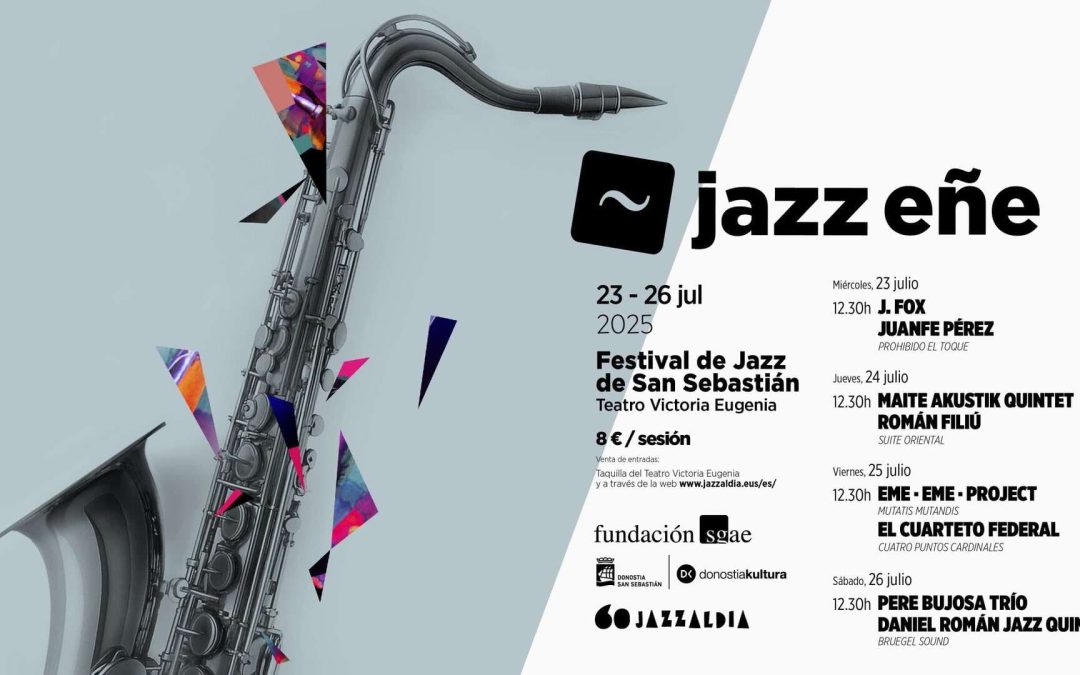
XI JazzEñe I SGAE – Donostia/San Sebastián 2025
XI JazzEñe | SGAE
Donostia- San Sebastián 2025

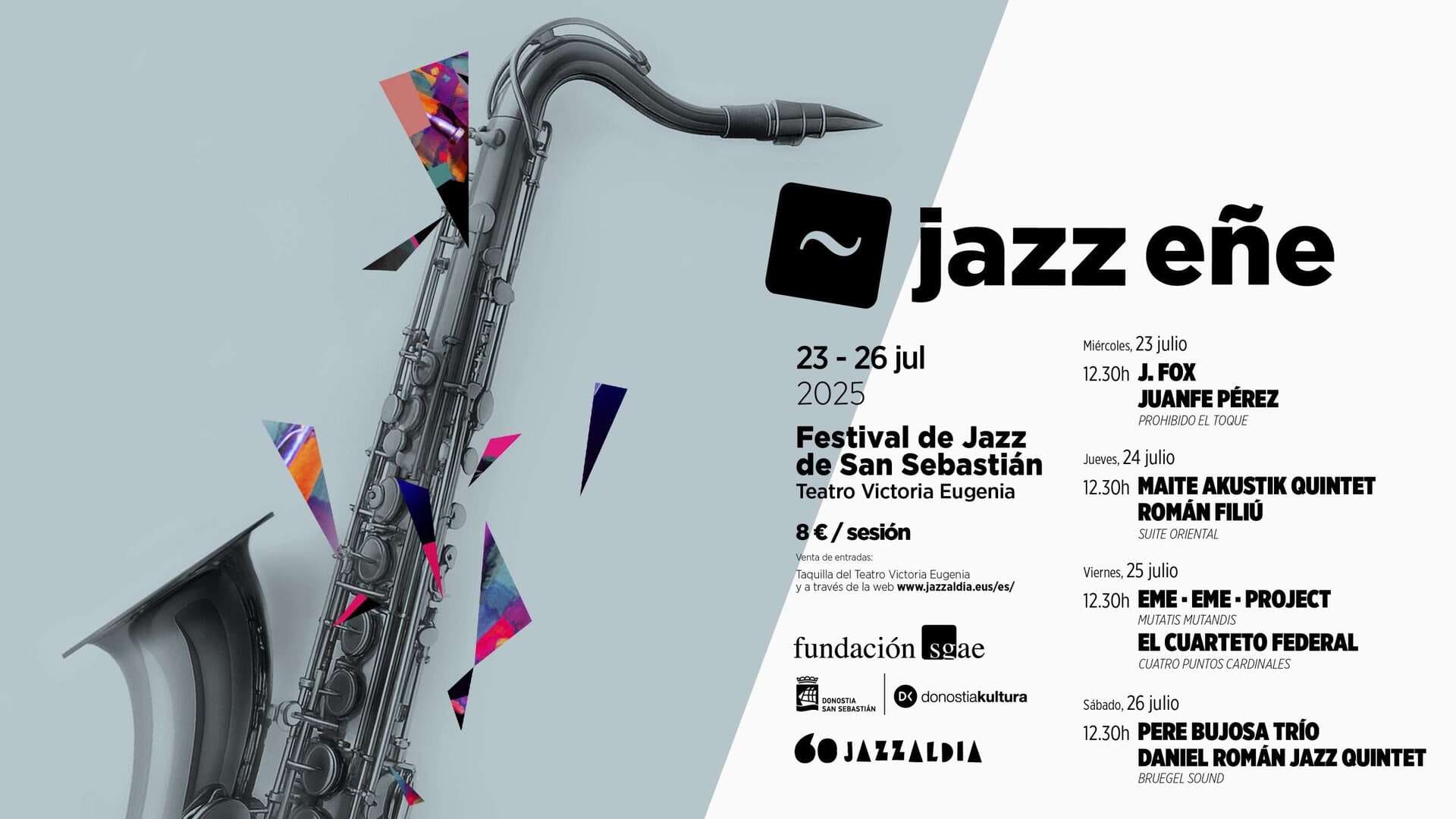
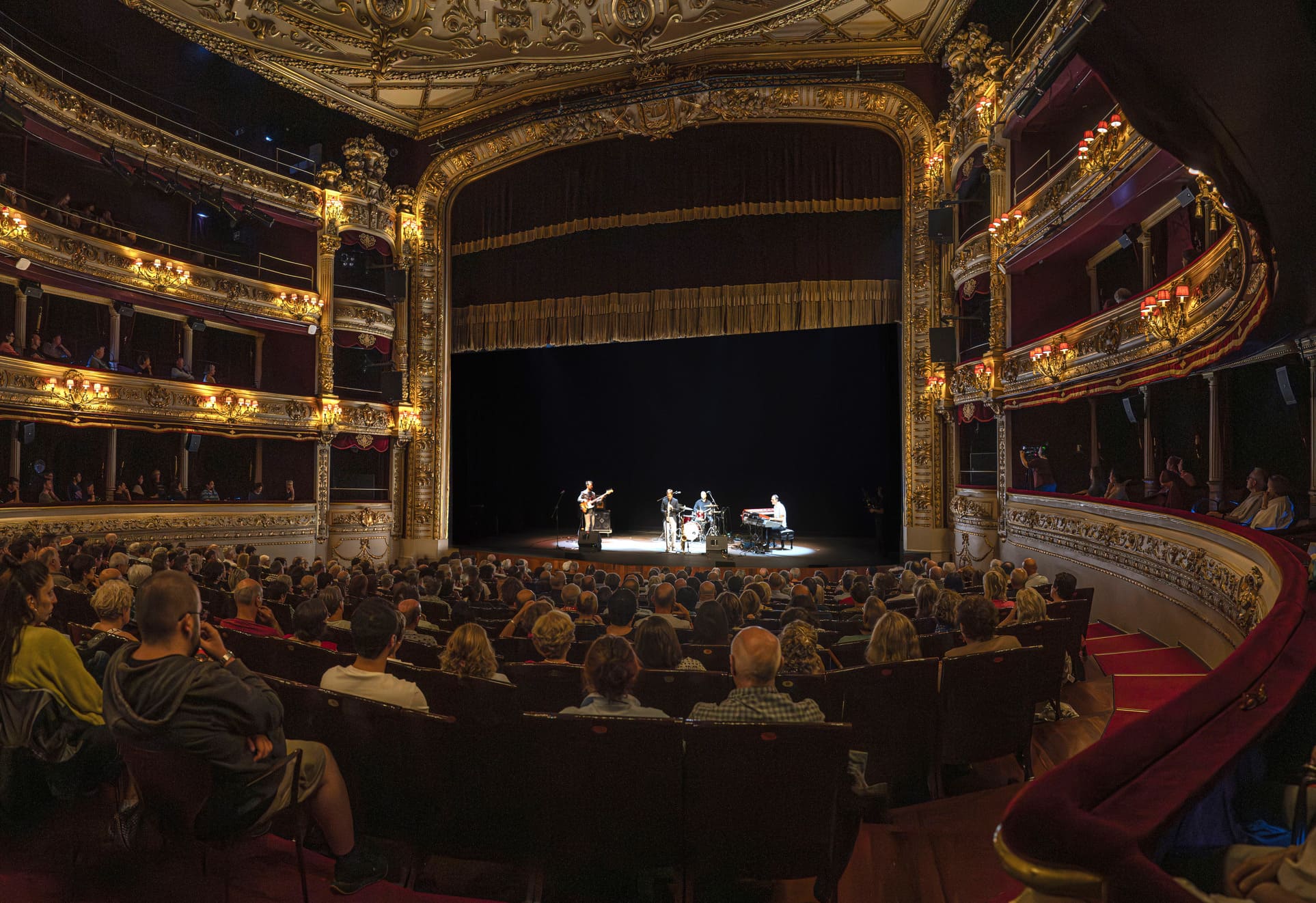
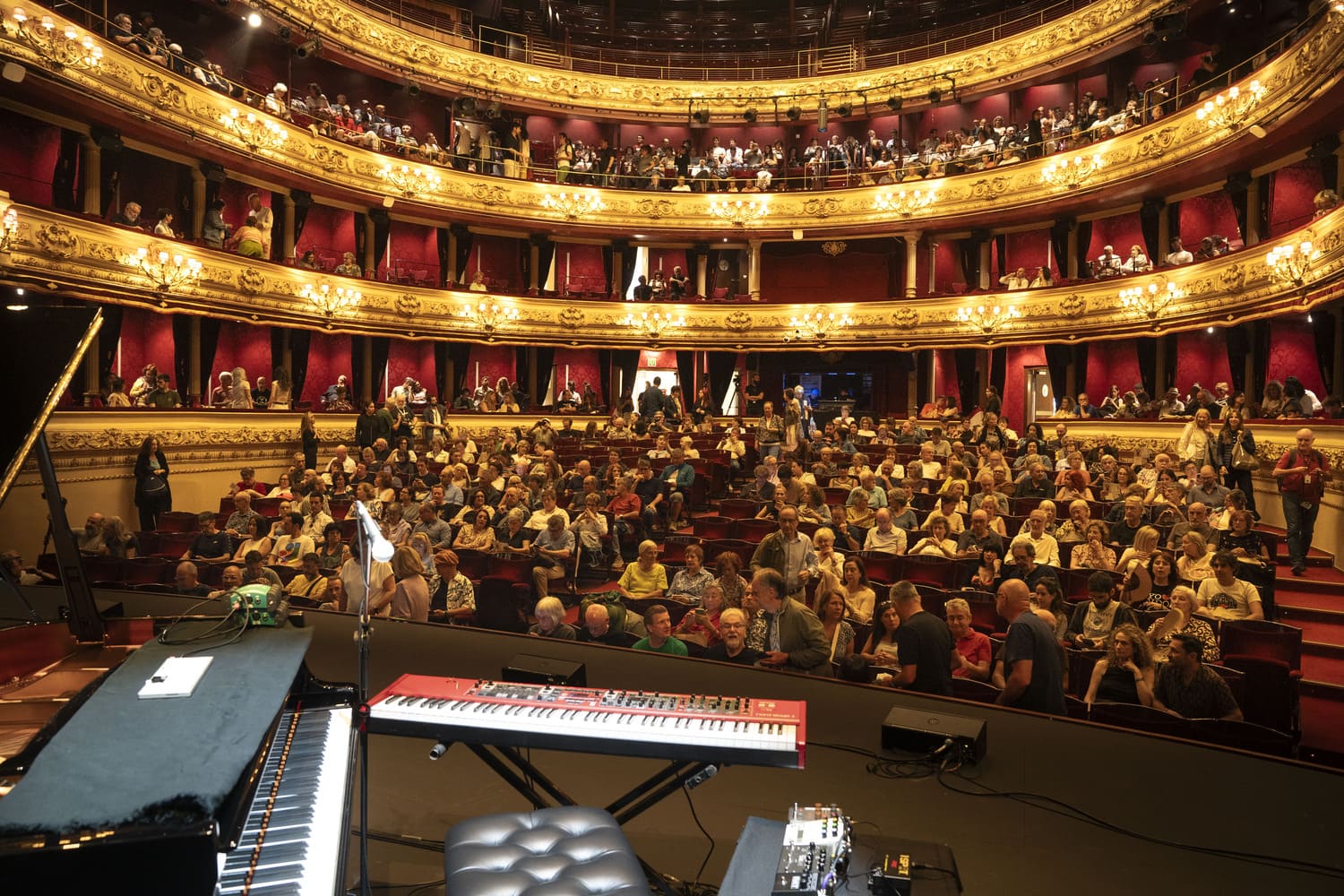
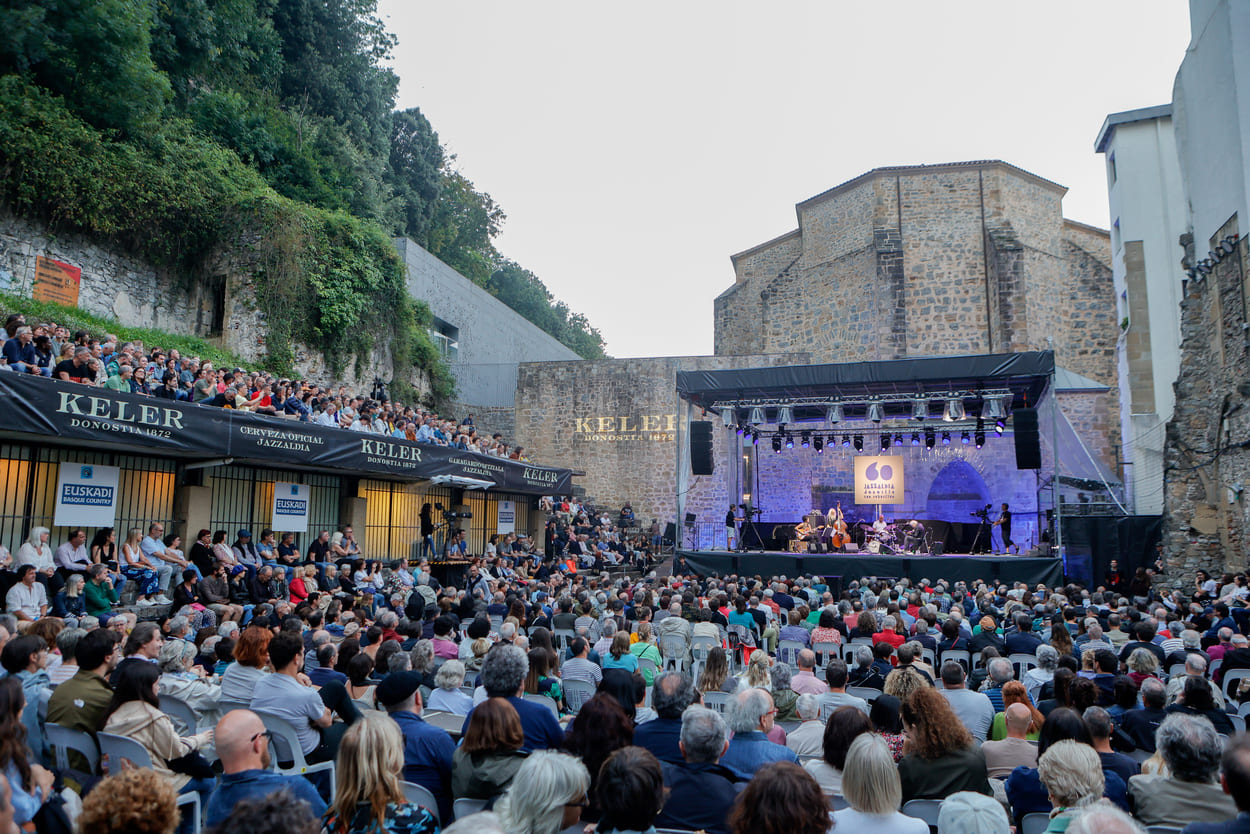
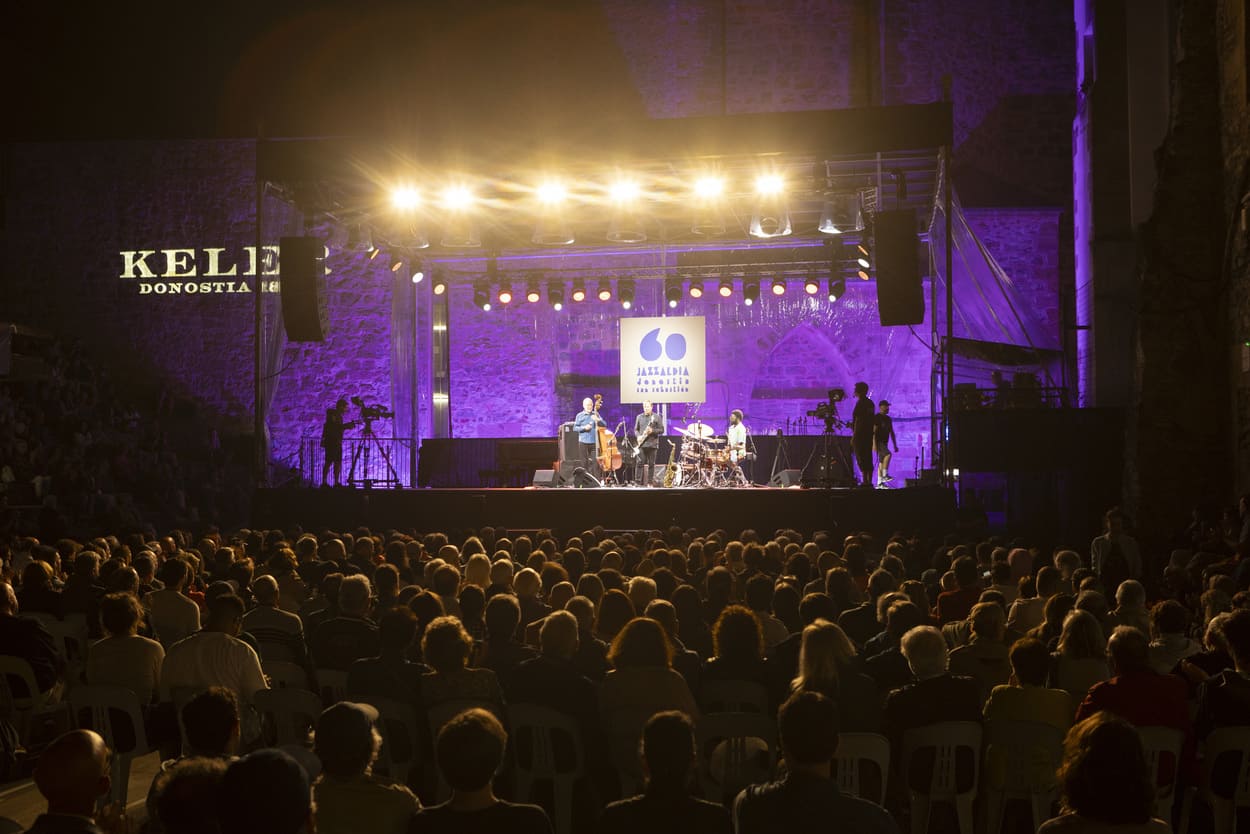
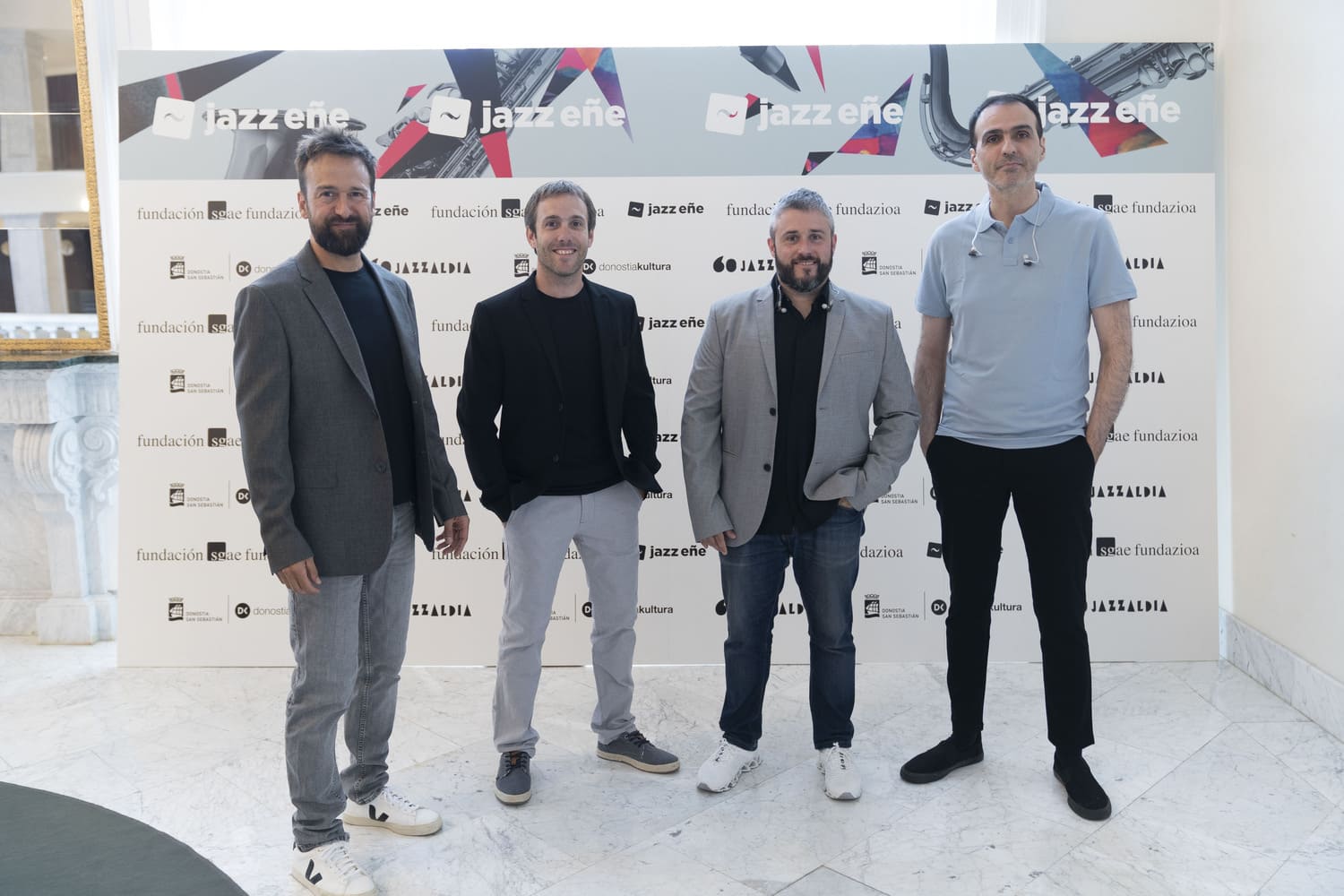
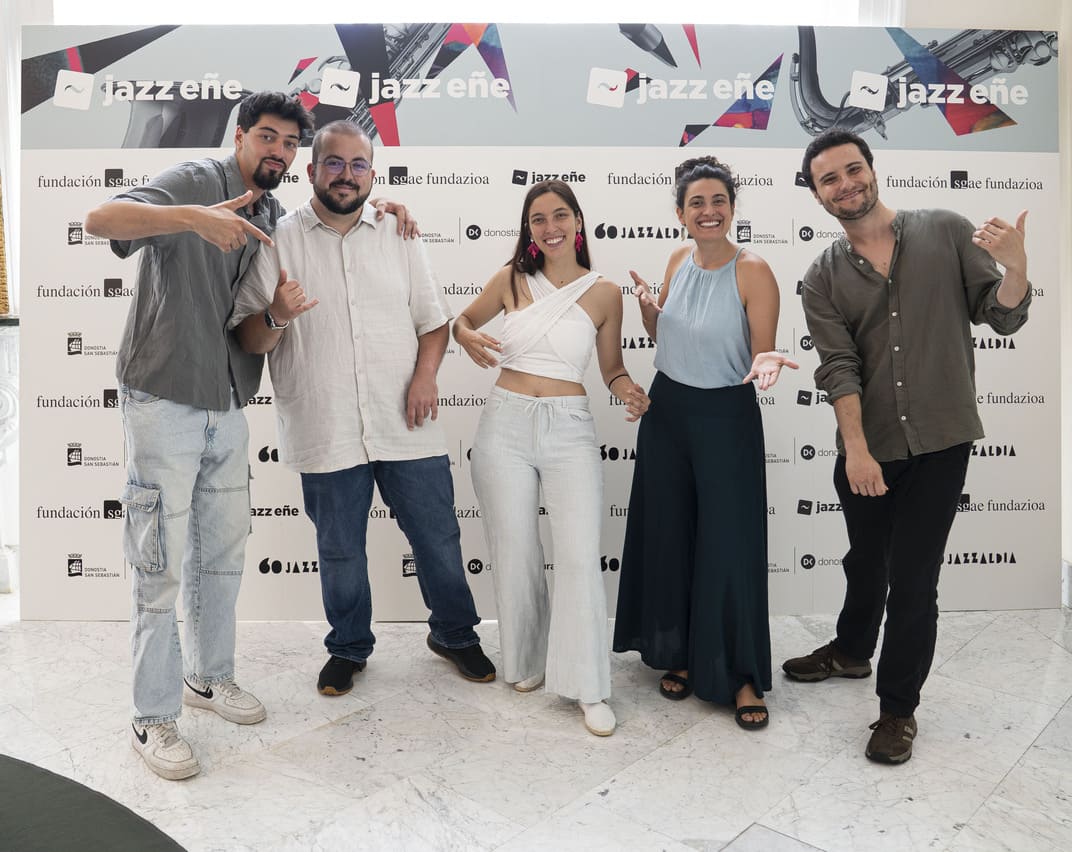
El Teatro Victoria Eugenia de San Sebastián, joya arquitectónica inaugurada en 1912, vuelve a ser, por quinto año consecutivo, el escenario elegido para JazzEñe, proyecto impulsado por la Fundación SGAE desde 2014 para dar voz a las propuestas y corrientes más influyentes del jazz hecho en España. Concebido como una plataforma para que programadores internacionales, críticos y público descubran el pulso creativo de la escena nacional, JazzEñe se ha consolidado como un escaparate del género.
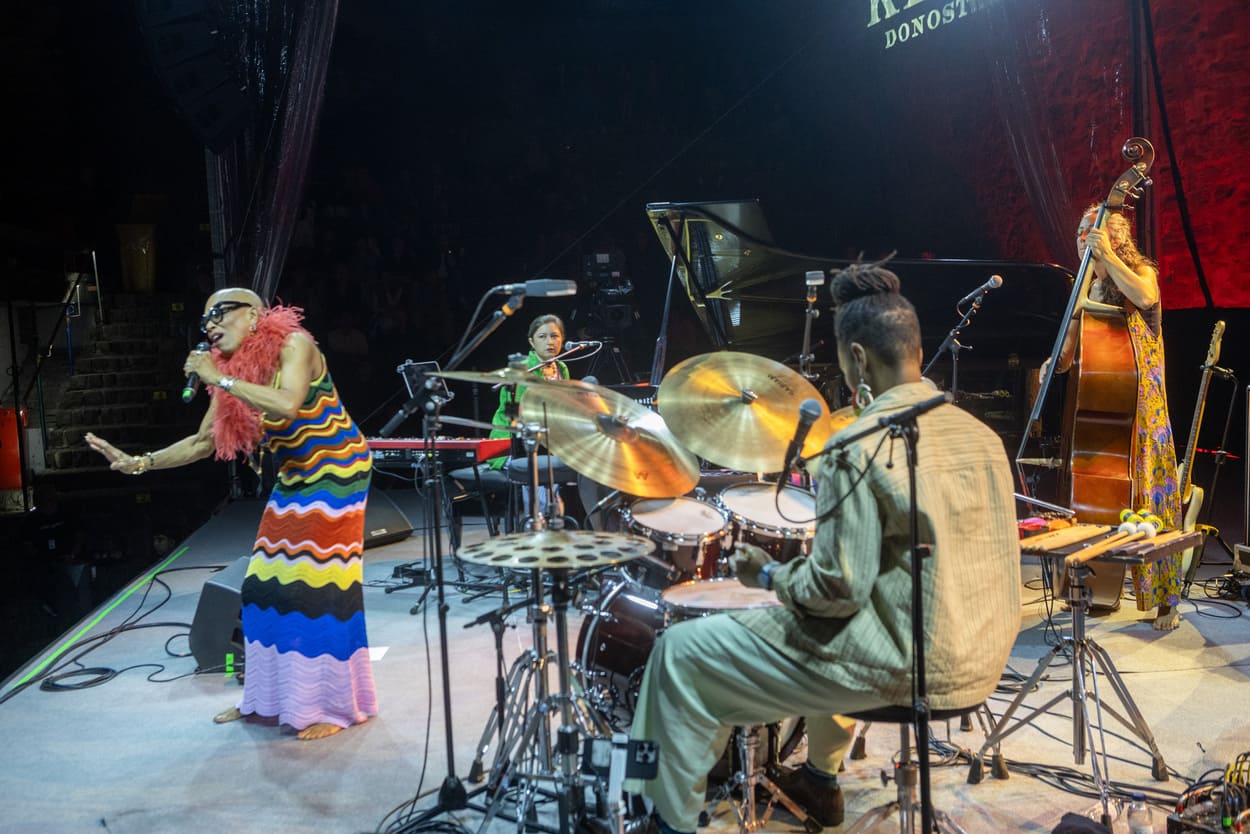
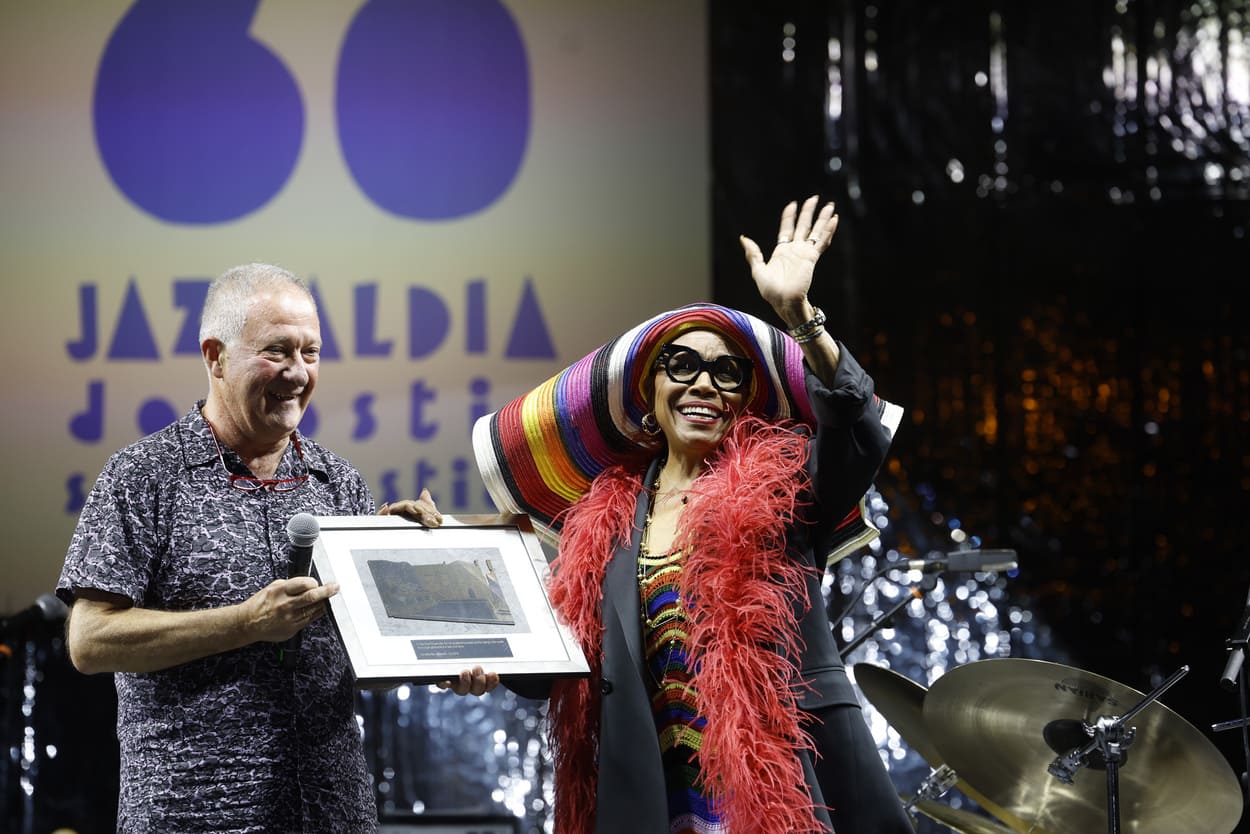
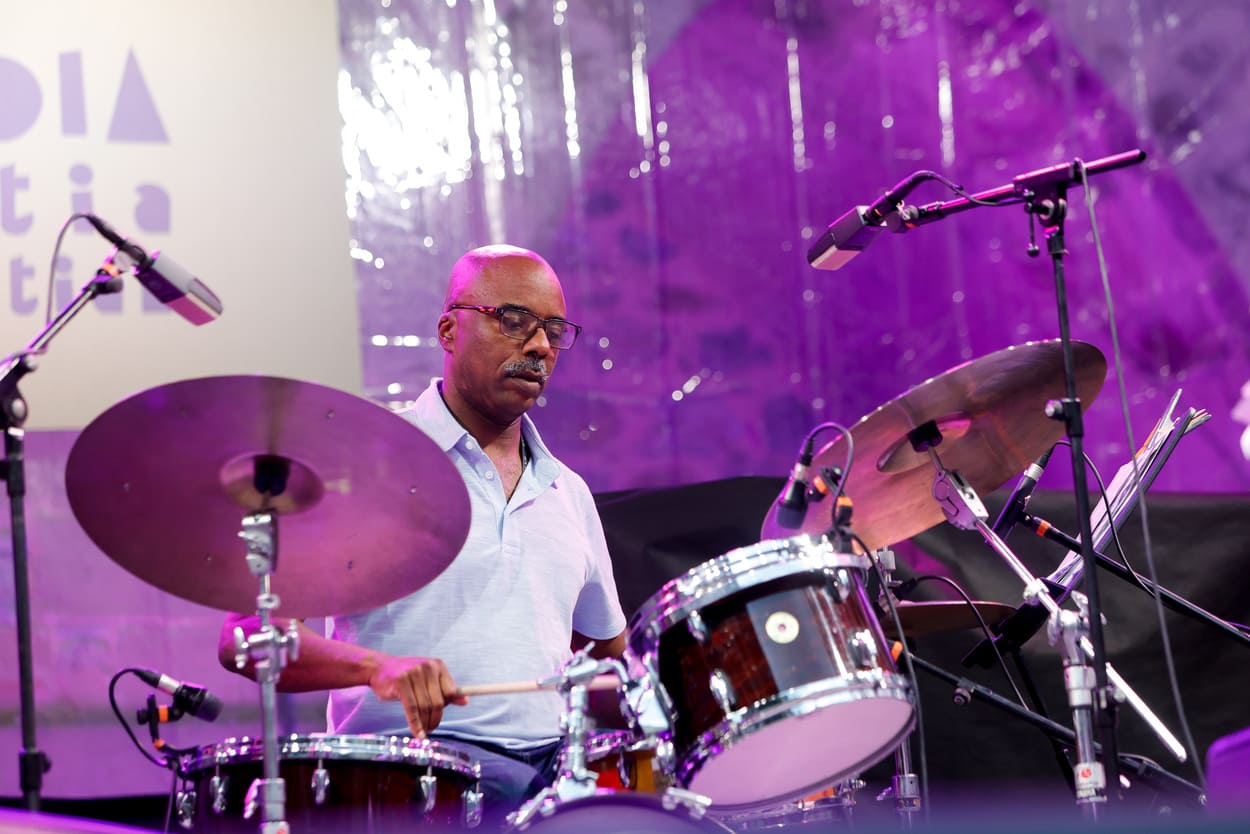
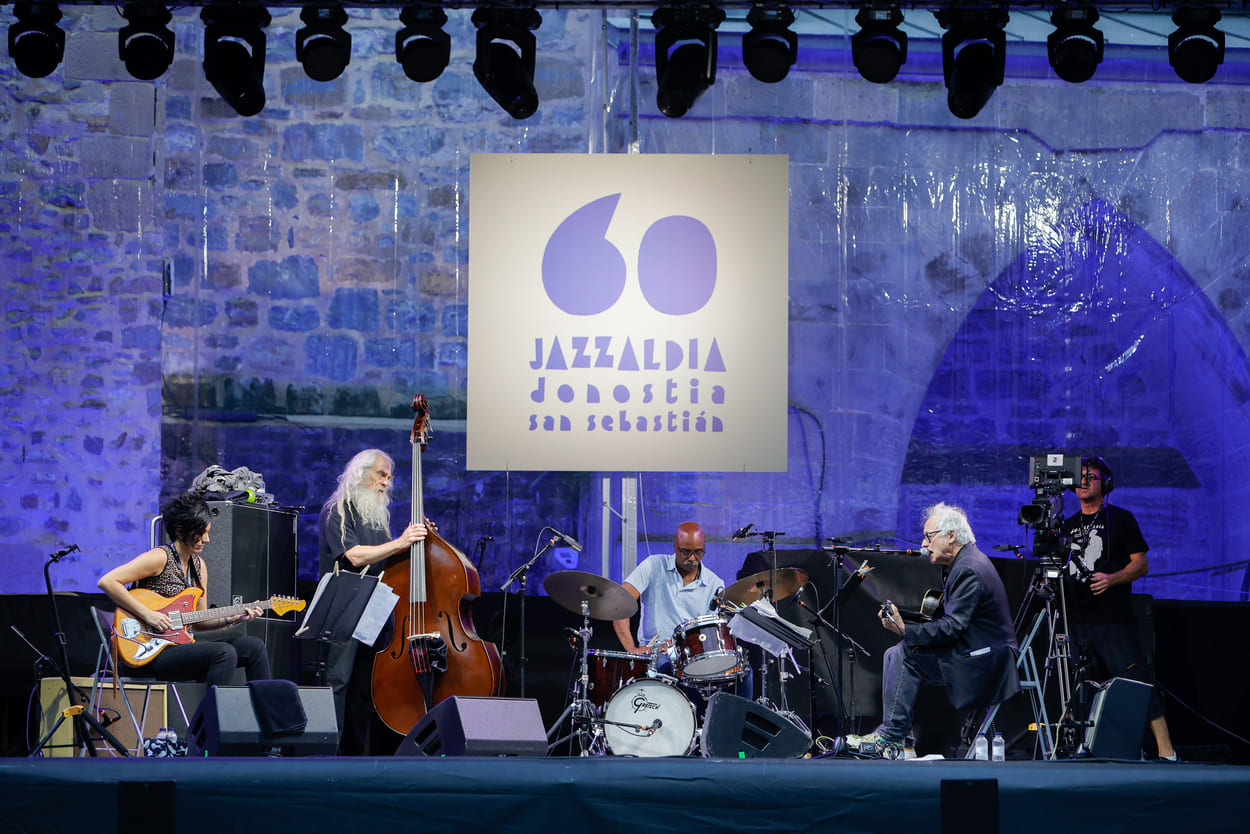
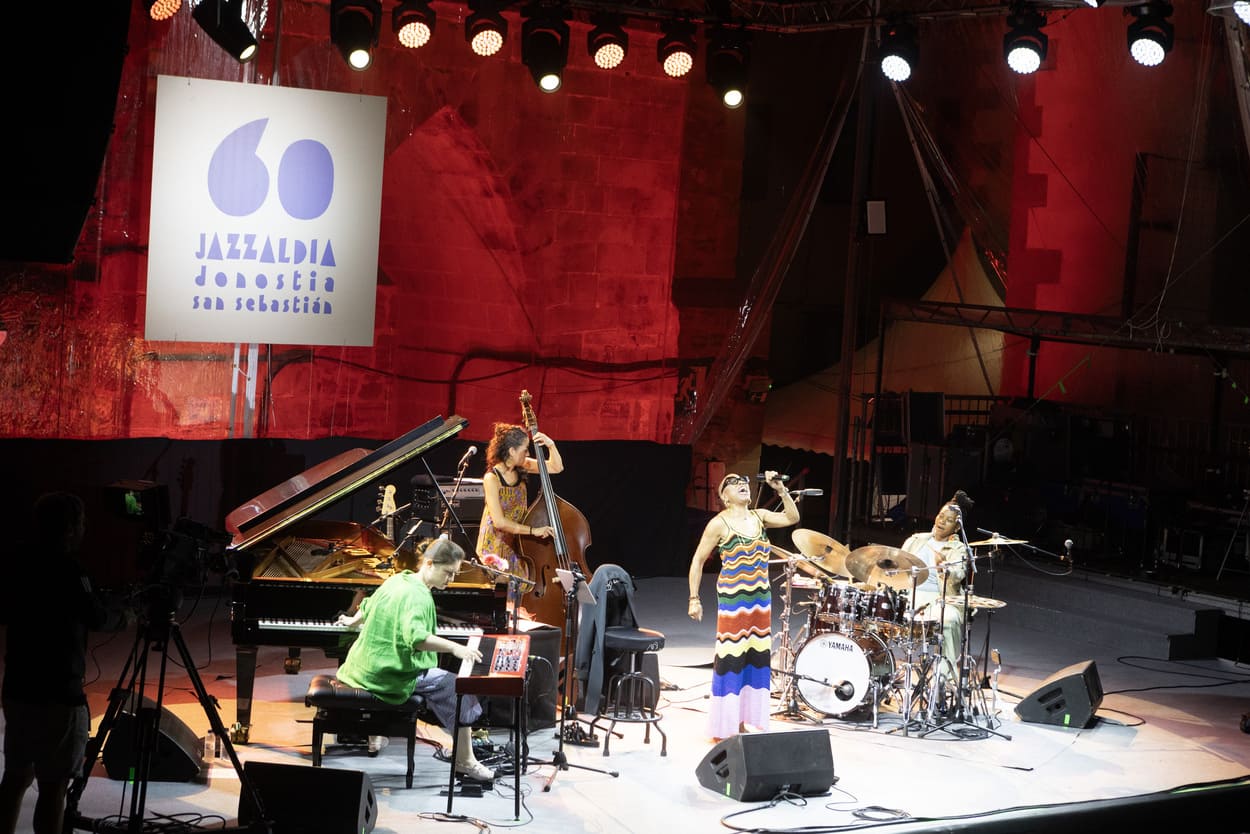
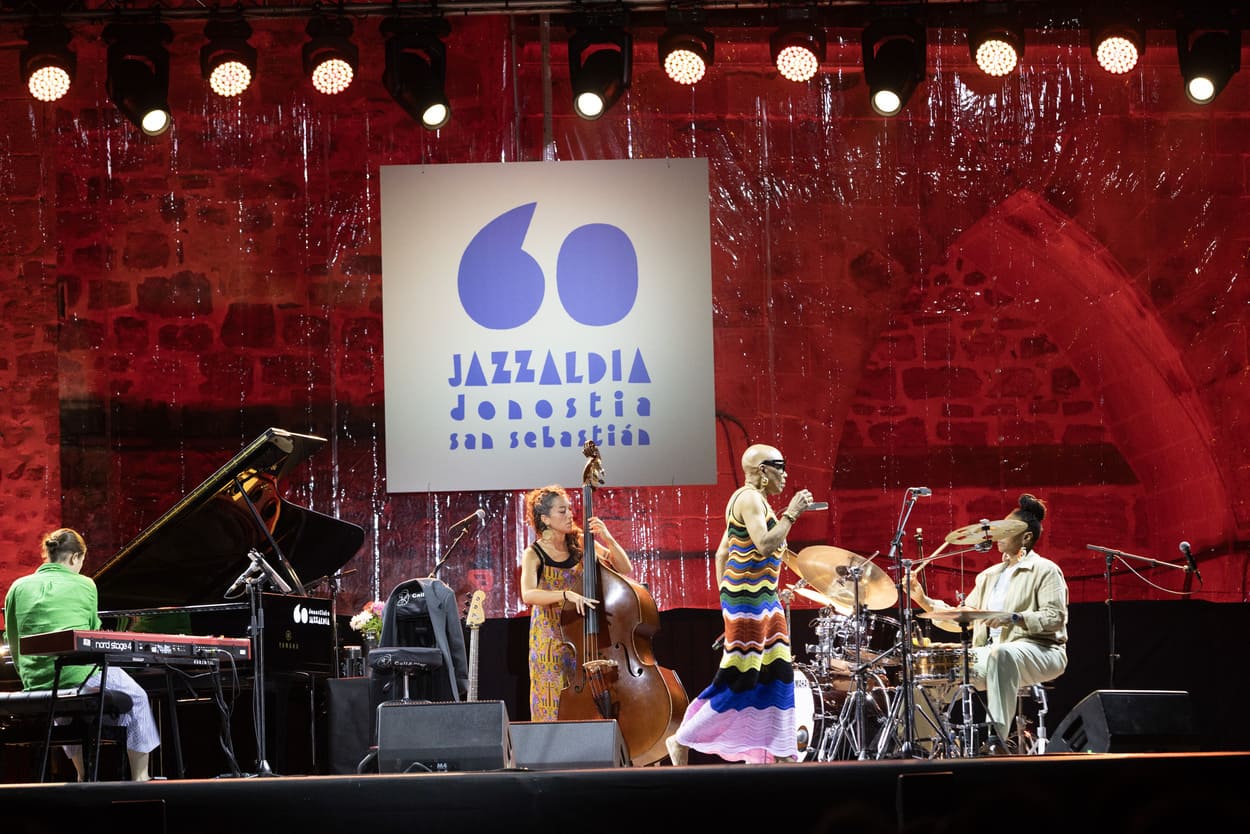
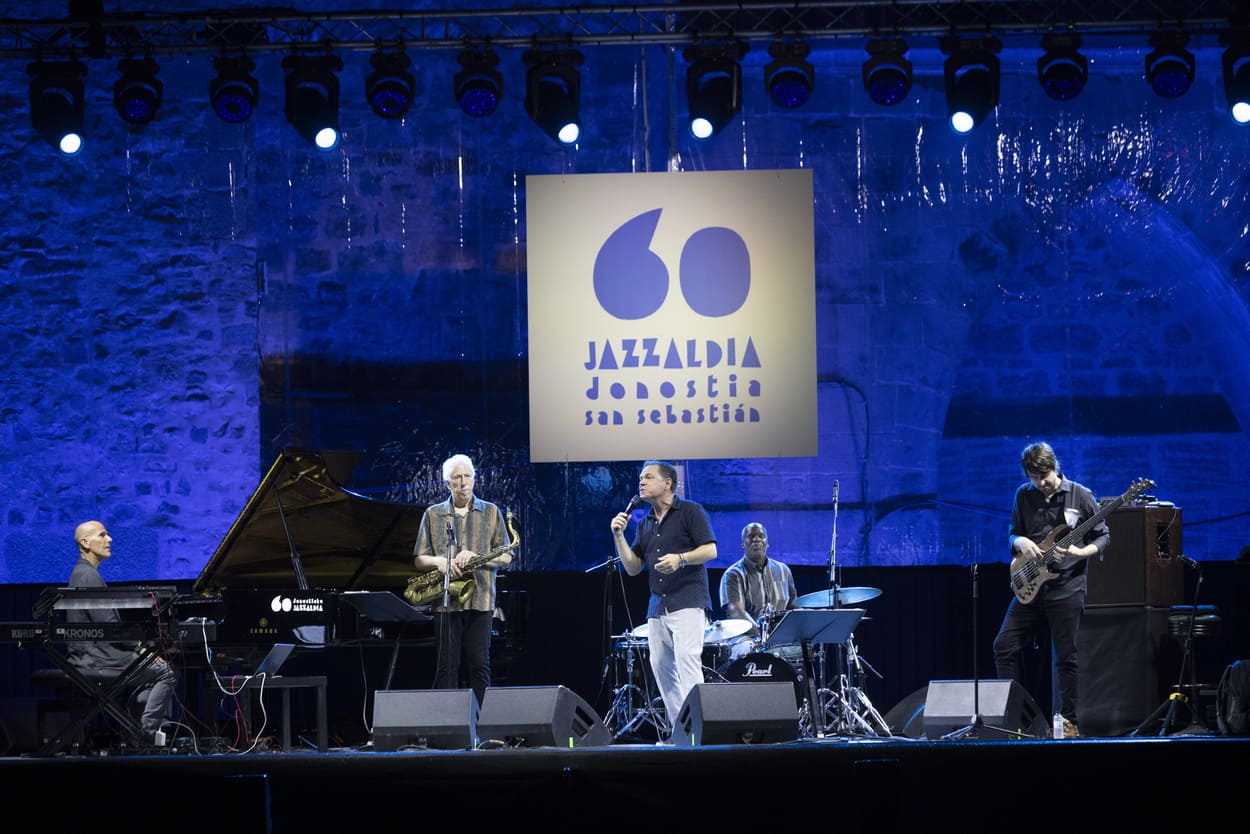
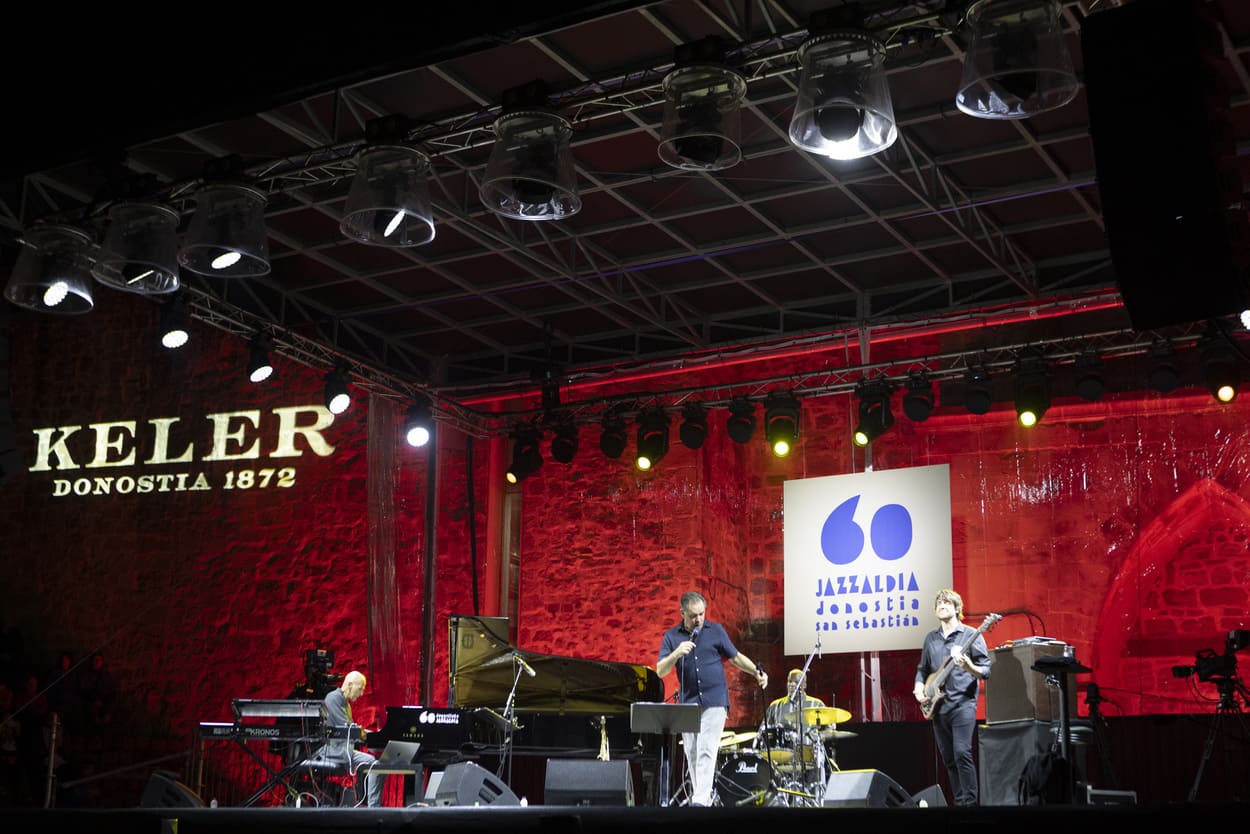
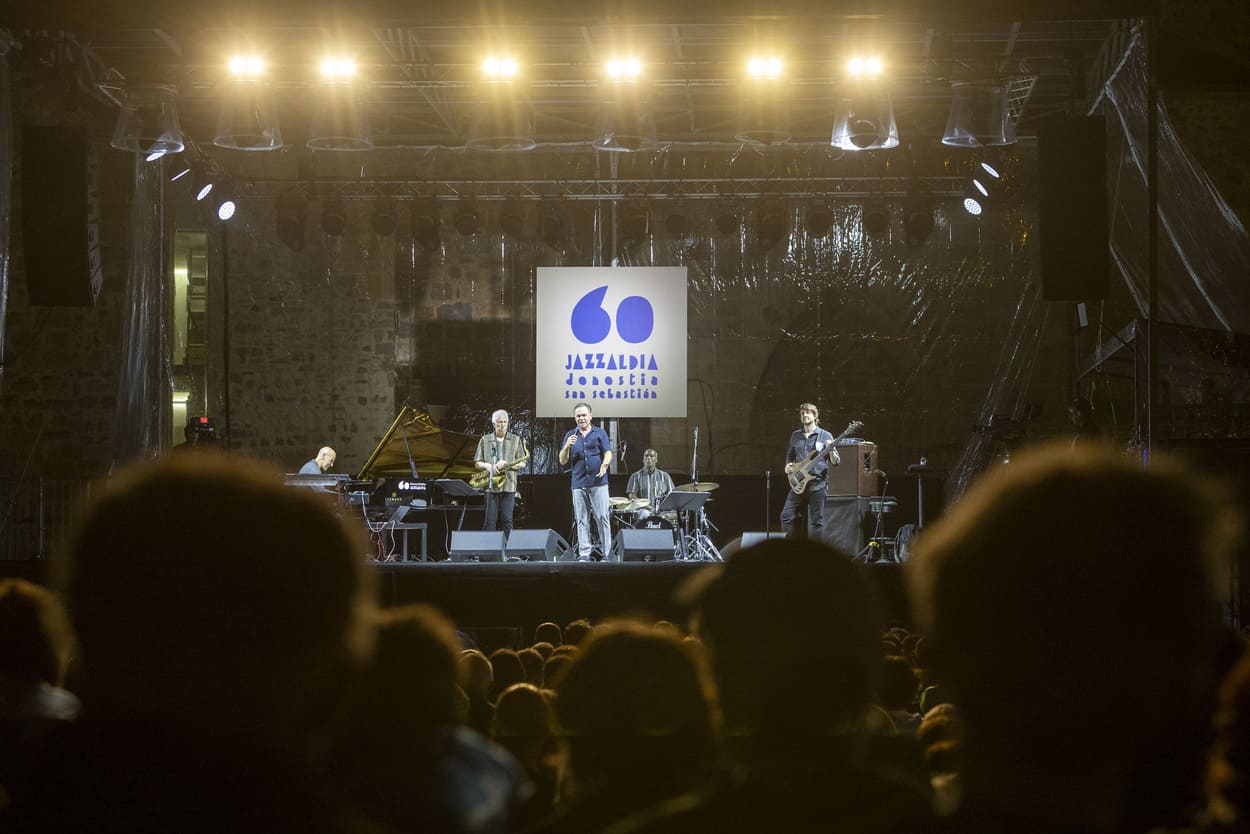
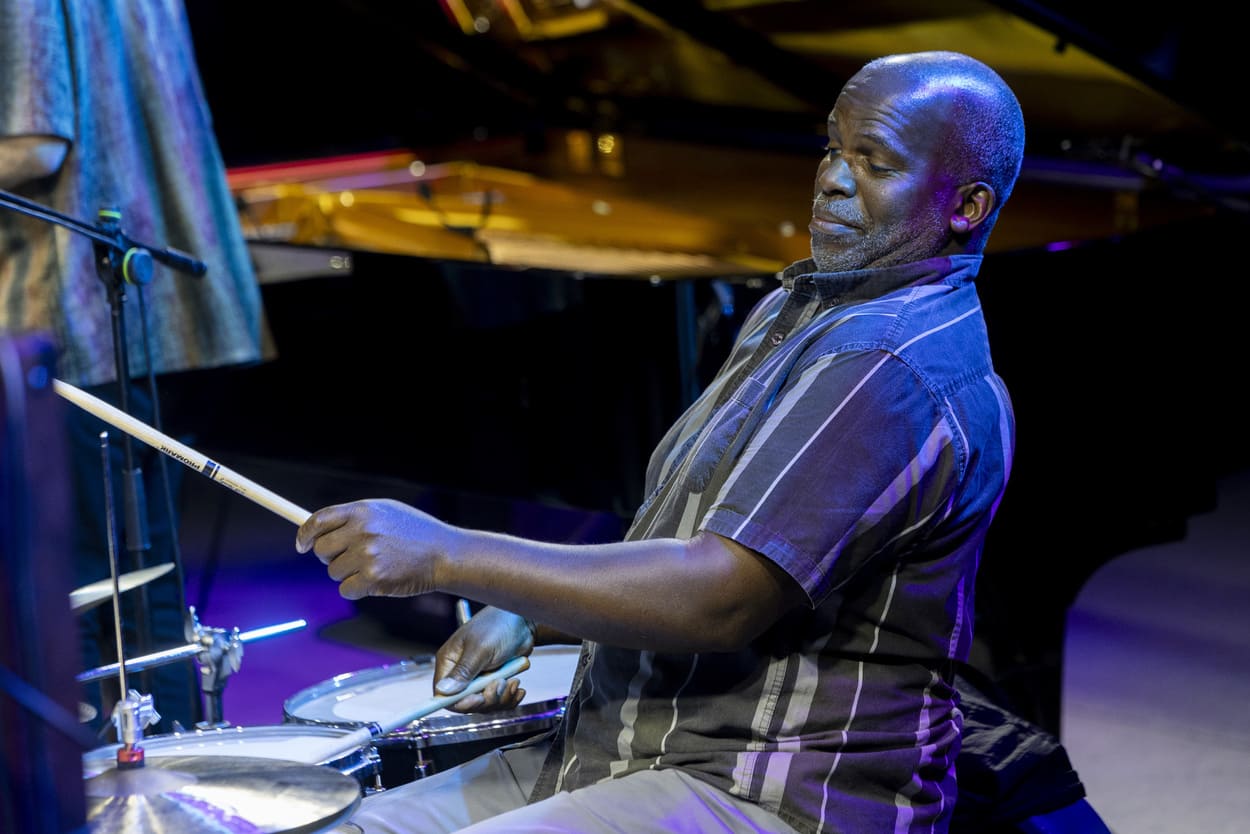
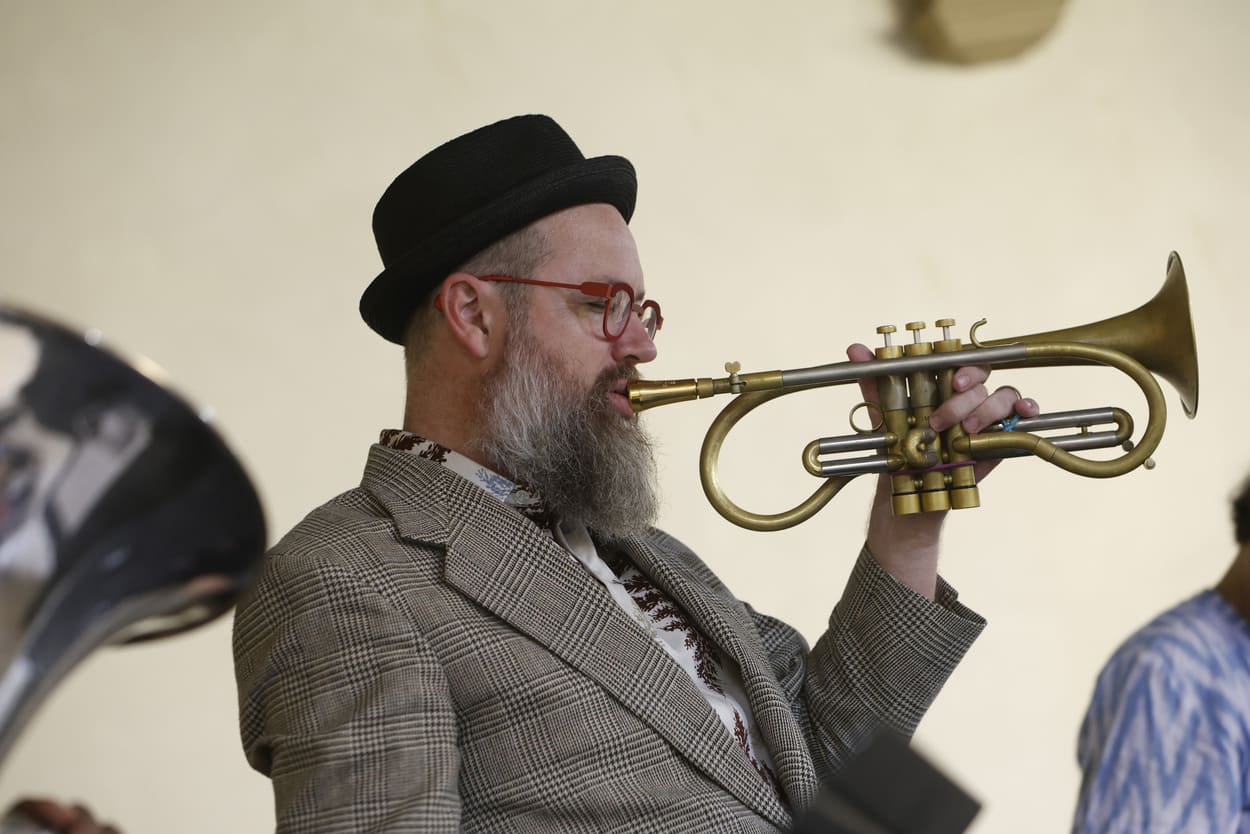
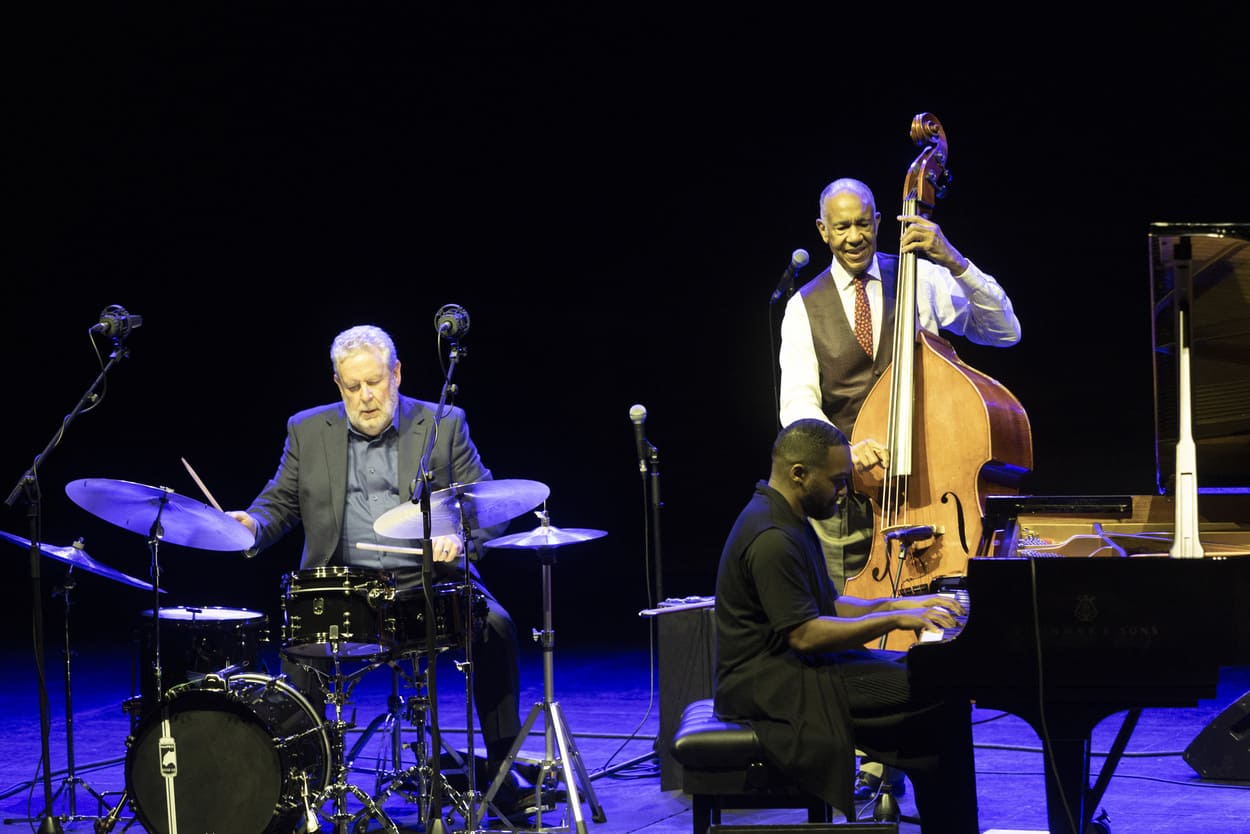
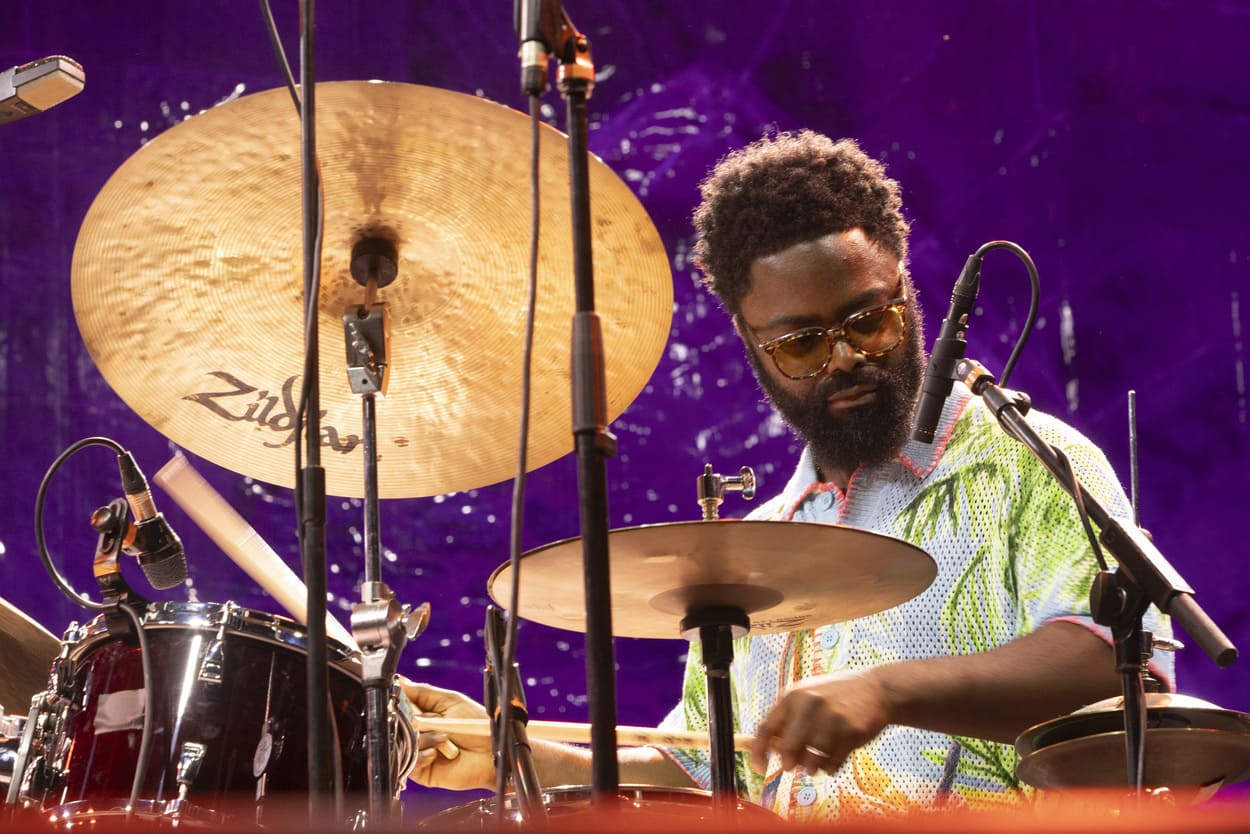
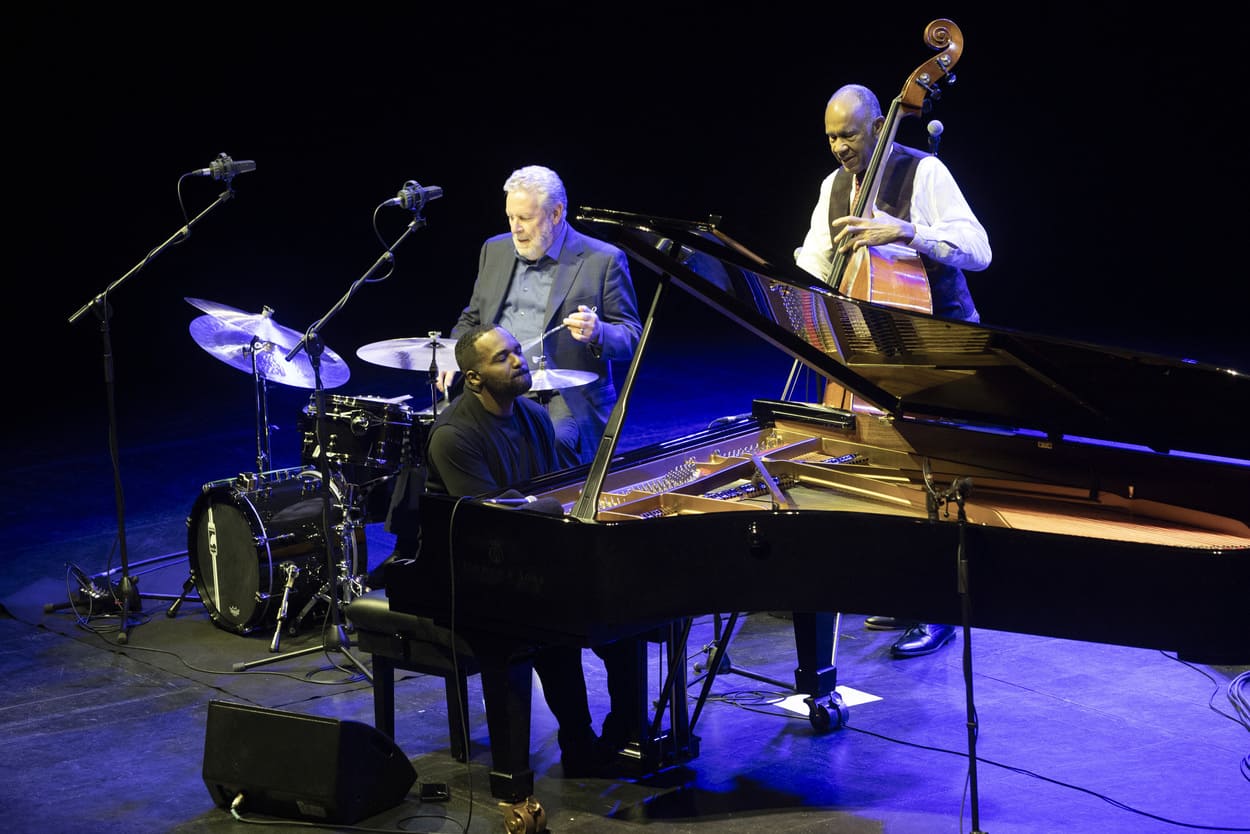
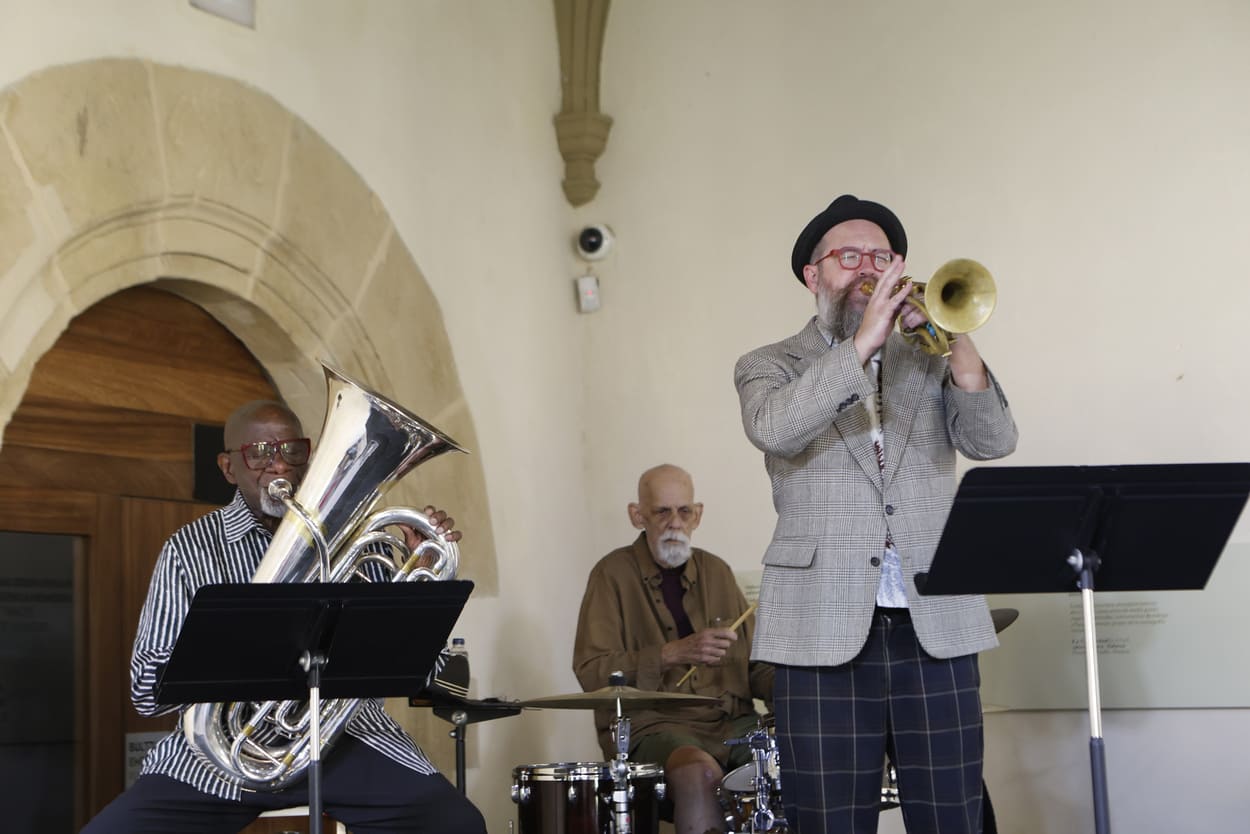
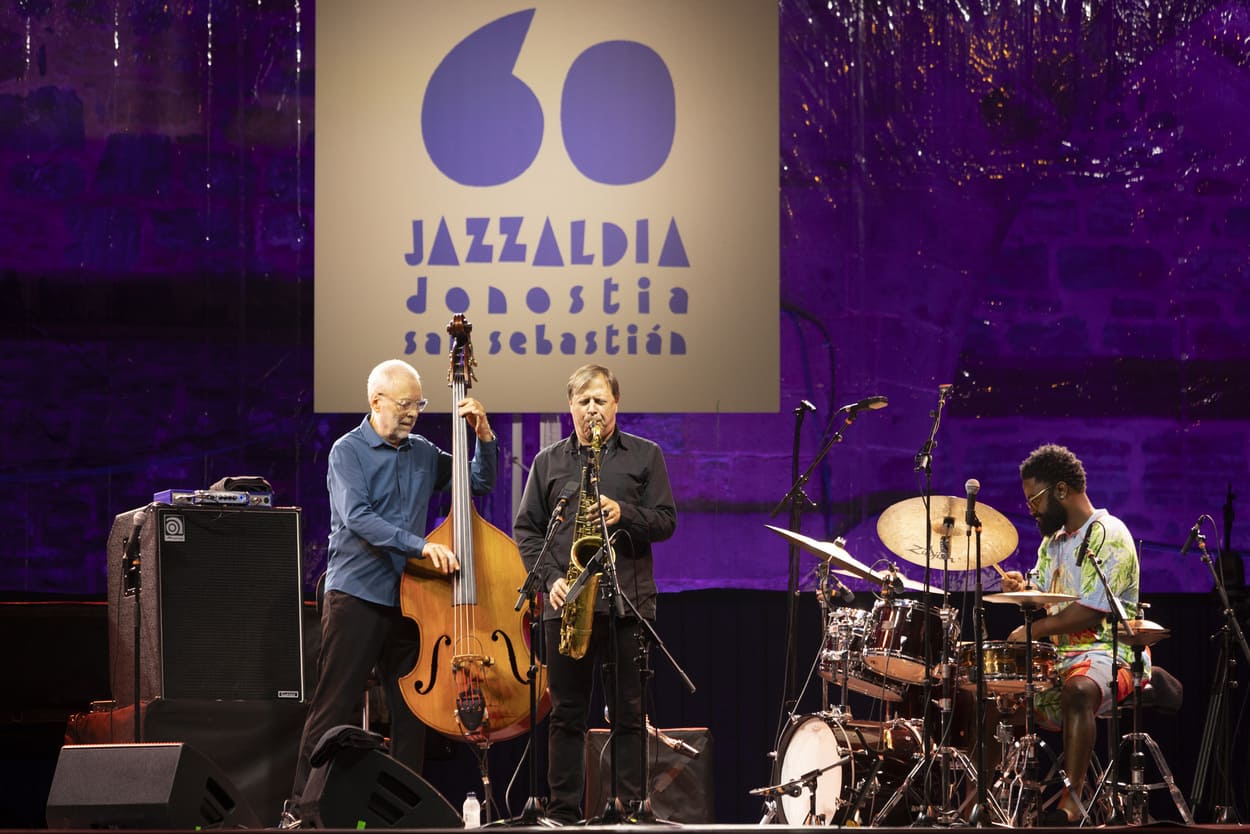
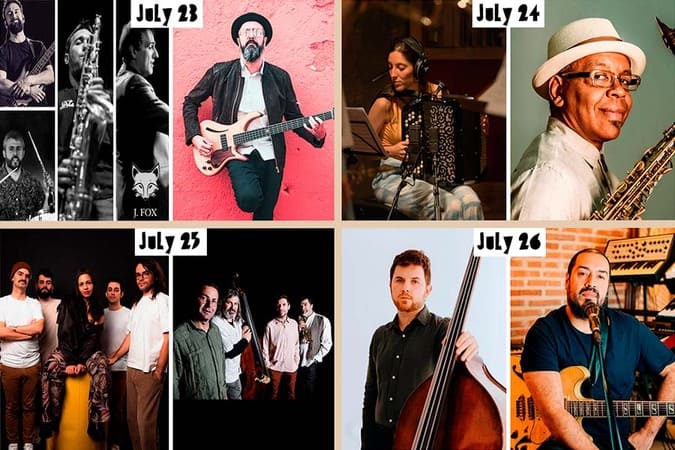
En esta XI edición, celebrada del 23 al 27 de julio, dentro del 60 Festival Jazzaldia 2025, Jazzeñe reunió a ocho formaciones seleccionadas que ofrecieron conciertos matinales, presentando una variada muestra del jazz con acento español.
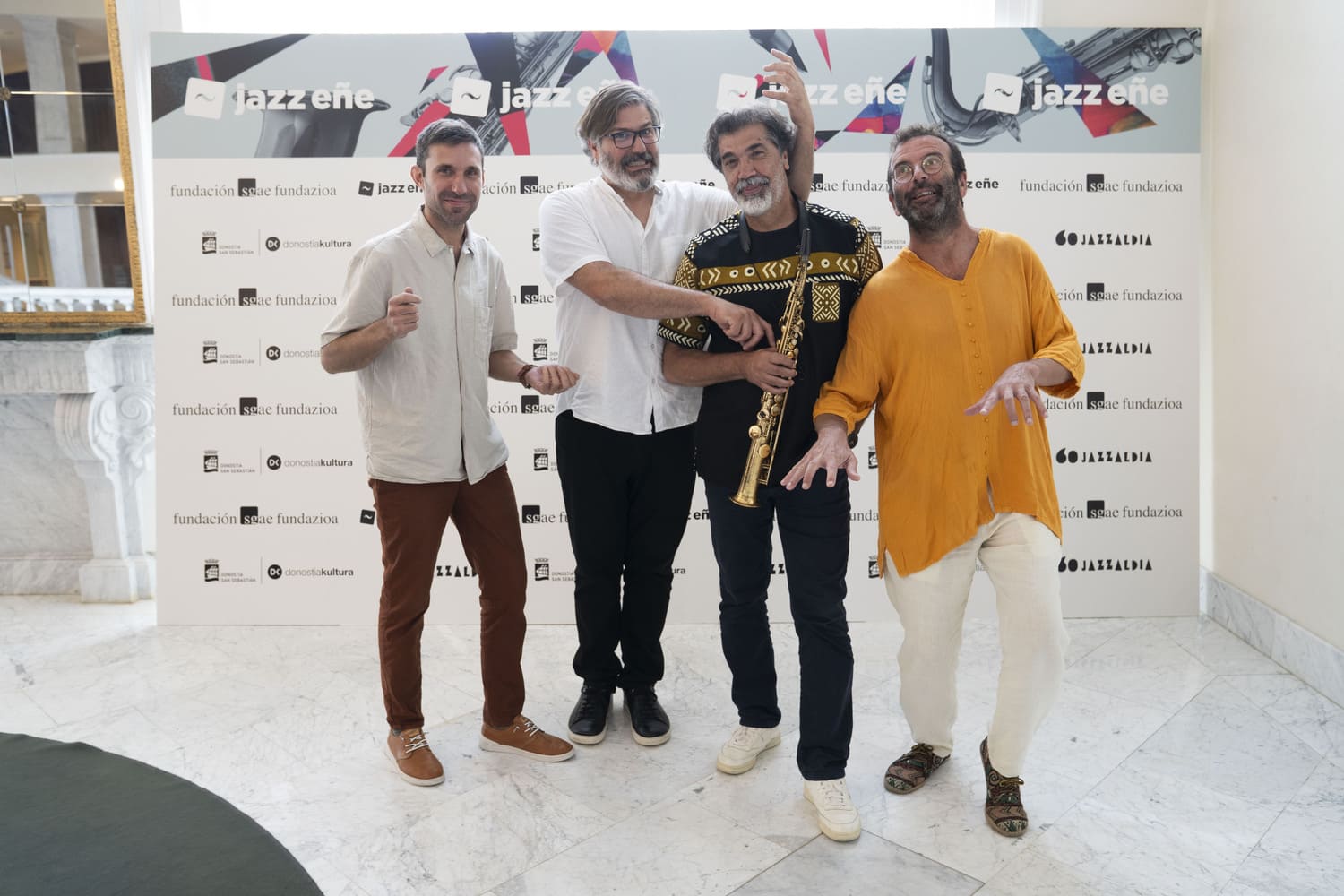
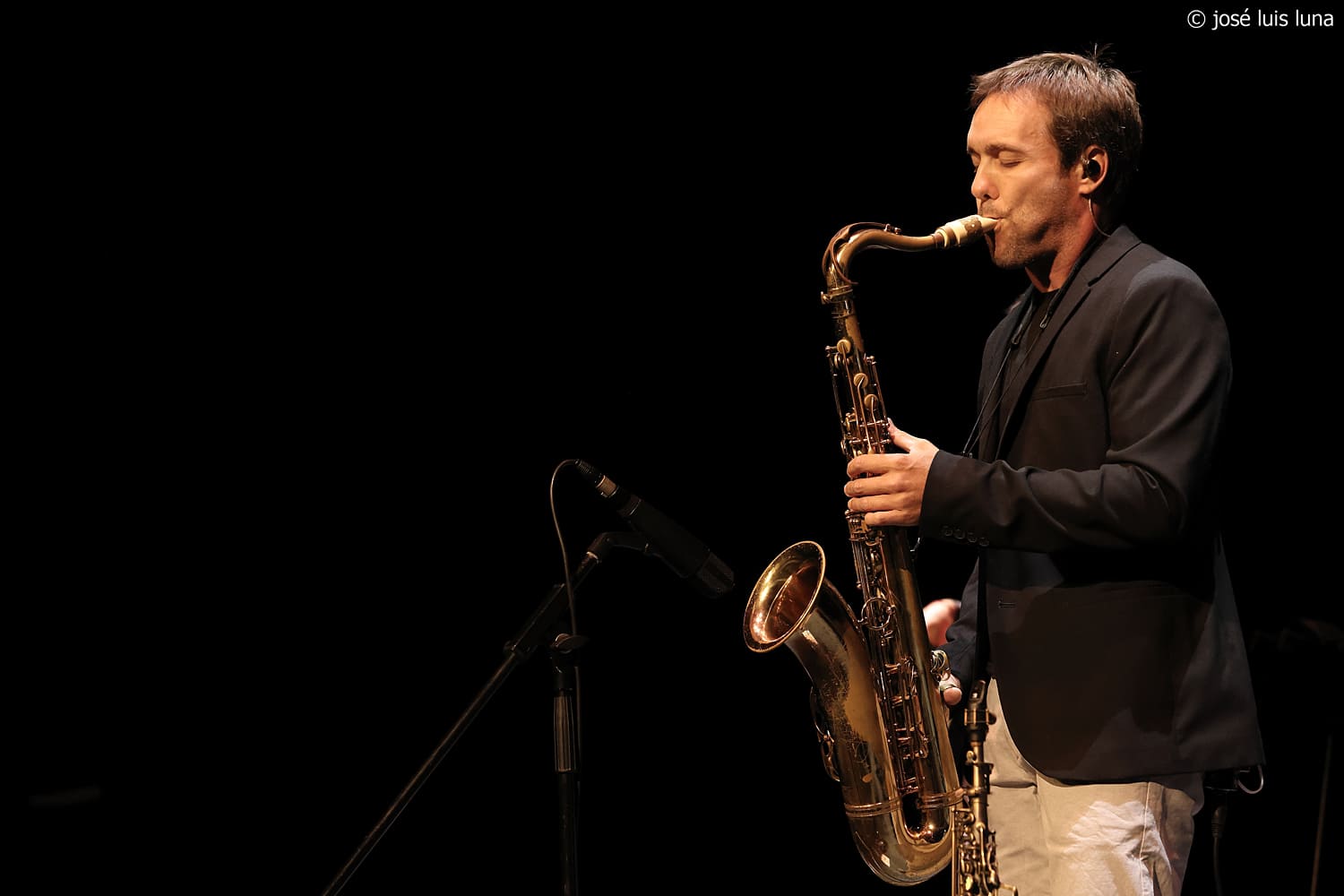
Con una propuesta enérgica y cargada de intensidad, J. FOX Quartet inauguró el ciclo Jazzeñe con una potente fusión de jazz y rock eléctrico. Destacó el sonido expresivo y ágil del saxo soprano de Oskar Lakunza, mientras la sección rítmica, Juan Manuel Urriza, Fredi Peláez y Xabier Barrenetxea, sostuvo con precisión y creatividad cada tema, aportando solidez y un dinamismo constante al concierto.
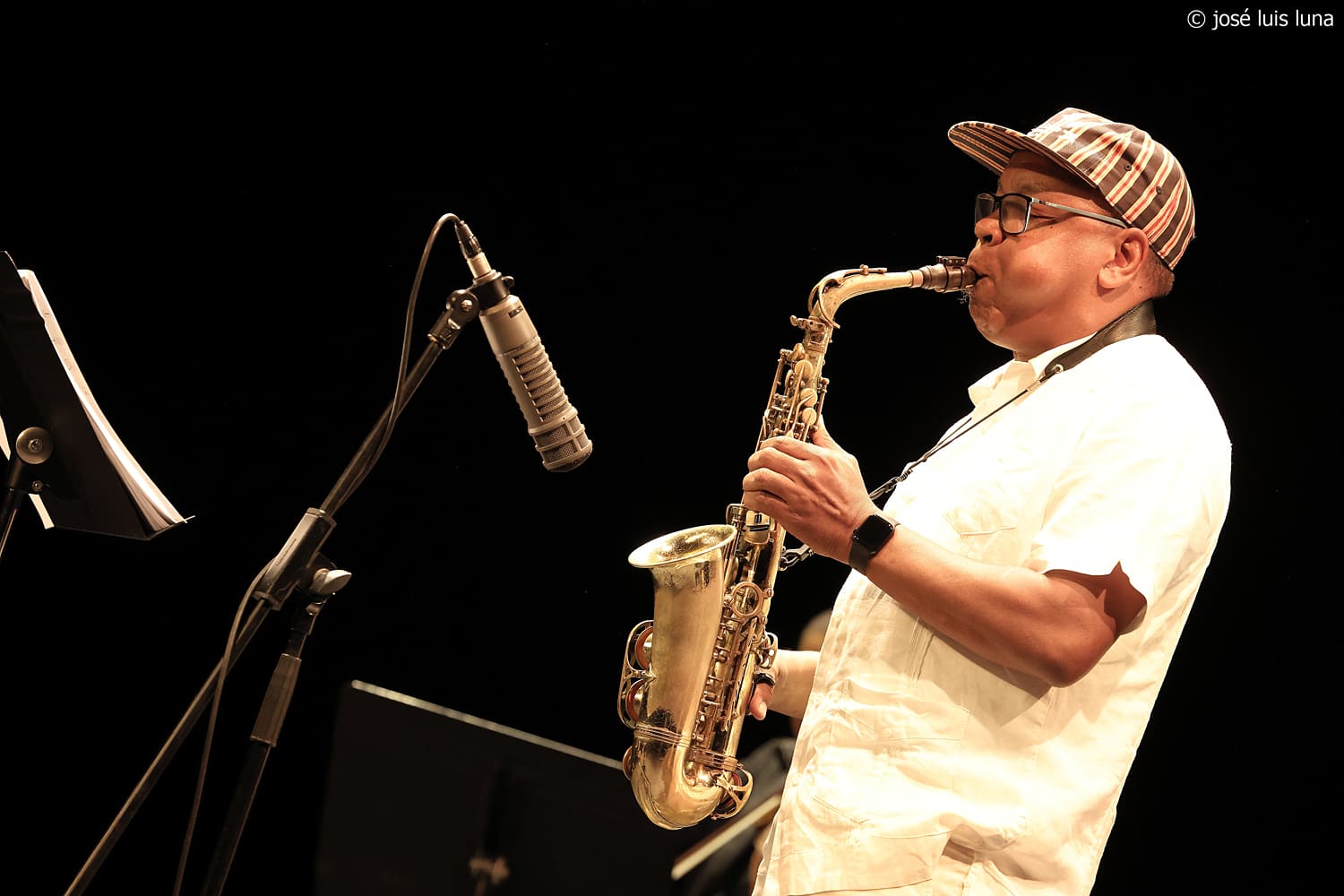
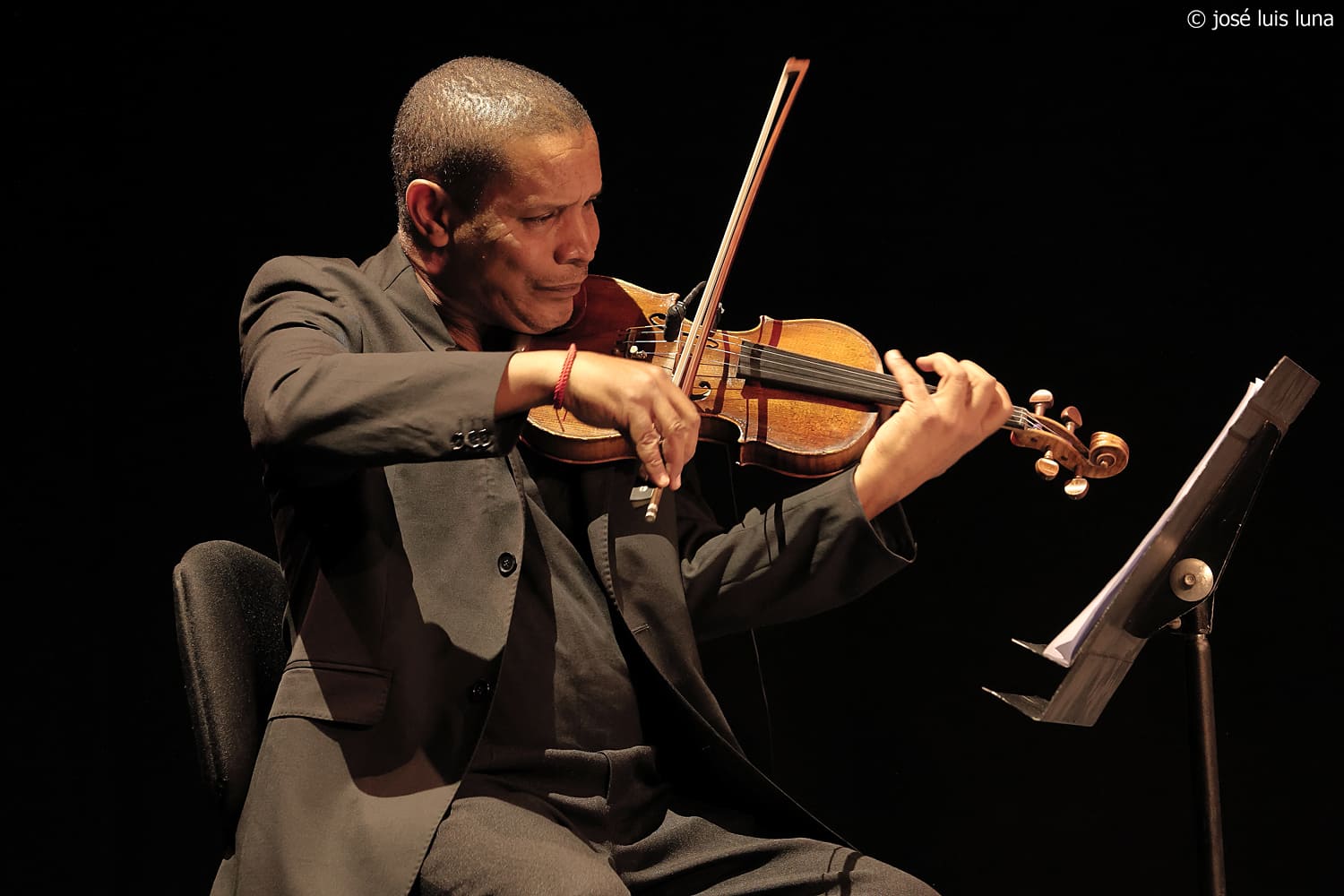
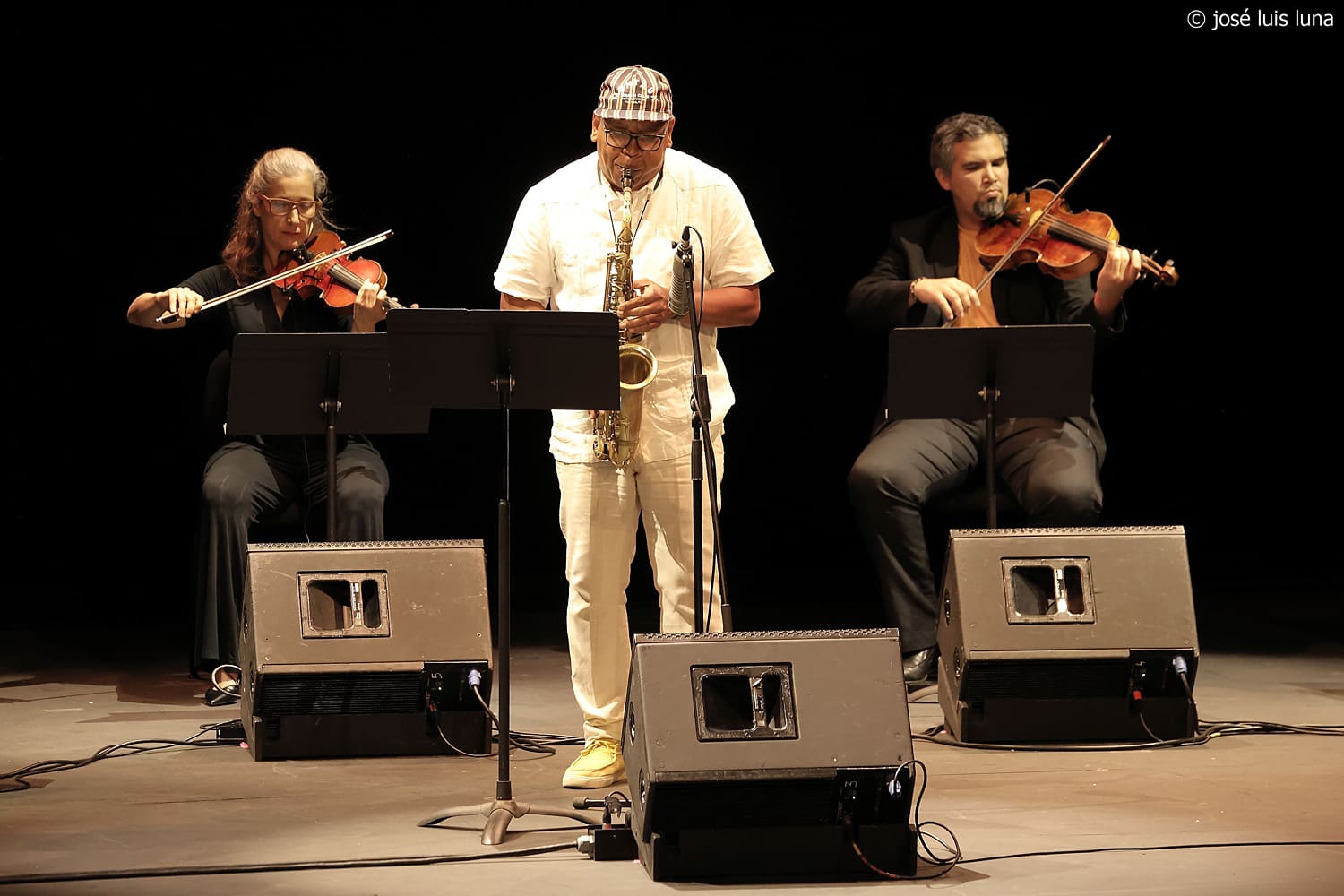
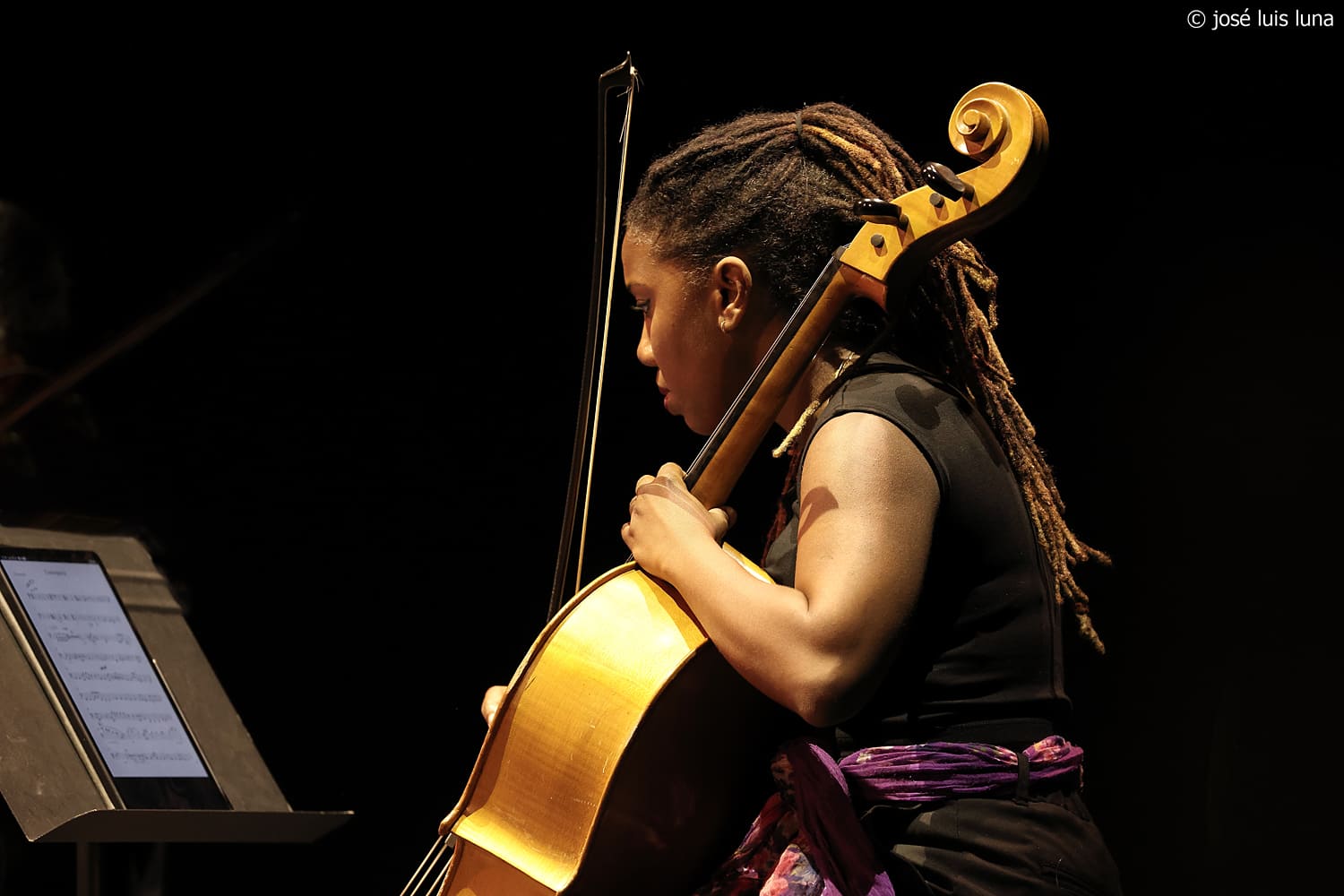
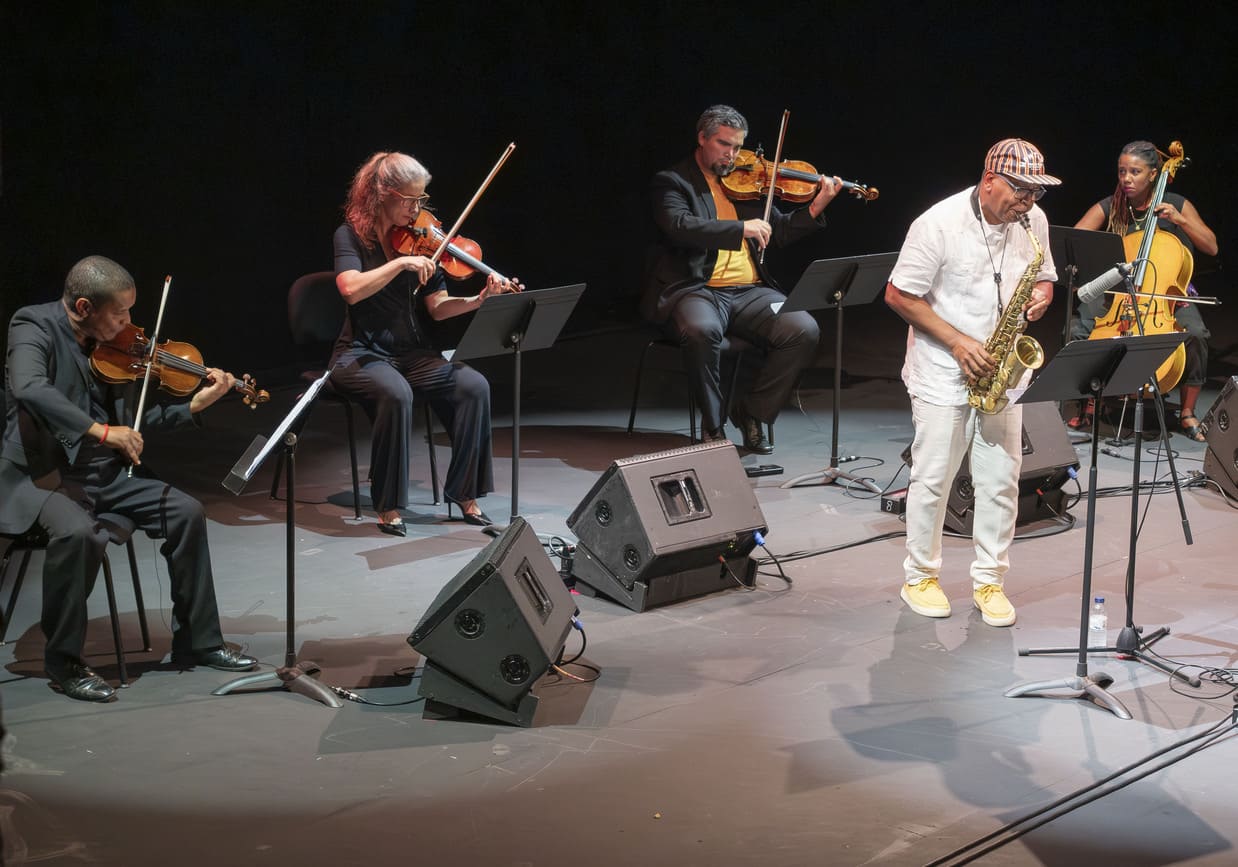
Desde Cuba hasta Madrid, pasando por Nueva York, Román Filiú presentó su cuarteto de cuerdas con la obra Suite Oriental, una propuesta inspirada en la rica tradición musical de Santiago de Cuba y en la escritura clásica para cuerdas. Suite Oriental se presenta como una serie de movimientos en los que convergen la precisión formal de la música de cámara, la libertad improvisadora del jazz, los recursos expresivos de la música contemporánea y la riqueza rítmico-melódica del folclore santiaguero (tumba francesa, la conga santiaguera, la trova y el bolero). Es una obra de diez temas originales y dos arreglos minuciosos, con espacios para la improvisación solista, en un diálogo entre tradición y modernidad. Con Román Filiú O’Reilly, saxo alto, flauta, dirección musical, Javier Filiú O’Reilly, violín, Zaloa Gorostidi Bidaurrazaga violín, Osvaldo Antonio Enrique Castro, viola, Caridad Rosa Varona Borges, violonchelo.
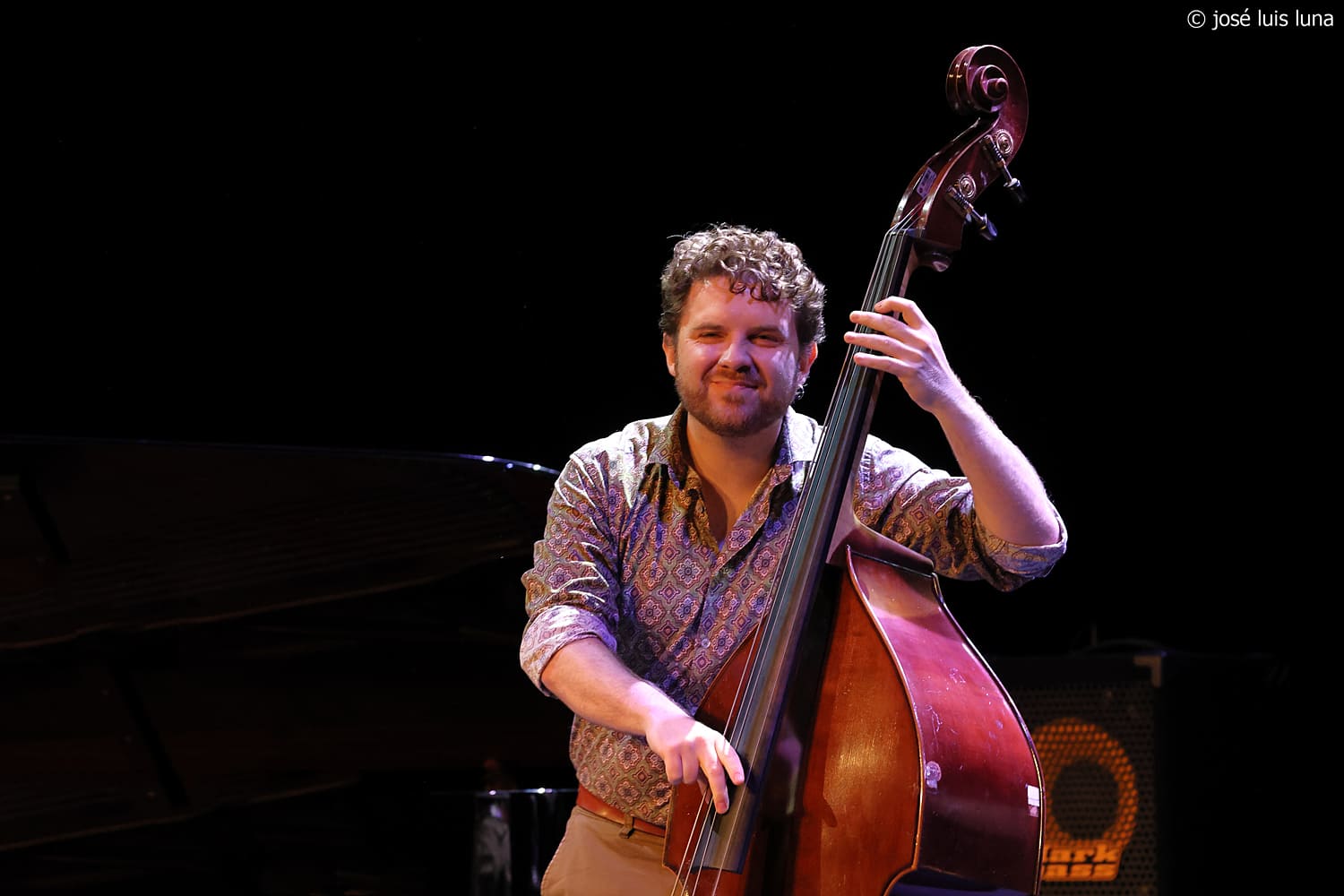
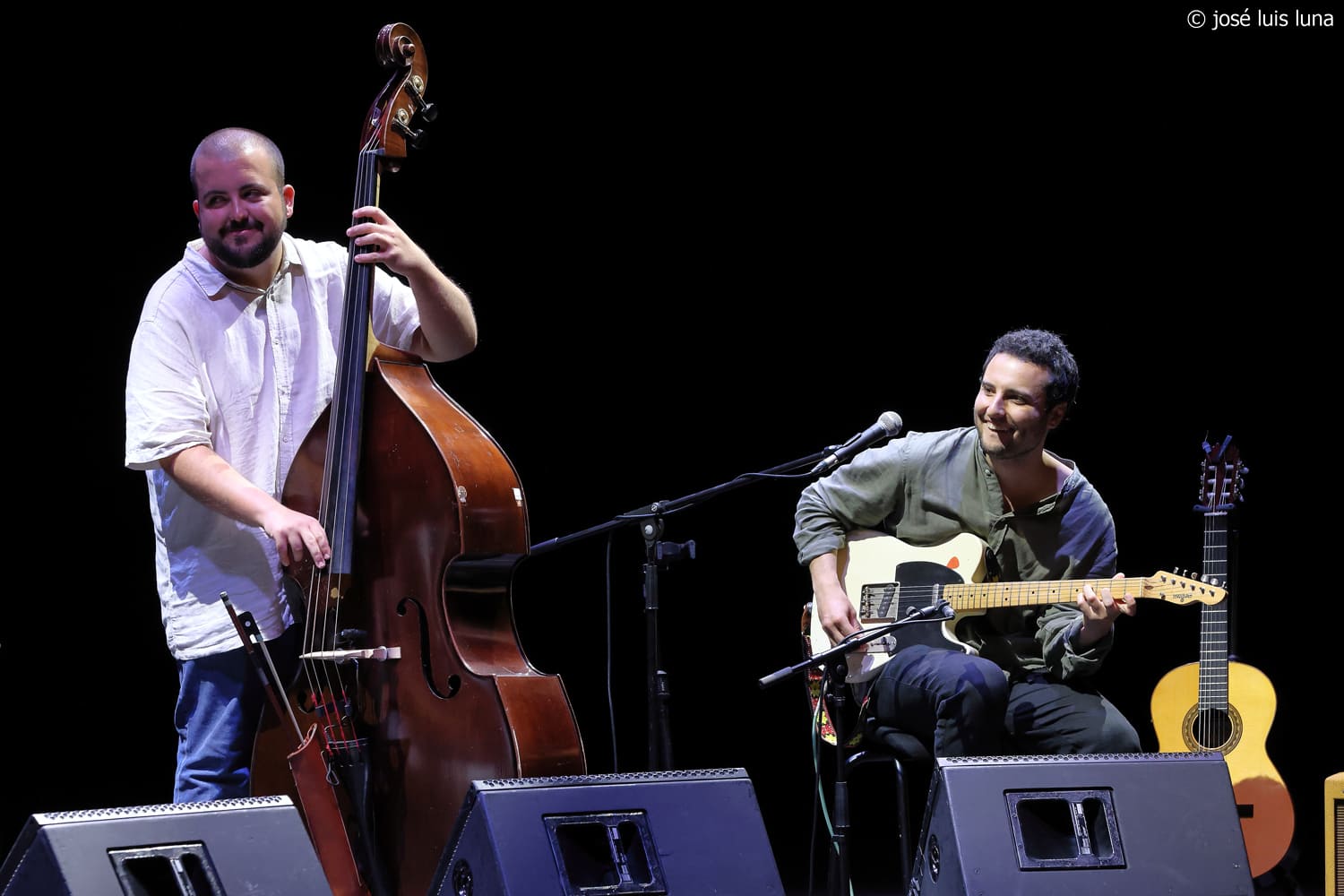
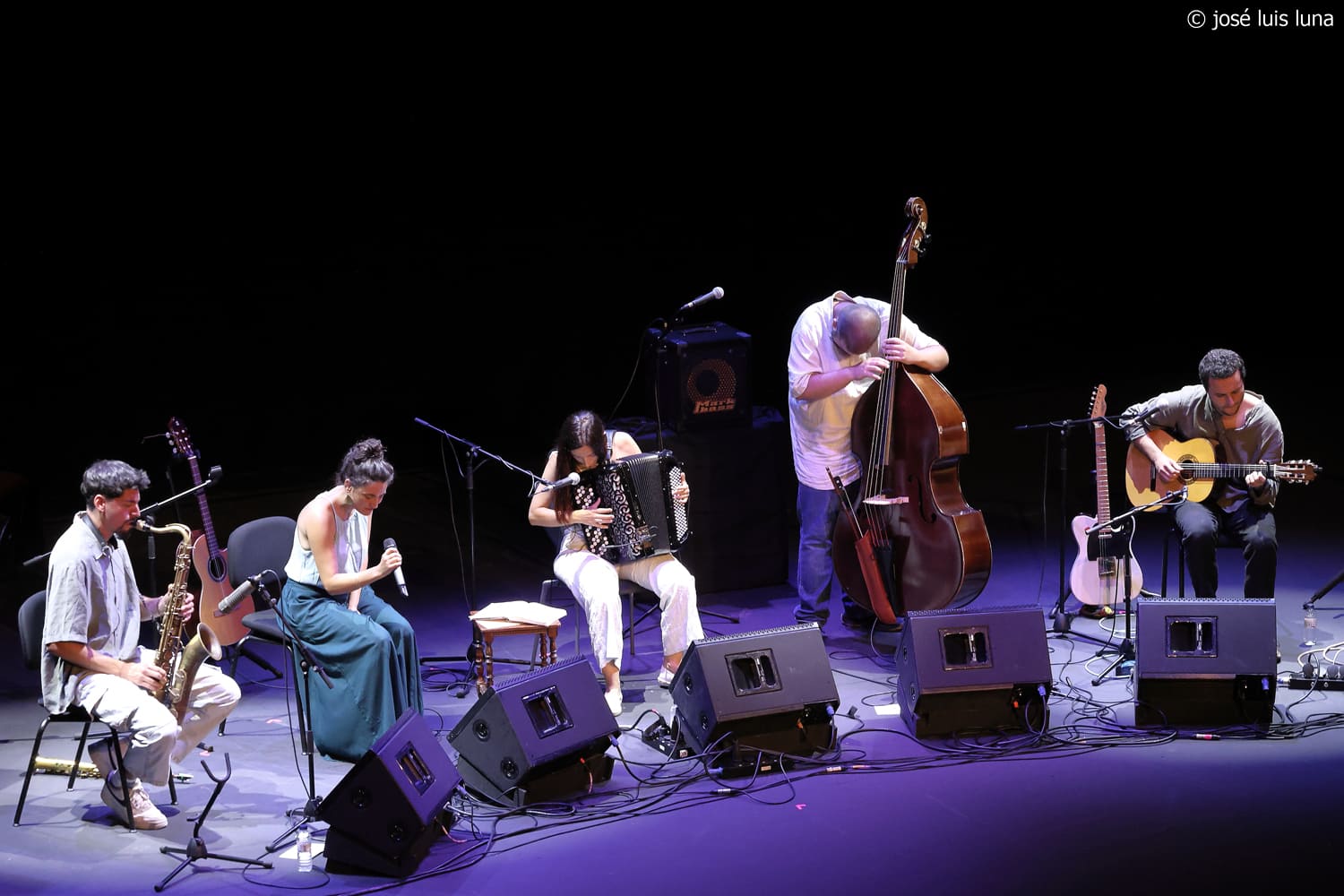
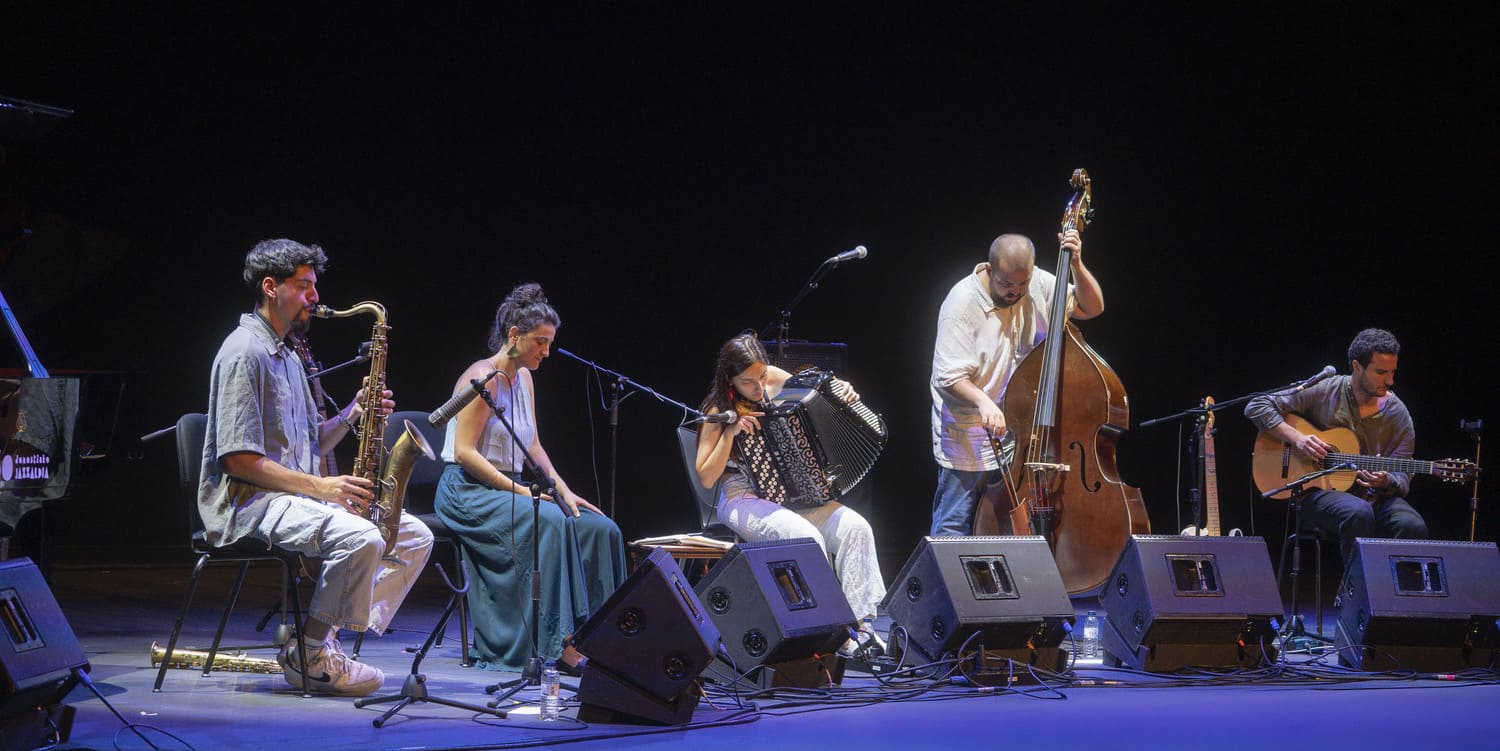
También escuchamos a Maite Ruiz de Erentxun, acordeón, Aura Mauri, voz, Crístopher Pérez, saxofón, Alesander Peña, guitarra, Manuel Luque, contrabajo. Conforman un quinteto acústico en el que el jazz actúa como eje estructural y marco de integración entre tradición y exploración. El grupo interpretó composiciones originales inspiradas en la cultura vasca, proyectándola hacia nuevas estéticas y lenguajes.
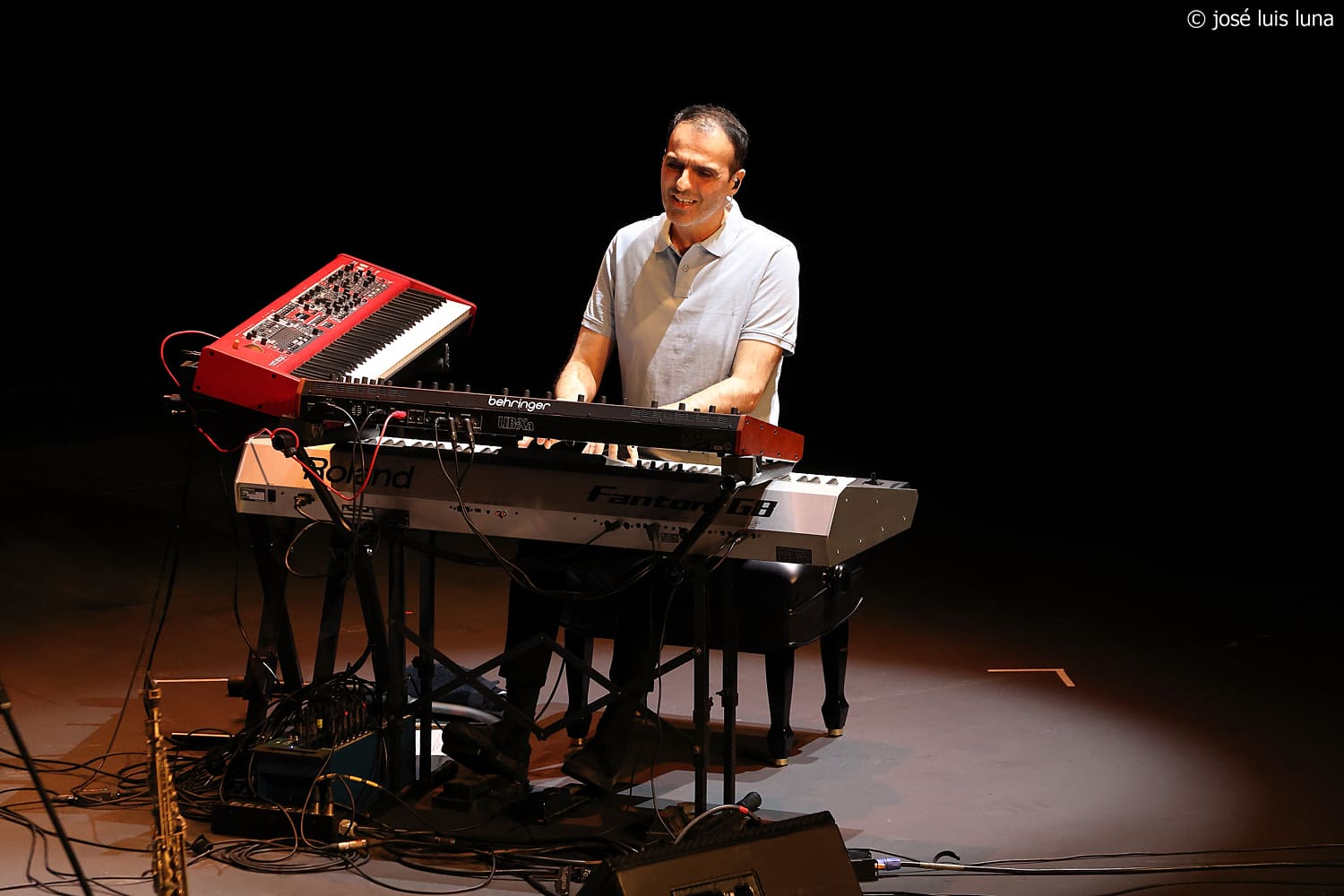
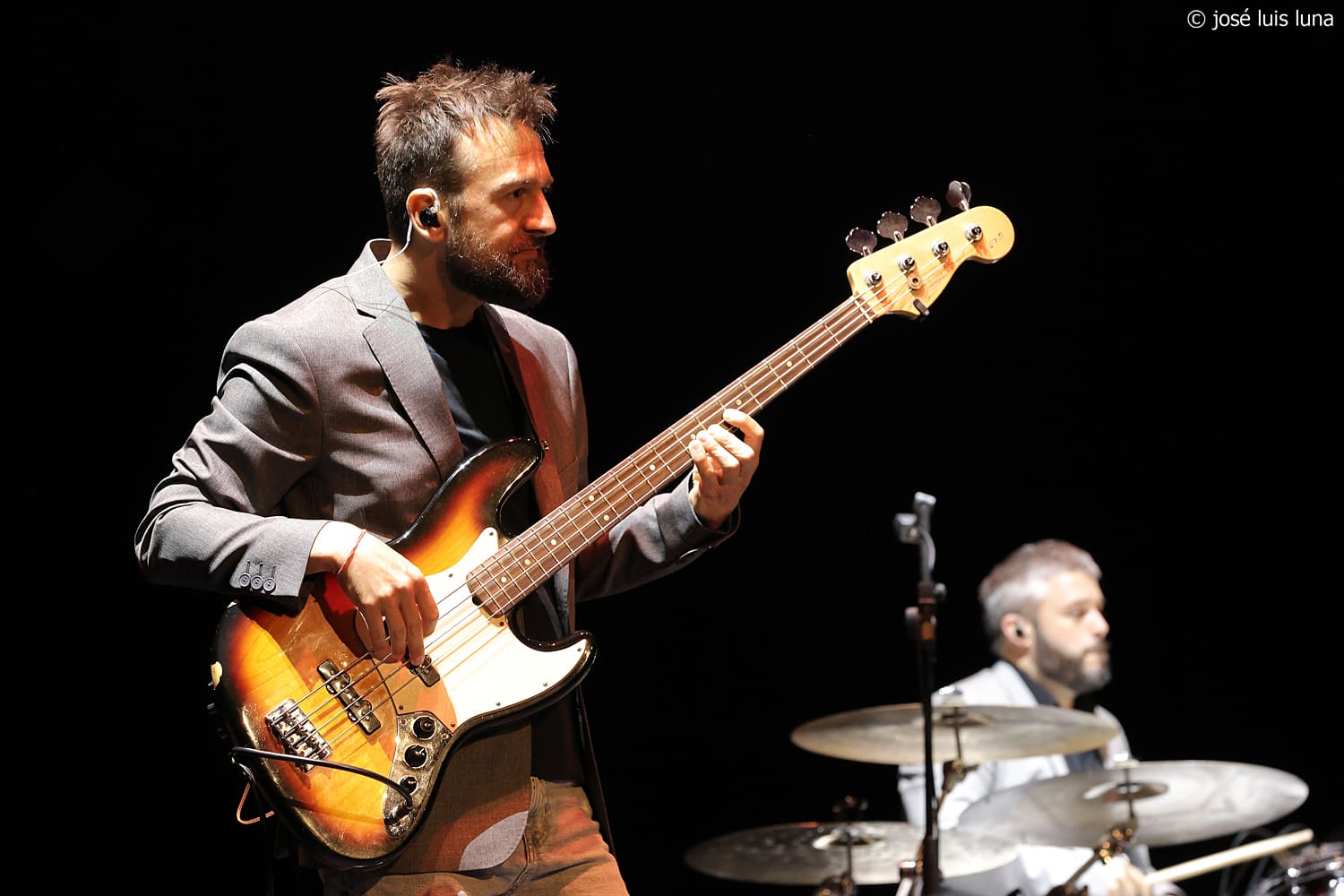
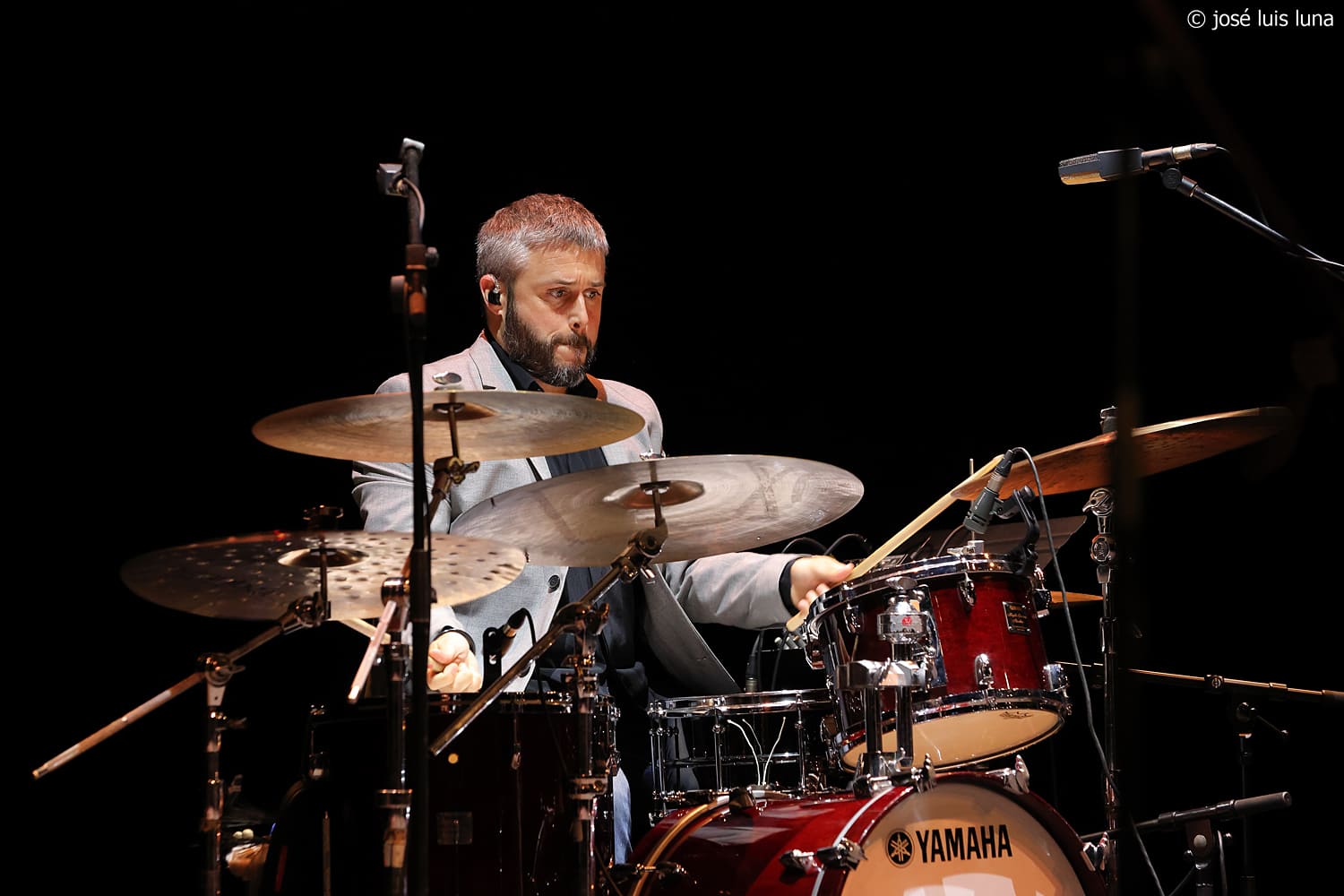
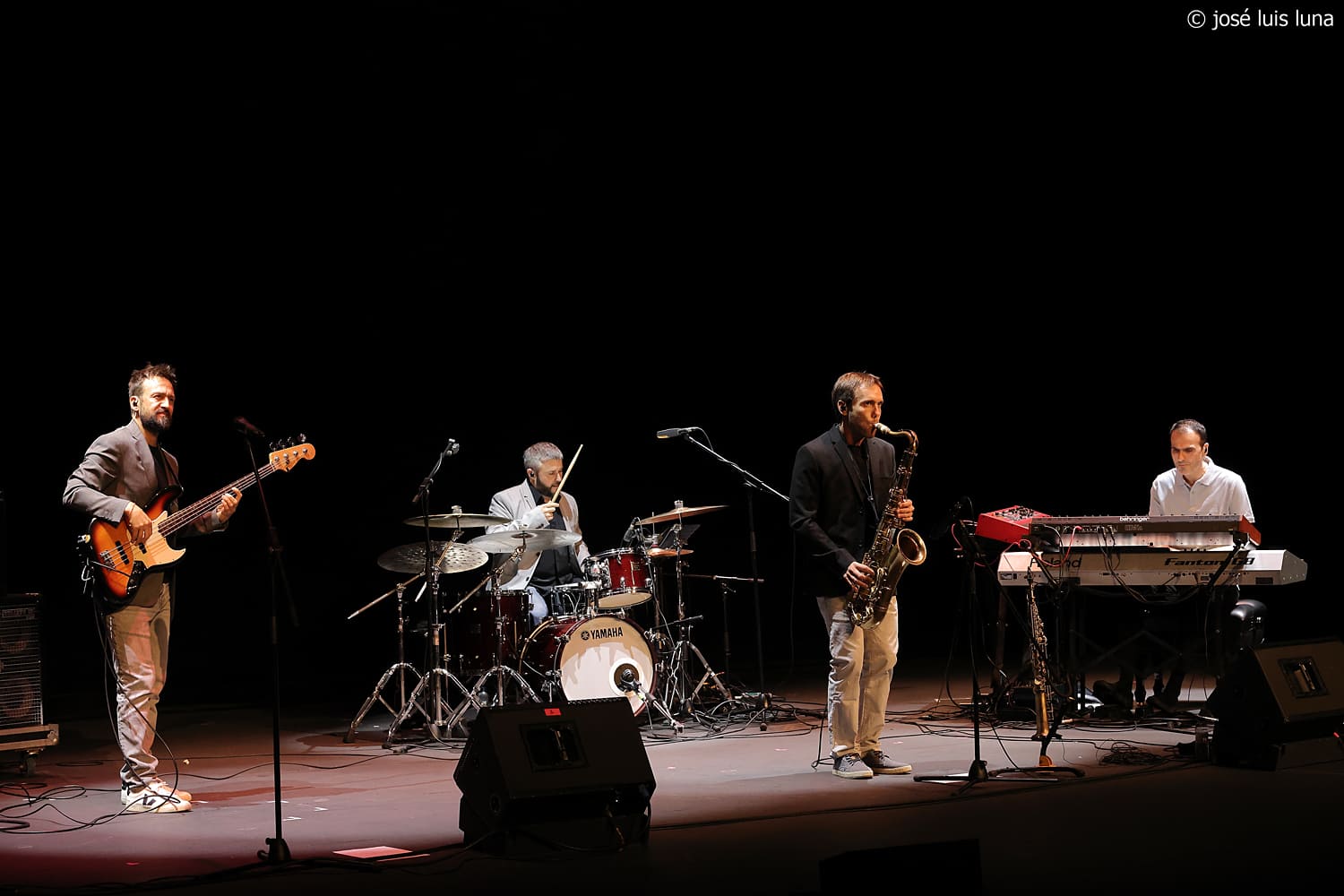


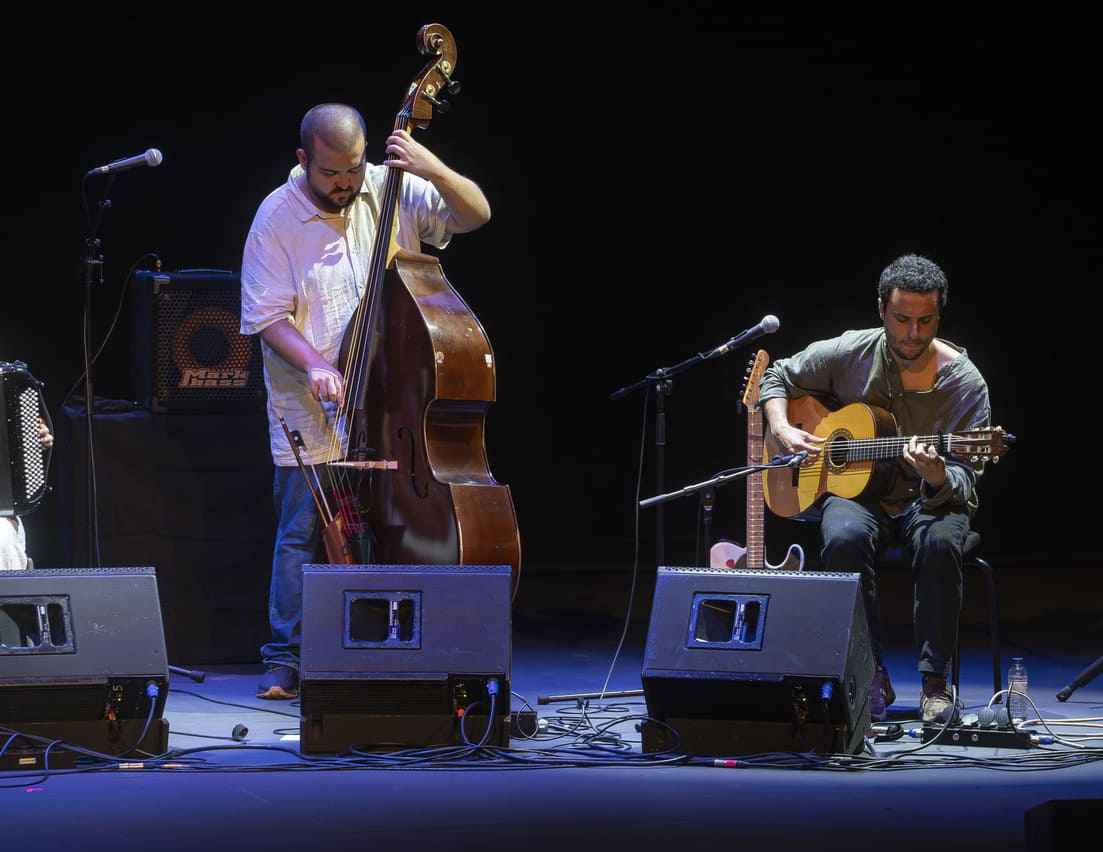

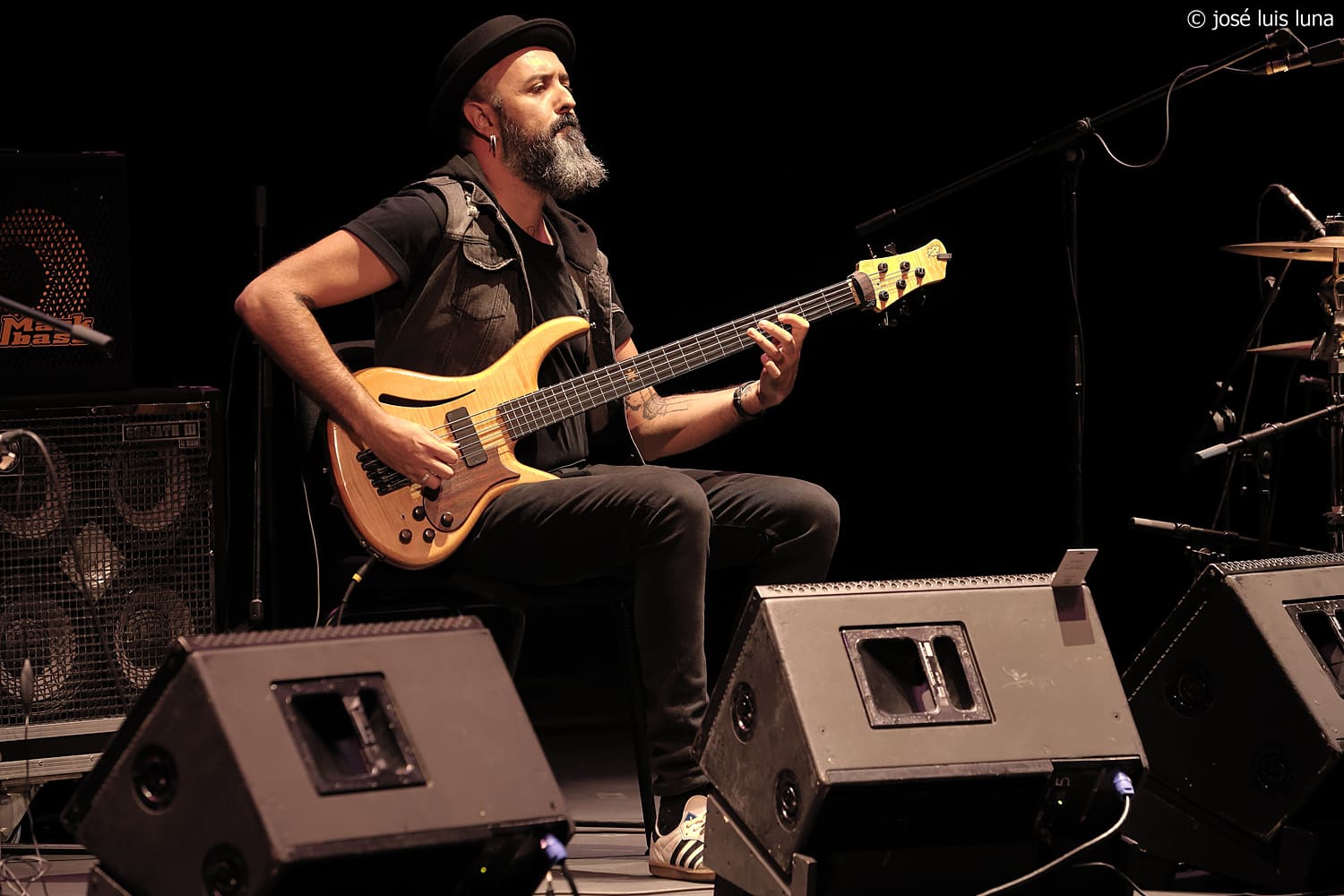
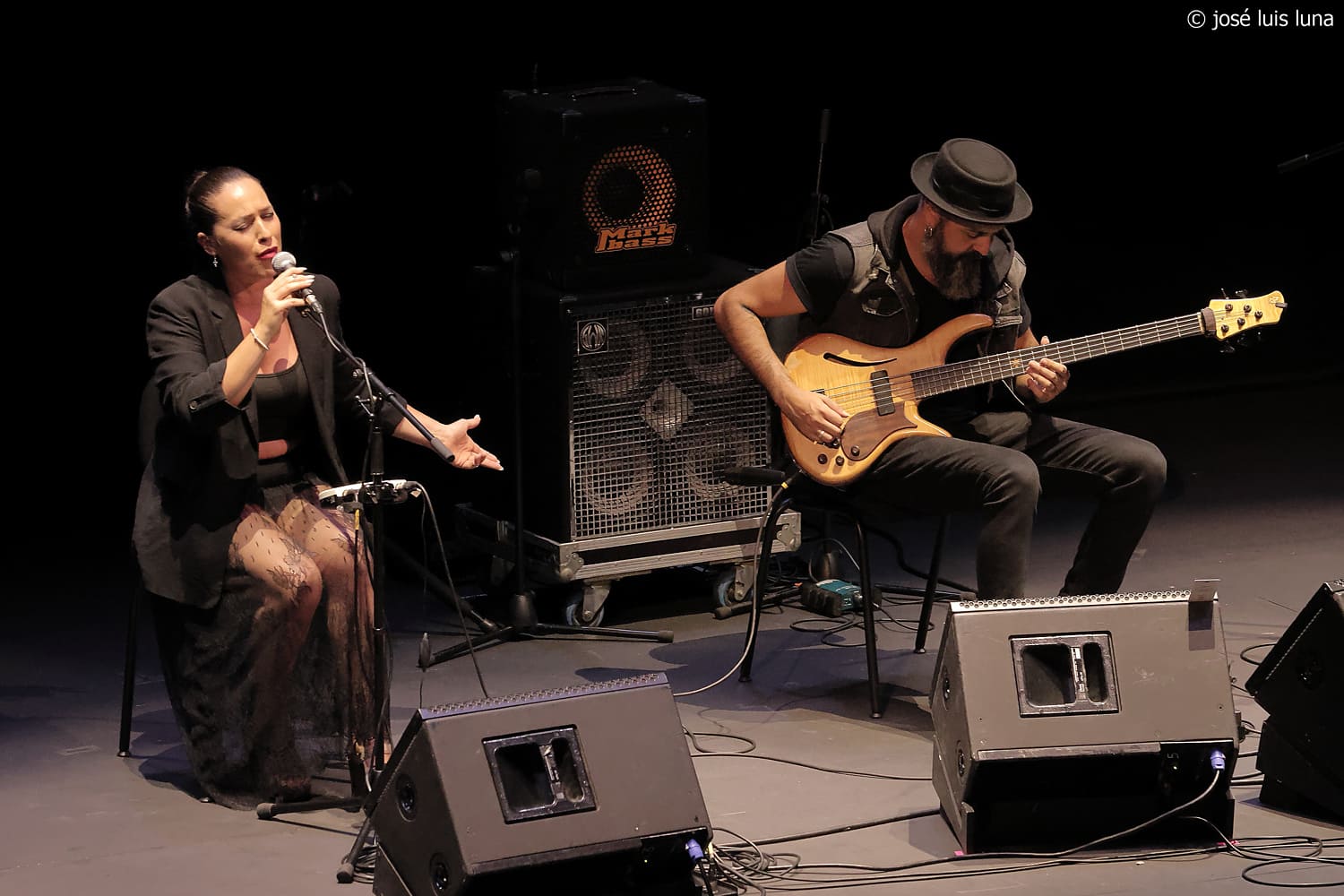
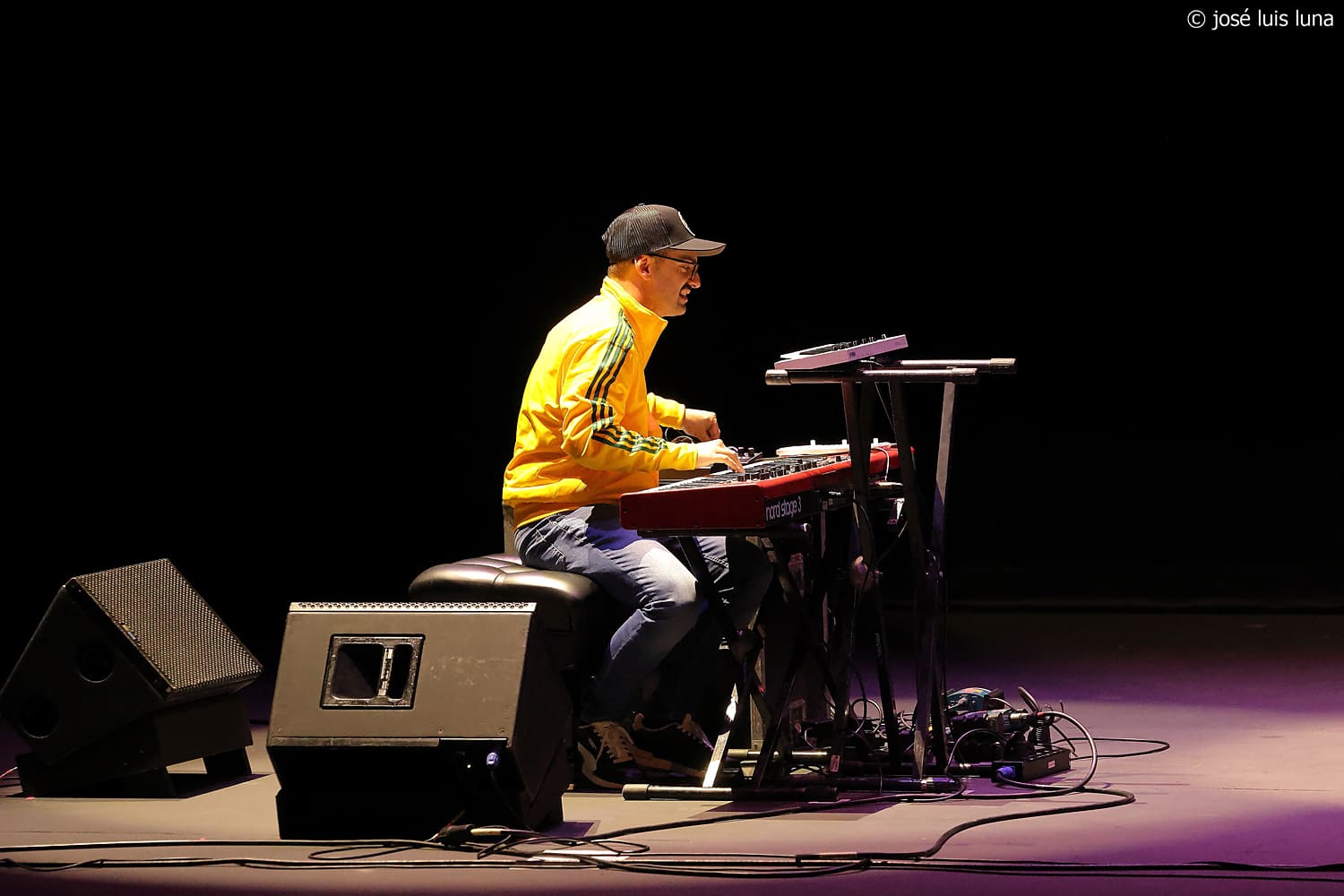
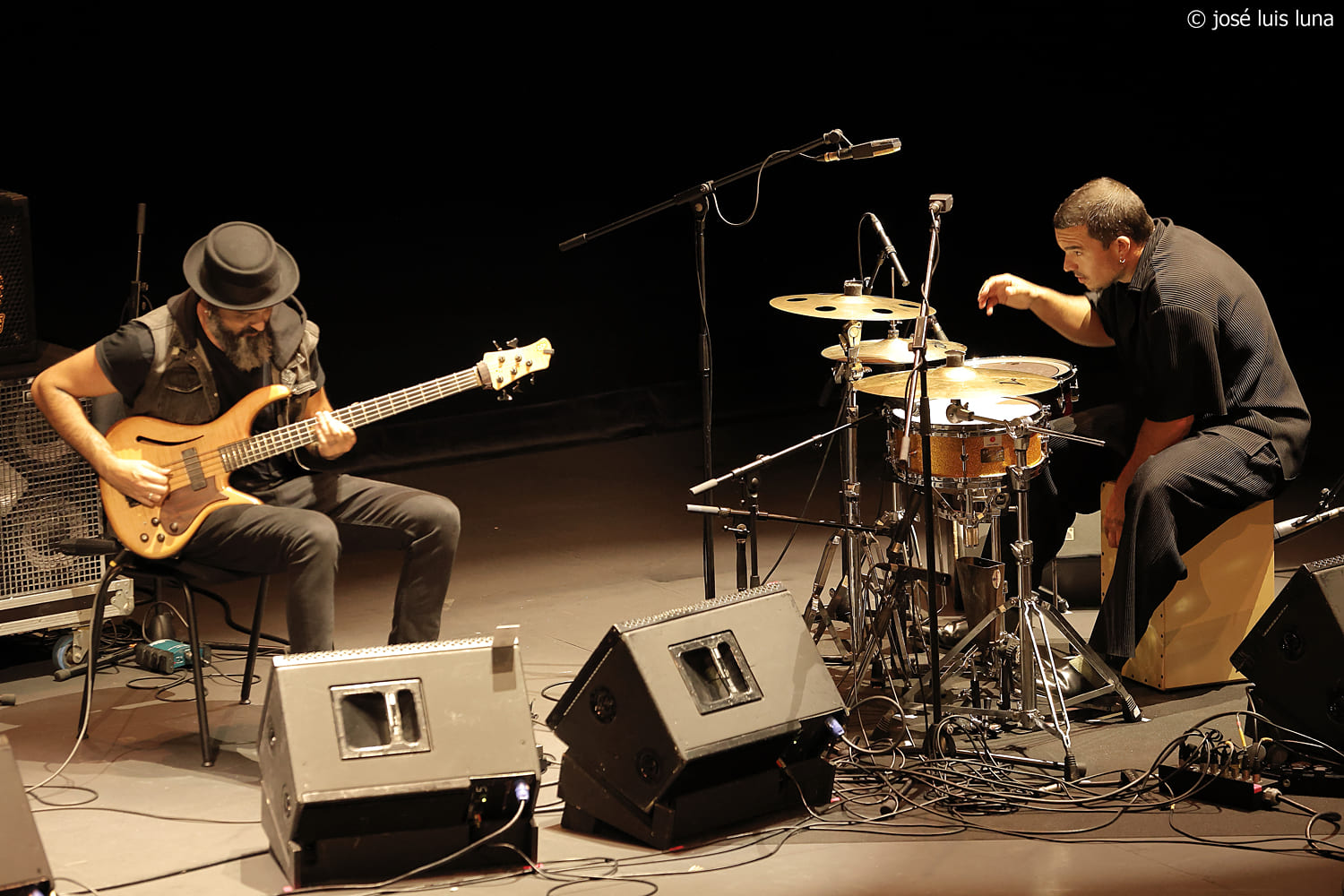
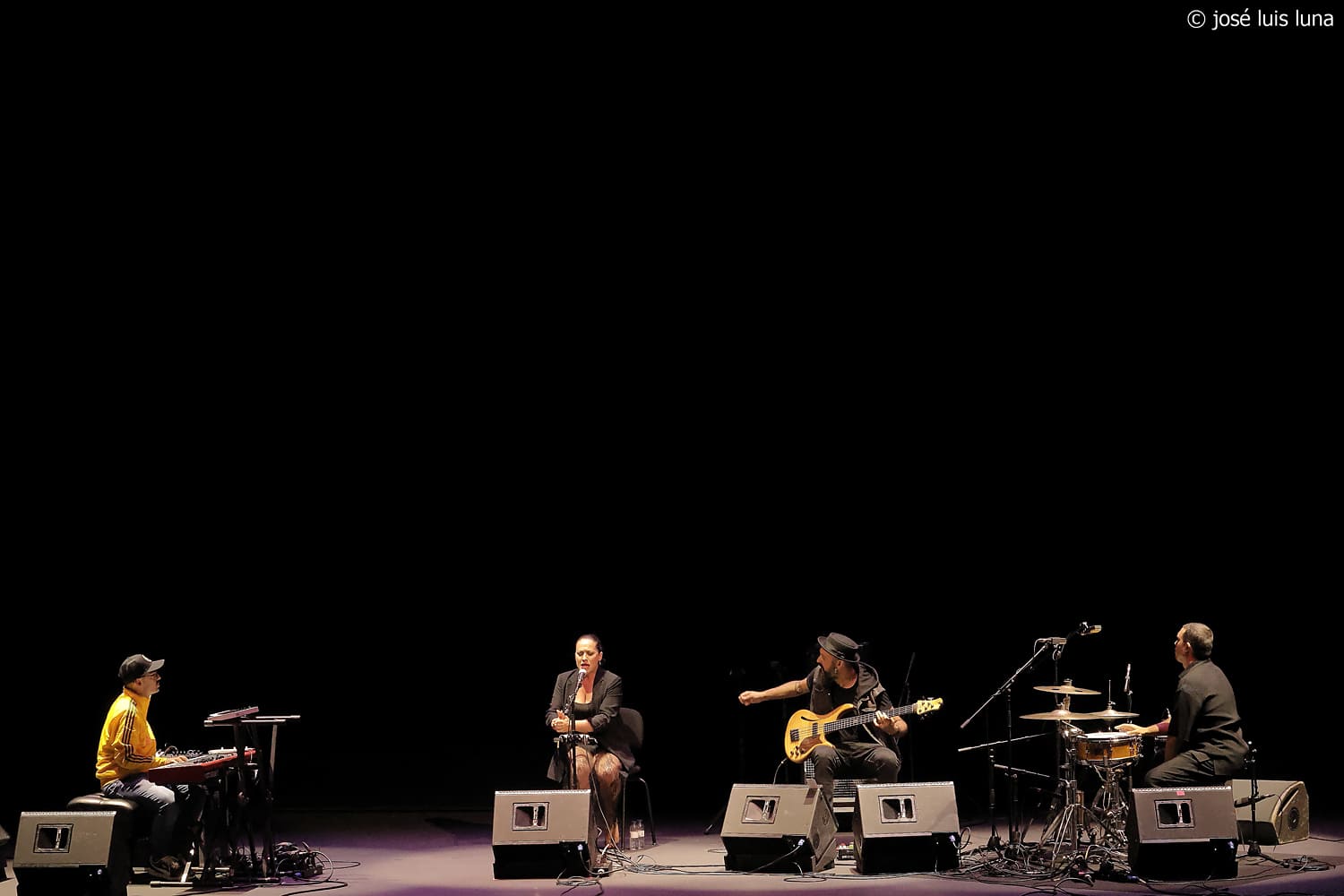
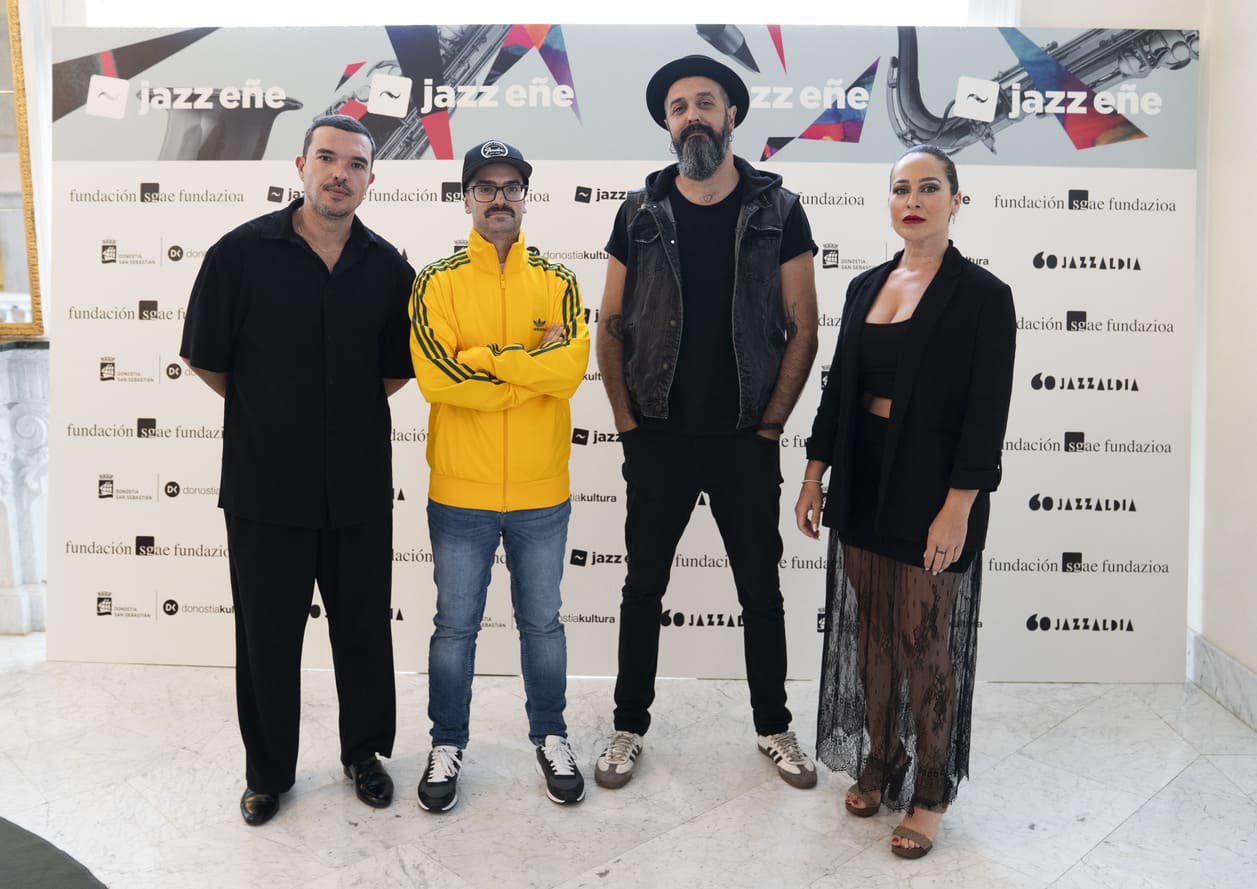
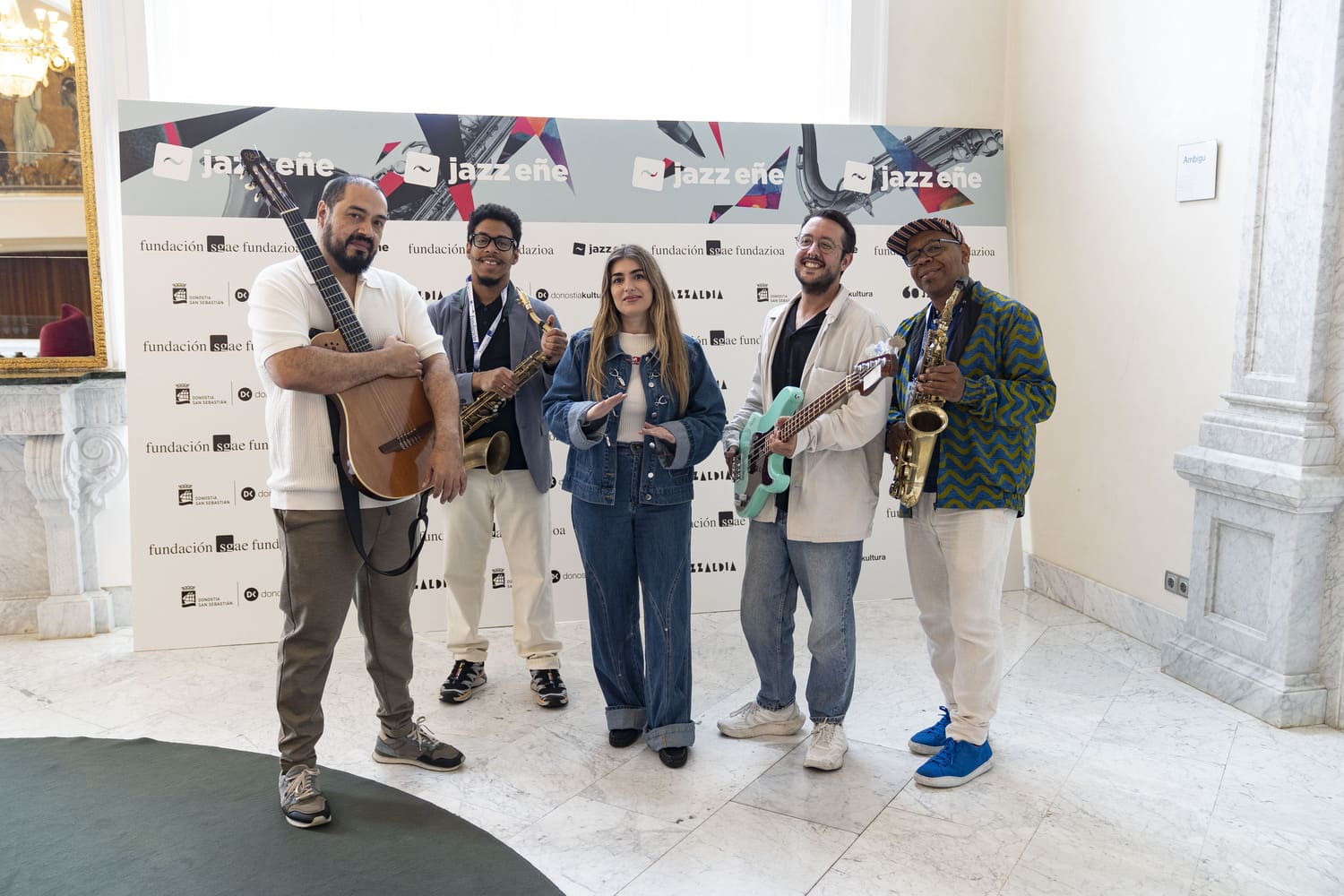
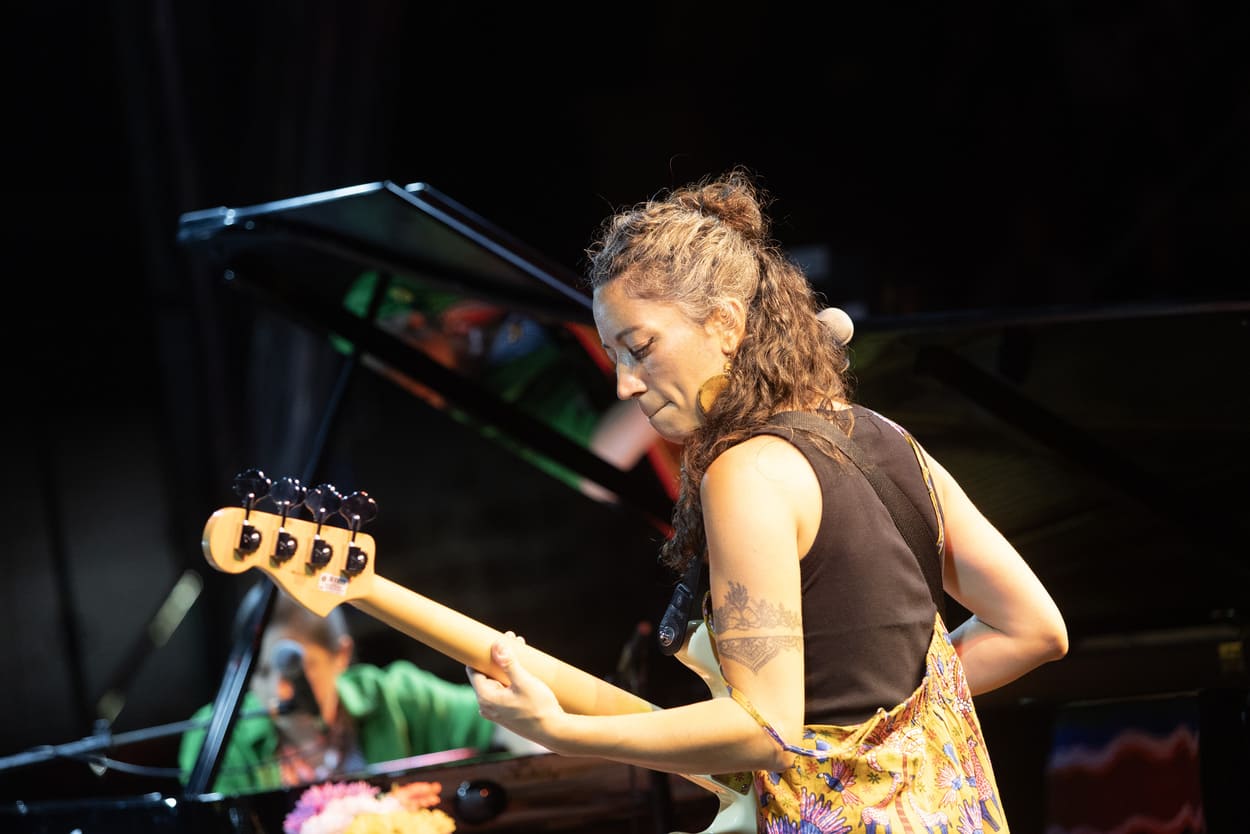
Juanfe Pérez, con Prohibido el Toque, exploró territorios del flamenco contemporáneo con una visión experimental. Su bajo eléctrico asumió roles cambiantes, alternando entre la guitarra flamenca y la profundidad de su instrumento original. Alicia Morales aportó dramatismo y hondura al cante, acompañada por dos músicos consagrados, como Kike Terrón a la percusión y David Sancho en los teclados. Brilló especialmente su adaptación por bulerías de Twenty Small Cigars de Frank Zappa, en la que la formación mostró una notable interacción técnica.
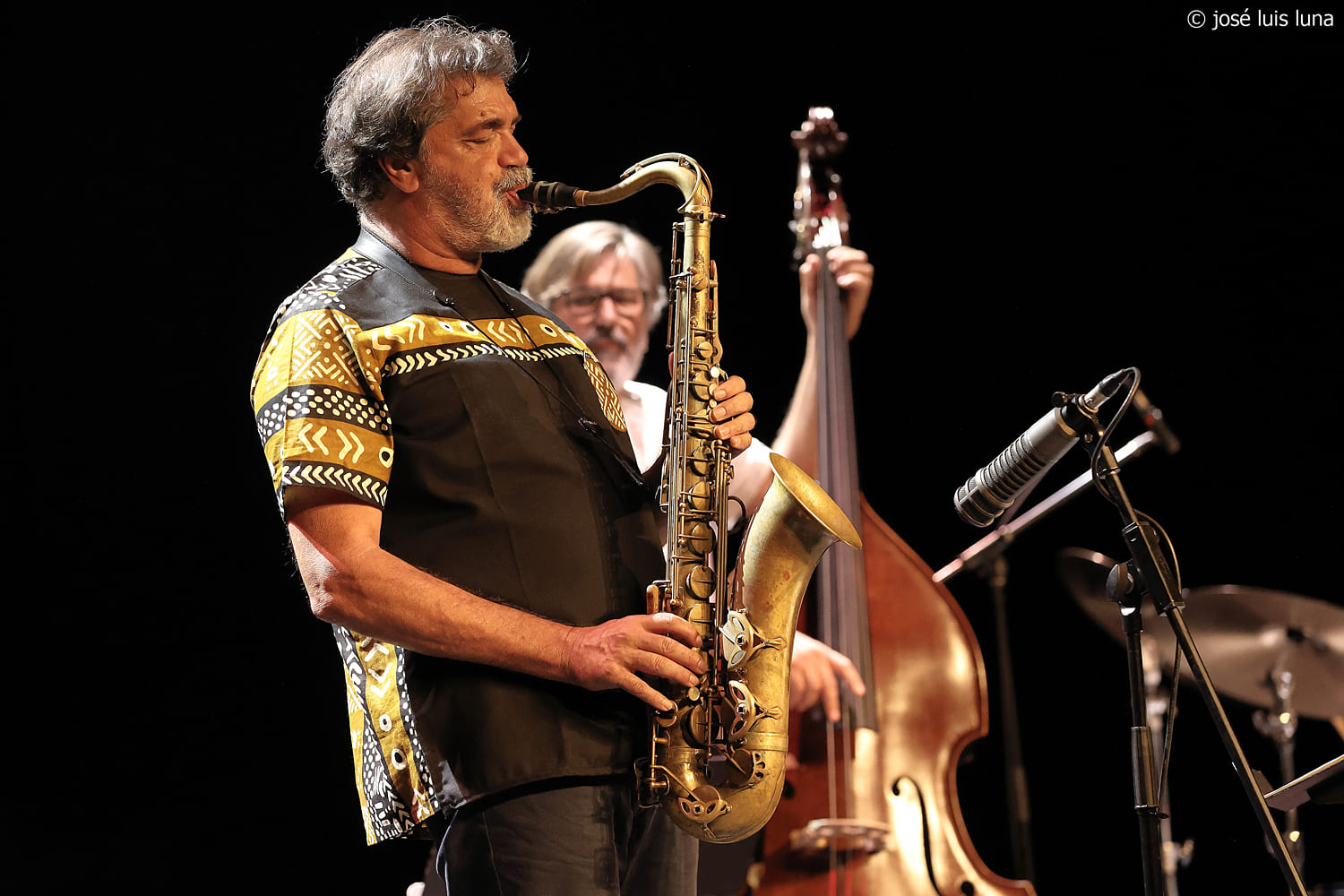
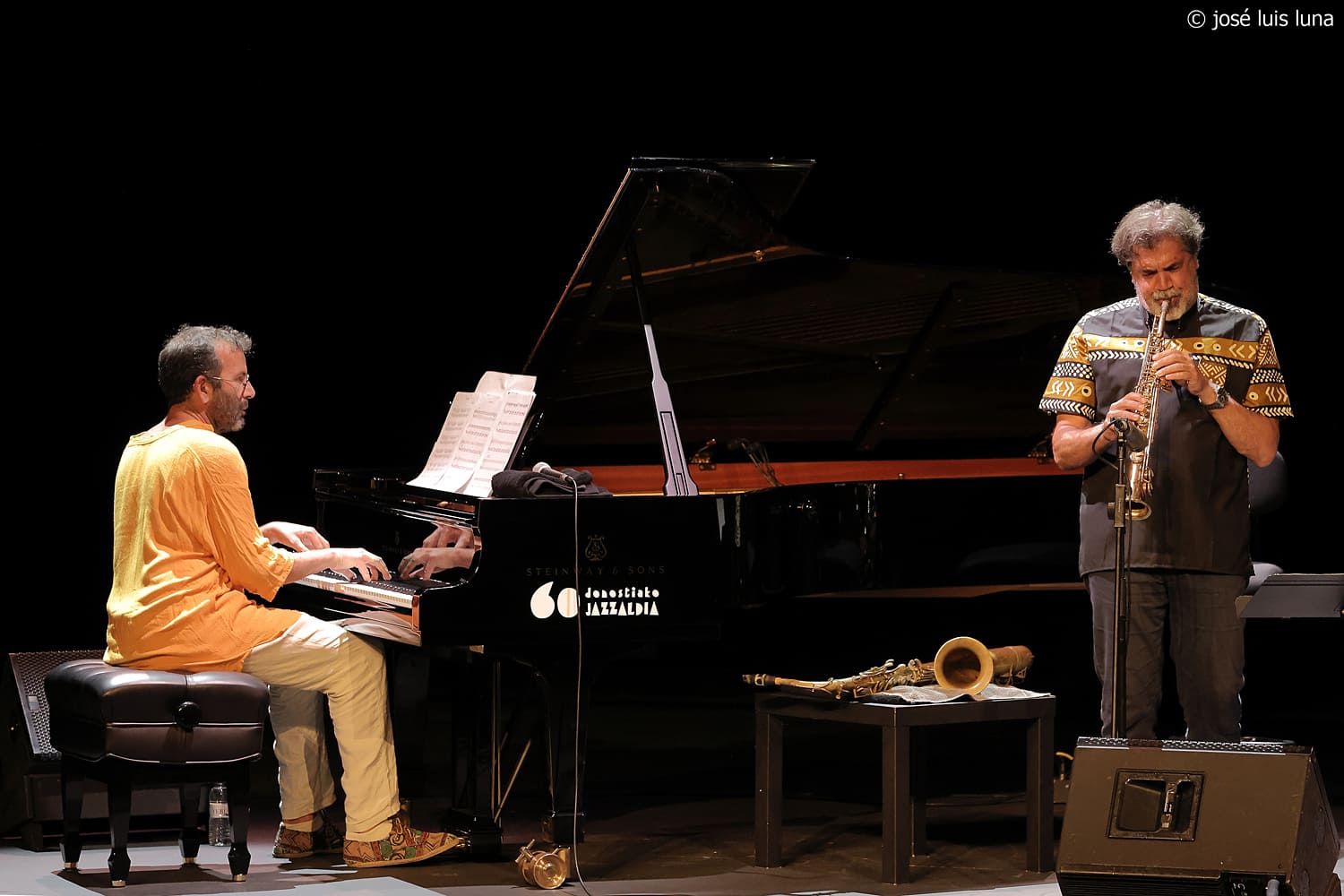
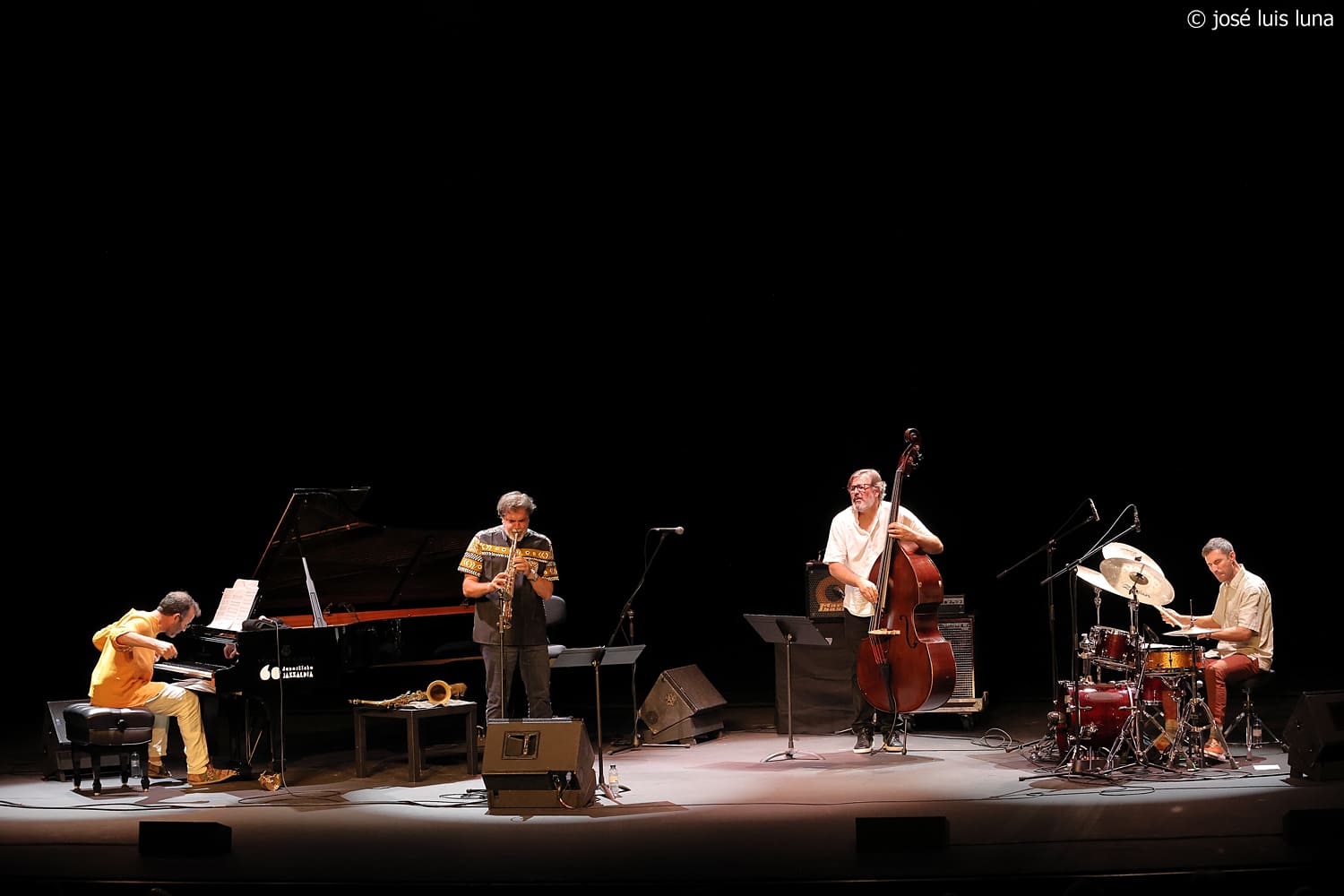
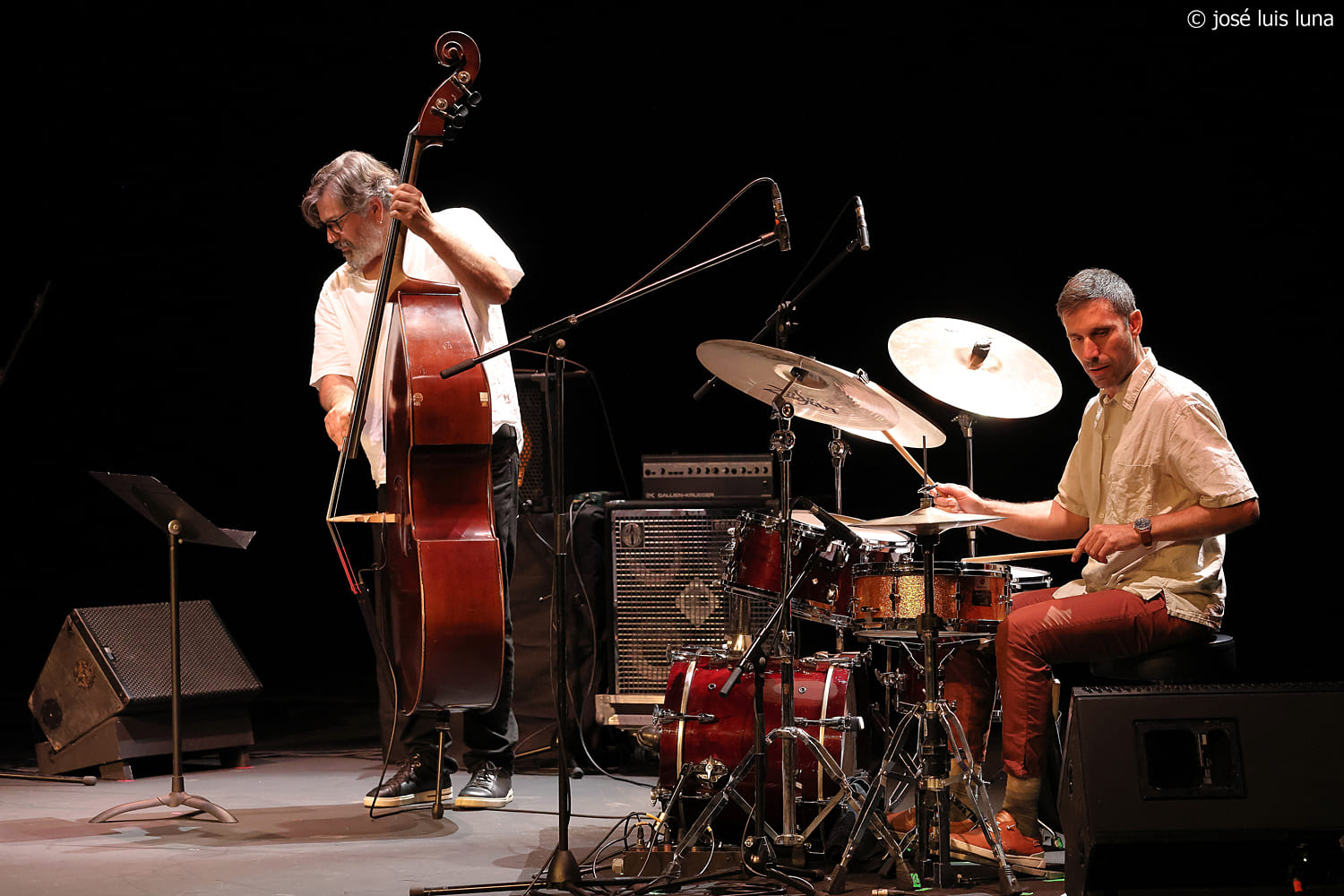
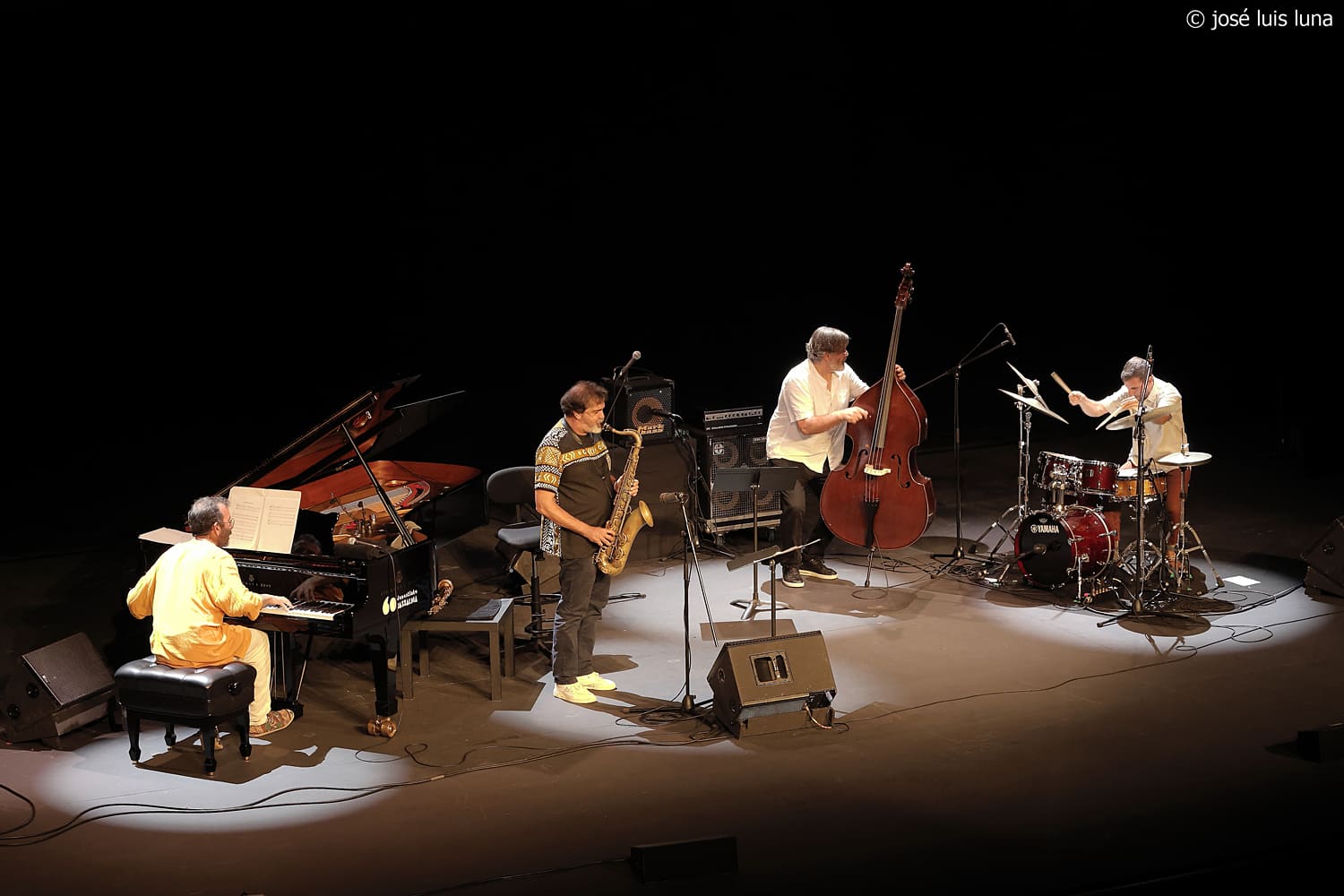
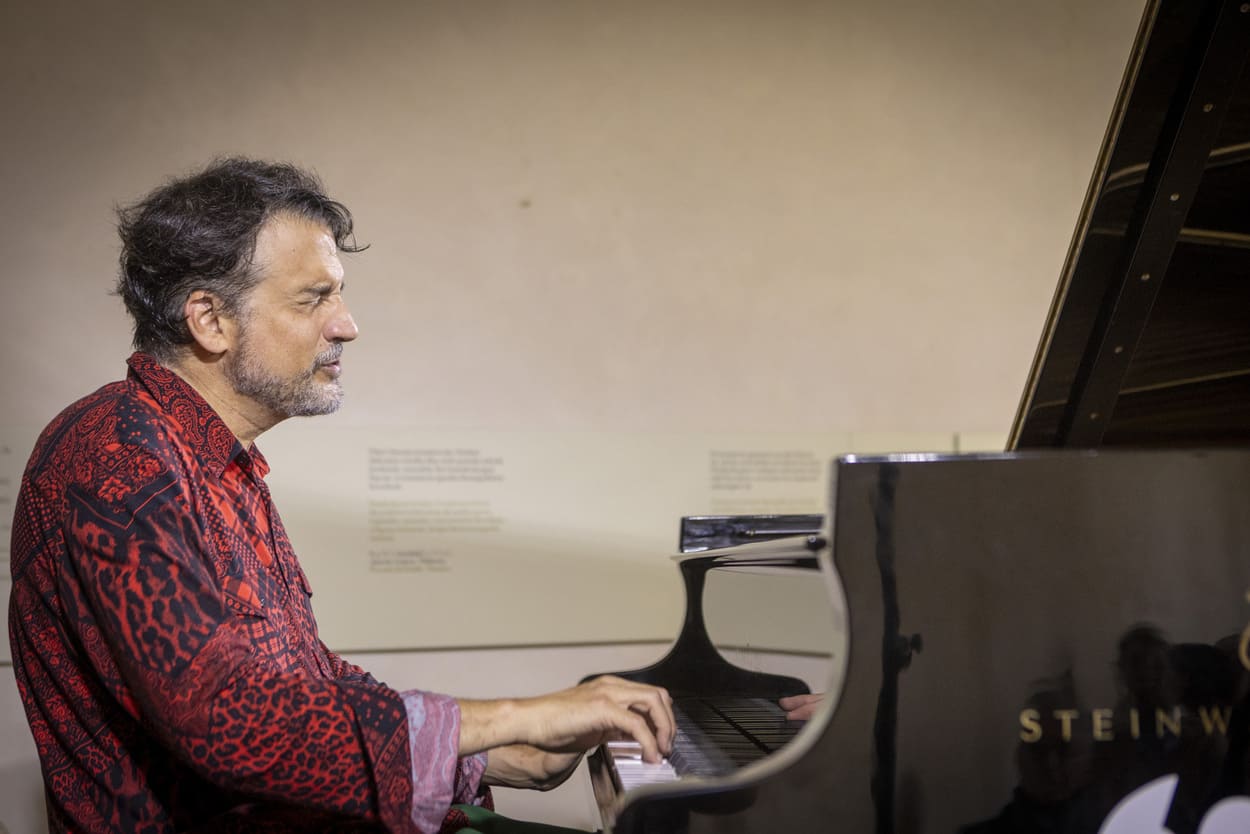
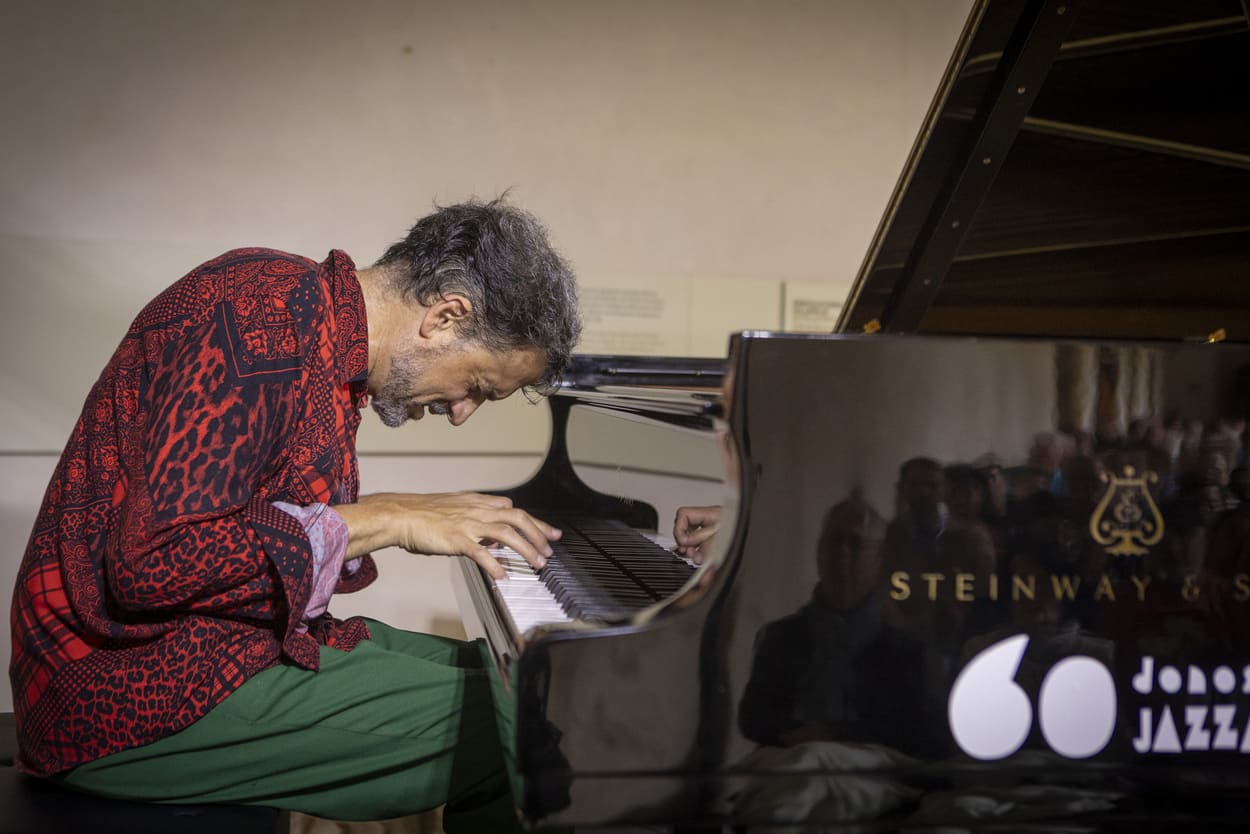
Para seguir con Cuarteto Federal, integrado por cuatro músicos consagrados, Guillem Arnedo, batería, Kike Perdomo, saxos, Javier Galiana, piano y Xacobe Martínez Antelo, contrabajo. Presentó Cuatro Puntos Cardinales, un proyecto de jazz contemporáneo donde convergen lenguajes modernos y raíces locales. Grabado en A Coruña tras una residencia artística. Es un proyecto con fuerza, marcado por una compenetración excepcional entre sus integrantes. Escuchamos composiciones originales del cuarteto como Jota Federal y 4 Puntos Cardinales, Congo Jake. Porto de Mar.
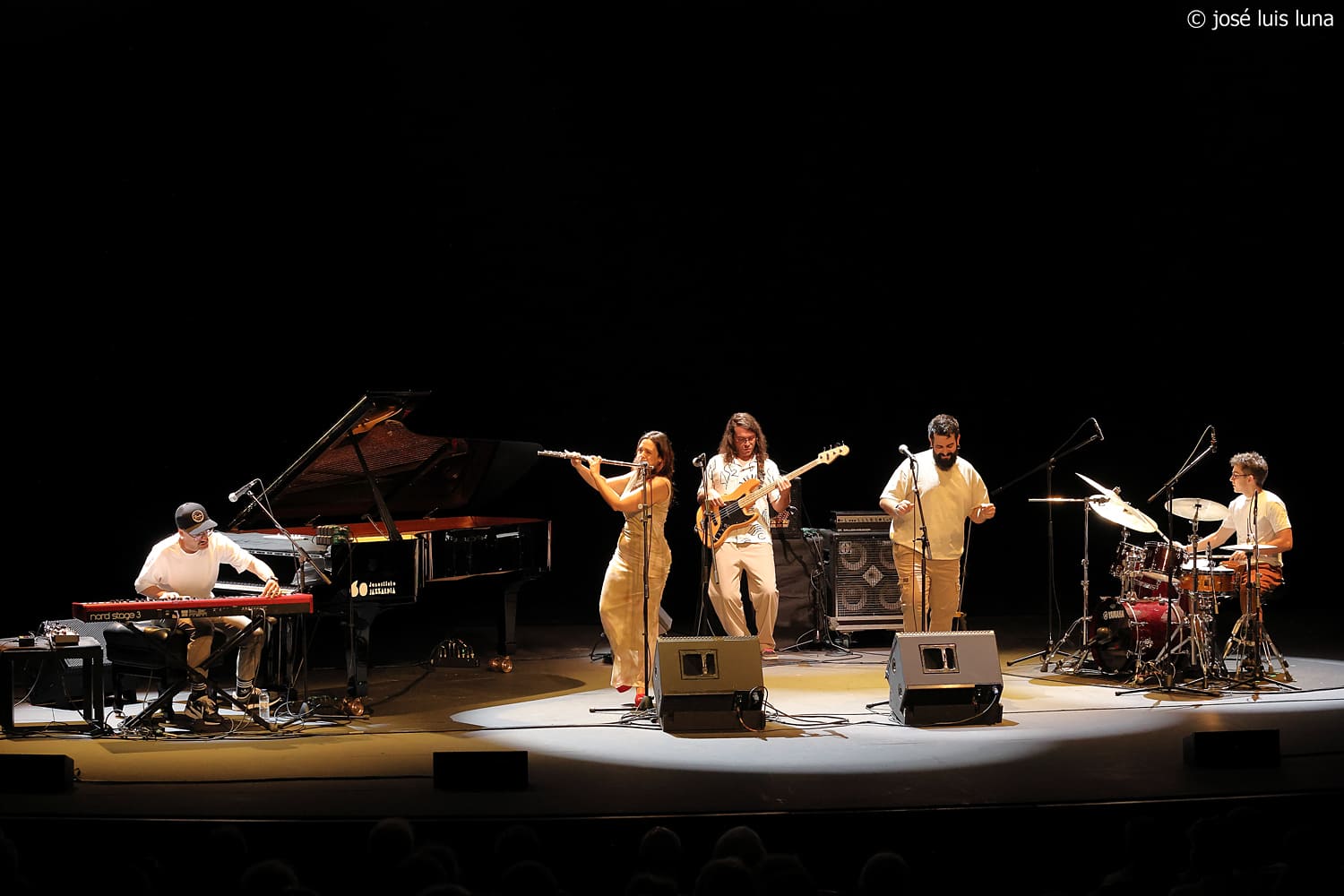
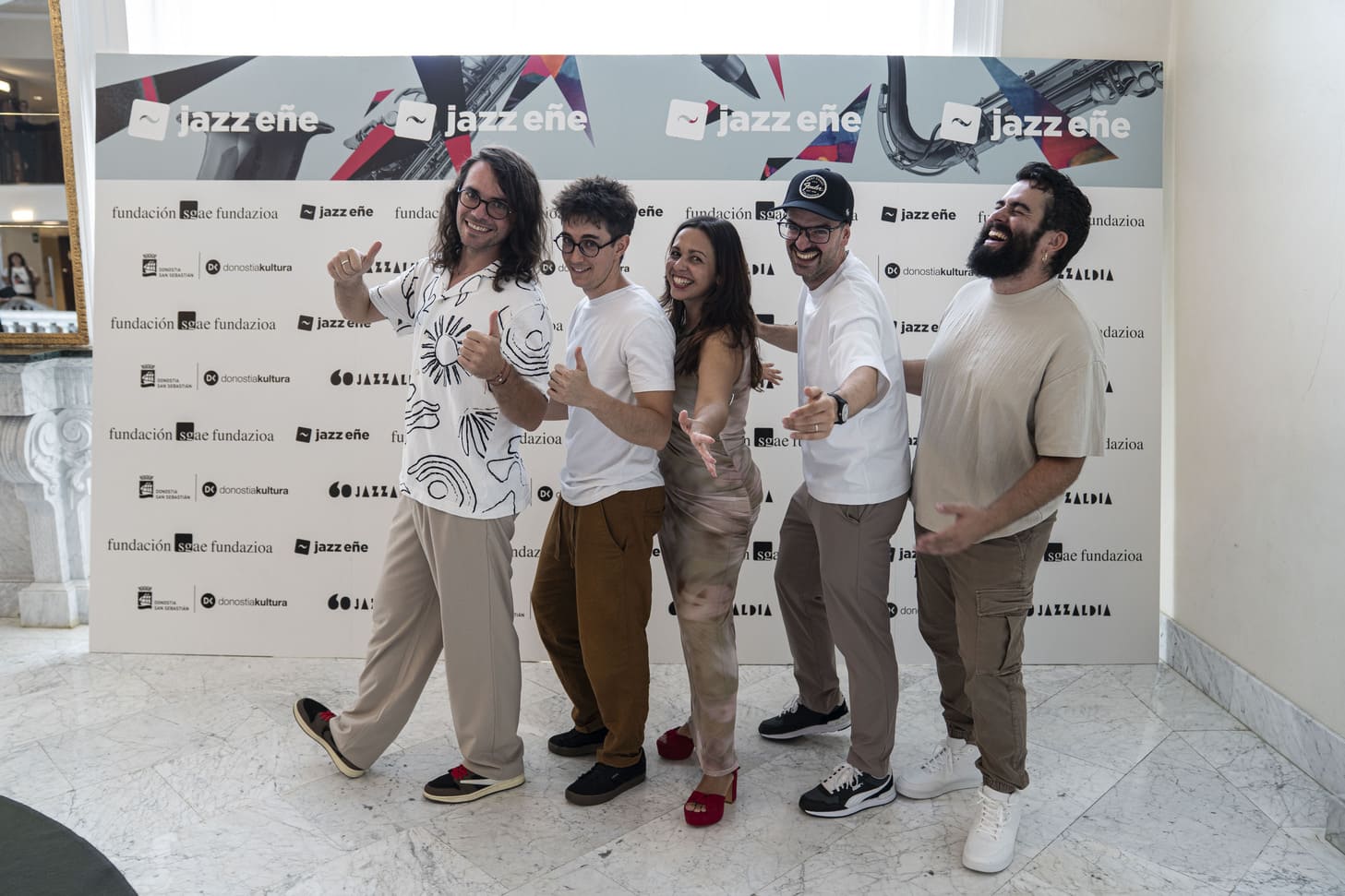
La flautista y compositora Marta Mansilla lidera Eme Eme Project, un quinteto electroacústico que fusiona jazz, soul, R&B y hip-hop con una personalidad única. Con esta formación presentó su nuevo trabajo discográfico, Mutantis Mutandis, un proyecto artesanal y contemporáneo con un hilo conductor que une letras con ritmos urbanos y pinceladas de rock progresivo en una propuesta bien lograda, fresca y bailable. Para dar vida a este proyecto Mansilla se rodea de músicos excepcionales, David Sancho (piano, teclado Nord Stage, sintetizadores), Antonio Tomás Sepúlveda (voz), Jesús Caparrós Caballero (bajo eléctrico) y Rodrigo Ballesteros (batería).
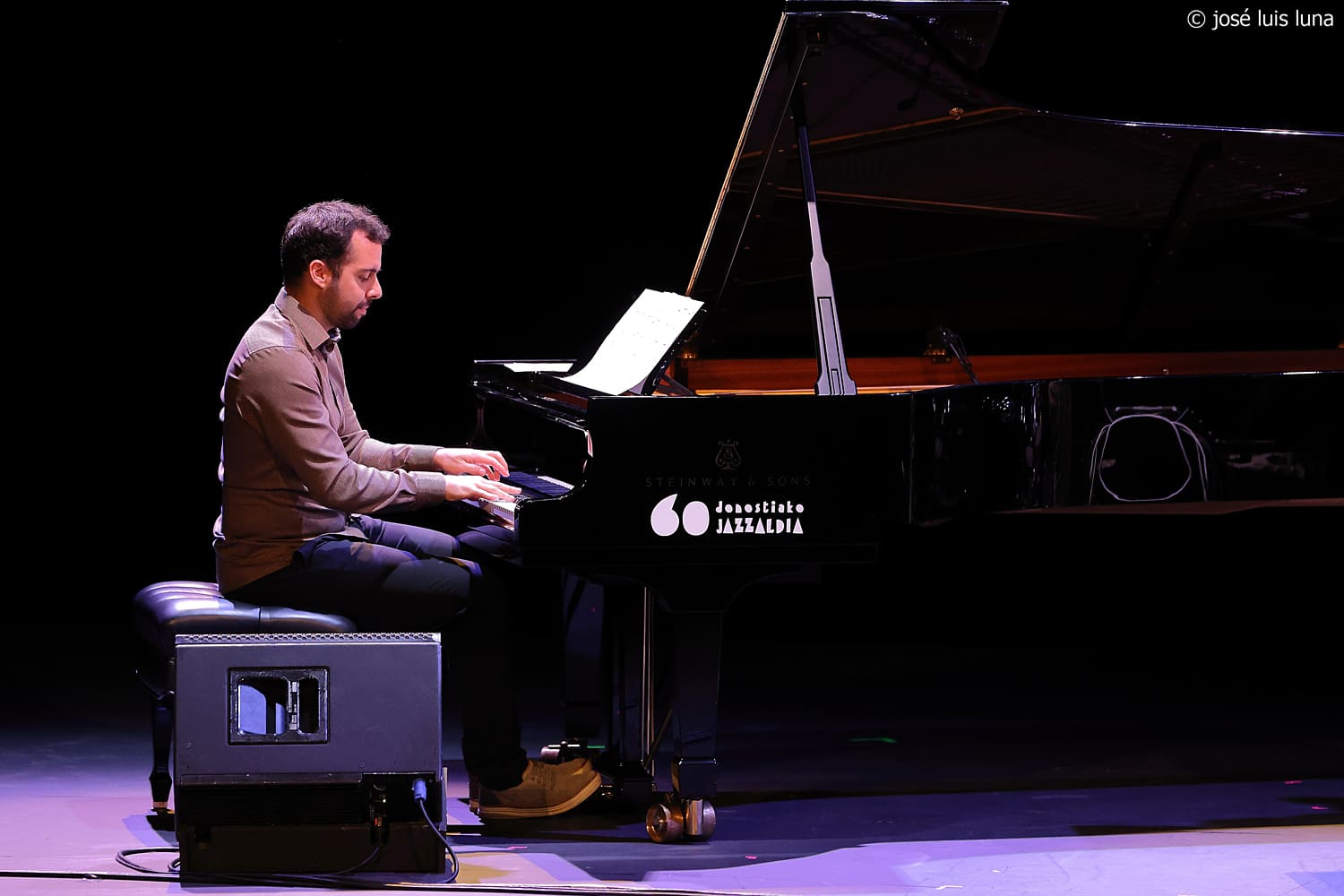
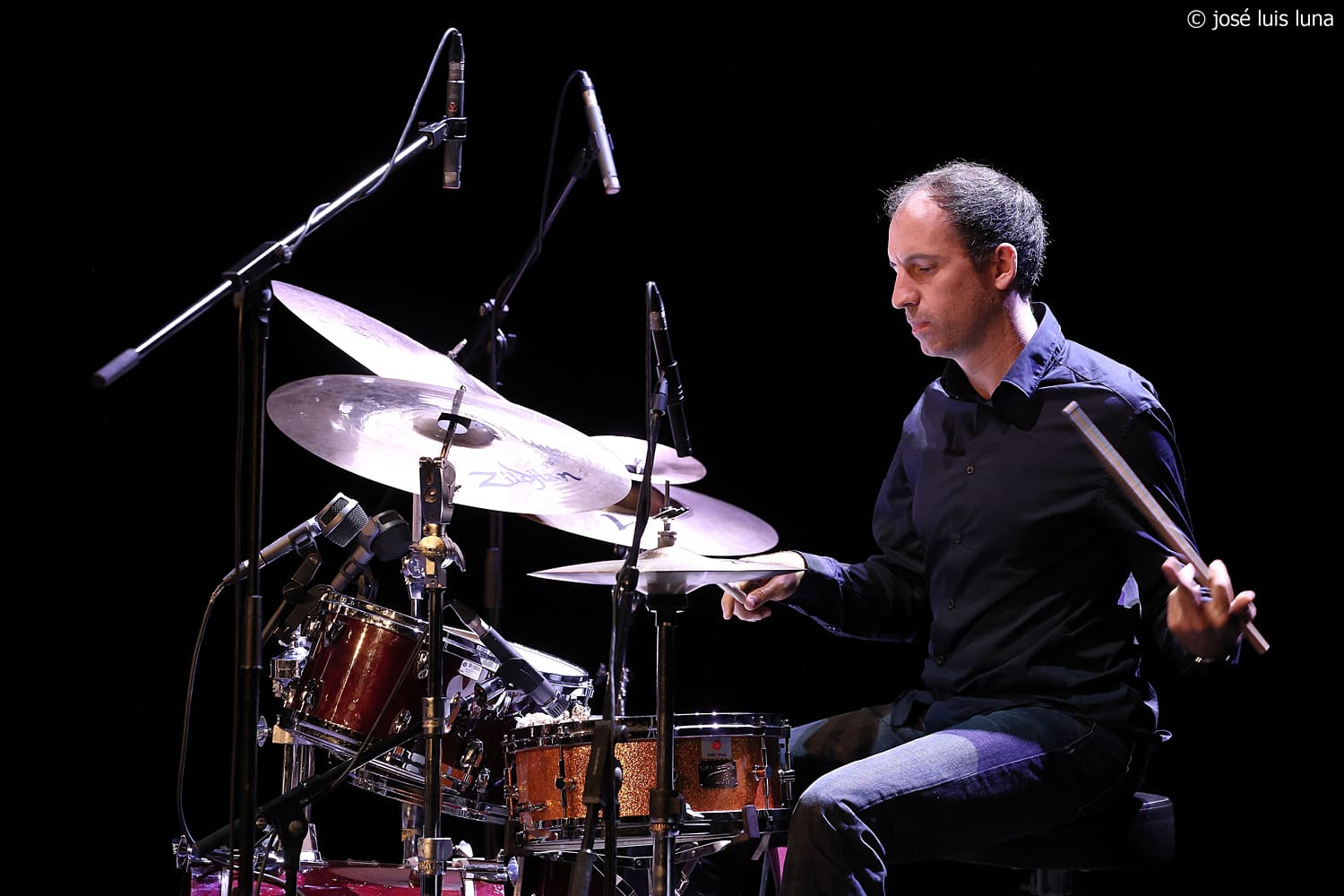
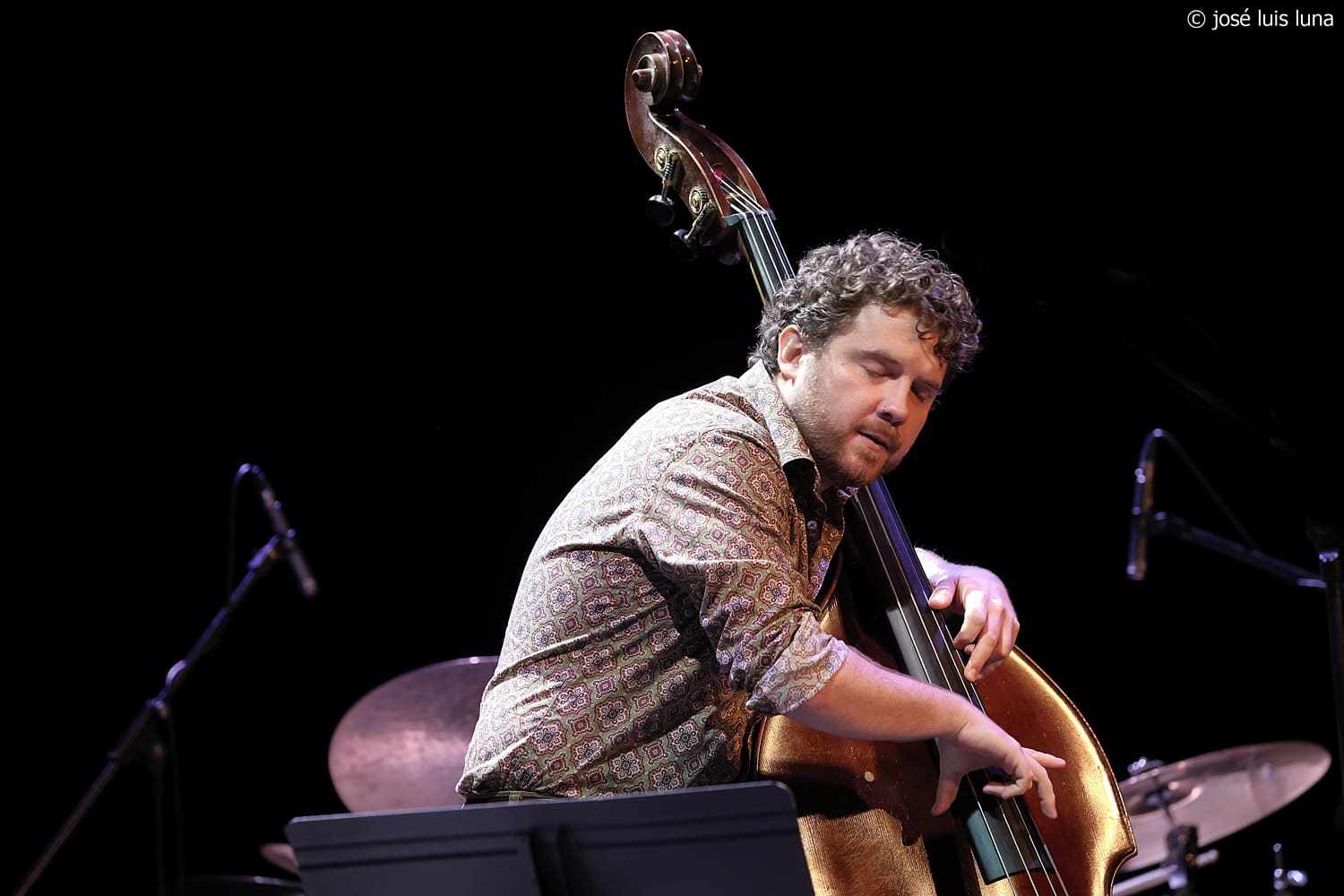
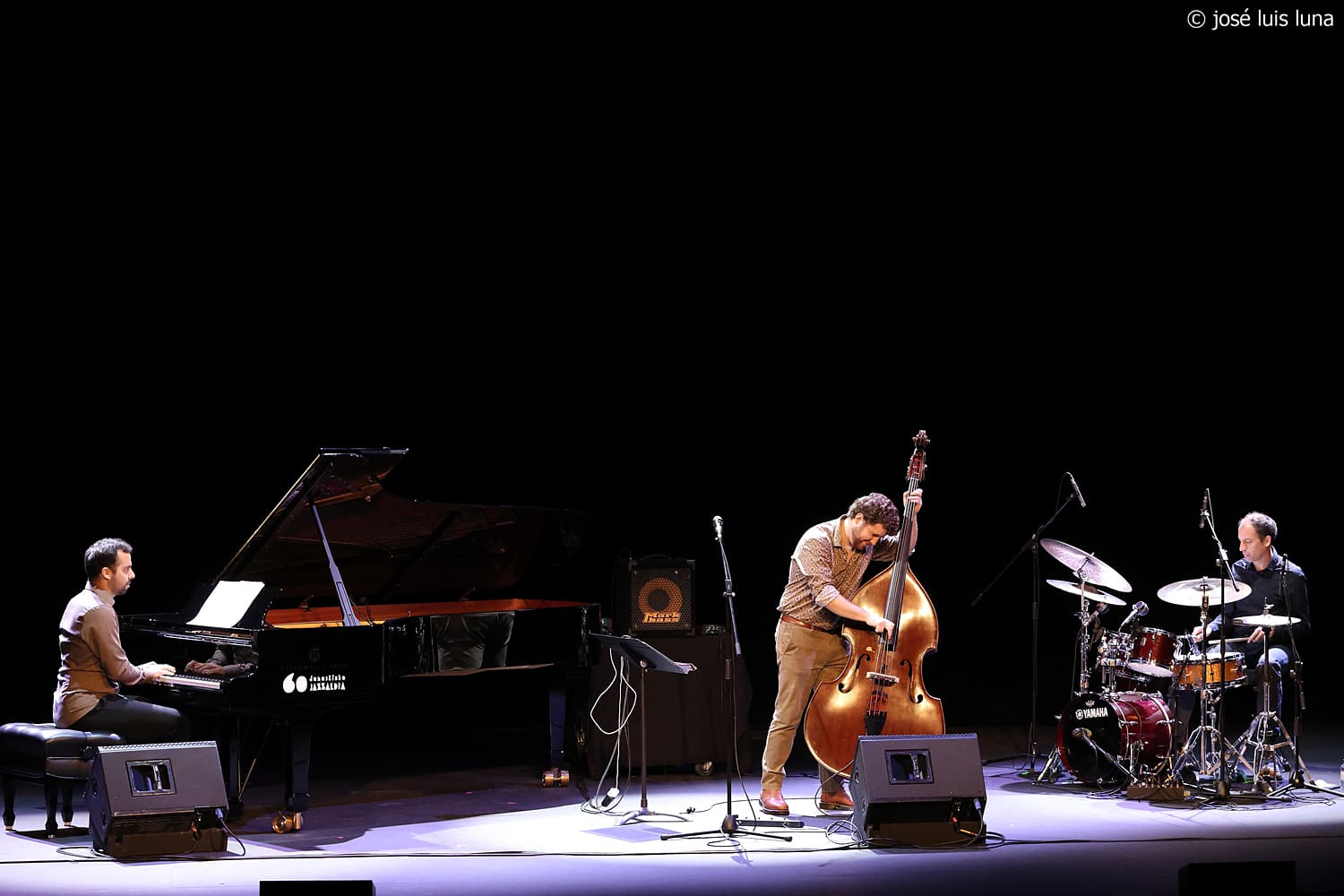
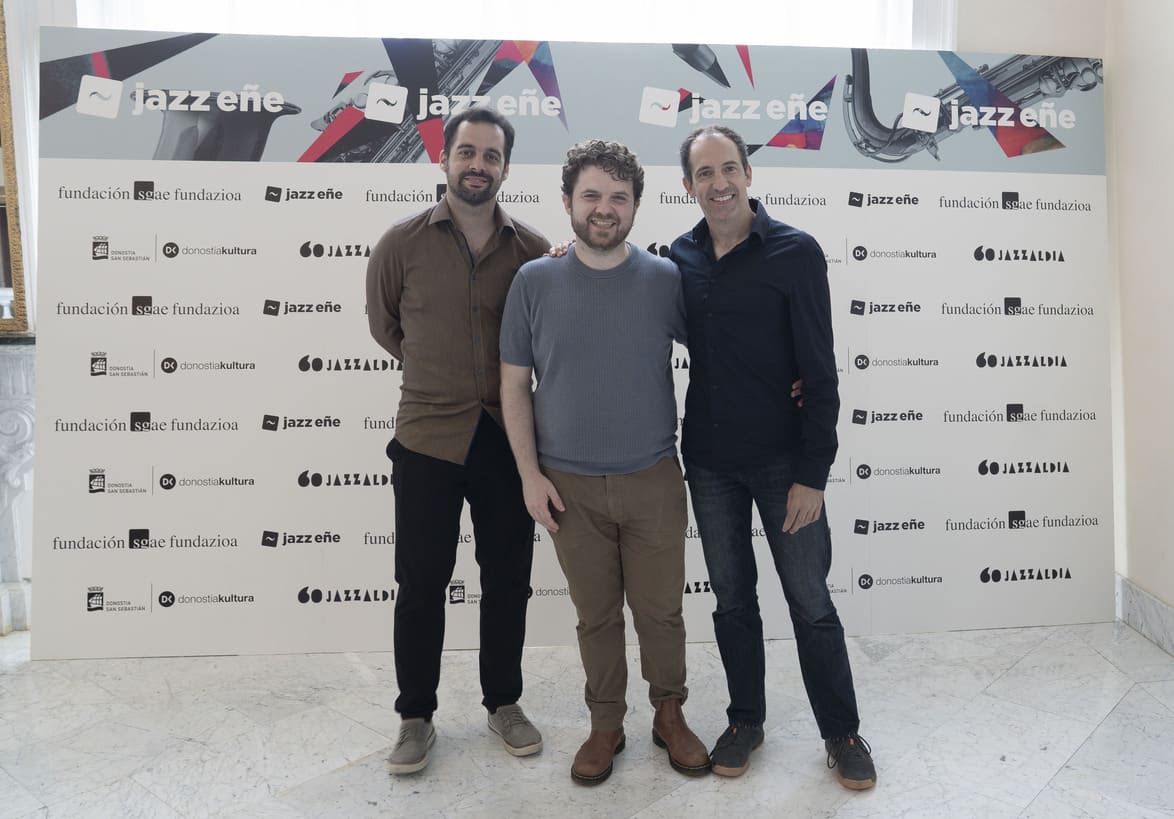
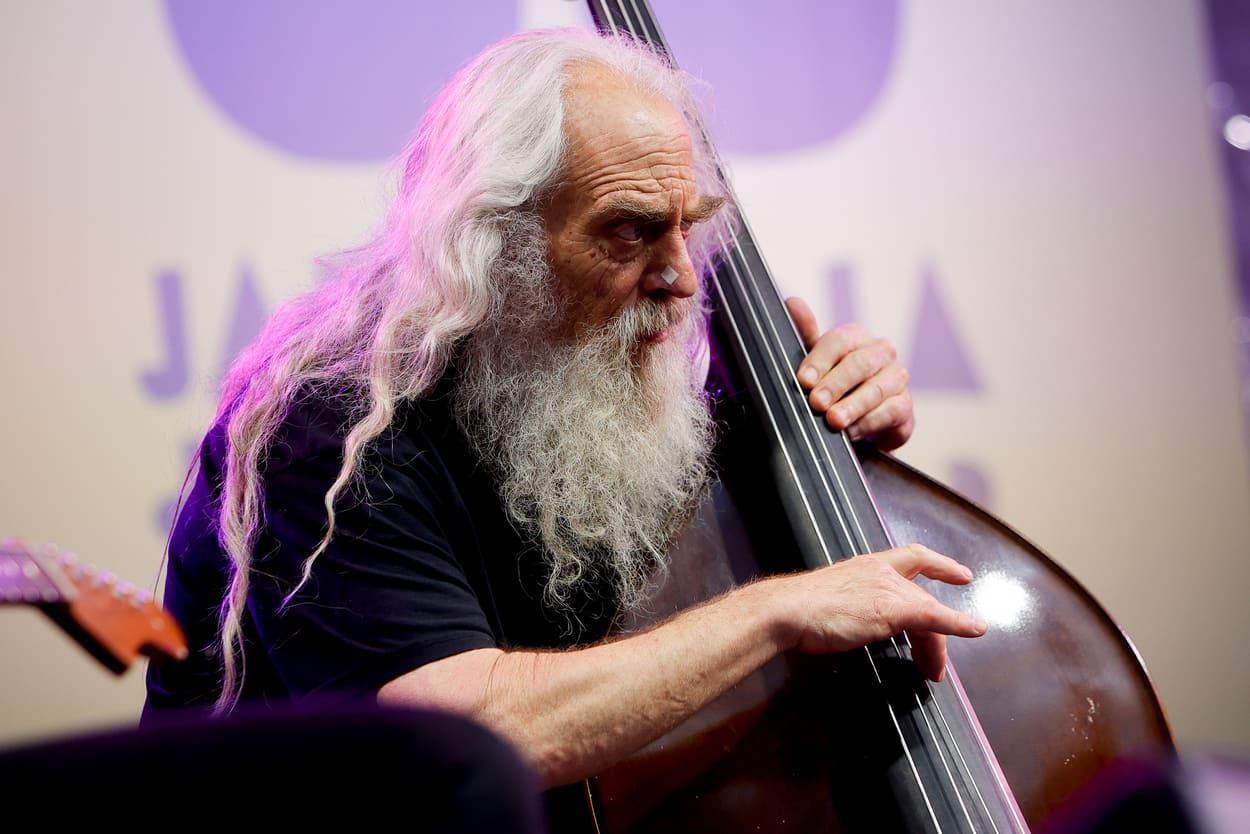
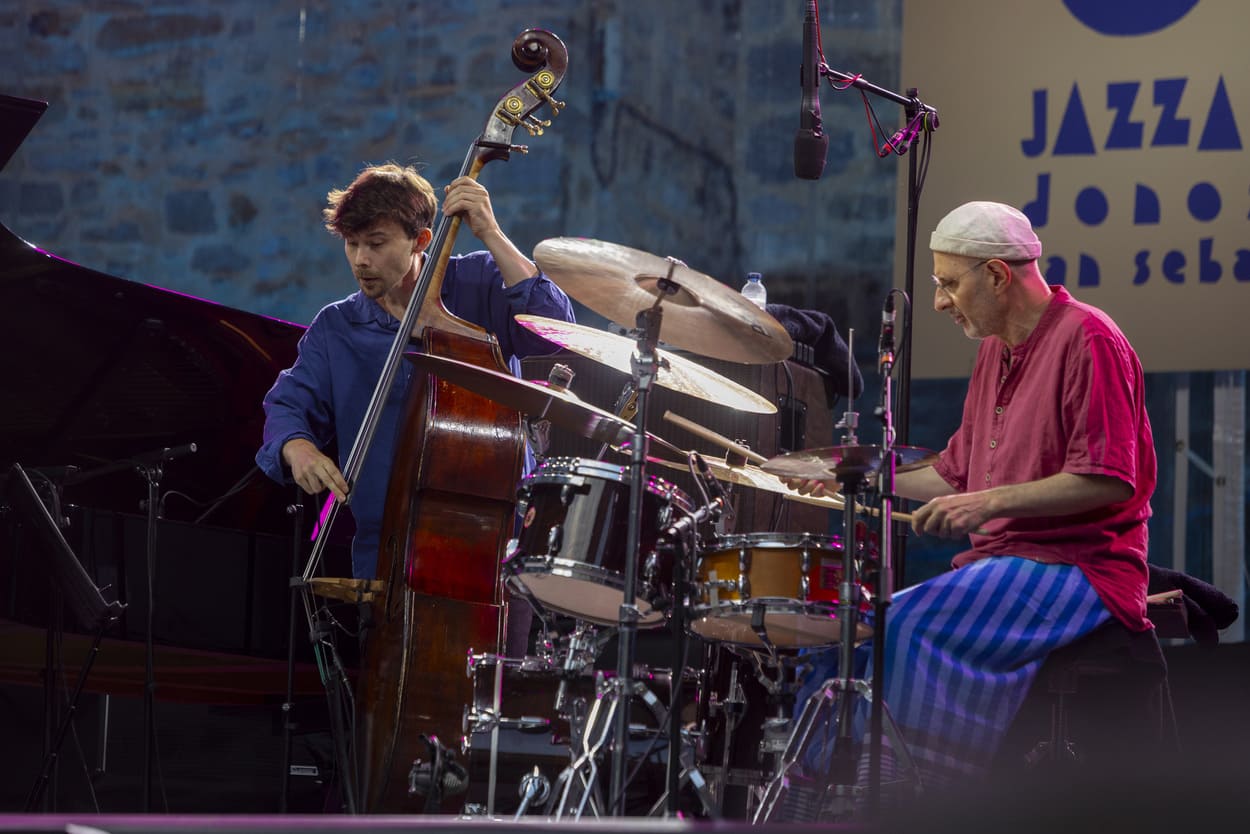
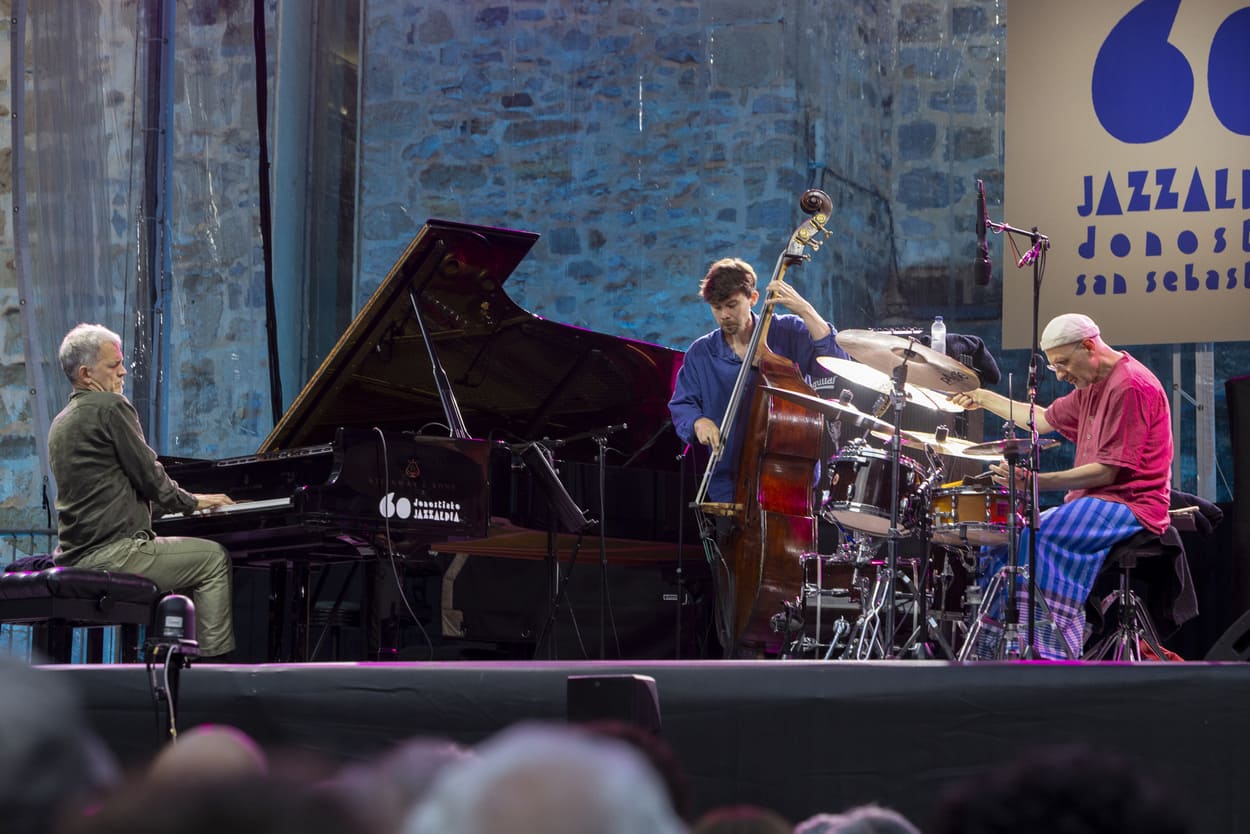
El contrabajista y compositor mallorquín Pere Bujosa lidera el trío junto a Xavi Torres, piano y Joan Terol, batería, en el que exploran la fusión entre la música popular balear y su propia visión contemporánea. Su propuesta, ecléctica y abierta, combina jazz, electrónica y tradición mediterránea, siempre con espacio para la improvisación y la experimentación. El repertorio rescata y reinterpreta obras de compositores vinculados a las islas Baleares, desde figuras poco conocidas hasta nombres como Chopin o Jaume Mas Porcel, aportando una mirada profundamente personal tejiendo ritmos y texturas con una visión fresca del jazz contemporáneo. Xavi Torres destaca por su capacidad lírica y sensibilidad en el fraseo, mientras Joan Terol, sólido e intuitivo, aportó curiosidad y apertura.
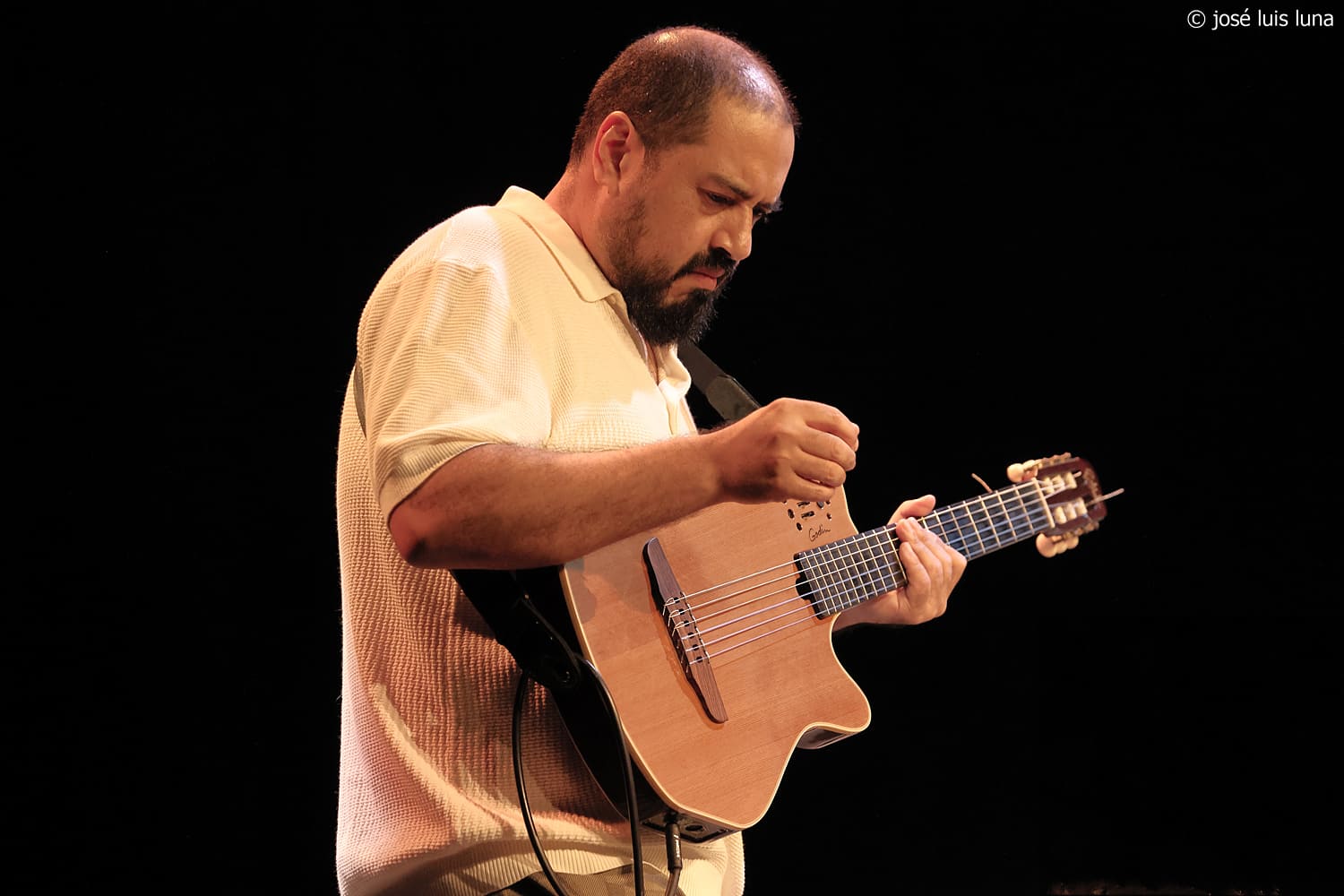
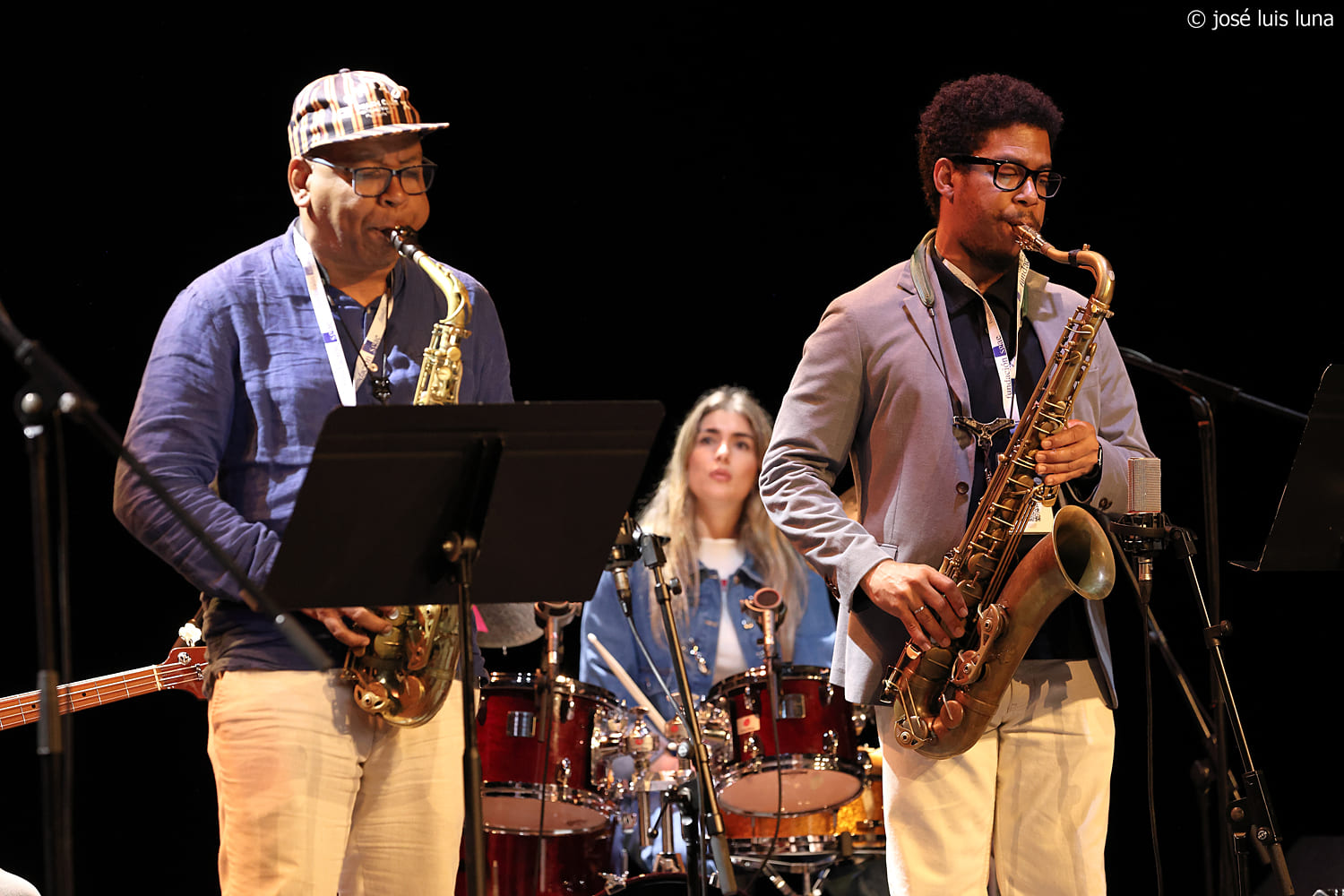
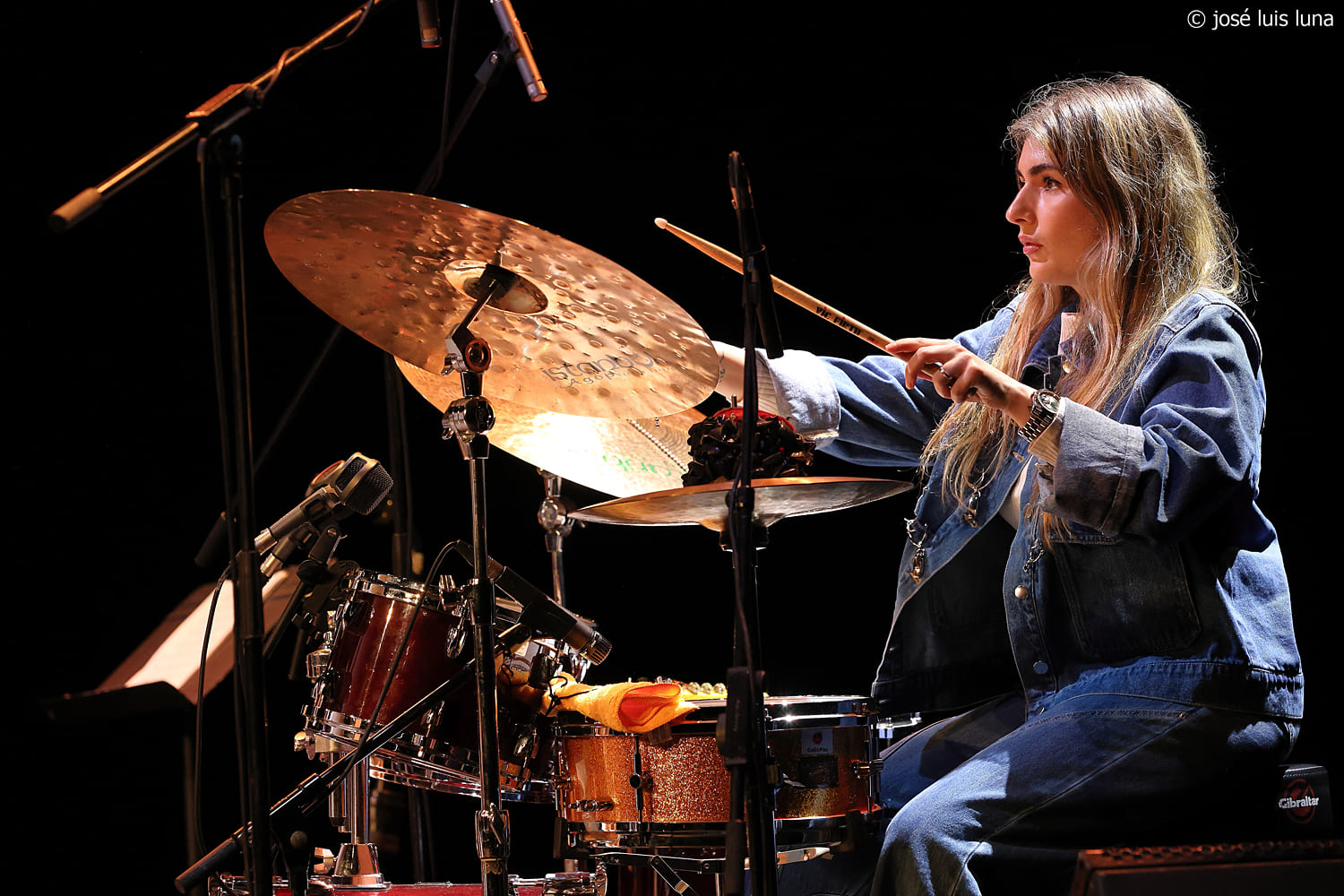
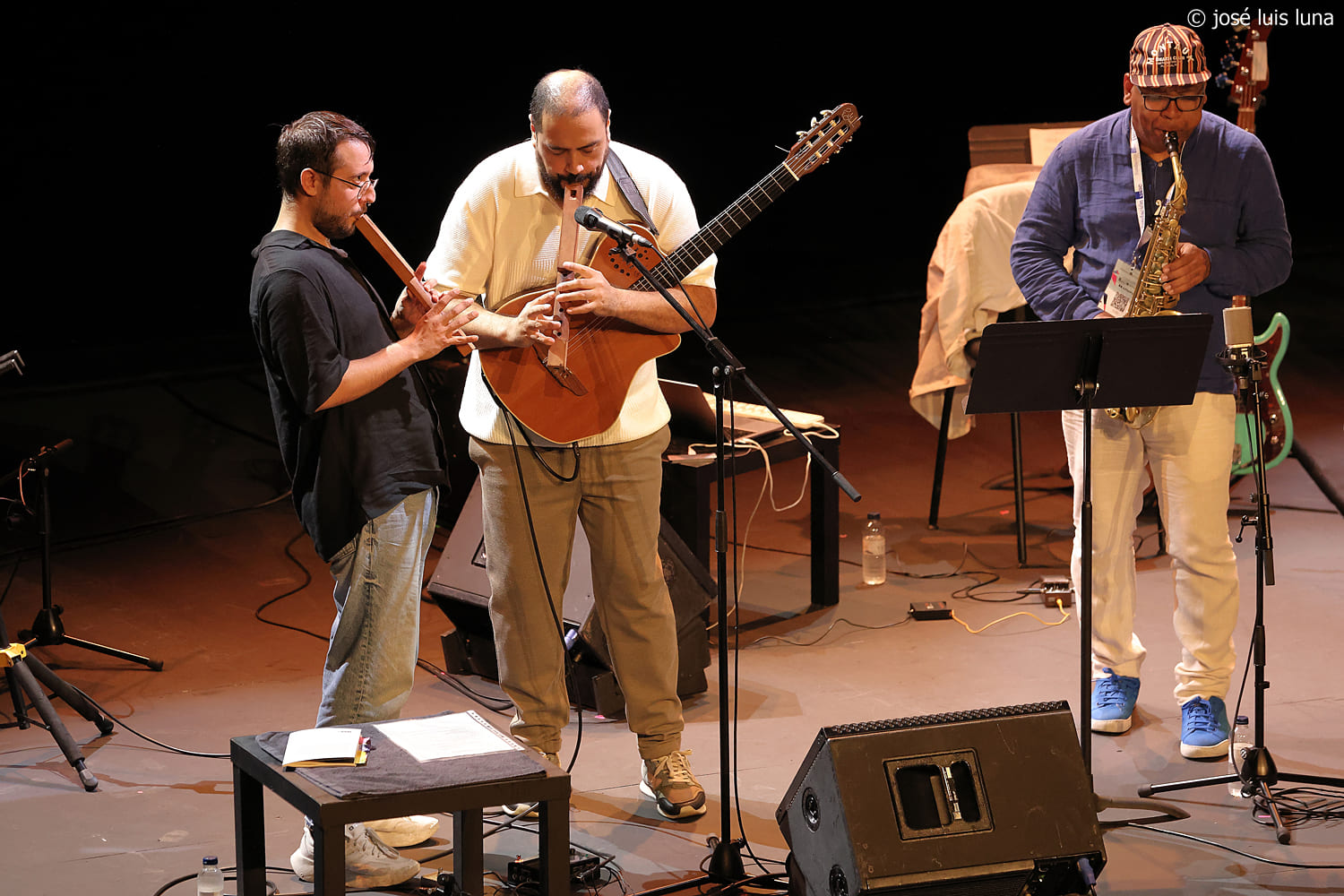
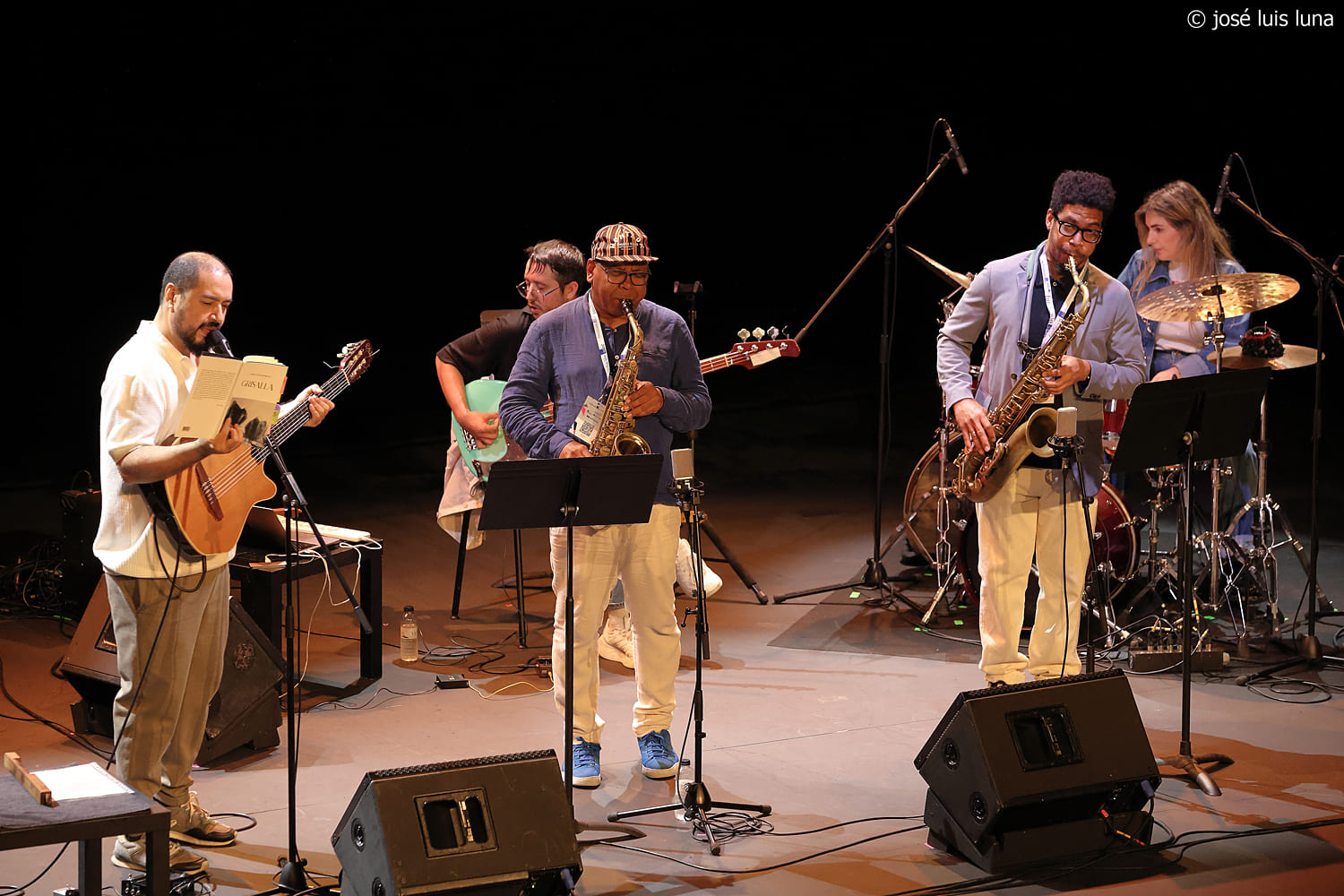
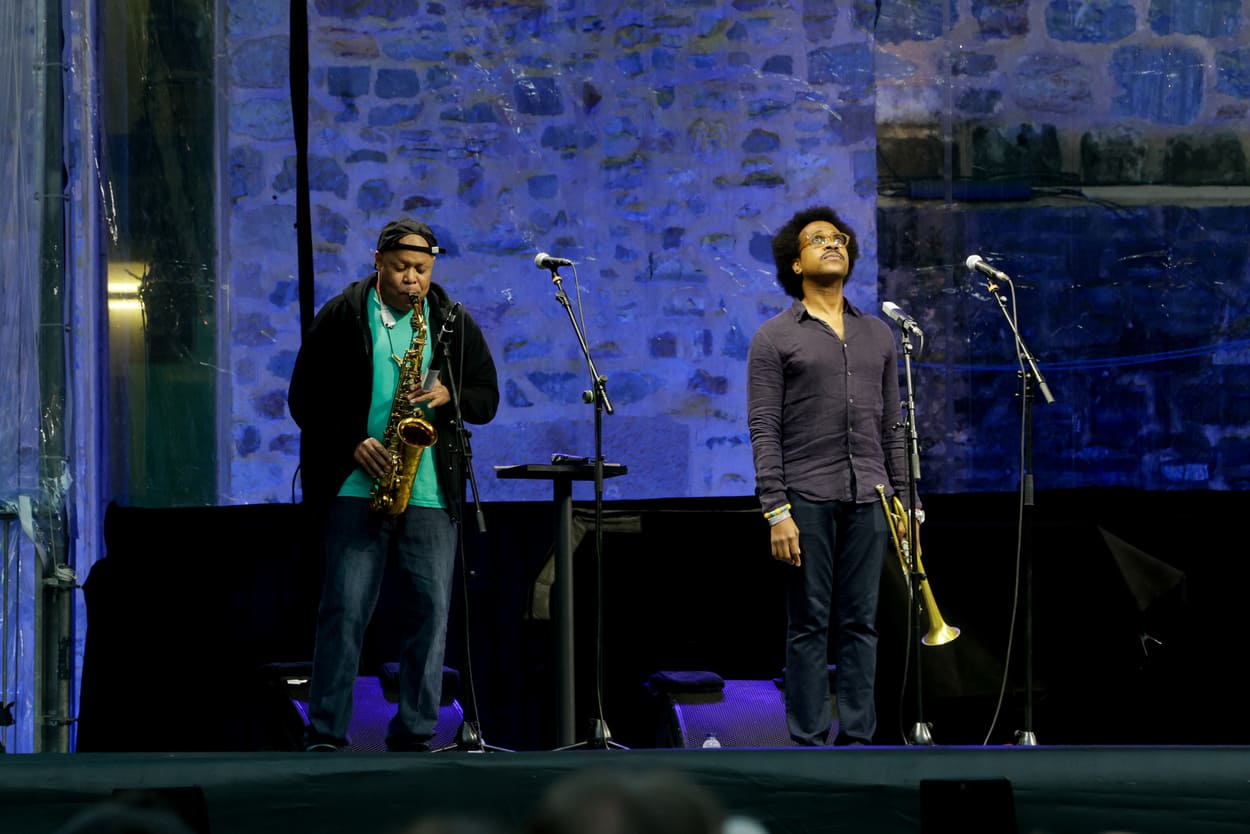
La muestra de JazzEñe se despidió con el quinteto del guitarrista y compositor chileno Daniel Román Rodríguez, composición, guitarra y voz, Naíma Acuña, batería, César Filiú, saxo tenor, Román Filiú, saxo alto y Álvaro del Valle, bajo, guitarra, electrónica. Su propuesta fusiona poesía, música tradicional chilena y vanguardia, con ritmos suaves, texturas electrónicas sutiles y el sonido del guitarrón y las tarkas. Inspirado en los poemas de Grisalla, el proyecto tiende puentes entre jazz contemporáneo, improvisación y tradición.