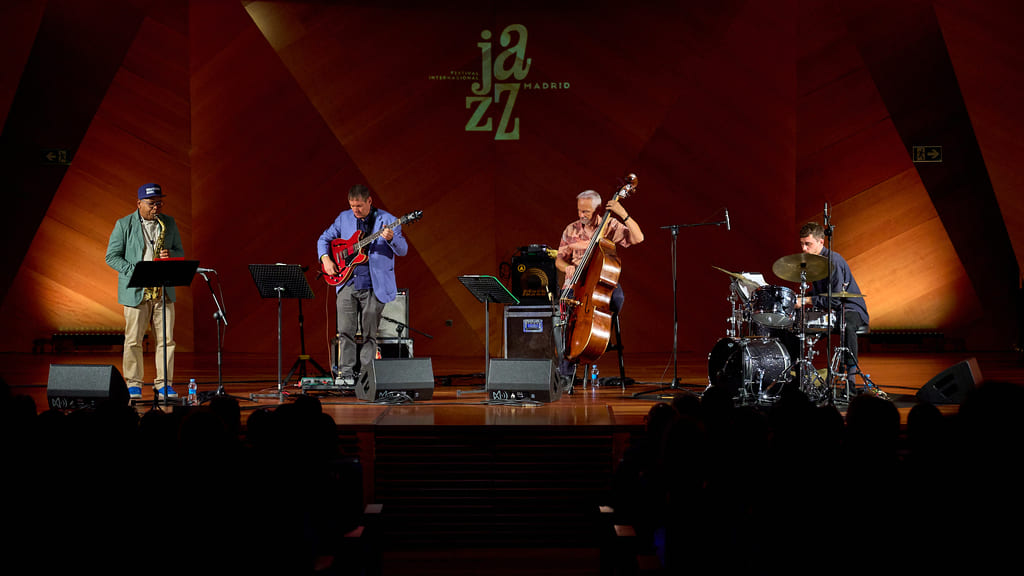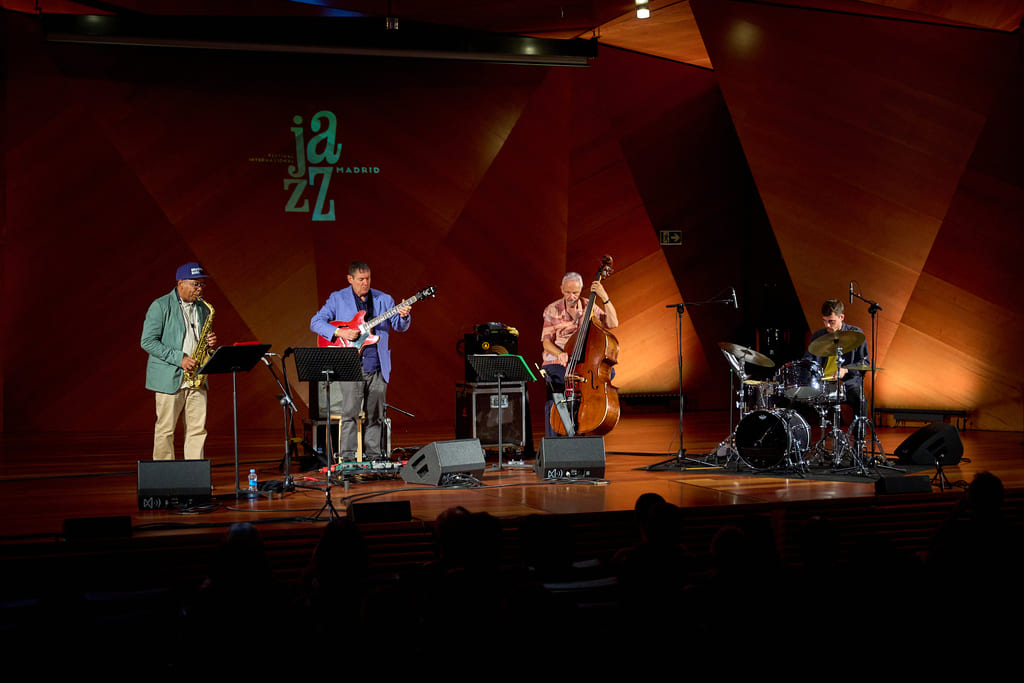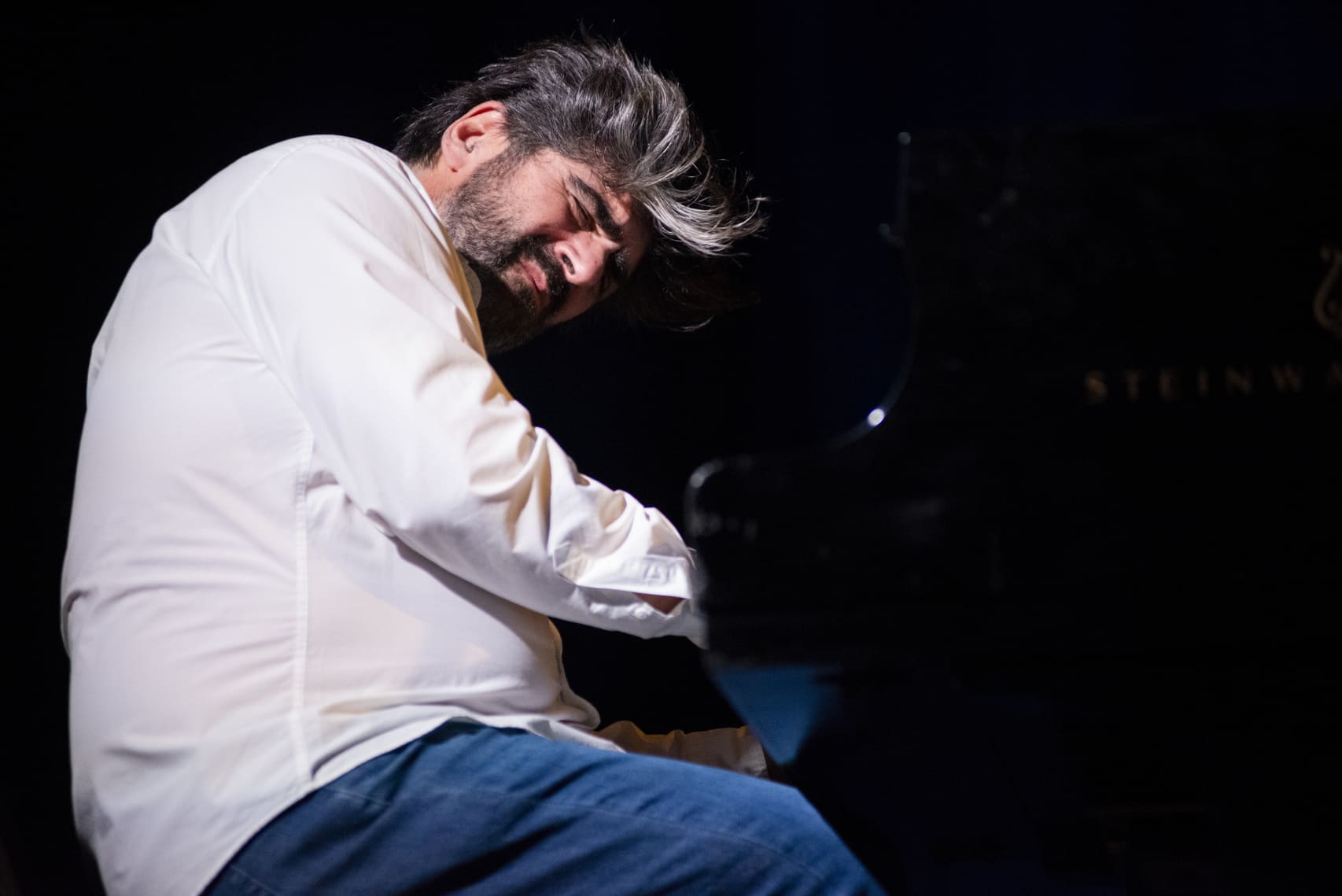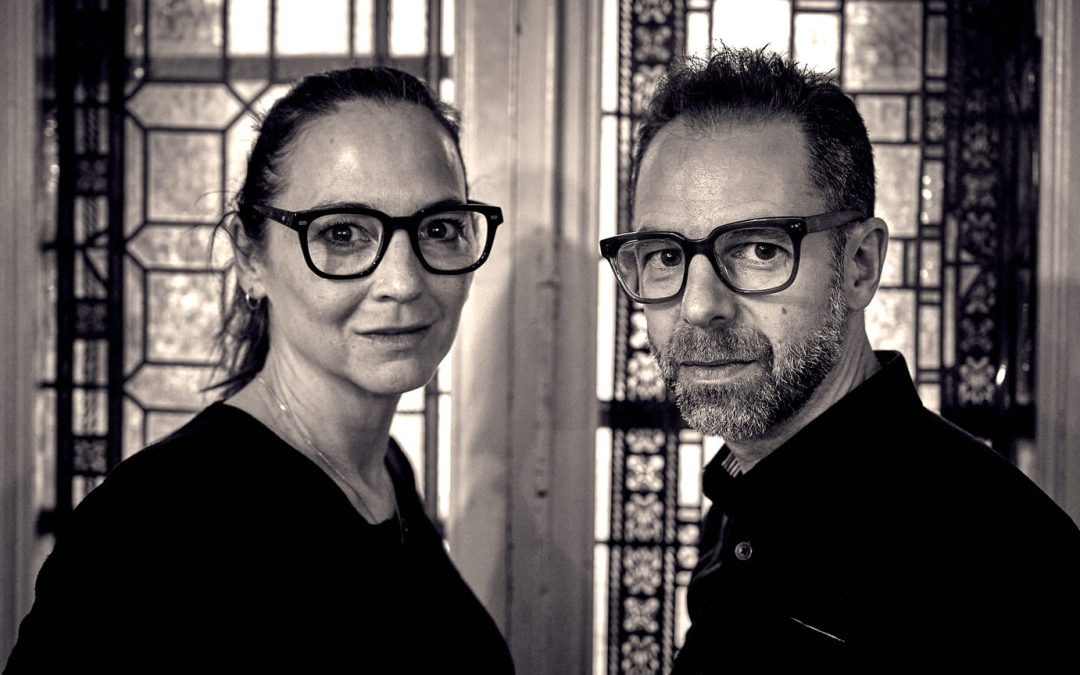
Iván Melón Lewis Trío – Jazz Círculo – Círculo de Bellas Artes de Madrid – Luces y Sombras Review

Iván Melón Lewis Trío – Jazz Círculo – Círculo de Bellas Artes de Madrid – Luces y Sombras Review

Iván Melón Lewis Trio

Jazz Círculo
Círculo de Bellas Artes de Madrid
Luces y Sombras
Review

20

Enero, 2026

Texto: Pedro Andrade

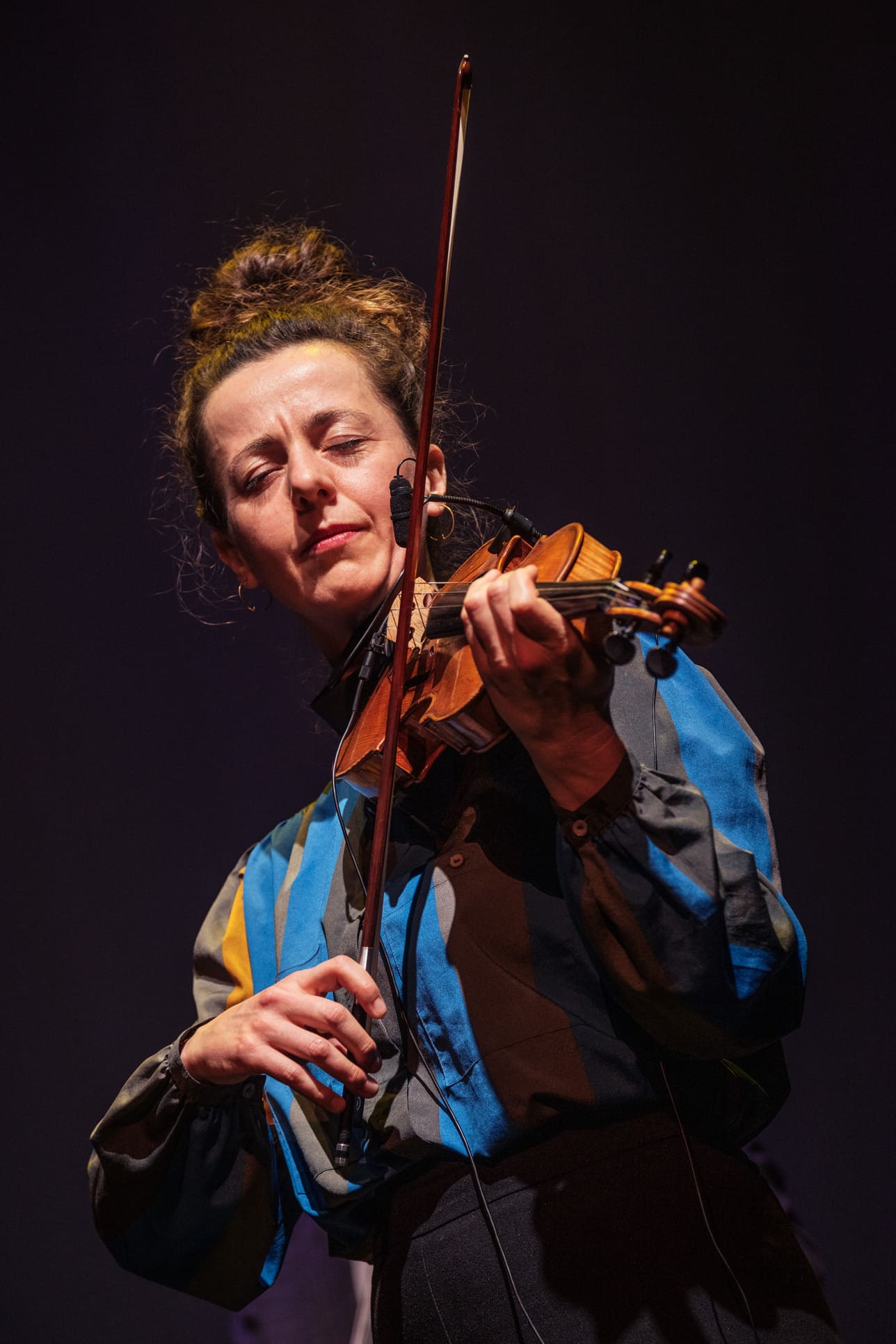
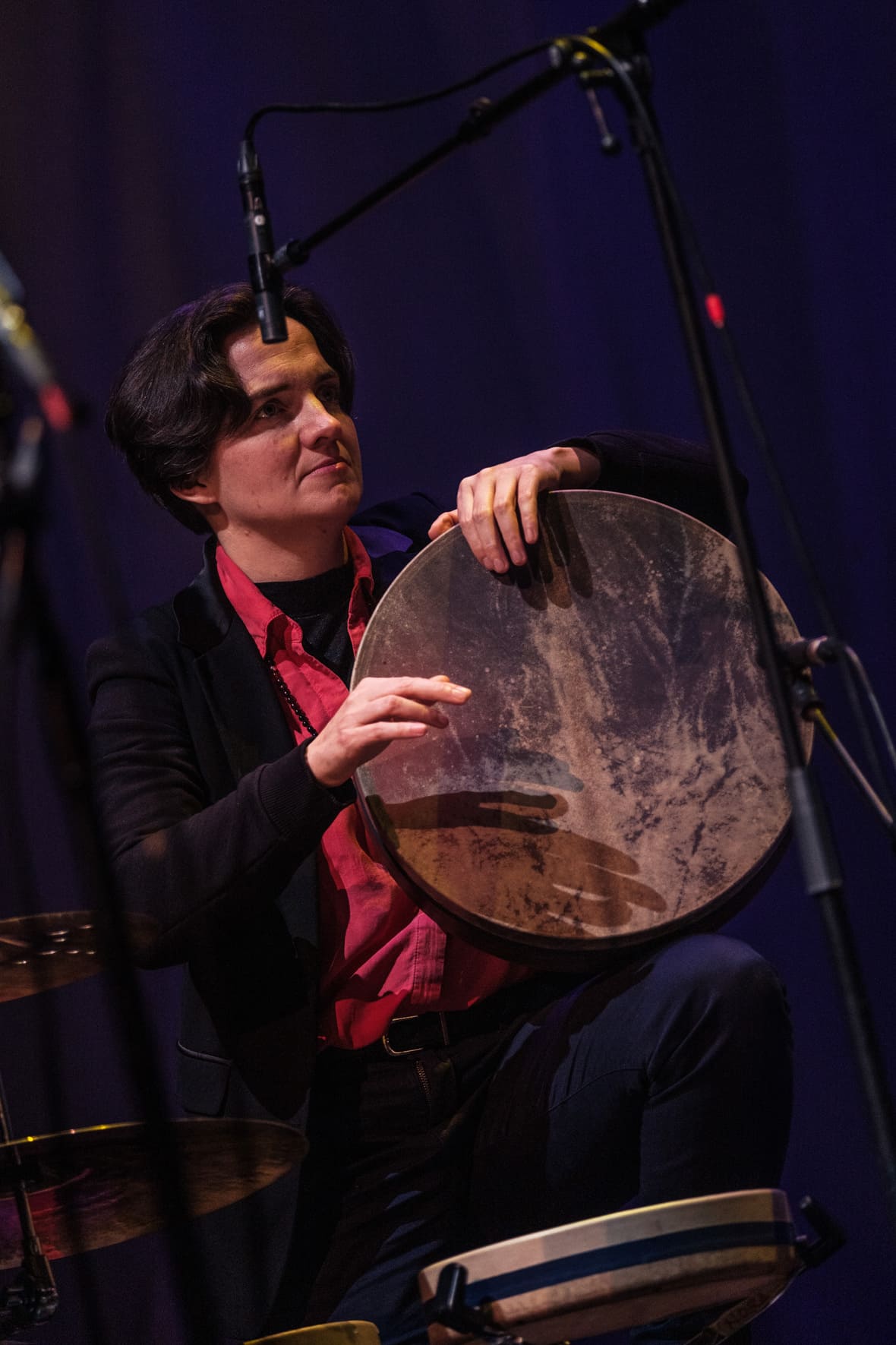
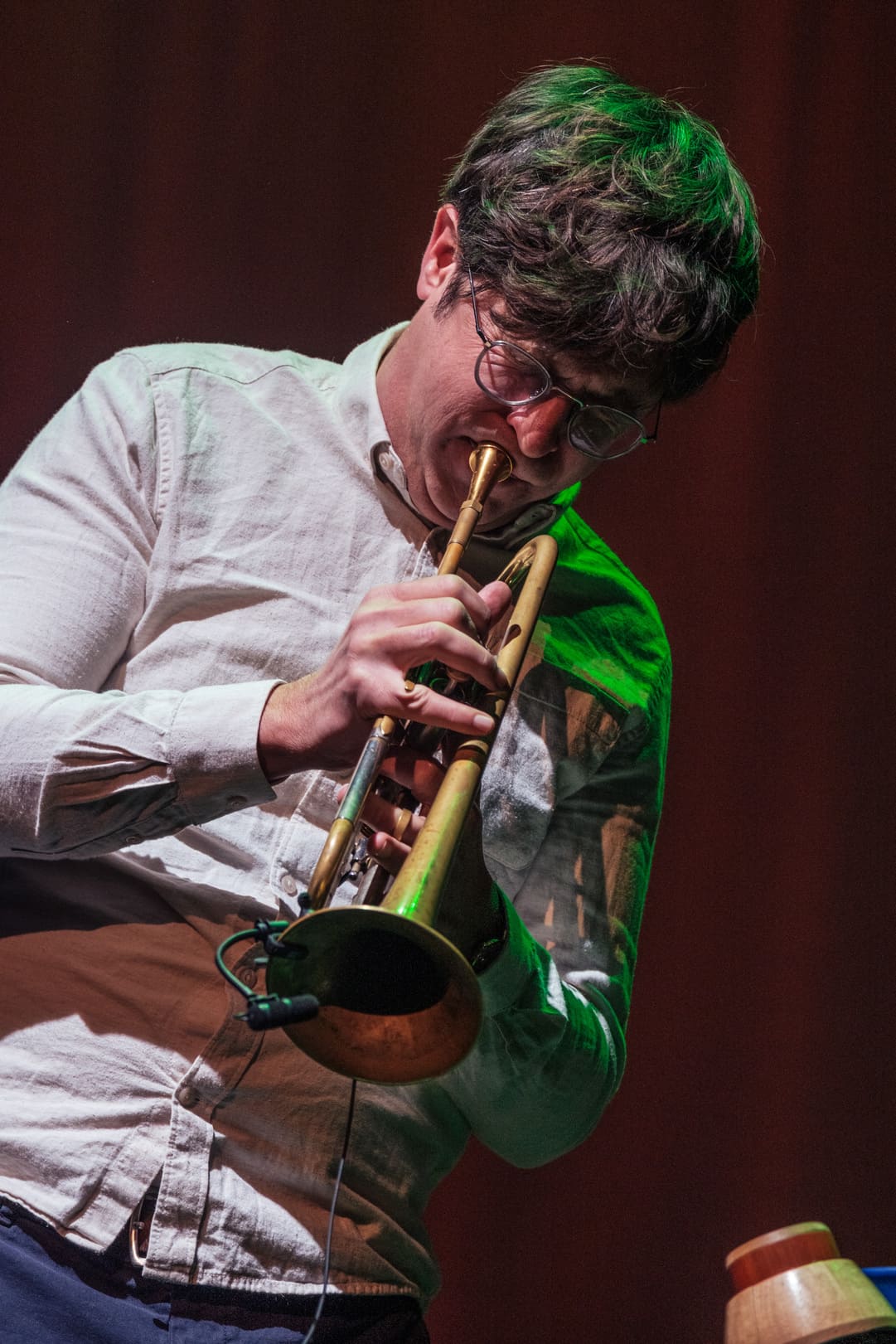
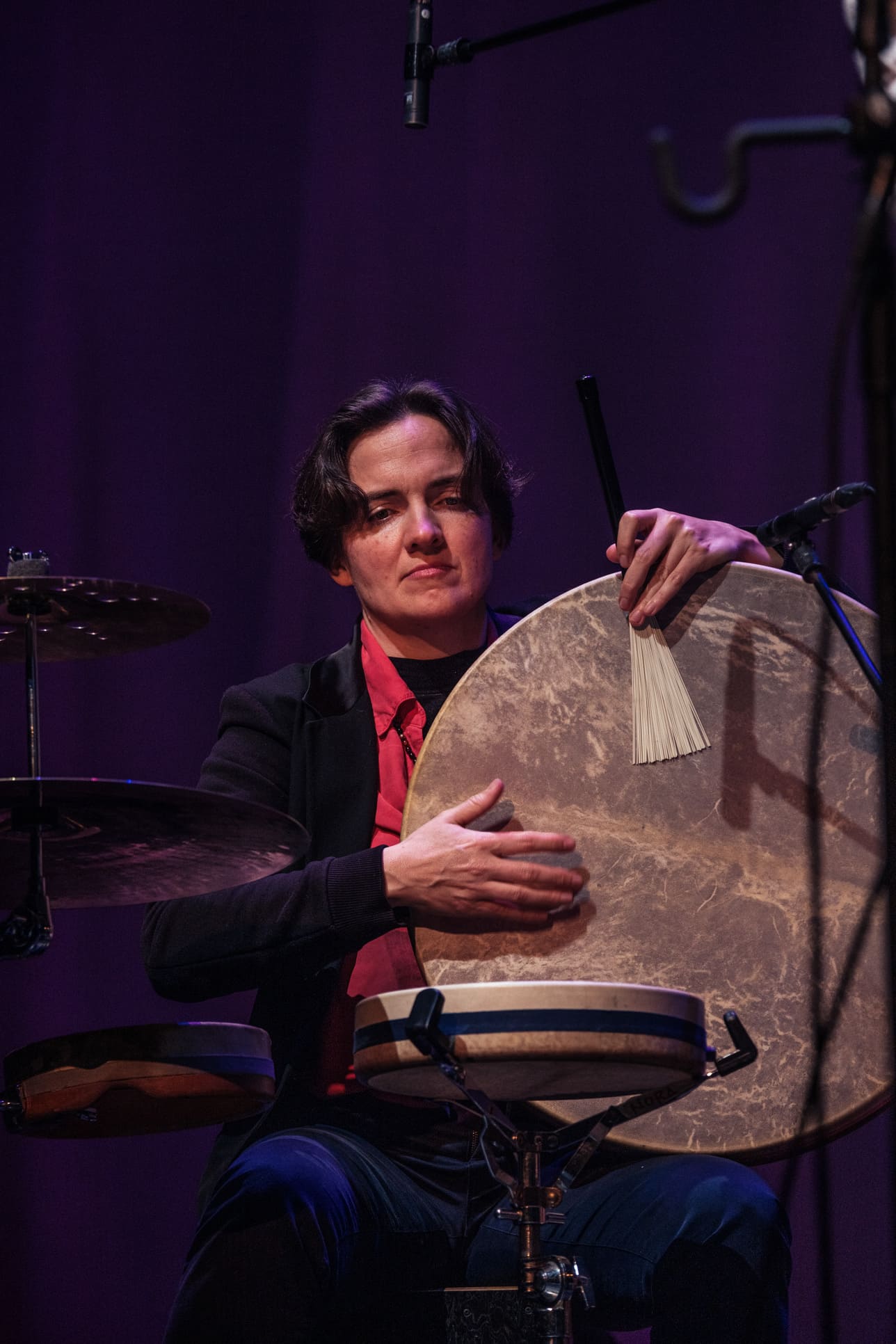
Fotos: Fernando Tribiño

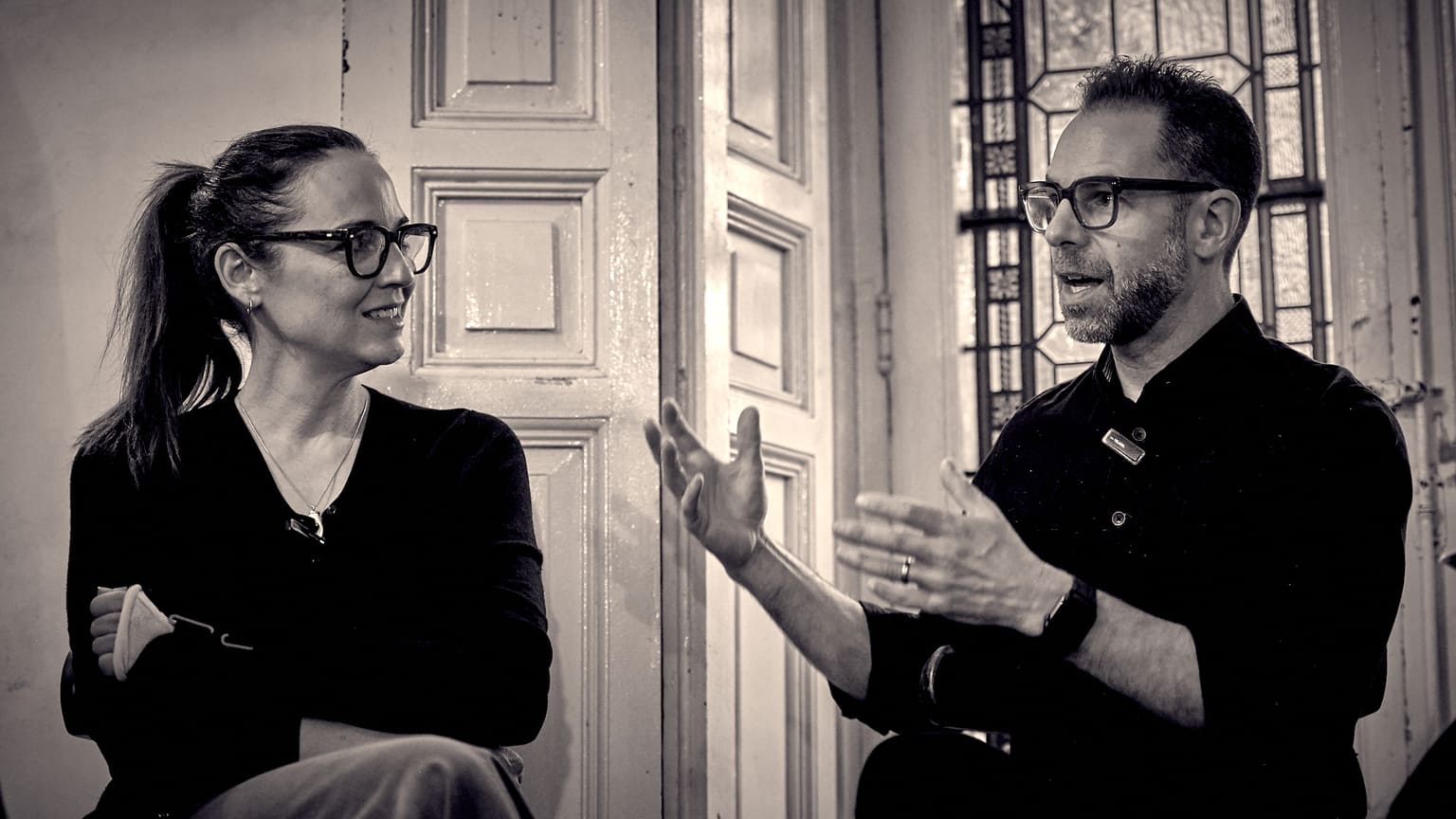
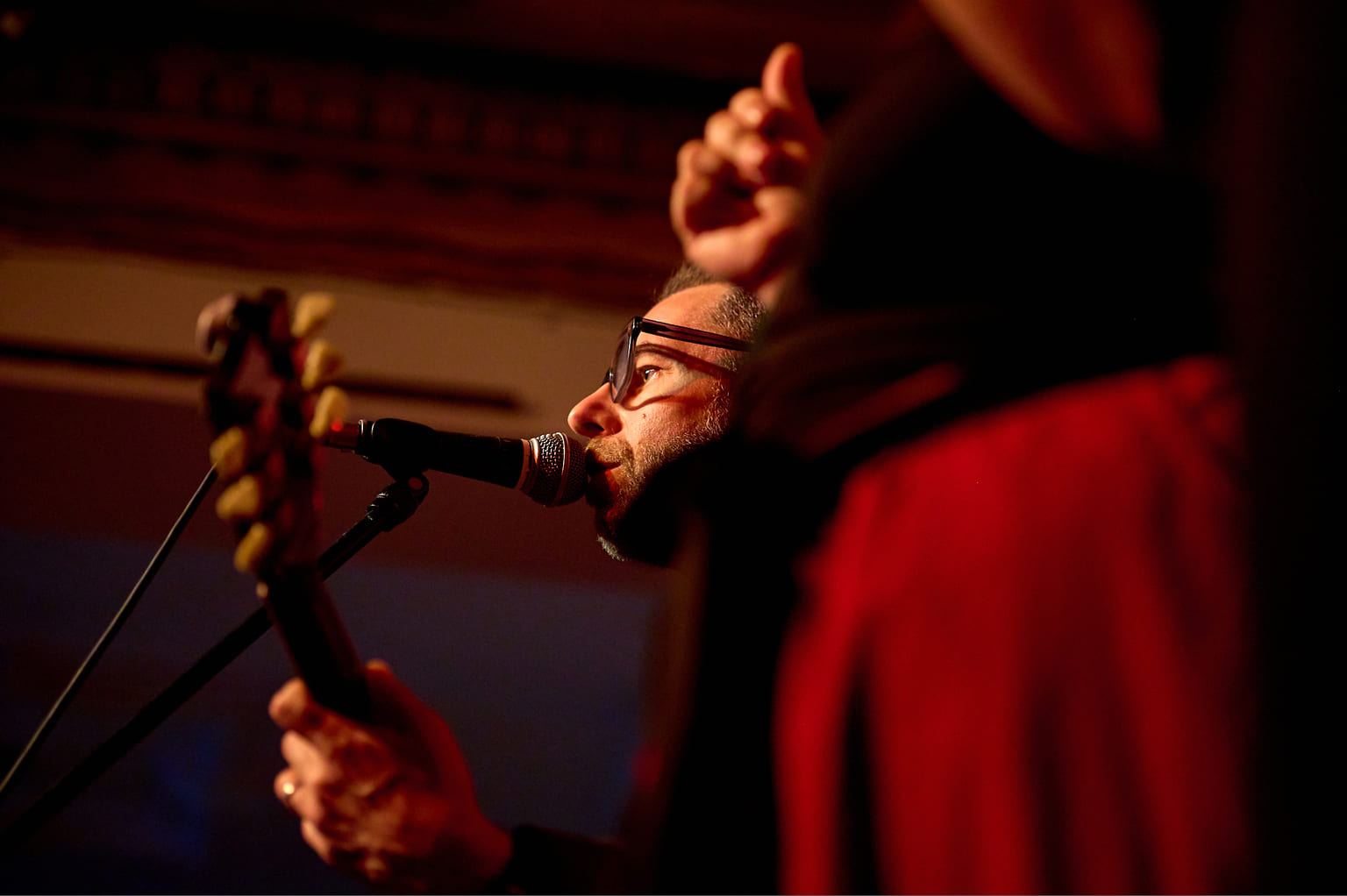
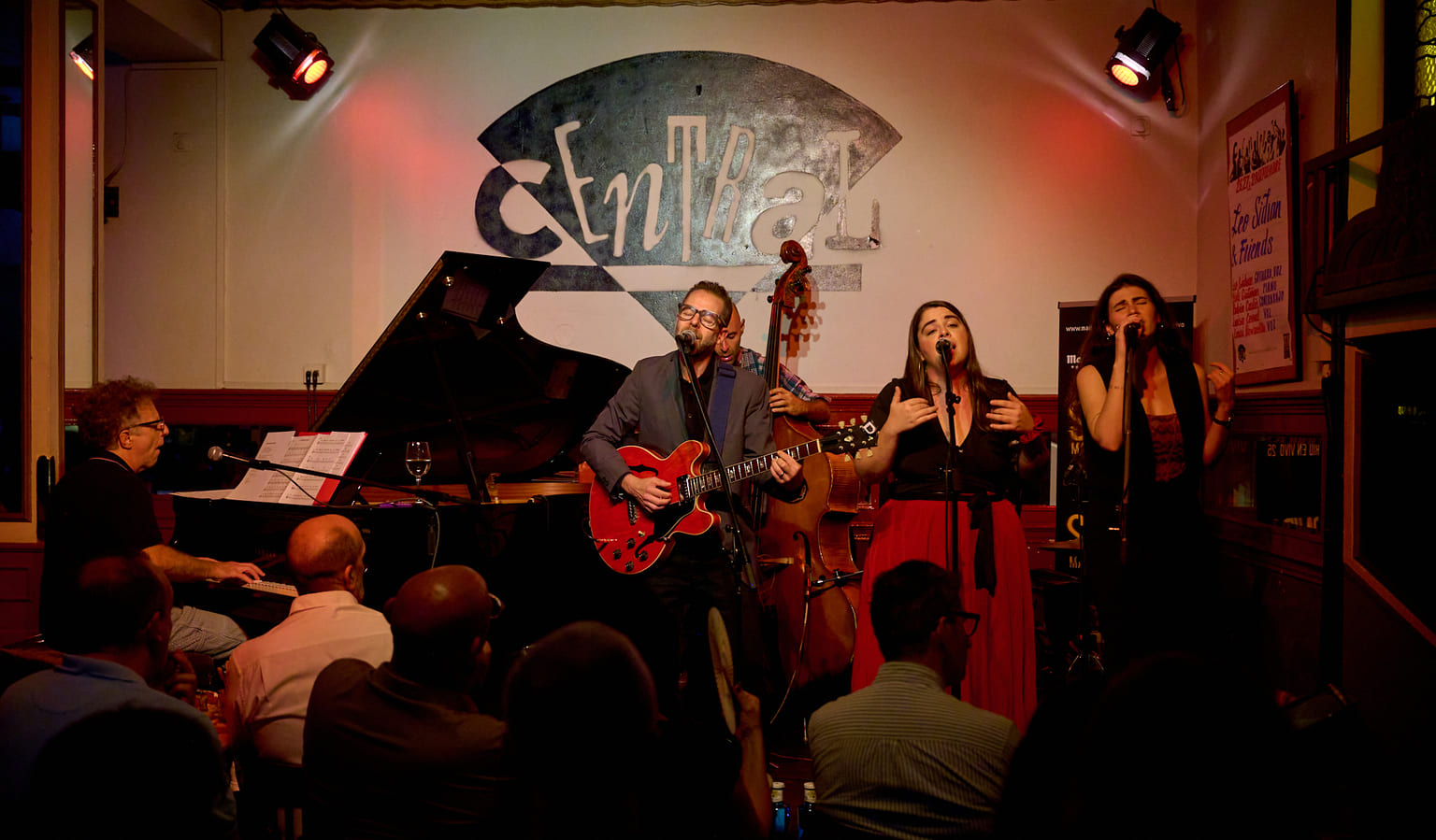
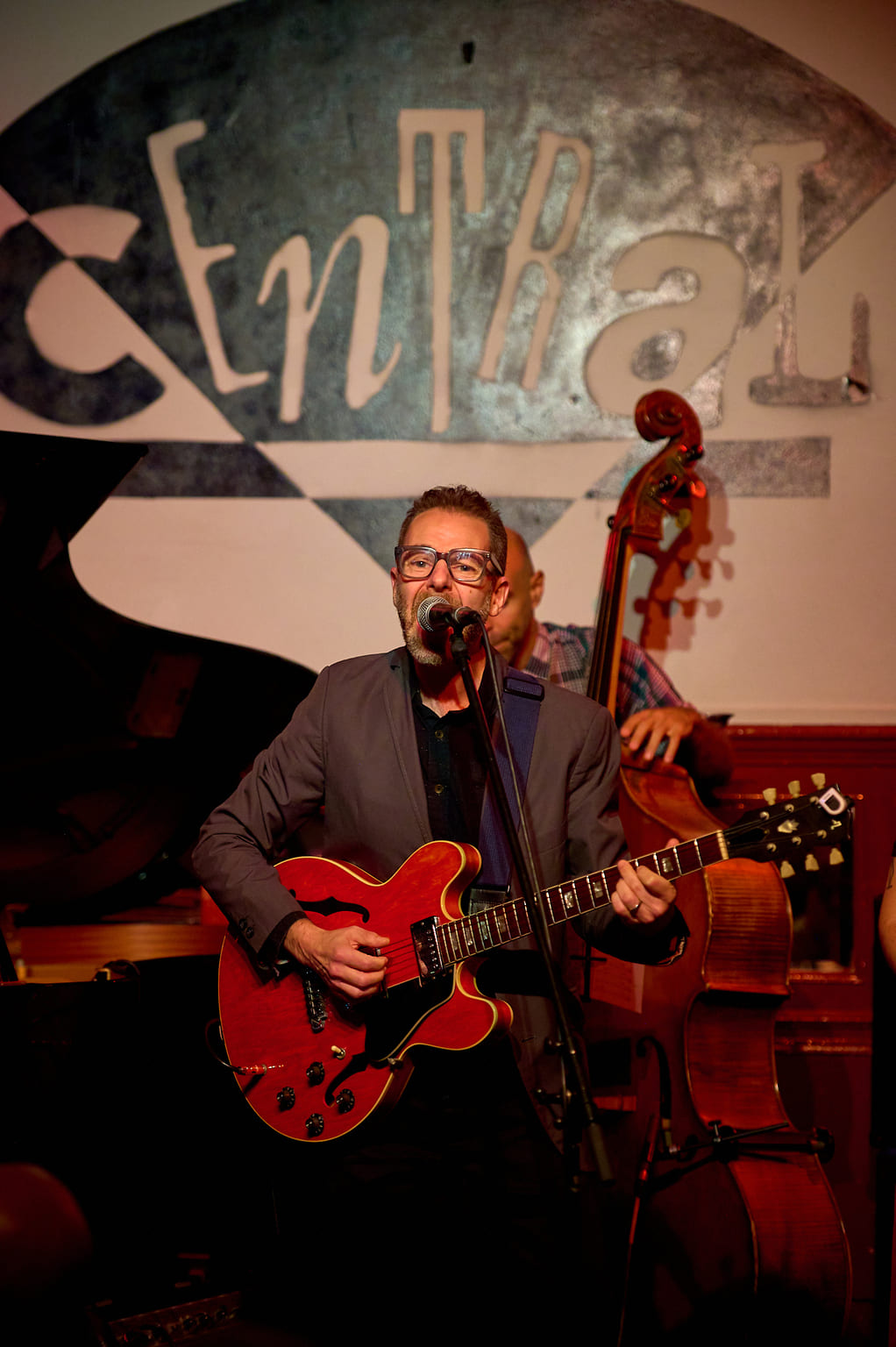
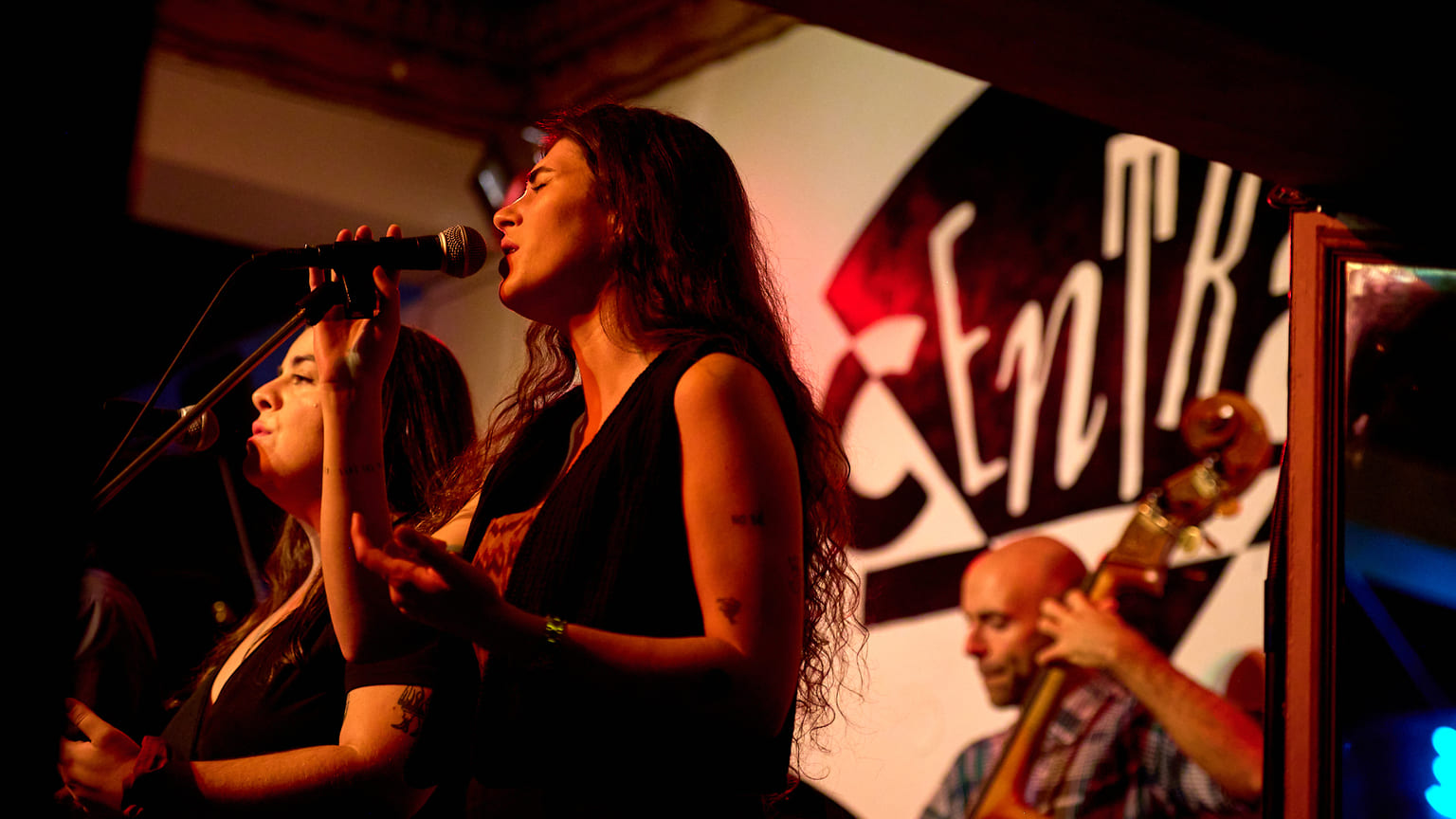
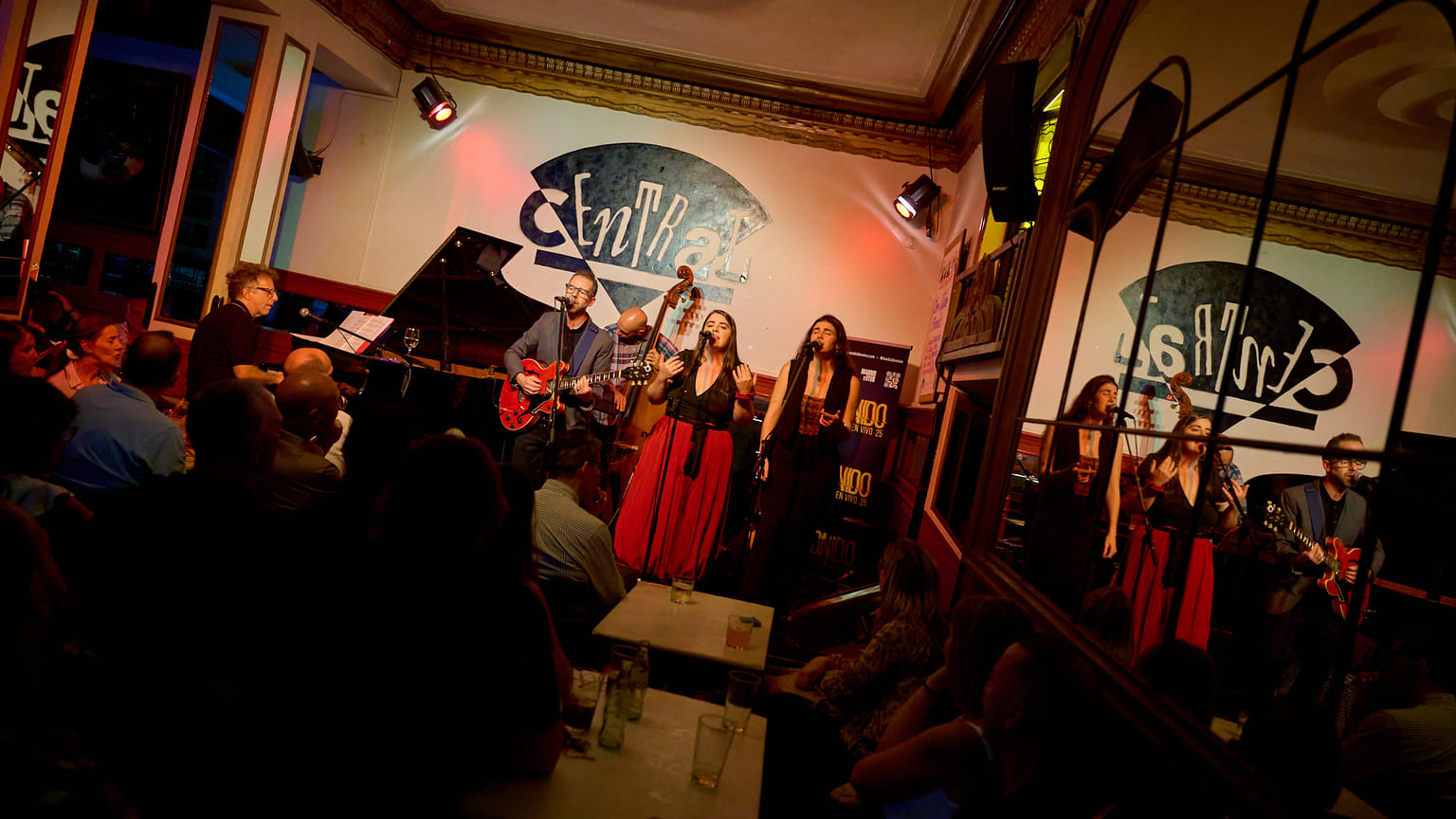
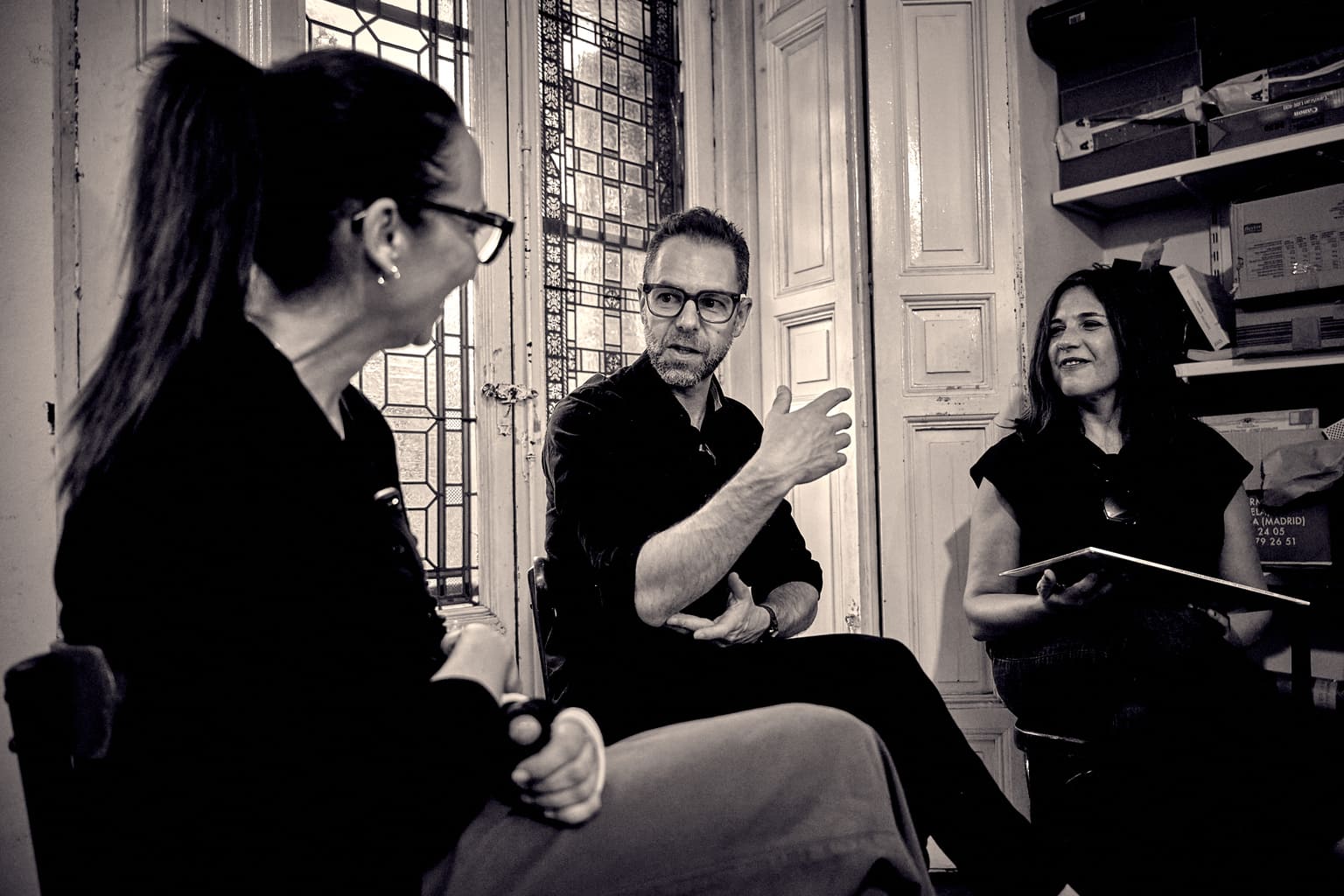
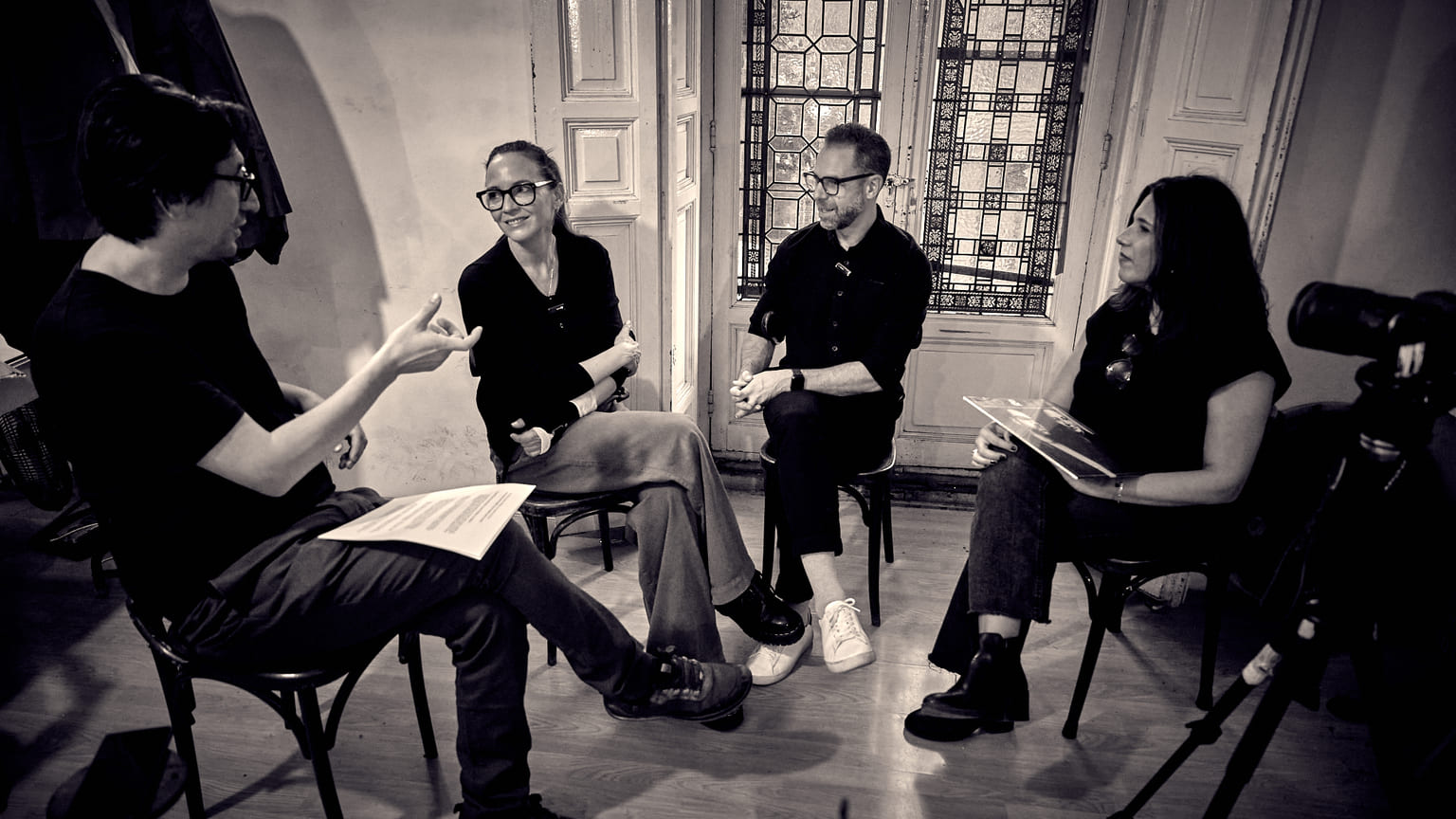
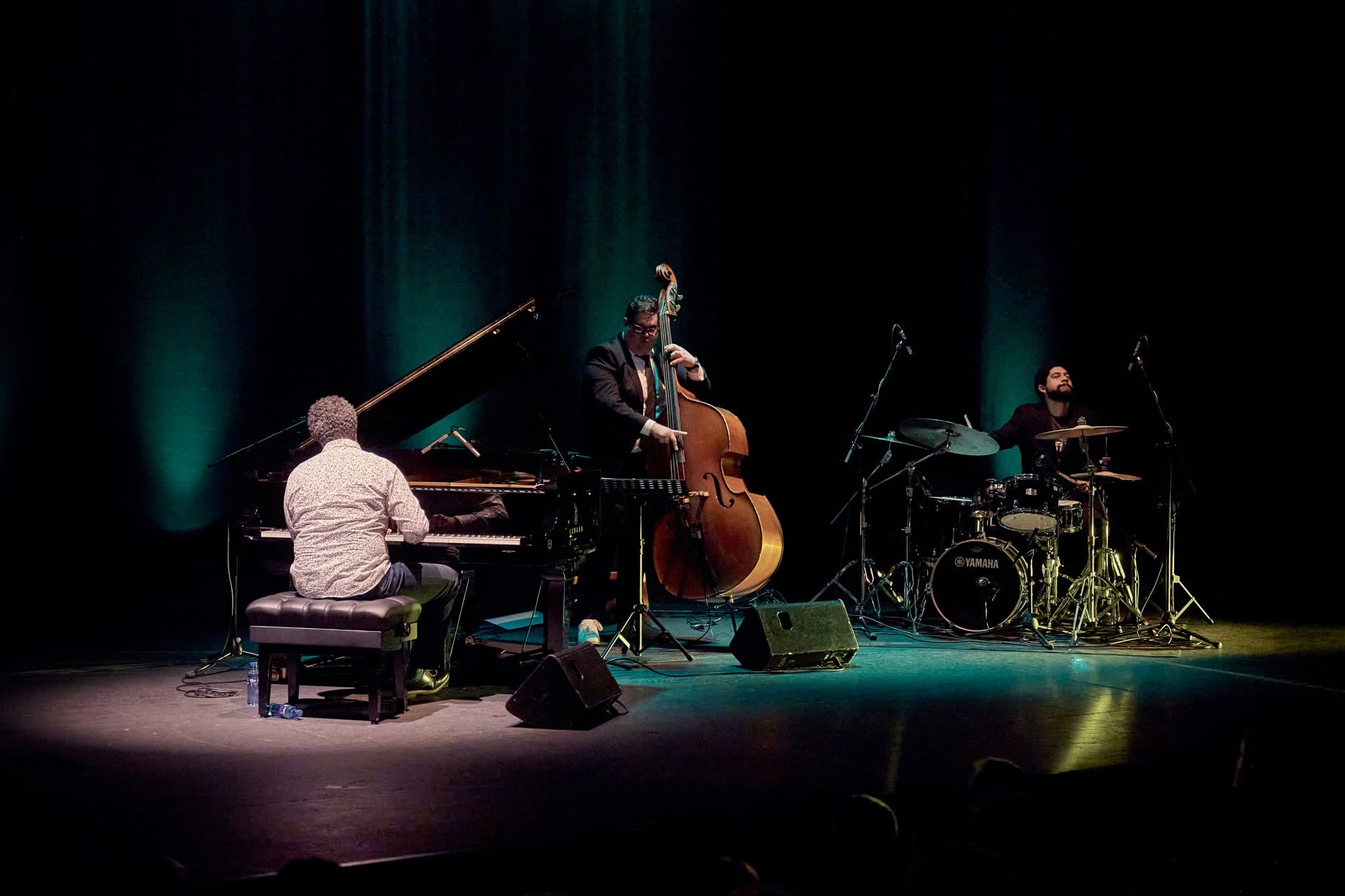
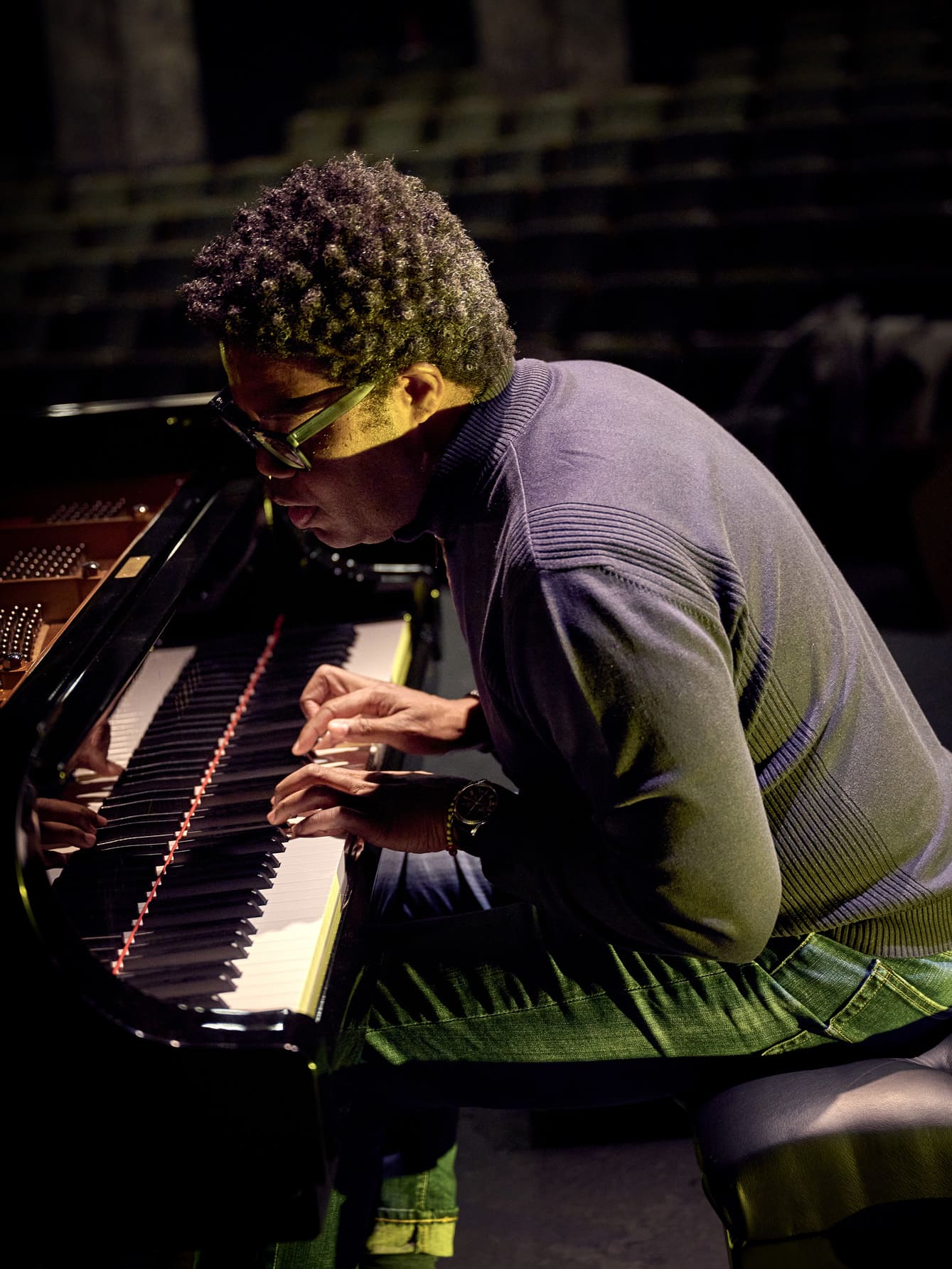
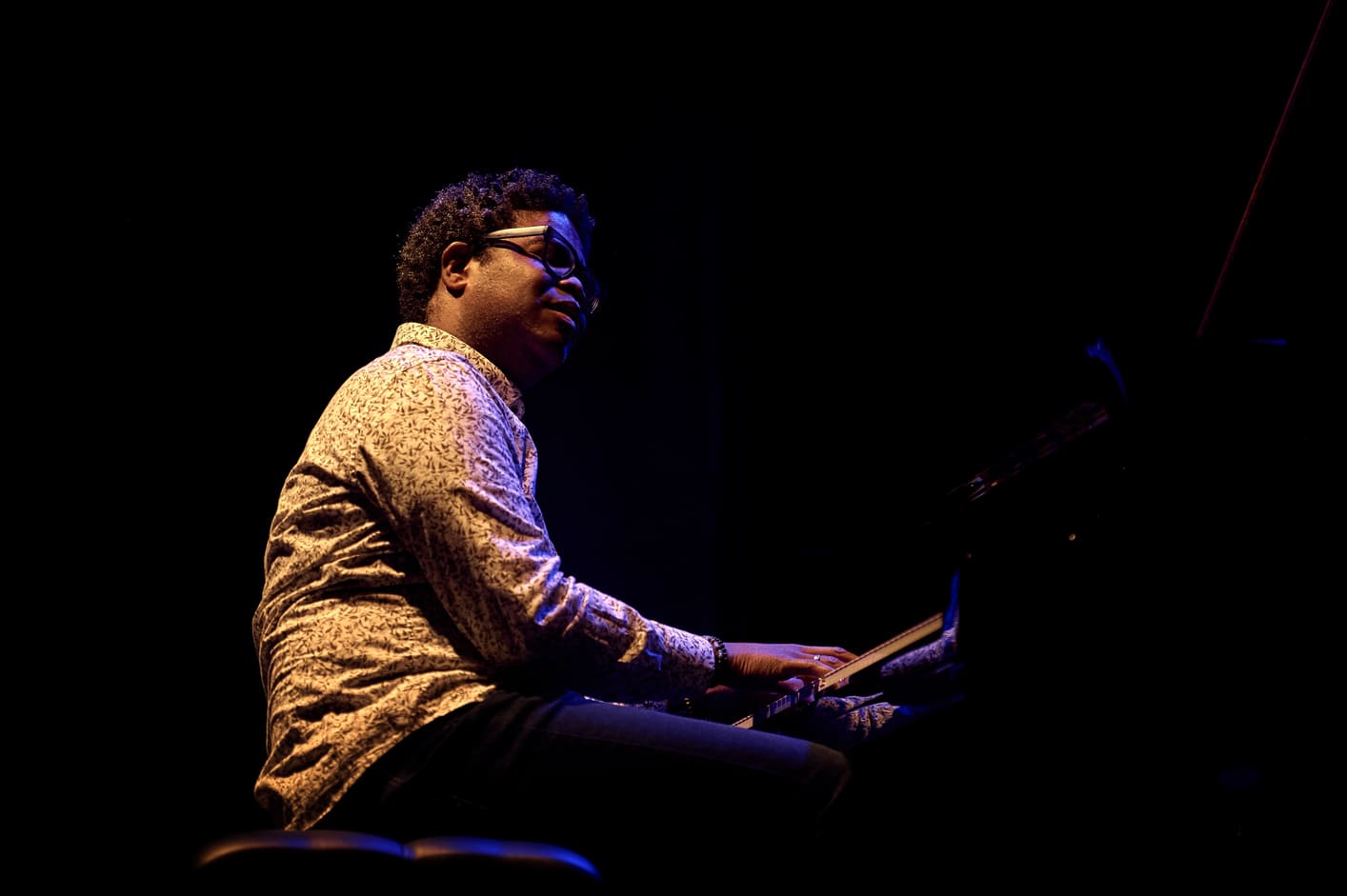
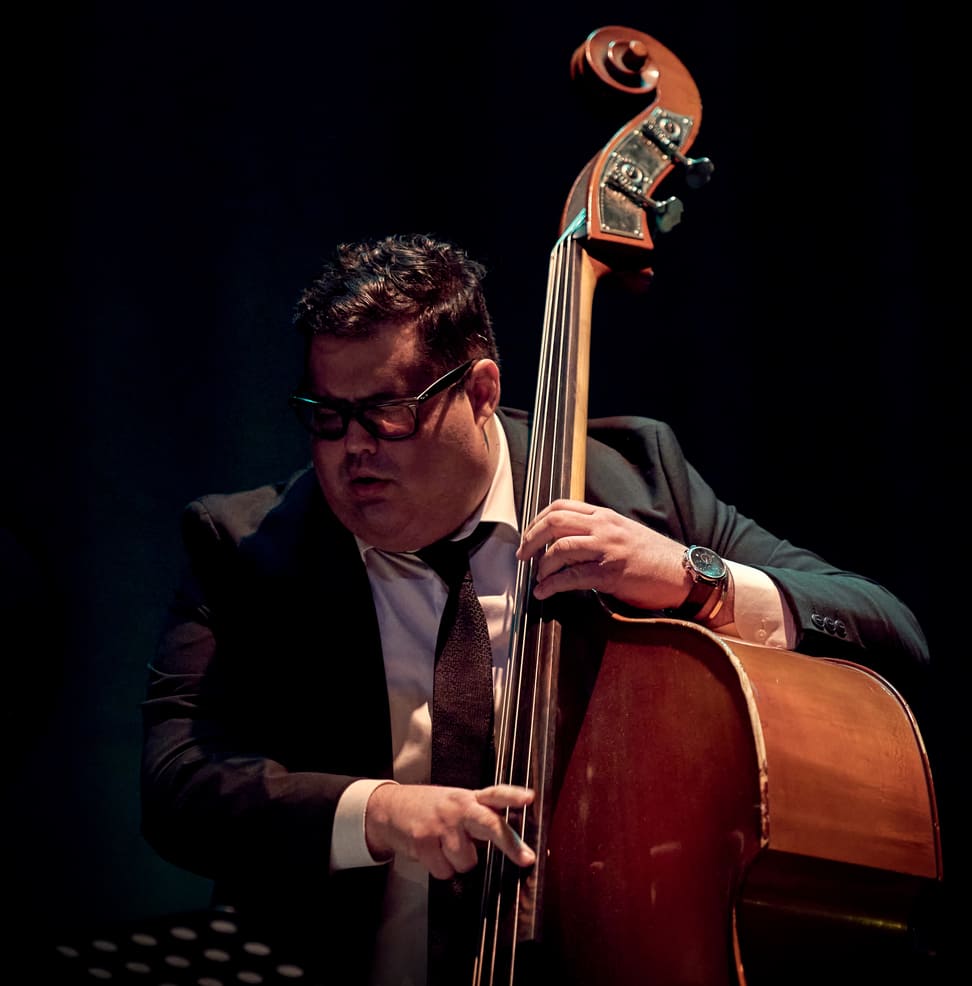
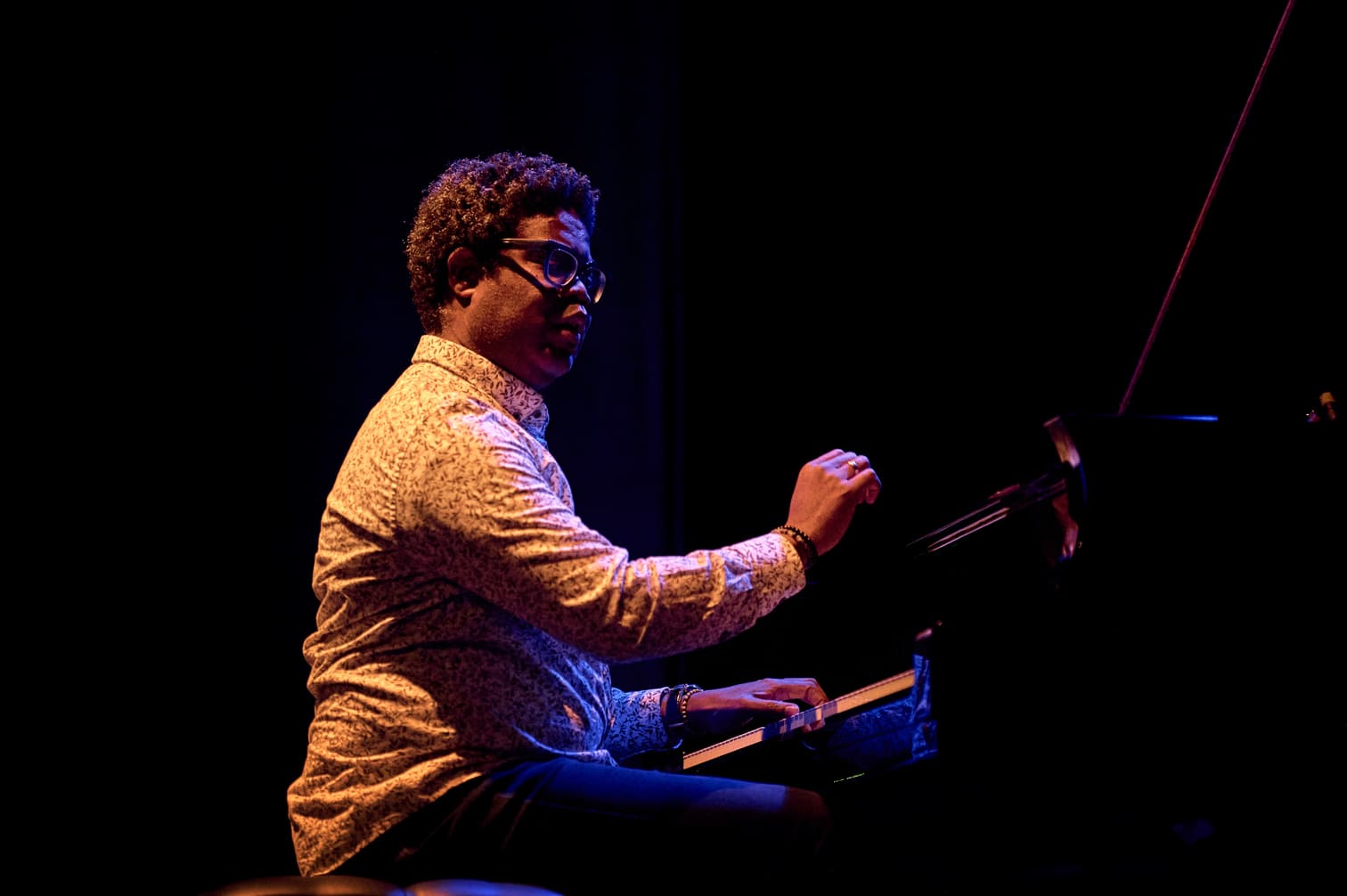
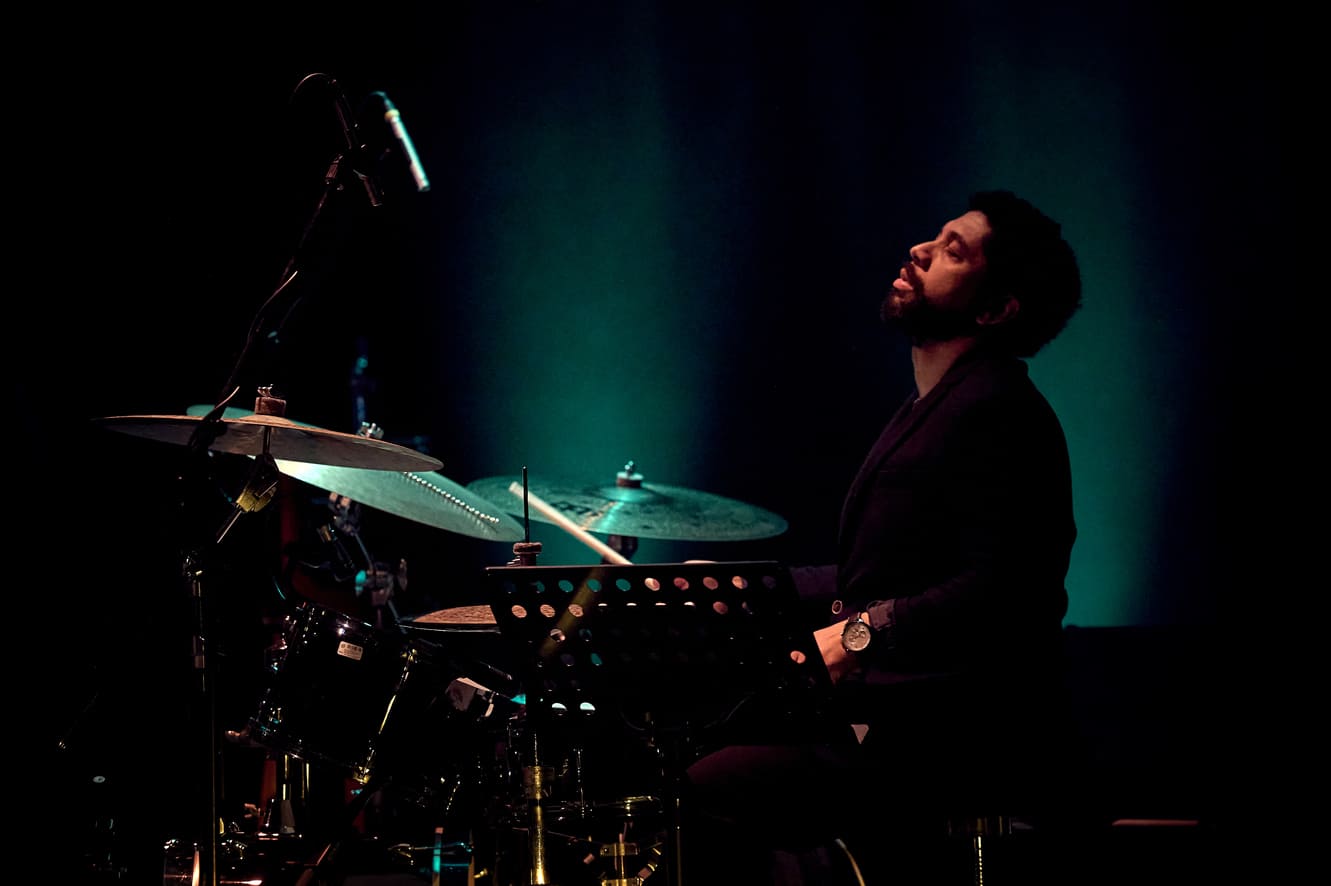
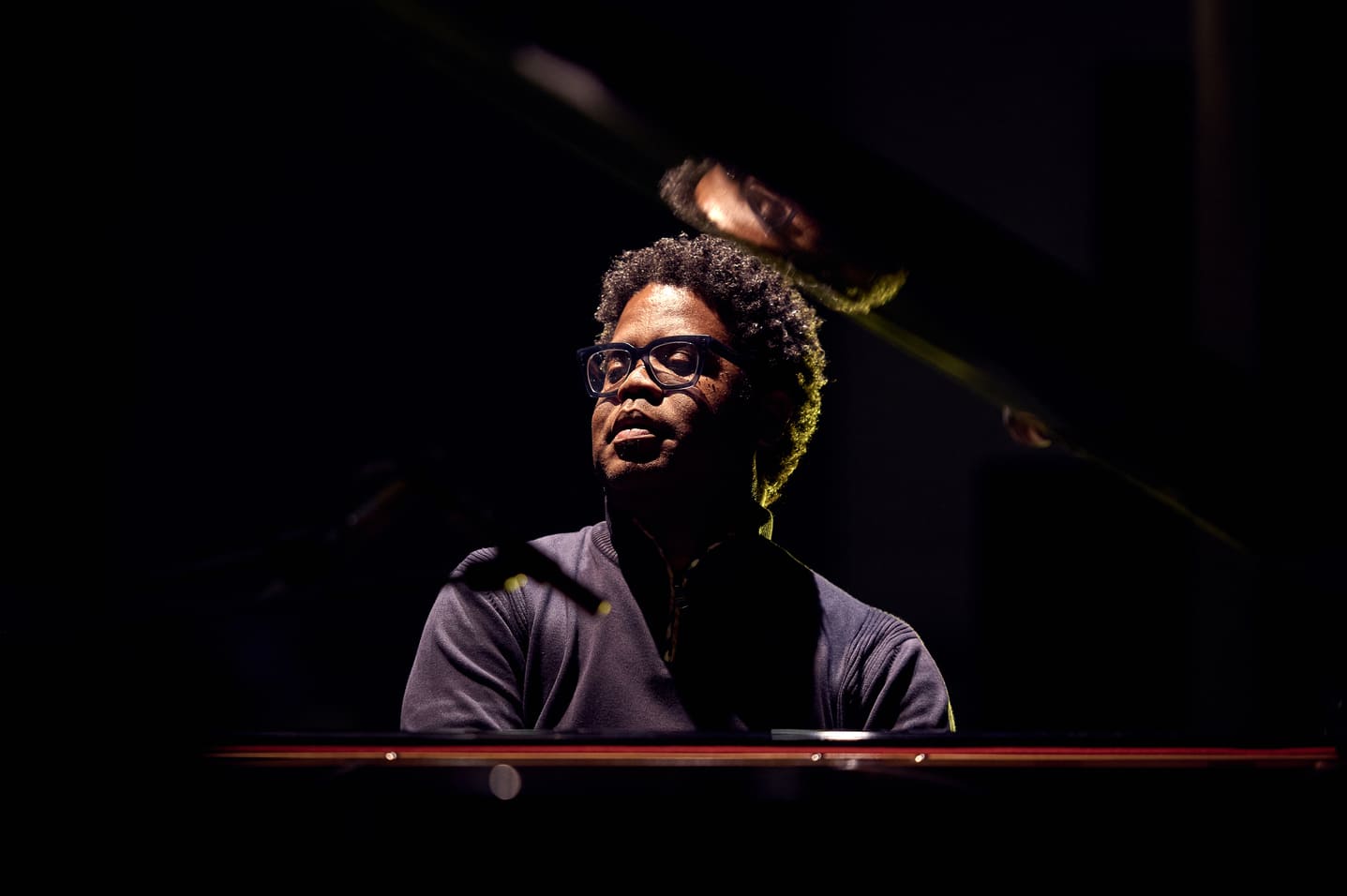
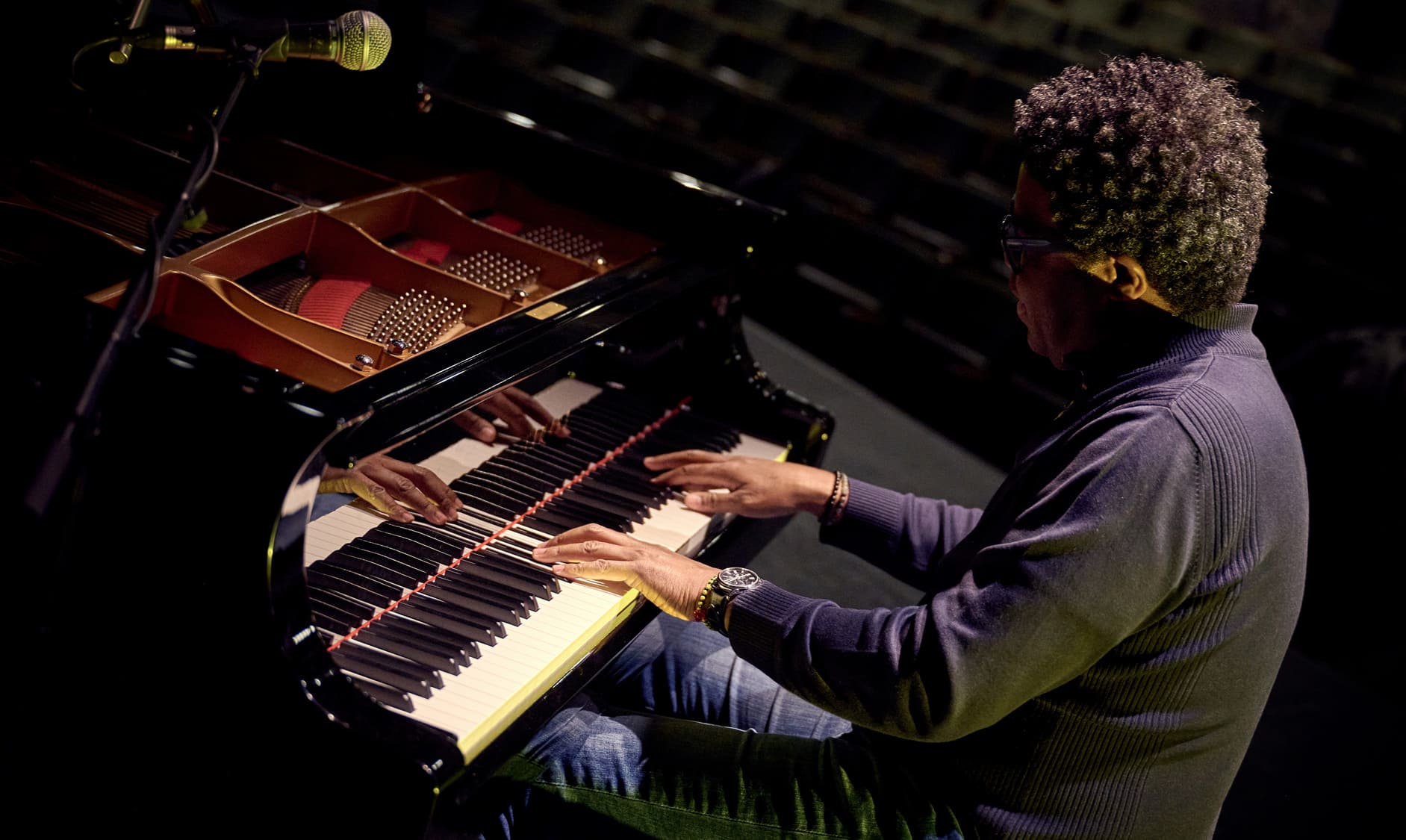
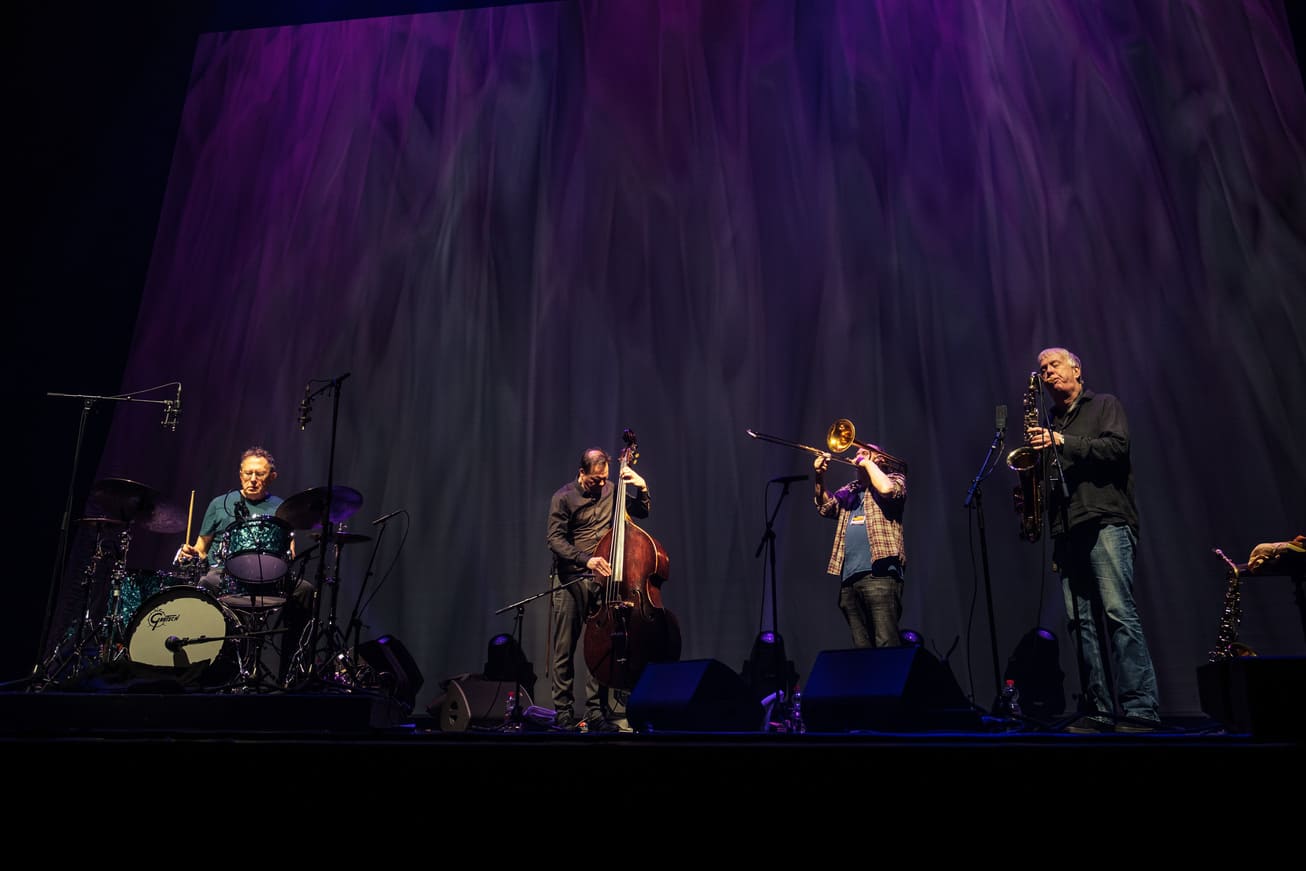
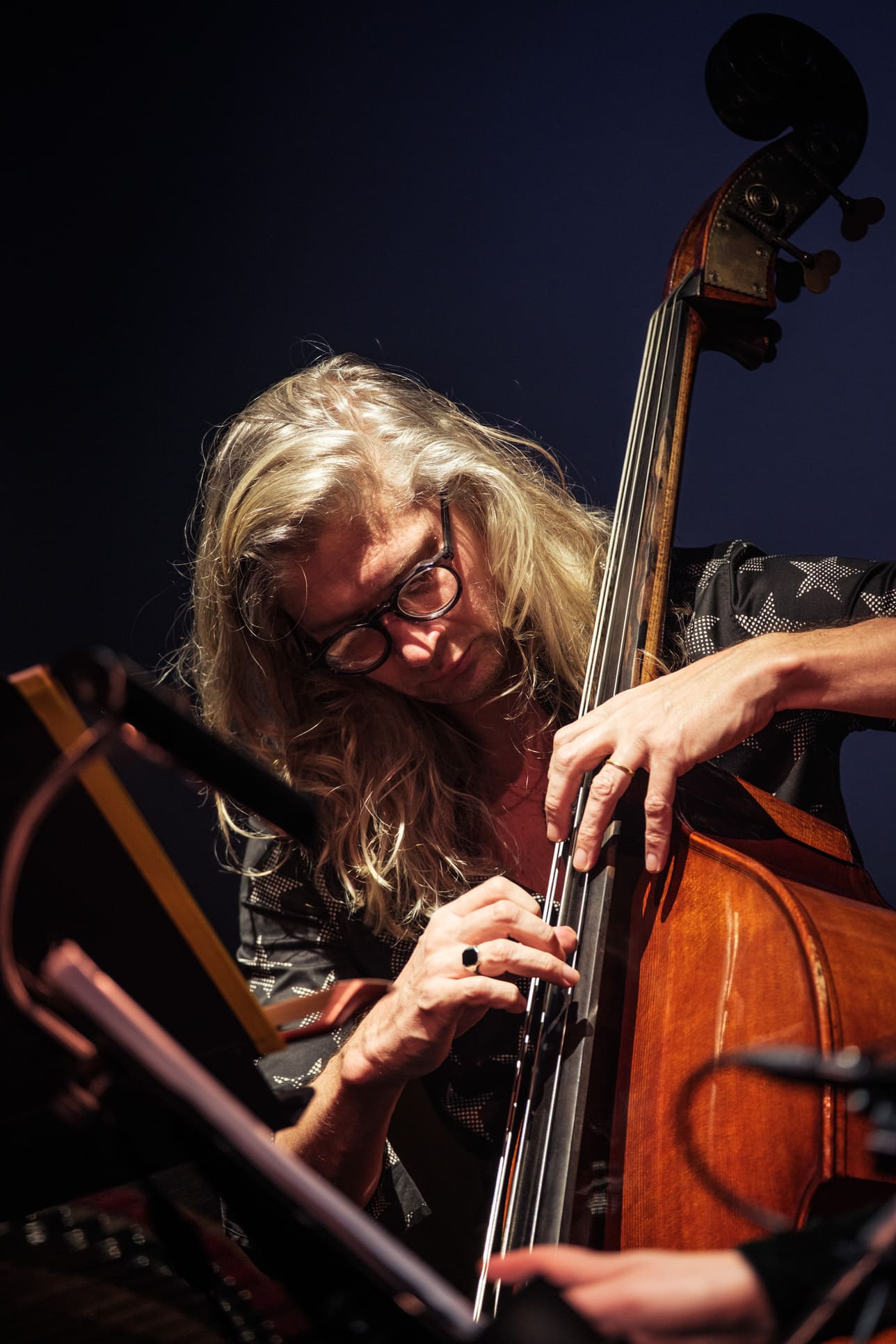
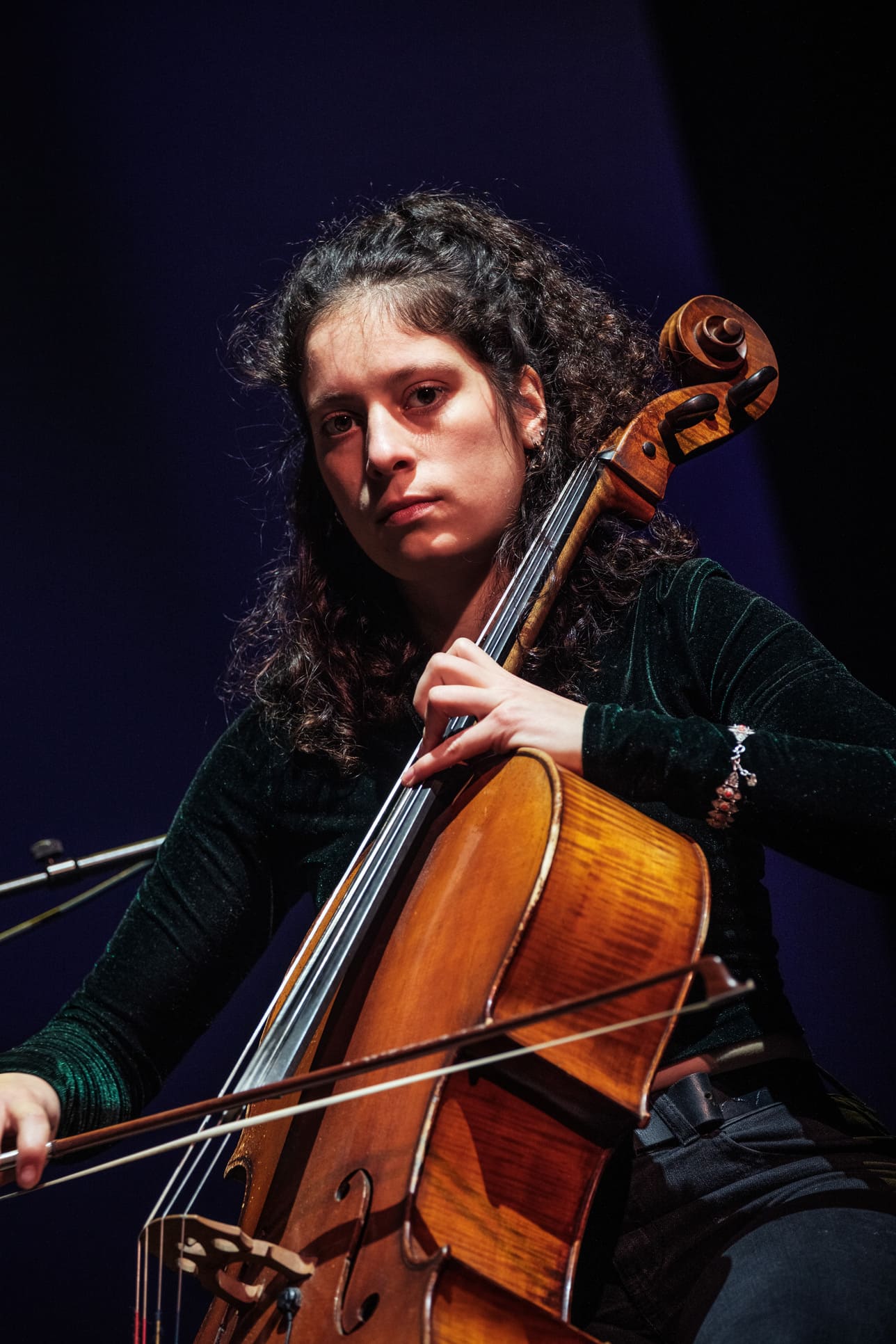
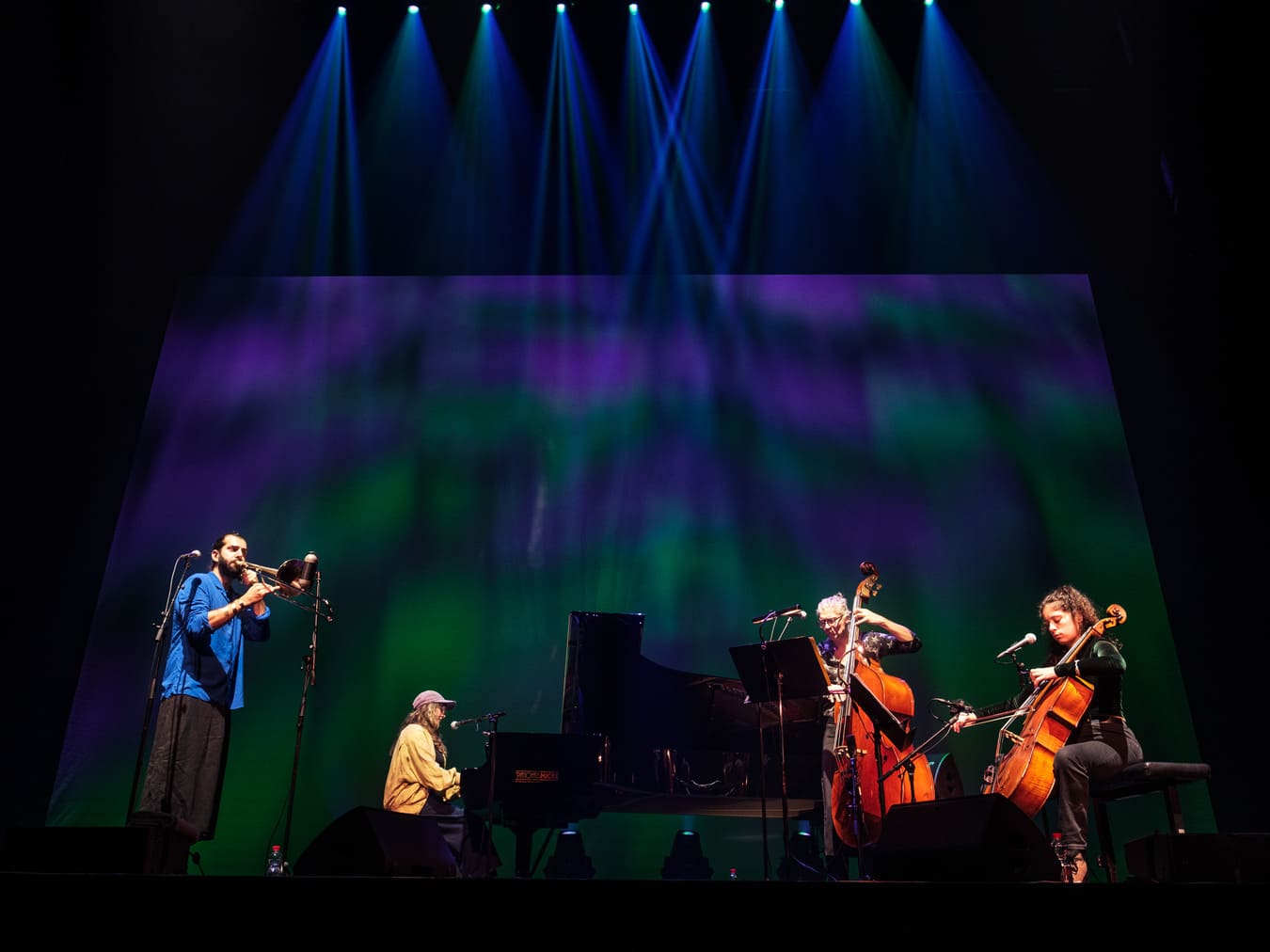
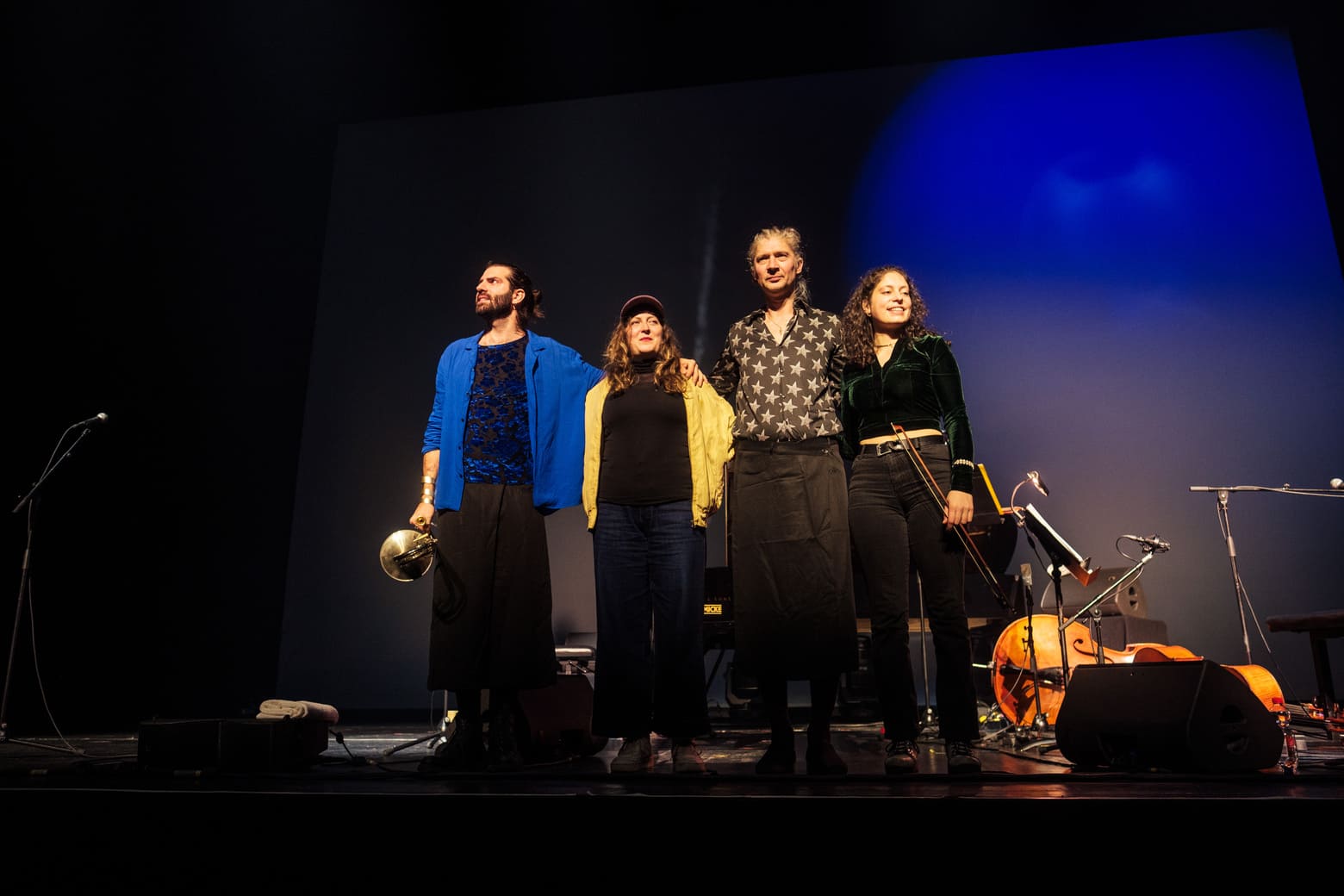
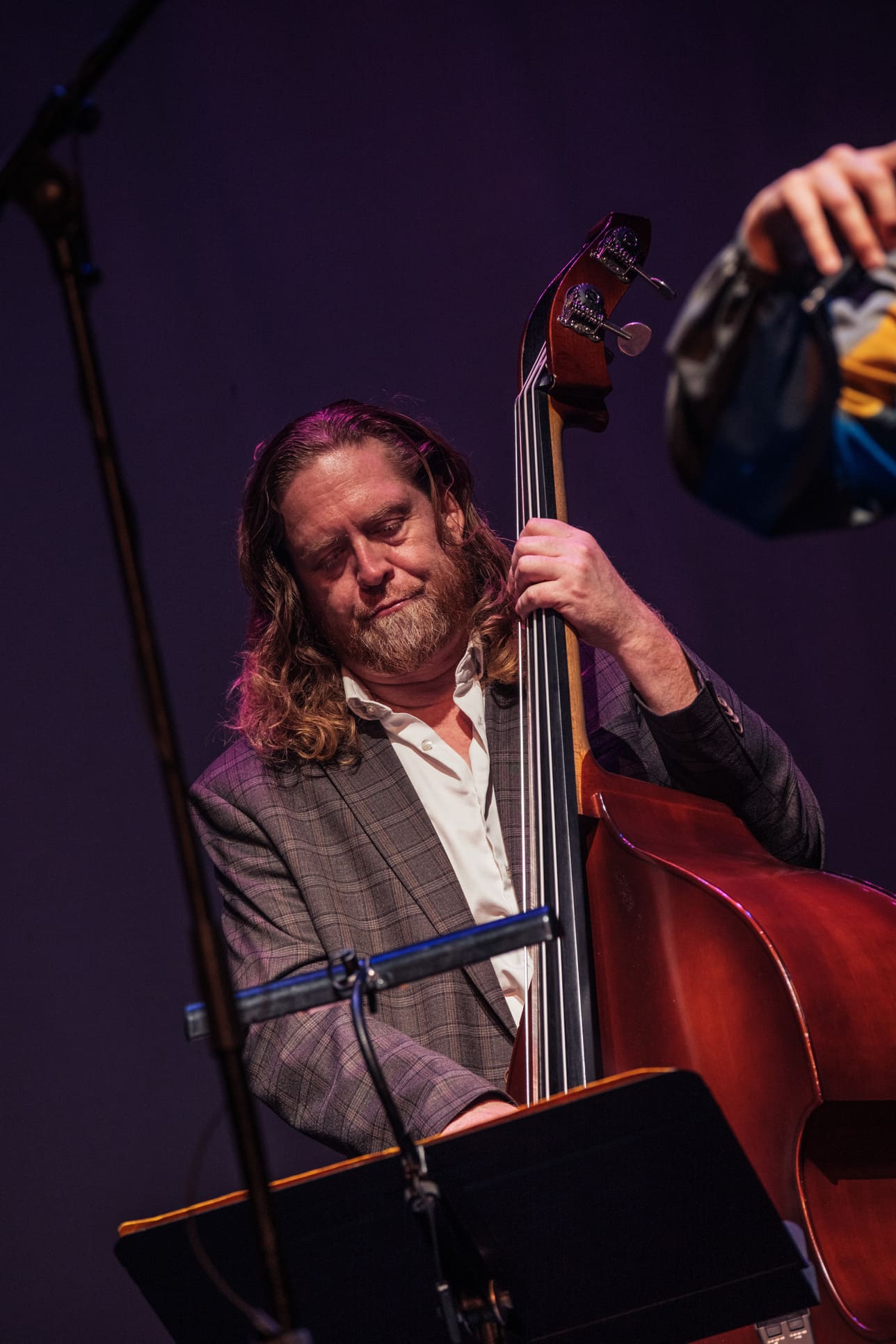
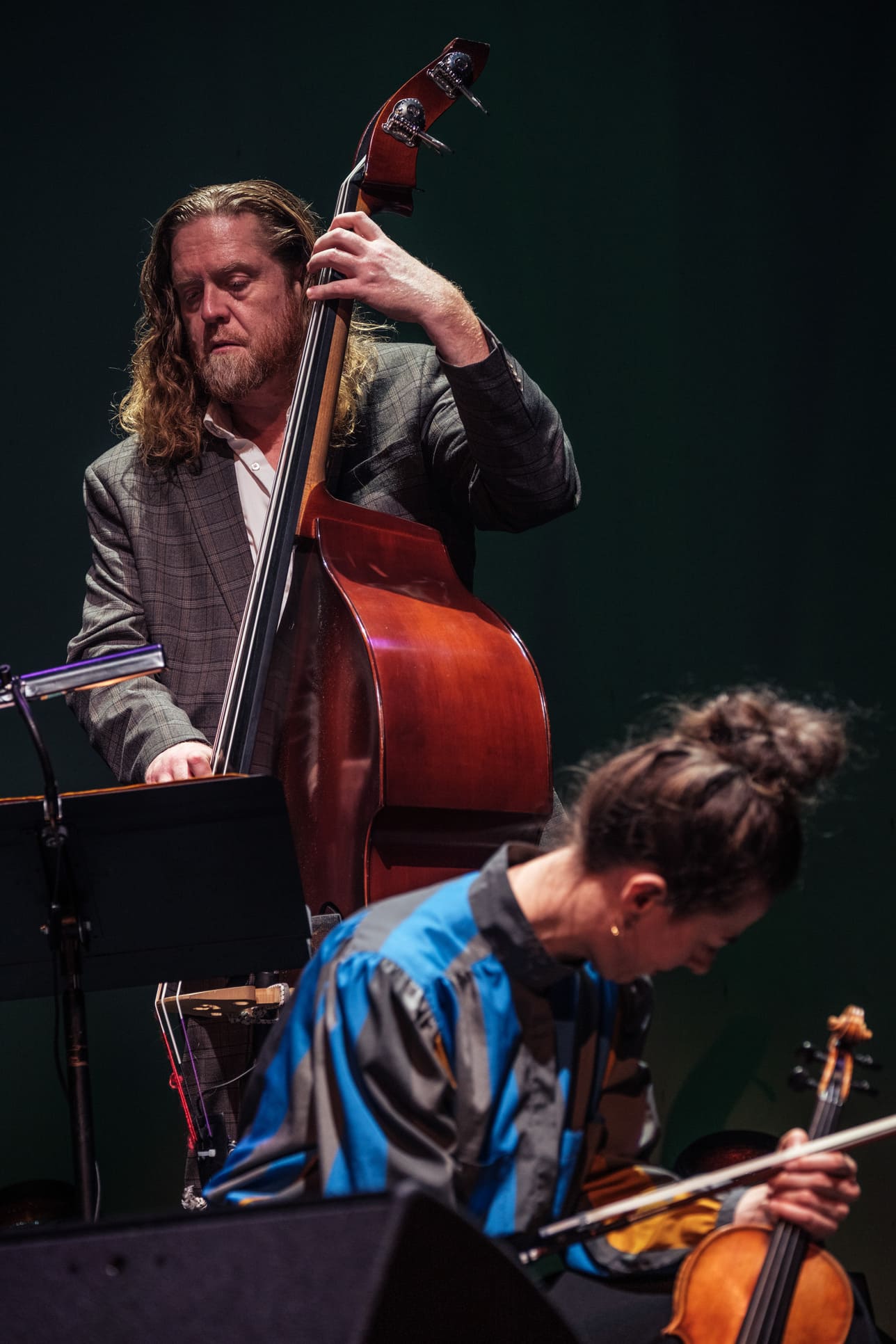
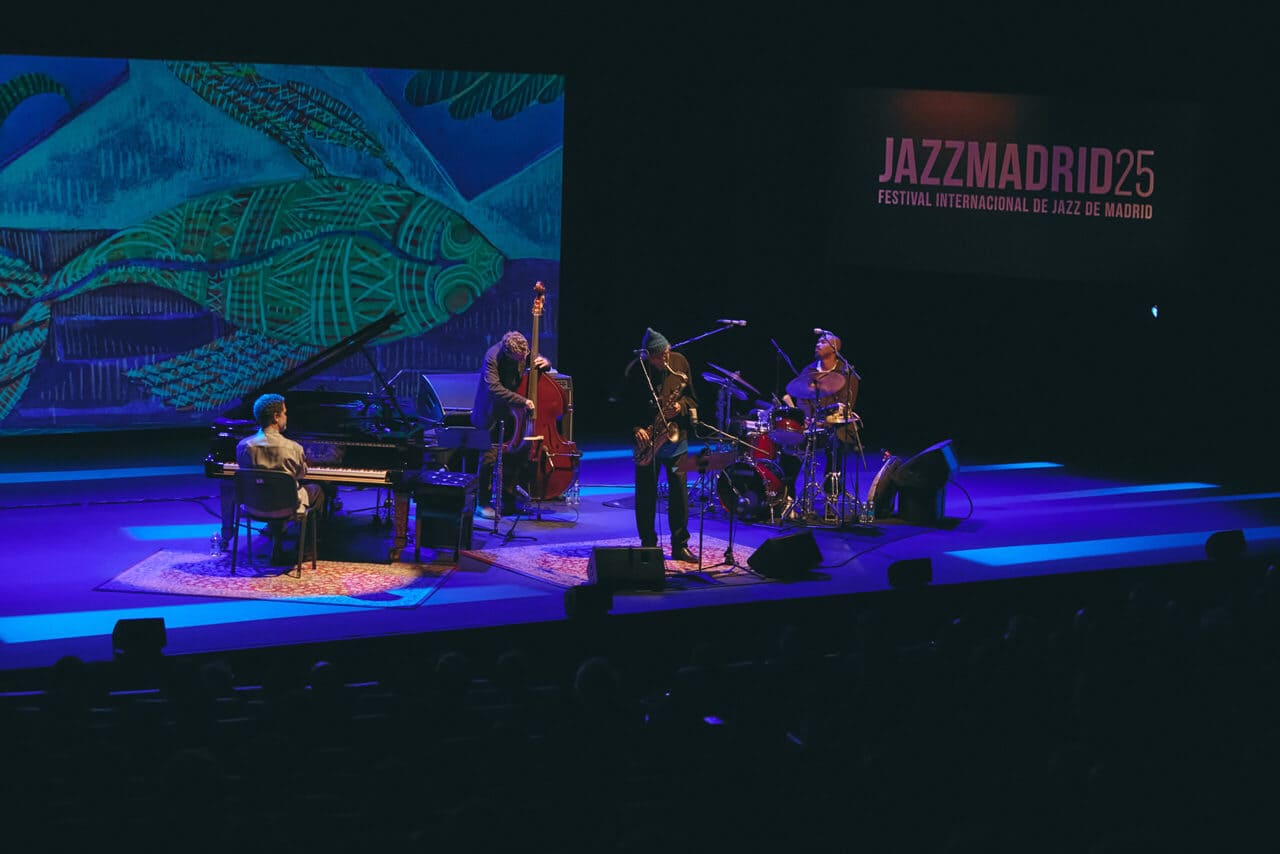
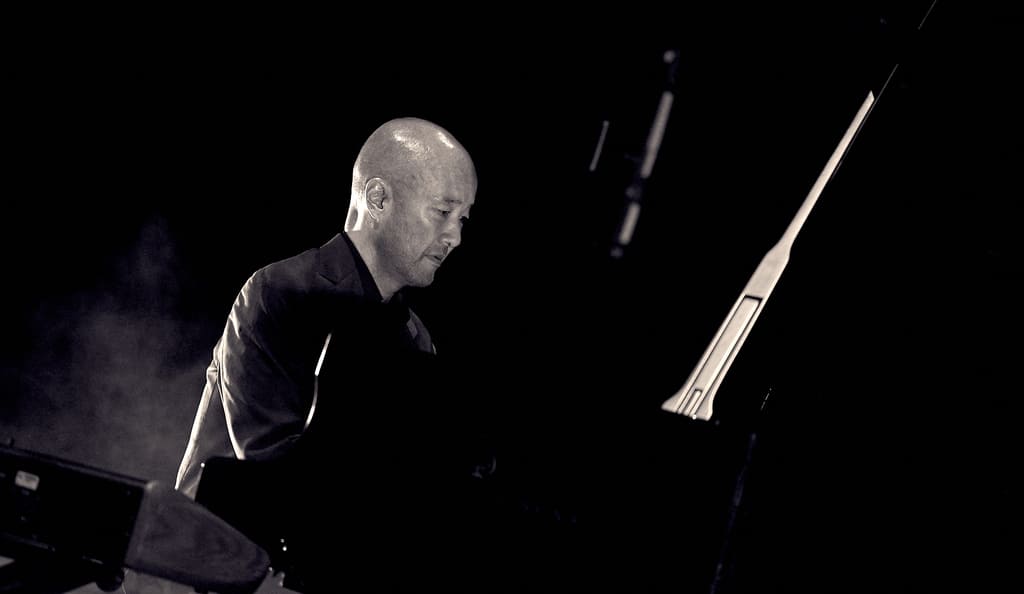
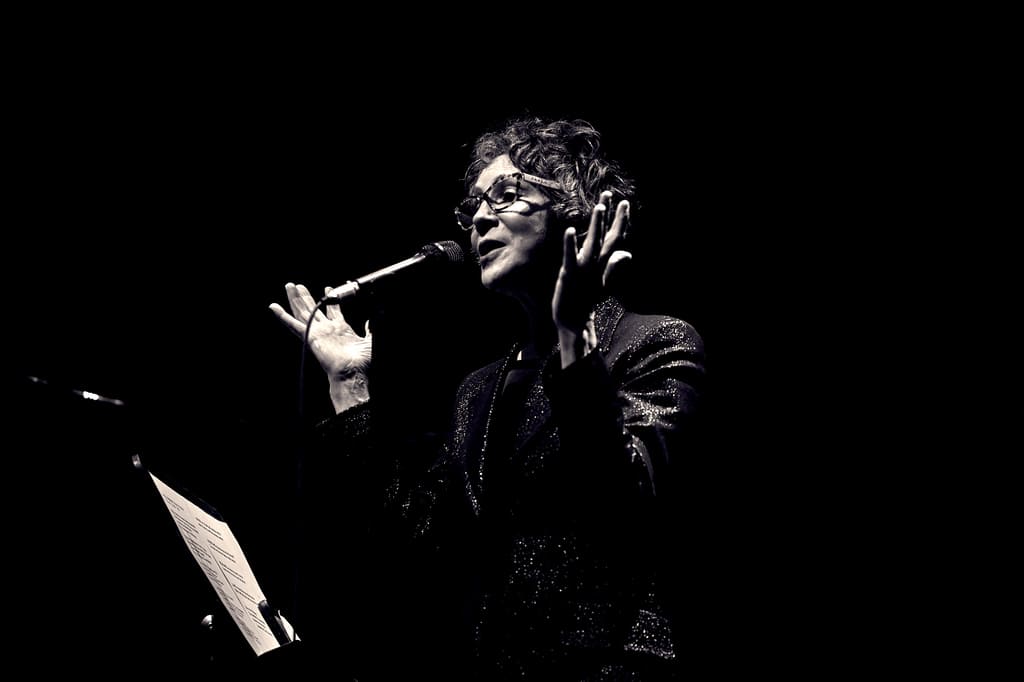
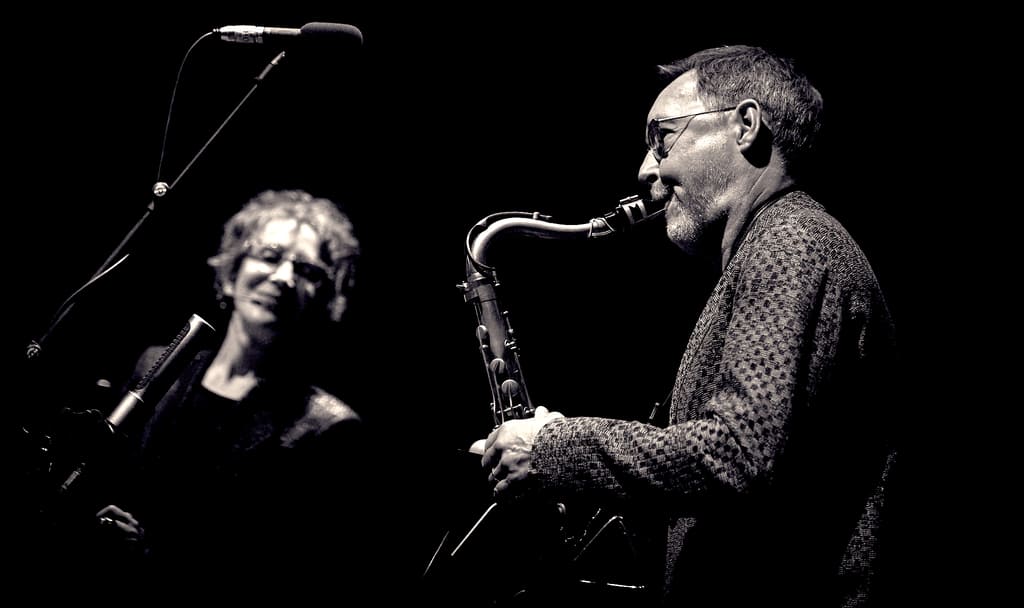
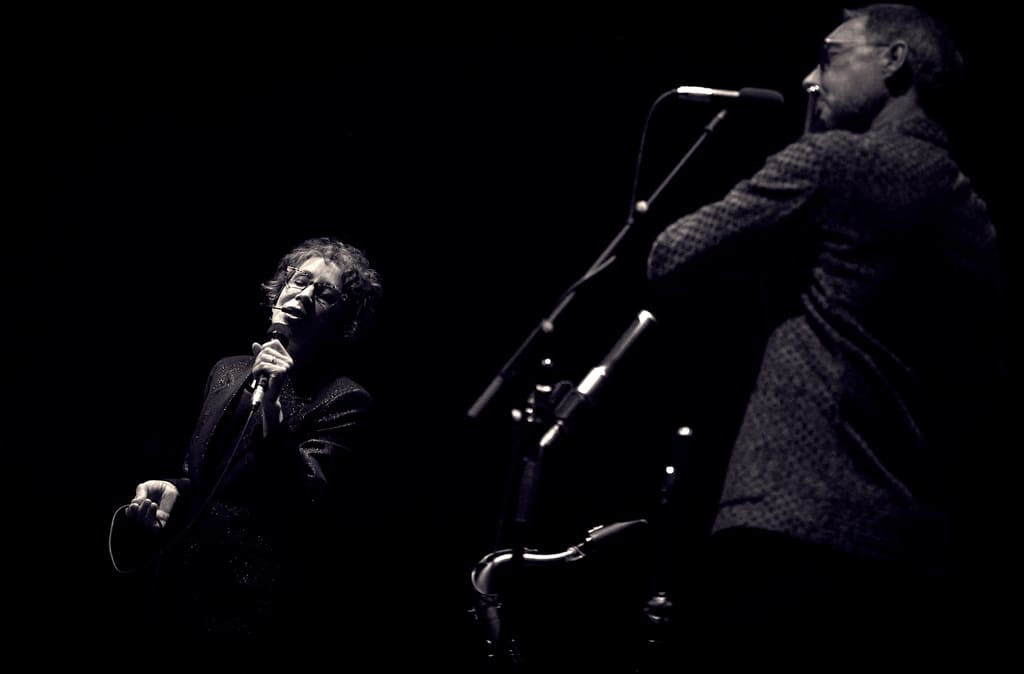
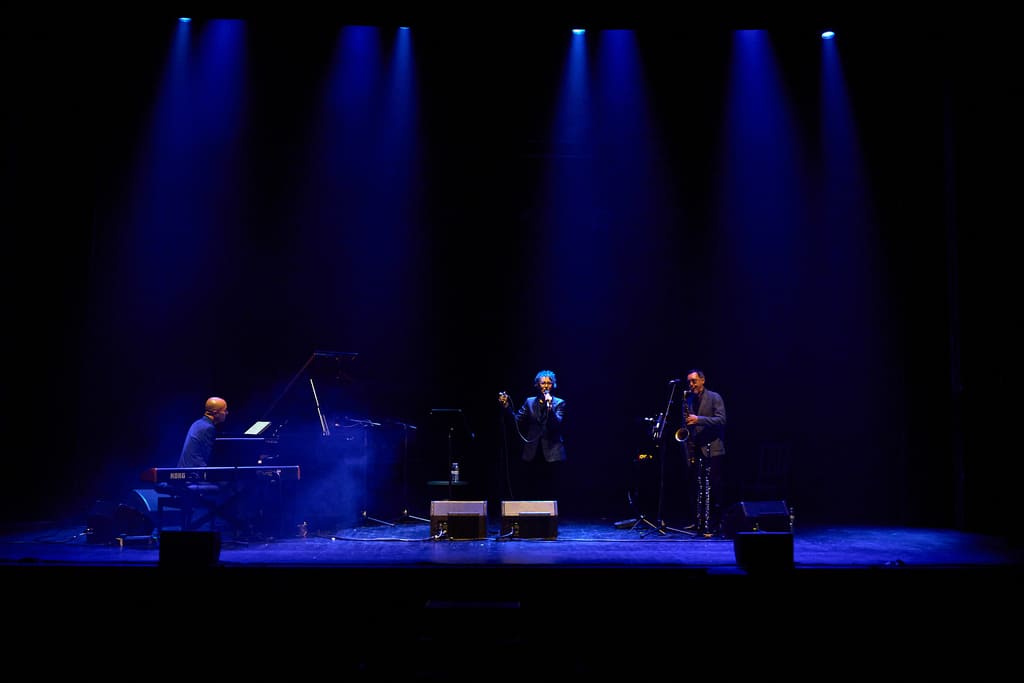
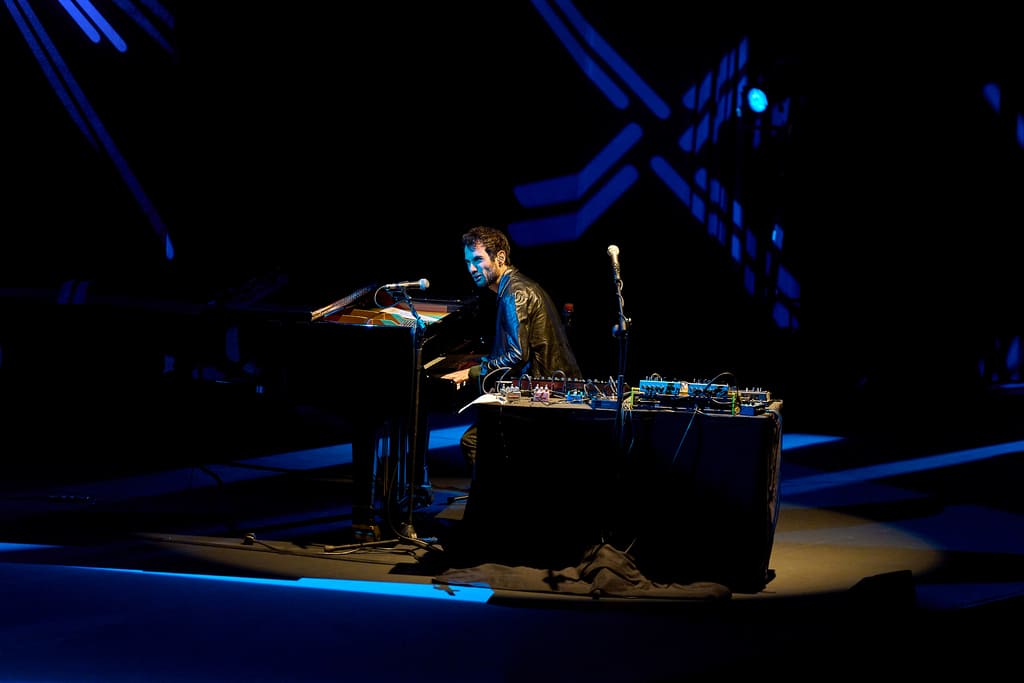
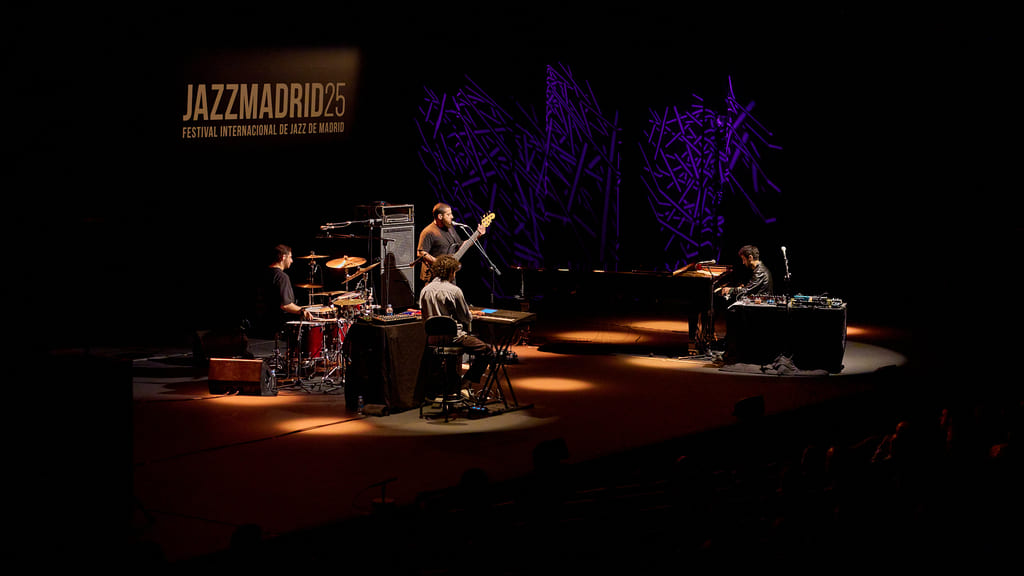
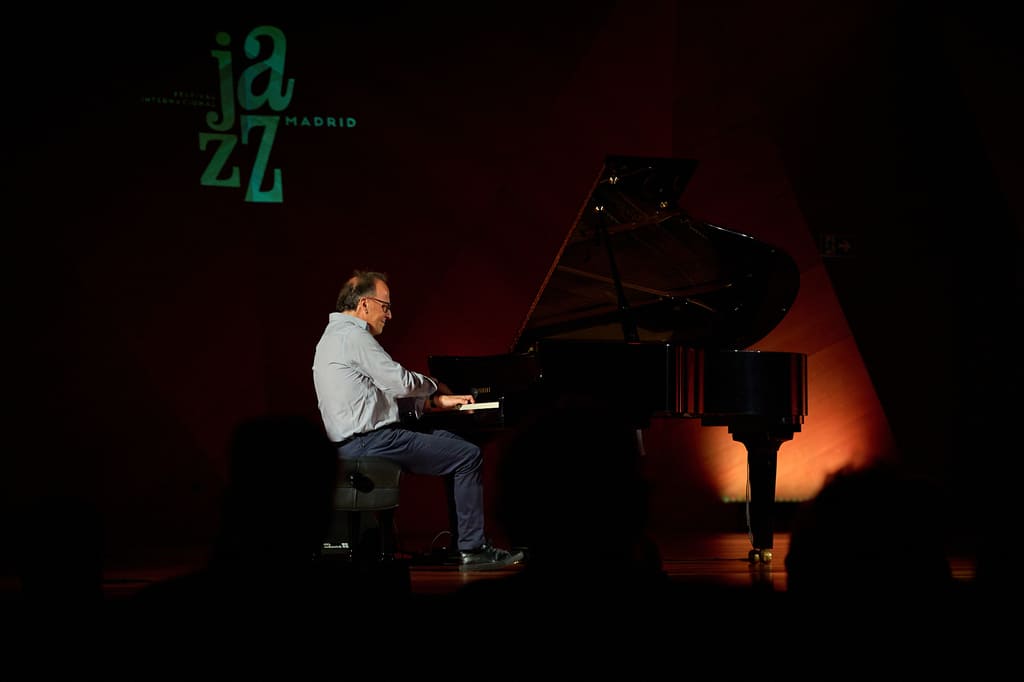
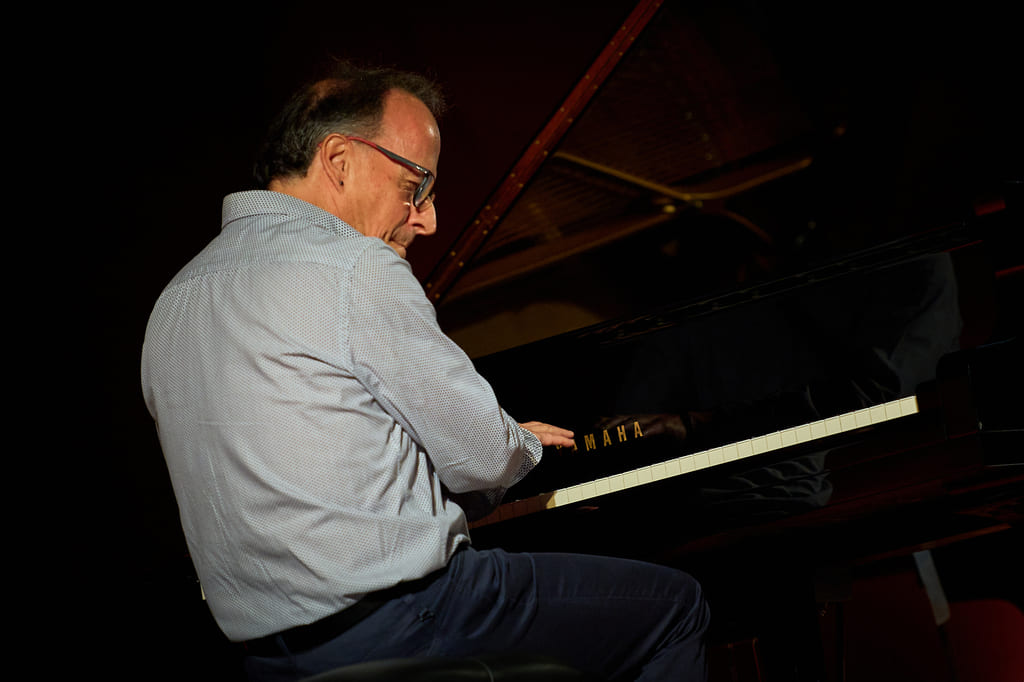
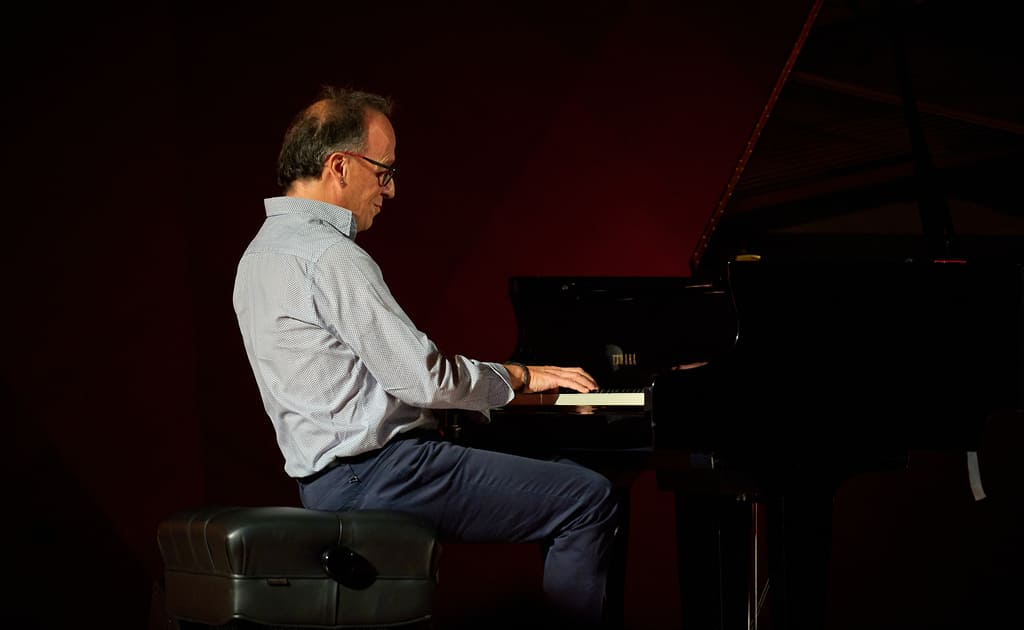
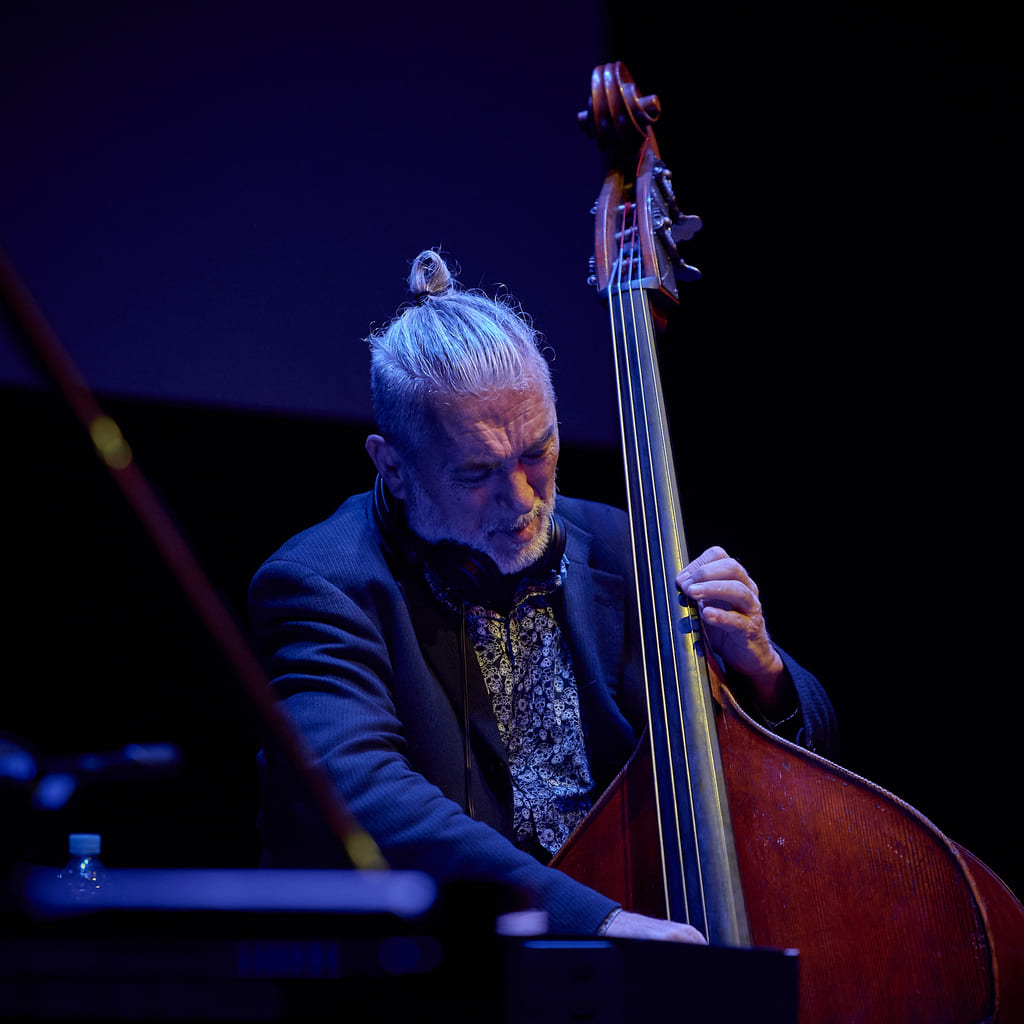
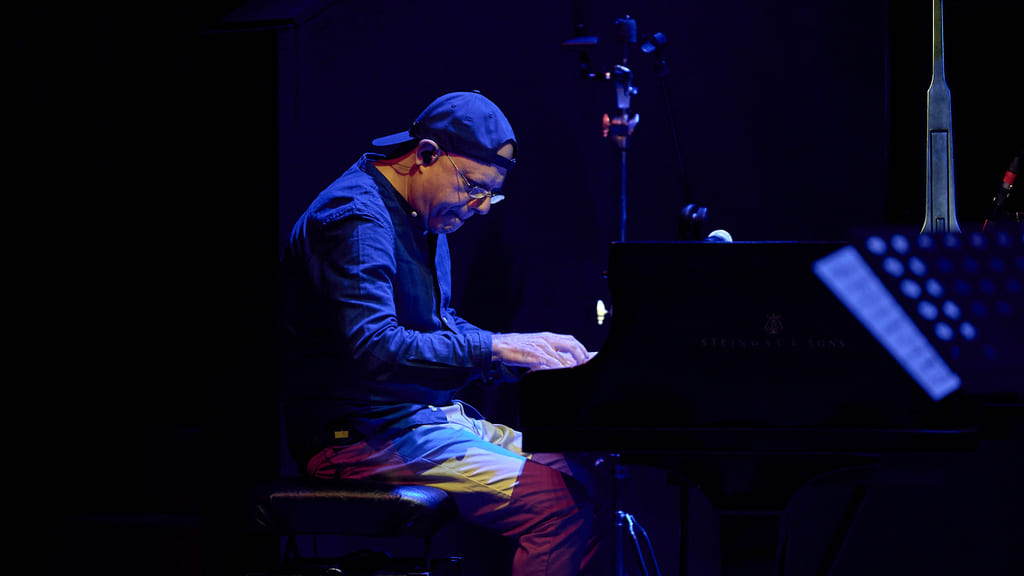
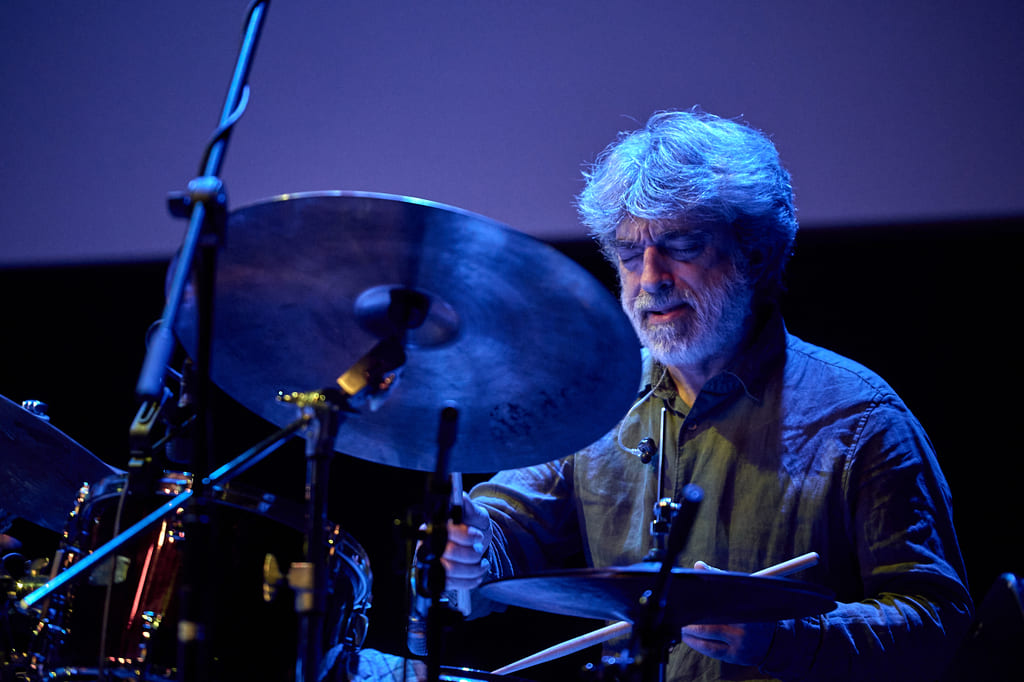
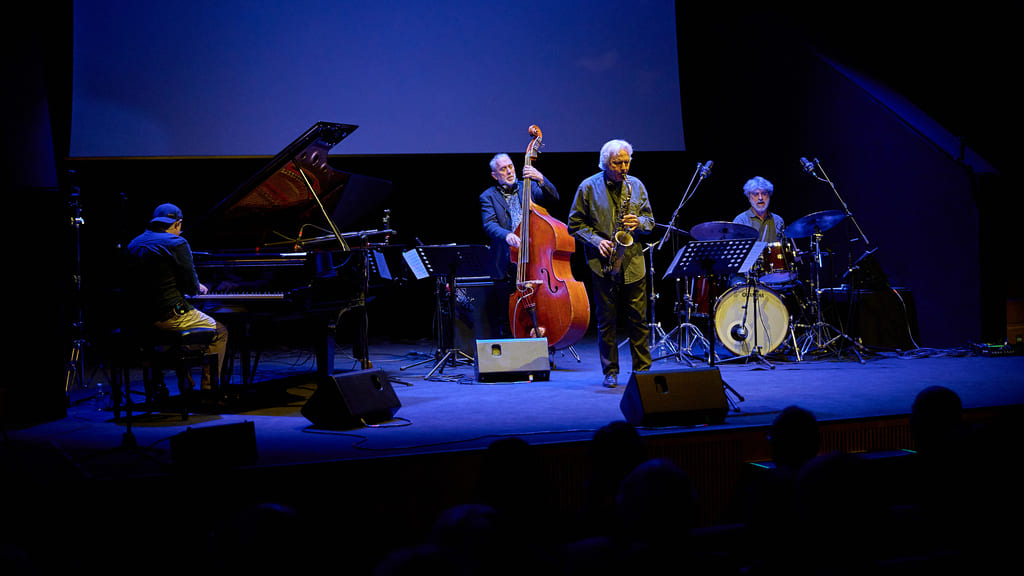
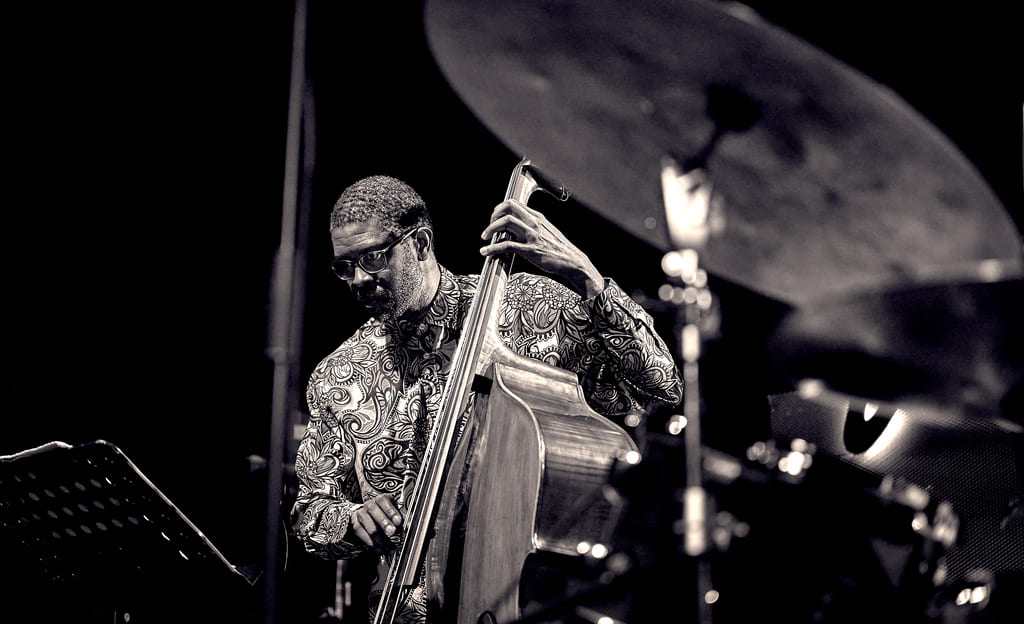
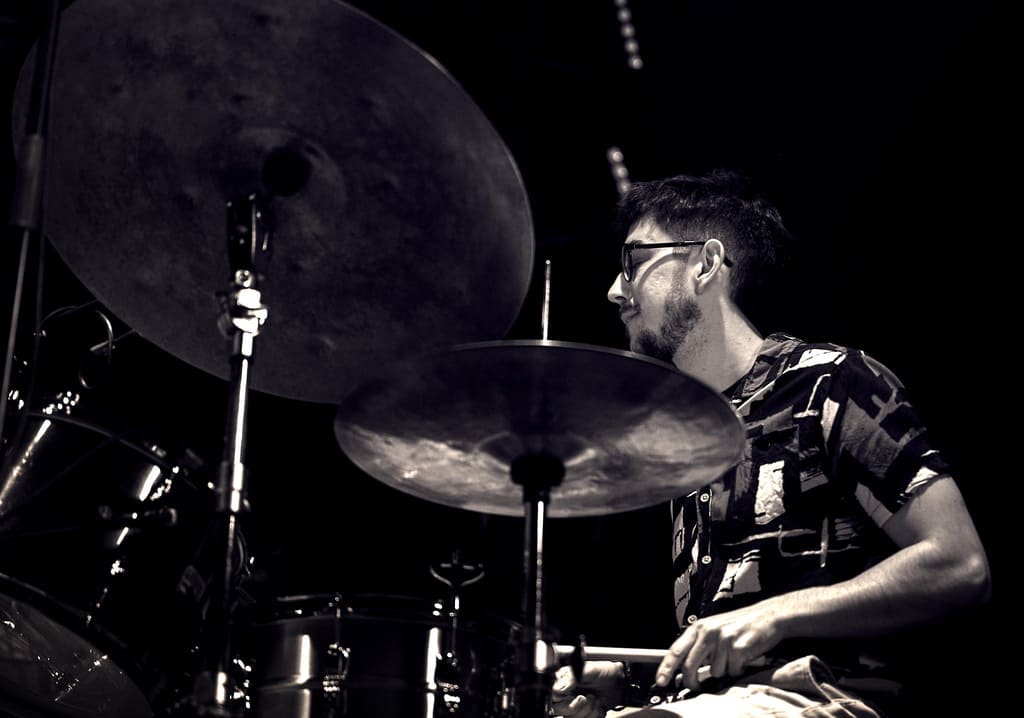
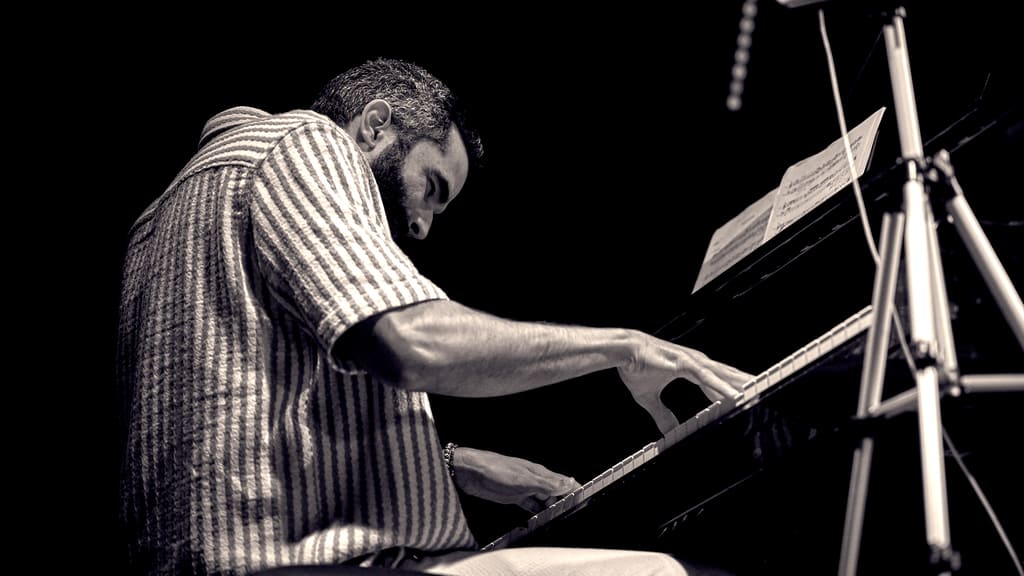
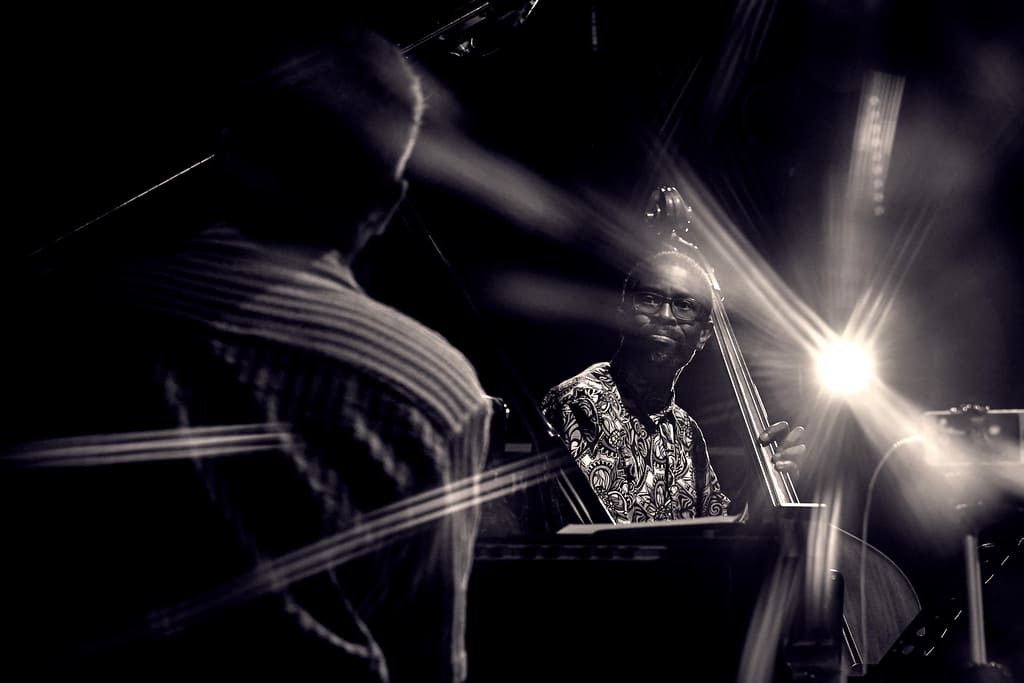
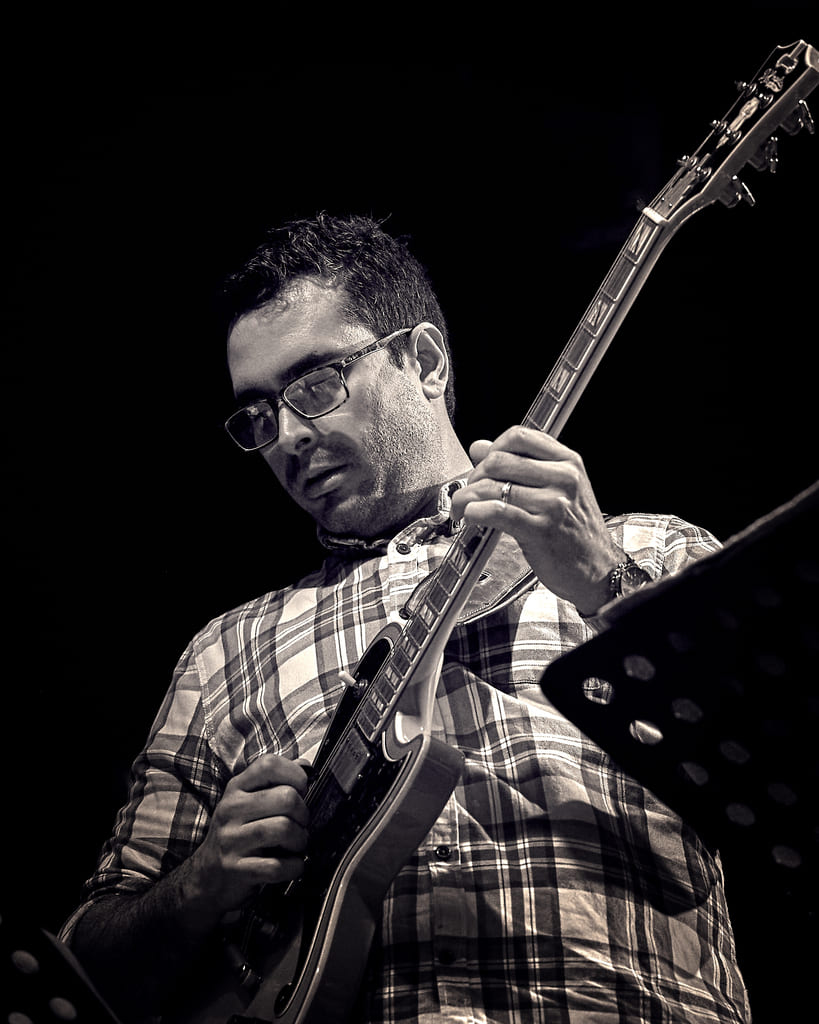
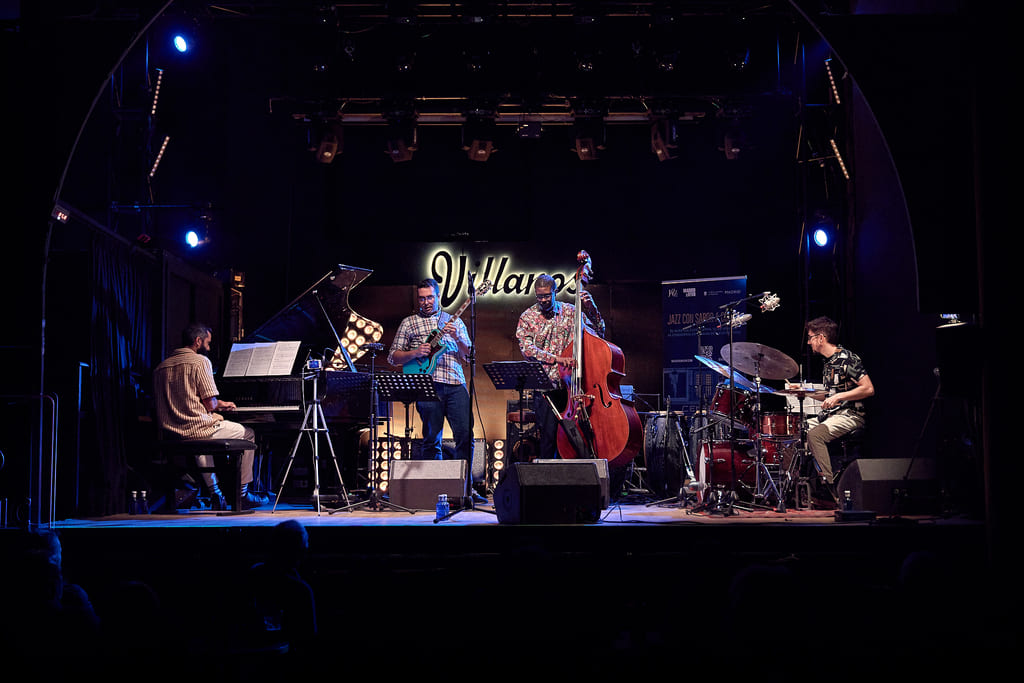
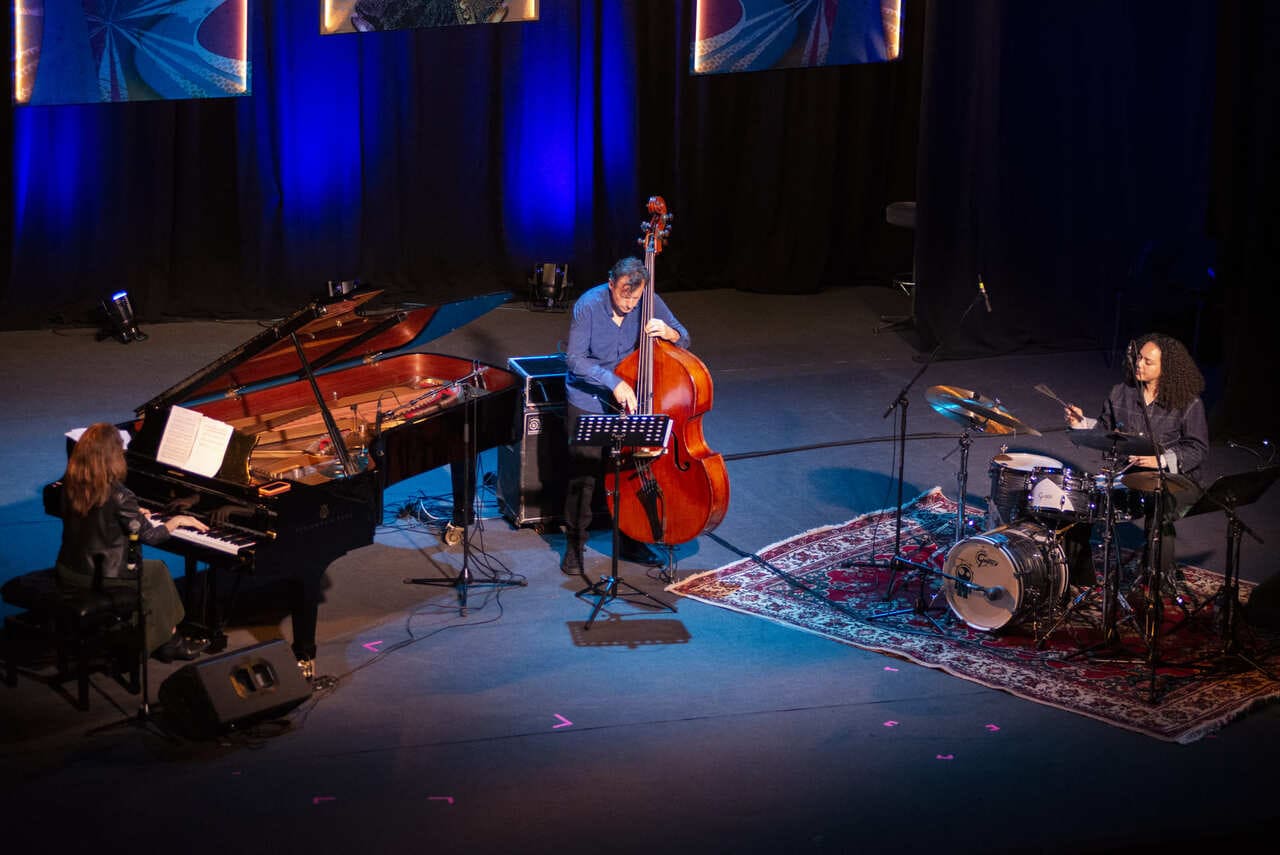
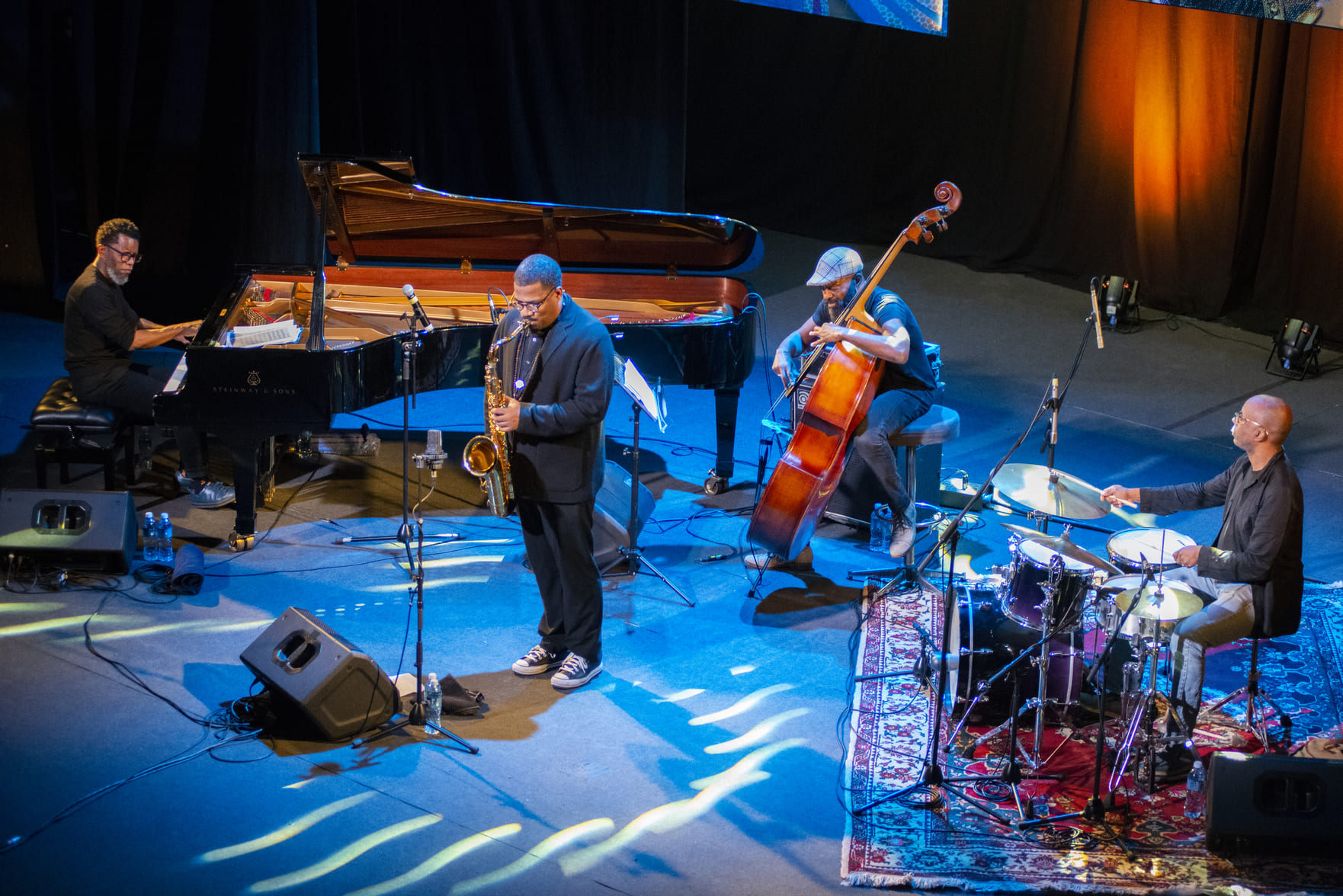
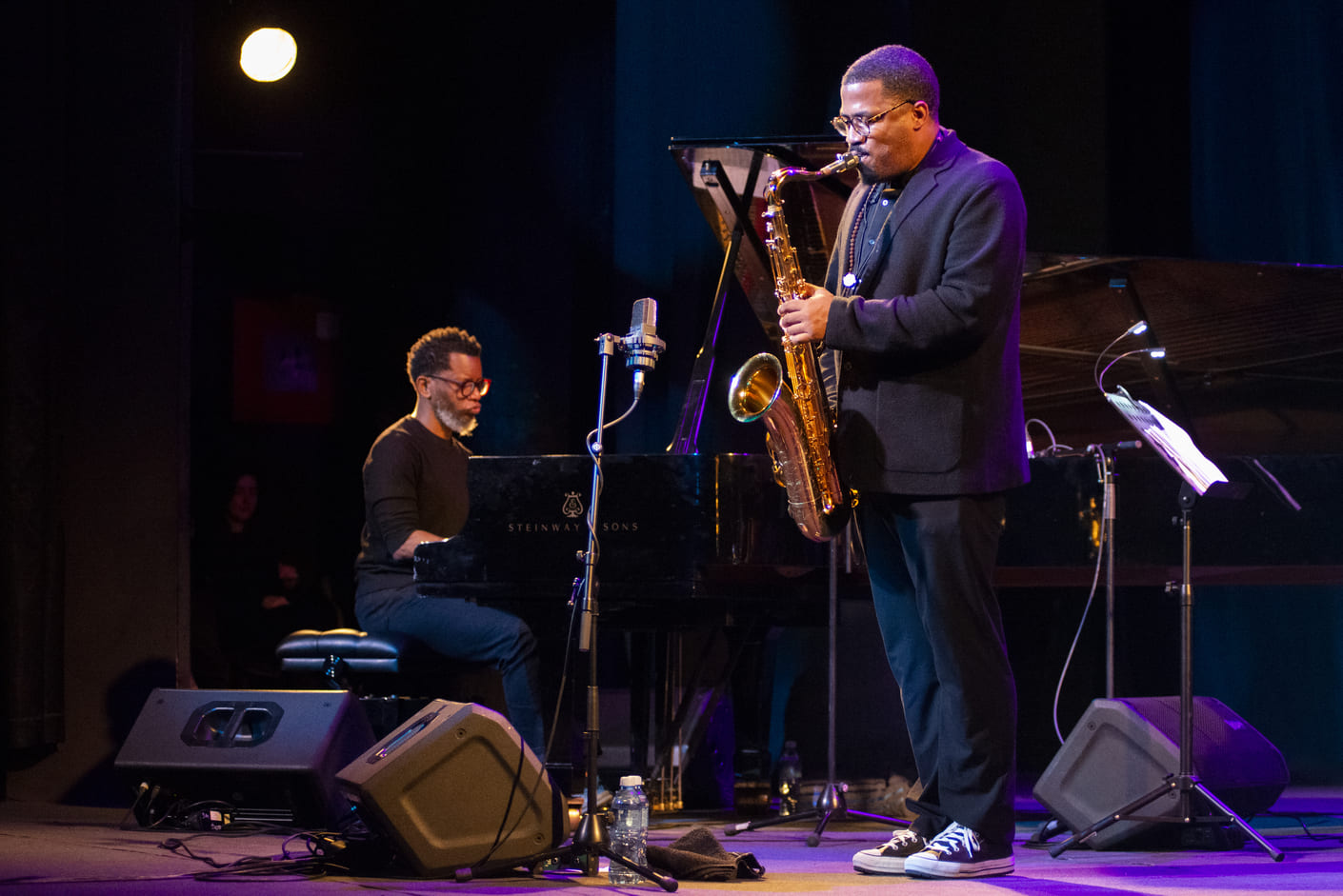
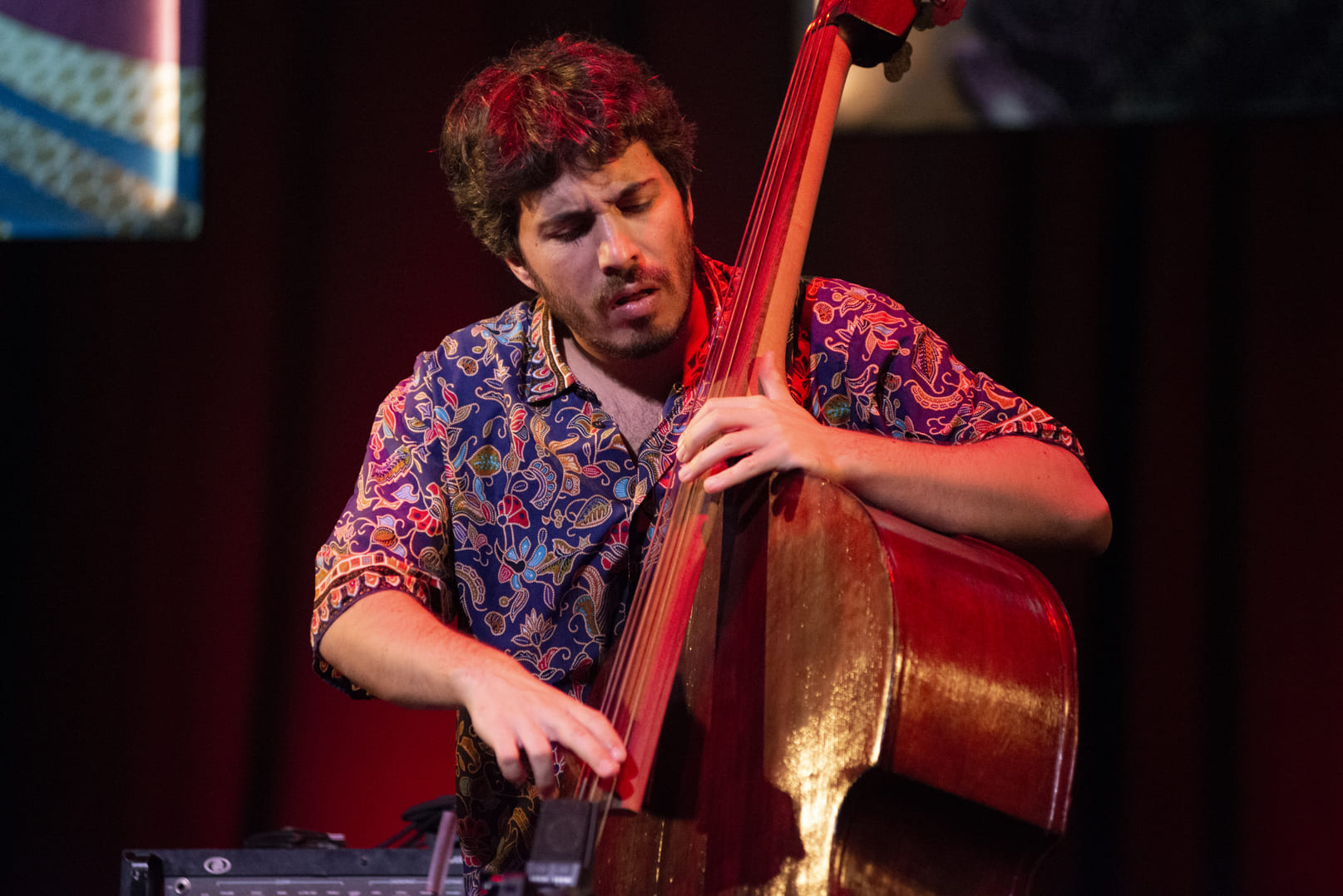
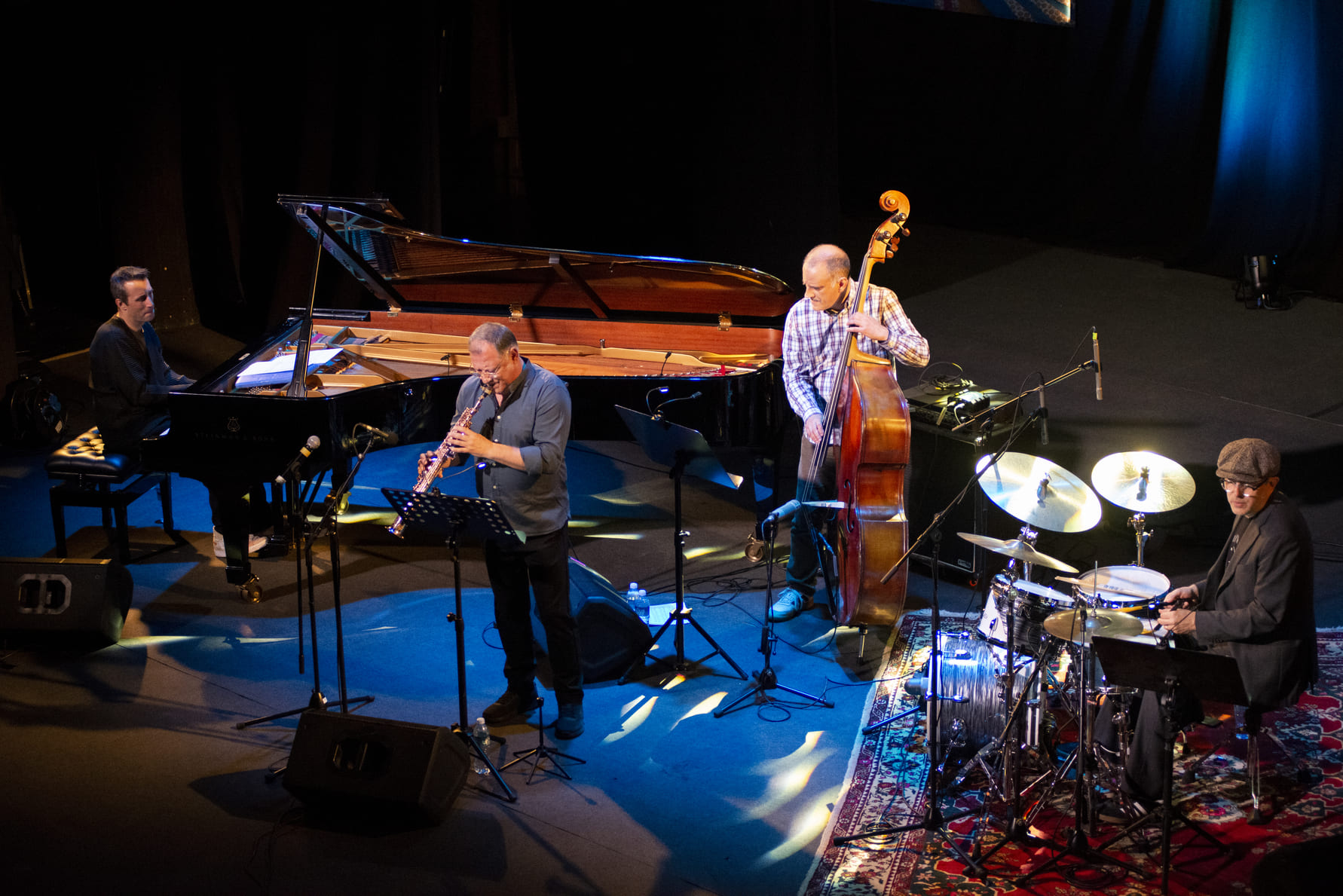
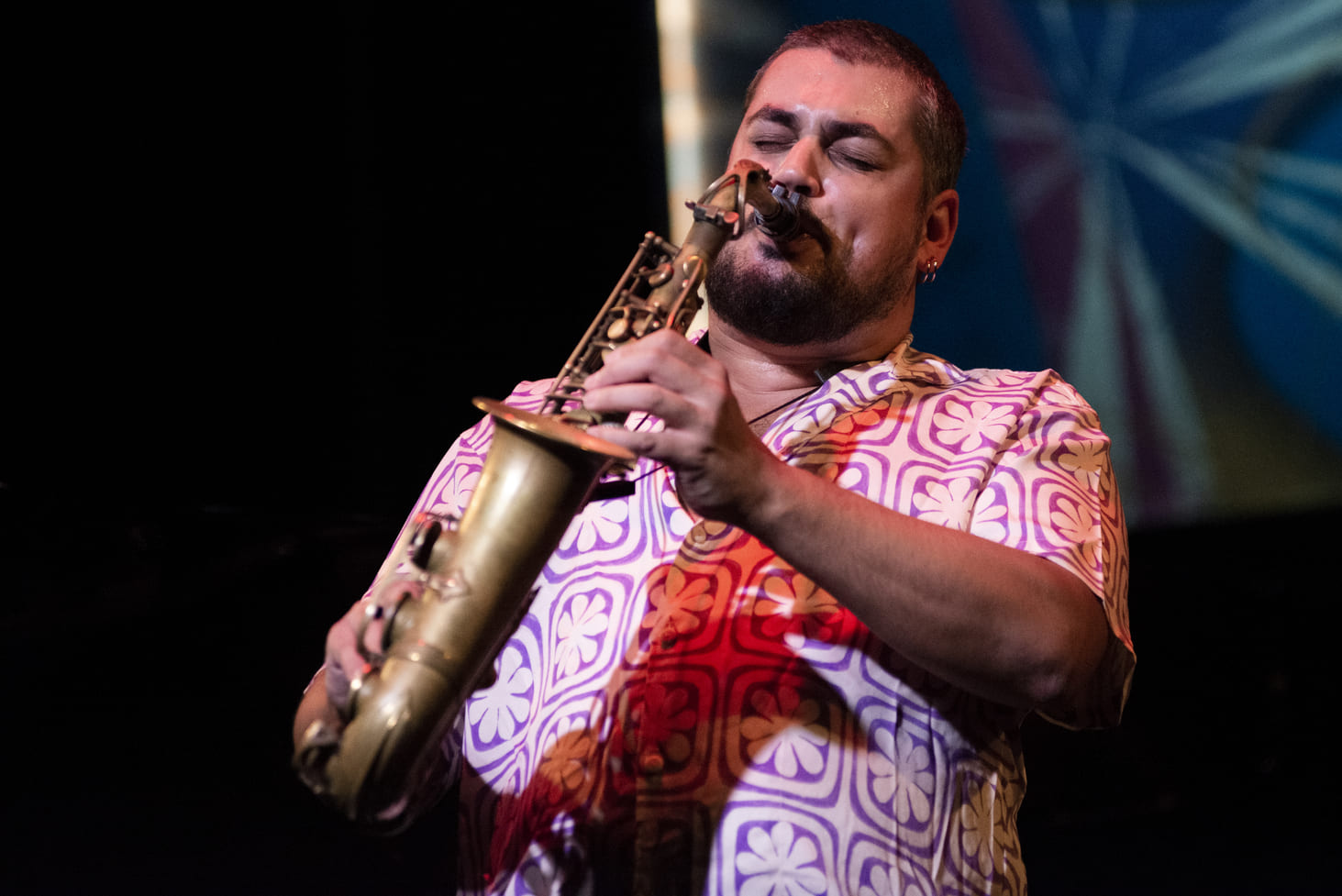
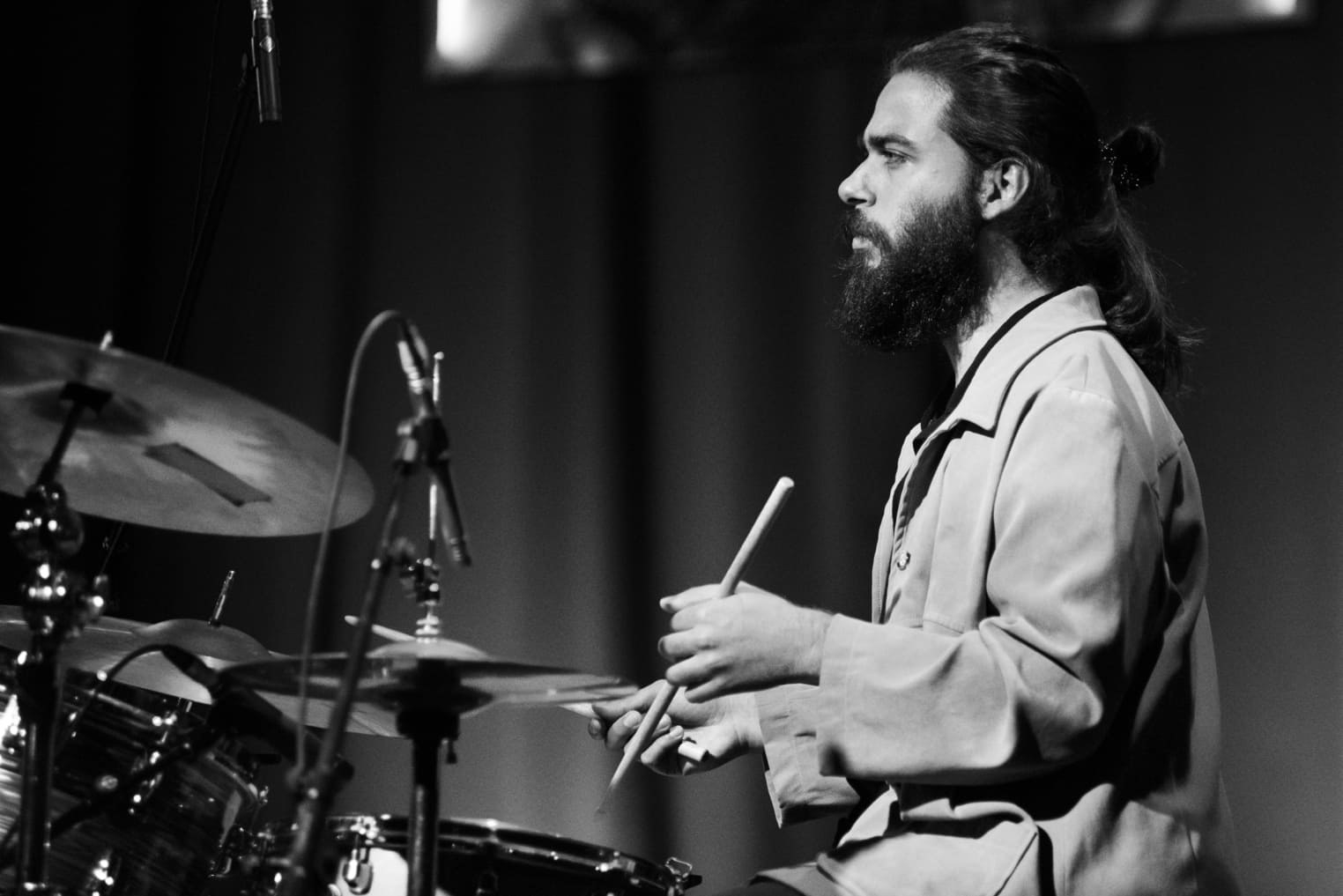
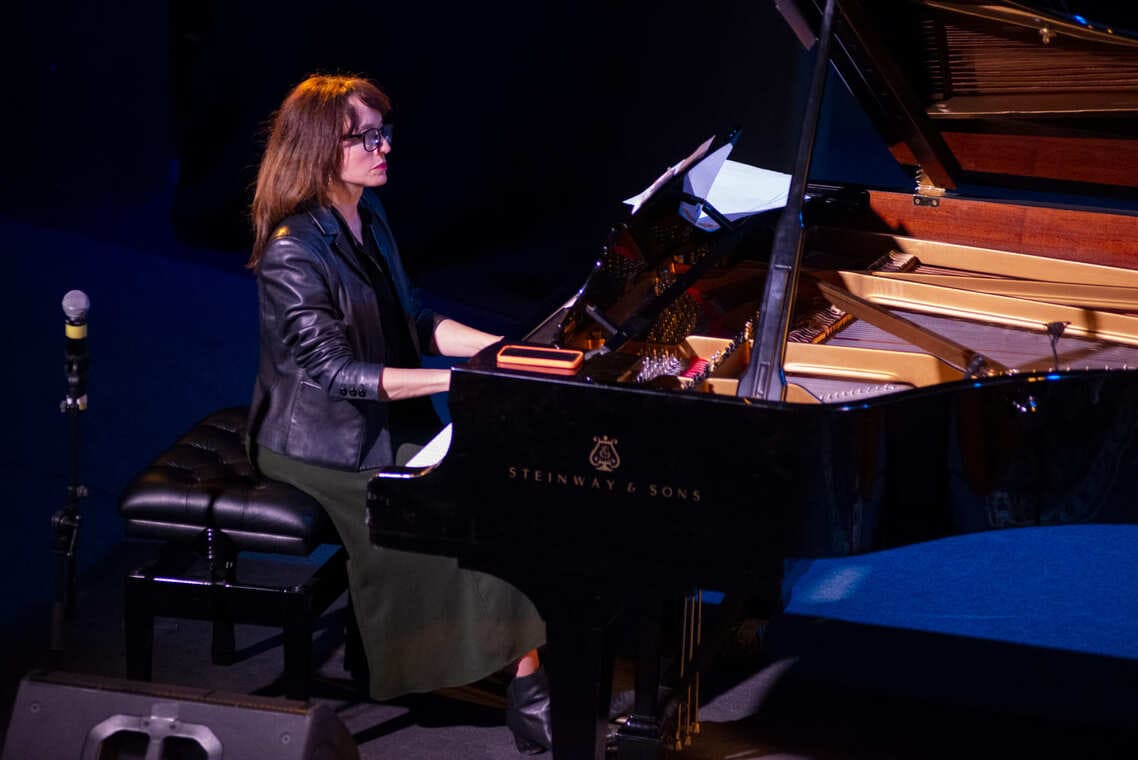
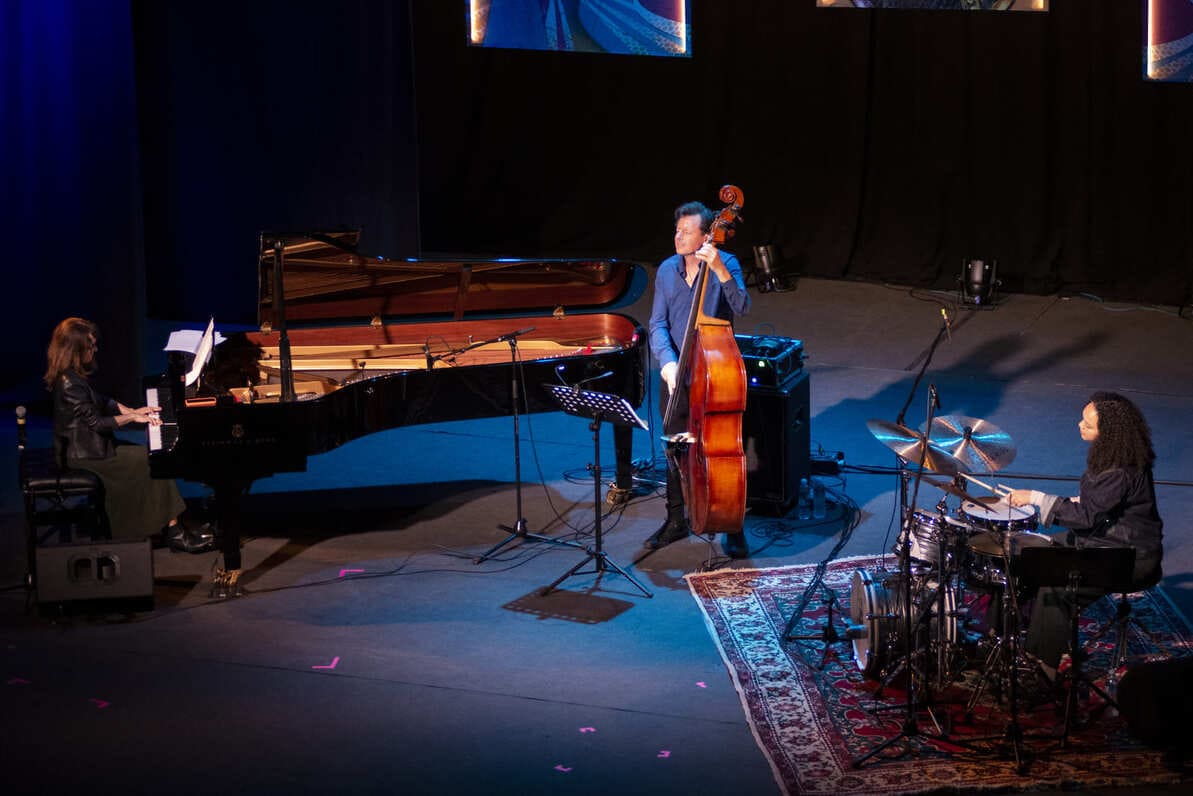
In&OutJazz Magazine Review. Álbum: Luces y Sombras. Iván Melón Lewis, piano / Gastón Joya, contrabajo / Georvis Pico, batería. JAZZ CÍRCULO. Círculo de Bellas Artes. Madrid

Grabar en trío sigue siendo uno de los mayores actos de riesgo en el jazz. Un formato clásico, sin red ni artificio, que expone cada gesto, cada silencio y cada decisión en tiempo real. En Luces y Sombras, ese riesgo no solo se asume, sino que se convierte en motor creativo. El empaste, la escucha profunda y la comunicación constante entre Iván Melón Lewis, Gastón Joya y Georvis Pico sostienen un discurso donde nada parece impuesto y todo fluye desde la confianza mutua.

El álbum, construido íntegramente a partir de composiciones originales, se articula como un viaje interior marcado por el contraste. Luz y penumbra, certeza e incertidumbre, avance y pausa. No como oposición dramática, sino como estados complementarios que definen tanto la experiencia vital como el acto creativo. La música avanza con esa conciencia: sabiendo que no siempre hay respuestas, pero sí dirección.

La apertura conceptual se insinúa con Momento, una pieza que gira en torno a una nota persistente, inamovible, mientras la armonía muta a su alrededor. El efecto es hipnótico: la esencia permanece firme y el contexto se transforma, como si el oyente observara una misma figura bajo distintas luces. El trío maneja el espacio con delicadeza extrema, permitiendo que el tiempo respire y que el silencio se integre como parte activa del discurso.

En el tema: Big Kenny, el lenguaje se expande hacia una improvisación más abierta y arriesgada. La estructura se diluye en favor de un flujo cadente, con pasajes de carácter free que nunca pierden la cohesión. El piano explora con libertad, el contrabajo propone, camina y sostiene, y la batería, aun con sus momentos de protagonismo, dialoga desde la sutileza, creando un equilibrio frágil pero profundamente expresivo. Es un ejemplo claro de cómo el riesgo, cuando hay comunicación real, se transforma en claridad.

Uno de los momentos más emotivos del álbum llega con Danzana, dedicada a la abuela materna de Lewis, y quizás el tema donde la raíz cultural se manifiesta con mayor claridad. El contrabajo introduce un tumbao, unas veces más y otras menos explícito, que dialoga con una estructura flexible y elegante. La danza no es festiva en el sentido tradicional: es memoria, es gesto contenido, es movimiento con peso emocional. El trío consigue integrar tradición y modernidad sin subrayados, permitiendo que el pulso ancestral conviva con un lenguaje armónico contemporáneo y abierto.

El eje conceptual se condensa en Luces y Sombras, pieza central del álbum y reflejo más claro de su espíritu. Las dinámicas contrastantes, los desplazamientos armónicos y la interacción rítmica construyen un paisaje donde conviven seguridad y duda, impulso y recogimiento. No hay resolución definitiva, solo tránsito. La música avanza como lo hace la vida: entre certezas provisionales y búsquedas abiertas.

El cierre con Be aporta una dimensión especialmente emotiva al conjunto. Una balada a piano solo, despojada y luminosa, registro que estuvo a punto de quedar fuera, pero que encontró en el reposo y en el espacio su verdadera fuerza. Aquí, cada nota parece colocada con plena conciencia de su peso emocional. Es una interpretación acogedora, casi suspendida en el tiempo, donde el silencio amplifica el significado y la sencillez se convierte en profundidad. Un final que no concluye, sino que abraza.

Luces y Sombras se inscribe con solidez en la trayectoria de Iván Melón Lewis, una voz reconocida del jazz actual, respaldada por múltiples nominaciones a los Premios Grammy Latinos, pero, sobre todo, por una identidad artística claramente definida. Este no es un disco que busque impresionar desde el exceso, sino conmover desde la honestidad. La música aquí no pretende explicar nada: acompaña.

Más que un título, Luces y Sombras es una reflexión sonora sobre el hecho de estar en el mundo. Una huella musical de un viaje interior que, como el jazz mismo, nunca se detiene.

Texto: Pedro Andrade

20 de enero de 2026

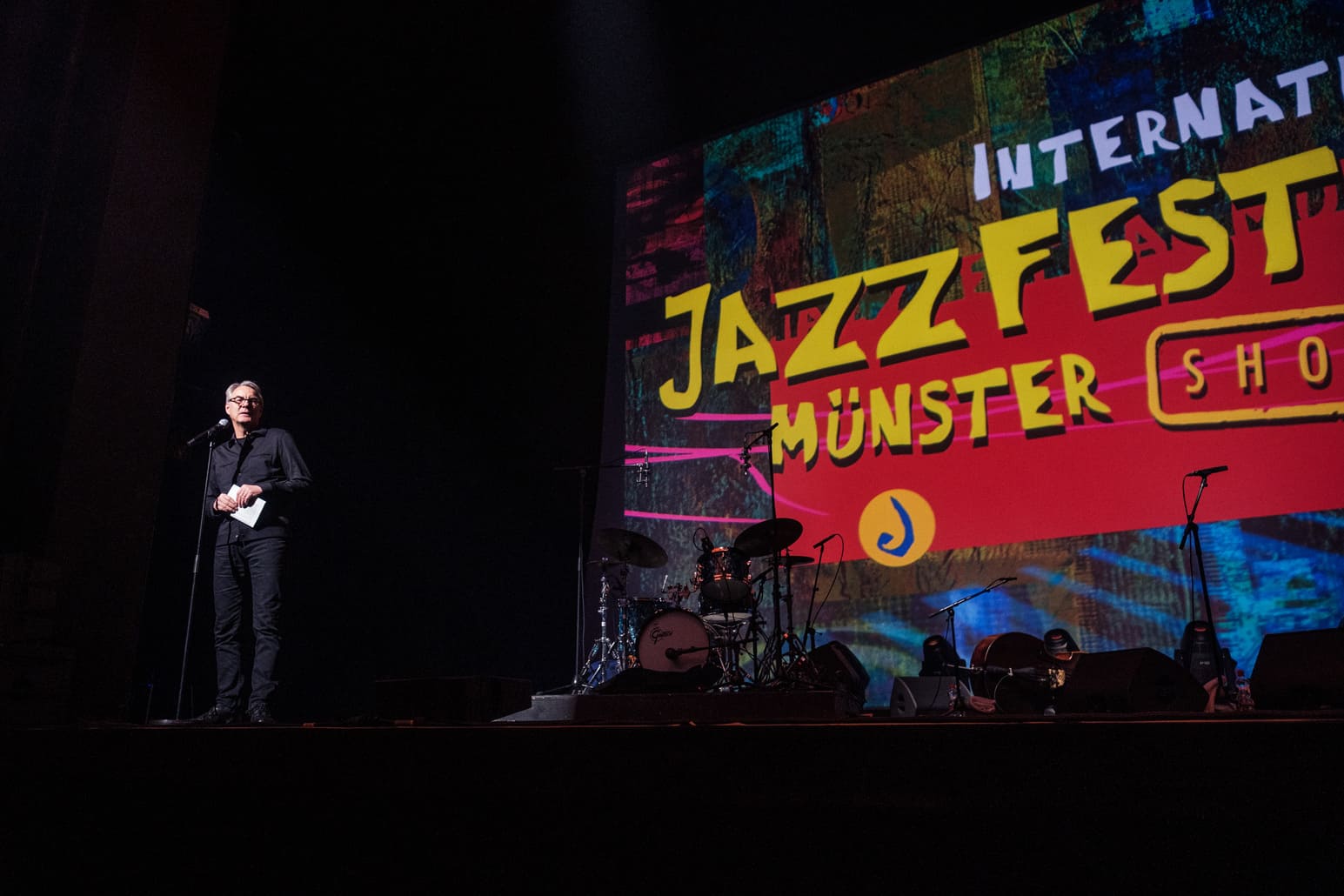
International Jazz Festival Münster “Shortcut” 2026

International Jazz Festival Münster “Shortcut” 2026

International Jazz Festival

Münster “Shortcut” 2026

08

Enero, 2024

Text: José Cabello Llano

Photos: Ansgar Bolle

3rd January 2026, Theater Münster

4th January 2026, Dominican church

Münster Resonates Again: Wonder, Risk and Presence at Jazzfestival Shortcut

After a couple of years, returning to Münster felt like much more than revisiting a familiar city — it was a reconnection with a way of understanding jazz as a living, open and deeply human experience. Fritz and his entire team welcomed us once again with extraordinary warmth during Jazzfestival Shortcut, a compact yet intense version of the full festival held in odd-numbered years. After this edition, one thing is clear: we hope to return every single year.

The Shortcut program featured four bands on the afternoon of January 3rd at the stunning Theater Münster, followed by a free improvisation session on Sunday morning, January 4th, at the Dominikanerkirche. Two very different spaces, united by a shared commitment to attentive listening, artistic risk and beauty.


Robinson Khoury – Quatuor Demi-Lune

The festival opened with Robinson Khoury’s Quatuor Demi-Lune, a project marked by subtlety and depth. The French ensemble — trombone (Robinson himself), cello (Lina Belaïd), double bass (Simon Drappier) and piano (Eve Risser) — moves effortlessly between classical-inspired arrangements, Arab-French sonorities and refined extended techniques. Unisons, rubato passages, long pedals over Phrygianish modes, and a hypnotic, trance-like atmosphere permeate the music.

Khoury revealed himself not only as a virtuosic performer but as an artist with a strong voice and message. One of the most moving moments came with a piece dedicated to young people killed in Gaza and victims of the Israeli government, a deeply human and political gesture. In this piece, Dust, all four musicians sing wordlessly, creating a delicate, almost analog delay between voices. Khoury’s opening vocal line — tender and fragile — floats over a simple modal riff, proving that percussion is unnecessary when the pulse is embedded in the music itself. Special mention goes to the pianist, who also performs on alto flute, further expanding the ensemble’s sonic palette.

Ruf der Heimat

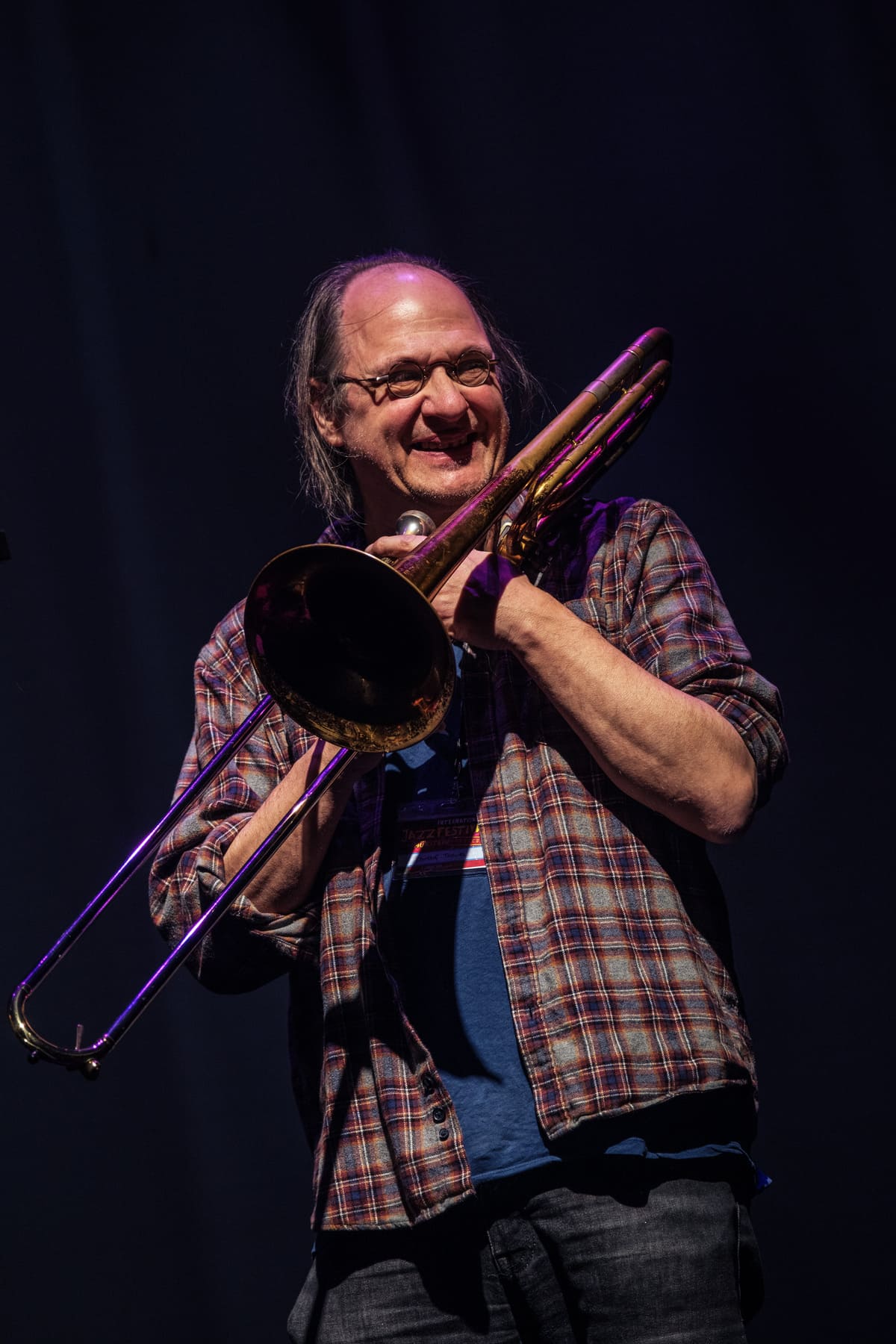
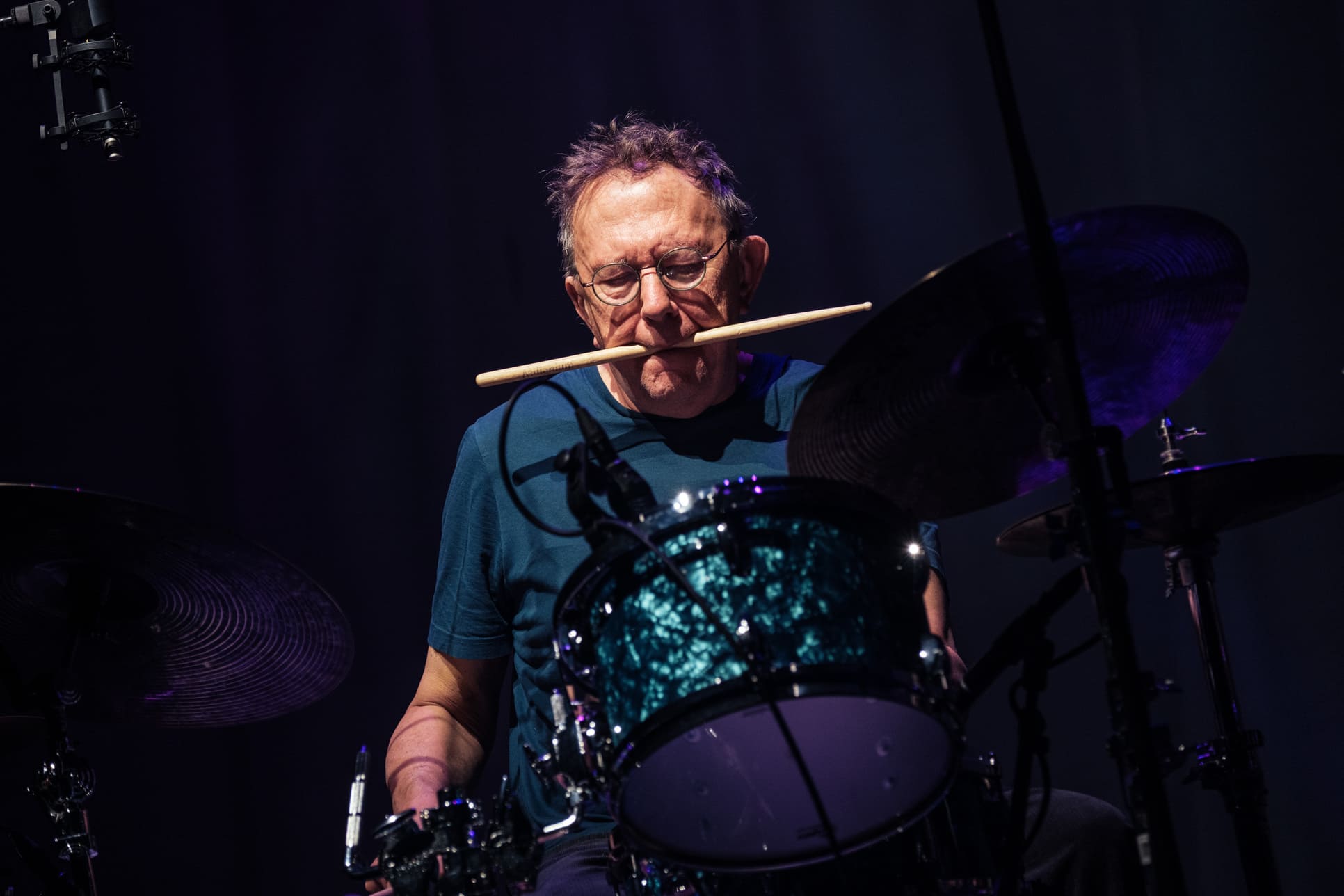
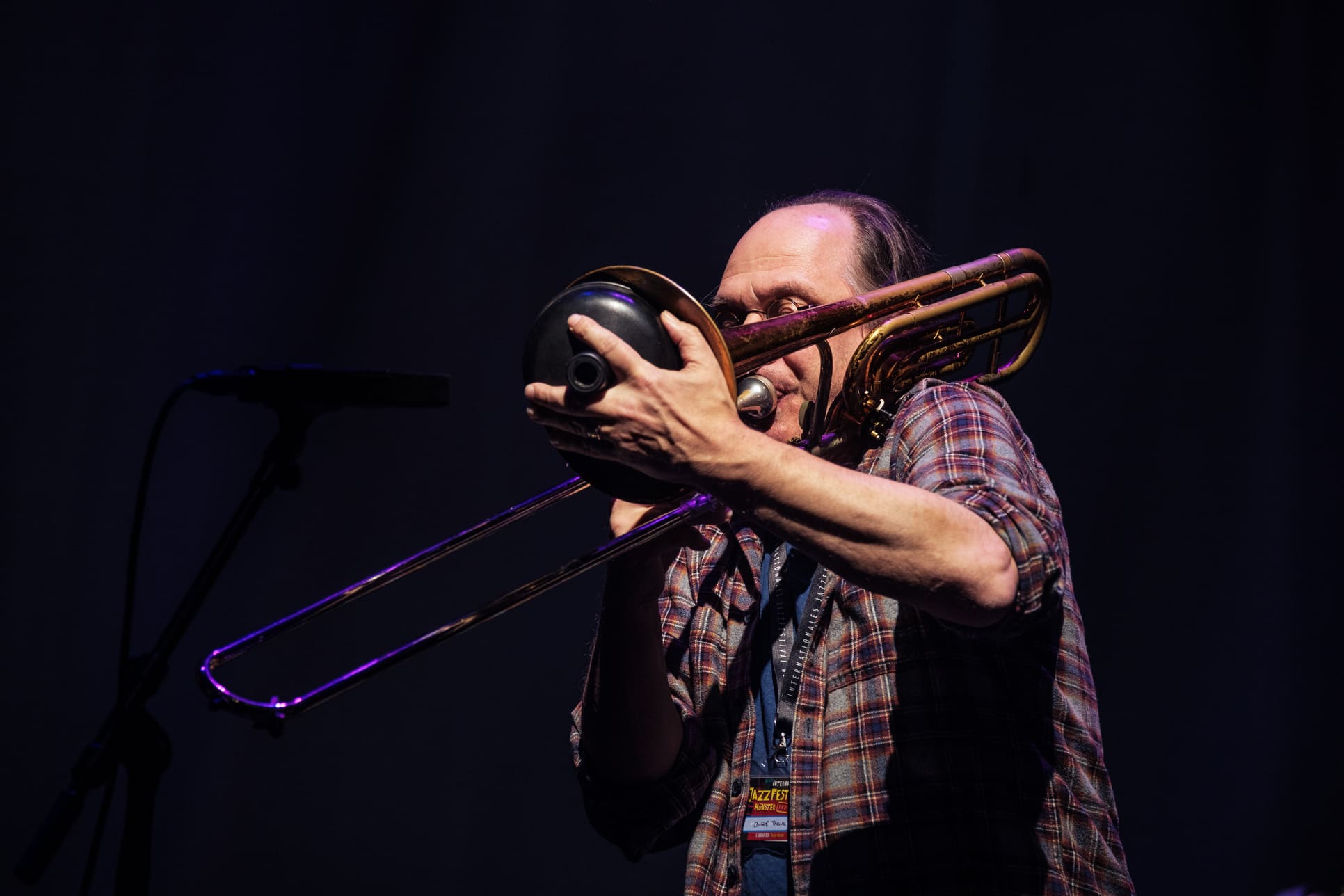
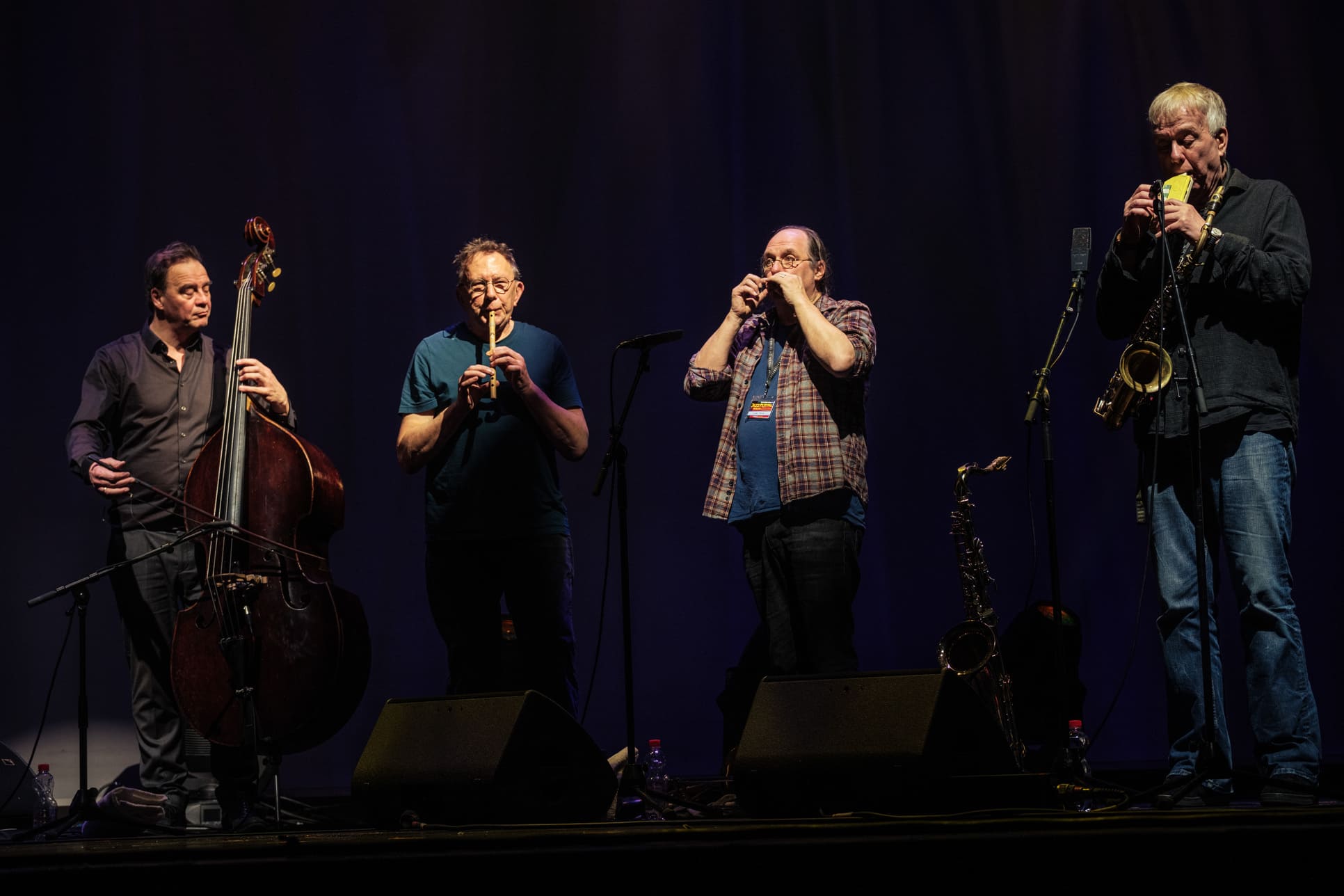
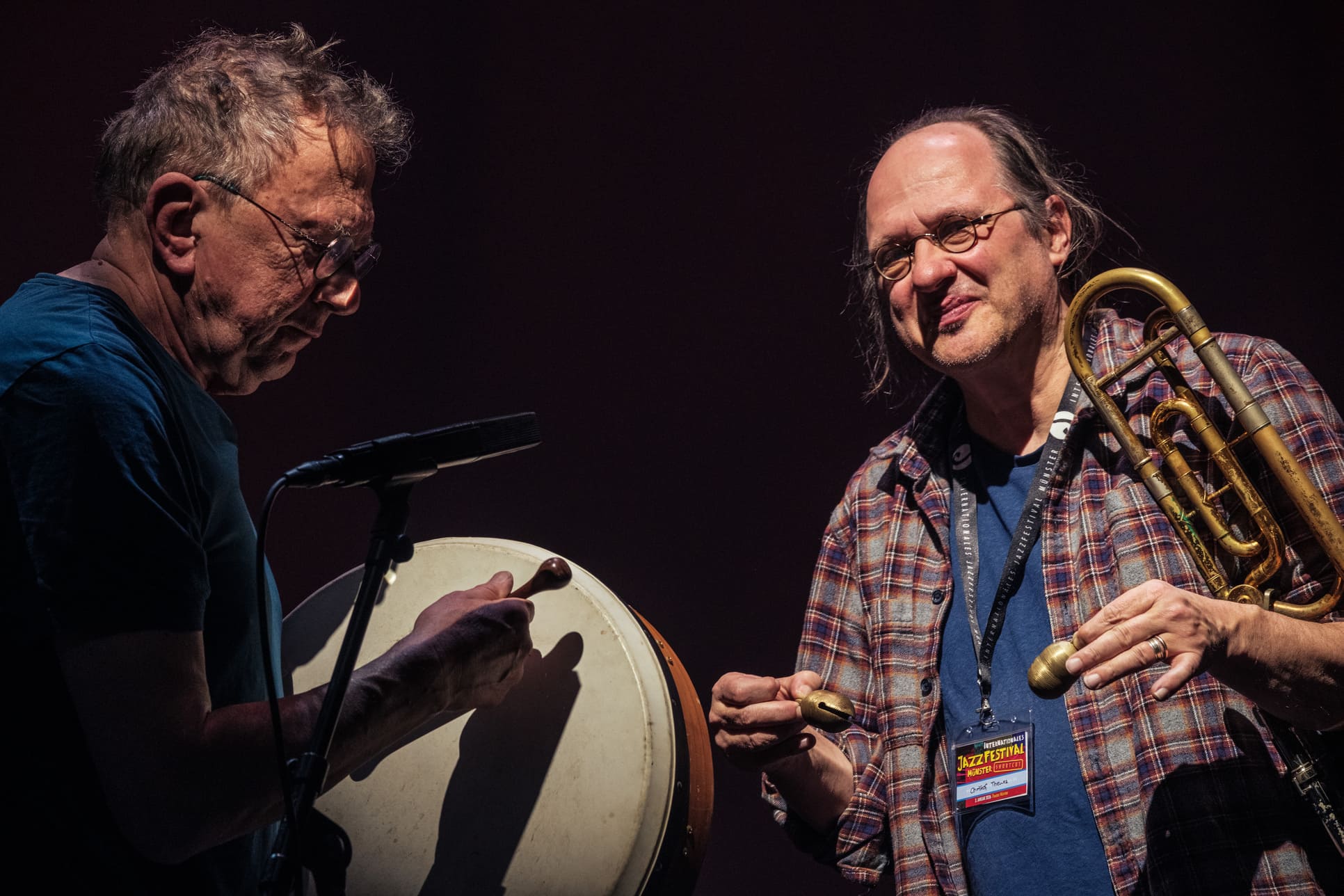
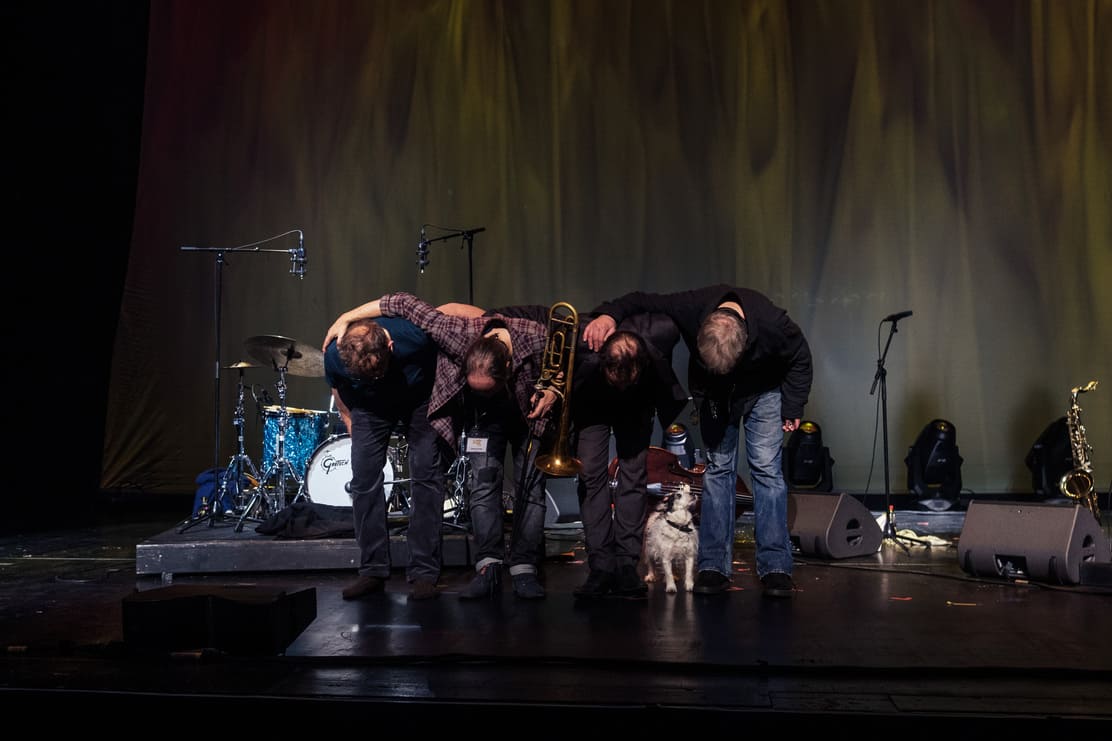
The second set, Ruf der Heimat, ventured into the realm of radical free improvisation. Saxophone (Thomas Borgmann), trombone (Christof Thewes), double bass (Jan Roder) and drums (Willi Kellers) constructed a continuous, tempo-less flow clearly rooted in the legacy of free jazz. The music unfolded in waves: intense collective passages alternating with quieter moments, partial dialogues or solo explorations.

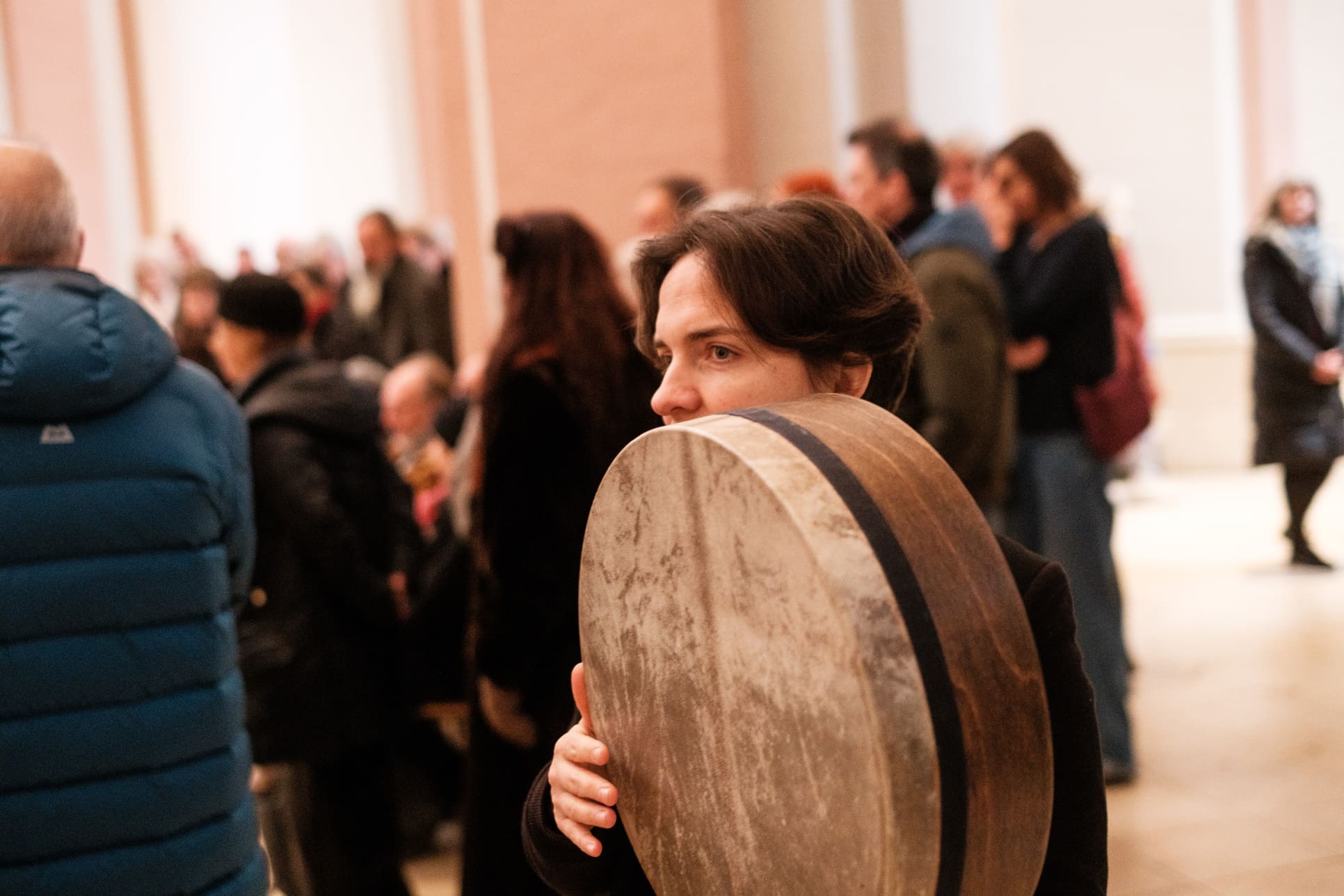
In their second piece, the musicians introduced additional instruments — frame drum, bells, harmonica — creating a sense of constant delirium, bordering on performance art. However, despite the commitment and energy, the lack of a clear narrative arc made the set feel repetitive and conceptually limited.

ANW BE YONBOLO – Eve Risser & Naïny Diabaté

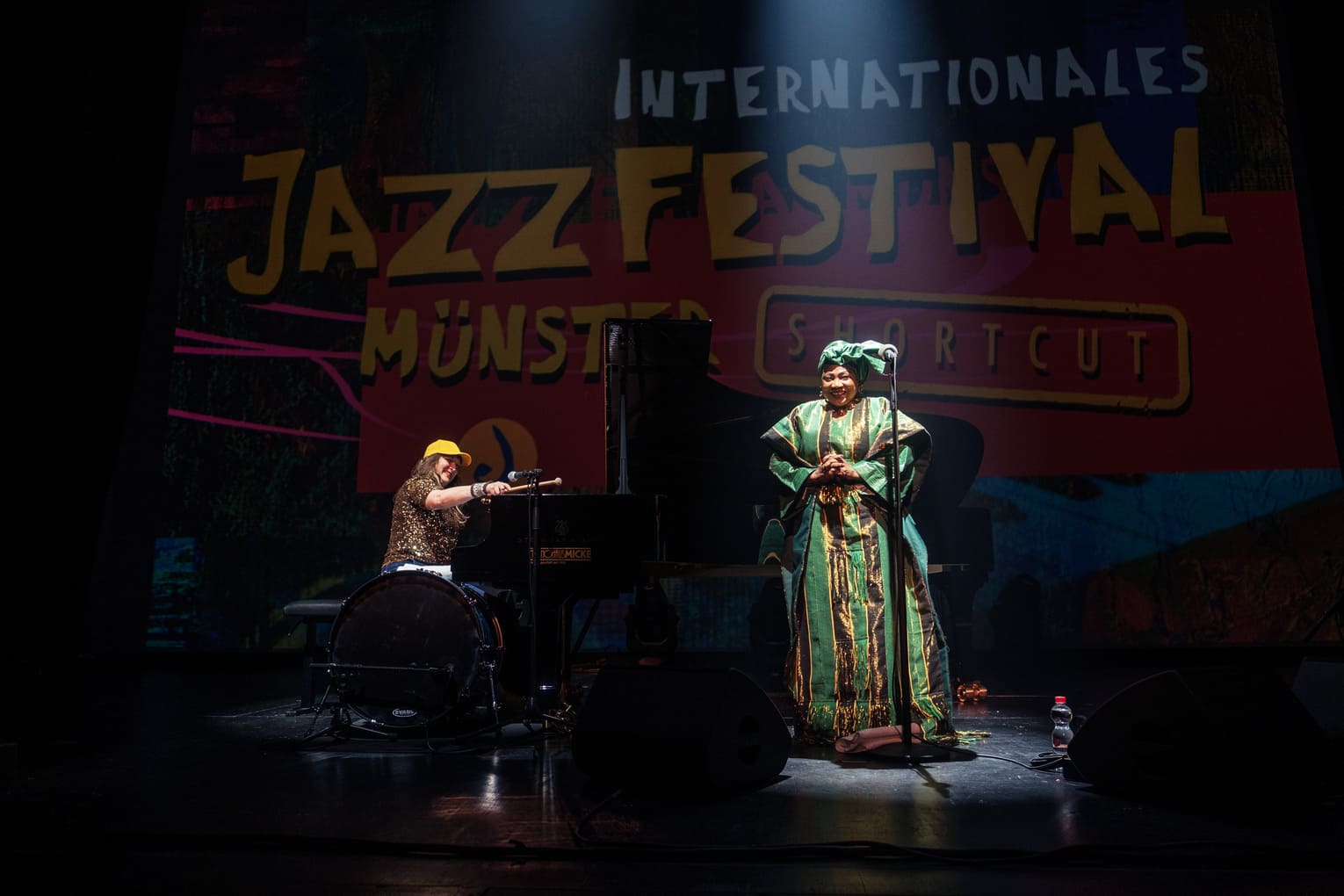
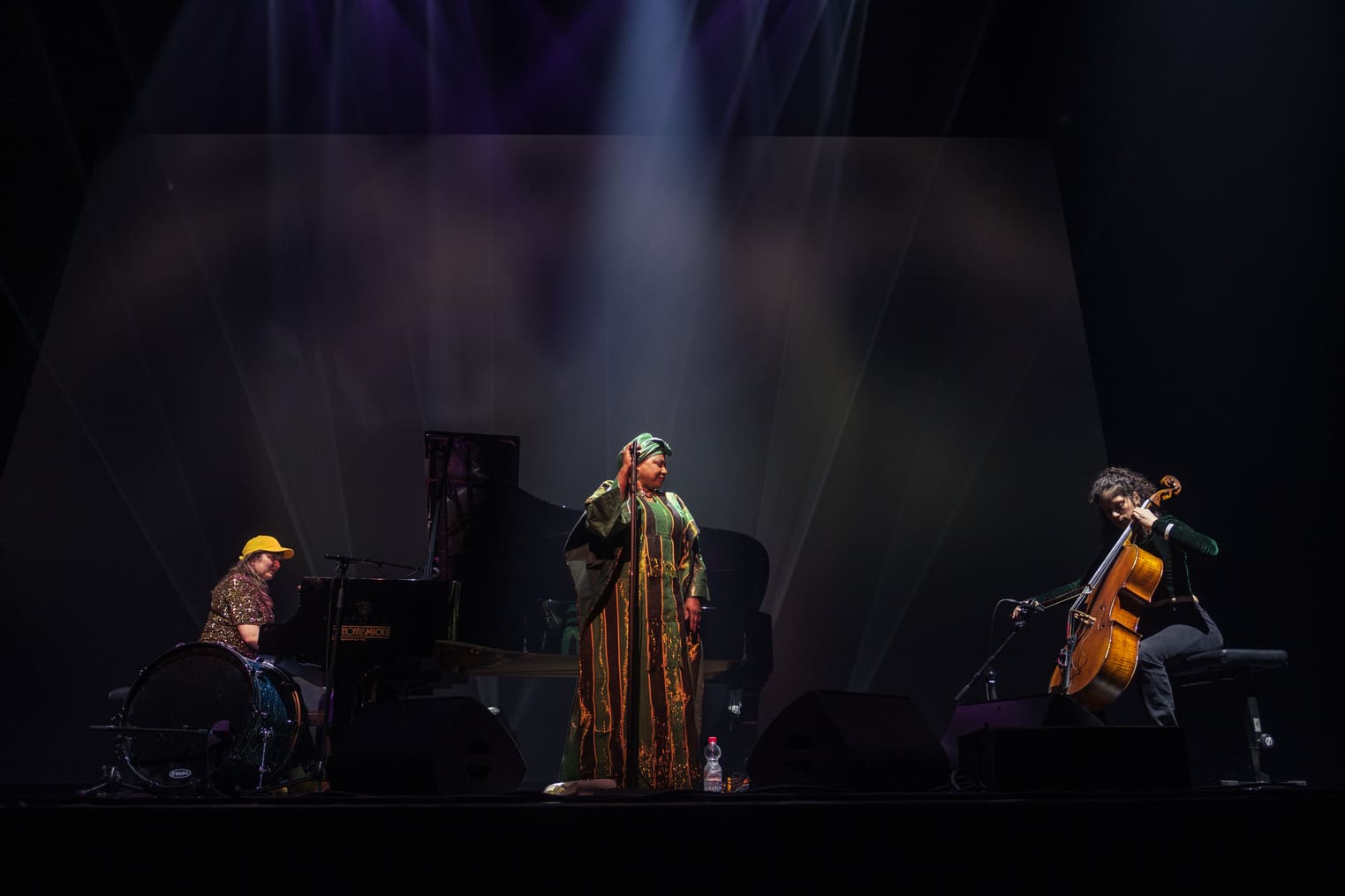
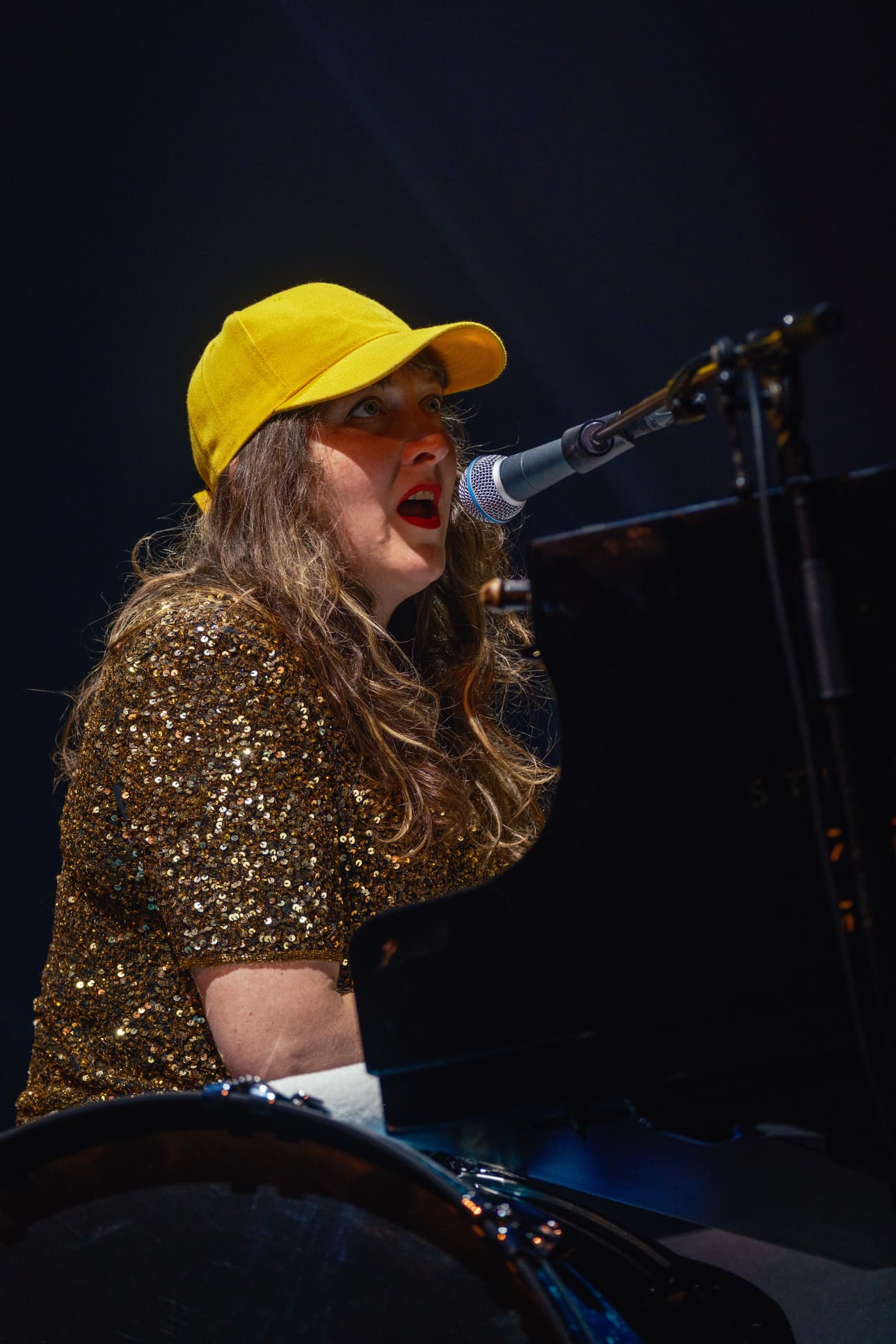
The third concert was undoubtedly one of the festival’s highlights. ANW BE YONBOLO, the duo of Eve Risser (who, even going through a flu, was truly demonstrating her abilities) and Naïny Diabaté, delivered an electrifying performance that immediately connected with the audience. Risser is, quite literally, an orchestra at the piano: she plays, sings, operates a bass drum and manipulates a prepared piano with astonishing rhythmic control, creating dense and powerful polyrhythmic layers.

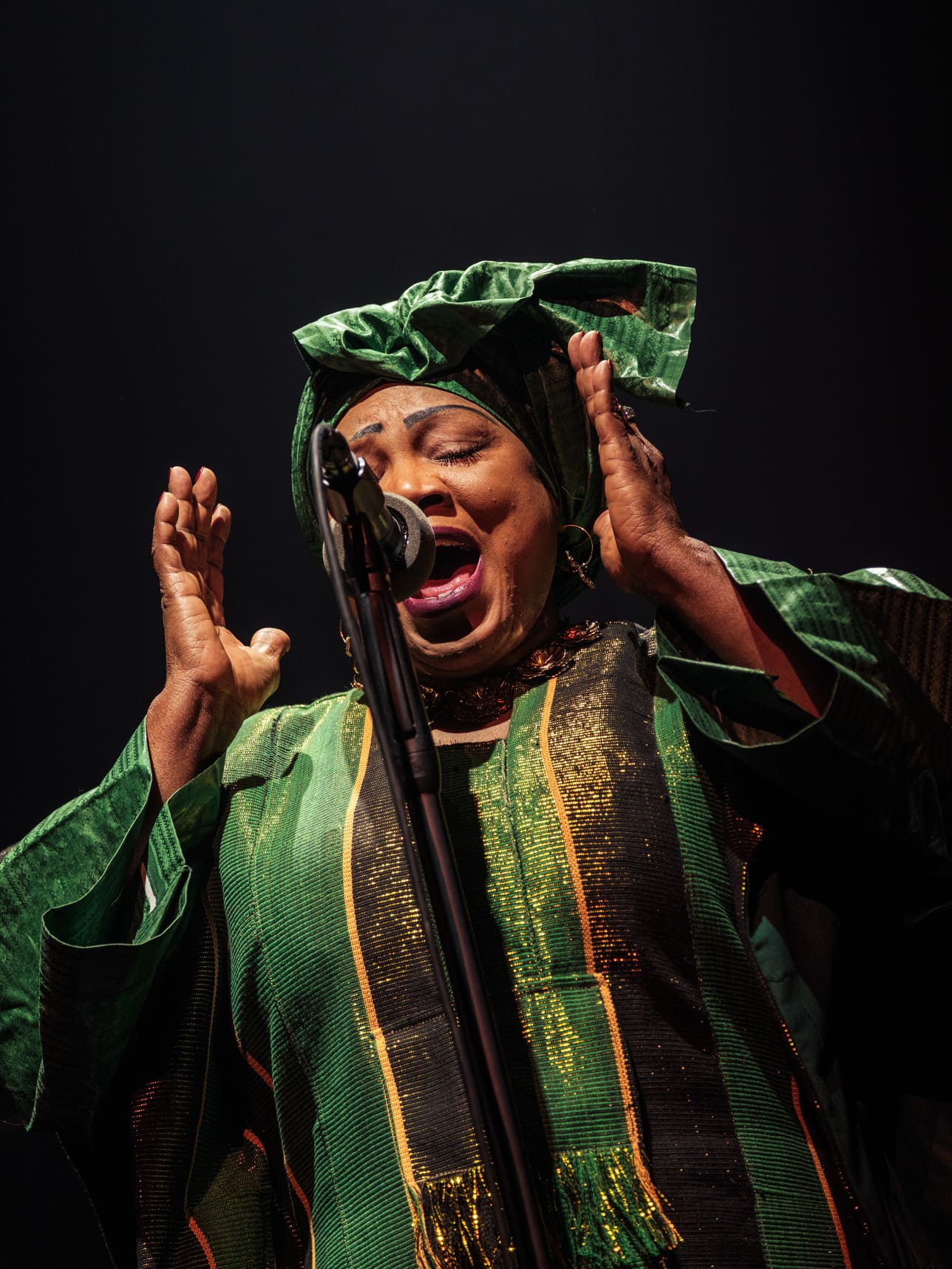
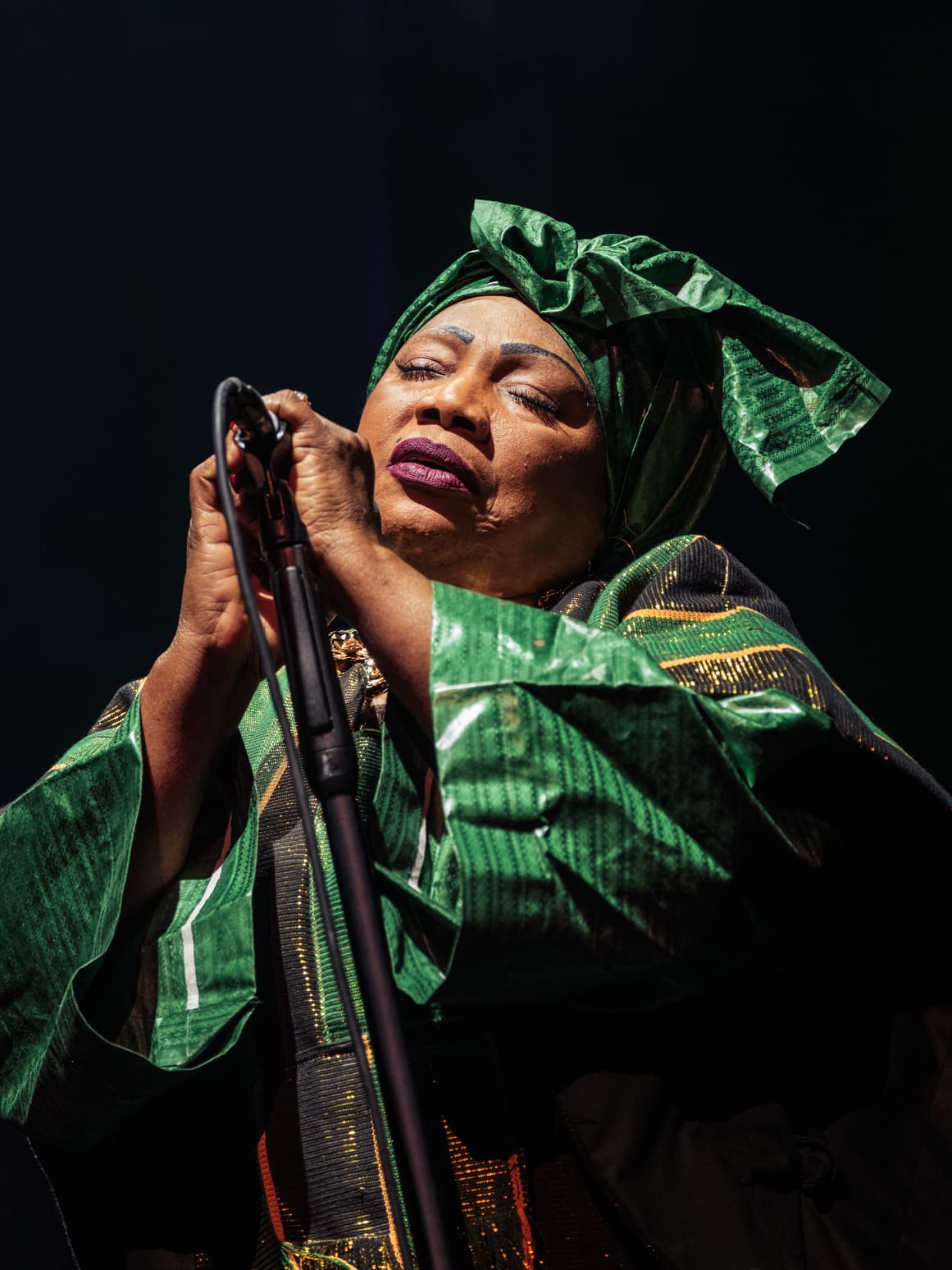
The texts, rooted in griot traditions and African shamanism, speak of healing, memory and transmission. Diabaté, a singer from Bamako (Mali), brings a voice of immense power and ancestral depth. Despite being ill, Risser gave everything, using frying pans and everyday objects to turn the piano into a full orchestral instrument.

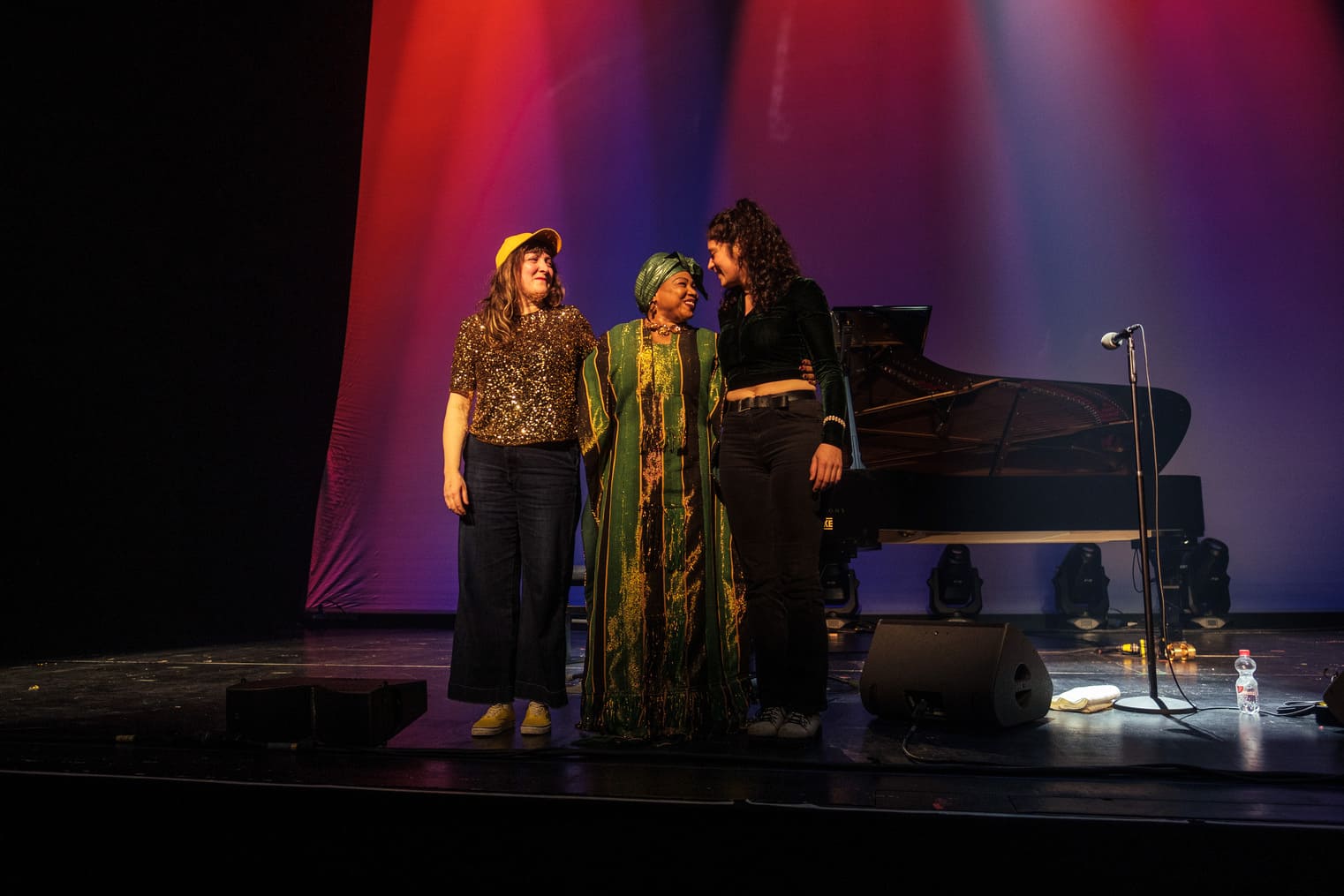
The music, deeply rhythmic and physical, draws from Afro-based patterns, bembé and other clave structures that had the audience dancing. In the final piece, they invited Lina, the cellist from Khoury’s quartet, forming a trio and offering a moving tribute to their ancestors, especially those of Diabaté. Long pedals, suspended melodies and collective trance made this moment unforgettable.

Richard Koch Quintet – Rays of Light

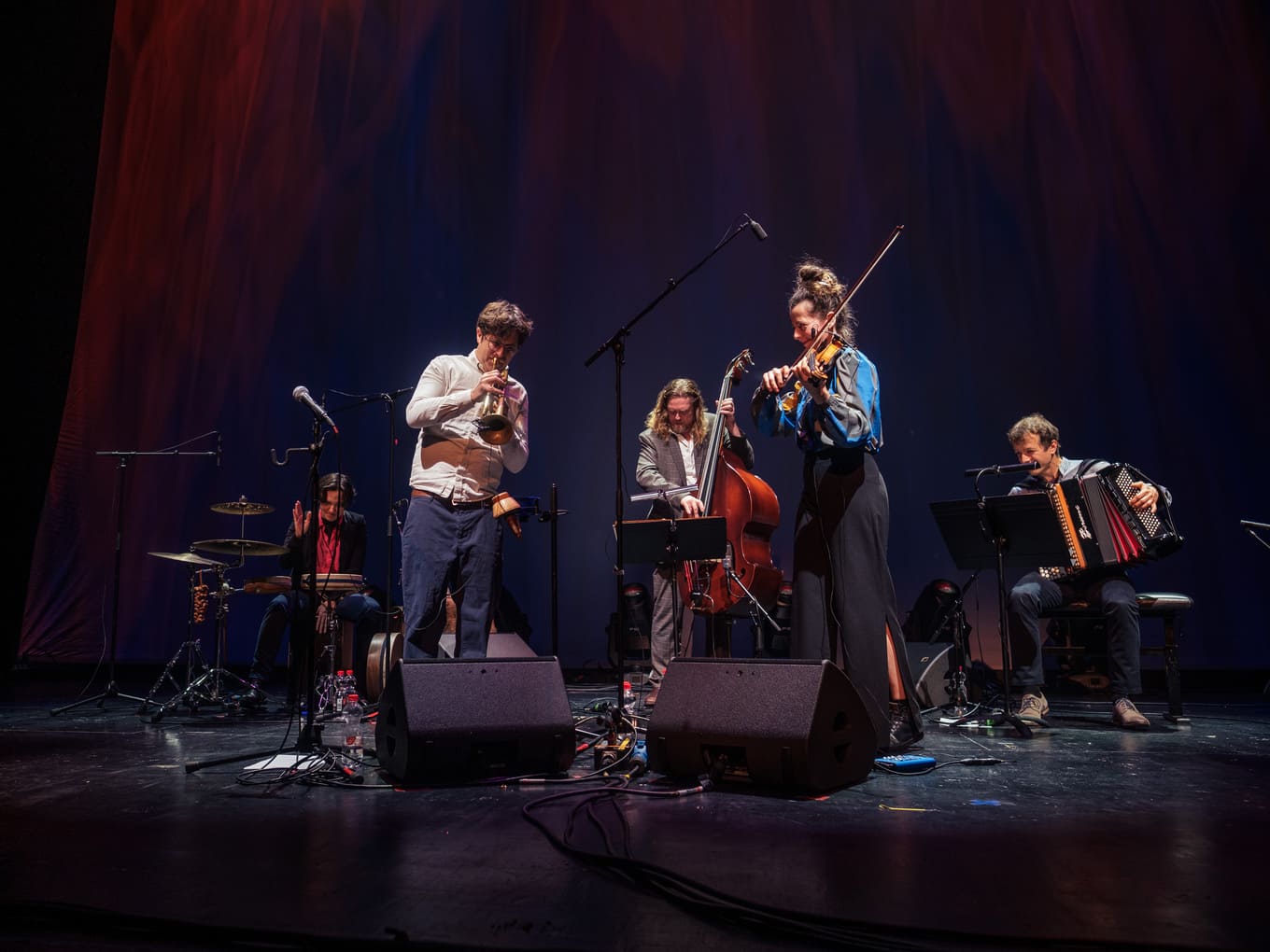
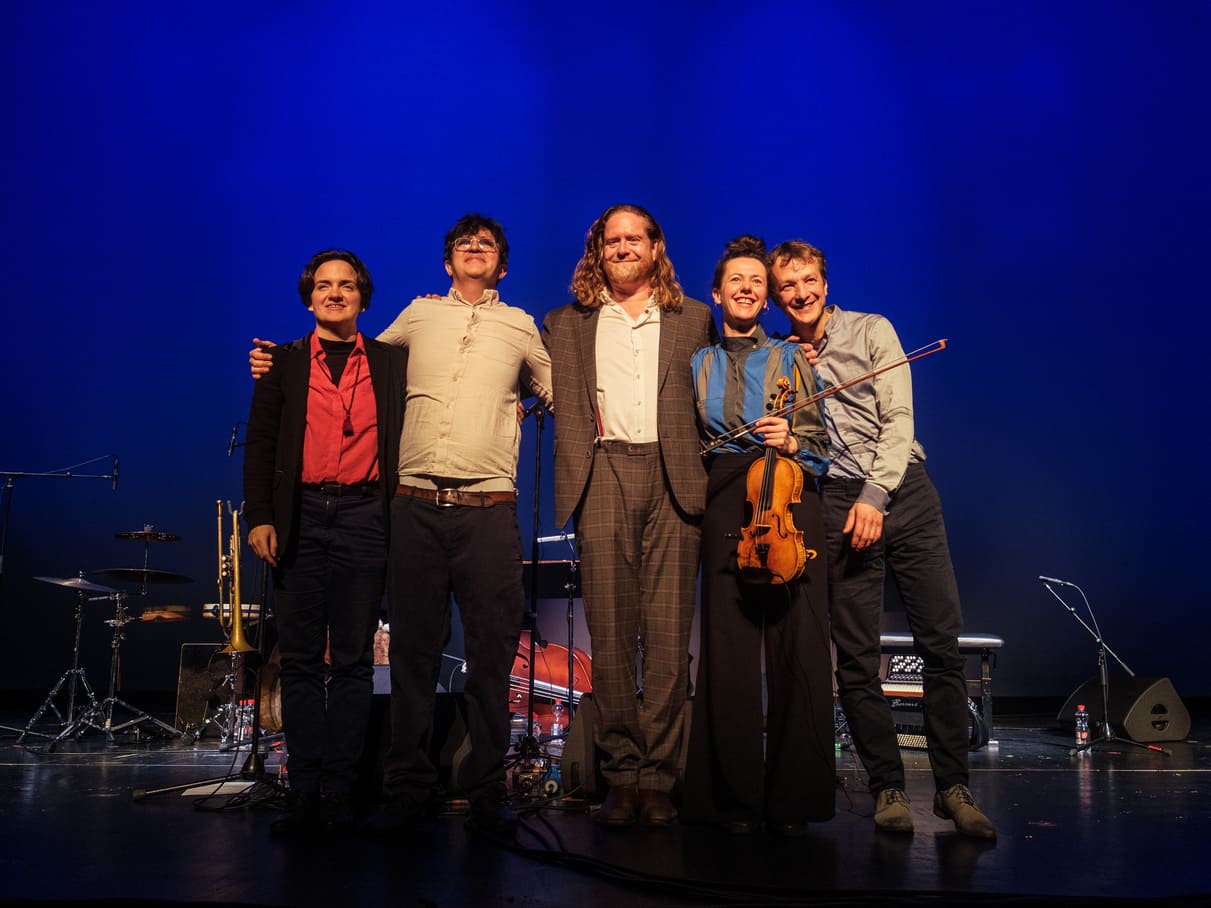
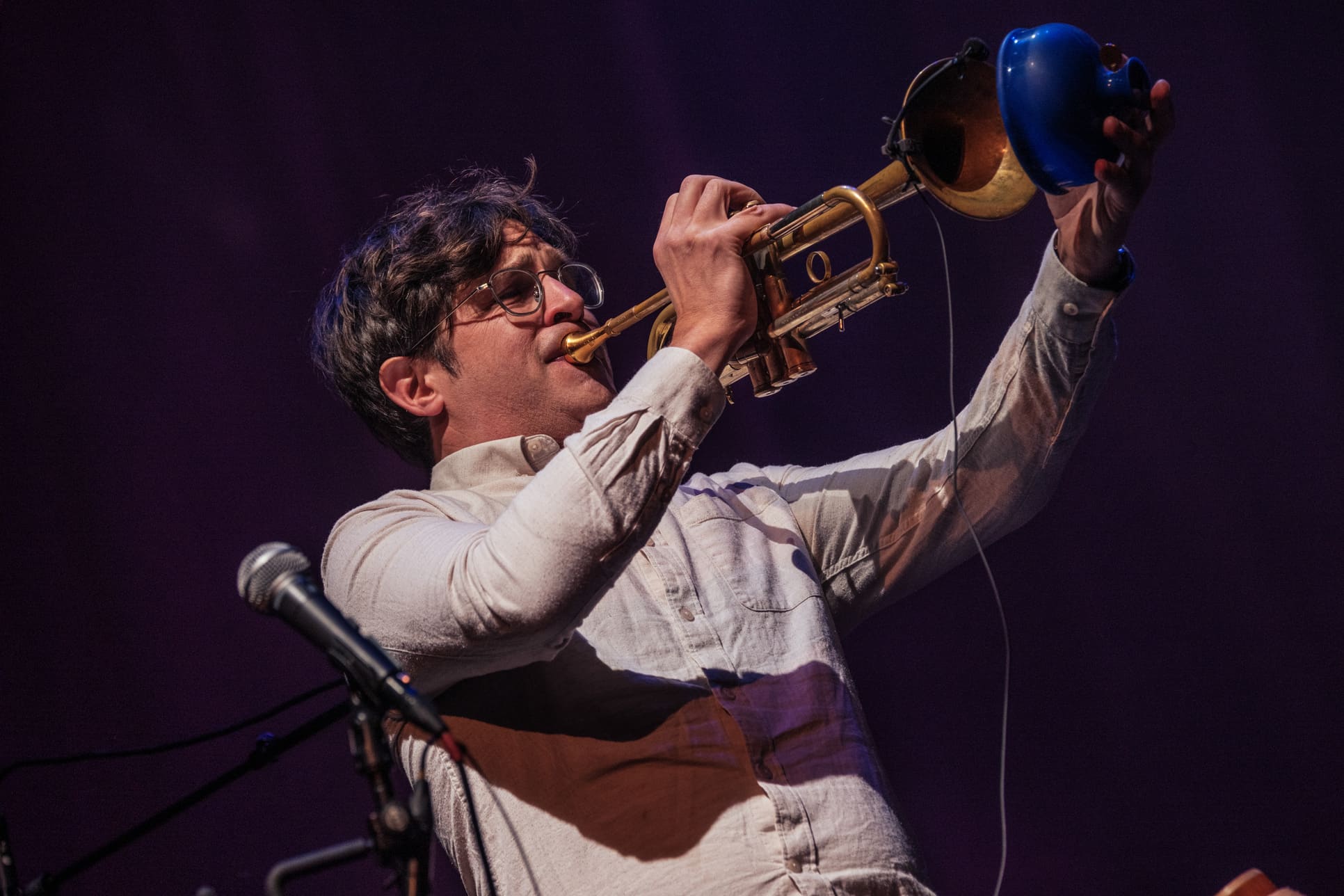
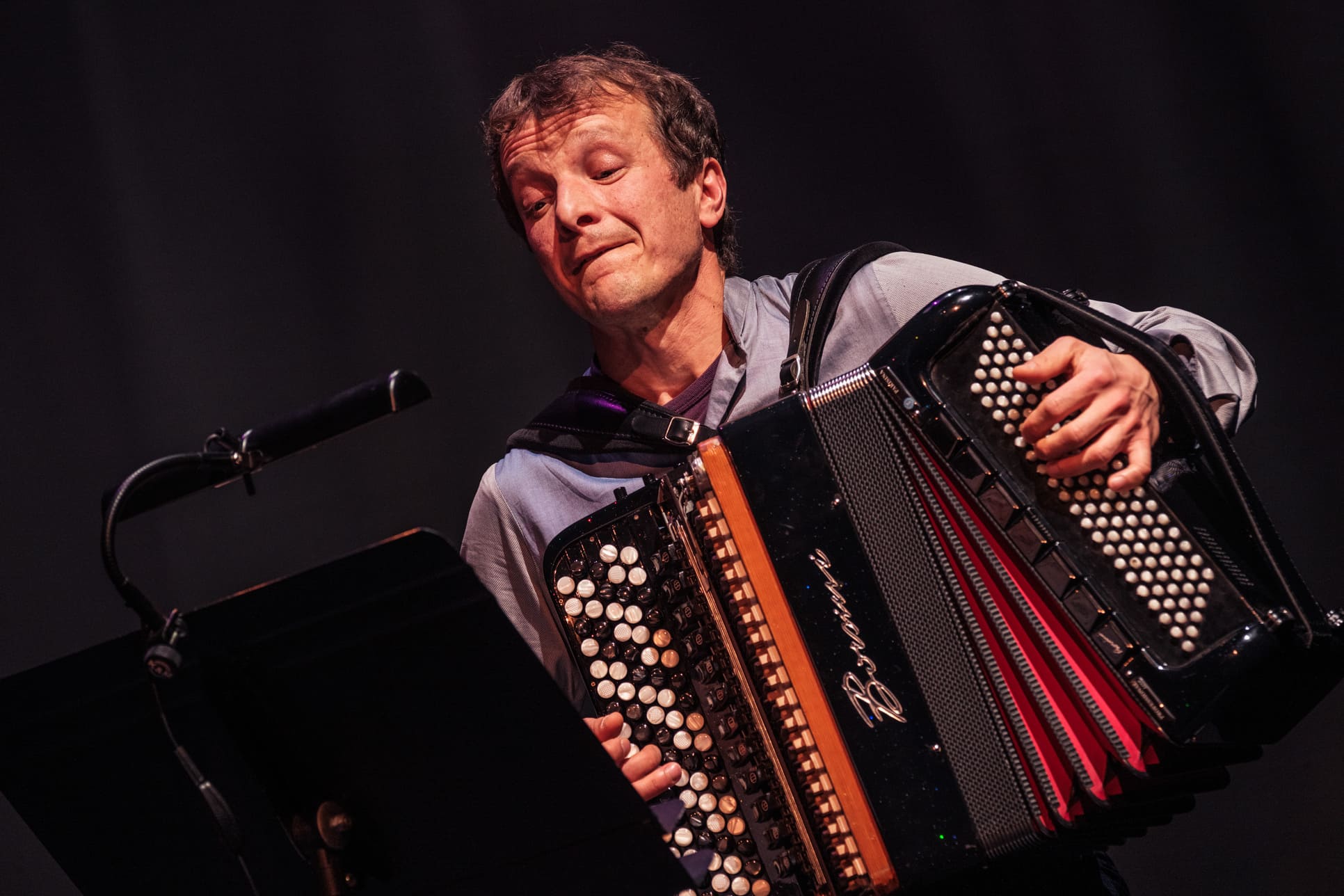
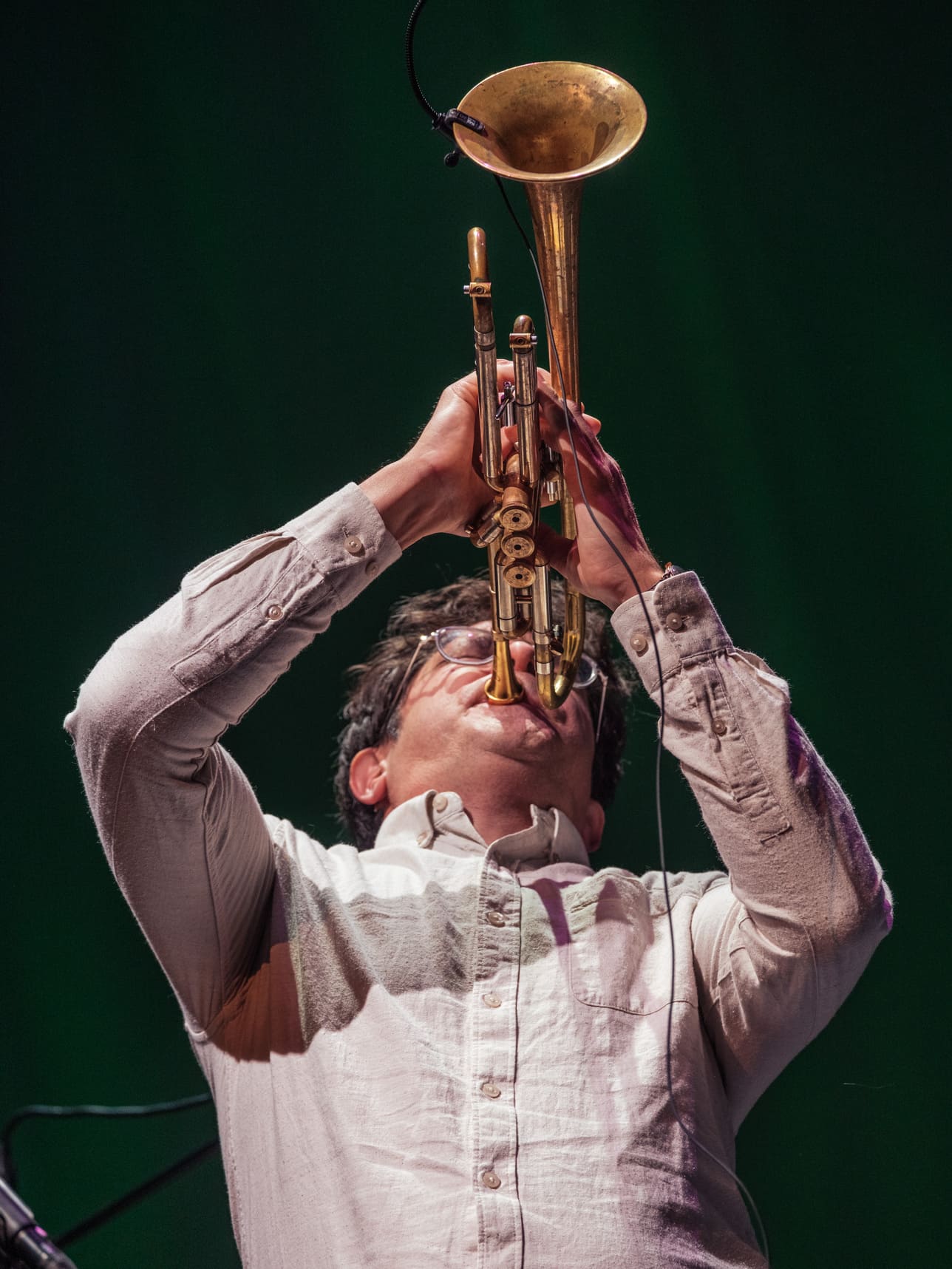
The evening at Theater Münster closed with the Richard Koch Quintet and their project Rays of Light. A young and daring formation: trumpet (Koch, leader and composer), violin (Fabiana Striffler), accordion (Valentin Butt), double bass (Andreas Lang) and percussion (Nora Thiele). From the opening piece — a flowing 3/4 with subtle rubato — the freshness of the group was evident.

The musicians constantly dialogue with their instruments and bodies; they move, breathe and surrender to the music. This physicality naturally leads them into freer territories: analog-style fade-out codas, atmospheric intros with extended techniques, and open improvisational sections. While some arrangements feel predictable and certain cues are overly explicit, the band delivers a strong, engaging show with an original and risky instrumentation. A quintet with significant potential ahead.

Morning Improvisation at the Dominikirche

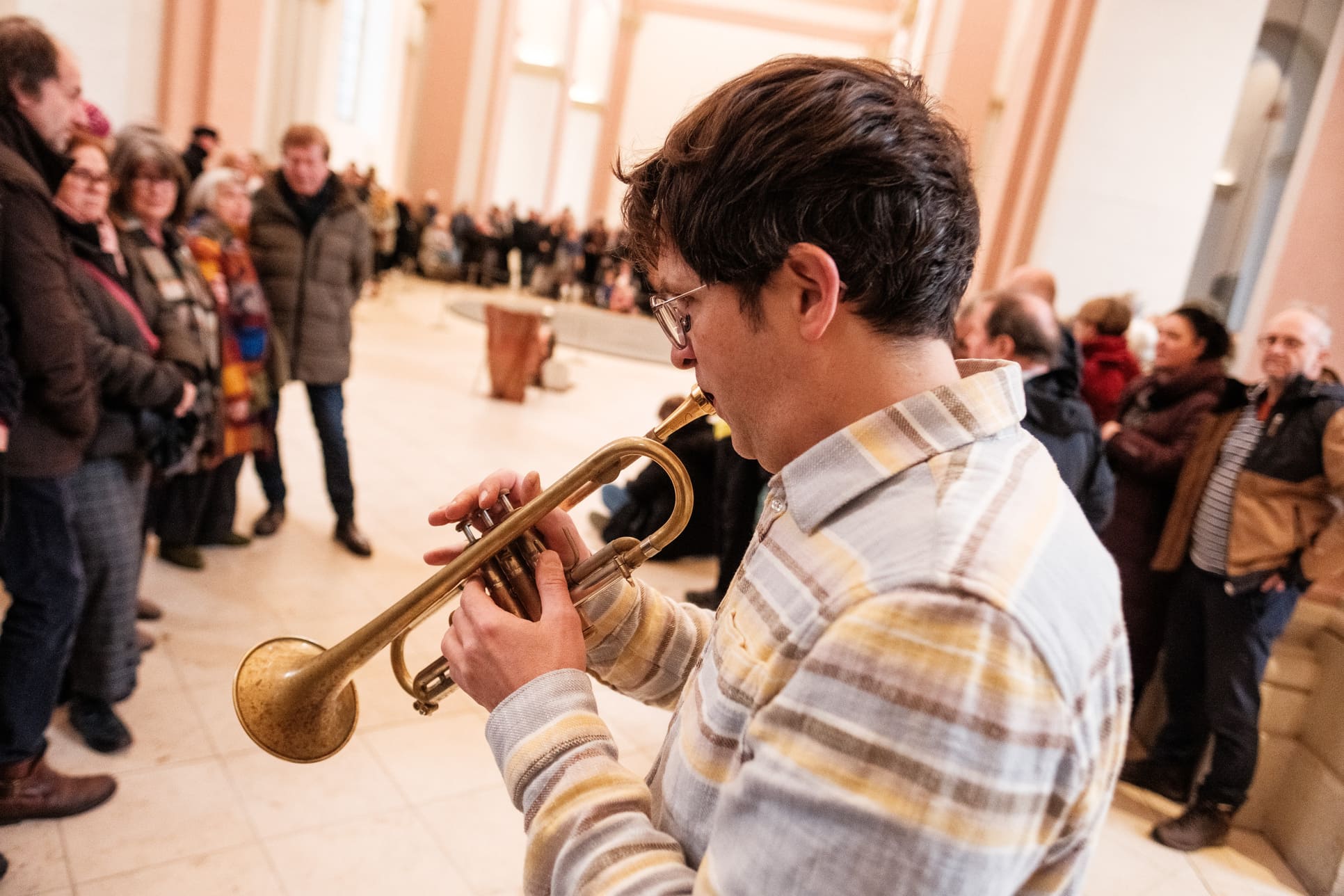
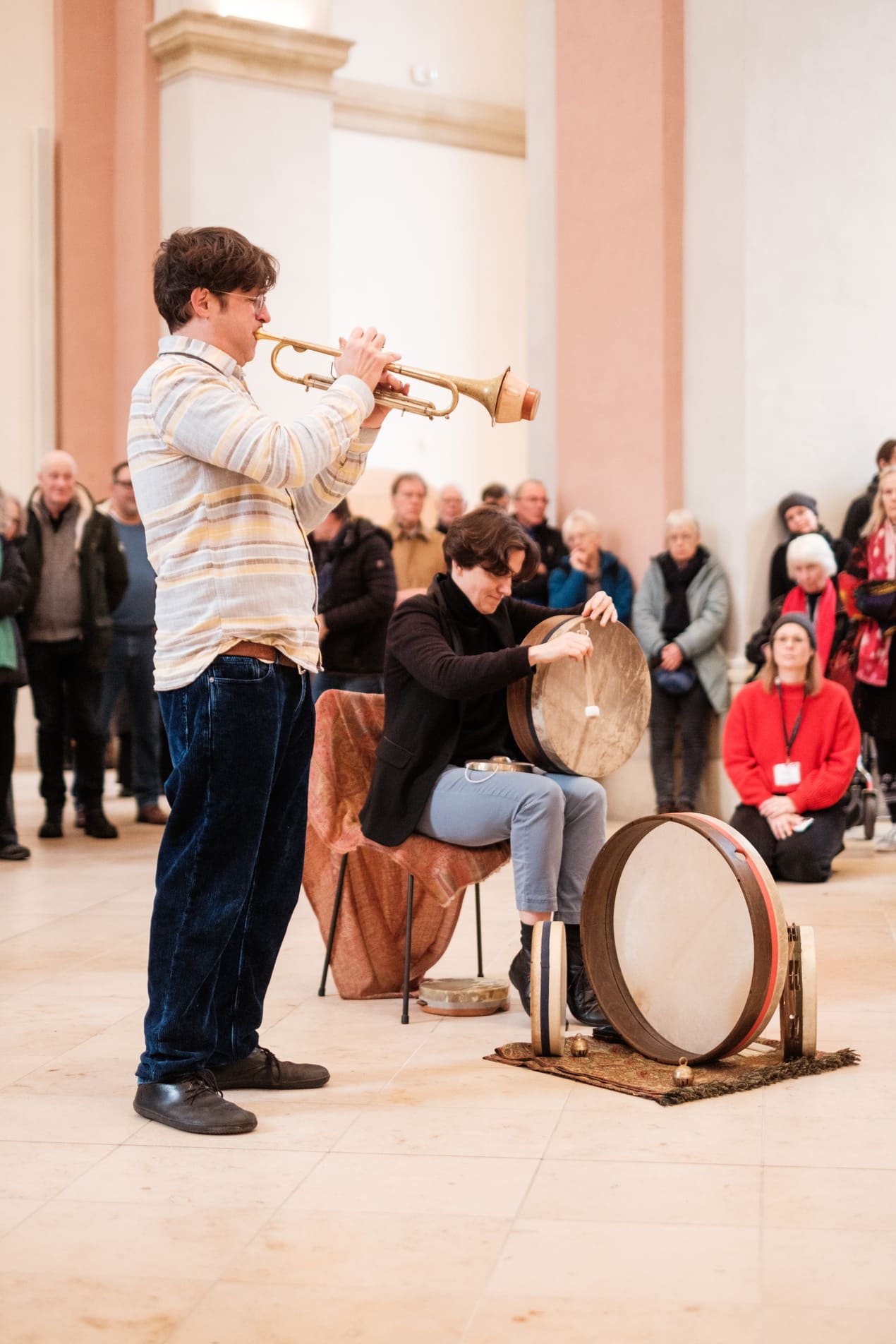
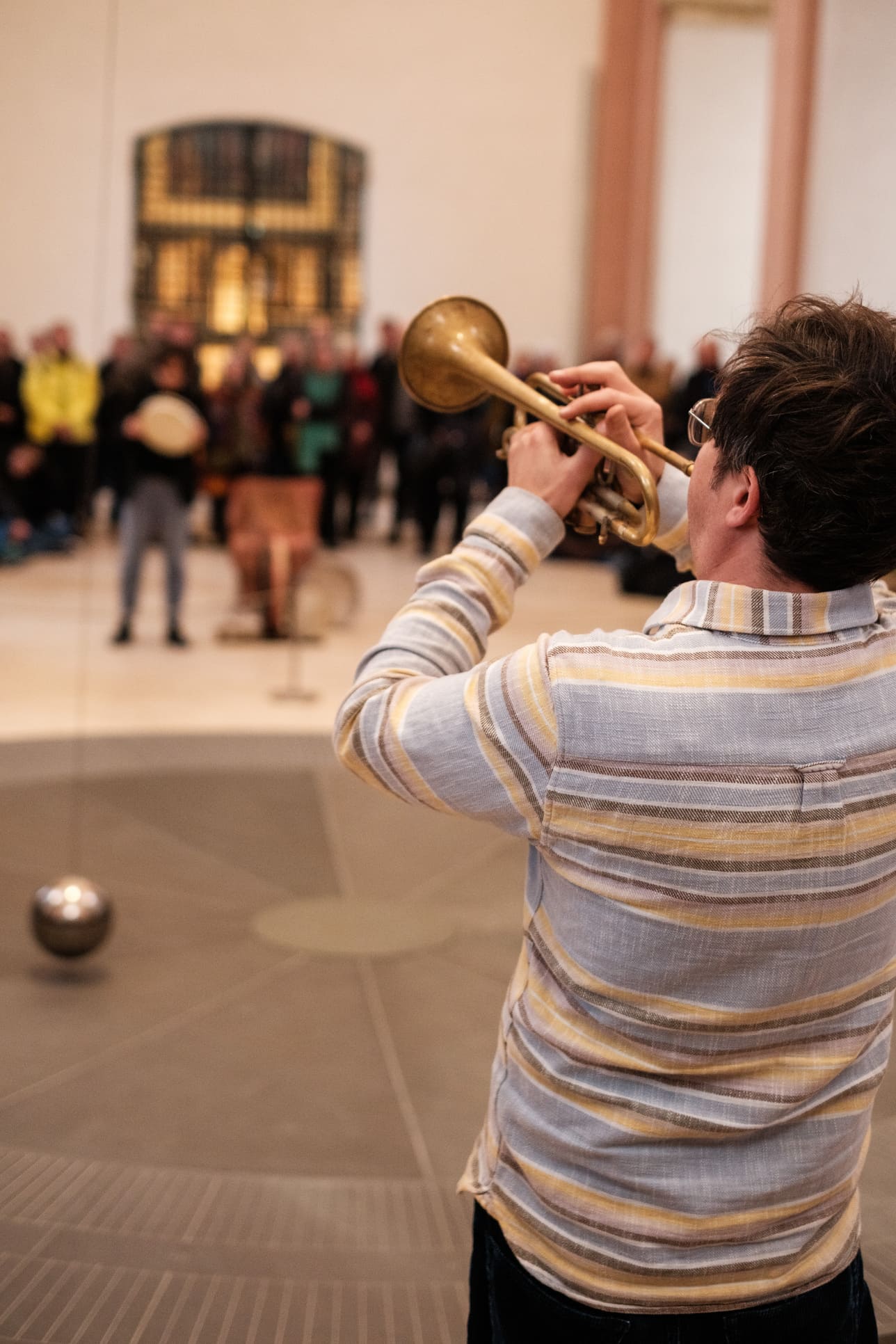
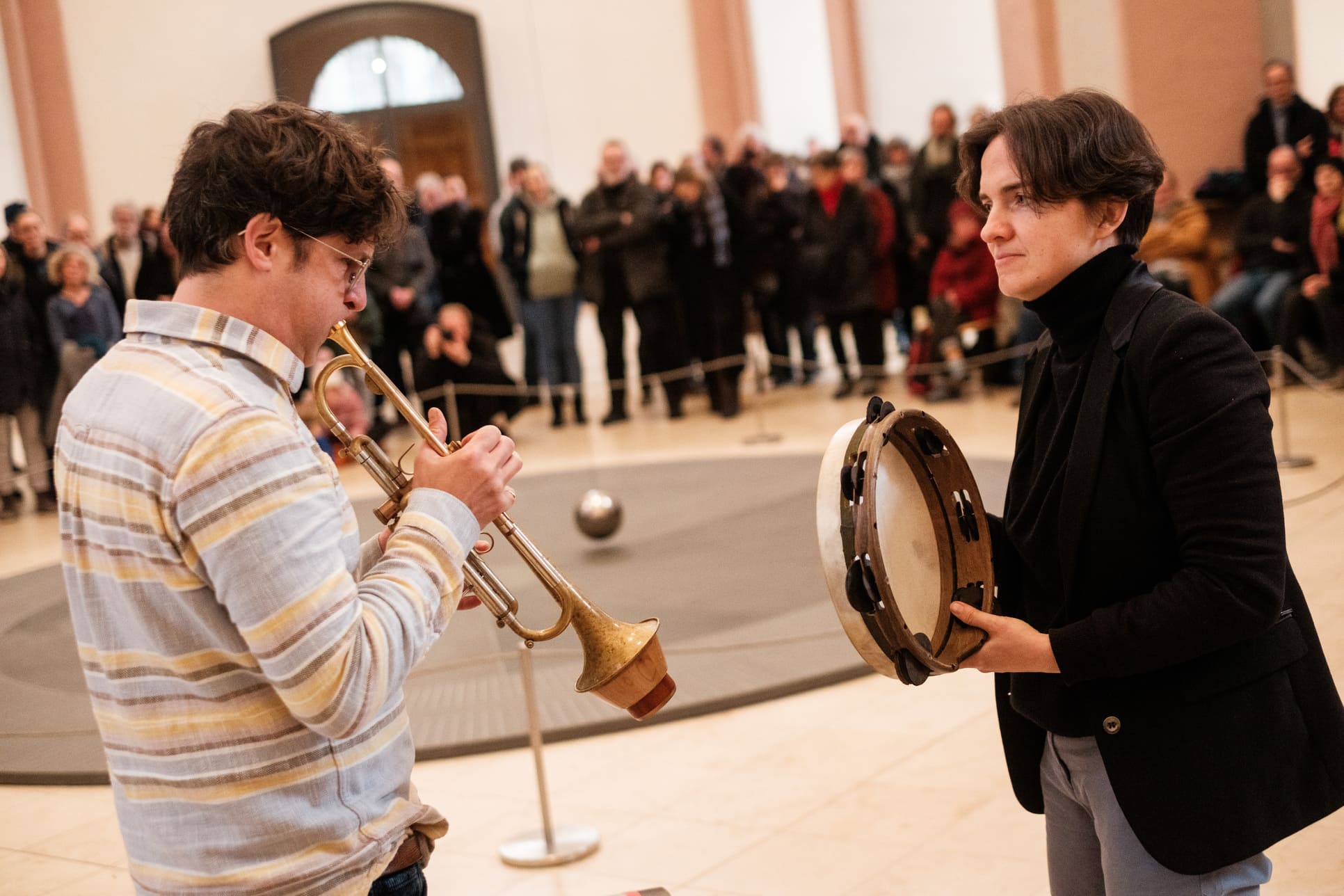
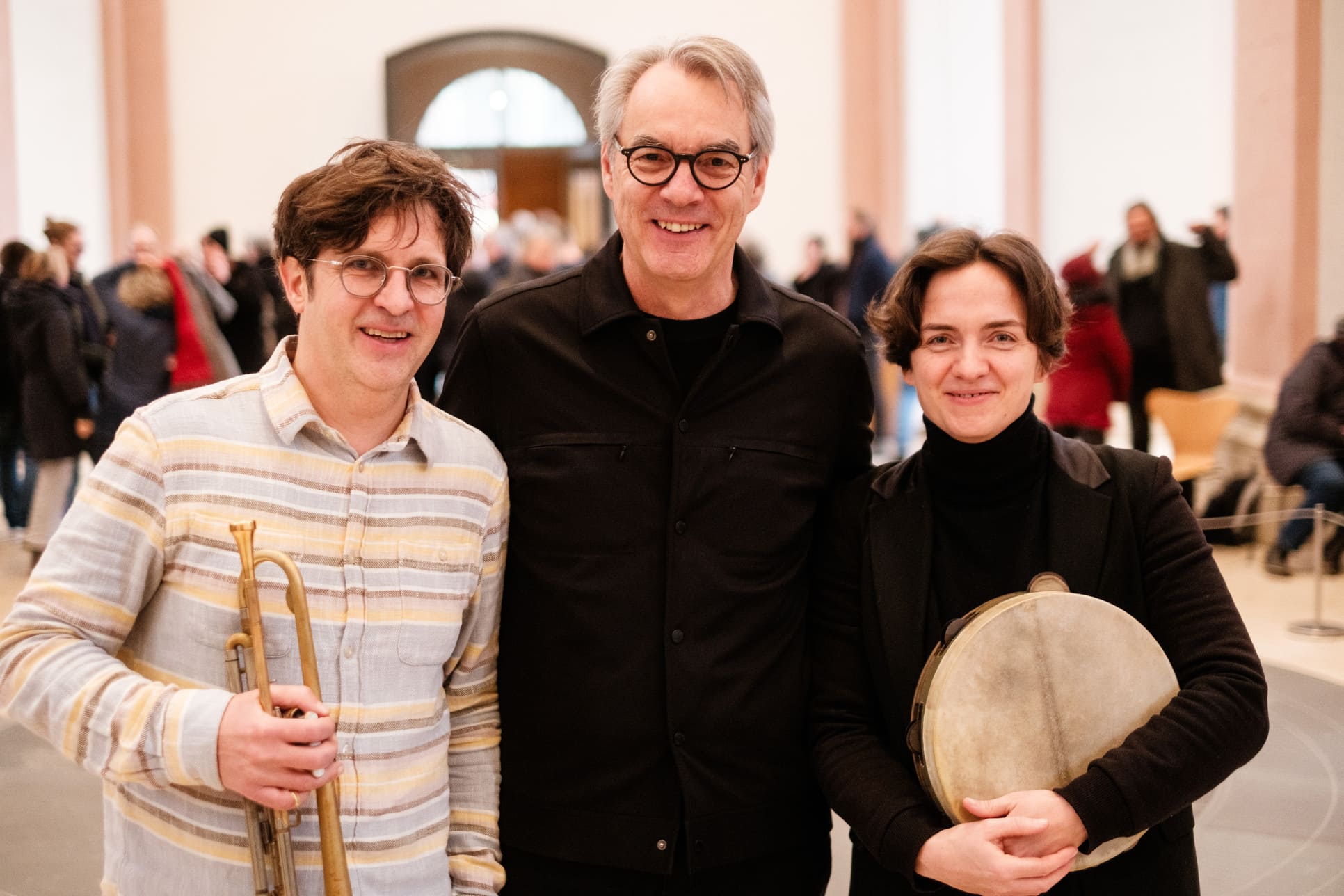
Sunday morning offered a simple yet beautiful epilogue. Richard Koch and his percussionist performed an improvised set around an artistic pendulum placed in the center of the Dominikanerkirche. The audience stood around the musicians, experiencing a free improvisation in which sound, movement and space became one. Walking through the nave, the musicians fully embraced the church’s natural acoustics and reverberation. Minimal, open and resonant music — a perfect closing to a festival that reminded us why jazz still matters when it truly happens.

January 8th, 2026

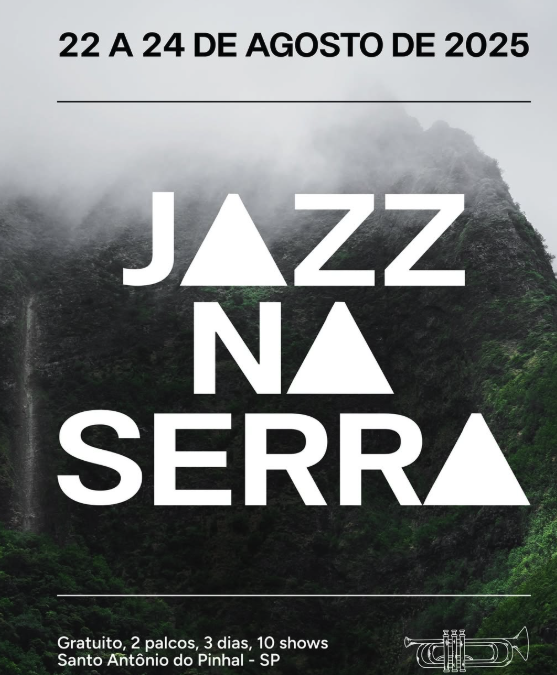
Jazz Na Serra – Santo Antônio do Pinhal, Brasil – Festival

Jazz Na Serra – Santo Antônio do Pinhal, Brasil – Festival

JAZZ NA SERRA

Santo Antônio do Pinhal, Brasil

Festival

16

December, 2025

Text by: Adailton Moura

Photos: Daniel Akamine

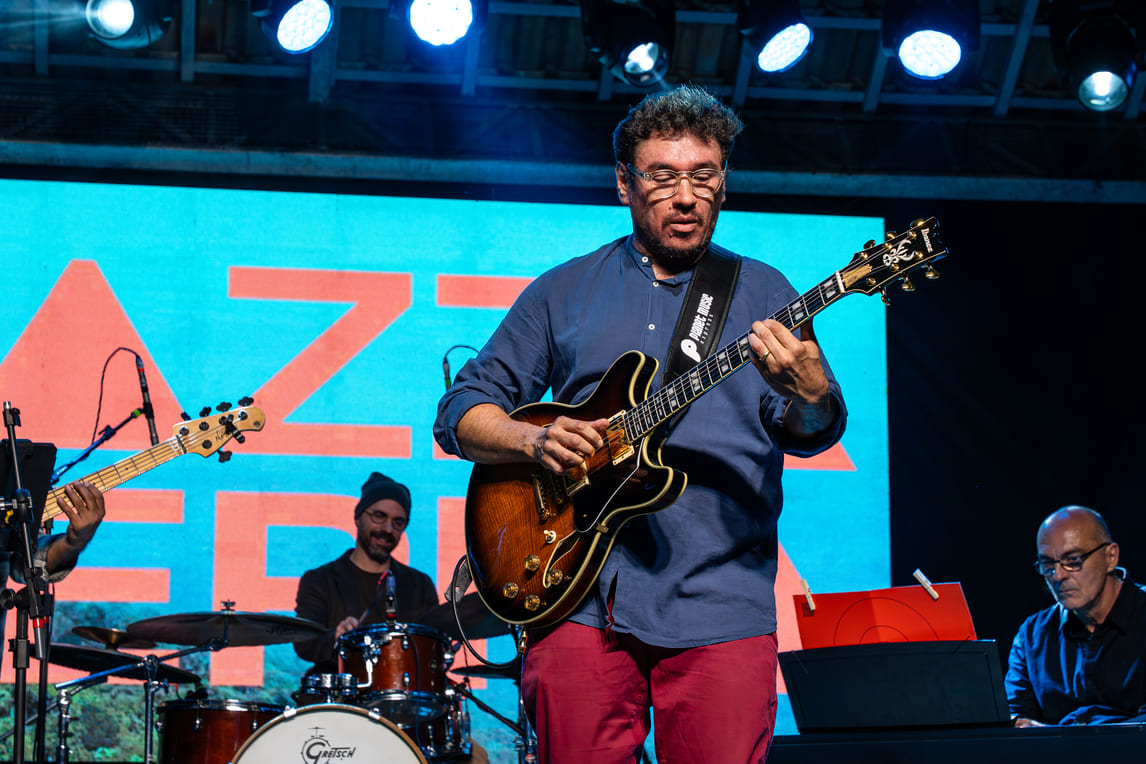
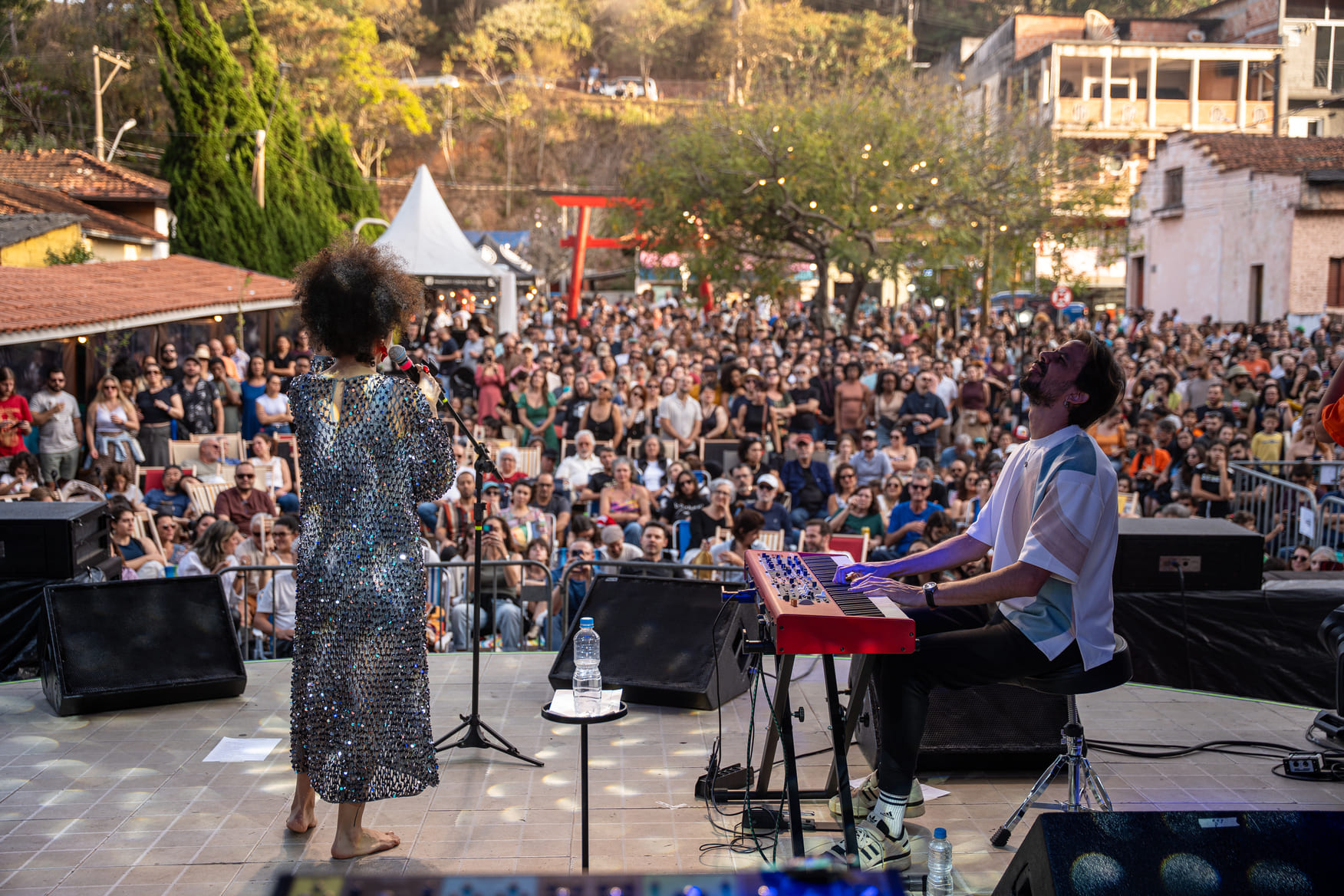
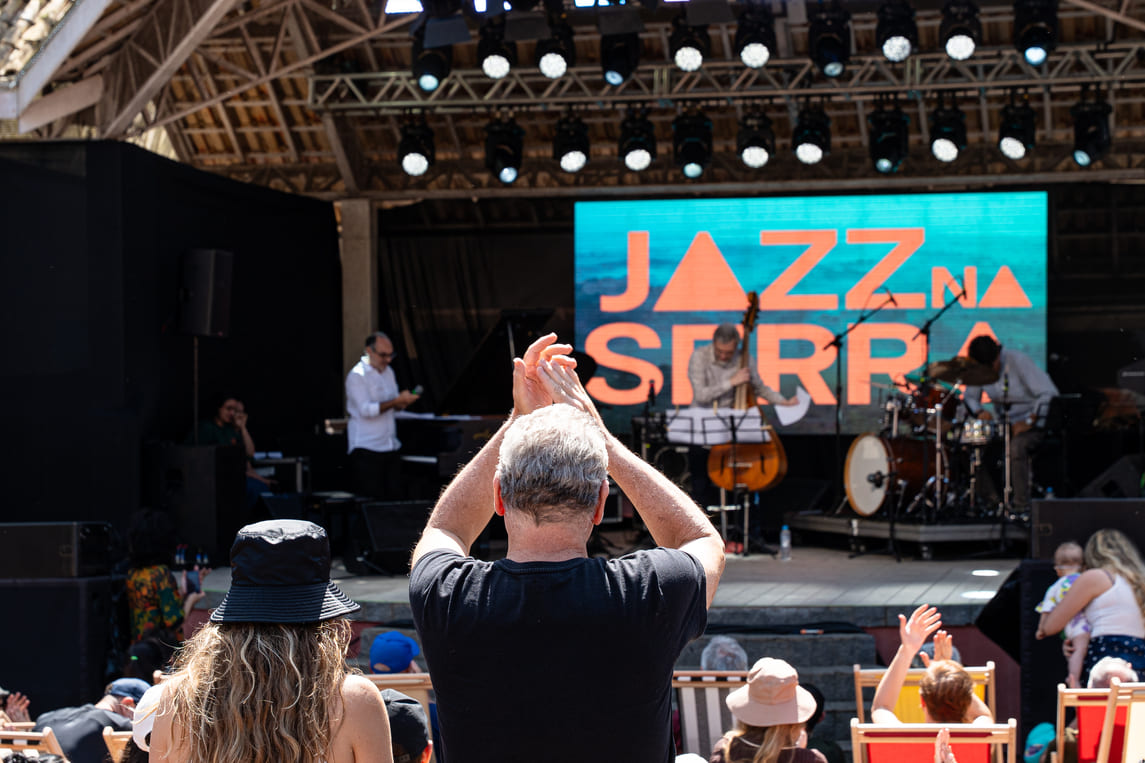
Brazilian jazz has its own unique characteristics. Its main differences lie in the rhythmic elements of the different regions and cultures of a country with continental dimensions. This became even more evident—for those who were unaware—during Jazz na Serra, held between August 22 and 24 in Santo Antônio do Pinhal. The festival was named after this small and charming city located in the Serra da Mantiqueira, a region known for its natural beauty with mountains, wildlife, forests, and waterfalls. With approximately 7,000 inhabitants, the population almost doubled during the three days when it was possible to observe the diversity, richness, and beauty of jazz and Brazilian popular and instrumental music.

With winter coming to an end, the mild weather was perfect for lovers of good music to enjoy it in complete comfort. The cold appeared for a few moments, especially at night, but the sun made everyone happy in the morning and afternoon. Thus, wines, soups, broths, pizza, and beers served as accompaniments for both moments and temperatures. Everything blended perfectly with the atmosphere generated by the refined musicality and sense of community experienced by 80% of the spectators who were not residents of the locality.

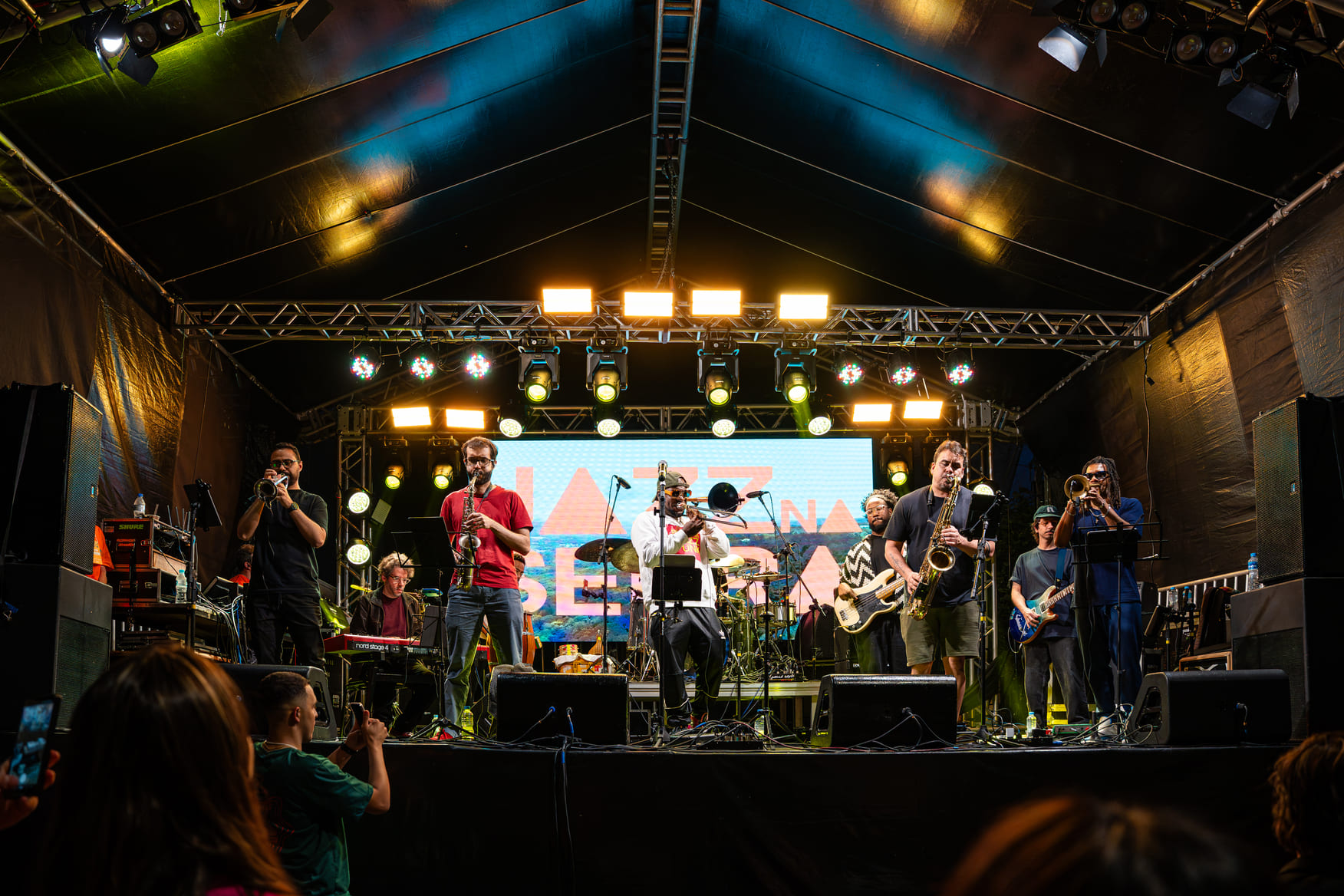
All this care began with the choice of guests. The curator was trombonist and producer Joabe Reis, who took care to bring together different styles. He himself was one of the protagonists on Saturday evening with the Dejavu Session. Alongside 10 musicians, he got the crowd dancing with a fusion of jazz, funk, and samba-jazz. It was impossible to stand still with the energy and pulse transmitted through instrumental versions of famous songs by Gilberto Gil and João Donato to Roy Hargroove, with improvisations by some of the most acclaimed Brazilian musicians. It is no coincidence that this jam has been acclaimed wherever it goes. It transforms the traditional and elevates the modern.

“This mix of American funk with Brazilian music and so many other styles such as jazz, added to improvisation, gives us this freedom,” says Joabe. “From the moment we open a solo chorus, everything becomes jazz, so Dejavu is exactly that. It’s also very interesting because during the solos, sometimes I combine them: look, you’re going to solo. There will be a drum solo, a guitar solo, a solo, I don’t know, on the trombone… but sometimes not, sometimes the song starts and whoever feels it goes solo first. I think Dejavu’s energy is a cool vibe because of that too, so I think everyone is there willing to throw themselves into it and see what happens.”

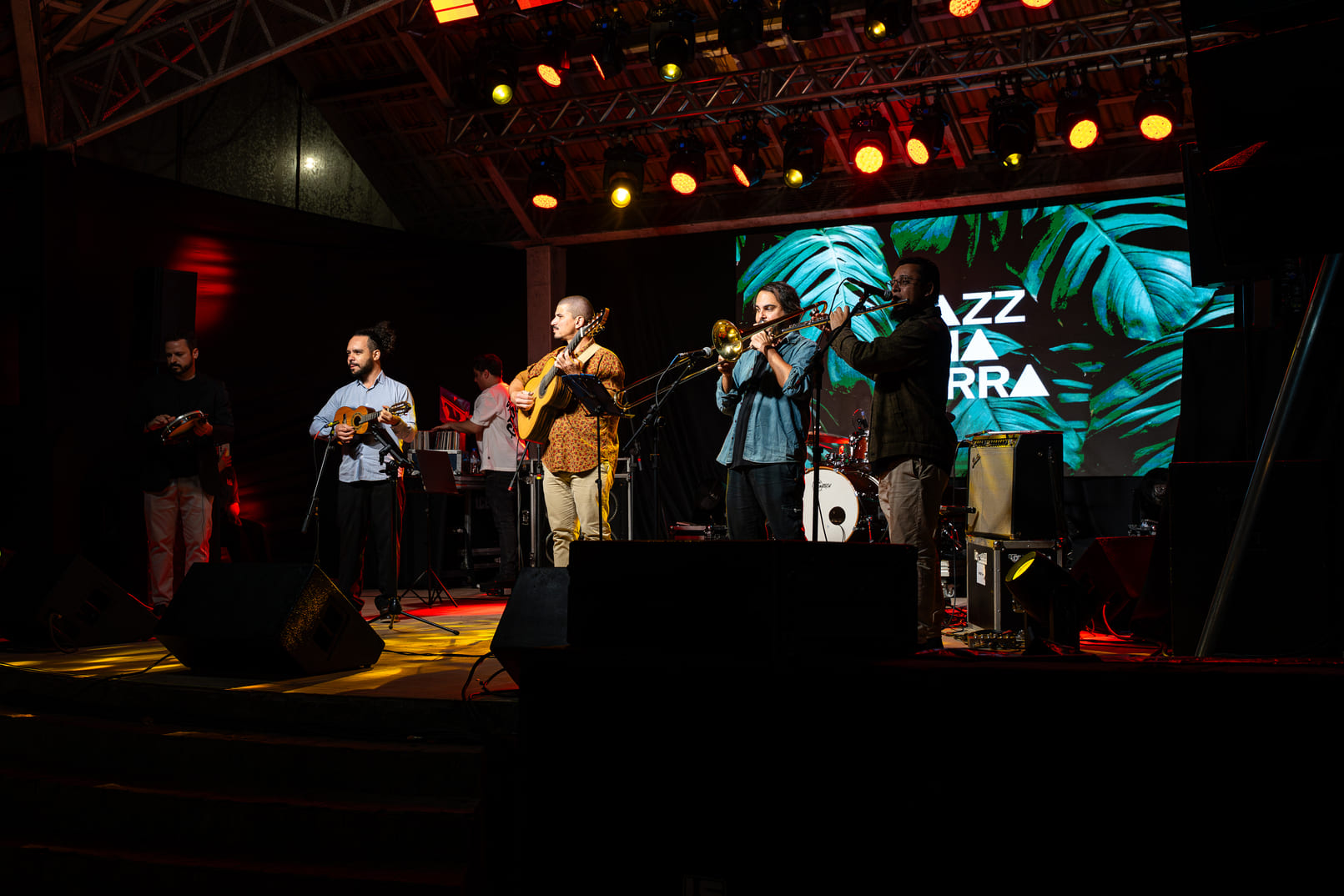
Almost 24 hours earlier, Regional Ginga Ligeira opened the proceedings on a cold Friday night with the lament and tranquil swing of choro, one of the most authentic styles of Brazilian popular music (MPB), accompanied by guitar, mandolin, cavaquinho, flute, and tambourine. Starting in this way reinforces the commitment to promoting national musicality. The emphasis on this direction was made by Thiago Espírito Santo and Grupo. The bassist, son of another genius, Arismar Espírito Santo, who has accompanied big names, including Hermeto Pascoal, used his guitar to make it sound like an accordion and, from time to time, during flutist Morgana’s solo, picked up a triangle

It is satisfying to watch Thiago play because he transmits his passion to those who watch him. Whether they were sitting on deck chairs in front of the stage or standing in the square, drinking bottle after bottle of wine, they felt the same enthusiasm as the musician. It is as if Espírito Santo is playing with something very pleasurable. She captivates, as does the quartet that accompanies her, being a singer who, instead of vocalizing lyrics, makes her voice another instrument.

Loaded with influences from baião, frevo, and forró, the concert named “Folha de Corda” (String Leaf), Thiago praises northeastern Brazil. “The idea was to see what it would be like if the guitar had the power to be an accordion,” he says. “I put myself in the place of an accordionist playing in a forró trio, but it had to be the guitar playing the role of the accordion.” In his view, it is this rhythmic plurality that differentiates Brazilian jazz from world jazz, especially traditional jazz.

“Jazz is considered a universal language. It ceased to be a rhythm and became a language of expression, where you can put your creativity on top of a theme,” he points out. “So, there’s the melody, the harmony, and from there on, we create together. “Brazil is very rich, but the thing is the language, the exchange. It’s a music of exchange, a music that brings people together. Where dialogue is worth the notes and rhythms. The difference lies in the richness of our culture. Brazil has this craziness, where in the South you have milonga, chamamé, vanerão. Then you come up, and you find the samba of São Paulo, which is different from the samba of Rio. The flavor of Minas Gerais, the beauty of harmony and composition of Milton Nascimento, Lô Borges, Beto Guedes… and in the Northeast, each place has its own characteristic identity.”

SENSITIVITY, GROOVE, AND RESISTANCE

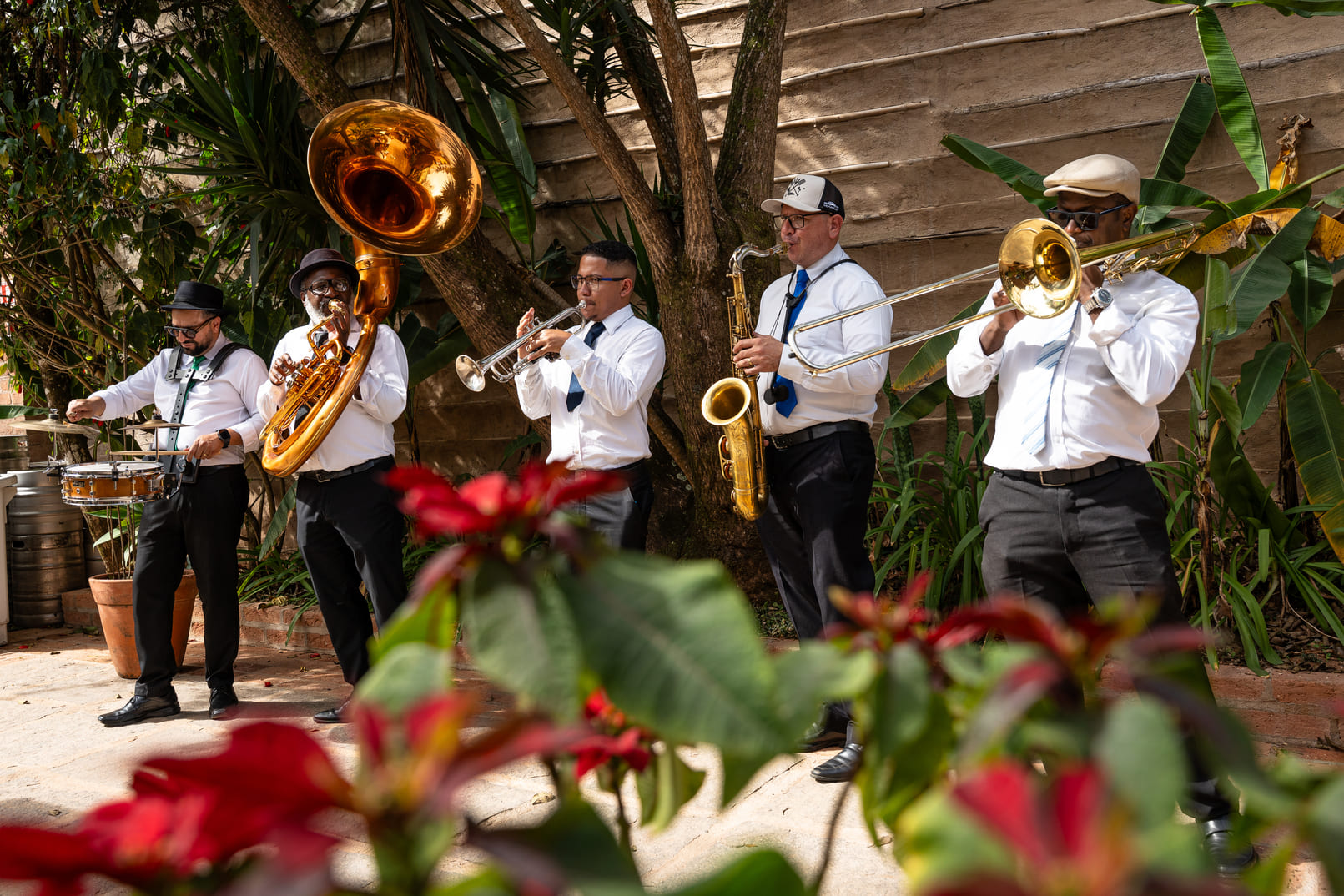
The previous night (Friday) created anticipation for what was to come on Saturday. With the sun shining over the mountains, warming everyone’s heads, the Orleans Jazz Street Band brought a little of the joy of New Orleans to the center of Santo Antônio Do Pinhal, parading through the streets, squares, and avenues to cheer up and get people dancing to the sound of ragtime and swing, whether they were walking or waiting for lunch in restaurants. The atmosphere was festive, almost like carnival. The movement in the streets paused briefly in the early afternoon, at exactly 2:30 p.m., for the impressive performance by Sintia Piccin Sexteto.

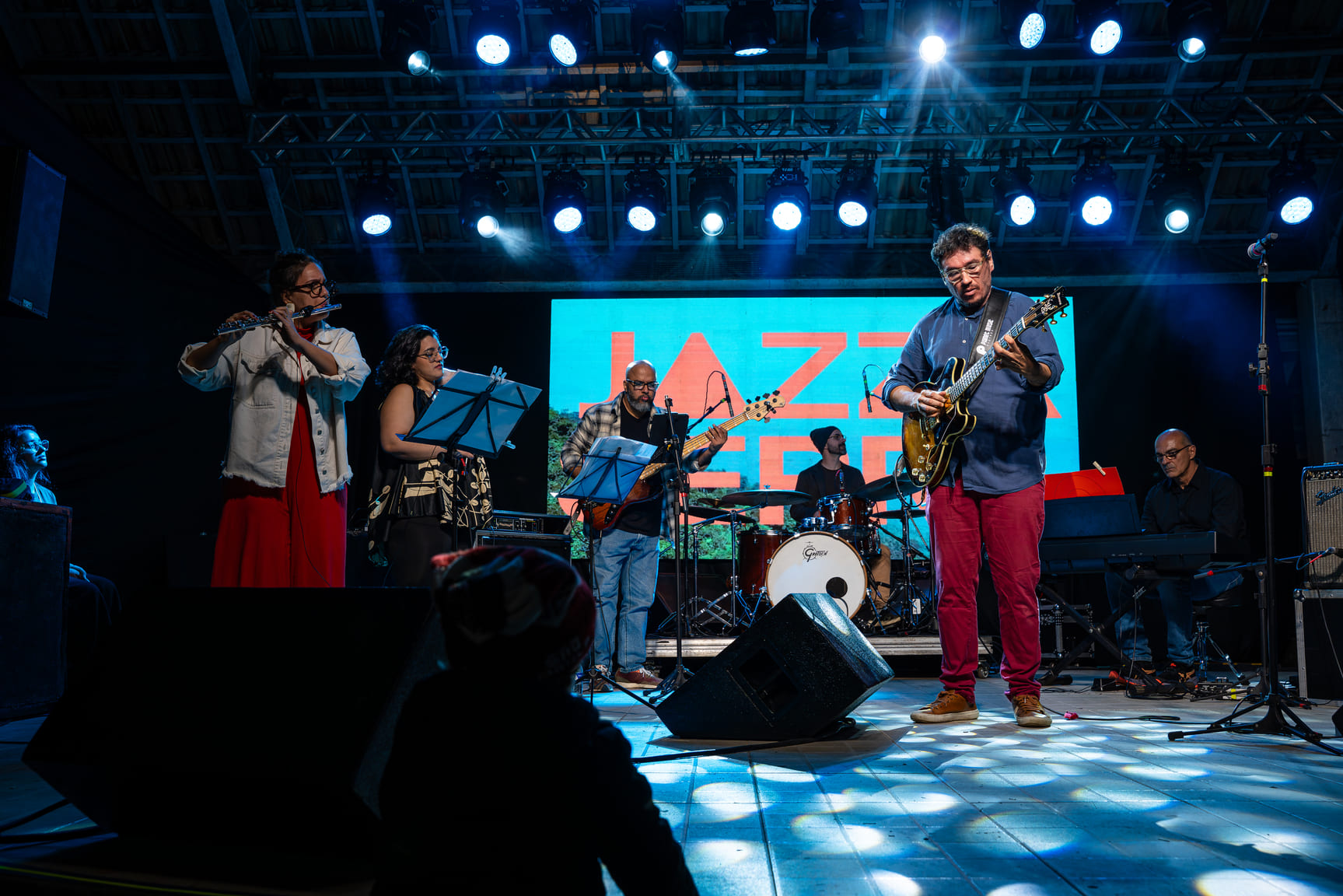
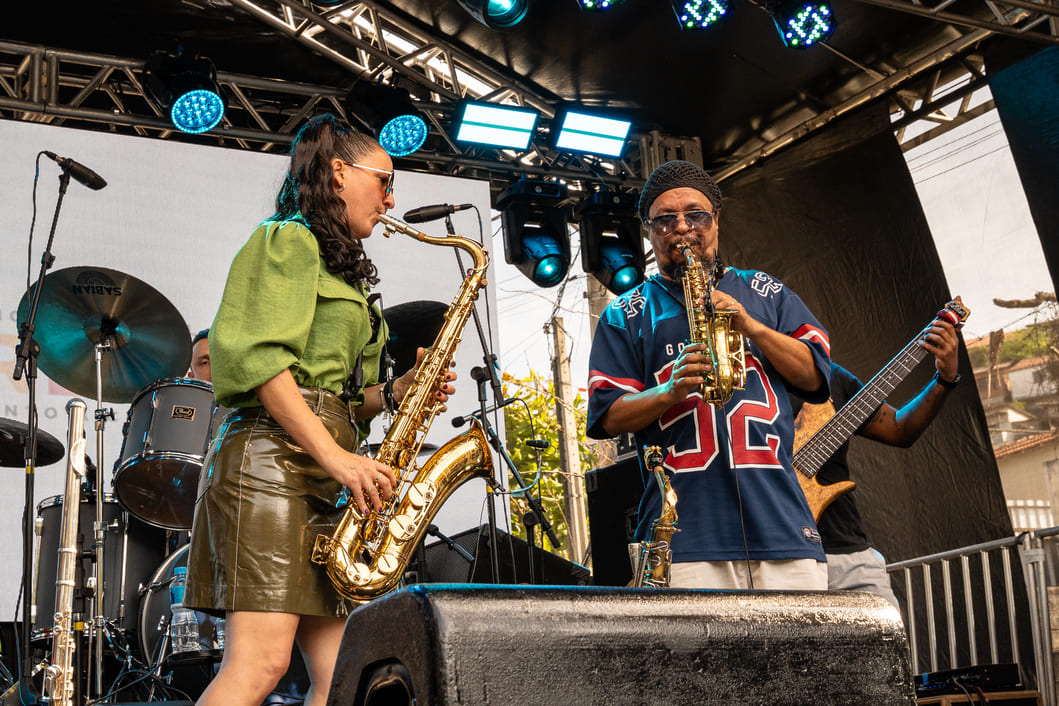
Wielding her saxophone, and sometimes her flute, Sintia performed songs from the EP “Freedom of Mind” and some unreleased tracks that will be part of a future project. Alongside Richard Fermino, Nichollas Maia, Jackson Silva, Igor Bollos, and Fernando Amaro, she captured the eyes and ears of the audience. Her calm and smiling manner makes it seem simple and easy to master the keys. But the ease is only for those who see it. Piccin has a theory that it is necessary to do something complex while making it look easy. This is also how she influences other girls and women who are already involved in or intend to pursue improvised music.

“For a long time, I kept thinking: gee, people don’t really like improvisation, do they? Because it gets boring and the soloist just stands there playing,” she observes. “Then we started playing on the street and people started calling instrumental music groups to play. It became a regular thing.  It was a Sunday kind of thing, getting a bunch of people together, and we would do endless solos, and everyone would listen and clap, and young people enjoy instrumental music, so that gave me a start to try to get my work out there too, you know, because I thought jazz was in the theater or in a bar with those old guys, something more elitist, something more for the upper middle class. And that’s not what we want, we just want to play, you know?”

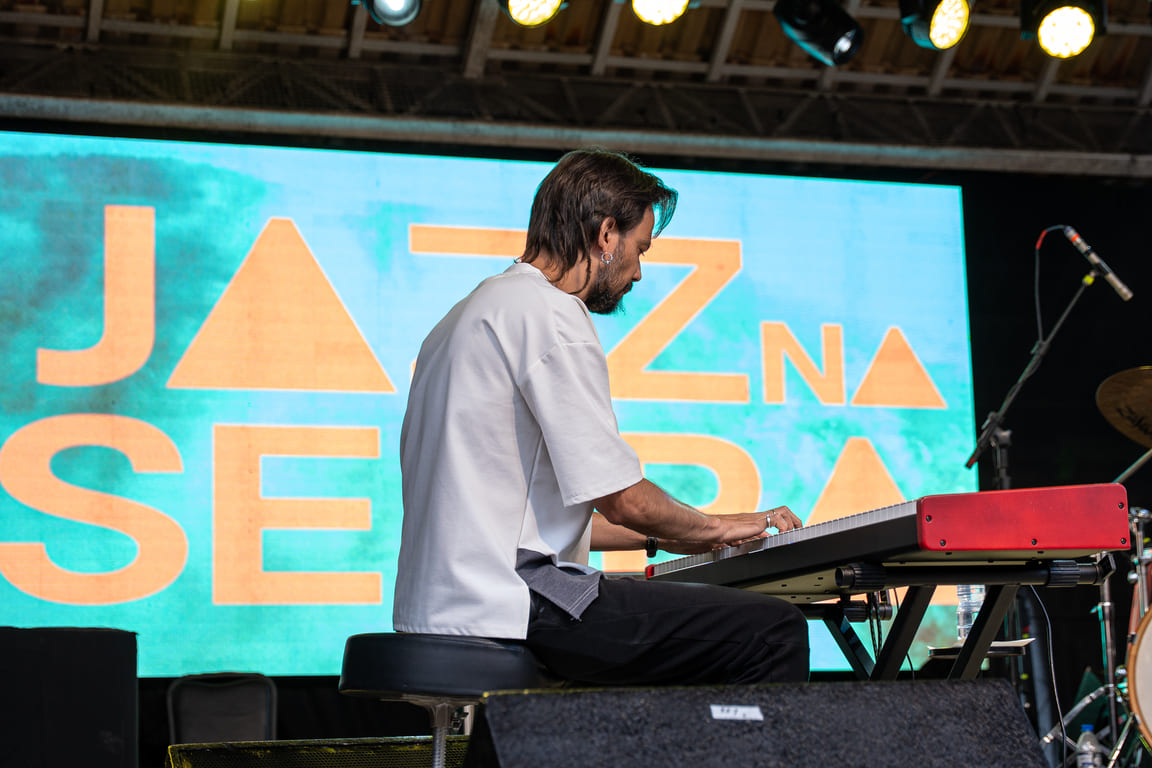
The experience at Jazz na Serra confirmed how much people are interested in the 5-minute walks between Boulevard Araucária and Praça do Artesão, and vice versa. At the latter, Salomão Soares and Vanessa Moreno enchanted the audience. The sensitivity of the singer’s soft, high-pitched, and striking voice was further emphasized by the light sound of the skilled pianist. The duo performed songs from the album “Outros Ventos,” which features vocal and piano reinterpretations of classics by Gilberto Gil, Roupa Nova, Baden Powell, João Bosco, and Aldir Blanc. When she sang “O Bêbado e a Equilibrista” (by Bosco and Blanc), Vanessa moved the audience with the delicacy of her interpretation—she herself was also moved. It gave those with greater sensitivity goosebumps, due to its close interpretation of the original by Elis Regina and its representation of resistance against one of the darkest periods in Brazilian history, the Military Dictatorship (1964-1985). This ghost returned to haunt us years ago through coup attempts against the state. Thus, the passion with which Soares and Morena shared it shows how relevant the composition still is and represents, in a way, resistance. They gave a reflective and inspirational performance. It’s one of those that you need to put on your priority list.

After wiping the tears from their eyes, those present moved their bodies to the sound of (the aforementioned) Dejavu Sessions, but not before stopping to admire the orange sunset embellishing the mountain sky. Almost 30 minutes after they finished, Hamilton de Holanda, accompanied by Salomão Soares and Thiago Rabello, kept the temperature high, despite the cold wind. He had already made some people happy during the sound check. That moment was just an appetizer for the main course he prepared for everyone to enjoy with the sound of the mandolin, which seems to speak through Hamilton’s fingers. The type of sound he makes is considered choro by some and jazz by others. However, he does not like labels because he is able to perform in different places, including the Jazz at Lincoln Center complex in New York (USA), where he recorded “Hamilton de Holanda Trio, Live in NY.” When I ask him if he considers himself a jazz musician, his answer comes with the same intensity as the question.

“Look, I can answer you in a few ways… so it’s hard to answer yes or no, because jazz is in my music, for sure, but I’m from choro, I was born in choro, since I was a child. The first 200-300 songs of my life were by Pixinguinha, Jacob Almeida, and Ernesto Nazareth, but at the same time there’s Hermeto Pascoal, Egberto Gismonti, Baden (Powell), Milton Nascimento, Chico Buarque, Djavan,” he says. “So, it’s something that, I even came yesterday on the way saying: ‘man, our music is hard to classify, because if you say it’s jazz, jazz musicians will say it’s something else. And on the other hand, my choro friends think I’m a jazz musician. Jazz is very broad, you can’t just define it and say: only this is jazz. It has its foundations, obviously, but it has a family tree that branches out in many directions.”

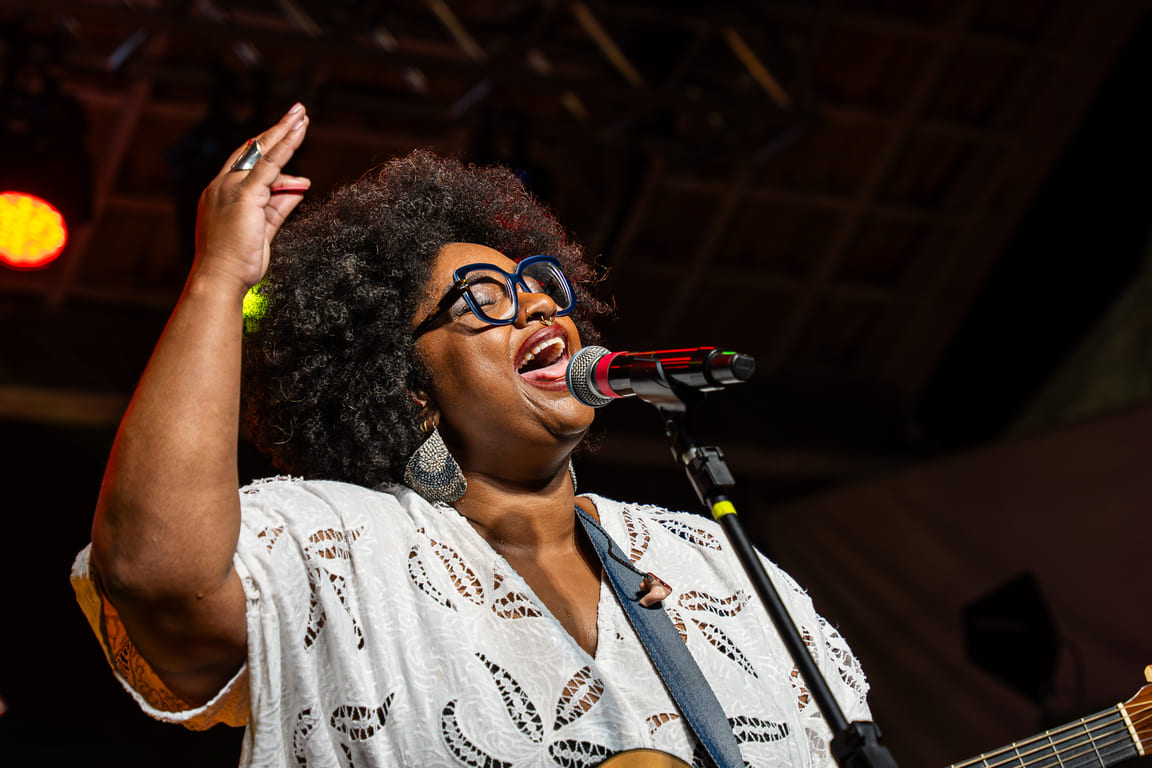
The countless possibilities of this art form, mentioned by Hamilton, were reflected in the final act of the second day of the festival, with Ellen Oléria showing off all her groove and swing. But she also moved the audience with the power of her voice and songs that portrayed the struggle and resistance of the black community in Brazil. With her charisma, she captivated the audience and made the night even more refreshing, fascinating, and inspiring.

BUILDING A LEGACY

Far from the circuit of major festivals, Jazz na Serra proved to be a giant success. Due to its success, including the boost to the local economy, Pedro Pimenta (the creator) confirms that the 2026 edition is guaranteed. “It’s almost inevitable that it will happen again, and we’ve already started thinking about ways to do that. The idea is not to hold a festival that could take place anywhere, just putting the Jazz na Serra brand on it, but it could be done in São Paulo”, he says. “The idea is to keep it here. Occupy the city center and privilege the businesses that are here.” Curator Joabe Reis also says he is fulfilled and already has names in mind for the next edition. “I’m happy with the positive feedback, because it’s very difficult to be a curator at a music festival. As an instrumentalist, I’ve worked and been alongside so many names in music that I love and would like to have here on these stages. But we have to curate in a way that also fits with the script we want to write here at this festival.”

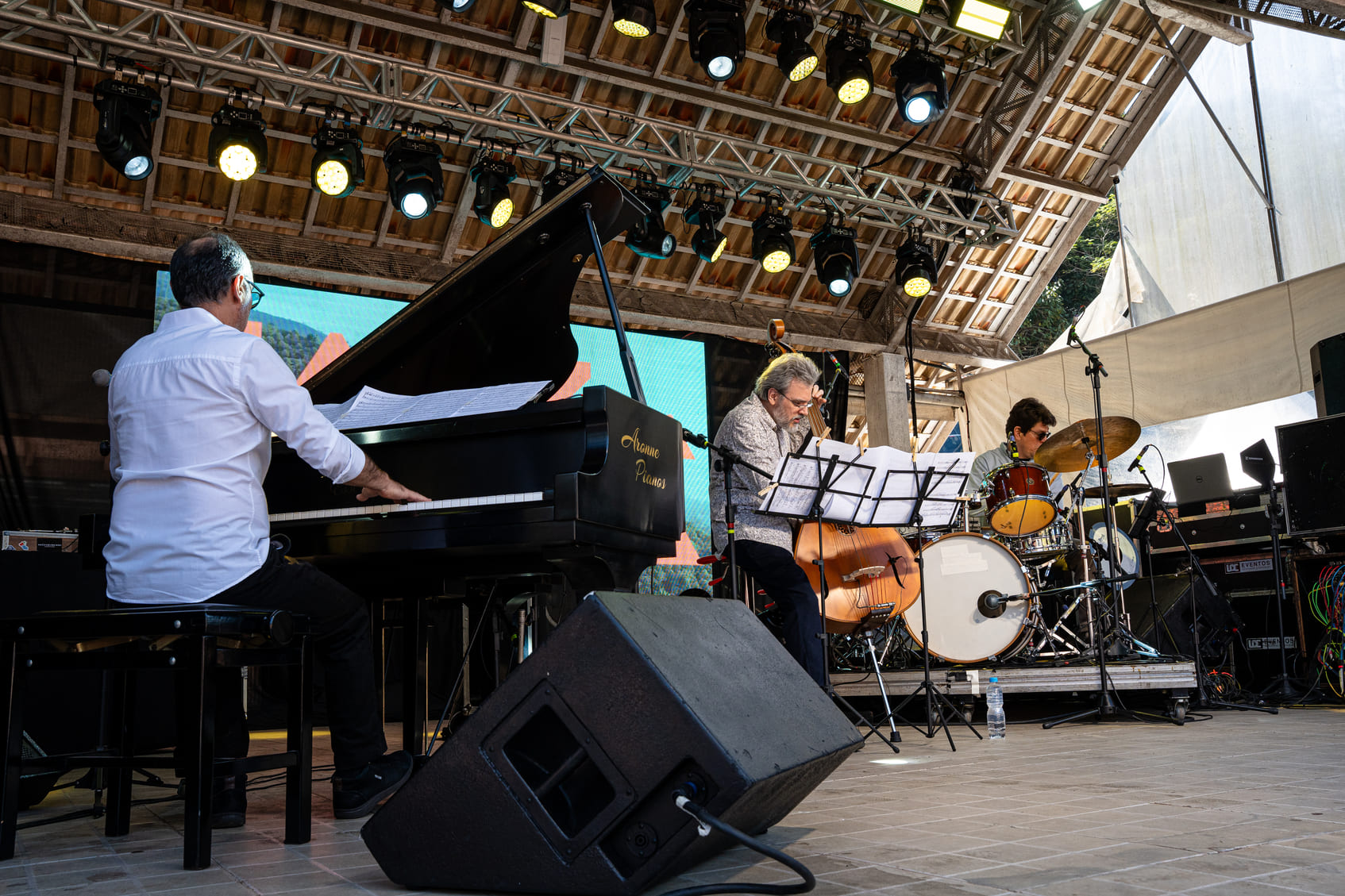
To end on the same mood as the beginning and the middle, the sun came out again on Sunday morning to activate the vitamin D of those who chose to “bathe” in the sun’s rays. In the shade, drummer Edu Ribeiro, pianist Fabio Torres, and bassist Paulo Paulelli brightened up the start of the day with a diverse and cheerful sound, ranging from samba-jazz to choro, passing through other elements of Brazilian music. Formed in 2001, Trio Corrente is one of the most inventive contemporary groups, winning a Grammy Award in 2014 for best Latin jazz album for “Song For Maura,” which also won a Latin Grammy, shared with pianist Chick Corea.

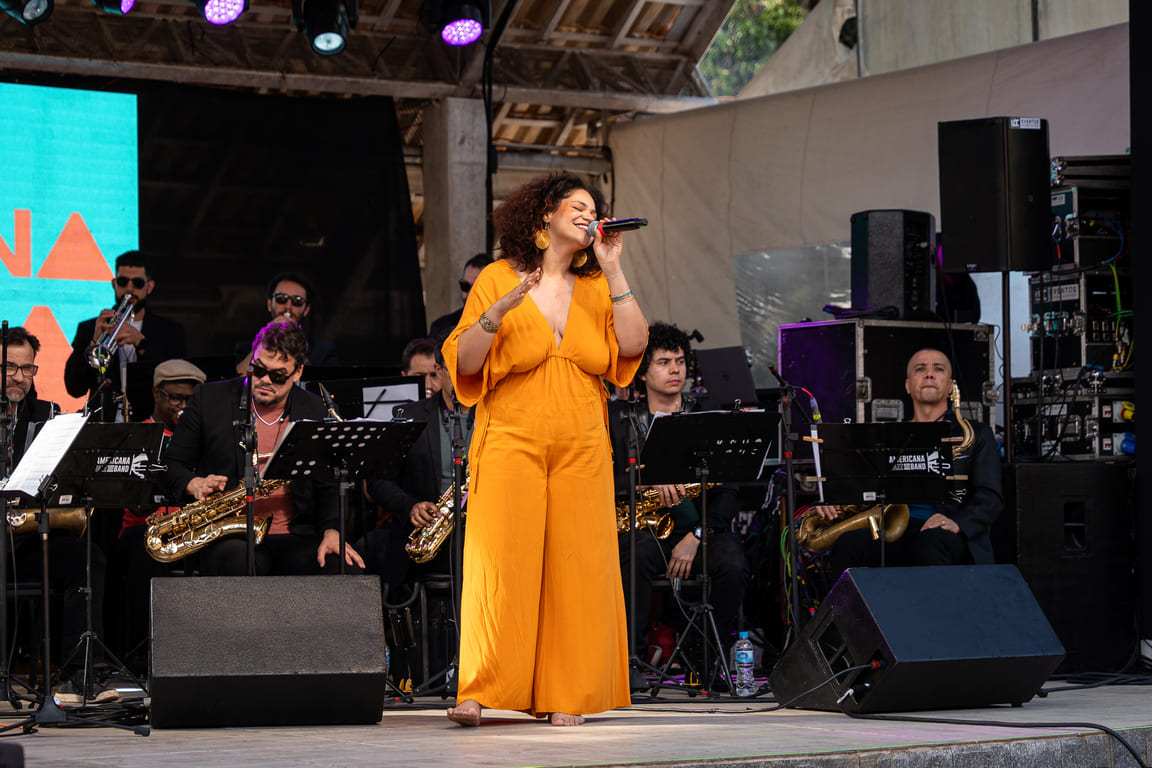
Joabe’s assertive selection demonstrated his knowledge and care in choosing each of the participants in Jazz na Serra. It is a legacy that is beginning to be written, and one that will also place Santo Antônio Do Pinhal on the world stage of great musical events, especially jazz. The exploration of different jazz styles also opened up possibilities for those who are not so familiar with the genre and believe, especially in Brazil, that this is a type of music appreciated by intellectuals. At the closing, the Americana Jazz Big Band recalled the golden age of the great swing bands with classic movie soundtracks and compositions by geniuses such as Quincy Jones and Gordon Goodwin. The power of Raquel Odara’s voice stood out. In both performances, she mesmerized with her vocal power. It ended the way it should: with refinement and excellence.

16th of December, 2025

Festival Jazz Madrid 2025 – Villanos del Jazz

Festival Jazz Madrid 2025 – Villanos del Jazz

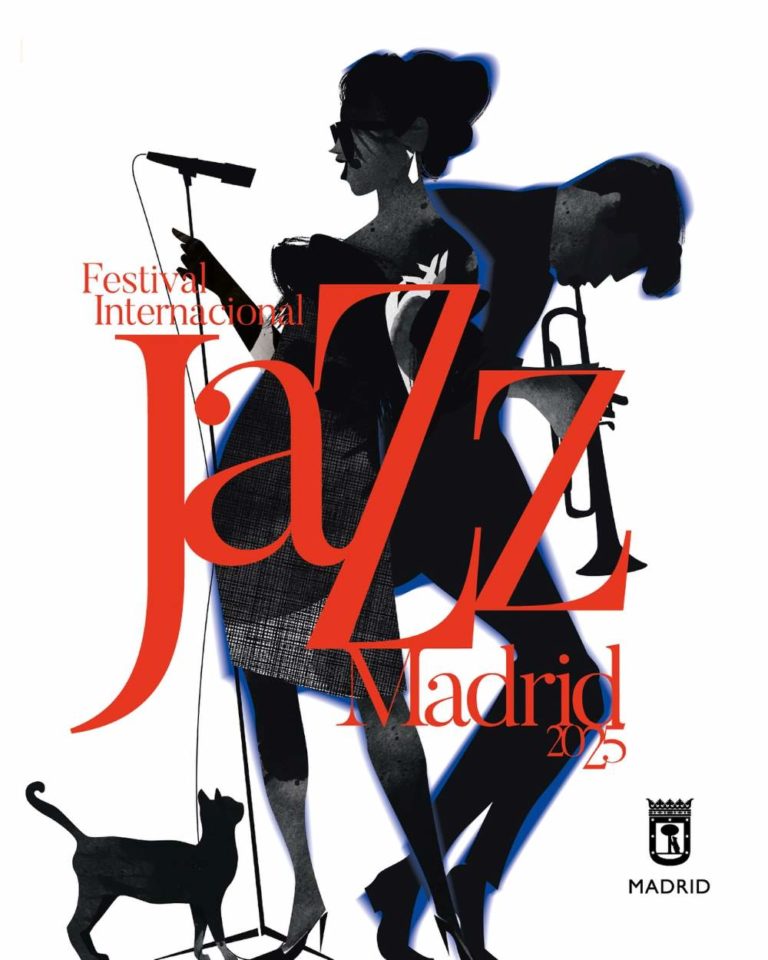
FESTIVAL JAZZ MADRID 2025

Villanos del Jazz

Una Odisea Sonora entre virtuosismo, riesgo y tradición que ilumina Madrid

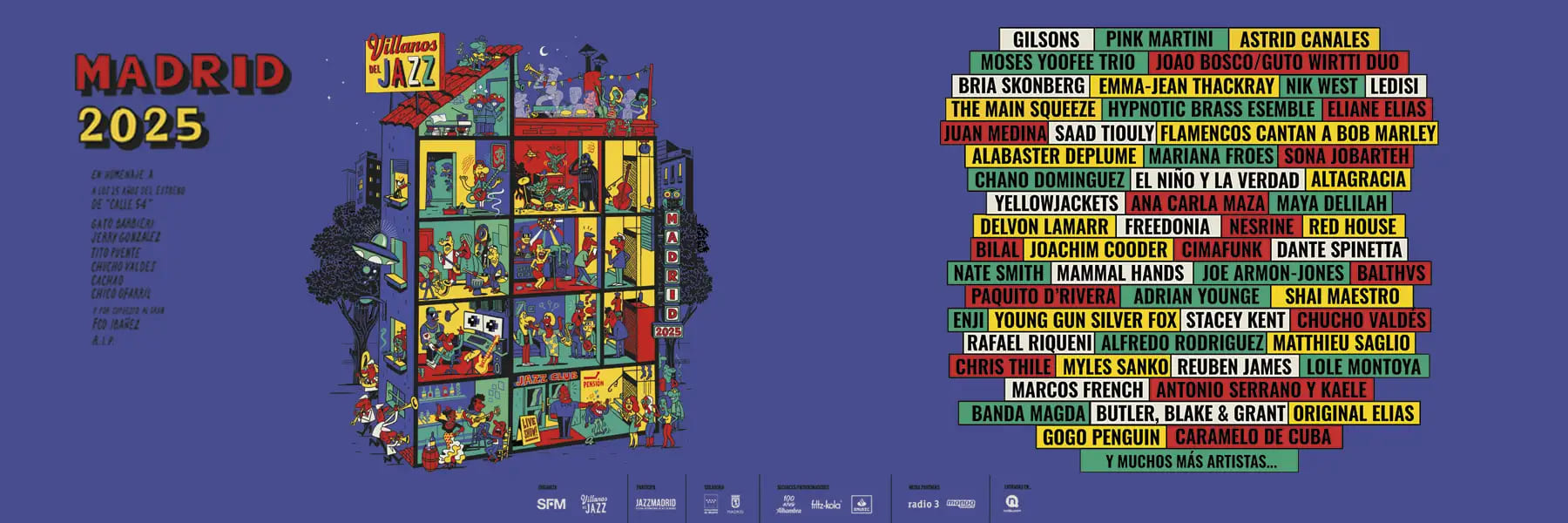
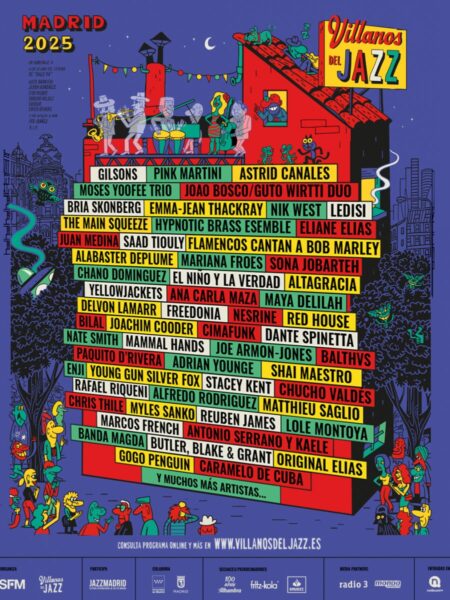
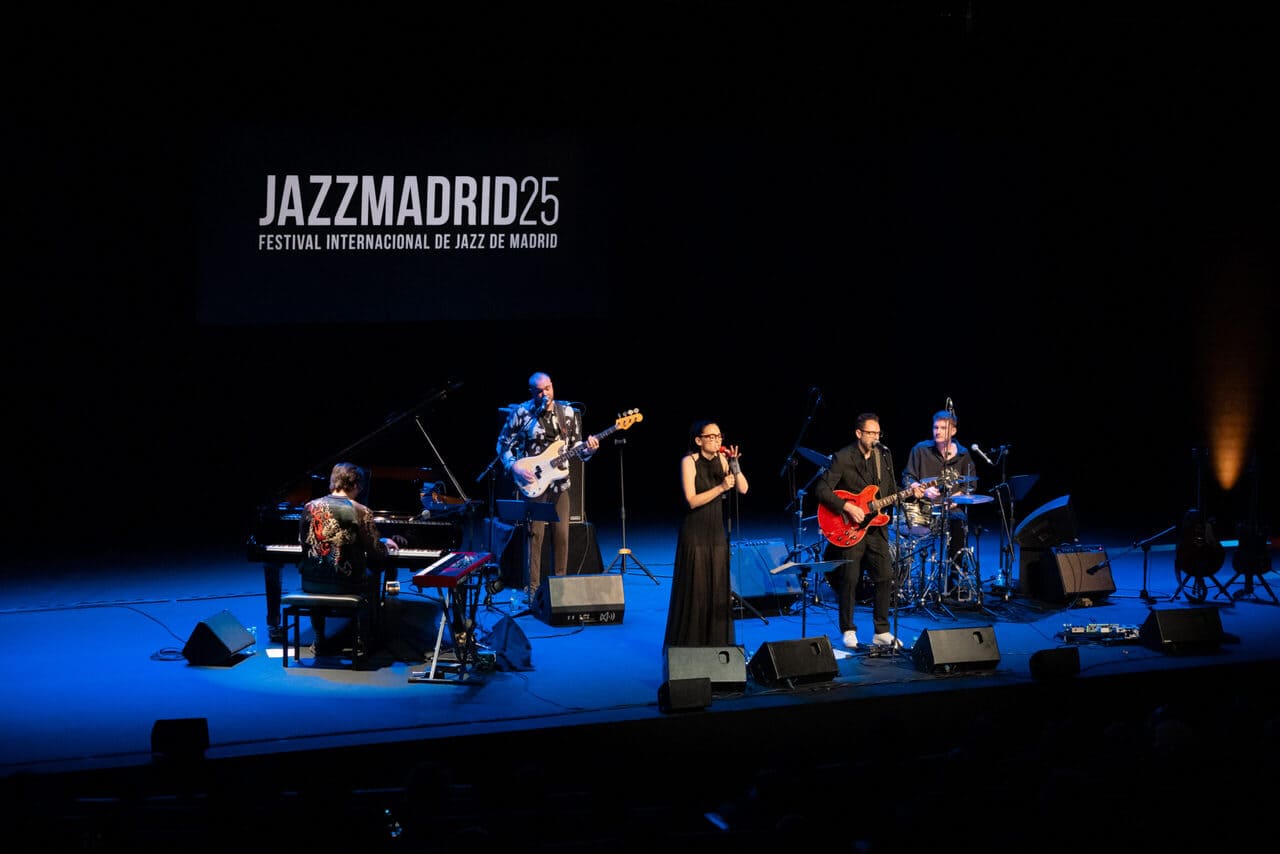
Como cada año, el Festival Villanos del Jazz volvió a unir fuerzas con el Ayuntamiento de Madrid para enriquecer la programación del Festival Internacional JazzMadrid 2025, configurando una edición especialmente robusta y diversa. A ello se sumaron iniciativas como el Festival de Jazz de Ciudad Lineal, 21 Distritos, Jazz con Sabor a Club y Jazz Círculo, que han convertido al otoño madrileño en una estación donde el jazz se respira en cada barrio tanto como las tonalidades doradas que envuelven la ciudad.

La Sala Villanos, el Teatro Pavón, el Café El Despertar y, sobre todo, el Teatro Fernán Gómez–Centro Cultural de la Villa se consolidaron como los epicentros del pulso jazzístico madrileño. Desde In&OutJazz Magazine asistimos a una amplia selección de los más de 150 conciertos programados. Lo que sigue es un recorrido detallado, y vivamente inspirado, por algunos de los hitos de esta edición.

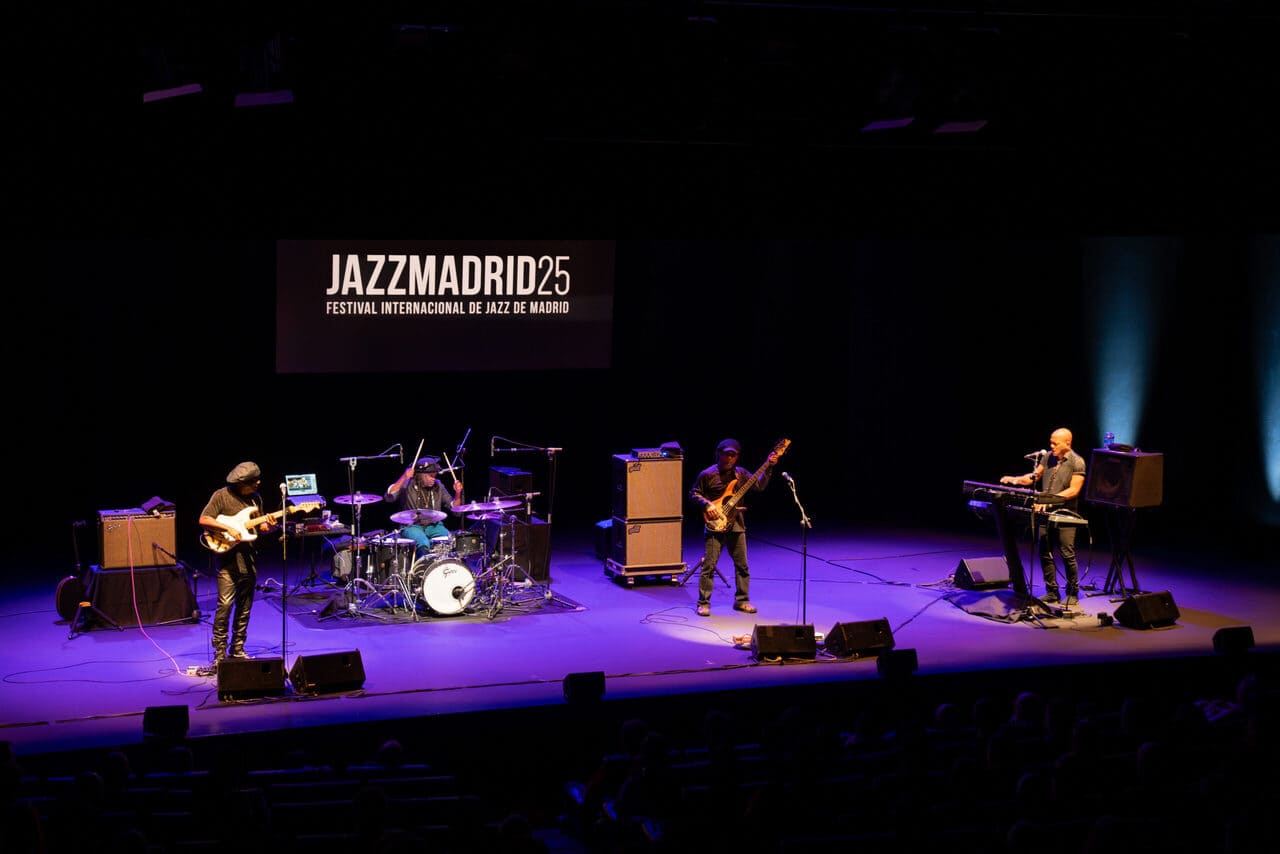
El arranque fue contundente con The Wooten Brothers, que ofrecieron un espectáculo donde el groove marcó el eje de rotación de toda la noche. Victor Wooten volvió a confirmar que no es solo un virtuoso, sino un arquitecto del ritmo: polirritmias imposibles en el bajo, slap microscópicamente preciso y una elasticidad temporal que desafiaba la intuición. Regi “The teacher”, Joseph y Roy “Futureman” Wooten completaron un engranaje rítmico arrollador, capaz de levantar pasajes de funk sincopado, momentos de pura electricidad y una teatralidad casi performativa. El cuarteto hiló además un recorrido casi a modo de popurrí por sus hits y por temas que han marcado su propia evolución musical, un guiño directo tanto a los seguidores veteranos como a quienes se acercaban por primera vez a su universo sonoro.

Esa potencia llegó, sin embargo, acompañada de un componente visual casi acrobático que, aunque eficaz para encender al público, desplazó por momentos la atención del corazón musical de la propuesta. El grupo brilló especialmente cuando redujo ese despliegue escénico y dejó que la fusión hablara por sí sola, revelando una creatividad tan sólida como contagiosa. Una apertura vibrante y enérgica, marcada por un virtuosismo exuberante que, en sus mejores momentos, encontró su verdadero centro.

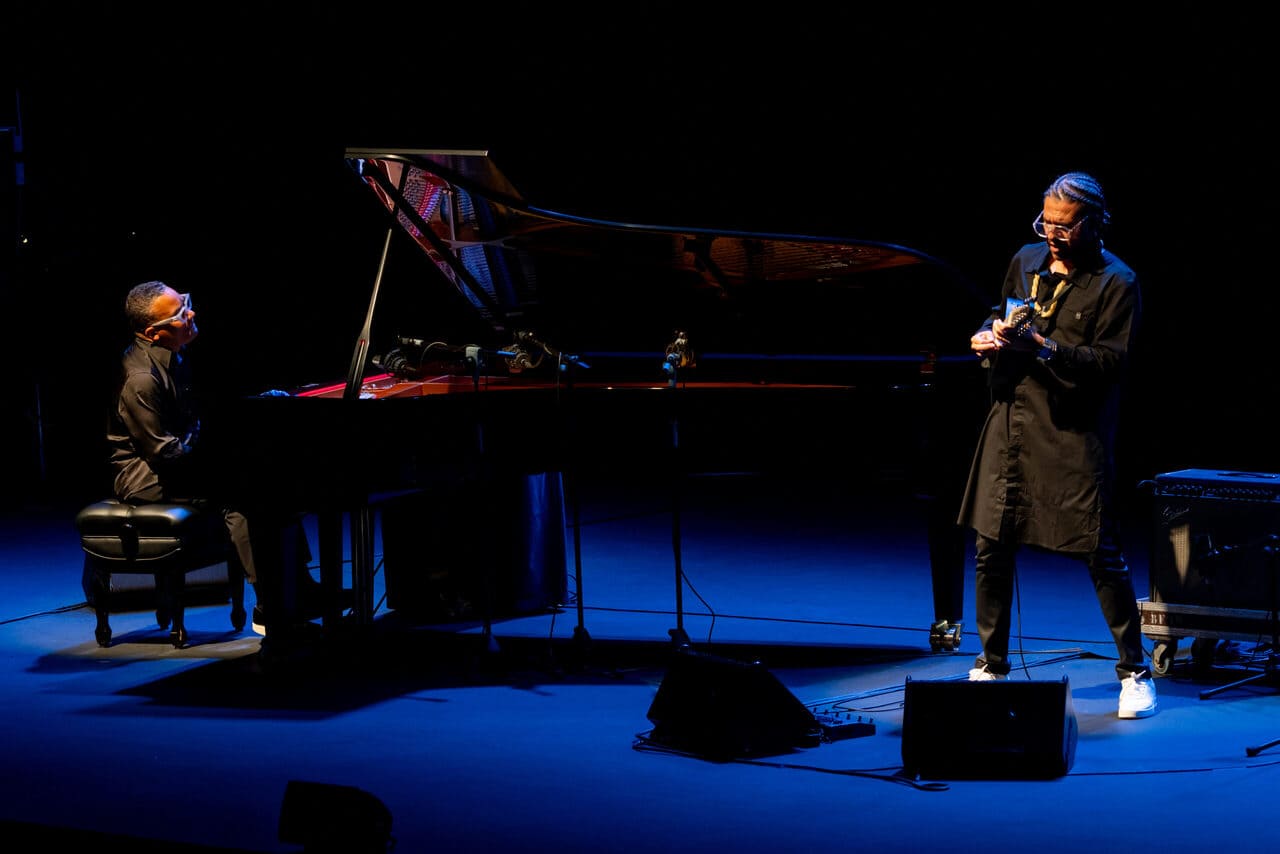
Sin perder inercia, volvimos al día siguiente al Fernán Gómez para uno de los conciertos más refinados del festival: Gonzalo Rubalcaba & Hamilton de Holanda. Frente al exceso anterior, este dúo propuso un espacio de escucha mutua y delicadeza arquitectónica. Rubalcaba ofreció un piano de madurez expresiva, donde cada pedal, cluster y resolución armónica parecía una decisión editorial. Hamilton de Holanda respondió con un bandolín de articulación diamantina y una narrativa melódica en permanente combustión. La conversación improvisada entre ambos, silencios con peso, pausas que hablaban, contrapuntos tan naturales como inevitables, construyó un recital de enorme profundidad y precisión emocional. Hubo imprevisibilidad, conversación, música que se desplegaba como un organismo vivo. Fue uno de esos conciertos en los que uno deja de pensar en “piano” o “bandolín” y empieza simplemente a escuchar y disfrutar.

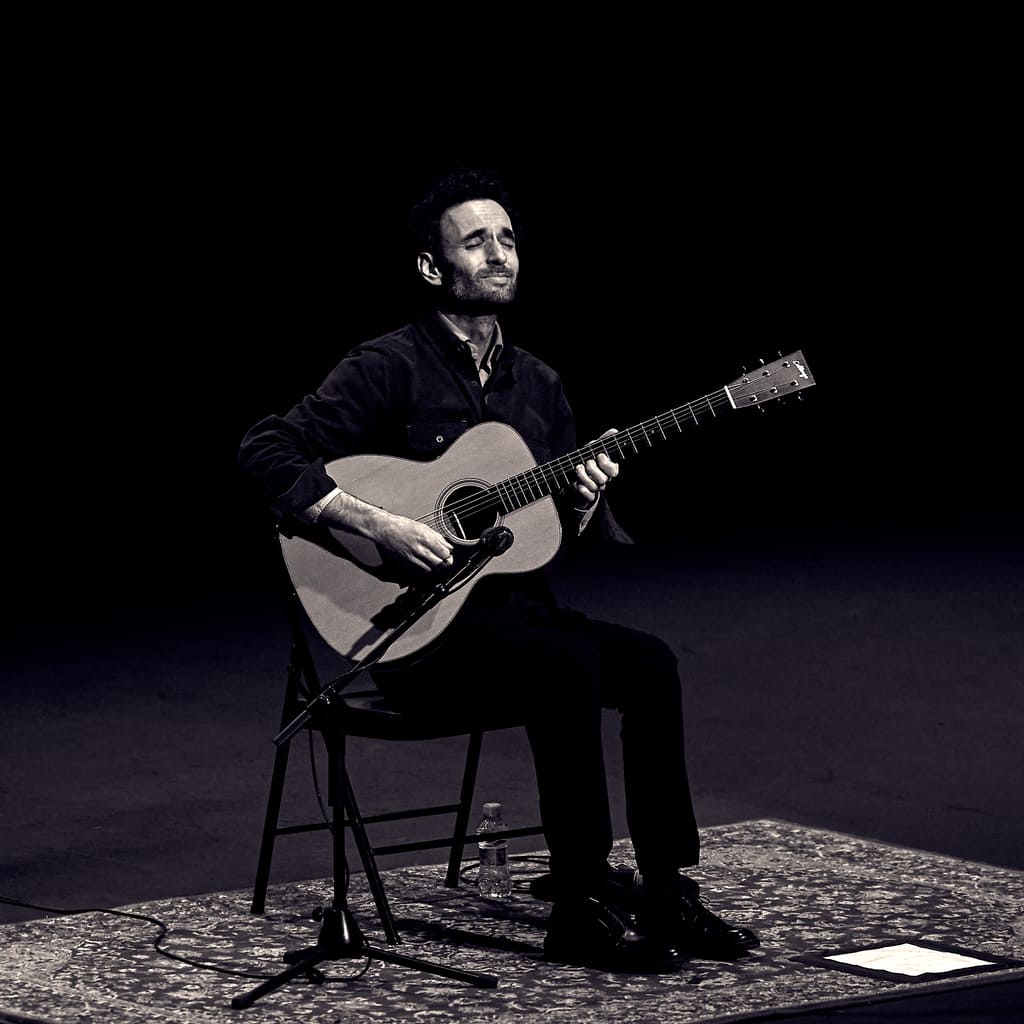
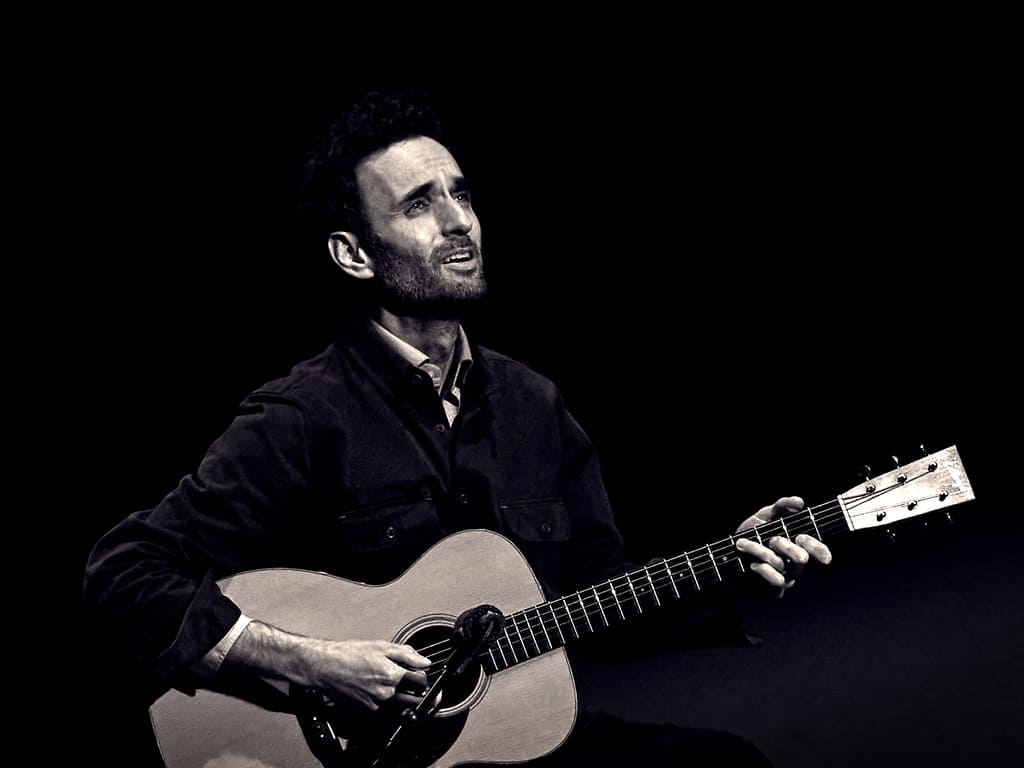
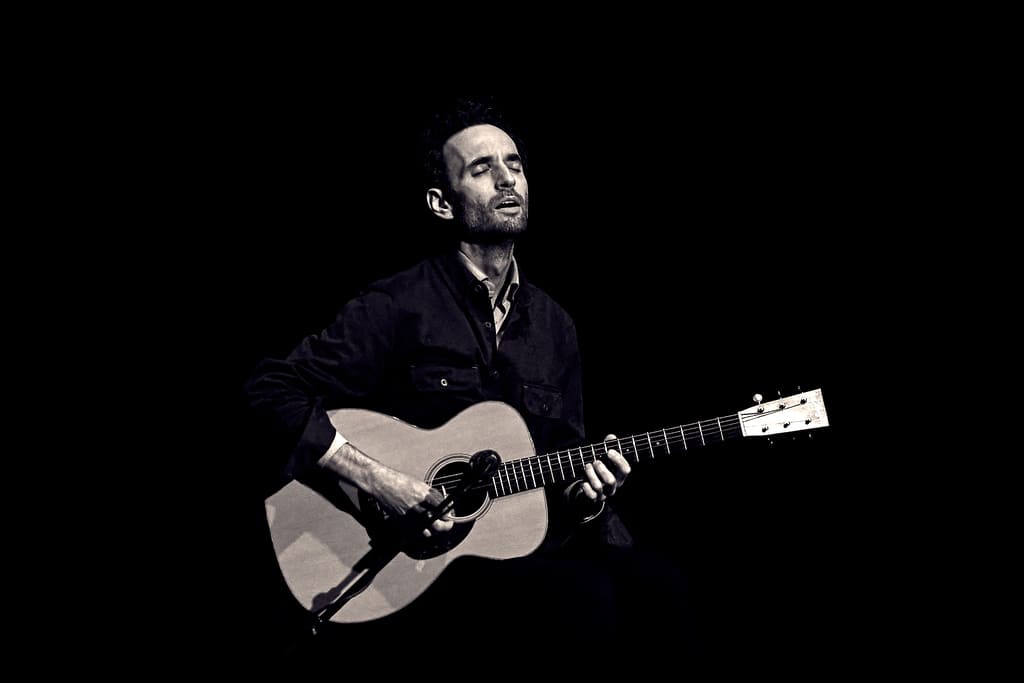
El tránsito hacia la intimidad continuó de manera orgánica con Julian Lage en formato de guitarra sola. Lage convirtió la sala en un laboratorio acústico donde todo giró alrededor de la pulsación, los voicings abiertos y un control casi escultórico del timbre. Alternó composiciones propias con standards rediseñados desde una claridad quirúrgica, levantando atmósferas tridimensionales sin recurrir a artificios. La propuesta, de una pureza casi meditativa, derivó también en un tono sostenido y homogéneo que, pese a su innegable refinamiento, dejó por momentos la sensación de un discurso demasiado contenido. Un concierto silencioso en lo gestual, monumental en lo musical, aunque no siempre capaz de mantener la tensión narrativa y la atención del respetable.

El festival siguió desplazándose hacia territorios de la voz con Jazzmeia Horn, que transformó la tarde en una celebración. Su presencia escénica, su swing muscular y su dominio del storytelling vocal hicieron que cada una de sus composiciones se convirtiera en un microrrelato emocional. Su scat, natural, rítmicamente fértil, impredecible, fluyó sostenido por la solidez de Vásquez Viñas, Saleem y Morello, una sección rítmica que respiraba con ella. Horn ofreció una clase magistral de control diafragmático y de articulación, recordándonos que la tradición no es un museo, sino un territorio vivo y reinventable.

El 9 de noviembre, llegó uno de los regresos más esperados: Avishai Cohen regresó tras un tiempo sin actuar en la ciudad. Lo hizo en la Sala Fernán Gómez al frente de su quinteto, formado por jóvenes músicos israelíes vinculados en su mayoría a la escena neoyorquina. Destacó especialmente el pianista Itay Simhovich, de apenas veintiún años y recién incorporado al proyecto, junto a Yuval Drabkin en los saxos tenor y soprano, el trombonista Yonatan Voltzok y el baterista Eviatar Slivnik. El quinteto presentó un repertorio centrado en Brightlight (2024), complementado con nuevas composiciones y piezas ya conocidas por los seguidores del contrabajista.

Los solos de Drabkin sobresalieron por su técnica, sonido y musicalidad, mientras que la compenetración entre Slivnik, Simhovich y Cohen configuró una base rítmica sólida y cohesionada, fruto de su trabajo conjunto como trío. Fiel a su costumbre, Cohen volvió a apostar por jóvenes talentos sin renunciar a su lenguaje característico, marcado por un rigor estructural y un virtuosismo siempre supeditado a la música. Tras hora y media de concierto, el público ofreció una cálida ovación que Cohen respondió interpretando “Remembering”, pieza cargada de lirismo y melancolía.

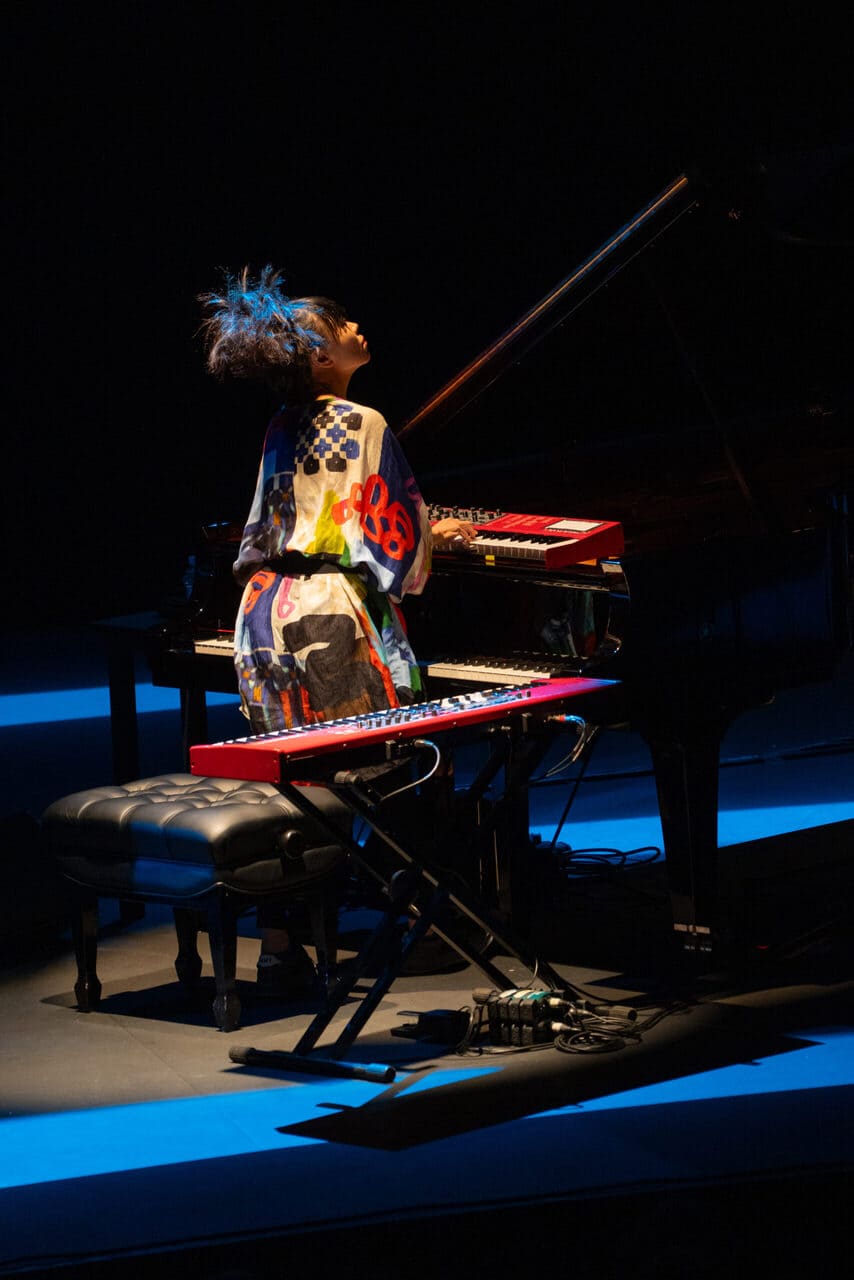
El festival avanzó hacia un territorio más eruptivo con Hiromi & Sonicwonder, una de las noches más desbordantes de energía de toda la programación. Hiromi desplegó su habitual artillería: estructuras cambiantes, ritmos hiperquinéticos, un piano que funciona como orquesta y un magnetismo escénico que roza lo atlético. Adam O’Farrill ofreció un contrapeso perfecto con una trompeta musculosa, mientras Hadrien Feraud y Gene Coye sostuvieron una sección rítmica de elasticidad prodigiosa. La suite Out There fue un viaje expansivo; “Pendulum”, interpretada por Hiromi en solitario, dejó la sala suspendida en un silencio casi reverencial.

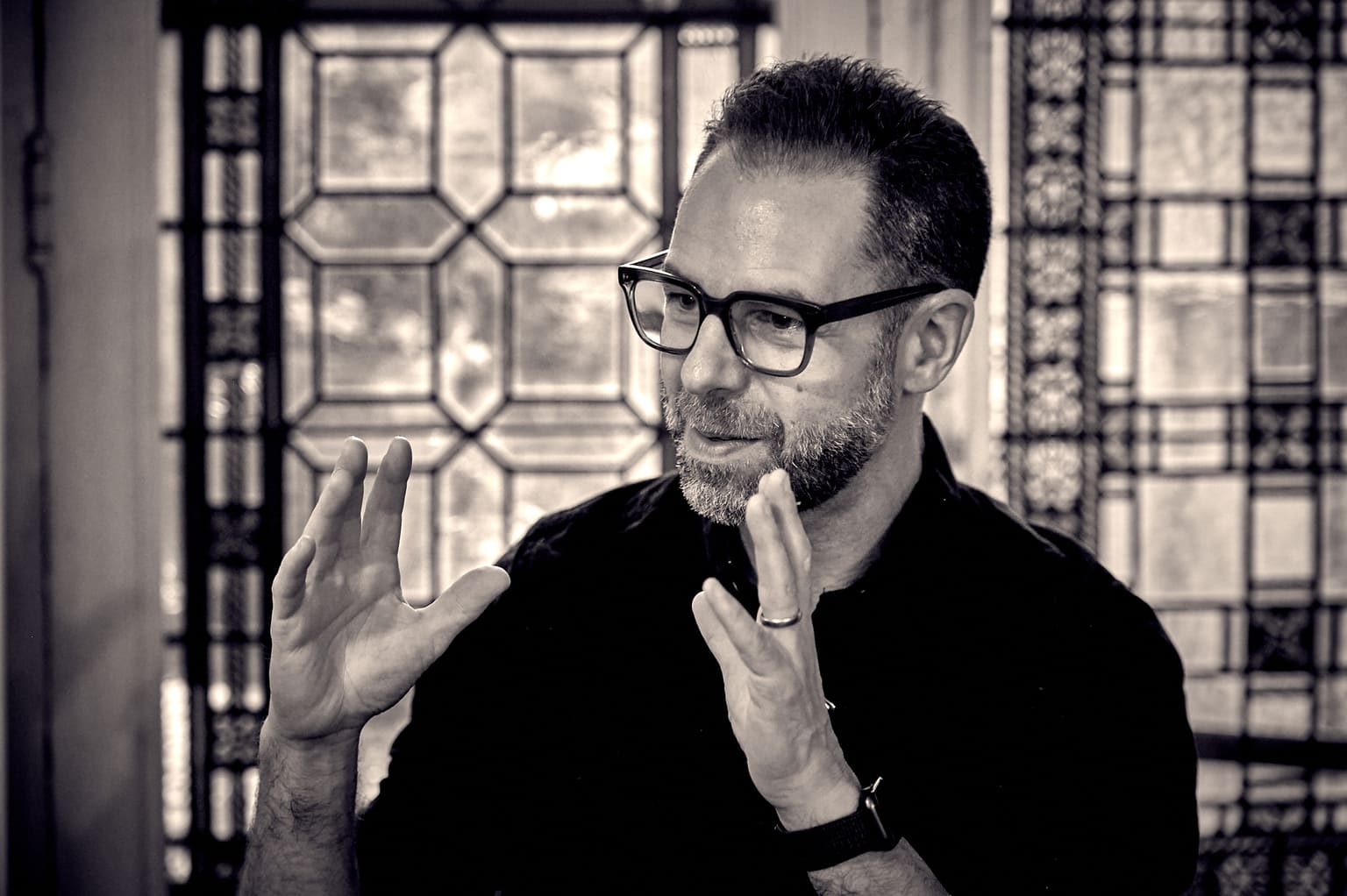
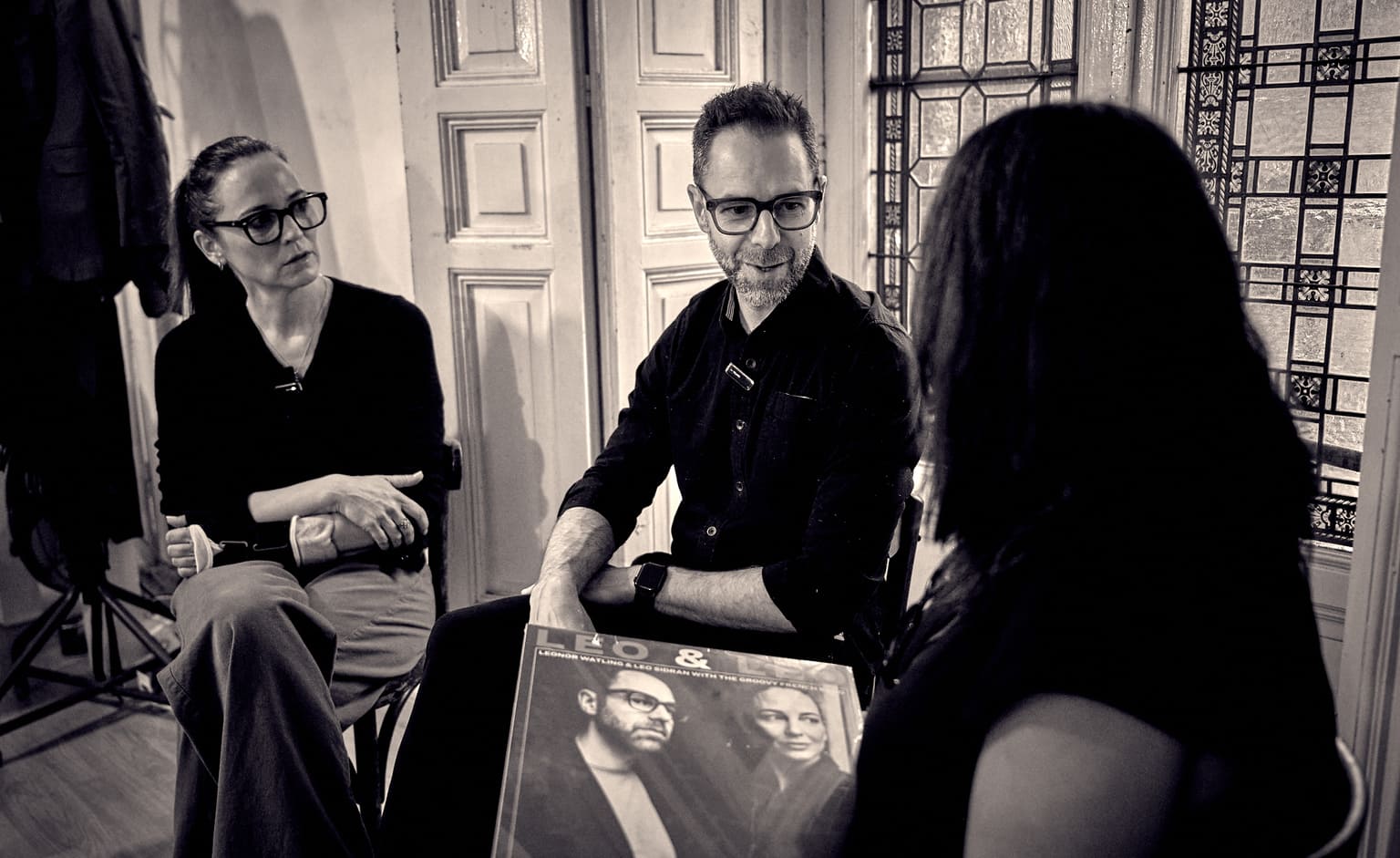
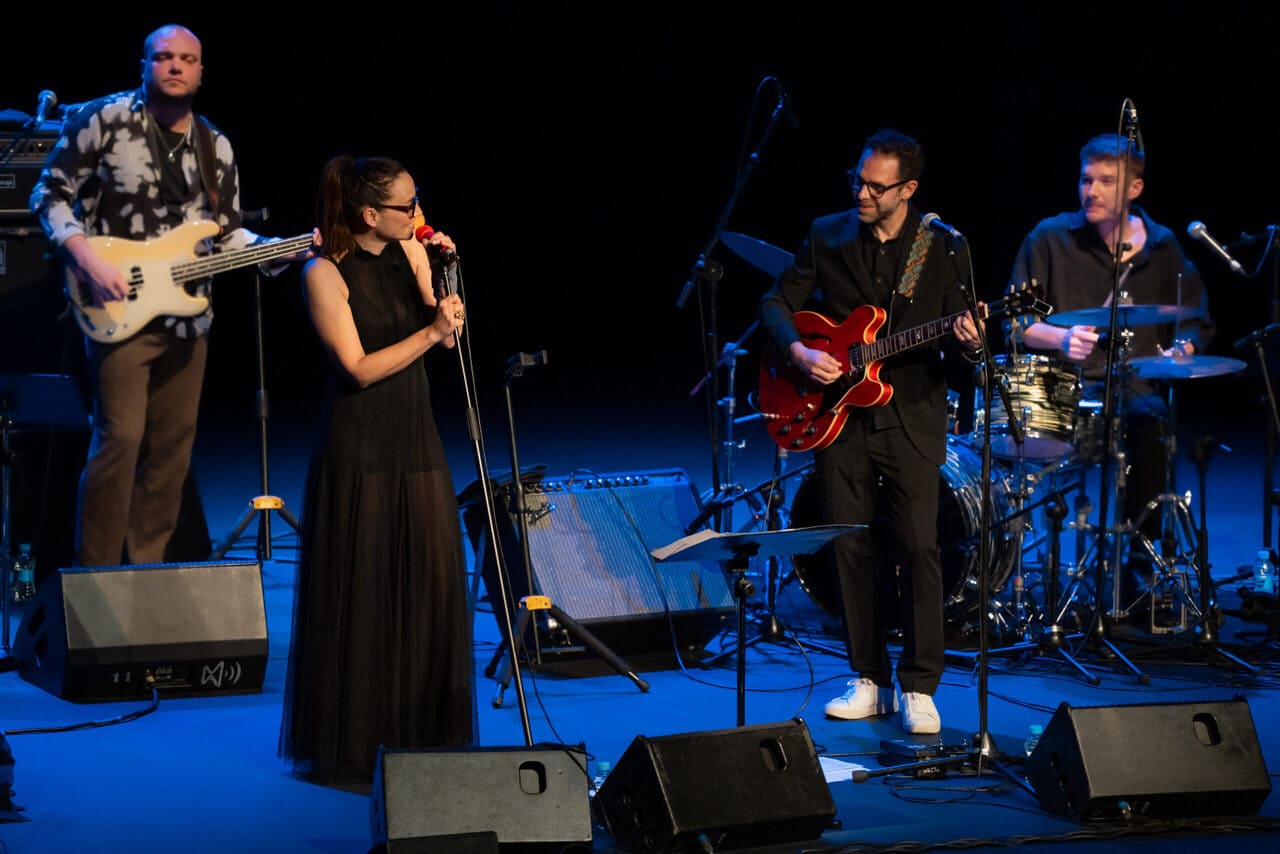
Tras semejante despliegue energético, el ciclo encontró un punto de reposo reflexivo con Leo & Leo, un proyecto distinto en estética y pulsación. Leonor Watling cantó con ese cuidado equilibrio entre transparencia, contención y cercanía emocional que define su estilo, mientras Leo Sidran acompañó con sensibilidad narrativa, más desde la intención que desde la exhibición. El resultado fue un recital pulcro y cálido, sin grandes sobresaltos, pensado más para el abrazo que para el vértigo. En una edición tan convulsa y exploratoria, su propuesta de belleza suave funcionó como un necesario gesto de pausa y honestidad.

La atención volvió a girar hacia la escena ibérica con el Cuarteto Edición Especial de Baldo Martínez, que reafirmó la condición del contrabajista gallego como una de las voces más personales y valientes de la música improvisada europea. Con Román Filiú, Chema Saiz y Pier Bruera generó un laboratorio sonoro en plena combustión: improvisación colectiva, timbres en fricción y raíces folclóricas reelaboradas desde una modernidad orgánica y nada complaciente.

En una línea igualmente experimental, Marco Mezquida presentó su diálogo entre piano e inteligencia artificial. El concierto osciló entre la fascinación tímbrica y las limitaciones expresivas de la IA, que respondía con intención, pero sin ninguna flexibilidad ni aportación propia. Mezquida, sin embargo, ofreció uno de los discursos más libres y texturales del festival, reivindicando la improvisación como terreno donde la máquina, por ahora, sigue siendo invitada y no protagonista. Un experimento valiente, más valioso por las preguntas que por las respuestas.

El Fernán Gómez se transformó nuevamente para acoger el sonido legendario del Sky Quartet de Charles Lloyd, que demostró que la veteranía no está reñida con una frescura casi juvenil. Lloyd navegó entre el free más etéreo y el blues más terrenal, sin dejar ninguna nota por el tintero. Sostenido por un trío de lujo: Jason Moran, Larry Grenadier y el joven Kweku Sumbry, que sustituyó con solvencia a Brian Blade, el cuarteto construyó el mejor de los ambientes para que Charles, el público y los propios músicos pudieran disfrutar, una noche más, de la belleza de la música en directo.

El festival continuó con un bloque especialmente fértil de proyectos españoles. El primero fue Daniel Juárez, que presentó Reflexividad junto a Naíma Acuña, Darío Guibert e Íñigo Ruiz de Gordejuela. Su concierto en la sala Villanos sirvió como presentación de su excelente trabajo, Reflexividad, el cual interpretaron al completo, esta vez con la riqueza y la frescura propias del directo. Mención especial para Álvaro del Valle, quien grabó íntegramente el concierto y realizó una mezcla minuciosa (aquí una muestra) que permite ahora disfrutar de este cuarteto en vivo con una calidad excepcional. Una semana más tarde, Astrid Canales. Su puesta en escena, su desparpajo, el ambiente familiar y la profesionalidad de los músicos de su banda nos condujeron al gozo colectivo. En esta ocasión, la compositora multidisciplinar presentaba también su último disco, publicado bajo el nombre de Ego.

En el apartado más encendido del ciclo de clubs, el saxofonista Javier Rojo, junto a Joan Colom, Ander García y Marc Pinyol, ofreció dos pases intensos, cargados de evocación y libertad. Ese mismo día, en el Pavón, Stacey Kent conquistó al público con su dulzura habitual, combinando standards, composiciones propias y un repertorio brasileño interpretado con afecto y elegancia.

El cierre de nuestra ruta llegó con Tigran Hamasyan, que ofreció un concierto casi ritual. Su piano, trenzado con melodías folclóricas armenias y polirritmias vertiginosas, generó un estado de trance cuidadosamente estructurado. Junto a Yessai Karapetian, Marc Karapetian y Arman Mnatsakanyan formó un triángulo rítmico formidable. The Bird of a Thousand Voices, inspirado en un cuento armenio ancestral, sonó como un viaje interior rotundo, confirmando a Tigran como una de las voces más visionarias del jazz actual.

Más allá del brillo individual de los conciertos, esta edición de JazzMadrid y Villanos del Jazz volvió a poner sobre la mesa algunos de los debates fundamentales del jazz contemporáneo: la convivencia entre tradición y ruptura, la integración (o resistencia) frente a lo tecnológico, y el papel del jazz en el ecosistema cultural de una gran ciudad. La programación, amplia, variada, a veces incluso desbordante, evidenció un rasgo que cada vez define más al festival: su voluntad de abarcar el jazz como un territorio expandido, sin compartimentos estancos, donde el swing coexiste con el free, la electrónica con el folclore y la canción con la improvisación abierta.

El diálogo intergeneracional también resultó especialmente revelador. Desde la sabiduría fresca de Charles Lloyd hasta la exuberancia de Hiromi, pasando por la precisión minimalista de Lage o la poesía camerística de Rubalcaba y Hamilton de Holanda, quedó claro que el jazz actual se articula no tanto en función de edades o corrientes, sino de discursos estéticos personales. Y en ese sentido, la escena española vivió un año particularmente fértil: Juárez, Canales, Rojo o Baldo Martínez ofrecieron proyectos donde la identidad local no se presenta como ancla, sino como punto de partida para una creación abierta y contemporánea.

La presencia de propuestas híbridas, como el experimento de Mezquida con inteligencia artificial o la melancolía elegante de Leo & Leo, reforzó otra idea clave: que el festival no se limita a exhibir virtuosismo, sino que funciona como un laboratorio donde se ensaya qué puede ser el jazz hoy. No todas las propuestas alcanzan la misma profundidad; algunas resultan más estéticas que transformadoras. Pero ese riesgo forma parte del pulso real de un festival vivo, que apuesta por la diversidad como motor y no como escaparate.

Por último, la respuesta del público, salas llenas en su mayor parte, atención sostenida, mezcla generacional, reveló algo que no siempre se subraya con suficiente claridad: Madrid está consolidando un ecosistema jazzístico propio, con identidad y continuidad, donde festivales, clubes, instituciones y músicos locales generan un tejido cada vez más sólido. Esa es quizá la mejor noticia de todas.

En suma, esta edición no solo ofreció grandes conciertos; ofreció preguntas, fricciones, descubrimientos y confirmaciones. Recordó que el jazz, cuando se programa con ambición y perspectiva, no es un género: es un diálogo permanente entre tradición, riesgo, escucha y tiempo. Y Madrid, por fortuna, parece decidida a mantenerlo vivo.

05 de diciembre de 2025

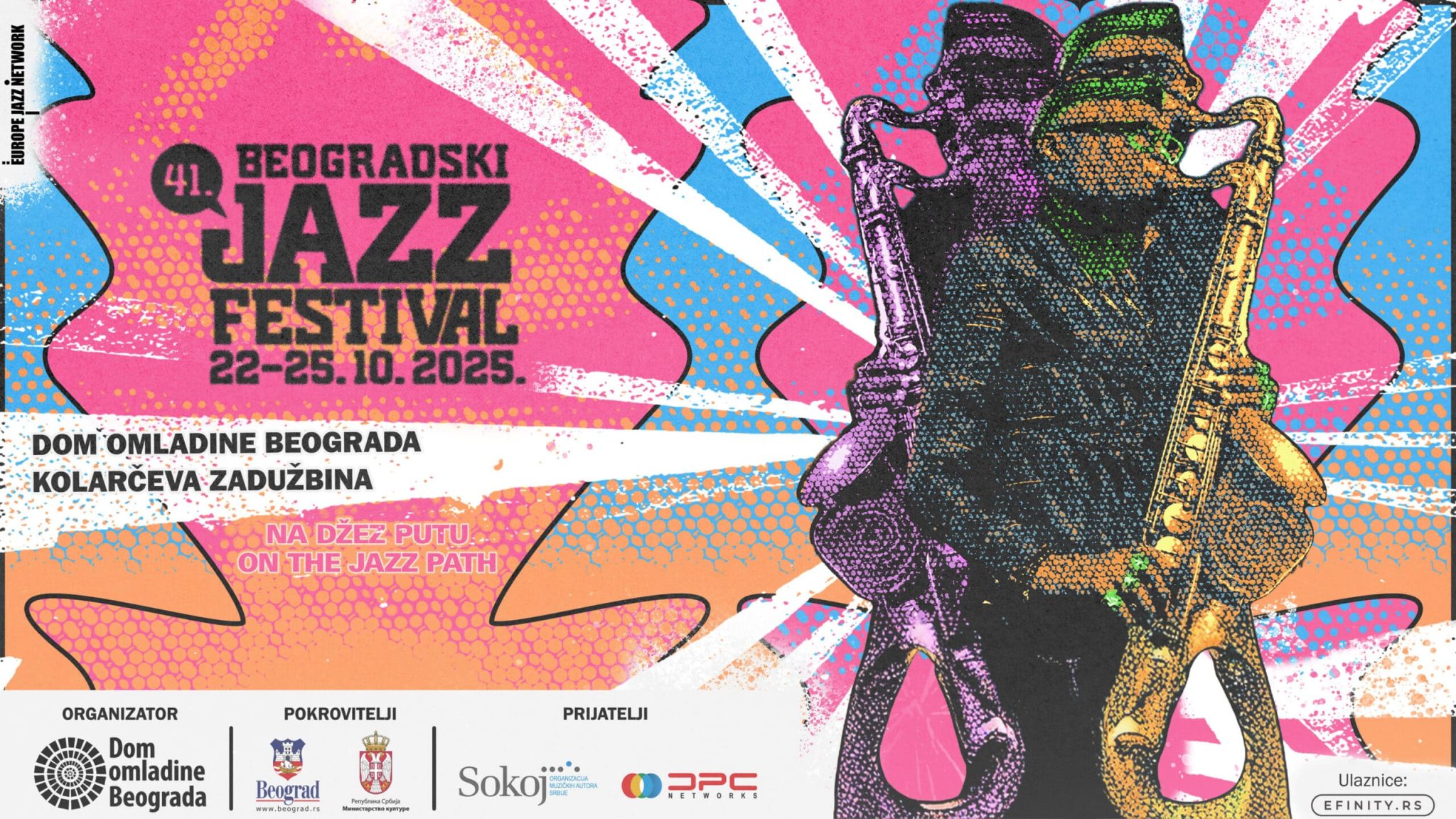
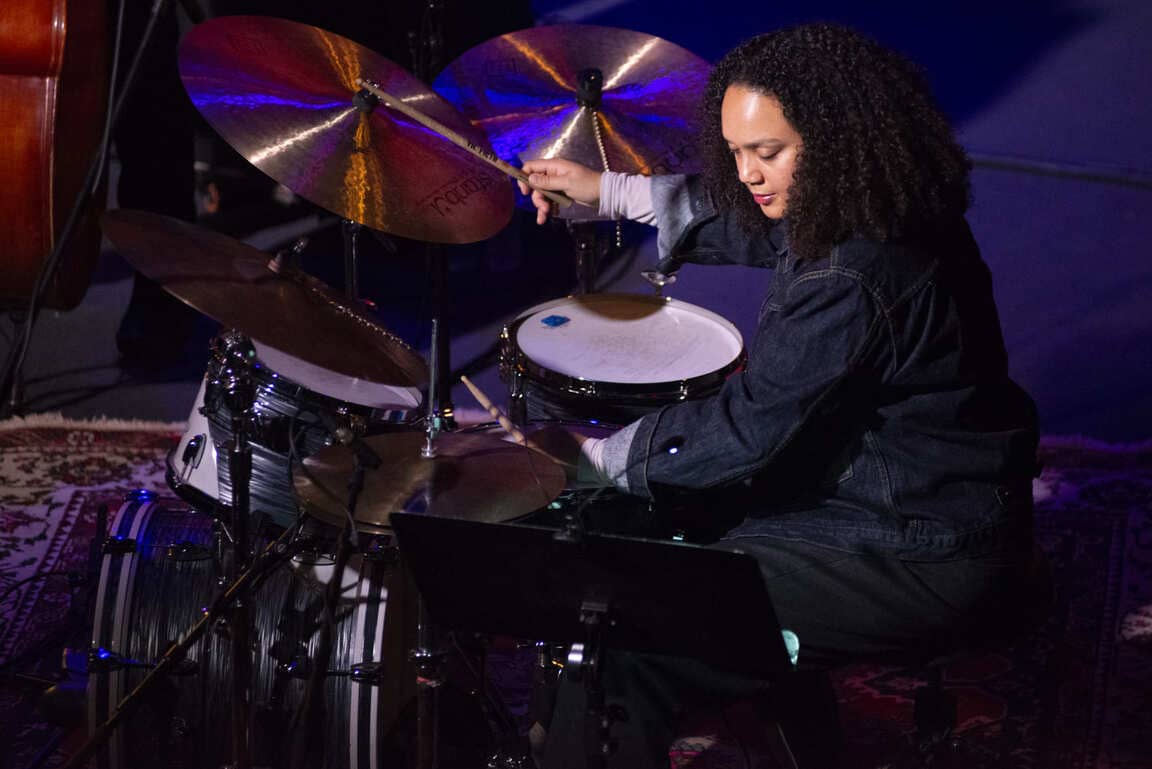
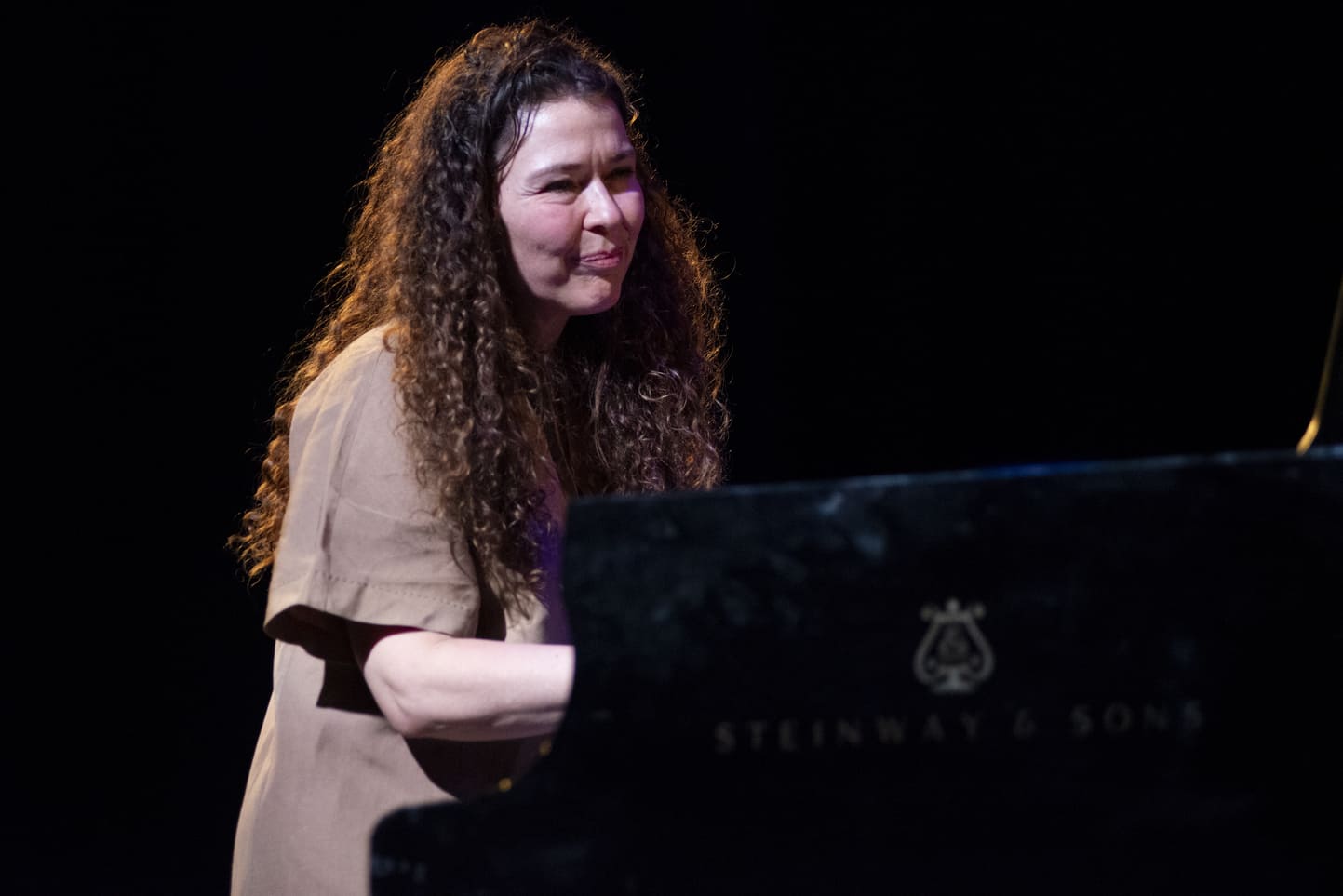
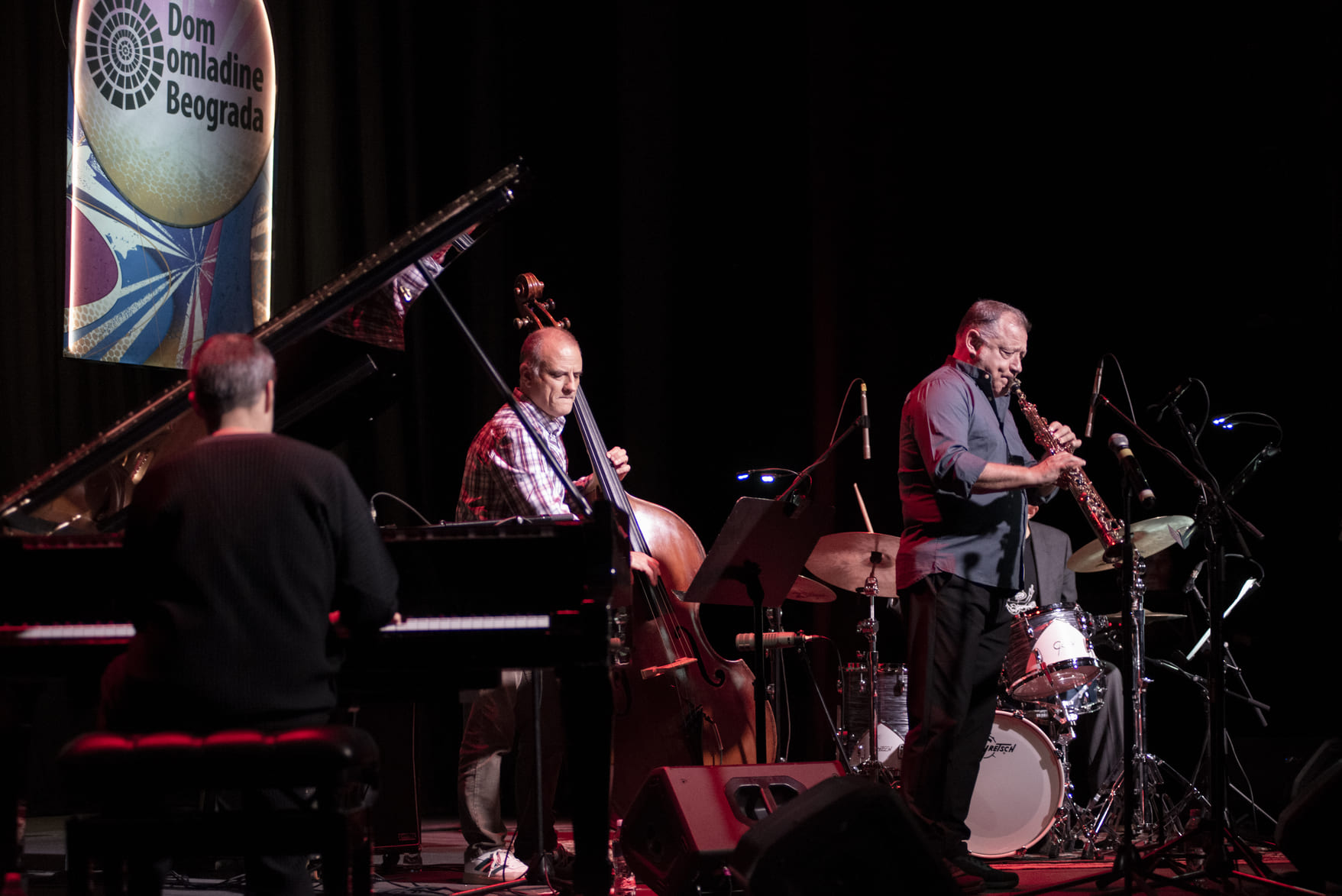
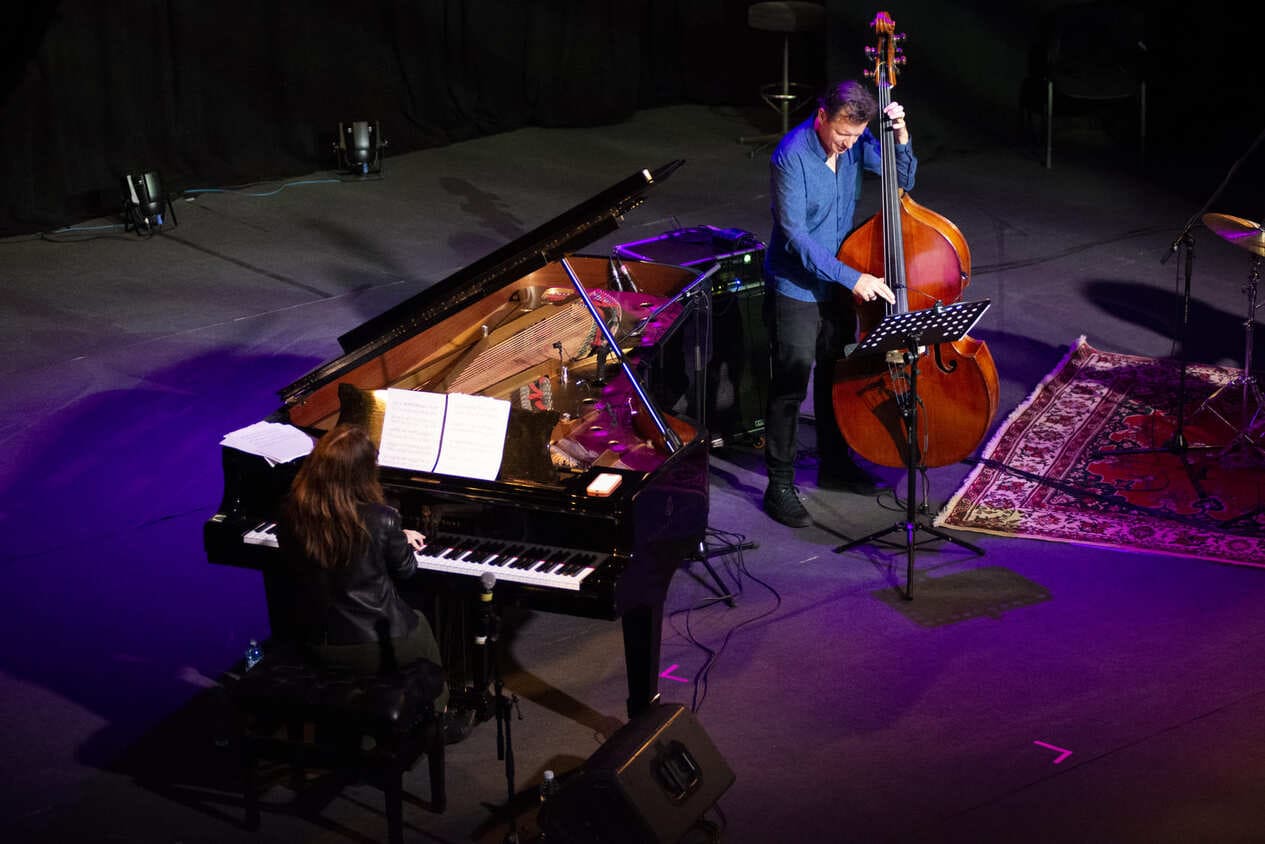
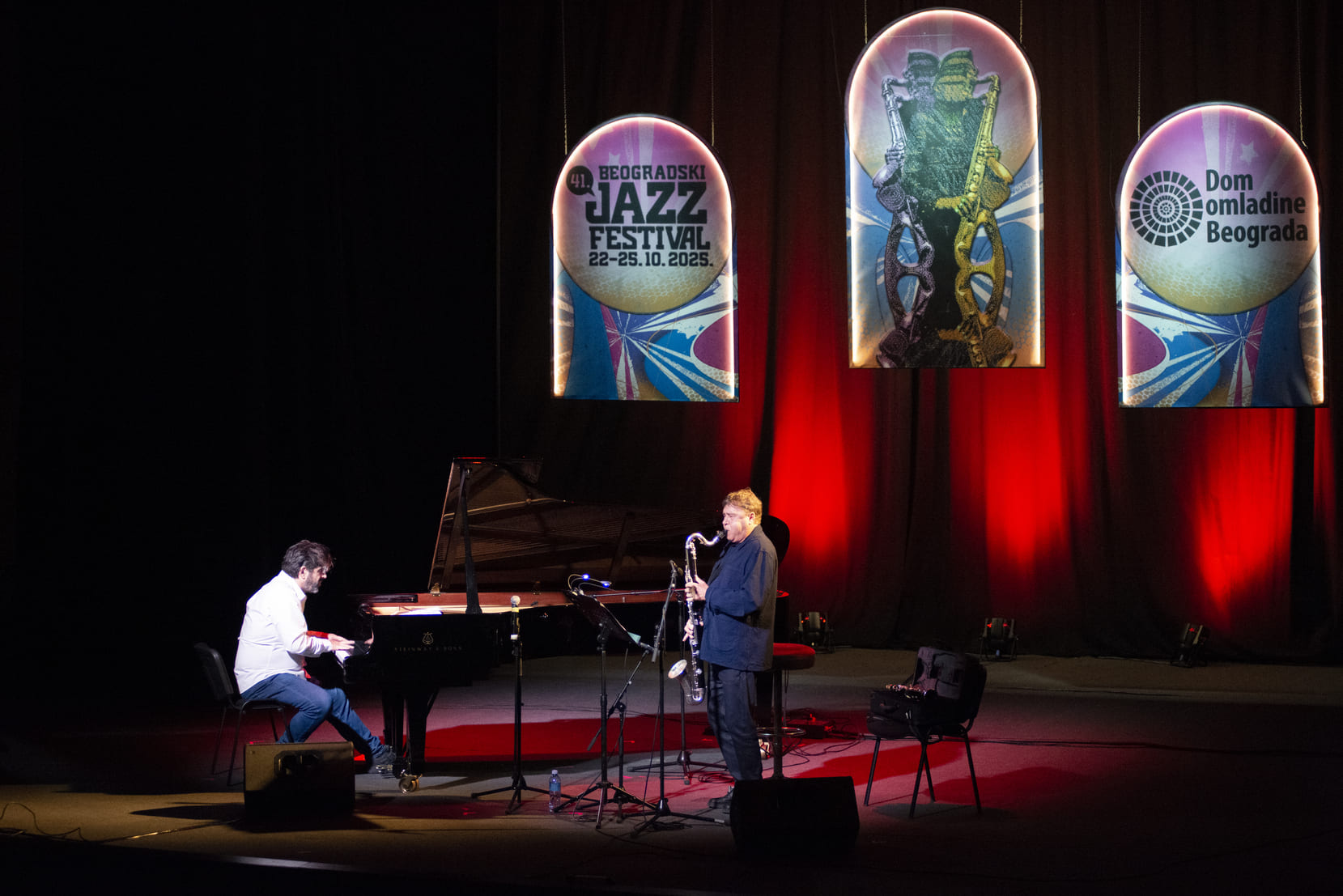
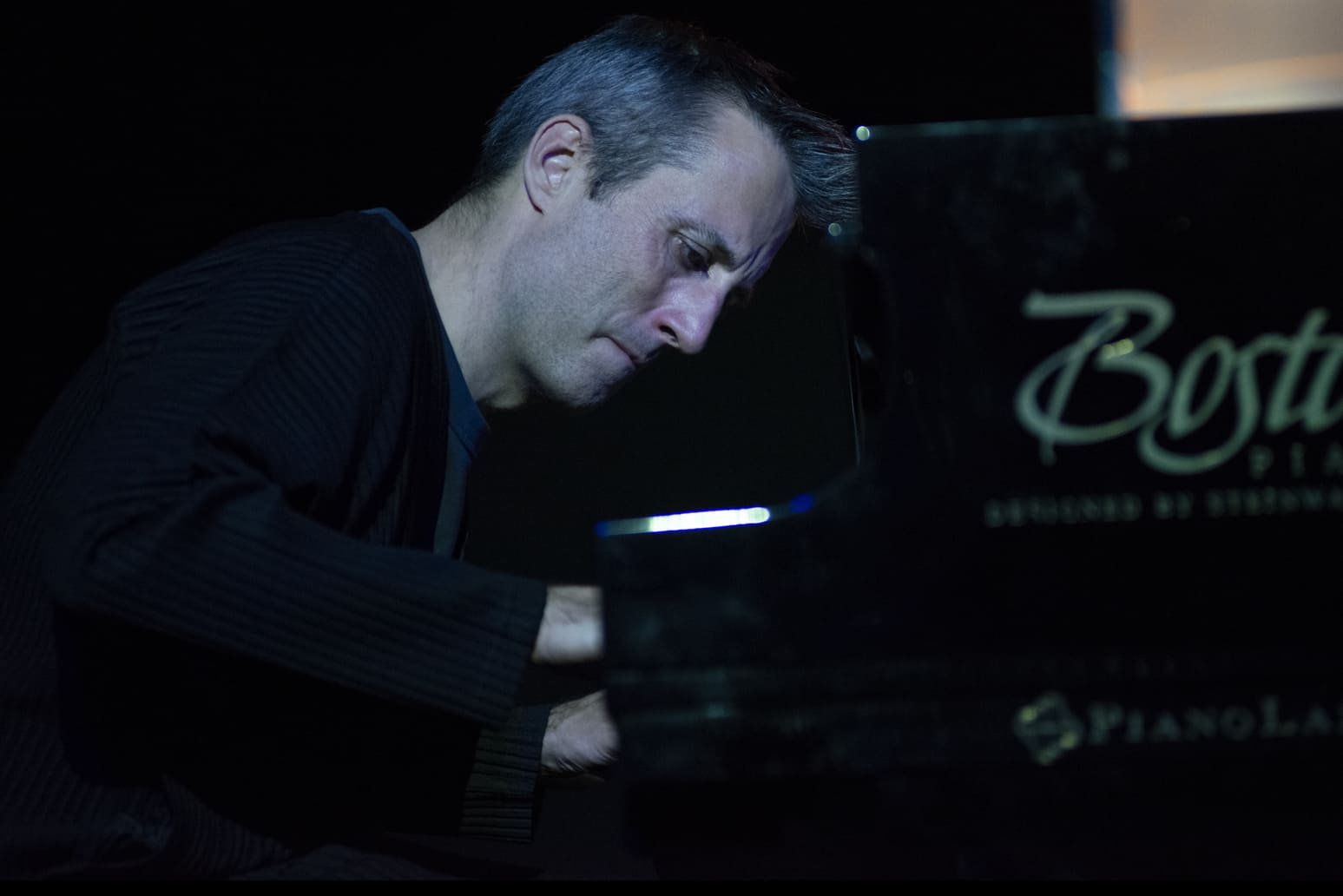
41º Belgrado Jazz Festival 2025

41º Belgrado Jazz Festival 2025

41º BELGRADO JAZZ FESTIVAL 2025 

30

November, 2025

Text by: Milica Ševarlić

Organizer’s Announcement about the Belgrade Jazz Festival 2025

Photos: Slavko Kostić

Dedicated to On the Road of Jazz: Full Halls at the 41st Belgrade Jazz Festival Confirm the Significance and Prestige of the Event

The festival is organized by the Belgrade Youth Center.

Patrons of the 41st BJZF: City of Belgrade – City Administration – Secretariat for Culture; Ministry of Culture of the Republic of Serbia.

Friends of the 41st BJZF: SOKOJ and DPC Networks.

Supporters of BJZF 2025: Italian Institute in Belgrade; Puglia Sounds; Instituto Cervantes; French Institute in Serbia; Embassy of Israel; Embassy of Portugal and Camões Institute; RTS Music Production.

By invitation, the Belgrade Jazz Festival is a member of the European Jazz Network.

Source: domomladine.org

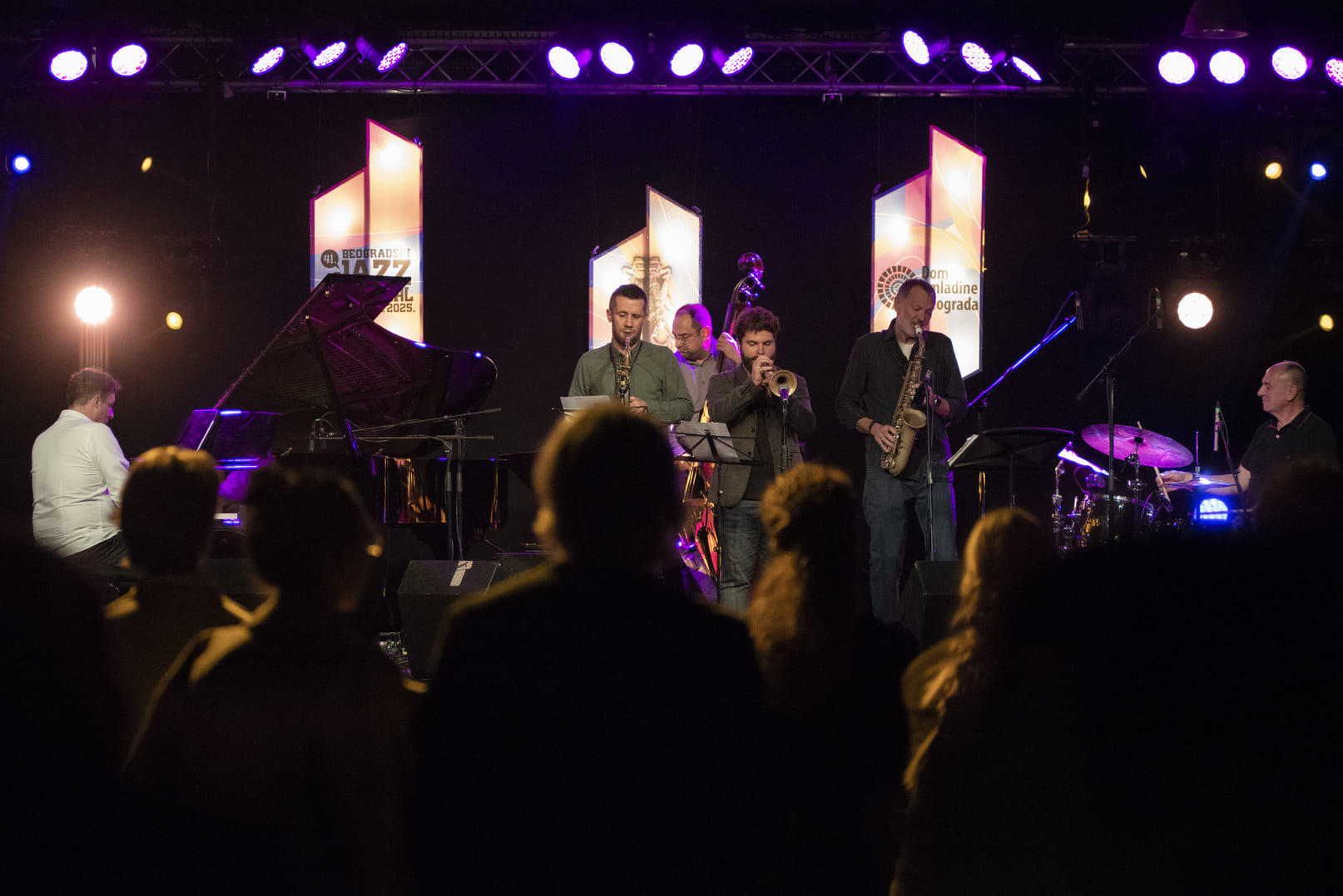
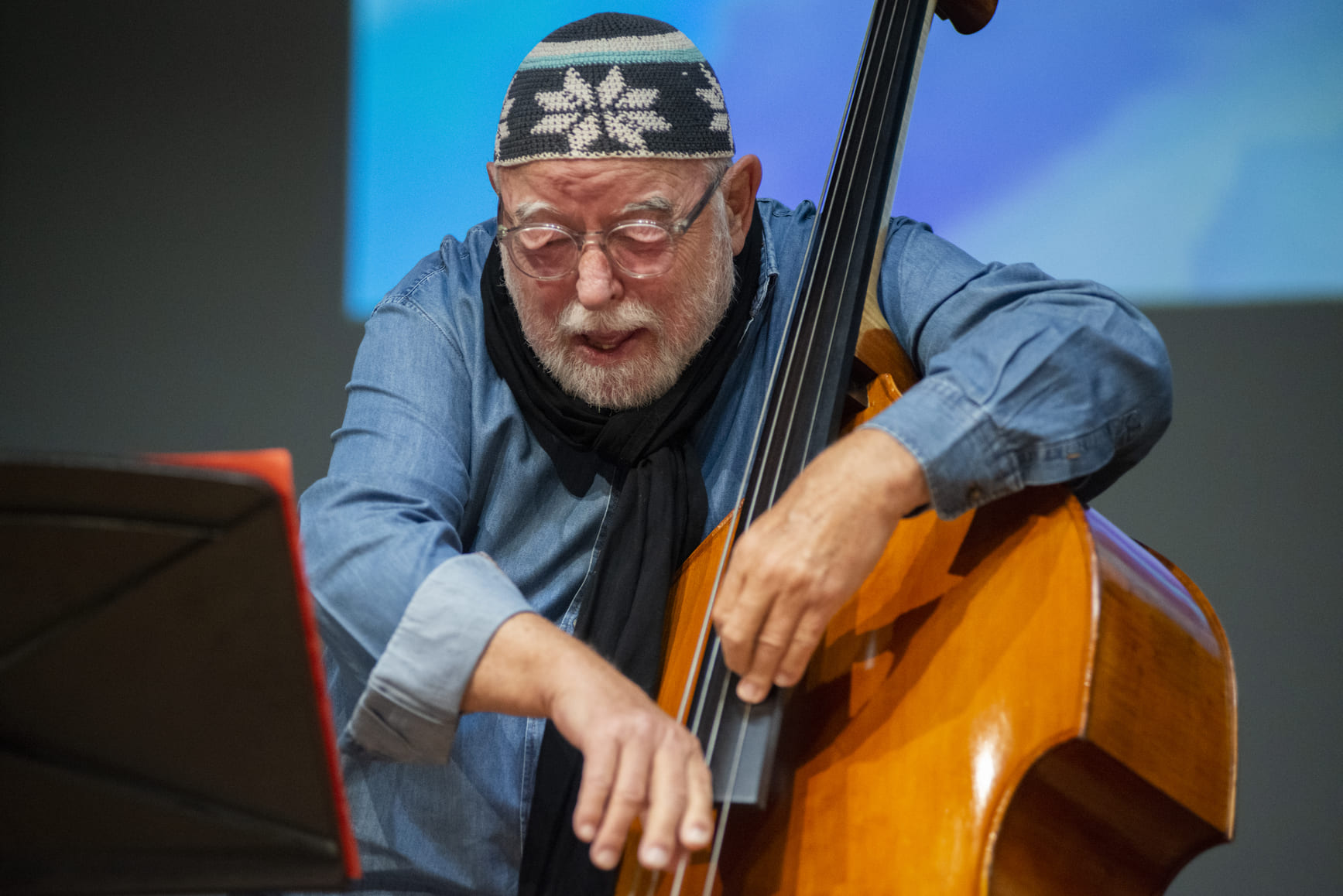
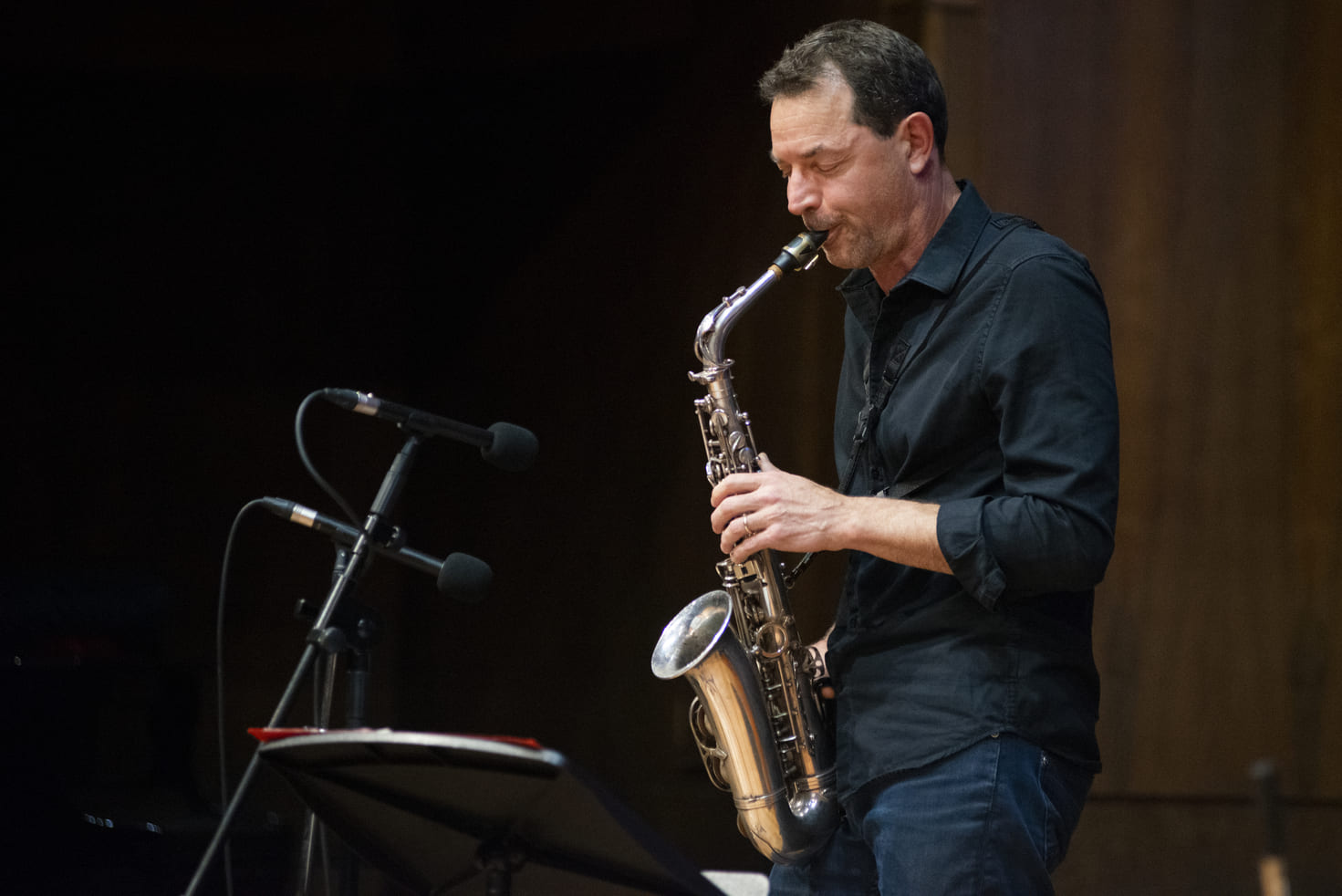
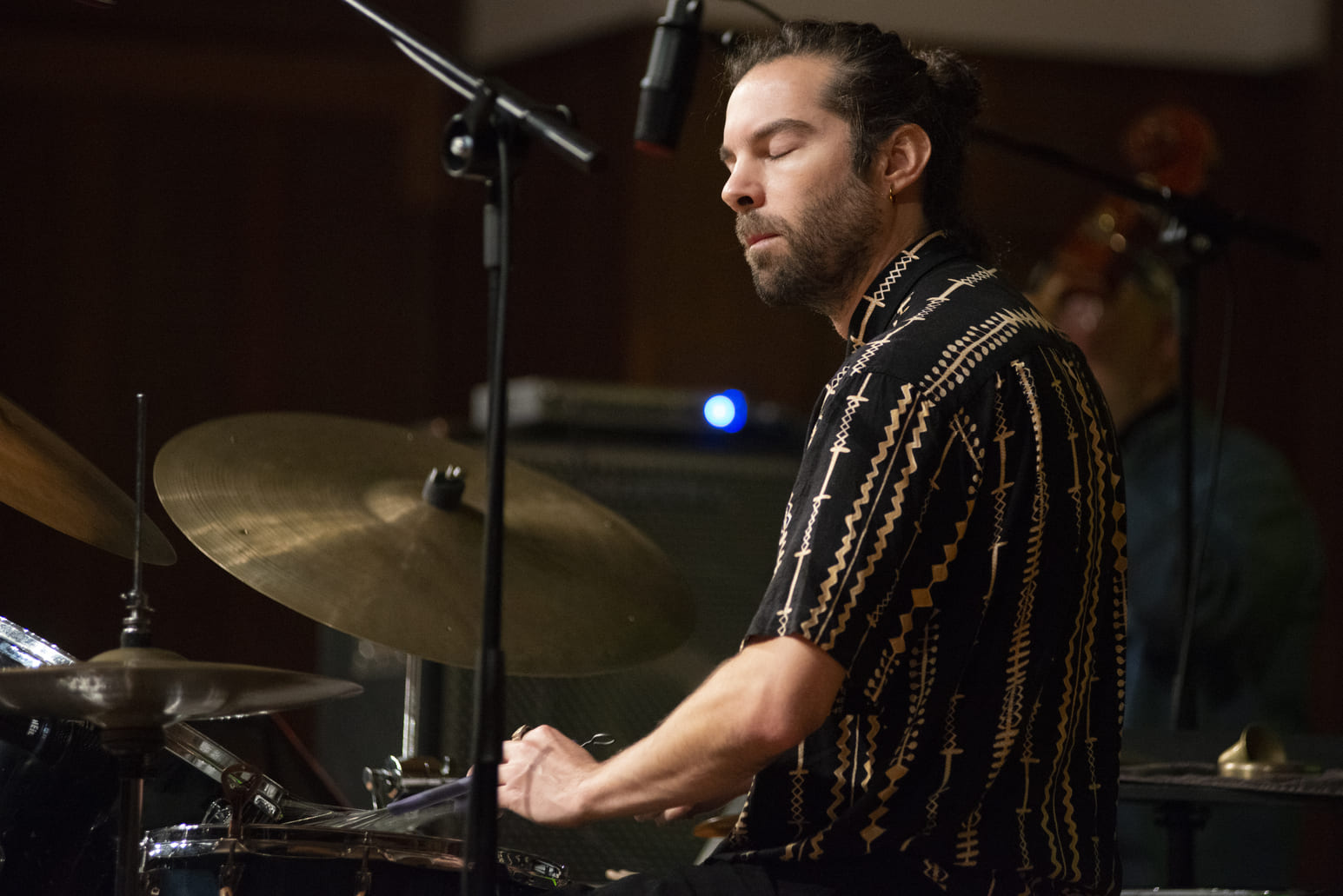
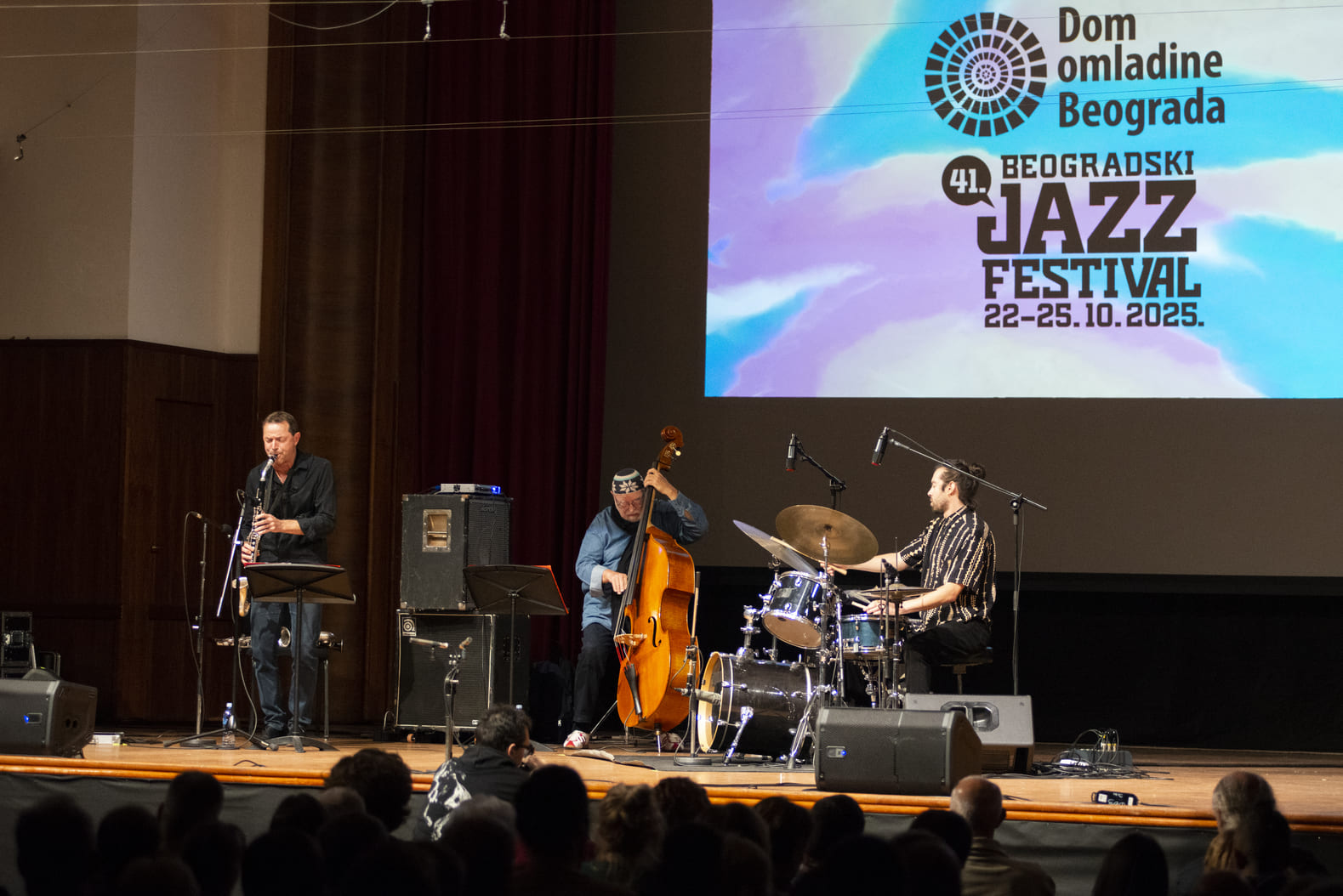
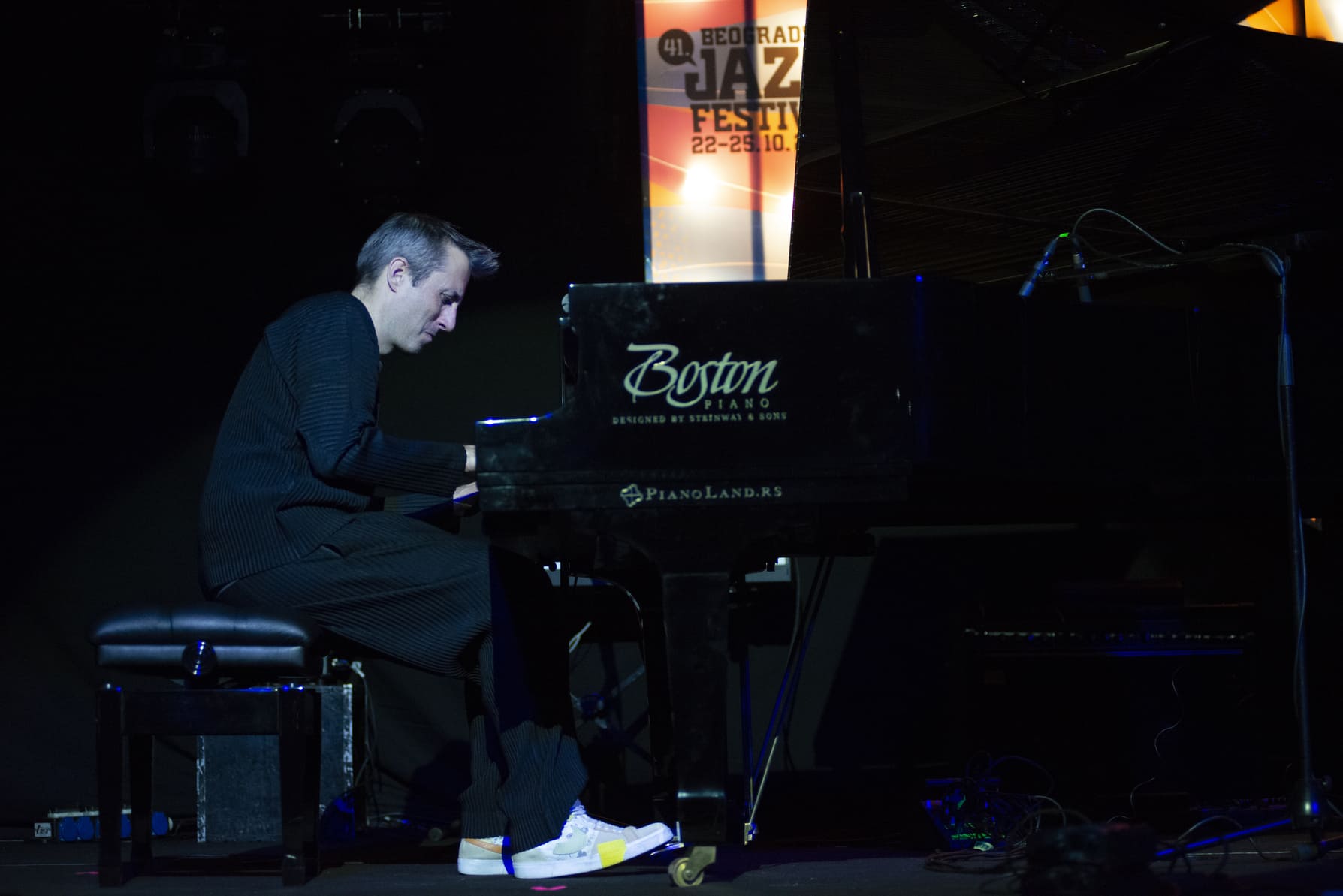
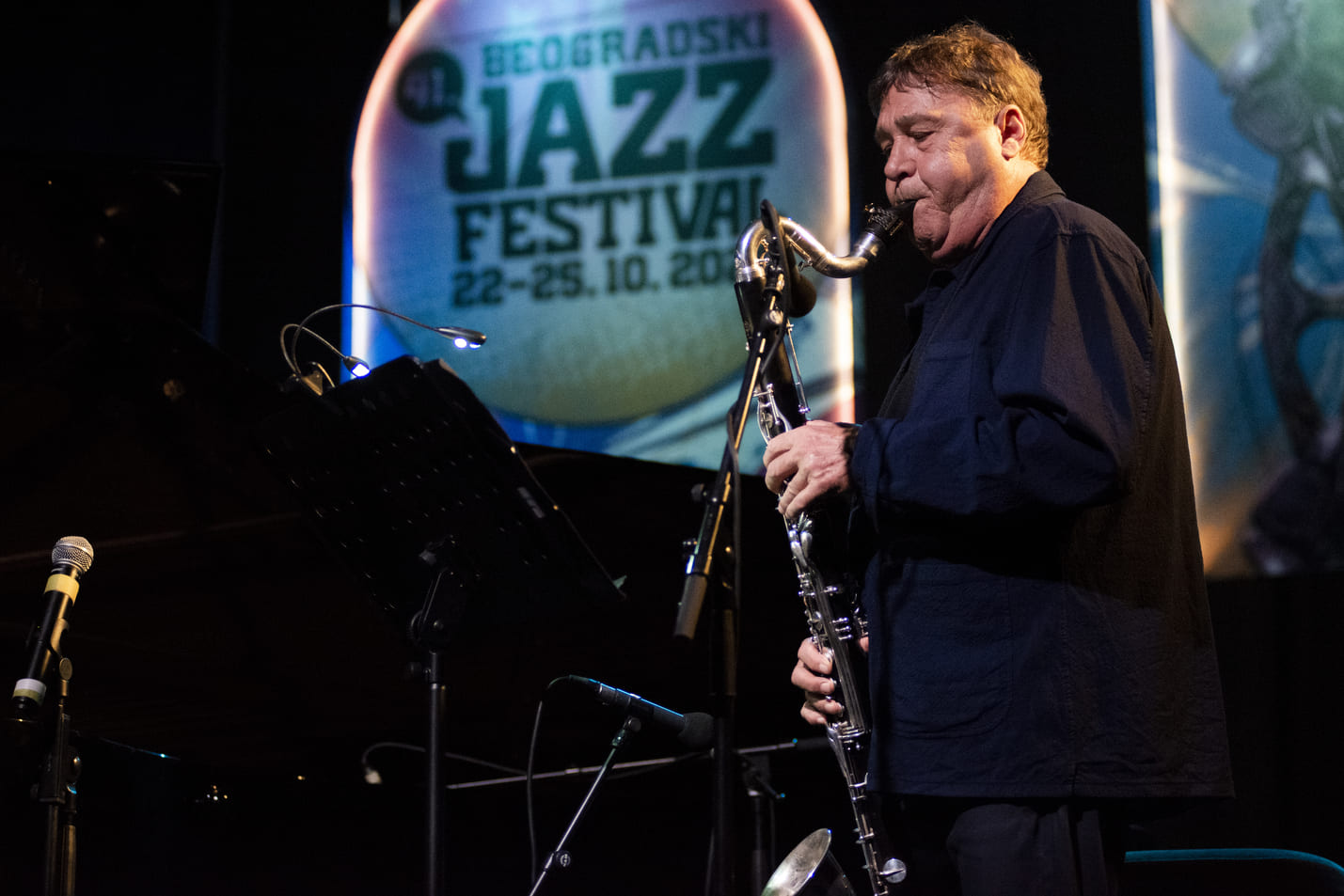
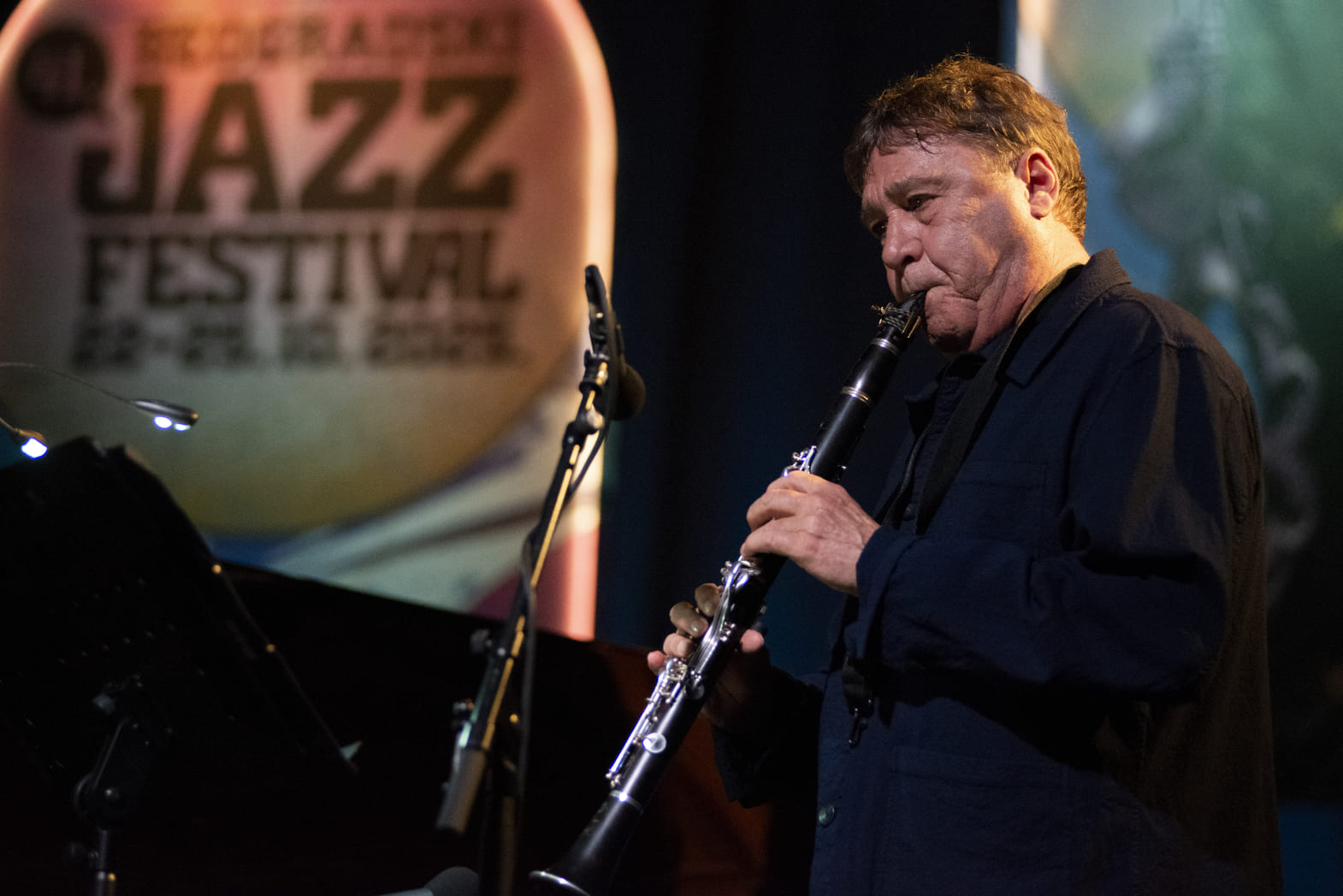
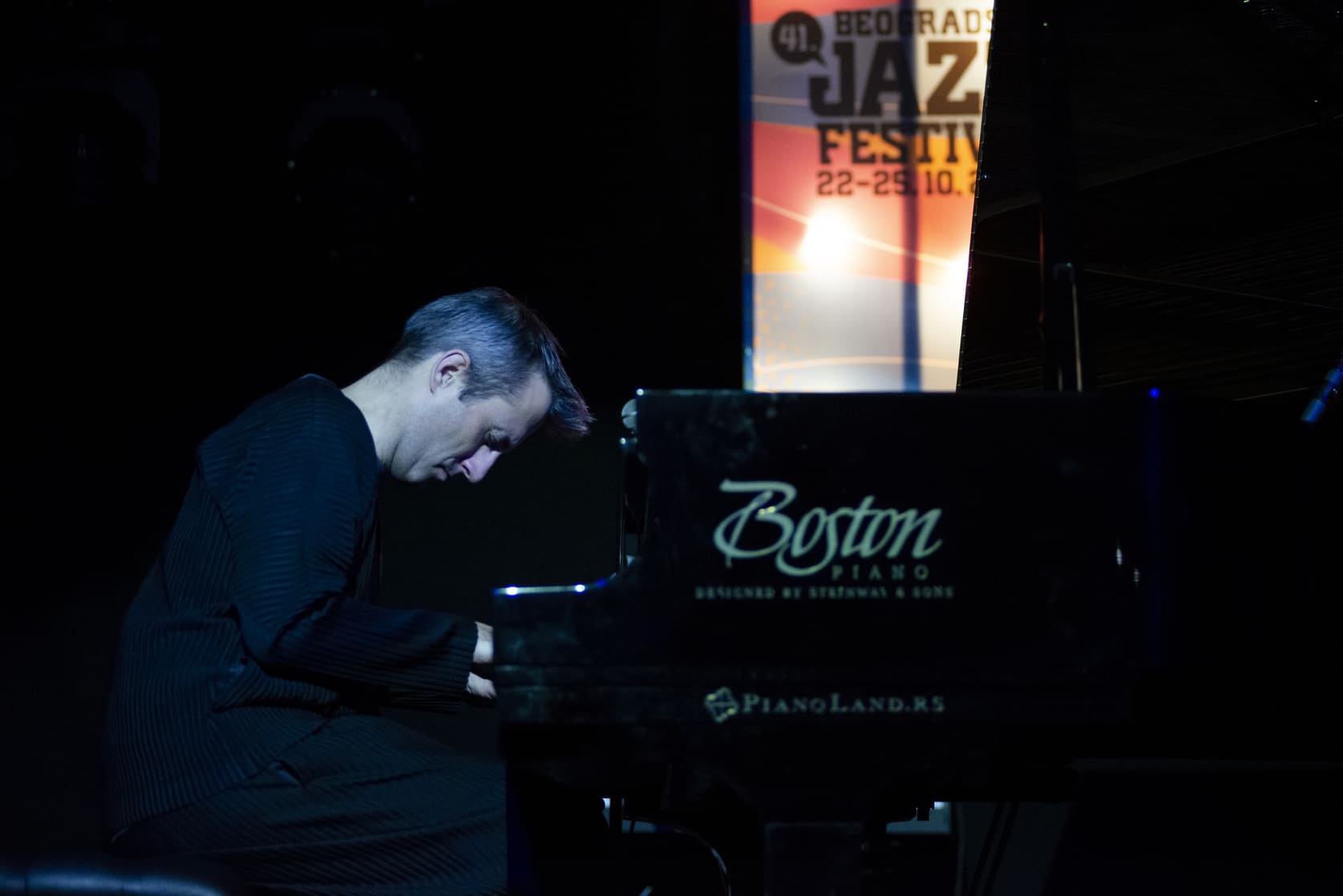
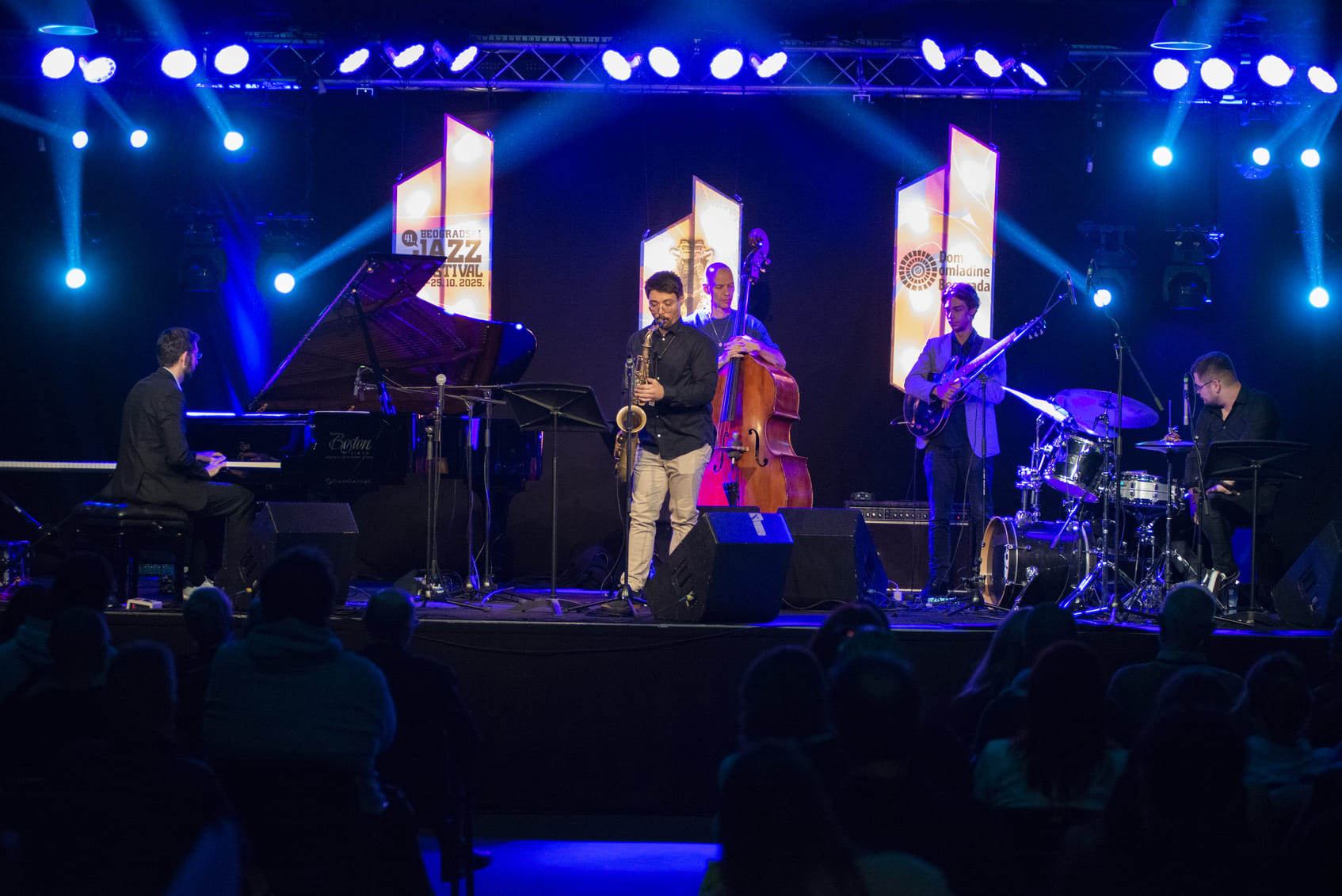
The Belgrade Jazz Festival, held from October 22 to 25, 2025, under the slogan On the Road of Jazz, once again confirmed with its 41st edition that it is the most important jazz event in the region and one of Europe’s most respected meeting points for jazz musicians and audiences. Over four intense days, organized by the Belgrade Youth Center, the festival offered a cross-section of contemporary jazz in its most exciting forms, from tradition to the boldest contemporary experiments.


This year, Serbia’s oldest jazz festival was ceremoniously opened in the Ilija M. Kolarac Endowment Hall with an outstanding artistic program by the RTS Big Band, under the artistic direction of Stjepko Gut. In honor of the 100th anniversary of Bora Roković’s birth, we remembered the work of one of our most significant composers, arrangers, and pianists. The program also paid tribute to the renowned Yugoslav All Stars Band, making the evening a rich and authentic celebration of domestic jazz heritage, much to the delight of the audience.

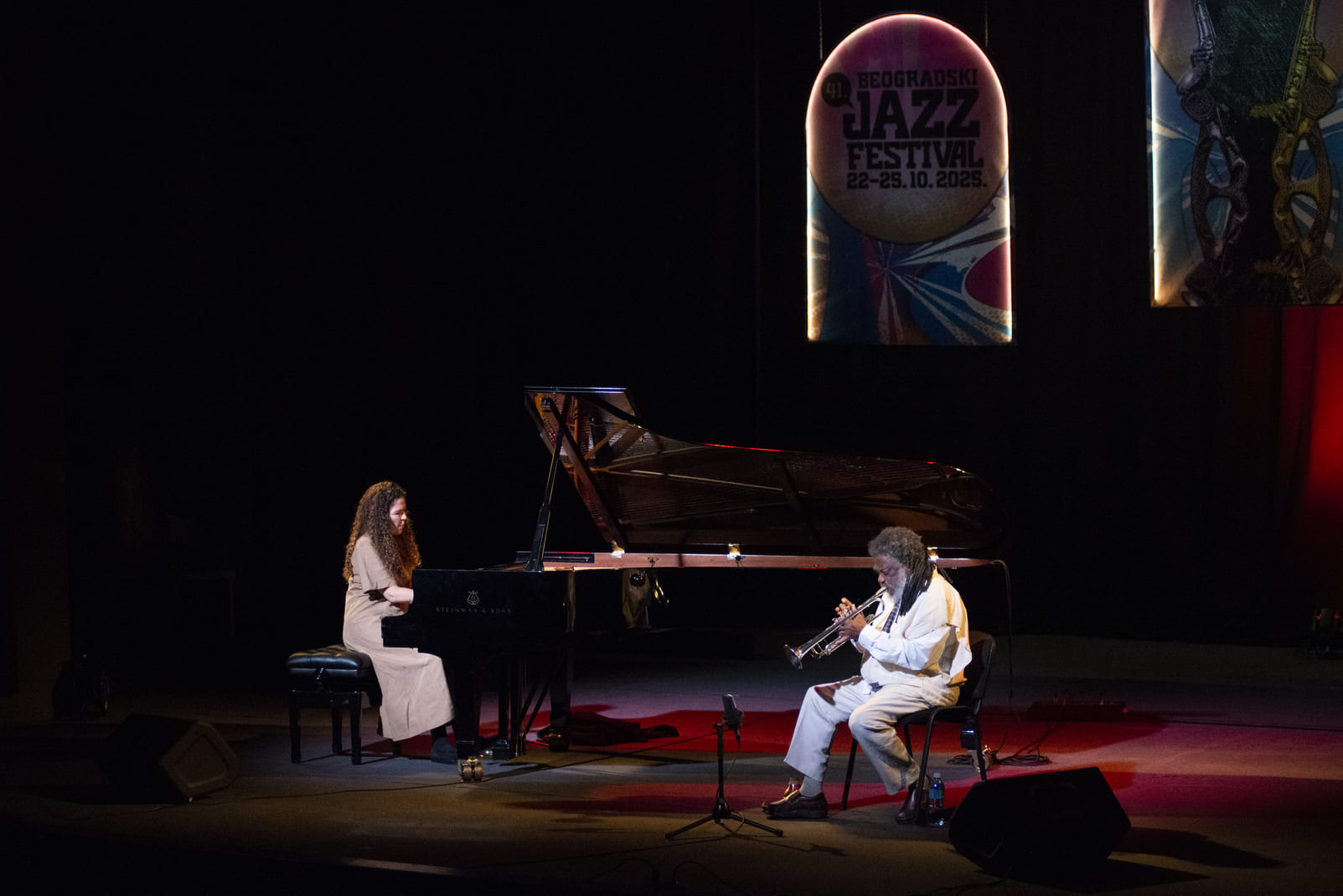
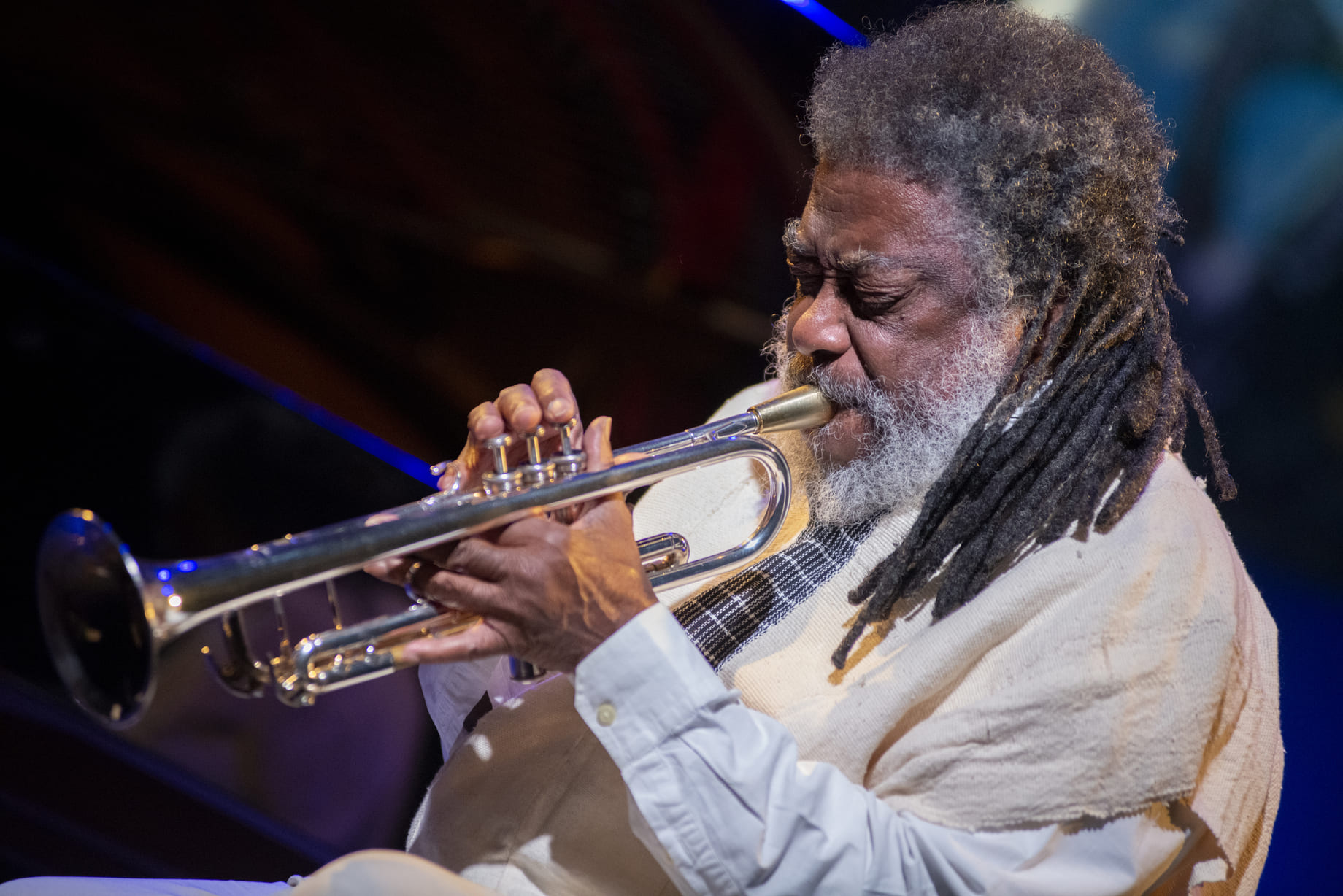
In the international program, American artists stood out, as their presence at the festival always represents a genuine cultural event: the legendary Wadada Leo Smith, a doyen of the global avant-garde scene, and the brilliant pianist Sylvie Courvoisier delivered a deeply spiritual concert, whose power and meditative quality reminded us why jazz remains an art of freedom and expression. James Brandon Lewis, one of the most acclaimed saxophonists of the new generation, presented contemporary jazz in its most exciting form, powerful, sincere, inspired by classical roots, yet entirely original and modern.

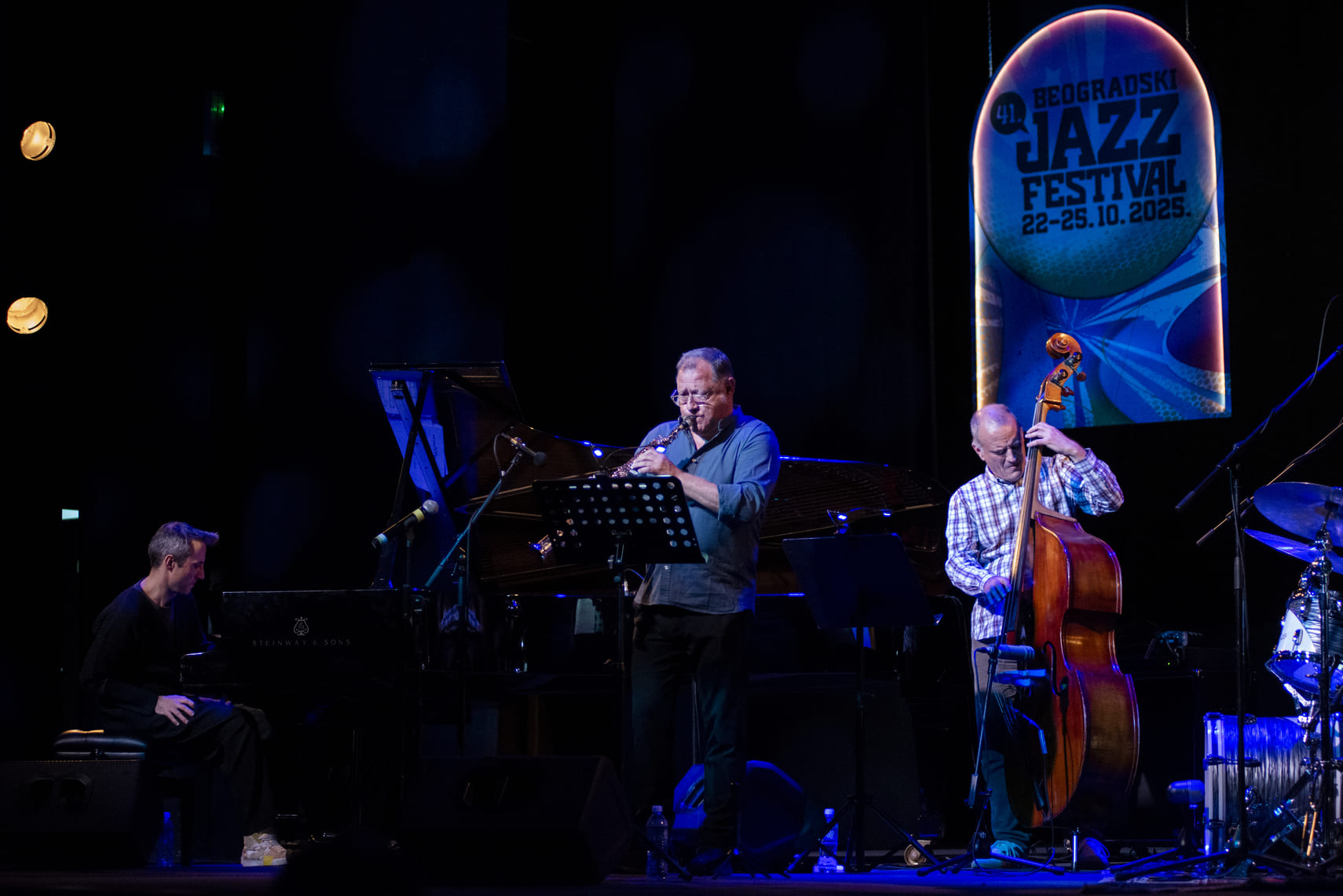
European artists, from the celebrated French bassist Henri Texier with his trio and the emotive ensemble Eternal Love led by the renowned Italian saxophonist Roberto Ottaviano, to the masterful duo of French maestros Louis Sclavis and Benjamin Moussay, demonstrated the richness of old continent jazz tradition and the breadth of expression that defines Europe’s most important jazz stages. They were joined by new names, the Marta Sánchez Trio from Spain, the Ricardo Toscano Trio from Portugal, the Israeli band Shalosh, and British pianist Alexander Hawkins, whose energy, improvisational courage, and authenticity show how vibrant and diverse European jazz is today.

The Serbian scene, as every year, showcased vitality and creative strength through performances by Bosque Sound Community, led by Miloš Bosnić, and the Rastko Obradović Quartet (with special guest Jasper Høiby from Denmark).

The festival concluded in the best possible way, spontaneously and energetically, with an exciting jam session led by pianist Vlada Maričić, featuring both domestic and international musicians, including James Brandon Lewis and Ricardo Toscano with their bands, further delighting the audience.

The Belgrade Jazz Festival once again recorded exceptional attendance, full concert halls, and an atmosphere of community. Particularly encouraging was the diversity of the audience, seasoned jazz lovers sharing the space with young people discovering this music for the first time, confirming that the festival successfully builds bridges between generations and that jazz has a future in Belgrade.

Over more than four decades, the Belgrade Jazz Festival has grown into a cultural symbol of Belgrade, an event that upholds artistic integrity, promotes domestic creators, and connects the city with global music centers. Thanks to its high artistic standards and appreciation of authentic achievements, the festival has become an event that not only brings together top-tier artists but also inspires audiences, develops the local scene, and preserves jazz as a living, contemporary language. This year’s 41st edition once again demonstrated that Belgrade not only follows global trends but creates them, on its own authentic road of jazz.

34º Guimarães Jazz Festival 2025

34º Guimarães Jazz Festival 2025

34º GUIMARÃES JAZZ FESTIVAL 2025 

29

Noviembre, 2025

Asistimos a la 34ª edición del Festival de Jazz de Guimarães, cuna de Portugal. La ciudad combina palacios, arquitectura histórica y calles empedradas que conservan su trazado medieval, en diálogo constante con edificios contemporáneos y espacios culturales en activo. El festival (del 6 al 15 de noviembre de 2025) dirigido artísticamente por Ivo Martins, tuvo lugar en el Centro Cultural Vila Flor (CCVF), que este año celebra su 20º aniversario, un complejo que reúne teatro, música y artes visuales, y que funciona como uno de los motores culturales de la ciudad. El museo de arte contemporáneo y la intensa programación artística refuerzan a Guimarães como un territorio vivo, con una identidad que se renueva sin perder sus raíces. Ivo Martins ha dado forma a una programación que privilegia discursos sólidos, proyectos con identidad propia y propuestas que expanden el lenguaje del jazz contemporáneo, apuesta por obras que no buscan el impacto inmediato, sino una lectura profunda del presente musical.


Arrancamos el festival el 13 de noviembre con Mark Turner Quintet que presentó, en el Centro Cultura Vila Flor (CCVF), Reflections on: The Autobiography of an Ex-Colored Man, un proyecto de composiciones propias donde la narración y la música avanzan en planos paralelos. Turner leyó fragmentos de la novela de James Weldon Johnson mientras el quinteto, compuesto por luminarias como Jason Palmer, David Virelles, Matt Brewer y Nasheet Waits, articuló una suite de diez movimientos que funcionó como una exploración sonora de los temas del libro. La palabra narrada no fue solo un complemento, sino la estructura sobre la que la música se despliega con intención narrativa. El concierto avanzó como una historia compartida, donde identidad, memoria y música formaron un mismo cuerpo sonoro. En lo técnico, la propuesta se sostiene en una escritura rigurosa con una interacción controlada. Mark Turner trabaja líneas extensas, de una claridad casi arquitectónica, que se apoyan en la armonía abierta del piano de raíces afrocubanas de David Virelles. Sus repeticiones rítmicas funcionan como pequeños mantras que reorganizan el espacio del quinteto. Jason Palmer desarrolla sus intervenciones desde una lógica melódica limpia, sin exhibicionismo. Matt Brewer al contrabajo sostiene el peso del diseño armónico con una estabilidad permanente, y Nasheet Waits a la batería maneja la tensión con un pulso que crece por capas, a veces desde la insinuación y otras desde el ataque directo. El resultado es un lenguaje contemporáneo, técnicamente complejo, expuesto con claridad. Es quizá el trabajo donde Turner integra con más coherencia su pensamiento musical y su lectura del legado afroamericano.

Set list: Mevement 1. Anonymous/ Movement 2. Juxtaposition/ Movement 3. Pulmonary Edema/ Movement 4. New YorK/ Movement 5. Europe/ Movement 6. The Texanic. The Soldier/ Movement 7. Mother, Sisteru Lover/ Movement 8. Pragmatism/ Movement 9. Identity Politics/ Movement 10. Closure

El trío Taborn/Reid/Smith protagonizó la propuesta más alejada de la ortodoxia jazzística dentro del festival. Craig Taborn, al piano y electrónica, junto a la violonchelista Tomeka Reid y el baterista y percusionista Ches Smith, conforman tres figuras de la vanguardia creativa estadounidense que se mueven dentro del circuito de la música improvisada y el jazz contemporáneo.

Craig Taborn es un pianista e improvisador que trabaja desde la composición espontánea y desde la exploración experimental del piano, construyendo improvisaciones complejas desde una visión única. Tomeka Reid, compositora e improvisadora nacida en California, formada en la música clásica e integrada en la tradición de la diáspora africana, vinculada al minimalismo contemporáneo destaca por su amplitud sonora y el uso de técnicas poco convencionales de manipulación del violonchelo. Ches Smith es un baterista, percusionista y compositor radicado en Nueva York, es un músico destacado en la intersección del jazz con las tendencias experimentales, la música noise y el metal, contribuyendo con una versatilidad experimental.

El trío presentó un proyecto electroacústico que prioriza el enfoque del conjunto sobre el solista construyendo el sonido desde la improvisación estructural, con un abordaje de la música desde la exploración del sonido y no desde la forma, entrelazando y alternando roles melódicos y rítmicos. El sonido se articuló desde las texturas: capas espaciales, tensiones suspendidas, electrónica que expandió el espectro tímbrico y polirritmias que se abrieron en múltiples direcciones. Música sorprendente y excitante, elaborada, compleja y en constante desarrollo, desde el minimalismo de cámara contemporáneo hasta irrupciones de energía pura.

Set list:  Dream Archive/ Junk Magic/ Enchant/: Craig Taborn.  Mumbo Jumbo: Paul Motian/ When Kabuya Dances: Geri Allen/ Loue in Kone Outer Saace:  Sun Ra.

Asistimos a un set libre presentado por Sonoscopia, un colectivo con sede en Oporto dedicado desde 2011 al arte sonoro, la investigación y la música experimental. El concierto, centrado en música improvisada y la creación contemporánea, estuvo a cargo del trío Kvelvane – Østvang – Vermeulen, formación de saxofón, batería y contrabajo. Sin partitura alguna, los tres se lanzaron a la improvisación pura, una avalancha de ideas, cascadas de notas que avanzan hasta unirse en una música desenfrenada de energía feroz compartida. Tres músicos que se desplazan con total libertad por diversas corrientes estéticas de la creación musical actual. Se trata de un proyecto todavía en fase temprana de consolidación dentro del panorama de la improvisación y del jazz.

La saxofonista noruega Heidi Kvelvane, presentada por Jan Granlie para Salt Peanuts en #IWD2025 (#womentotheforce 2025) dentro de EJM, aportó un enfoque fresco surgido de la escena de improvisación contemporánea de su país. Destacó por un tono incisivo, vibrante y exploratorio, fruto de su trabajo dentro de la escena nacional noruega y de sus colaboraciones con la Bergen Big Band. Tollef Østvang, baterista, improvisador y compositor noruego formado en el conservatorio de Paris y de Ámsterdam, figura clave en Trondheim, desplegó un toque enérgico, contundente y creativo, moldeado por el jazz y la creación instantánea. Nils Vermeulen, contrabajista, investigador acústico y constructor de instrumentos, aportó un enfoque expansivo alimentado por su experiencia en el free jazz, la improvisación y la música contemporánea. Es música en el aquí y ahora.

Set list: Ondulado/ Lastillo/ Caramulotemporánea

Después de su debut discográfico con el sello español Fresh Sound Records, que recoge la primera grabación de estudio del saxofonista y compositor británico afincado en Nueva York, Alex Hitchcock con All Good Things en 2018, se sitúa en el festival de Guimarães al frente de Alex Hitchcock Quintet. Formado por Alex Hitchcock, al saxofón tenor, Dave Adewumi en la trompeta, Will Barry al piano, Ben Tiberio, al contrabajo, y la franco-brasileña Ananda Brandão en la batería. Un grupo integrado por músicos de UK y EE. UU. residentes en Nueva York, un quinteto solvente de new talents con camino de éxitos recorridos y por recorrer. Además, fueron los responsables de liderar durante tres noches la jam nocturna del festival en el Café Concerto del CCVF.

Alex Hitchcock compositor y director de orquesta nacido en Londres, es considerado una figura emergente en la escena del jazz británico estudiante de la Royal Academy of Music de Londres, presentan un set de melodías potentes e improvisaciones exquisitas, con texturas y fraseo sobrio, elegante, sutil y armonioso, desarrolla acordes y armonías que evolucionan hacia una asimilación natural de influencias clásicas y contemporáneas, siempre con un claro sentido de sofisticación armónica. Los solos resultan especialmente notables, con las líneas de tenor de Hitchcock como eje central.

Will Barry proporciona lirismo, sutileza y refinamiento. En la batería, Ananda Brandão desplegó un enfoque proactivo y contemporáneo, de diálogo con las líneas de Hitchcock y Adewumi. La combinación equilibrada de personalidades musicales confirma que esta unidad es de un potencial notable.

Set list: Eo / Triumph / Wishlove / Bright White Light / Pull of the Line / Rio

La 34.ª edición del Guimarães Jazz concluye con el regreso del compositor y pianista Danilo Pérez, que vuelve a este escenario donde actuó en 2006 como integrante del Cuarteto Footprints de Wayne Shorter, en uno de los conciertos más recordados de la historia del festival. En esta ocasión, Pérez se presentó junto a la Bohuslän Big Band, la orquesta sueca fundada en 1950 y formada por dieciséis músicos estables.

El set fue una retrospectiva de su obra, caracterizada por la integración del jazz con músicas folclóricas latinoamericanas y africanas. Una visión de global-jazz pasando por múltiples territorios, desde Panamá, al bolero, hasta pasajes abiertos de free jazz. La música operó como vehículo de conexión, como un ejercicio de diplomacia cultural que apuesta por la colectividad y la circulación de ideas.

La propuesta fue también un viaje hacia las raíces personales y culturales del pianista. Danilo Pérez se sitúa como embajador cultural de Panamá. La música, en palabras de Danilo Pérez es concebida como una forma de terapia capaz de generar un espacio de esperanza de vida. Entre los momentos destacados, estuvo una pieza de Danilo Pérez Beloved/ One for Toni Morrison dedicada a Toni Morrison. Pegasus de Ale Moller, Across The Crystal Sea de Claus Ogerman y otras piezas compuestas por Danilo como, Suite for Americas, Galactic Panamá, Sunburn & Mosquito. El concierto culminó con un cierre a piano solo, una versión de Round Midnight que selló la noche.

Seat list: Pegasus de Ale Moller/ Suite for the Americas, Across the Crystal Sea de Claus Ogerman/ Sunburn&Mosquito, Beloved / One for Toni Morrison, Galactic Panamá, Expeditions, 2 Movement, Irremediablemente Solo, Lumen de Danilo Pérez /Round Midnight

Bohuslän Big Band: Oakim Rolandsson  saxofón alto, instrumentos de viento madera/ Orfeus Wärdig Tsoukalas  saxofón alto, instrumentos de viento madera, saxofón tenor/ Linus Lindblom, instrumentos de viento madera/ Mikael Karlsson,  saxofón tenor, instrumentos de viento madera/ Alberto Pinton,  saxofón barítono, instrumentos de viento madera/ Lennart Grahn  trompeta, fliscorno/ Samuel Olsson  trompeta, fliscorno/ Staffan Svensson, trompeta, fliscorno/ Jan Eliasson , trompeta, fliscorno/ Niclas Rydh,  trombón / Christer Olofsson,  trombón / Hanne Småvik,  trombón / Gustav Wiklund,  trombón bajo/ Olli Rantala,  contrabajo/ Lisbeth Diers, percusión/ Göran Kroon, batería/ Danilo Pérez  (feat.) piano.

29 de noviembre de 2025

Pin It on Pinterest