Perico Sambeat & Orquestra Jazz de Matosinhos – Boreal – Review

Perico Sambeat & Orquestra Jazz de Matosinhos – Boreal – Review

PERICO SAMBEAT & ORQUESTRA JAZZ DE MATOSINHOS

Boreal

Review

23

Diciembre, 2025

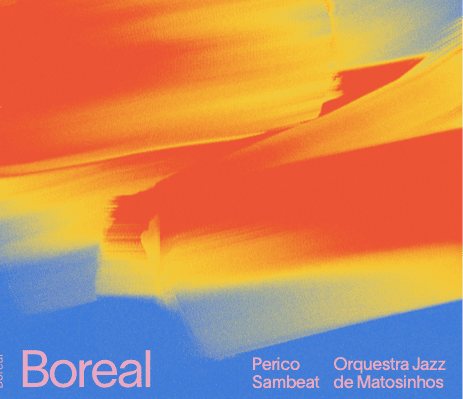
Hay discos que no solo confirman una trayectoria, sino que la amplían y la colocan en un nuevo eje de lectura. Boreal (Cara 2025), el encuentro entre Perico Sambeat y la Orquestra Jazz de Matosinhos (OJM), pertenece a esa categoría: una obra que combina madurez compositiva, ambición orquestal y una claridad estética poco frecuente en el formato de big band contemporánea.

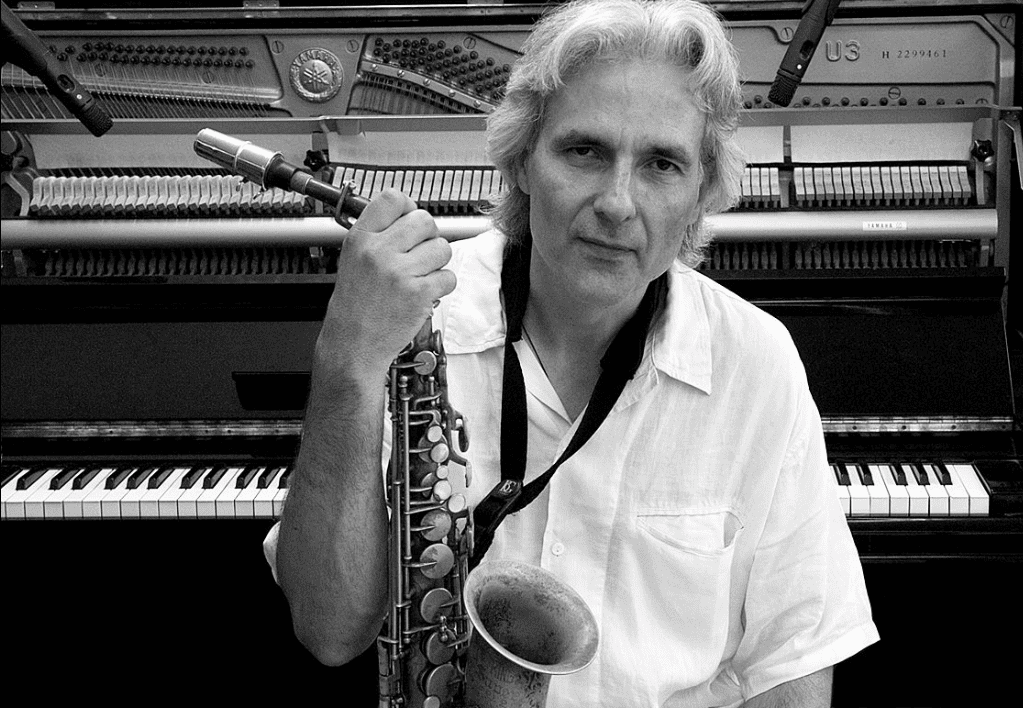
Sambeat asume aquí un triple rol, compositor, director musical y solista, y lo hace desde una posición de absoluto control creativo, pero sin rigidez. Boreal no es un despliegue de músculo técnico ni un ejercicio de escritura grandilocuente: es un trabajo de imaginación sonora, de equilibrio entre estructura y libertad, donde cada color orquestal parece responder a una necesidad expresiva concreta.

El vínculo con la Orquestra Jazz de Matosinhos no es nuevo. Tras un primer encuentro hace más de quince años y una segunda colaboración centrada en el universo de Ornette Coleman, esta grabación supone un giro decisivo: ahora es la voz compositiva de Sambeat la que articula todo el discurso. El resultado es una big band que respira como un organismo flexible, capaz de moverse entre pasajes de densidad armónica, secciones de gran lirismo y momentos de crudo pulso jazzístico.

Desde la apertura con Circe, queda claro que el disco no busca un impacto inmediato sino una escucha atenta. La escritura rehúye clichés del género y apuesta por una diversidad de climas y formas: desarrollos largos, contrastes tímbricos muy cuidados y un uso del ensemble que recuerda tanto a la tradición jazzística moderna como a ciertas técnicas de la música orquestal europea. Sambeat se permite incluso libertades formales, intros camerísticas, tratamientos casi clásicos de la madera, que amplían el espectro habitual de la big band.

Uno de los grandes aciertos de Boreal es su paleta solista, integrada orgánicamente en el discurso colectivo. Sambeat al alto lidera con una voz reconocible, acompañado por músicos como José Pedro Coelho al tenor o Andrés Fernández a la guitarra, cuyas intervenciones no interrumpen la arquitectura del arreglo, sino que la expanden desde dentro. Especial mención merece Limbo, donde la voz de Alba Morena es tratada como un instrumento más, doblando la melodía con una afinación y un color que aportan una dimensión casi espectral al tema.

El momento emocional del disco llega con Estigia (para Bernardo Sasseti y Toni Belenger), una pieza de peso simbólico y expresivo, dedicada a dos músicos desaparecidos. Aquí la orquesta se convierte en un espacio narrativo: la música avanza desde una sobriedad inicial hacia una complejidad creciente para luego desnudarse de nuevo, dejando a Sambeat en primer plano, sostenido apenas por un fondo de metales. Es un ejemplo claro de cómo el compositor entiende la big band no como un bloque sonoro homogéneo, sino como un campo dramático en constante transformación.

En el apartado sonoro, Boreal destaca por una mezcla excepcionalmente transparente. Pese a la complejidad tímbrica de una formación de casi veinte músicos, cada sección respira con claridad, gracias a un cuidado trabajo de panorámica y equilibrio dinámico. El sonido es amplio, profundo y acústico, alejado de excesos de procesamiento, lo que refuerza la sensación de cercanía y presencia física del ensemble.

Más allá de su valor individual, Boreal funciona también como una declaración sobre el estado del jazz ibérico contemporáneo. Lejos de complejos periféricos, Sambeat se sitúa aquí en diálogo directo con las grandes tradiciones internacionales del jazz orquestal, aportando una voz propia, reconocible y plenamente integrada en el circuito europeo.

Boreal no es solo uno de los trabajos más sólidos de Perico Sambeat en gran formato; es también una demostración de cómo la big band, lejos de ser un formato nostálgico, sigue siendo un territorio fértil para la exploración, la emoción y el riesgo creativo.

23 de diciembre de 2025

João Barradas – Aperture – Review

João Barradas – Aperture – Review

JOÃO BARRADAS

Aperture

Review

22

December, 2025

By: Khagan Aslanov

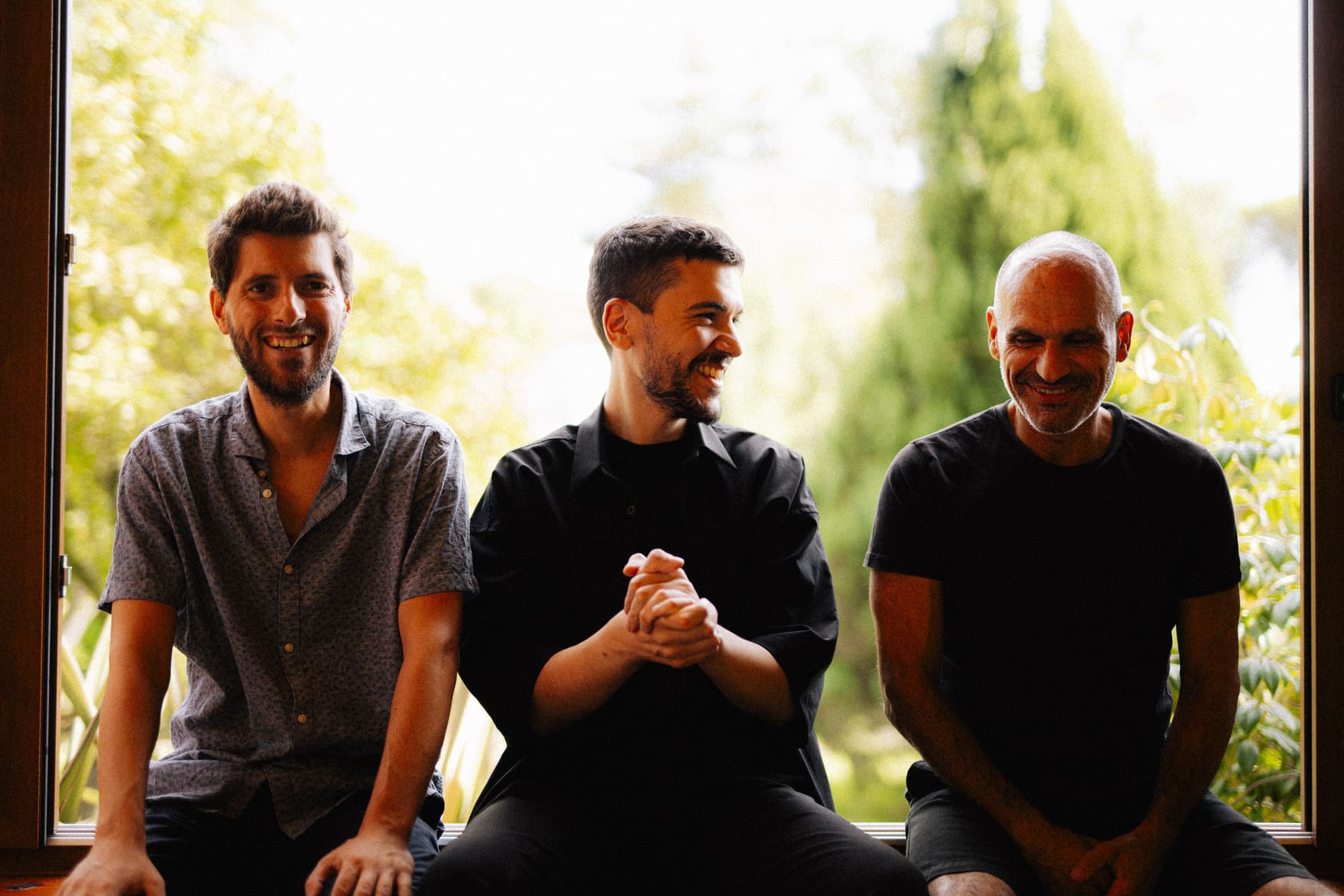
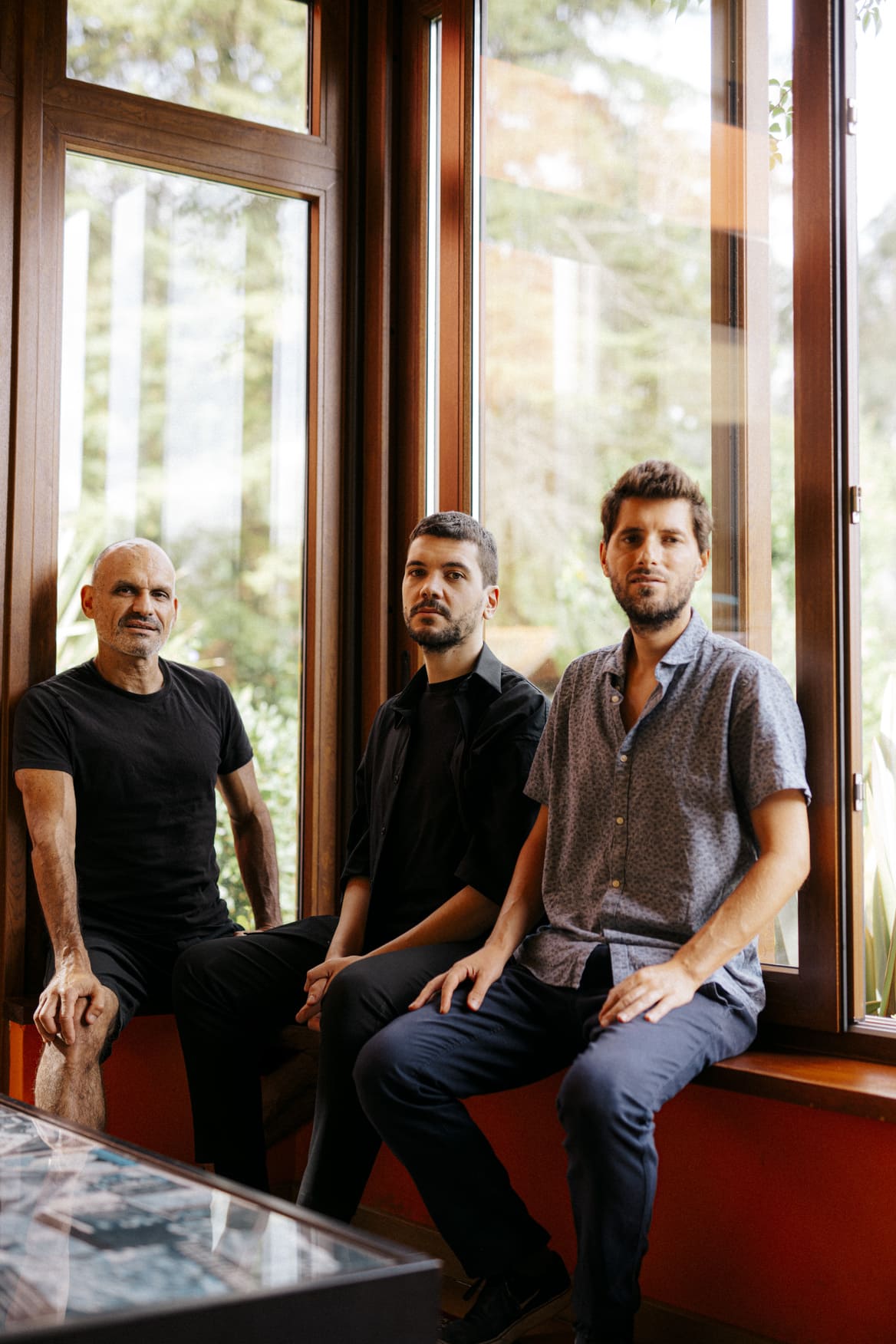
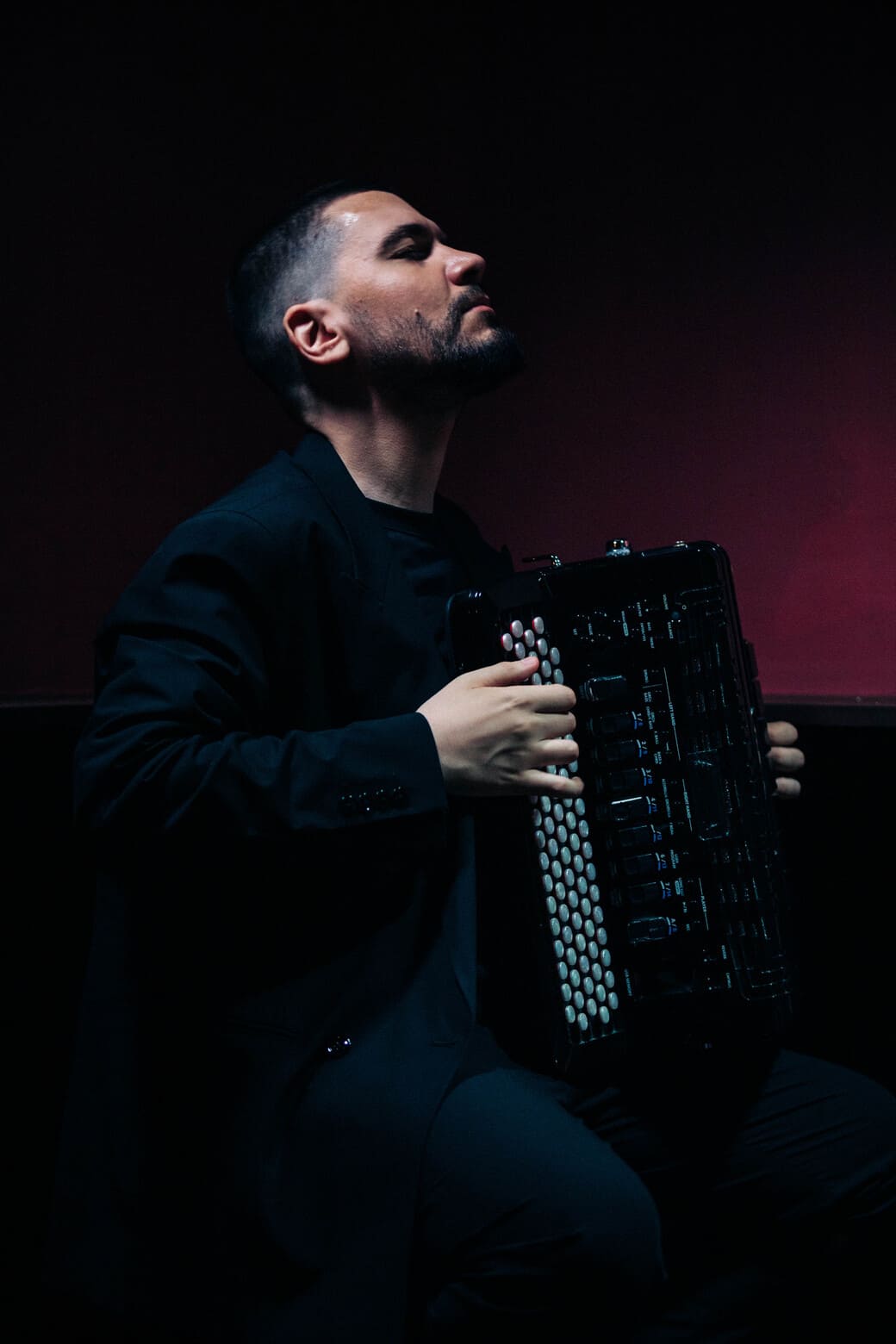
Photo: Alfredo Matos/Fábio Teixeira/Sebas Ferreia

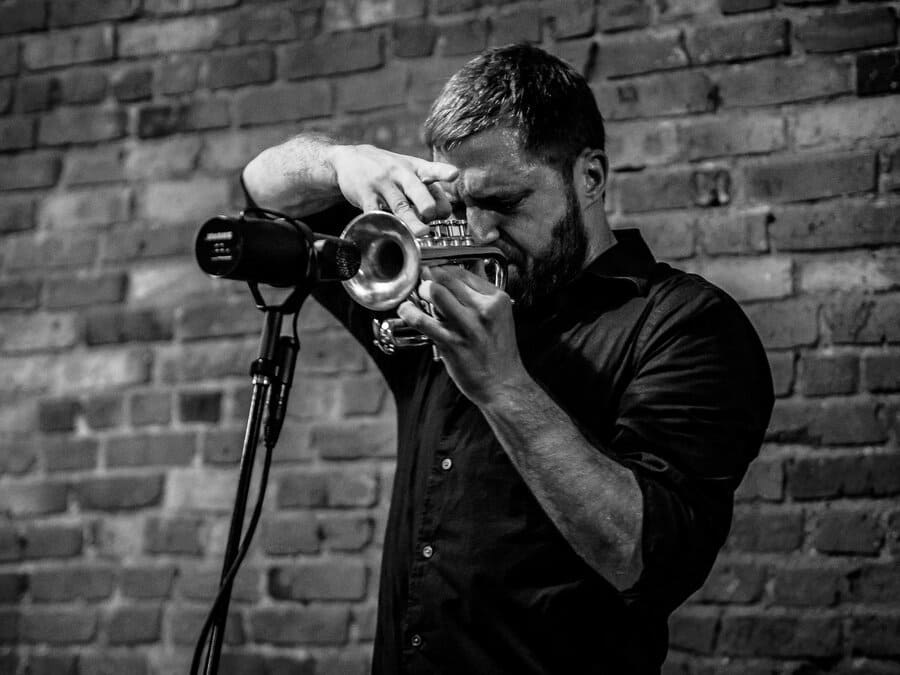
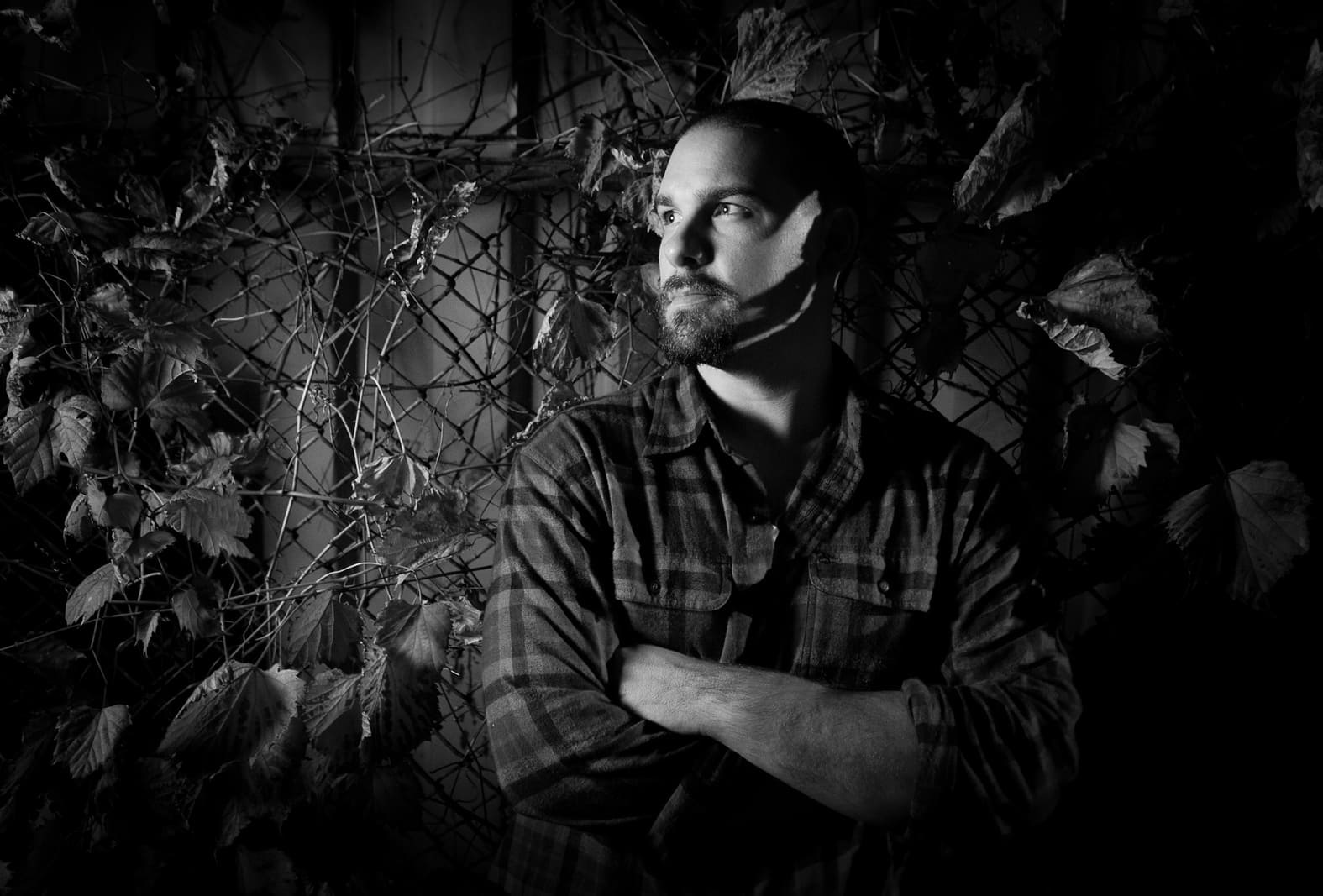
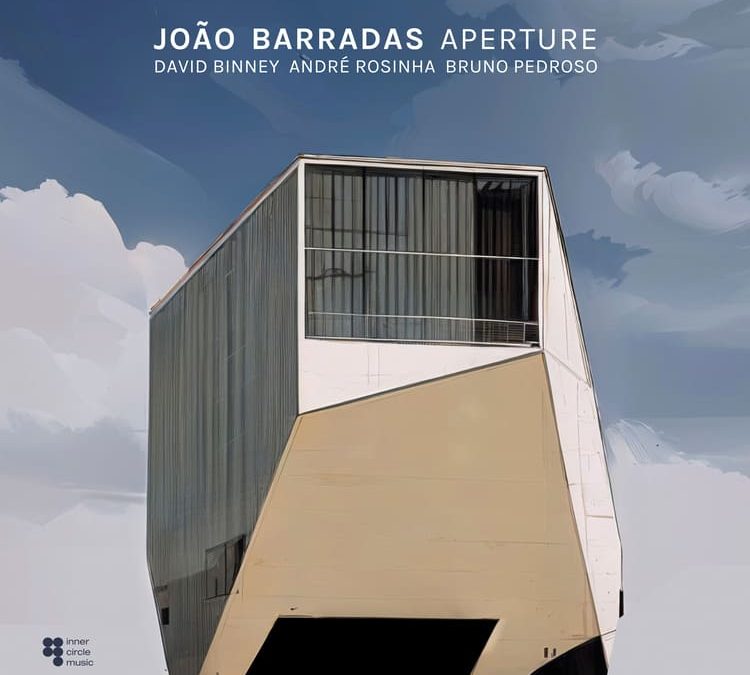
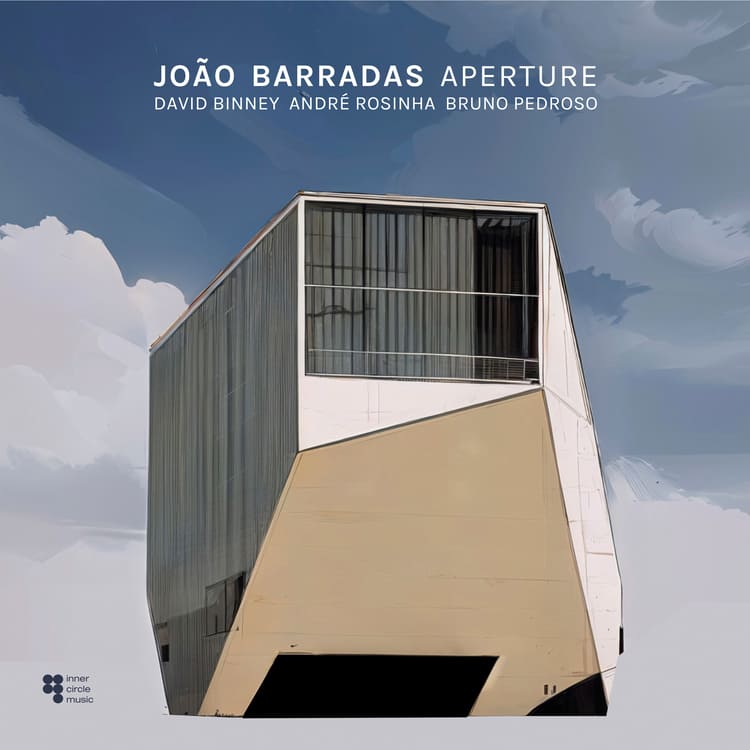
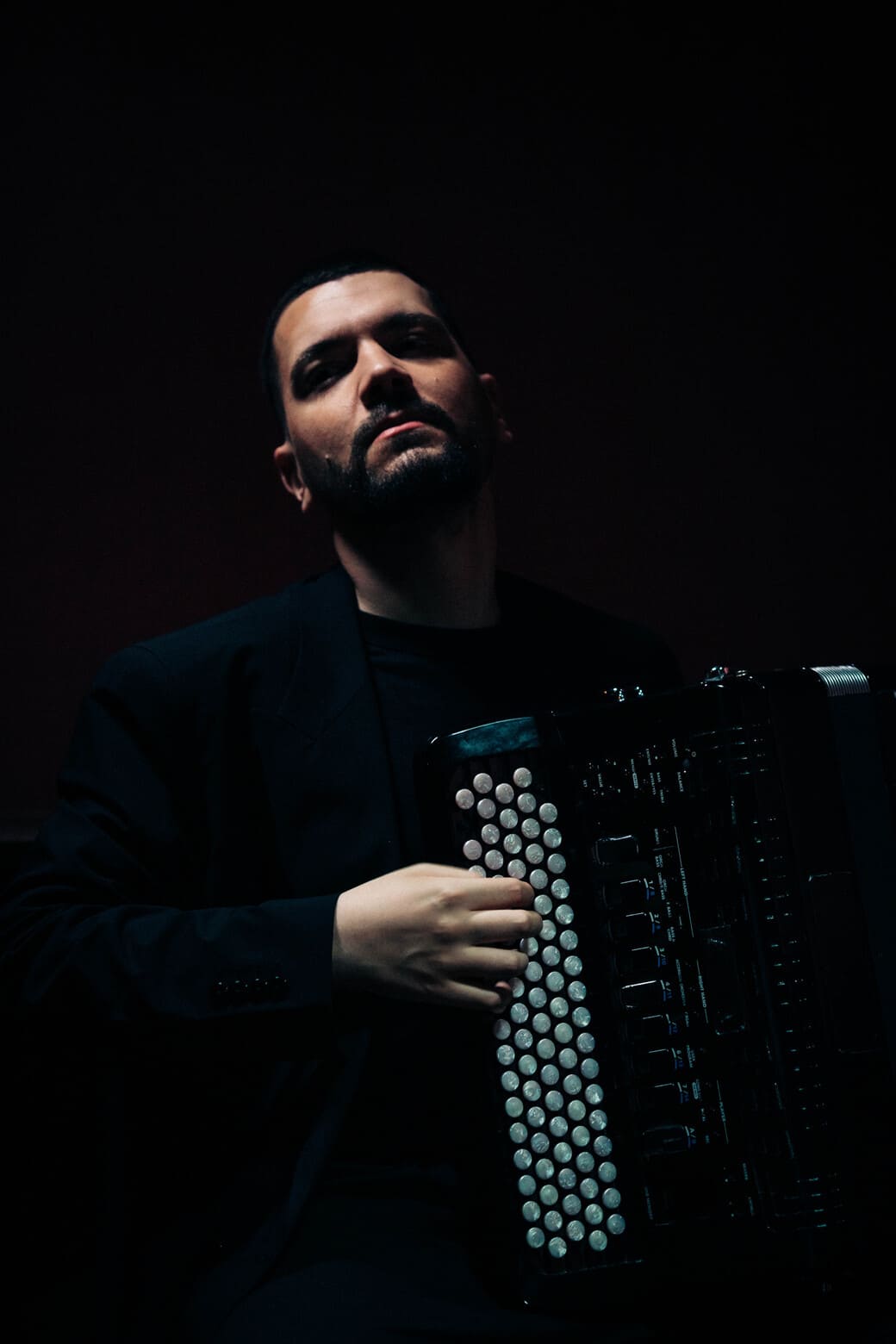
Review. Aperture Album (Inner Circle Music, 2025). João Barradas, accordion / David Binney, saxophonist / bassist André Rosinha, bassist / Bruno Pedroso, drummer

To whose who know and love the contemporary experimental music niche, the name of João Barradas should be a familiar one. The multi-directional accordion composer has been a prodigy of his instrument from a very early age, bridging the gap between modernism, classical and avant-jazz, to create a singular body of work in what has come to be known as the Third Stream.

Aperture, his first album in more than five years, was developed during his residence at Casa da Música in Porto, Portugal. At surface value, this may seem and sound like simply a record that ably integrates predetermined composition with collective improvisation. But what Barradas has in mind with Aperture is far more complex and ambitious. By tackling the structural concepts of the pieces’ titles head on, the quartet stages highly nuanced architectural templates, assembling intricate shapes and textures out of fractal parts.

André Rosinha walks out the opener “Airam” on double bass for a few bars, before the rest of the quartet jumps in. Barradas and saxophonist David Binney quickly fall into deep reciprocity, mirroring and overlapping each other’s melodic and rhythmic phrasing. It is to the credit of Barradas’ full control of his instrument that he is able to weave into such precise interplay with the saxophone. At one point, he uses just the slightest pressure on the bellows to generate a breathing pulse that sounds more like a vocalization. Then, when the ensemble coalesces into a dense textural procession, he uses the accordion’s reeds to induce a crystalline, almost organ-like frequency that slices through the curtain of sound. That contrast creates a rich and enthralling effect.

Immaculate aesthetic and technical moments like that permeate the entire album. On “Escher’s Song,” the quartet stages a wondrous sonic recreation of the namesake artist’s geometric paradoxes. They ply circular, recursive patterns and reach for a collective Shepard Tone – invoking the sensation that the internal subdivisions of the piece are fluctuating endlessly, while the master tempo remains unchanged. It’s a hypnotic moment, and the listener feels like the piece could go on for hours, building and collapsing on an unbroken loop.

On “Glass,” Barradas leans into higher frequencies, and the ensuing palette becomes as brittle and reflective as glass would be. The entire piece is a complex free-form exercise in restraint, and Bruno Pedroso’s percussive masterclass is the shining star here. He abandons time-keeping and devotes himself fully to reactive improvisation – using light snare work to create shimmering tones, then picking up pace on the rims to maintain momentum, all the while, leaving plenty of silent space for the saxophone and accordion to edge forward. “Glass” sounds sinister and tantric and unsettled, and could easily be considered the best piece on Aperture.

These literal recreations of mathematical and natural notions form the core of Aperture. Just listen to the piercing, sharp-angled intervals Binney’s kinetic playing conjures on “Cube,” building a unilateral design. Or how Barradas uses the vocoder to devise a short and doleful ambient surface on “Fragment.”

It is Barradas’ virtuoso handling of his instrument that remains at the epicentre throughout Aperture. In lesser hands, the accordion would hardly be able to keep up with the highly nimble and adaptable sax-bass-drums combo. But Barradas proves that he’s more than capable to meet the challenge. More often than not, to meet the compositions’ demands, he utilizes the free bass system – forgoing pre-set multi-note chords for a more chromatic approach, as thrillingly rewarding as it is intensely difficult.

The closer “Pneuma,” originally composed by classical avant-gardist Yannis Kyriakides, and re-arranged by him specifically for Barradas, is the most demanding piece on the record, both for the listener and for the players. In true Kyriakides style, it marries the rigid, highly controlled narratives of classical composition with improvisational nihilism. The accordion becomes a pair of lungs headed towards hyperventilation, at first steady in repetition, then slowly building in intensity, until its thunderous conclusion. The hissing valve textures, combined with supressed vocals coming through the playing is a fantastic stylistic touch, blurring the line between the breaths of the instrument and the human playing it. It’s a fitting and incredible conclusion to a record that tries and succeeds in making much more than music – a conceptual and technical masterpiece of how sound can metamorphose the listener’s vision.

December, 22nd, 2025

Hery Paz – Fisuras – Review

Hery Paz – Fisuras – Review

HERY PAZ

Fisuras

Review

04

December, 2025

By: Khagan Aslanov

Photo: Artist,s concession

Review: “Fisuras”. Carimbo Porta- Jazz Label. (26 November 2025) Hery Paz, woodwinds, claves & Voice / Pedro Melo Alves, percussion / Joao Carlos Pinto Keyboard & Electronics / Demian Cabaud, bass, flute, bombo legüero / Maria Mónica, all live visual sorcery. Recorded Live at the Black Box /CIAJG. At the Guimarães jazz Festival.

In some ways, Cuban-born, NY-based multi-instrumentalist Hery Paz is one of the only living postmodernists standing on firm ground. He composes, improvises, paints and writes, and though in most hands, this arrangement quickly crumbles into a hedged multi-pronged pursuit of mediocrity, what saves Paz from a similar fate is that in his craft, all these mediums function as load-bearing elements of a much larger whole. In that melee, his music may well act as an image, his painting as grammar, and his words as notation.

So it goes for his excellent new album Fisuras, an aural/optic undertaking that is intrinsically tied to language as a connective force. Recorded live last year, at the Guimarães Jazz Festival, the performance was an exercise in artistic syncretism, spoken and intoned poetry, visual “sorcery,” and acoustical and electronic improvisation.


Somewhat appropriately then, simple words may fail here. Fisuras was conceived as an all-consuming live experience, a group of artists in the middle of a multi-disciplinary ceremonial, and without Maria Mónica’s visual accompaniment, these pieces obviously lack a crucial aspect of their consumption. Thankfully, the poetry, throat-work and music on offer are so enthralling that even with a patch missing, a tremendous aesthetic effect is reached.

Through stuttering static, Paz ushers in the opener “Azul” on a short, emotive poem – ‘Blue. The legs devoured by blue. The soul parched. The ropes rotting. The beam ruined with age.’

What follows is a Mingus-esque intro, made dense with brawny bass-work, chaotic percussion and atonal sax, while a hanging curtain of squawking electronics lays the backdrop. About four minutes in, the instruments pull back, and the piece begins a short decay into claves and twitching percussive synthetic pulsing. Then the group descends again. At the next break, Joao João Carlos Pinto plays a short measure of kitschy keys that bring to mind 70’s giallo scores, and then “Azul” begins a drift into an unsettled ambient space, intermittently snapped by sharp, collective interplay.

As the piece winds down in a fit of Demian Cabaud’s bowed bass, Paz repeats the poem, adding as an epilogue ‘Into the wet earth, I bury hunger, one bone after another, and another, and another…’

It’s a wholly consuming 14 minutes, a piece that contracts and expands continuously with fluid identity, full of systolic fluctuations, nowhere and everywhere all at once.

From there, Fisuras runs the gamut of free jazz mastery. On the supremely patient “Solo Por Hoy,” over another spoken ode to melancholy and dread, Paz’ saxophone takes on a hanging atmospheric tone, part Coltrane’s dolour, part Brotzmann’s desolate anarchy. The frenetically beautiful “Golpes” is a display of percussionist Pedro Melo Alves’ kit skills – a pyrotechnical show of high-strung dynamics and irregular phrasing, he creates a feral foil to the piece’s glitchy electronic procession. On repeat listens, more and more nuance emerges from every piece, a thousand pointillist details that merge into a heart-rending sum.

Even to the untrained ear, the tightly-plaited interplay and knowing hands that guide Fisuras make the album a wonder to hear. This performance represents what is so incredible about improvised music. A group of virtuosos reaching internally, for meaning and sound, and then thrusting them outward into the audience, to create a perfect aesthetic moment.

December, 04th, 2025

Ramón López – 40 Springs in Paris – Review

Ramón López – 40 Springs in Paris – Review

RAMÓN LÓPEZ

40 Springs in Paris

Review

27

November, 2025


By: Khagan Aslanov

Photos: Ivan Mathieu & Peter Purgar

Review: 40 Springs In Paris (RogueArt, 2025). Ramon Lopez, drums.


Even to the attuned experimental ear, a solo drum album is an unsure undertaking. Seamless technique aside, truth is, without a personal touch and command of atmosphere and instinct, a single instrument can never be an end in and of itself. For every masterpiece of the niche, like Max Roach’s Drums Unlimited, Art Blakey’s Orgy in Rhythm or Tatsuya Nakatani’s Confirmed, there are dozens of recordings that exhibit skill without soul, expertly composed work that does little to show how versatile and sustaining percussion can be.

Who better then to handle such a precarious undertaking than Ramón López, the revered Spanish percussionist, whose free improvisation treatment of Songs of the Spanish Civil War remains one of the most commanding and devastating musical statements of the 21st century.

No stranger to solo drum records, for many years, López’ omnivorous playing habits have served as a powerful catalyst between the Spanish tradition, American avant-jazz, Indian tabla, free improvisation and a distinctly European school of experimentalism. With 40 Springs in Paris, he distills all of this compounded knowledge into a stunning tribute to the city, and the life he began there in 1985.

López’ compositions were always pictorial exhibitions, serving just as potently as purely musical ventures as imagistic allegories. But there is something even deeper at play on 40 Springs. It’s an account of his own personal history, of four decades of a relentless creative pursuit, in a city that nourished his craft and served as his home.

40 Springs was recorded in a single spontaneous two-hour session, though one would hardly be able to tell. There is a completeness to this assemblage of tracks, a resolute statement of precision and avant-garde risk-taking. In essence, it is exactly what a solo record should be – an artist in profound ritual with their instrument, an unshakeable harmony. It almost feels like the listener is intruding by hearing it.

López’ presentation of a drum solo isn’t contained to its literal meaning of exhibiting technique (though he demonstrates that with gusto and style regardless). Rather, these starkly poignant, painterly pieces function like impressionistic miniatures of texture and mood. Devoid of chord changes, the narrative arc is maintained almost purely through variations in density. It’s an intoxicating proposition, pulled off perfectly with a staggering level of restraint and skill.

On opener “The Sound of Heart and Medals,” he uses bowing to induce an exquisite tension that hangs in the ear long after the piece fades out.

“The Sun that Awakens the Mountains” seems to mirror the movement of water, a back-and-forth showing of effortless and stormy transitions – brush-stick cross-fades and crescendoing press rolls shifting into open hits, as precise and daunting as a wave set crashing into a coastline.

“Climbing,” the de facto centerpiece of the record, builds patiently, then implodes into a rubato freefall.

And on closer “Sixty-five Tolbiac Street,” he creates a pulsing curtain of low dynamics, all brush and finger-work.

Through the thick of all these overlapping phrases and polyrhythms, López transforms a single kit into a kinetic orchestra, and 40 Springs, a percussive masterwork, shows that even decades down the line, he still resides in the midst of a beatific exploration.


November, 27th, 2025

Albert Cirera & Tres Tambors – Orangina – Review

Albert Cirera & Tres Tambors – Orangina – Review

ALBERT CIRERA & TRES TAMBORS

Orangina 

Review

25

Noviembre, 2025

Texto: Israel Figueredo

Fotos: Concesión del artista

Review: Orangina (Underpoll, 2025). Albert Cirera, saxos/ Marco Mezquida, piano, Rhodes/ Marko Lohikari, contrabajo/ Oscar Doménech, batería

Albert Cirera & Tres Tambors un cuarteto consolidado con más de diez años dentro de la escena, nos trae en esta ocasión la entrega de su tercer proyecto discográfico: Orangina.

Un álbum lleno de melodías, improvisación y la magia que solo sus integrantes son capaces de emanar cuando confluyen en un mismo espacio. Orangina está inspirado en el color naranja, que en palabras del líder de este proyecto es el color de la paz, casualmente, también es el color del cartón que se utilizó para componer toda la música.

Las doce canciones que conforman el álbum son composiciones originales del saxofonista Albert Cirera, encargado del sonido del saxo tenor, saxo soprano y el liderazgo de la banda. Junto a Marco Mezquida al piano y Rhodes, Marko Lohikari al contrabajo y Orlando Doménech a la batería hacen de este, una experiencia auditiva interesante.

El álbum está dotado de un estilo poco ortodoxo sumado a una sensibilidad y un carácter lírico proveniente de las corrientes del jazz avant-garde, el free jazz y las tendencias de improvisación libre.

La influencia del serialismo tiene un gran peso en el estilo de creación de Albert Cirera, canciones como L´Última, Orangina y Nordik Premier son muestra de ello. No obstante, Cirera no deja de lado realizar composiciones que se sostengan en una base rítmica estable y con aires de groove como vemos en el tercer, séptimo y noveno tema del álbum: Sour Freda, Jante Law y Les Coses del Cap, o que se convine con un swing straight ahead de manual presente en la décima canción del disco: Easier Kit.

He de destacar de Easier Kit, que empieza con la exposición de una melodía serial tocada por Albert Cirera (saxo tenor) y Marko Lohikari (contrabajo), a la que se le añade el resto de los integrantes de la banda cuando la melodía es tocada por segunda vez.

Acto seguido pasan a un swing en el apartado de los solos donde la banda demuestra el dominio del lenguaje y la tradición jazzística de los años 60´s. El pianista (Marco Mezquida) irrumpe con una magistral improvisación seguido por el saxo tenor (Albert Cirera) donde ambos exponen un discurso de gran virtuosismo técnico e interpretativo. A este coctel se le suman los golpes Orlando Doménech (batería).

La compenetración, la experiencia y cohesión de la banda es digna de admiración.

Orangina tuvo su lanzamiento al mercado en el mes de septiembre de este año en curso (2025), sale bajo el sello discográfico Underpool. Grabado, mezclado y masterizado por Sergi Felipe.

El álbum es una evolución de la línea de trabajos anteriores de Albert Cirera & Tres Tambors: Els Ecants (Fresh Sound New Talent, 2013) y Suite Salada (Underpool, 2017). Esta tercera obra maestra invita a los oyentes a sumergirse en el universo de las melodías liricas, la exploración sonora y el mundo naranja de las texturas.

25 de noviembre de 2025

Rodrigo Amado, The Bridge – Further Beyond – Review

Rodrigo Amado, The Bridge – Further Beyond – Review

RODRIGO AMADO

THE BRIDGE

Further Beyond

Review

28

October, 2025

By: Khagan Aslanov

Photos: Laurien Godfroid

Review: Rodrigo Amado. The Bridge. Further Beyond (Trost Records, 2025). Rodrigo Amado, tenor saxophone/ Alexandre Von Schlippenbach, piano/ Ingebrigt Håker Flaten, double bass/ Gerry Hemingway, drums, voice.

Masterful Portuguese saxophonist Rodrigo Amado doesn’t make free music, but music that is free. His international collective The Bridge are back with their second effort and, as would be expected from fans of either of the maestros assembled, the pyrotechnics and solidarity showcased by the quartet are truly something to behold. Further Beyond feels like a continuous forceful exhale, and Amado’s peerless playing on the tenor presents a refracted image of tone, texture and harmony. Coiled and endlessly inventive, the pieces that make up the album always sound like they’re collapsing to fractal parts, before fusing back into a pulsing whole, then back, again and again.

There are aspects to these pieces that function as warped trilobites of jazz in the late 1950’s, just as it began leaving its established modalities, and subverting traditional binaries of structure and rhythm, while holding onto a scrap of its symphonic core. That indelible tension is felt throughout Further Beyond, in the atonal insurrections that are seamlessly grafted into otherwise-melodic passages of “A Change is Gonna Come”, in the ostinato variations that open the title piece, in the concentric lung-work that gives shuddering shapes to “That’s How Strong This Love Is”. Amado’s playing, both in its compositional and improvised modes, is a compressed display of jazz’ endless morphology – gritty, anarchic, spiritual, self-referential, virtuosic, equally tuneful and utterly untethered from any scaffold.

What Amado avoids in fine style is over-cluttering, which speaks all the more to his adeptness. No part of Further Beyond feels overly dense or needlessly obtuse. Even as its identifying masks keep falling to the floor, the album flows with ease and grace, and in the midst of Amado’s horn workouts, the musicians that make up The Bridge are all given room to stretch and show off:

Alex Von Shippenbach is in typically fine chameleonic form, layering profoundly lyrical tonality into a supremely angular style. He splices in a dizzying amount of combustibility into the record, full of spiky dissonance and motivic phrasing.

Bassist Ingebrigt Håker Flaten lets loose his diverse palette that has, over the years, spanned everything from funk to art rock. His propulsive playing forms the foundation of the record, by turns communing directly with the piano, the tenor sax, or falling back onto the drums, to form nervy percussive interplay.

Gerry Hemingway brings forth everything that had made him such a crucial piece of Anthony Braxton’s ensembles in the 80’s and 90’s – effortlessly shifting between being a grounding foil to the mutiny on display, and a willing participant in its most unhinged moments. His squalling, pitched vocal improvisations add another feral element to the middle passage of the title piece, as the instruments collide into a collective frenzied descent.

On Further Beyond, The Bridge sculpt their second masterpiece, a demonstration of skill and rapport, agile, thunderous and free, showing once again everything there is to love about improvisational music.


October 28th, 2025

Pin It on Pinterest